
REVIEW · WALKING TOURS
Nazis in Buenos Aires: a historical walking tour
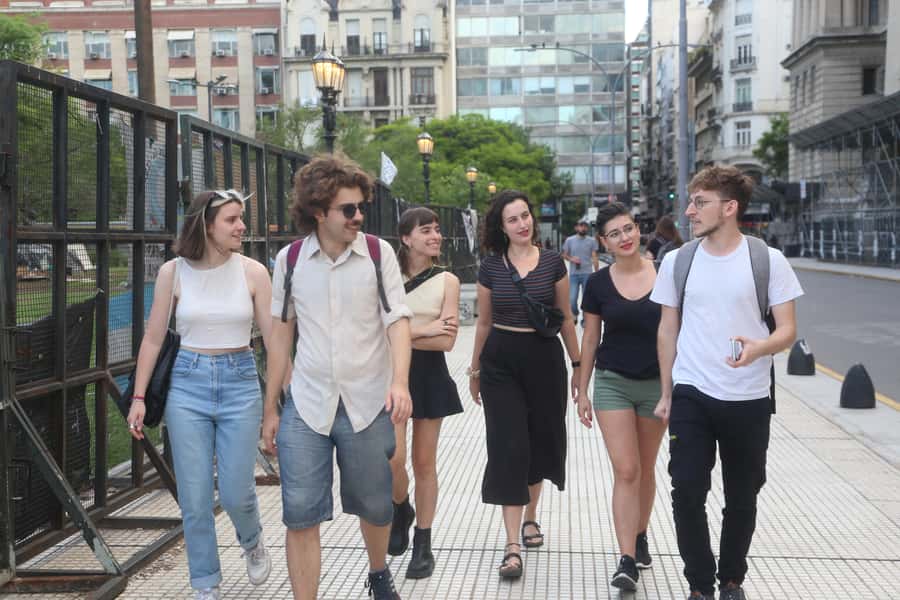
Dark history, told in the open streets of Buenos Aires. This 2.5-hour walk uses real locations to tackle a disputed question, whether Argentina became a refuge for Nazi war criminals after 1945. I like that you get the context from Max, a history teacher linked to the University of Bs As, and I also love how the route moves through classic neighborhoods like Recoleta, Retiro, and Microcentro instead of staying in one museum bubble.
What really works is the way the tour pairs iconic Buenos Aires landmarks with hard topics: the capture story around Adolf Eichmann, the fate of Buenos Aires Jewish community (said to be the second largest in the continent), and debates around Juan Domingo Perón. You will also stop at specific places tied to the coffee moment associated with Eichmann, a Nazi meeting said to involve a 15,000-seat venue, and even a neo-Nazi attack in the 1960s.
One consideration: the subject matter is heavy, and the tour is not for kids under 10. If you want only light city sightseeing, this walk will feel more like a thoughtful street seminar than a casual stroll.
In This Review
- Key things I think you should know before you go
- Nazis in Buenos Aires: why this walk hits differently than a museum
- Meet Max near Palacio Libertad: start point and what to look for
- The 2.5-hour format: how the pace and stops keep you engaged
- Stop 1 to Stop 2: Recoleta and the civic start that sets the tone
- Stop 3: ABC Restaurant and the Eichmann coffee detail
- Stop 4: Museo de Armas de La Nación Tte. Gral. Pablo Riccheri
- Stop 5: Palacio San Martin and the Perón-era debate lens
- Stop 6: Italian Circle of Buenos Aires, the 15,000-seat Nazi meeting and the 1960s neo-Nazi attack
- Finish at Plaza Embajada de Israel: remembering the worst terrorist attack and the Jewish community story
- What you learn: the themes that run under every stop
- Who this tour is best for, and who should skip it
- Price and value: why $25 can feel like a bargain for what you get
- Should you book this Nazis in Buenos Aires walking tour?
- FAQ
- How long is the tour?
- What does it cost?
- What language is the guide?
- What should I bring?
- Is it suitable for children?
- What is included, and what is not?
Key things I think you should know before you go
- Max guides with a teacher mindset, including questions and pushback, not just one-way facts
- Real Buenos Aires addresses connect WWII and the Holocaust to places still standing today
- Eichmann gets a human-scale story, including the stop tied to a cup of coffee
- You see politics, not just Nazis, with discussions that include Juan Domingo Perón
- You walk multiple central neighborhoods (Recoleta, Retiro, Microcentro) in a short time
- Bring comfortable shoes, because this is a real walking tour, not a bus loop
Other routes on foot in Buenos Aires
- Buenos Aires Hop-On Hop-Off Bus, Free Walking Tours & Discounts
★ 4.5 · 2,218 reviews - Buenos Aires: La Boca Guided Walking Tour in English
★ 4.8 · 1,587 reviews - Nazis in Buenos Aires: a historical walking tour
★ 4.9 · 193 reviews - Buenos Aires: Personalized 2 to 8-Hour Private Walking Tour
★ 4.7 · 149 reviews
Nazis in Buenos Aires: why this walk hits differently than a museum
This tour works because it refuses to stay safely behind glass. You are not just learning that Nazi criminals ended up somewhere in South America, you are seeing the Buenos Aires streetscape where those conversations and decisions played out, and where the modern city still carries the echoes.
I also like that the tour frames the whole thing as a debate. The question is not only whether Argentina received or sheltered Nazi war criminals after 1945, but whether their migration was known, and even promoted, by the Argentine government. That matters, because it shifts the story from rumor to a bigger political puzzle.
And you get a guide who treats the topic with care. Max is described as research-minded, asking where claims come from, and even admitting when something cannot be said with full certainty. That is a rare quality in tours that deal with extreme history, and it makes the discussion more believable.
Meet Max near Palacio Libertad: start point and what to look for
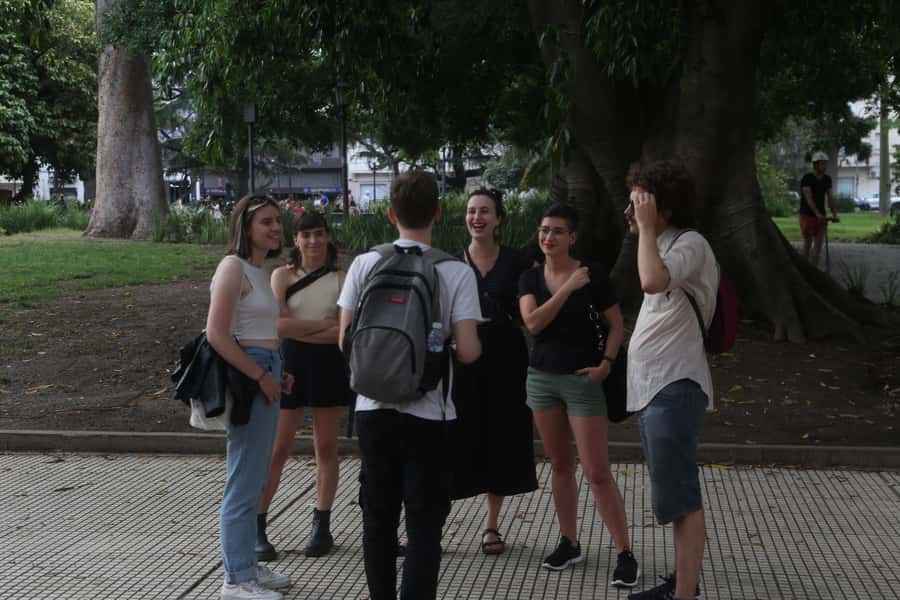
You begin at the Monumento a Juana Azurduy, a few steps from the Palacio Libertad area. The meeting is set near benches facing the Palacio Libertad, a building formerly known as the CCK, and Max will be wearing a black cap so you can spot him easily.
If you like to arrive early and get oriented, do it. This area can be busy, and it is easier when you can look up at the buildings and settle your bearings before the stories start. Wear shoes you can walk in for an extended stretch, and bring water since you will be outside for much of the route.
The tour is in English, and it is designed for adults and older teens. A basic knowledge of WWII and the Holocaust is preferred, but it also sounds like Max will answer questions as you go, including those about Nazism, Judaism, and Argentine history.
The 2.5-hour format: how the pace and stops keep you engaged
This is a 2.5-hour walking tour with a live guide. In practice, you are looking at about 20 minutes at most stops, plus a short buffer between sites.
There is also a built-in restroom pause of about 10 minutes. That sounds small, but it helps keep the tour from becoming a sprint. If you are traveling in Buenos Aires and want to keep your day moving, this schedule is realistic.
One more practical note: the tour is not listed as wheelchair-friendly, because it is a walking route. If you need mobility support, you will likely find the street segments and pacing hard to manage.
Other history-led outings in Buenos Aires
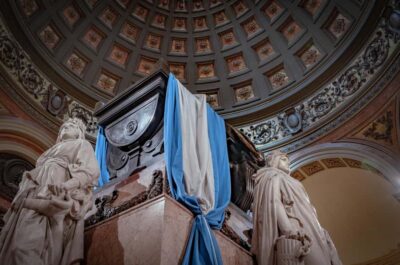
Stop 1 to Stop 2: Recoleta and the civic start that sets the tone
The walking story begins with Juana Azurduy. It is a smart start choice because it places you in a Buenos Aires identity moment first, before the tour turns to 20th-century shadows. You are getting your context about place and politics right away.
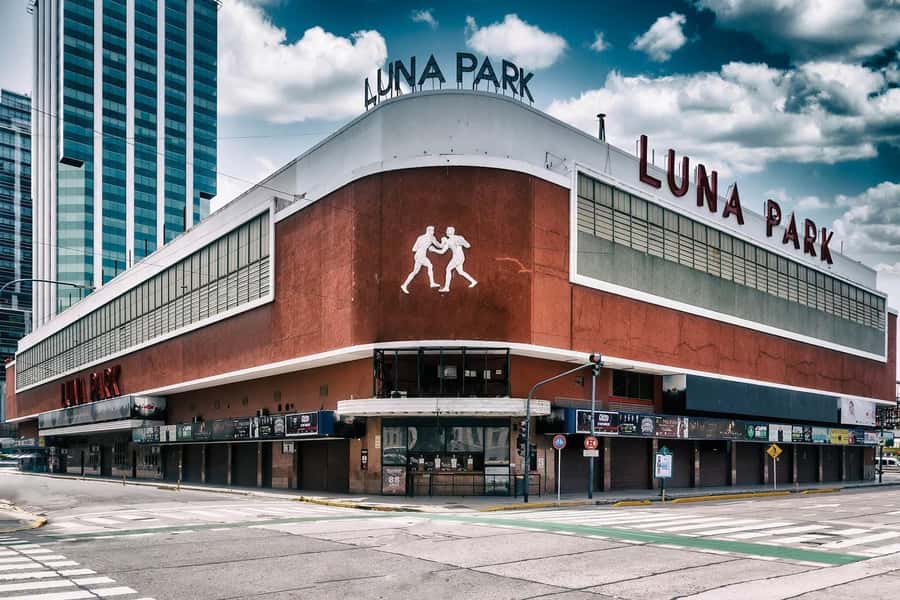
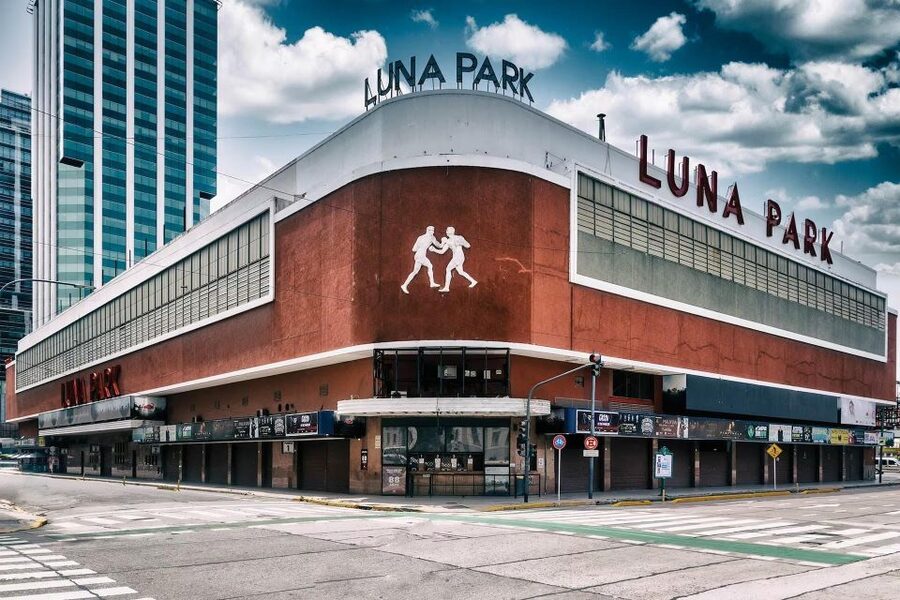
Then you head toward Luna Park Stadium, where you spend about 20 minutes. Even if you only think of Luna Park as entertainment space, the tour uses it to show how public venues and attention-grabbing structures can be part of darker stories too. You will be prompted to think about how a modern city can host, normalize, or at least tolerate the wrong ideas.
If you are the kind of traveler who likes to understand not just what happened, but how it could have happened, this part sets you up for the rest.
Stop 3: ABC Restaurant and the Eichmann coffee detail
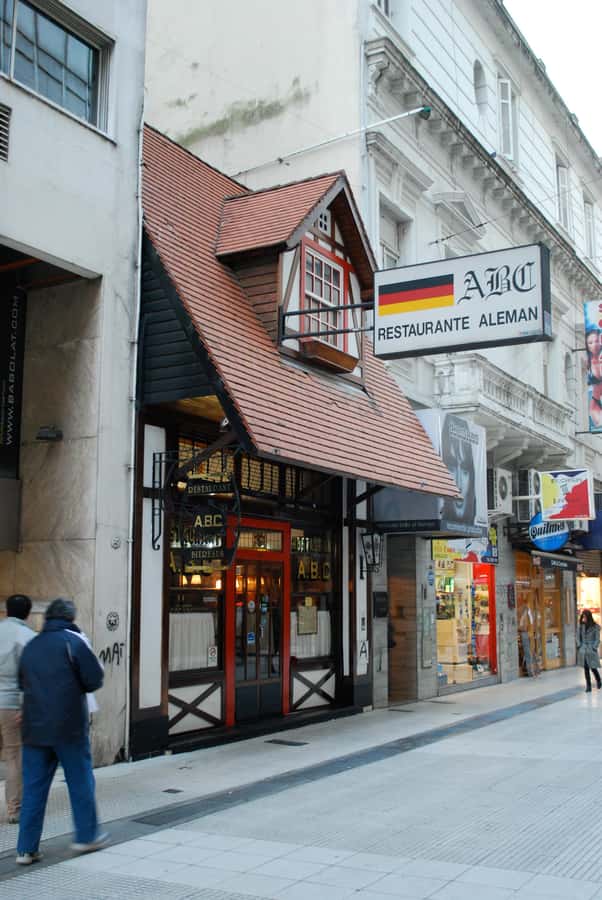
This is one of the highlights. At ABC Restaurant, the tour connects to the story of Adolf Eichmann sitting for a cup of coffee. That single detail is unsettling because it makes a distant figure feel close, and it pulls you out of the abstract.
I like that Max does not treat the coffee moment as a gimmick. The tour uses it to anchor broader questions: how identification and capture became possible, what was known, and how communities and authorities intersected with those events over time.
The biggest value here is that the story is not just about Eichmann the villain in a textbook. You start thinking about the network, the environment, and the mechanisms that allow someone like him to slip through and then get pinned down.
Stop 4: Museo de Armas de La Nación Tte. Gral. Pablo Riccheri
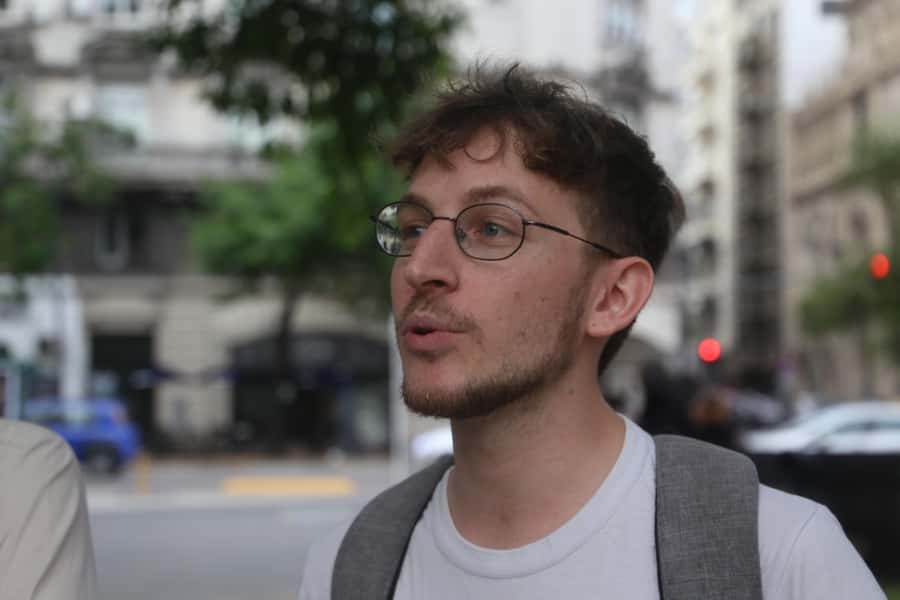
Next you visit the Museo de Armas de La Nación Tte. Gral. Pablo Riccheri. Expect a discussion that uses arms and military context as a bridge to the bigger post-WWII picture. It is a useful stop because it reminds you that ideology has tools, and those tools move through institutions.
This is also where you start seeing the tour’s balance. The walk keeps returning to Argentina’s political ecosystem, not only to the presence of Nazi war criminals. You will hear about how this period connects to the broader fate of Buenos Aires Jewish community and to debates about the country’s leadership.
If you are tempted to think the story is only about Europe and one fleeing group, this stop pushes you back toward the local reality.
Stop 5: Palacio San Martin and the Perón-era debate lens
Then you go to Palacio San Martin for another stretch of explanation. This stop is tied into the tour’s coverage of Juan Domingo Perón, arguably the most important political figure in Argentina’s 20th century.
The practical reason Palacio San Martin fits here is that it gives you a “where power happens” feel. And the discussion aims to show there is nuance in how Perón’s role is debated. You are not being asked to pick one neat story and call it done.
If you like your history with real arguments, this is one of the segments that will satisfy you. The goal is to understand why the topic remains disputed, and why answers depend on sources, framing, and interpretation.
Stop 6: Italian Circle of Buenos Aires, the 15,000-seat Nazi meeting and the 1960s neo-Nazi attack
The Italian Circle of Buenos Aires is a major stop, and it carries two serious elements in the tour’s highlights.
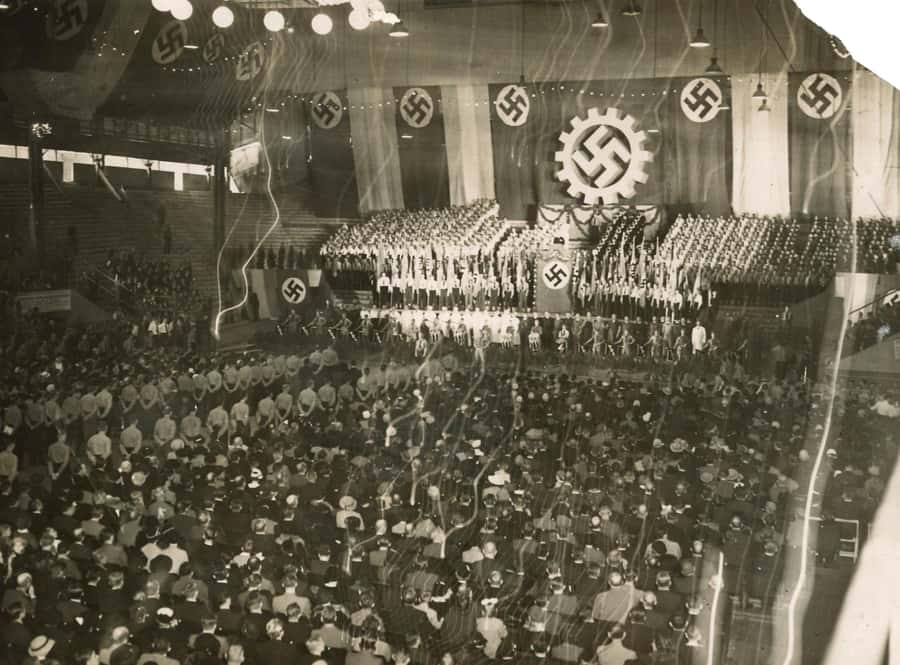
First, you get a look at a site described as a 15,000-seat Nazi meeting in a still-operational theater. Second, you visit a place connected to a neo-Nazi attack in the sixties.
This is heavy material, but the structure helps. Because you are standing at real-world locations that still function today, you have to confront an uncomfortable contrast: the modern city continues, while extremist history sits in the same geography as your morning coffee.
I also appreciate that Max’s teaching style, as described, leans toward evidence and balanced presentation. That matters more in this topic than in any “dark tourism” that exists only for shock value.
Finish at Plaza Embajada de Israel: remembering the worst terrorist attack and the Jewish community story
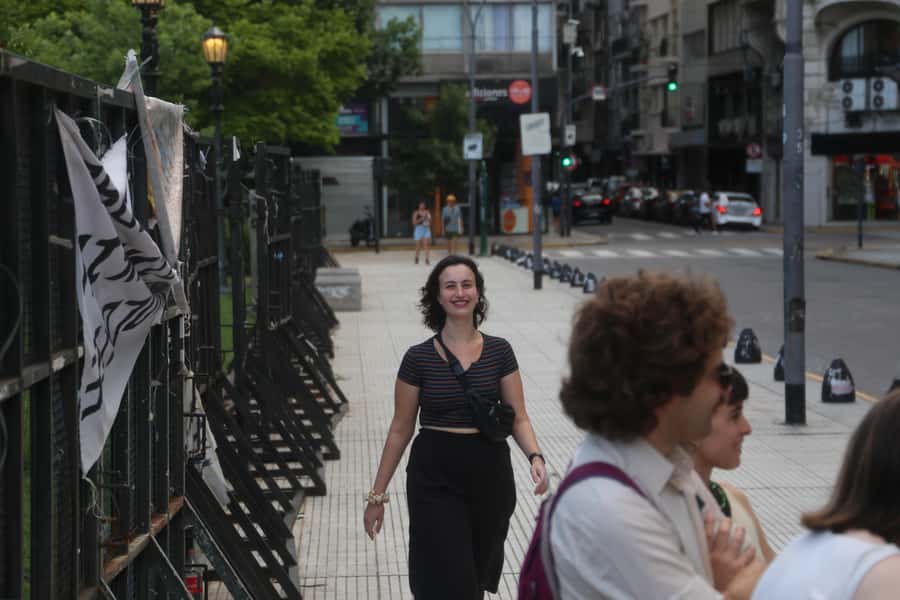
The tour ends at Plaza Embajada de Israel, described as the memorial site of the former embassy of Israel. From there, you tie together several threads: the fate of the Jewish community in Buenos Aires and the tour’s mention of the worst terrorist attack in Latin America.
This ending works well because it shifts the conversation from the WWII and Eichmann storyline into the continuing consequences for people living in Buenos Aires. The tour also emphasizes that Buenos Aires had a Jewish community that is said to be the second largest on the continent, which grounds the story in lived community life, not only in international headlines.
If the earlier stops got your head spinning with political complexity, the finish helps you land the emotional weight of memory and responsibility.
What you learn: the themes that run under every stop
To get real value from this walk, you want to track the themes. They show up again and again, and they are the reason the tour is more than a checklist of sites.
You will learn about Nazi war criminals who immigrated after 1945, and the ongoing debate about whether Argentina knew, allowed, or even supported that migration. You will hear about the spy-like identification and capture story of Adolf Eichmann.
And you will learn about debates around Perón, framed through the country’s political context. That political angle is one of the most useful aspects for you as a traveler, because it keeps the story from becoming only European history arriving late to South America.
Who this tour is best for, and who should skip it
This is ideal for you if:
- You want a history-focused Buenos Aires experience, not just sightseeing
- You are okay with uncomfortable topics and want them explained carefully
- You prefer a guide who answers questions and uses evidence-based framing
- You already have some WWII and Holocaust background, or you are willing to learn quickly in real time
You might want to skip it if:
- You are traveling with very young kids. It is not suitable for children under 10.
- You need a wheelchair-accessible route.
- You want a light, feel-good walk with minimal discussion.
Also, if you tend to get overwhelmed by heavy topics, do not book this when you are already emotionally drained. That is not a criticism of the tour. It is just smart planning.
Price and value: why $25 can feel like a bargain for what you get
At $25 per person for a 2.5-hour English walking tour, this is priced like a budget activity. But the content is priced like a seminar.
You are paying for more than movement through a neighborhood. You are paying for a university-linked history teacher, Max, who brings a structured debate, uses supporting graphics or pictures at stops (as described), and keeps the discussion anchored to source quality. You also get time at multiple central sites in Recoleta, Retiro, and Microcentro.
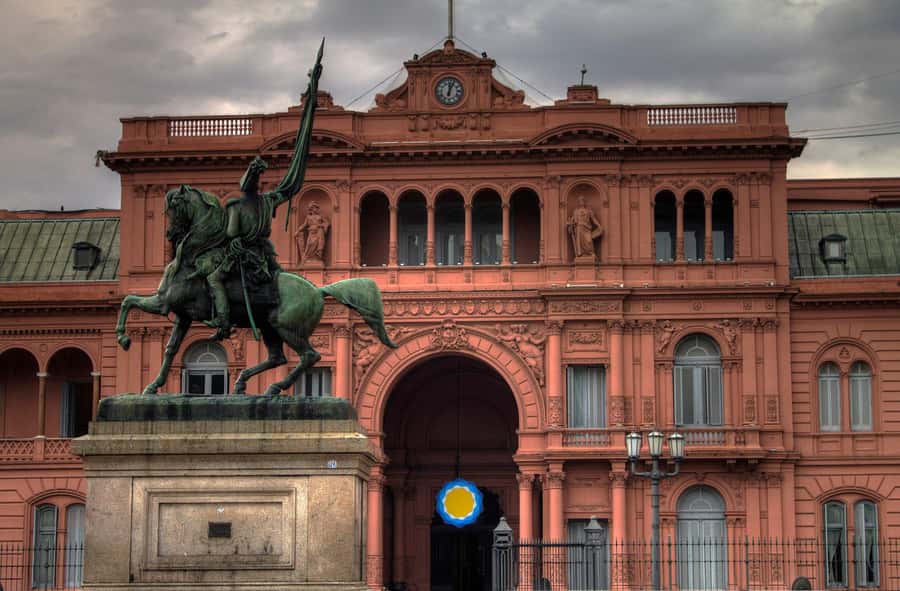
The main value tradeoff is that entries to certain places are not included, like the Casa Rosada and the Libertad Synagogue, and even Luna Park Stadium entry. So you are not buying a ticketed attraction experience. You are buying guided interpretation of the city and its historical connections.
If that matches your travel style, the price makes sense quickly.
Should you book this Nazis in Buenos Aires walking tour?
Book it if you want the kind of Buenos Aires tour that leaves you thinking, not just taking photos. This is a rare option that treats Nazi history, the Holocaust, and Argentina’s political debates as connected real-world topics, anchored to specific places.
Skip it if you only want casual sightseeing, or if you are not ready for a discussion-heavy, emotionally serious walk. The format is still approachable, but the subject matter is heavy by design.
If you are choosing between a standard walking tour and something more challenging, I would pick this one. It offers strong value for money, and it uses Max’s teaching style to keep the history clear, nuanced, and grounded in the streets where it happened.
FAQ
How long is the tour?
It runs for about 2.5 hours.
What does it cost?
The price is $25 per person.
What language is the guide?
The tour is in English.
What should I bring?
Bring comfortable shoes and water.
Is it suitable for children?
It is not suitable for children under 10.
What is included, and what is not?
Included is a two-hour walking tour with a guide. Not included are entries to the Casa Rosada, the Libertad Synagogue, and Luna Park Stadium.
Buenos Aires at Walking Pace, Elsewhere
More Tours in Buenos Aires

More Tour Reviews in Buenos Aires
Newest Buenos Aires write-ups on the desk
- Tango Show at El Querandi with optional Dinner★ 4.2 · 3 reviews
- Velez Sarsfield Football Match★ 5.0 · 3 reviews
- Tango Show at: MichelAngelo★ 4.5 · 3 reviews
- Guided tour Boca Juniors Museum & Stadium + Caminito★ 3.3 · 3 reviews
- From Colonialism to Eclecticism, Buenos Aires arquitectonica★ 5.0 · 3 reviews
- Enjoy a Rural Experience in a Vineyard near Buenos Aires★ 4.7 · 3 reviews
The rest of the Walking Tours list.
 ★ 4.8Buenos Aires: La Boca Guided Walking Tour in EnglishFrom $131,587 reviews
 ★ 4.8Bariloche: German Immigration and History Walking TourFrom $41169 reviews
 ★ 4.7Buenos Aires: Personalized 2 to 8-Hour Private Walking TourFrom $37149 reviews
 ★ 4.7La Docta Free Walking Tour “Córdoba La Antigua”.From $0104 reviews
 ★ 4.8Buenos Aires: San Telmo and Market Guided Walking TourFrom $13102 reviews
 ★ 4.5Buenos Aires Walking Tour with Local Guide and Optional RooftopFrom $11187 reviews
 ★ 4.5Penguin walk in Ushuaia + navigation optionFrom $29181 reviews
 ★ 4.5Best of Buenos Aires Private Walking TourFrom $10973 reviews
Lists this one is on