
REVIEW · WALKING TOURS
La Docta Free Walking Tour “Córdoba La Antigua”.
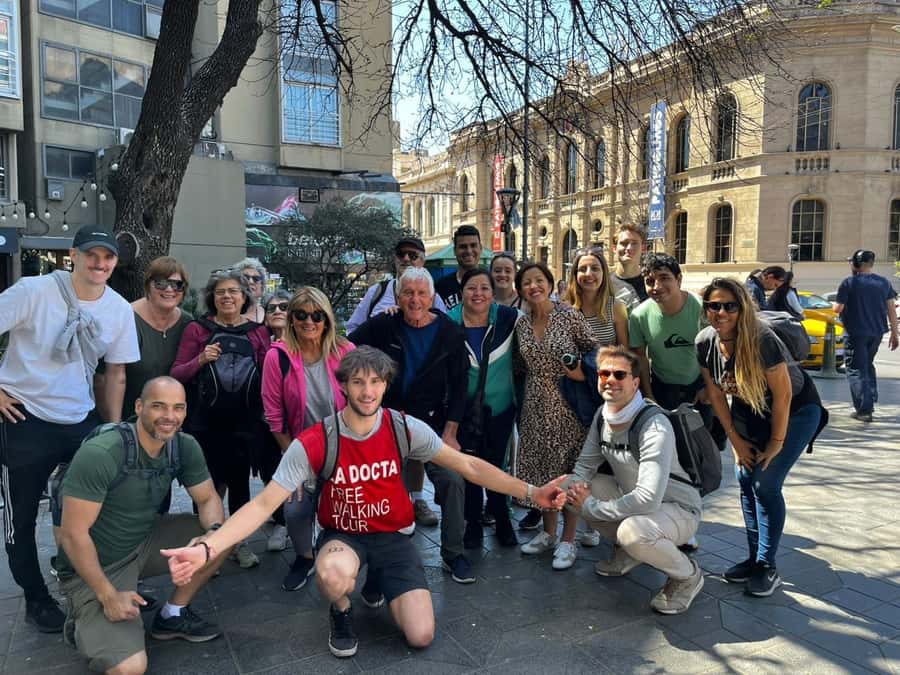
Córdoba’s old town hits fast. This free walking tour is a smart, low-stress way to get your bearings in the historic center, with guided stops at major landmarks like the Cathedral and the Jesuit complex. Two things I really like: the pace keeps you moving without rushing, and the guides lean into storytelling and group energy (I’ve seen names like Tomas, Tommy, Aldy, and Valeria Velez called out for this). One drawback to factor in, if you hate walking, is that it is a solid 2.5-hour stroll over uneven streets.
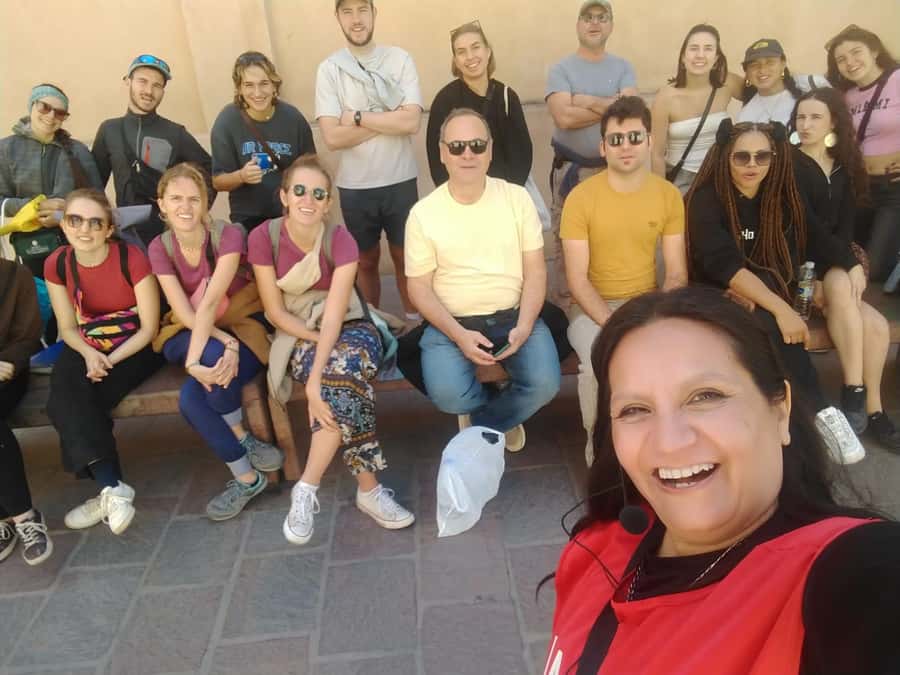
You meet in the heart of Plaza San Martin, in a red T-shirt, and you walk with a live guide in English or Spanish. The tour is built around colonial-era sites, and you also get small planned surprises with local sounds and tastes along the way. There’s also a practical bonus: you can generally skip the ticket line for certain stops, but museum admission is not included.
You’ll finish at Patio Olmos shopping mall, which makes it easy to continue the day on your own. And because it is pay-what-you-want at the end (with a small deposit needed to reserve), it is a good value pick if you like an opinionated overview more than a sit-down museum day.
In This Review
- Key points before you go
- Kick Off at Plaza San Martín, the Red Shirt Meet-Up
- How This 150-Minute Walk Helps You Read Old Córdoba
- Manzana Jesuítica and the UNC Museum Stop: Where You Start to See the Jesuit Footprint
- Cabildo de Córdoba: The City’s Power Center in Walking Distance Form
- Cathedral of Córdoba: When Religion Becomes the Center of the City
- Jesuit Crypt and the Company of Jesus Church: The Stops That Often Feel Like the Main Event
- Narrowest Building and Local Surprises: Small Moments That Make the Route Feel Human
- Marquis of Sobremonte Provincial Historical Museum: Turning Names Into Place-Based Meaning
- Colegio Nacional de Monserrat: Finishing With a Place That Feels Like Ongoing History
- Price, Value, and What You Should Tip at the End
- Practical Tips for Comfortable Walking in Córdoba
- Who This Tour Fits Best (and Who Might Want Another Plan)
- Should You Book La Docta Free Walking Tour Córdoba La Antigua?
- FAQ
- Where do I meet the tour guide?
- How long is the tour?
- How much does it cost if it is a free tour?
- Are museum tickets included?
- What languages are available?
- What should I bring?
- Can I cancel for a full refund?
Key points before you go
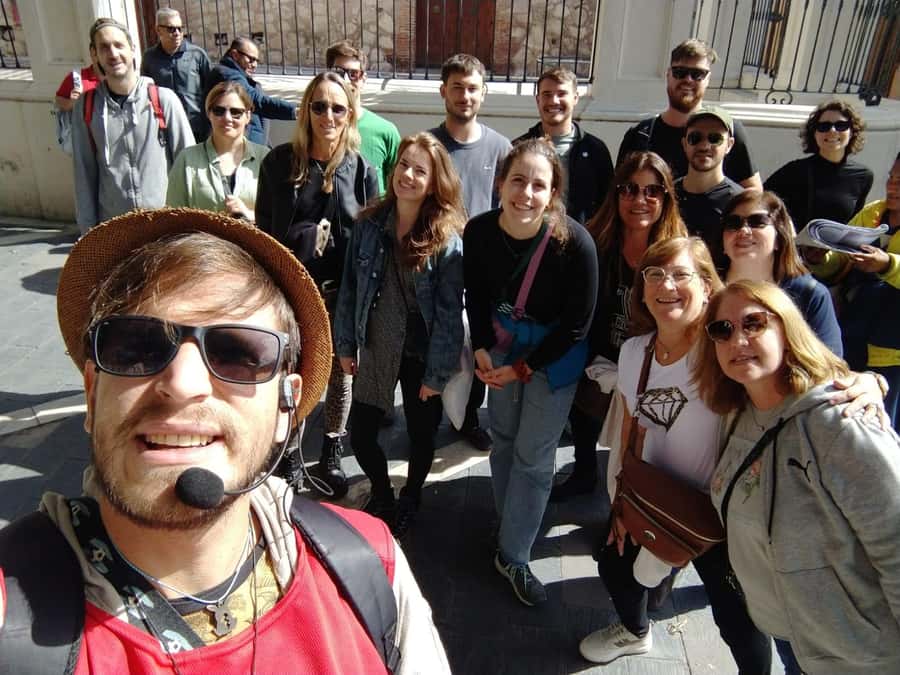
- Plaza San Martin meet-up: Look for the guide in a red T-shirt by the statue.
- 2.5 hours, city-core focus: Built as a moving highlights route through Córdoba La Antigua.
- Jesuit circuit plus downtown icons: You hit the Jesuit Crypt, the Company of Jesus church area, and major civic and religious spaces.
- Short stops that still teach: Expect photo moments and guided explanations, then you move on.
- Museum tickets not included: You may skip some lines, but you still pay admissions if the stop requires it.
- Pay at the end: Reserve with a small deposit, then decide the final tip amount after the walk.
More of the Cordoba hills
- La Docta Free Walking Tour “Córdoba La Antigua”.
★ 4.7 · 104 reviews
Kick Off at Plaza San Martín, the Red Shirt Meet-Up
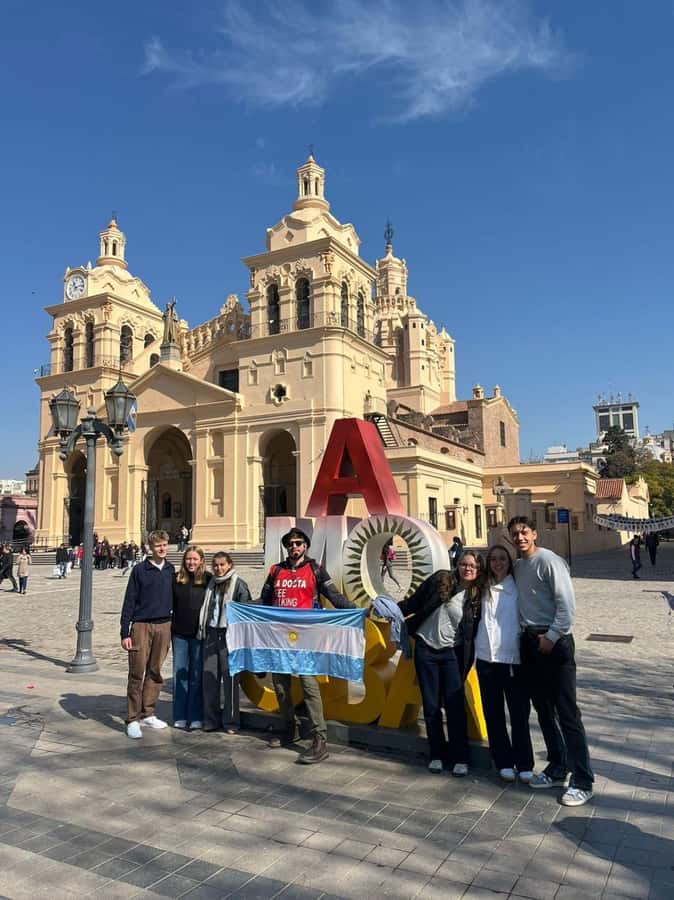
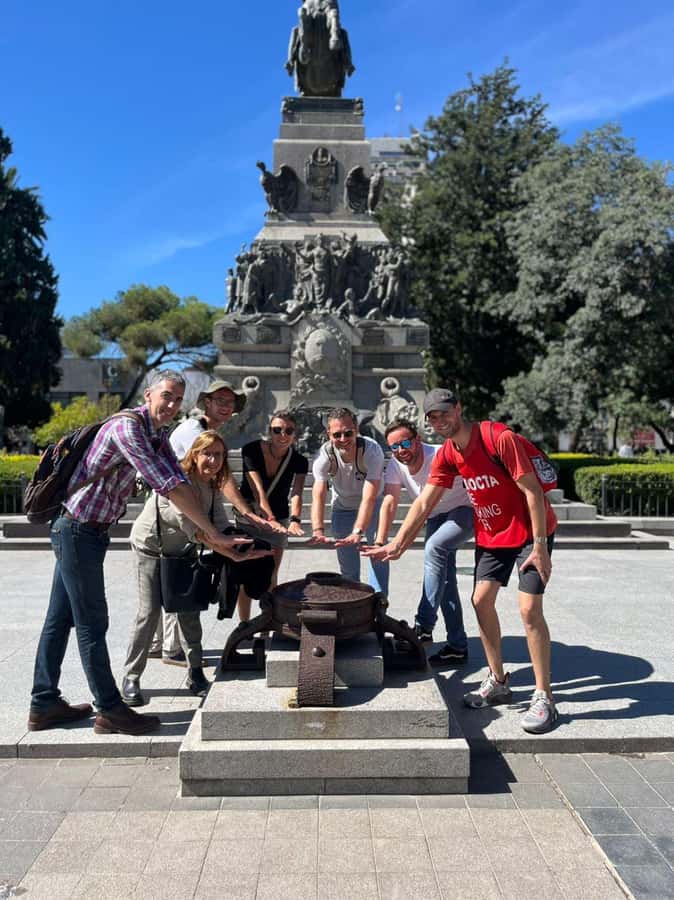
This tour’s biggest advantage is that it starts where you can actually feel like you are in Córdoba. The meeting point is Plaza San Martin, next to the statue, and the guide wears a red T-shirt. If you have ever shown up to a free tour and stood there guessing who the guide is, this is the opposite. It’s clearly marked.
Because you begin right in the center, you do not waste your first hours figuring out where things are. You just start walking, and that matters a lot on an itinerary-style city like Córdoba, where colonial landmarks are close enough to connect but scattered enough that you want a route.
Plan on comfortable shoes. The tour runs about 150 minutes, and the streets in older city areas can be rough underfoot. Bring a drink too. The route is not described as being filled with sit-down breaks, so it helps to be ready for a steady walk.
How This 150-Minute Walk Helps You Read Old Córdoba
The whole point of this tour is orientation. It is not trying to show you everything. It’s trying to help you understand what you are seeing by connecting the sites to Córdoba’s story, from the founding of the city up to modern times.
The timing is designed for momentum. Some stops are quick hop-on, hop-off moments, typically around 10 minutes, while others get a bit more time, like around 15 minutes for a more guided segment. In practice, that means you get enough time for photos and the main explanation, then you keep walking so the tour stays lively instead of turning into a lecture series.
I also like that the guide does more than recite dates. Based on the pattern of guide praise in feedback, the best tours feel animated, with room for questions and with a guide who keeps the group together. Tomas, Tommy, Valeria Velez, and Aldy are names you’ll see associated with humor, energy, and strong explanations. Even if your guide is different, it gives you a clue about the style you can expect: friendly, engaging, and focused on making the walk fun, not dry.
Manzana Jesuítica and the UNC Museum Stop: Where You Start to See the Jesuit Footprint
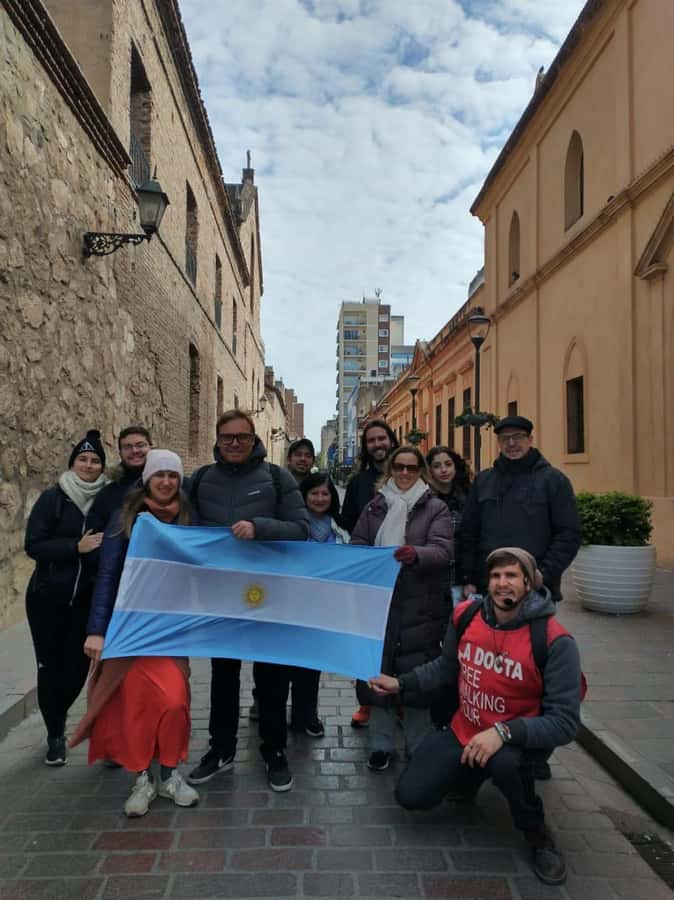
Right after the start, you go toward Manzana Jesuítica, tied to the UNC historical museum area. The tour description frames this as a photo stop plus guided time (about 15 minutes). This is a smart opener because it sets the Jesuit context early.
Why it’s valuable: Córdoba’s colonial-era identity is strongly linked to the Jesuits, and you’ll keep seeing that influence again in the rest of the route. If you hit the Jesuit Crypt and the Church of the Company of Jesus later without any setup, the details can blur. Starting here helps you connect the dots.
Also, pay attention to what you do not see. The tour notes that museum admission is not included. So if you want to go inside any museum-related spaces fully, budget for entrance fees. At the same time, the tour also mentions skipping the ticket line, which can save real time if you do decide to enter where admissions apply.



Cabildo de Córdoba: The City’s Power Center in Walking Distance Form
Next comes Cabildo de Córdoba, a civic landmark. You’ll get a short visit here, around 10 minutes. This stop helps you shift from religious influences to civic ones, showing how Córdoba’s governance and public life took shape.
What to look for on the ground: when you stand in front of buildings like the Cabildo, notice how they balance permanence and authority. Even without going deep into museum-style reading, the architecture and placement help you understand why these buildings mattered. This is the kind of stop that becomes more meaningful once the guide has given you the historical thread.
A quick heads up: because it is a timed stop, you will not have hours to wander. If you love lingering over facades and want extra photo time, plan to come back later or pick a separate slower day for the exact places that hook you most.
Cathedral of Córdoba: When Religion Becomes the Center of the City
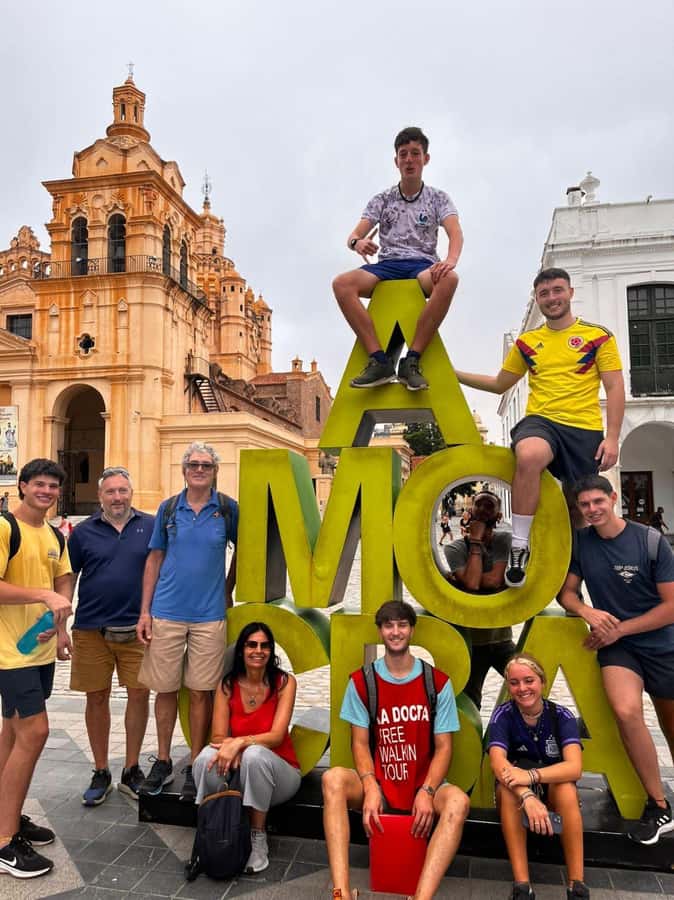
Then you reach the Cathedral area, specifically Nuestra Señora de la Asunción. Expect another hop-on, hop-off moment, about 10 minutes. This timing works because by now you’ve had enough context to understand why the Cathedral is not just a big building, it is a symbol of where attention focused for centuries.
Here’s how I’d use your time at this stop:
- Take one or two photos, then look for details the guide points out.
- Listen for how the guide connects the Cathedral to the broader colonial story.
- If the inside is accessible and you are interested, consider whether museum or entry costs might apply, since the tour itself says admissions are not included.
Even if you prefer churches for their architecture, not their religious function, this stop gives you the landmark scale that helps you map Córdoba in your head.
Jesuit Crypt and the Company of Jesus Church: The Stops That Often Feel Like the Main Event
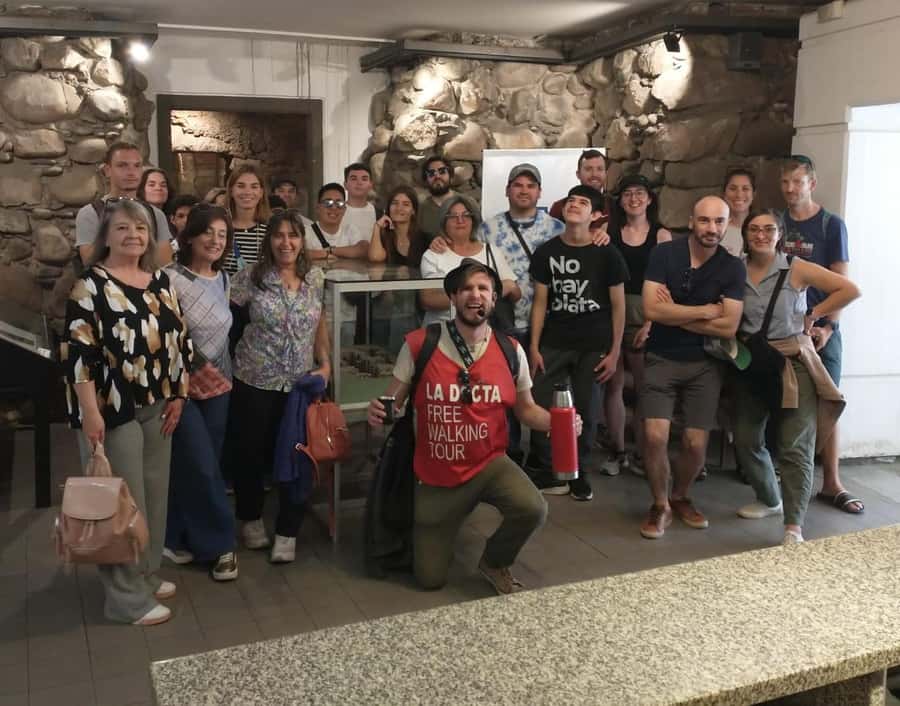
After the Cathedral, you move into the Jesuit heart of the route with the Jesuit Crypt, another hop-on, hop-off stop, and then the Society of Jesus Church area, typically around 15 minutes.
The Jesuit Crypt is one of those places that can change how you see a city. Even if you only spend a short time, it tends to make the story feel more physical, like history is sitting right under your feet. With a guide, that’s the key difference. You’re not just looking at an old space. You’re understanding why it’s there and how it fits into Córdoba’s identity.
Then you also get the Church of the Company of Jesus as part of the walk. This is another important piece because it helps you connect religious buildings to the broader Jesuit presence in education and community life. If you are into architecture, you may enjoy how the different structures relate to each other across the route.
One more thing I’d keep in mind: the tour also lists the narrowest building as part of what you’ll discover. Even if you only catch it quickly, look for it with your guide’s cues. These small oddities are often the ones that become your best photos later.
Narrowest Building and Local Surprises: Small Moments That Make the Route Feel Human
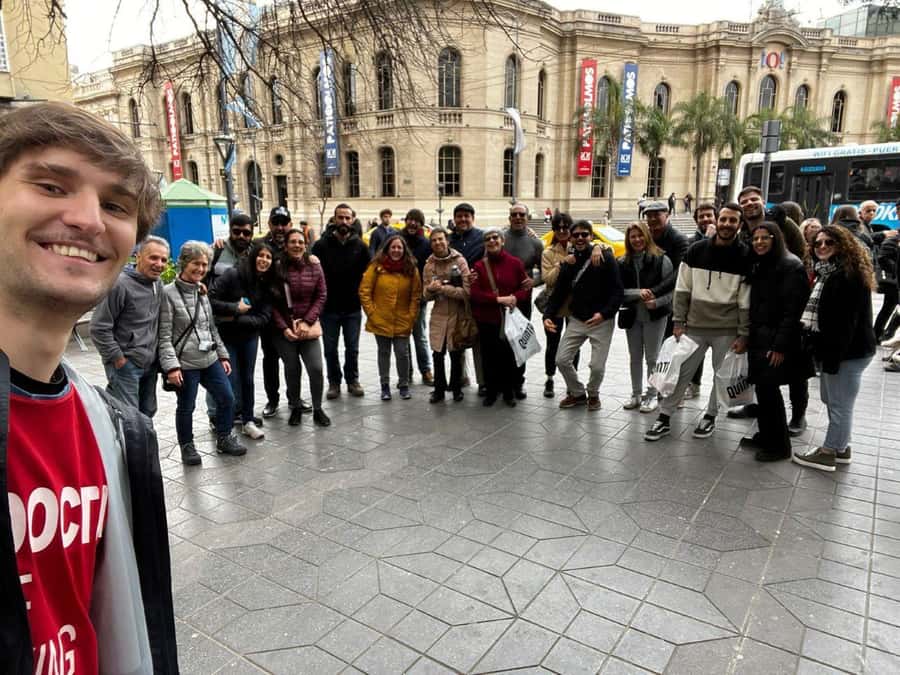
The tour explicitly mentions discovering local sounds and tastes with surprises planned along the way. That matters more than it sounds. If you spend a day only chasing monuments, the city can blur into stone. Small local moments break that pattern.
You may also find yourself seeing the narrowest building along the route. Stops like that are short, but they’re memorable because they show how ordinary spaces and odd details can sit inside a historic city. You’re not just consuming landmarks. You’re seeing how the streets actually work.
If you are traveling with friends, this is the kind of stretch that sparks conversation. One person spots the narrow building, another checks with the guide for context, and suddenly your photos have stories, not just views.
Marquis of Sobremonte Provincial Historical Museum: Turning Names Into Place-Based Meaning
Next up is the House of the Marquis of Sobremonte, presented on the tour as the Marquis of Sobremonte provincial historical museum. You get a hop-on, hop-off stop, around 10 minutes.
Why this matters for a walking tour: names like Marquis of Sobremonte can feel like trivia if you only hear them once. But on a route like this, the guide’s job is to anchor the name to the city. You start to understand that Córdoba was shaped by specific people and specific institutions, not just by anonymous centuries.
This is also a good moment to think about your priorities. If you love big monuments, you might rush through. If you love the stories behind buildings and family or governance influence, take an extra 30 seconds to really absorb what you’re being told. You do not need to go inside to get value, but if you do want to enter, remember museum admission is not included in the tour price.
Colegio Nacional de Monserrat: Finishing With a Place That Feels Like Ongoing History
The last major stop is the Colegio Nacional de Monserrat, typically around 10 minutes, before the tour ends at Patio Olmos shopping mall.
This is a strong closer for two reasons. First, it shifts you from older colonial structures to an educational legacy that still has presence in modern Córdoba. Second, finishing at a more contemporary landmark helps you transition from walking and listening to doing what you came for next, whether that is coffee, shopping, or simply resting your feet.
When you reach the end, you’ll have a working mental map: squares, churches, civic buildings, and the Jesuit footprint, all tied together by the guide’s story. That is the real payoff of a route like this. You stop feeling like you are walking through random stops and start feeling like you are reading a city.
Price, Value, and What You Should Tip at the End
Let’s talk money in the practical way. The tour price is listed as $0.50 per person, but the key detail is how it works in real life: it is a free walking tour where you decide the final amount at the end. To book, you need a deposit of 0.50 USD.
That might sound small, because it is small. But the value is in lowering the barrier. You can reserve without committing to a large fixed price. Then, at the end, you choose what feels fair based on your experience.
So what is a fair way to think about it? Consider:
- Did the guide keep the group moving while still explaining what you were looking at?
- Did you learn something you can still repeat later when someone asks what Córdoba was like?
- Did the tour help you plan the rest of your day by giving context?
The reviews overall point toward a guide-driven experience, with lots of praise for humor, energy, and strong English. Names like Tommy, Tomas, Thomas, and Valeria Velez keep coming up in that kind of feedback, which usually means the “pay what you want” model is working here: you’re paying for the guide’s effort, not paying for a scripted product.
Practical Tips for Comfortable Walking in Córdoba
This is a straightforward walking tour, so keep your routine simple:
- Wear comfortable shoes. You are walking for about 150 minutes.
- Bring a drink. The tour description calls this out.
- Expect some weather challenges. There’s at least one mention of unseasonably poor weather, which is your reminder to bring a light layer or rain protection if skies look suspicious.
Also, museums can change the rhythm. The tour says museum admission is not included. If you want to enter museums fully, you may spend more than the guided stop time and add extra costs. The upside is that the tour notes skipping the ticket line, which helps if you do decide to go in.
Who This Tour Fits Best (and Who Might Want Another Plan)
This tour is a great match if you want:
- A quick overview of Córdoba’s colonial-era landmarks.
- A route that connects civic and religious sites, especially the Jesuit presence.
- A guide who makes history feel alive instead of like a list of dates.
It may not be the best fit if:
- You want a long, slow, museum-heavy day. The tour is only 150 minutes and does not include museum admissions.
- You hate walking between multiple stops. Even at short 10 to 15 minute segments, it adds up.
If you are traveling solo, it can also be a nice way to meet people. Multiple guides are praised for adding games and helping the group socialize, which makes a difference when you are exploring a city without a built-in friend plan.
Should You Book La Docta Free Walking Tour Córdoba La Antigua?
Yes, if you want your first day in Córdoba to feel organized and meaningful without paying a big fixed price. The meet-up is easy to find in Plaza San Martin, the route hits the key sights you will keep hearing about, and the pay-what-you-want system makes it accessible.
Book it especially if you like guides who bring energy and humor, with plenty of chances to ask questions and get context for what you are seeing. Just go in knowing the basics: you’ll walk for about 2.5 hours, you should plan for museum admissions if you want to enter, and the experience is only as good as the guide’s storytelling in that moment.
If that sounds like your style, this is a smart, high-value way to start Córdoba.
FAQ
Where do I meet the tour guide?
You meet in Plaza San Martin next to the statue. The guide will be wearing a red T-shirt.
How long is the tour?
The tour lasts about 150 minutes, or roughly 2.5 hours.
How much does it cost if it is a free tour?
The tour is priced as a free walking tour where you decide how much to pay at the end. To book, you need a deposit of 0.50 USD. The final amount is up to you after the tour.
Are museum tickets included?
Museum admission is not included. You may still be able to skip the ticket line, but the tour does not cover entrance fees.
What languages are available?
The live tour guide is available in English and Spanish.
What should I bring?
Bring comfortable shoes and drinks.
Can I cancel for a full refund?
Yes. Free cancellation is available up to 24 hours in advance for a full refund.
More Tours in Argentina
More Tour Reviews in Argentina
More Cordoba Hills
Newest Argentina write-ups on the desk
- Zuccardi Full Paired Lunch at Piedra Infinita in Uco Valley★ 3.0 · 3 reviews
- Iguassu Falls: Private Tour Argentina side★ 5.0 · 3 reviews
- From Cordoba: Private Wine tour & History★ 5.0 · 3 reviews
- Luigi Bosca Winery Tour with Wine Tasting and Lunch★ 4.7 · 4 reviews
- Crossing the Andes: Fagnano and Escondido lakes with lamb★ 4.9 · 5 reviews
- Wine Icons: Meet Salentein at the heart of Uco Valley★ 4.1 · 6 reviews
The rest of the Walking Tours list.
 ★ 4.8Buenos Aires: La Boca Guided Walking Tour in EnglishFrom $131,587 reviews
 ★ 4.9Nazis in Buenos Aires: a historical walking tourFrom $25193 reviews
 ★ 4.8Bariloche: German Immigration and History Walking TourFrom $41169 reviews
 ★ 4.7Buenos Aires: Personalized 2 to 8-Hour Private Walking TourFrom $37149 reviews
 ★ 4.8Buenos Aires: San Telmo and Market Guided Walking TourFrom $13102 reviews
 ★ 4.5Buenos Aires Walking Tour with Local Guide and Optional RooftopFrom $11187 reviews
 ★ 4.5Penguin walk in Ushuaia + navigation optionFrom $29181 reviews
 ★ 4.5Best of Buenos Aires Private Walking TourFrom $10973 reviews
Lists this one is on