
REVIEW · BARILOCHE AND LAKE DISTRICT TOURS
Bariloche: German Immigration and History Walking Tour
German immigration has surprising roots in Bariloche. This 1-kilometer history walk links civic buildings, a German school, and the story of Erich Priebke to the bigger waves of German settlement in Patagonia.
I love two things right away. First, I like how the tour stays tightly organized for 90 minutes, with frequent short moves so the story never stalls. Second, I really appreciate the way Diego connects sites to context, including the practical details of how people arrived, lived, and changed the town.
One consideration: the route can feel a bit uphill in parts. It is only about a kilometer total, but you will want comfortable shoes and realistic expectations about the effort.
In This Review
- Key points to know
- A 1-kilometer walk through Bariloche’s German chapters
- Meet at the Civic Center, then build the story from there
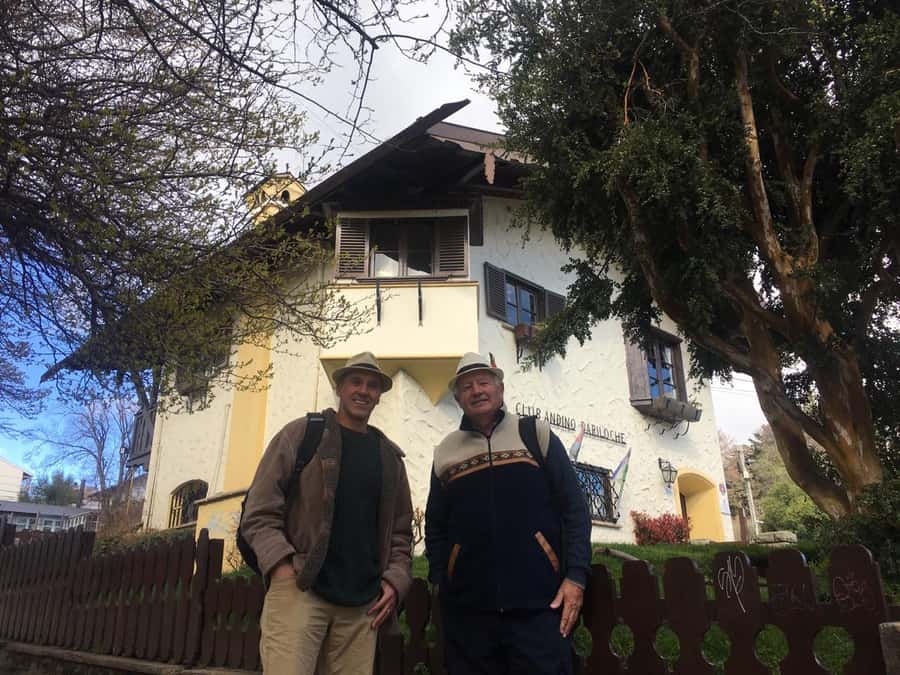
- Civic Center to Andean Club, where community life meets institutions
- The German School stop and why the tour goes there
- Belgrano Square, neighborhood clues, and the feel of lived history
- The house tied to Erich Priebke, and why 1994 matters
- Myths versus reality in Patagonia: theories at the end
- How long is it, how hard is it, and what to wear
- Languages and guide style: Diego’s storytelling pace
- Price and value: what $41 buys you in Bariloche
- Who should book this German immigration tour
- Should you book this German immigration and history tour?
- FAQ
- Where does the tour start?
- How long is the walking tour?
- How far do we walk?
- What is the price per person?
- What languages are available?
- Is the guide included?
- Is cancellation possible?
- Can I reserve without paying right away?
- What will we see during the tour?
Key points to know
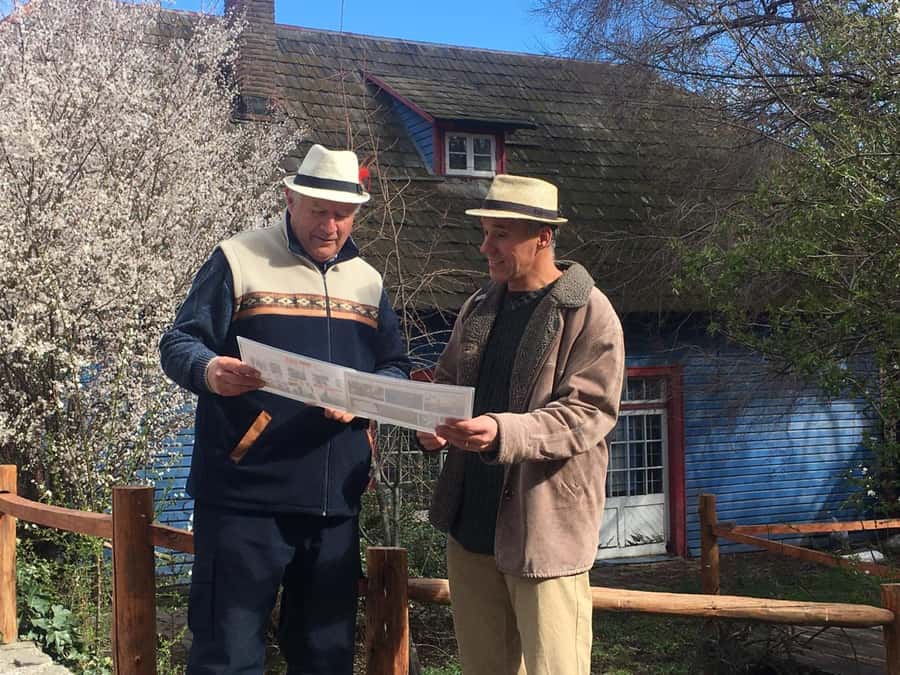
- Diego runs the show, with clear pacing and answers that keep up with questions
- Three immigration waves are explained through real Bariloche stops, not generic lectures
- You will see the German School site connected to Erich Priebke’s later capture story
- The walk includes Belgrano Square and other key areas tied to German community life
- The tour tackles myths versus reality about German presence in Patagonia
- You end with theories, so you leave with questions you can actually follow up on
More lakes and lookouts around Bariloche
- Bariloche: 7 Lakes & San Martin de Los Andes Road Trip
★ 4.5 · 624 reviews - Bariloche: Circuito Chico with optional Cerro Catedral
★ 4.5 · 316 reviews - Bariloche: German Immigration and History Walking Tour
★ 4.8 · 169 reviews - San Martín de los Andes por 7 Lagos
★ 4.4 · 155 reviews
A 1-kilometer walk through Bariloche’s German chapters
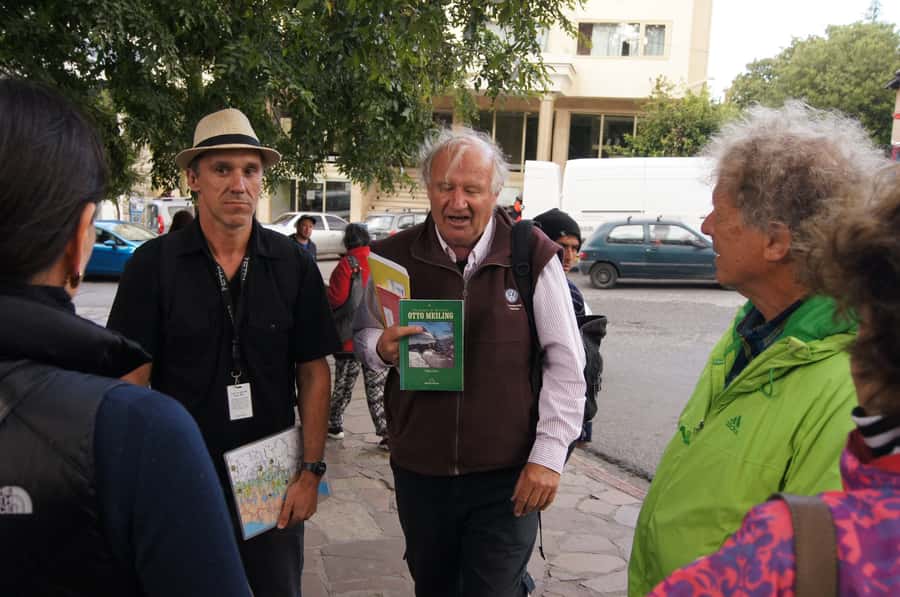
This tour is built for people who like history, but not long, slow history lessons. You get a focused route in the center of town, and you keep moving just enough that your attention stays switched on.
It is also a tour with two sides. One side is about immigration waves and how German families shaped parts of Bariloche. The other side is the darker thread, tied to the Nazi-era figure Erich Priebke and the way his presence was uncovered long after the war.
If you are the type of traveler who enjoys walking as you learn, you will like the pace. You cover key stops in a compact area, then stitch it all together at the end.
Meet at the Civic Center, then build the story from there
You start at the Bariloche Civic Center square, right by the tourist information office door. It is a handy spot to find, and it also sets the tone: this walk is about how Bariloche’s center reflects what happened around it.
From the beginning, the guide frames German immigration as more than one straight line. You are not just told one version of the story. You learn there were three main waves, and each one shaped the town differently.
This matters because Bariloche was not changed overnight. Understanding the waves helps you notice why different buildings, institutions, and neighborhood vibes feel connected to different time periods.
Civic Center to Andean Club, where community life meets institutions
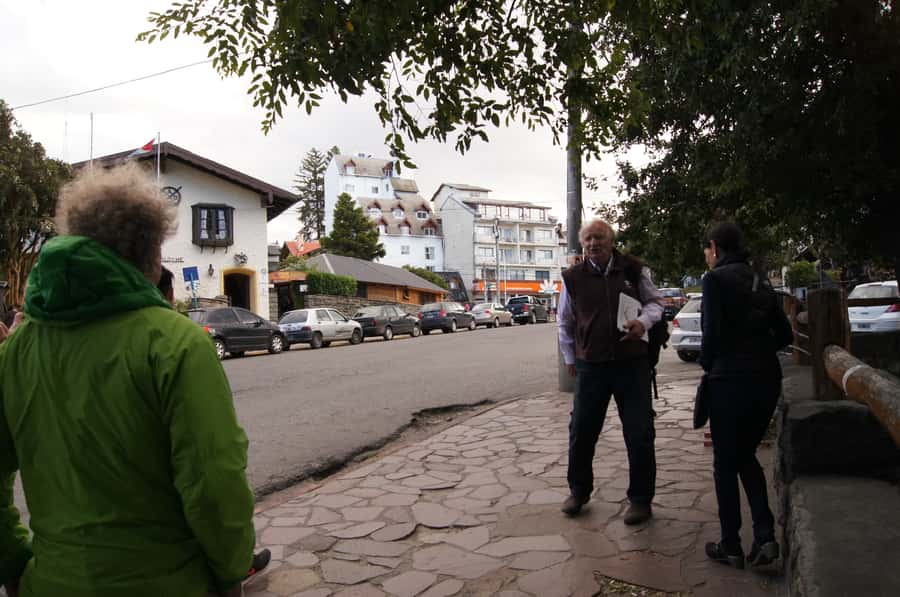
Early on, you move from the Civic Center area toward major institutional locations, including the Bariloche Andean Club and the administration connected to Nahuel Huapi National Park. Those stops help you understand that German involvement was not only about private homes. It also showed up in organizations and the way the town functioned.
This is where the tour does something smart for first-timers. It gives you a map in your head before it starts pointing out smaller details like architecture or community squares. You will have an easier time remembering what you saw because you understand why each place is relevant.
Even if you are not an architecture buff, the institutional stops make the story feel grounded. You see that immigration history plays out in civic life, not only in old photos.
The German School stop and why the tour goes there
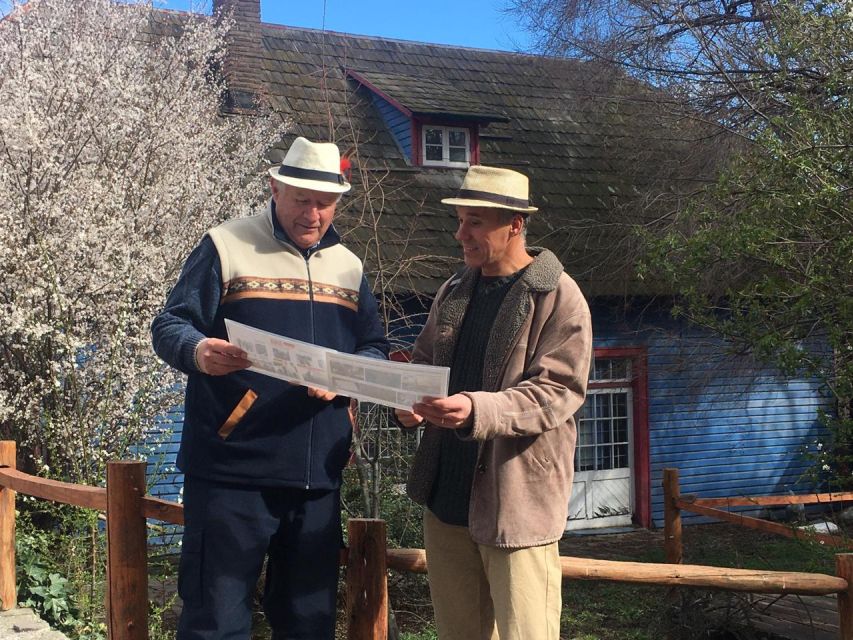
One of the most talked-about parts is the German School stop. The tour connects the school area to a later event involving Erich Priebke, including his interception story linked to American journalist Sam Donaldson.
This section is not there for shock value. It is there to show how history can come back into view years later, and how a community can carry complicated layers without always speaking about them.
If you care about being respectful while learning difficult topics, pay attention to how the guide handles transitions. The tour keeps the focus on context and connected facts, rather than turning the story into gossip.
Belgrano Square, neighborhood clues, and the feel of lived history
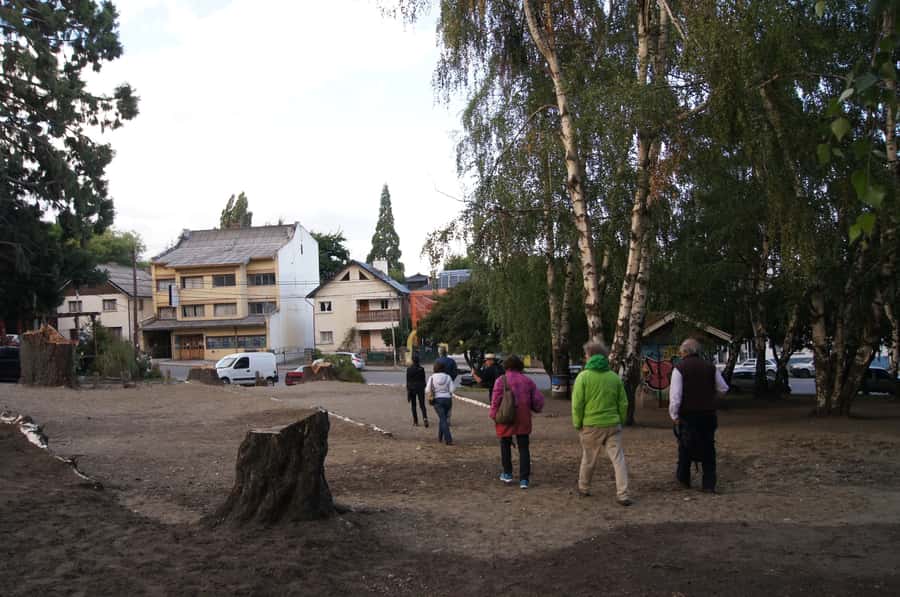
As you continue through the center, you reach Belgrano Square, another key stop. This is where you start to connect the immigration story to everyday town structure.
I like this part because it helps you look at Bariloche differently after the walk. You start noticing how public spaces and neighborhood planning reflect who came, when they came, and what they needed to build a community.
The tour also addresses the difference between reality and the myths that can grow around a prominent immigrant presence. Instead of treating German influence as a single monolith, you learn it came in phases, with changing motivations and different social footprints.
The house tied to Erich Priebke, and why 1994 matters
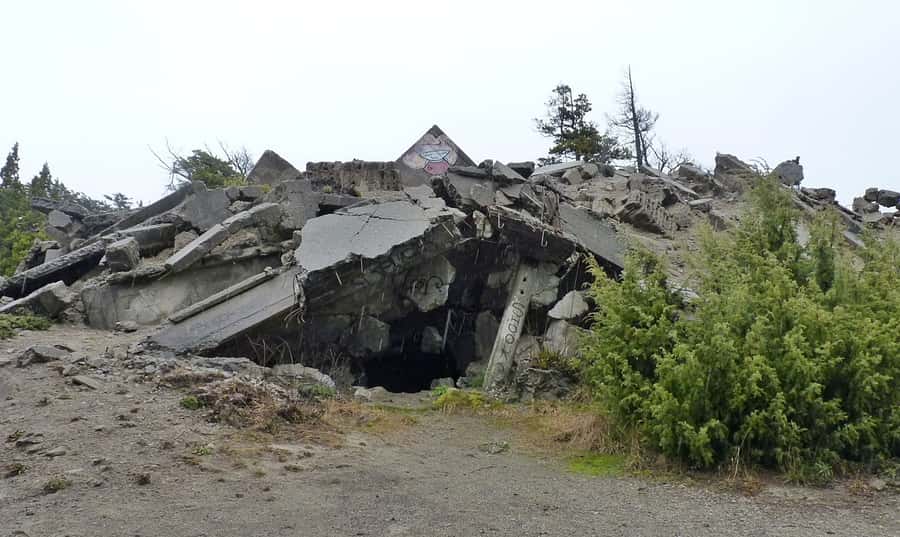
Later in the walk, you visit the house where Erich Priebke lived before his extradition in 1994. The tour ties this to the fact that his presence was discovered by an American journalist, and that discovery became a turning point.
This stop is heavy. It is also historically useful, because it shows how international justice can reach far beyond where a crime happened. You also get a clearer sense of why the Priebke story is not just a footnote in a European context, but part of Patagonia’s later history too.
I appreciate that the tour does not keep the tone light just because it is happening on a pleasant walking route. The guide keeps the focus on facts and interpretation, so you walk away understanding the significance rather than just remembering names.
Myths versus reality in Patagonia: theories at the end
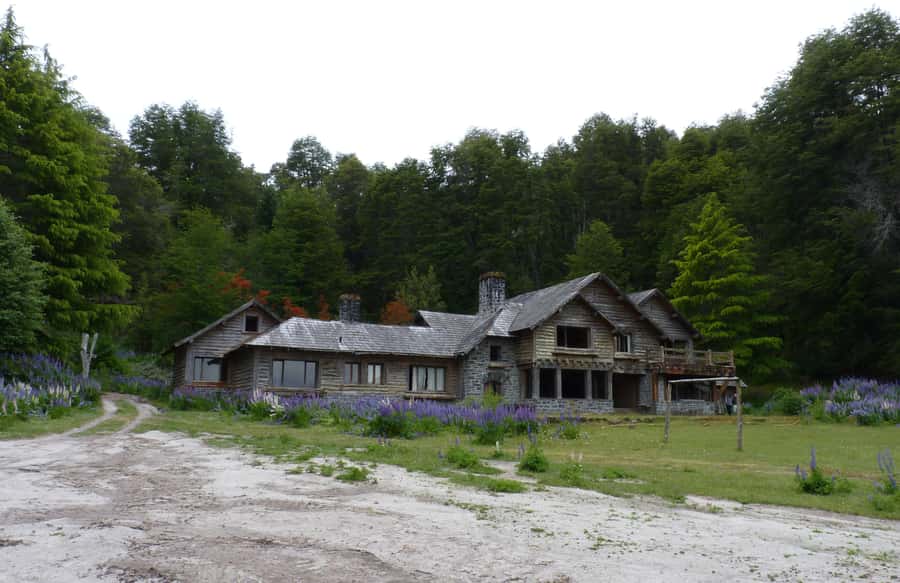
The tour finishes with a discussion of theories about German presence in Patagonia. This is valuable because it gives you a way to think beyond the headlines and beyond one neat explanation.
You will hear ideas that help explain why stories about German influence spread in the first place. You also get a sense of what is known, what is interpreted, and what needs caution.
For me, the best part of ending this way is that it turns the tour into a starting point. You do not just leave with a checklist of stops. You leave with a framework for follow-up reading and for spotting oversimplified versions of the story later.
How long is it, how hard is it, and what to wear
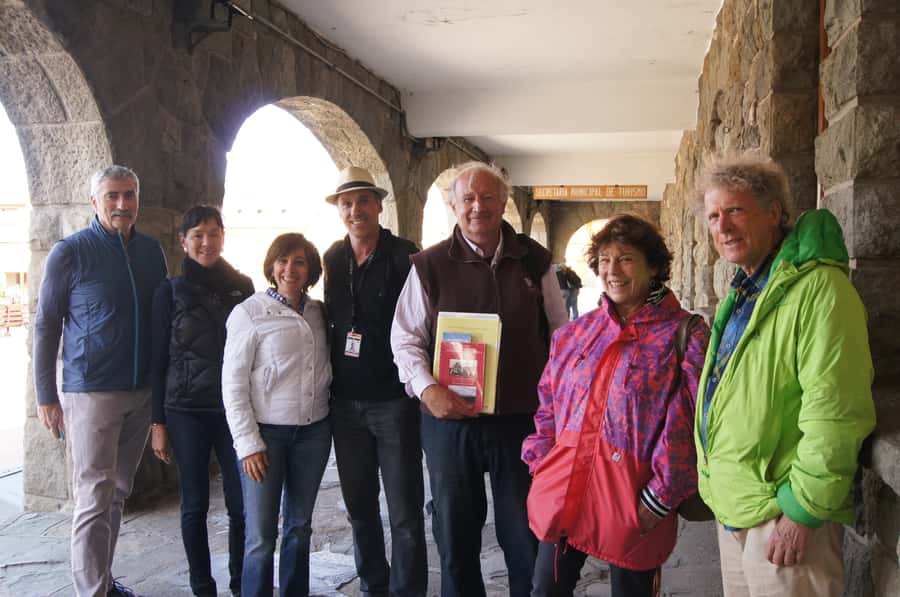
The tour lasts 90 minutes and covers about 1 kilometer on foot. That makes it a great fit between longer outdoor plans, like lake time, hikes, or day tours.
One review note stood out: parts of the route can be uphill. Nothing about it sounds extreme, but you should plan like it is a city-center walk with some slope.
So, wear shoes you would happily use for a steady walk. Bring a small layer if the weather shifts, and keep water in your bag if it is warm.
Also note the pacing: the guide uses frequent changes of location so you are not stuck listening in one spot for too long. That is a big deal if you get restless with long lectures.
Languages and guide style: Diego’s storytelling pace
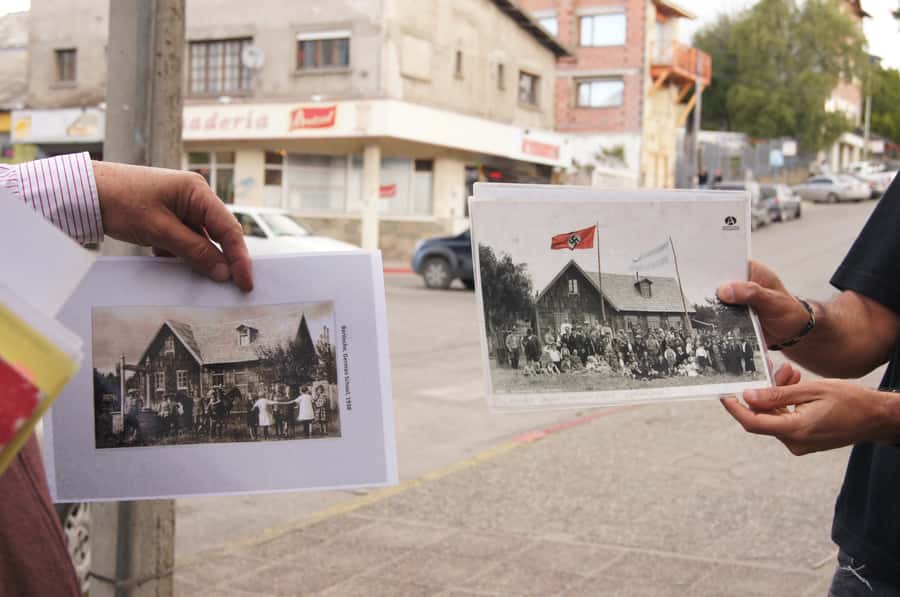
The tour is led by a live guide, and the working languages are English and Spanish. Diego is the name that comes up again and again in the feedback, and the style sounds like part storytelling, part organized history lesson.
What I like about that approach is the balance. You get details, but you also get movement and structure. Multiple people mention that Diego keeps things engaging and paced well, with room for questions.
It also helps that the tour can work for mixed-language groups. If you are traveling with someone who prefers Spanish, or you speak only English, the guide’s bilingual ability is a practical advantage.
There is one minor note to consider: the bilingual aspect can mean you might not get a purely English experience every moment. Still, the feedback suggests the guide handles it well and keeps the information clear.
Price and value: what $41 buys you in Bariloche
At $41 per person for about 90 minutes, this is not a bargain-basement activity. But it also is not inflated for what you get, because the tour includes a guided walk with multiple key stops and a specific historical theme that most self-guided wandering will not cover.
Here is the value logic I use. You pay for two things you cannot easily replicate alone. One is the guide’s ability to connect three immigration waves and the Priebke thread into one coherent walk. The other is access to local interpretation at the exact places where the story happened.
If you already plan to do nothing but general strolling in the center, this tour is a smarter use of time than spending the same hour guessing what you are looking at. Many people describe it as more informative than they expected, which usually means the guide spends time on connections, not just names.
One mixed note: one person felt it was slightly expensive. If you are very price-sensitive, you might compare it to other short town experiences. But if you enjoy history with real stops and a strong guide, the format feels like good value for a one-and-a-half-hour block.
Who should book this German immigration tour
This works best for you if you enjoy history that feels tied to place. You will get more from it if you like seeing how institutions, neighborhoods, and buildings reflect migration patterns.
It is also a good choice if you are short on time. The walking distance is small, and the structure is compact enough to fit into a busy Bariloche itinerary.
You might skip it if you only want scenic highlights and do not care about history. This is a history walking tour first, with town views as a side benefit.
And if you are the type who asks questions during tours, you will likely appreciate the guide’s habit of answering along the way. That makes the experience feel more like a conversation than a one-way presentation.
Should you book this German immigration and history tour?
I would book it if you want a focused, well-paced way to understand why German immigration is such a visible thread in Bariloche, from early community formation to the later Priebke story. The strongest reasons to choose it are Diego’s storytelling pace, the three-wave structure, and the mix of lighter context with the serious historical parts.
If you are sensitive to difficult topics, you should know this tour includes the Nazi-era Priebke connection and the 1994 extradition context. The way it is presented sounds designed to be factual and careful, but it is still part of the program.
My practical tip: bring comfortable shoes and expect some slope. Then do the tour before you get too tired from outdoor plans, so you can absorb the story while you still feel fresh.
FAQ
Where does the tour start?
It starts at the Bariloche Civic Center square, by the tourist information office door.
How long is the walking tour?
The tour runs for 90 minutes.
How far do we walk?
It is described as a 1 kilometer walk.
What is the price per person?
The price is $41 per person.
What languages are available?
The tour is offered in Spanish and English.
Is the guide included?
Yes, the tour includes a live guide and the walking tour.
Is cancellation possible?
Yes. You can cancel up to 24 hours in advance for a full refund.
Can I reserve without paying right away?
Yes, it offers a reserve now & pay later option.
What will we see during the tour?
You’ll visit key locations in Bariloche’s center, including the Civic Center area, the Bariloche Andean Club and Nahuel Huapi National Park administration, the German School, Belgrano Square, and the house connected to Erich Priebke, followed by a discussion of theories about German presence in Patagonia.
More Tours in San Carlos De Bariloche
More Tour Reviews in San Carlos De Bariloche
More Lakes Around Bariloche
Newest San Carlos De Bariloche write-ups on the desk
- Bariloche: Tour to Circuito Chico + Optional: Arrayanes★ 4.2 · 3 reviews
- Bariloche: Sailing tour on Nahuel Huapi Lake★ 5.0 · 3 reviews
- Bariloche: Circuito Chico and Cerro Catedral★ 5.0 · 3 reviews
- Bariloche: Cerro Tronador and Ventisquero Negro Tour★ 4.3 · 4 reviews
- Bariloche “Small Circuit” with Chairlift Campanario Hill★ 5.0 · 5 reviews
- Bariloche: Puerto Blest and Cascada de los Cántaros (Waterfall of the Cantaros)★ 3.1 · 5 reviews
The rest of the Bariloche and Lake District Tours list.
 ★ 4.5Bariloche: 7 Lakes & San Martin de Los Andes Road TripFrom $100624 reviews
 ★ 4.5Bariloche: Circuito Chico with optional Cerro CatedralFrom $38316 reviews
 ★ 4.4San Martín de los Andes por 7 LagosFrom $65155 reviews
 ★ 4.5Circuito ChicoFrom $29146 reviews
 ★ 4.0Bariloche Small Circuit: Mt Campanario and Llao Llao PeninsulaFrom $25142 reviews
 ★ 5.0Fly Fishing Trips in BarilocheFrom $370137 reviews
 ★ 4.0From Bariloche: San Martín de los Andes by The 7 Lakes RouteFrom $60130 reviews
 ★ 4.5San Martin de los Andes by Seven Lakes Road from BarilocheFrom $79101 reviews
Lists this one is on