
REVIEW · BARILOCHE AND LAKE DISTRICT TOURS
Bariloche: Puerto Blest and Cascada de los Cántaros (Waterfall of the Cantaros)
Two hours on the lake, one big waterfall. This trip strings together Nahuel Huapi’s glassy views with the Cascada de los Cántaros trail through larch forest, and it’s a great way to see two big nature highlights without doing the logistics yourself. The one thing to weigh is value and timing: it can run full, and you may still need to budget for park entry and a catamaran boarding fee on site.
I like the shape of this day. You start with a scenic water crossing, then you get a long block for exploring around the waterfall and Cantaros Lake, then you finish with calm time by Puerto Blest and the emerald waters of Lake Frias.
Because it mixes van rides and multiple catamaran segments, it’s best if you’re okay with a structured schedule. If you’re hoping for extra flexibility or quiet pacing, check the flow first so you’re not surprised by how much is “on the move.”
In This Review
- Key points that shape your day
- From your Bariloche pickup to Nahuel Huapi’s open water
- The Centinela stop and why it matters to first-timers
- Cascada de los Cántaros: rainforest walking and the Cantaros Lake payoff
- Puerto Blest and Lake Frias: where the water turns glacier-tinted
- The 7-hour pacing: what to expect minute-by-minute
- Price and value: what $218 covers, and what costs extra
- Guide language and how to make it work in English
- Who this tour is best for, and who should think twice
- Should you book this Bariloche waterfall and lakes trip?
- FAQ
- How long is the Puerto Blest and Cascada de los Cántaros excursion?
- What does the tour price include?
- What extra fees should I expect to pay on site?
- Where are the pickup and drop-off points?
- What languages are available for the tour guide?
- Is there free cancellation?
Key points that shape your day
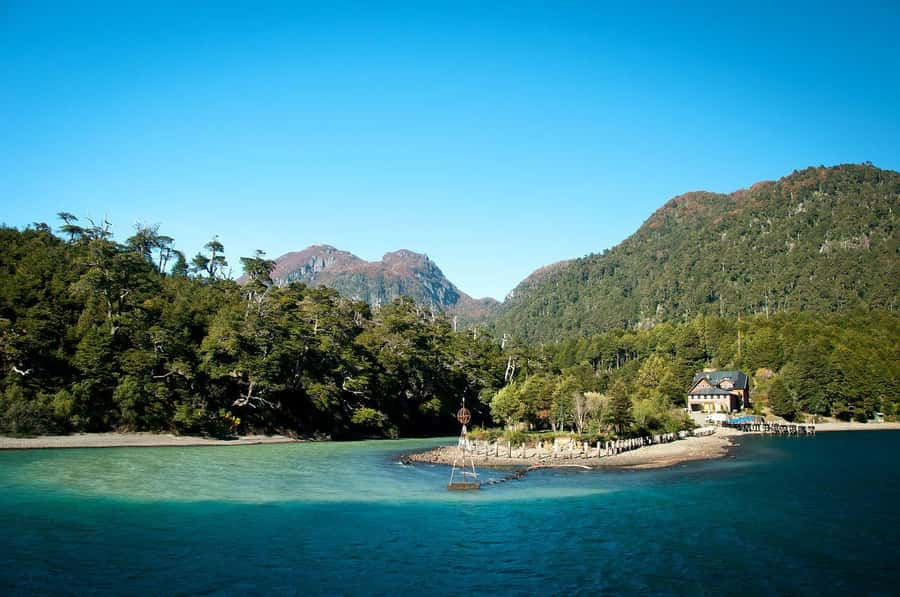
- Nahuel Huapi by catamaran: a long stretch on the water early on sets the tone for the whole excursion
- Valdivian rainforest walking time: you’ll walk among tall larch trees and dense vegetation toward the Cantaros Lake
- Cerro Tronador context at Lake Frias: the trip ties the turquoise-green color to glacier origins and the Argentina-Chile border
- Puerto Blest bay plus Lake Frias shores: you get both a friendly harbor stop and scenic shoreline time
- Budget for extra fees: national park entry (about $20) and a boarding fee (about $5) are not included
More lakes and lookouts around Bariloche
- Bariloche: 7 Lakes & San Martin de Los Andes Road Trip
★ 4.5 · 624 reviews - Bariloche: Circuito Chico with optional Cerro Catedral
★ 4.5 · 316 reviews - Bariloche: German Immigration and History Walking Tour
★ 4.8 · 169 reviews - San Martín de los Andes por 7 Lagos
★ 4.4 · 155 reviews
From your Bariloche pickup to Nahuel Huapi’s open water
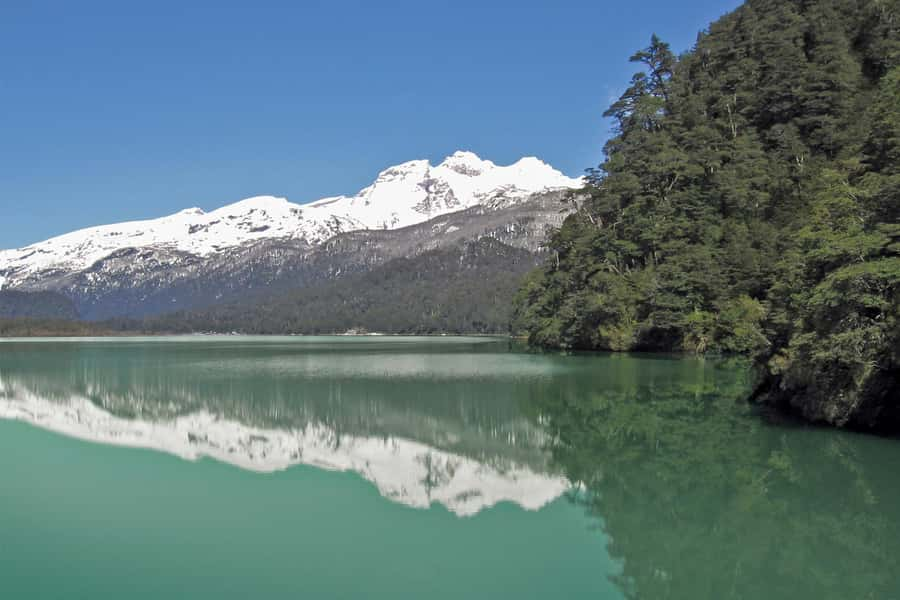
This tour is built around moving you efficiently between viewpoints on Lake Nahuel Huapi. You’ll be picked up from a long list of hotel areas, including places like Office Turisur (Mitre 150) and several well-known Bariloche hotels along San Martín, plus other mapped gates around town. The transfer by van is about 45 minutes, then you’re transferred onto the water.
The early catamaran segment is about 1 hour, and this is when you get the “I’m really here” feeling. As you head west, you pass the Centinela islet, where the remains of Perito Moreno are resting. Even if you don’t want a lecture, it’s a solid historical anchor. It helps explain why this region is treated as something more than scenic wallpaper, it’s tied to Argentina’s national park story.
For me, this opening water time is a big part of the value. If you’re short on days, it’s easier to enjoy the lake views without coordinating your own boat schedule. Also, it’s a good way to orient yourself. By the time you land at the next stops, you already understand the geography.
The one logistical reality to keep in mind is that this kind of organized route can feel busy, especially at pickup. If you get easily stressed by crowds, plan to arrive a few minutes early at your meeting point and keep your expectations flexible.
The Centinela stop and why it matters to first-timers
That quick reference point to Perito Moreno is more than a trivia moment. It’s a reminder of how Bariloche became a gateway for park travel, and why lake trips like this one are so common here. When you see the islet and understand it’s associated with Perito Moreno, you’re seeing a story connected to preservation and exploration, not just a scenic boat ride.
On a practical level, the Centinela passing moment also does something useful: it breaks up the drive time. You stop thinking about the road, start paying attention to the water, and you shift into “vacation mode” earlier in the day.
I also like that the tour uses expert National Park experts and provides an audio guide. Even when live language skills vary a bit (more on that later), audio support is a helpful safety net. You still get the story of what you’re seeing, especially around the rainforest and the lake systems.
If you’re the type who enjoys asking questions, this is a good moment to ask what wildlife or vegetation is most common in the area right now. The tour framework is natural for that kind of back-and-forth.
Cascada de los Cántaros: rainforest walking and the Cantaros Lake payoff
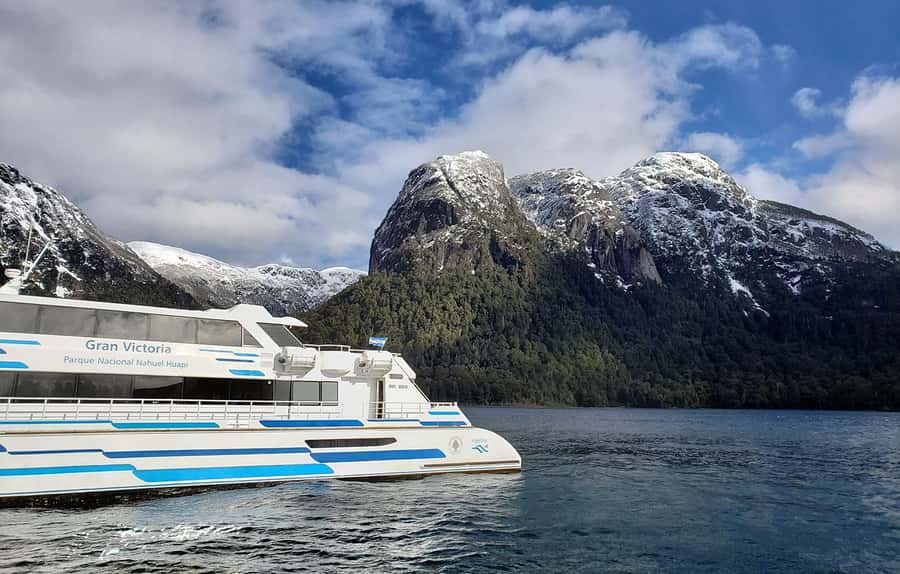
The highlight here is the Cascada de los Cántaros, reached in the context of a lush Valdivian rainforest. After the initial catamaran travel, you’ll get guided time plus a longer stretch to explore. The schedule gives you a combined block of about 3 hours for visits and free time in this zone, which is the amount of time you want for a waterfall experience that includes walking, pauses, and viewpoints.
The walking is described as moving through ancient larch trees and lush vegetation toward the area where the waterfall is born. The key natural feature is the Cantaros Lake, presented as the source feeding the waterfall with the region’s pure waters. In other words, you’re not just photographing a fall, you’re experiencing the chain of water that creates it.
What’s worth planning for is comfort on uneven, damp ground. Even though the tour details don’t rate difficulty, rainforest paths can be slippery and muddy, and the best photos tend to happen when you’re willing to slow down. Wear shoes with grip and bring a light layer. Forest air near water can feel cooler than you expect.
Also, take advantage of the free time portion. With only a guided component, waterfall walks can feel rushed. The extra time is what helps this stop feel like a real nature visit rather than a quick photo stop.
One smart tip from the experience logic: if you like having options, it’s worth asking your guide whether there’s an alternative walking route from Puerto Blest to reach the waterfall area. The idea is that there may be ways to change how you experience the geography, but you need to confirm directly since it depends on routes and access.
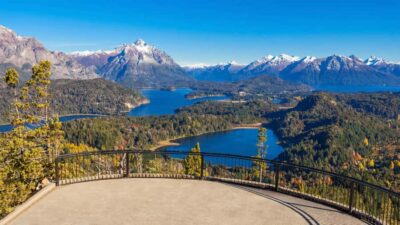
Puerto Blest and Lake Frias: where the water turns glacier-tinted
After the waterfall area, you shift gears. There’s a shorter catamaran hop of about 10 minutes, then you arrive at Puerto Blest. This is where the vibe changes from dense forest walking to open-bay calm.
From Puerto Blest, you’ll have around 1 hour of guided exploration, plus additional water time after. The itinerary then includes another 1 hour by catamaran, which is timed so you can see Lake Frias from the water as well as from shore areas, depending on how the day is paced.
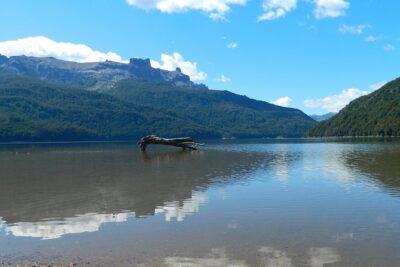
The standout here is Lake Frias. Its water is described as emerald green, and the tour connects that color to glaciers from Cerro Tronador, which also marks the natural border between Argentina and Chile. That’s a useful detail because it gives you an explanation for what you’re seeing, not just a pretty adjective. Glacial melt and rock flour change the water’s look, and in this region it shows up visually.
Puerto Blest itself is picturesque in a low-key way. Think of it as a small harbor where people slow down for a bit. If you want something that feels more like a nature retreat than a packed checklist, this part of the day usually delivers.
Time-wise, the day is structured, but this stop is where you can “feel” the lake. You can watch the shoreline, look for birds, and just enjoy the water moving through the bay. If you’re sensitive to motion, this is also where you might want to choose your seat on the boat wisely for the smoothest ride.
The 7-hour pacing: what to expect minute-by-minute
This excursion is about 7 hours end to end. It’s not a slow full-day that stretches endlessly, and it’s not a fast hit-and-run either. The pacing is designed to fit two major zones on the same day: waterfall forest and Puerto Blest/Lake Frias.
Here’s the skeleton of how it flows:
- Pickup by van for about 45 minutes
- Catamaran crossing for about 1 hour with scenery along the way
- Guided time and free time combined in the waterfall/Cantaros area (about 3 hours)
- A short catamaran transfer for about 10 minutes
- Guided tour time around Puerto Blest for about 1 hour
- Catamaran ride time for about 1 hour
- Van return for about 45 minutes to drop-off locations
Two notes that matter for your comfort:
- The day uses multiple transport transitions. If you’re traveling with someone who gets impatient, remind them that the “in-between” time is still part of the experience.
- The route can feel crowded at pickup because this is a popular kind of lake outing. That doesn’t ruin the day, but it does affect how calm it feels at the start.
Also, drop-off may feel more convenient than you expect. The schedule lists many drop-off options, and in practice it can mean you’re dropped at a hotel area closer to where you were staying, which is a nice touch after a long day.
If you hate waiting, have a small snack and water ready before you board, since the day’s rhythm is built around guided segments and travel time.
Price and value: what $218 covers, and what costs extra
At $218 per person, this sits in the mid-to-higher range for Bariloche lake excursions. The big reason it’s priced this way is what’s included: transfers from the meeting point, a navigation ticket, and tour guide plus audio guide.
That’s not nothing. You’re paying for a coordinated plan that handles the boat segments and the handoff between stops. You’re also paying for interpretation, which can really change how you experience waterfall and rainforest areas. Even when live language varies, the audio guide is part of why this can still feel informative.
Now the costs you must budget separately:
- National Park entry, about $20, paid in cash or debit on site
- A boarding fee, about $5, paid in cash or debit on site
So the all-in cost is a bit higher than the headline price. In return, you get a structured day that hits multiple highlights. If you’re comparing this to a do-it-yourself plan, the math usually depends on whether you value simplicity over savings.
A good way to think about it: if you want maximum flexibility, you might do better by organizing your own route through Puerto Pañuelo and then arranging transport toward the destinations. If you’re not excited about route planning, or you want a guide explanation for the rainforest and the border-lake context, this organized format can feel worth the money.
Also, remember you’re paying for a full day with multiple transport legs. If your time in Bariloche is limited, paying for “someone else to handle it” is often the best use of your vacation hours.
Guide language and how to make it work in English
The tour lists live guiding in Spanish, English, and Portuguese, plus an audio guide. In reality, live English experience can vary. If English is your main language and you want a smooth, detailed explanation during the walk and boat segments, treat audio support as your backup plan.
That’s easy to handle: download or check how the audio guide is delivered on the day, and don’t be shy about asking clarifying questions. If you need a specific point repeated (like how Lake Frias links to glacier sources), ask early while you’re still in the guided portion.
One more practical note. The tour’s structure gives you guided time at each major zone, so even if you don’t catch every live sentence, you still get enough direction to find the best viewpoints and make the most of your time.
Who this tour is best for, and who should think twice
This excursion is ideal for you if:
- You want two big nature stops in one day: Cascada de los Cántaros plus Puerto Blest/Lake Frias
- You like boat travel and want lake views without the planning stress
- You enjoy some interpretation, not just photo stops
- You’re okay with a structured schedule and multiple transport segments
You might think twice if:
- You’re on a tight budget, since park entry and the boarding fee add up
- You dislike crowded pickup moments
- You strongly rely on a live English explanation and want zero gaps, since language delivery can vary in practice
If you’re traveling with kids, this can still work because it includes scenic boat time and enough sitting moments. But you’ll want to be realistic about walking during the rainforest stop.
Should you book this Bariloche waterfall and lakes trip?
Book it if you want a guided, scenic route that links Nahuel Huapi to the waterfall origin story at Cantaros Lake, then finishes with glacier-fed color at Lake Frias. It’s a strong choice for first-timers who want to see the region’s signature water scenery without building the day from scratch.
Skip or adjust your expectations if you’re mainly price-focused or you prefer DIY control. With park entry and boarding fees added on site, you may feel the total cost more than the headline number suggests. Also, if live English clarity is a must for you, ask how the audio guide will be used for your language before you go.
If you want my simple decision rule: if your priority is comfort and a full itinerary that gets you to the right places, this is a solid booking. If your priority is flexibility, consider planning a self-guided route that targets the same areas with less structure.
FAQ
How long is the Puerto Blest and Cascada de los Cántaros excursion?
The total duration is about 7 hours.
What does the tour price include?
It includes transfers from your meeting point, a navigation ticket, and a tour guide with an audio guide.
What extra fees should I expect to pay on site?
You’ll likely pay National Park entry (about $20) and a boarding fee (about $5), both payable in cash or debit at the place.
Where are the pickup and drop-off points?
Pickup and drop-off include many Bariloche hotel and gate locations. Examples listed include Office Turisur (Mitre 150), Sheraton Hotel (San Martin 536), and Hotel NH Edelweiss (San Martin 202), with additional options across the city.
What languages are available for the tour guide?
The tour guide is listed as available in Spanish, English, and Portuguese.
Is there free cancellation?
Yes, free cancellation is available up to 24 hours in advance for a full refund.
More Tour Reviews in San Carlos De Bariloche
More Lakes Around Bariloche
Newest San Carlos De Bariloche write-ups on the desk
- Bariloche: Tour to Circuito Chico + Optional: Arrayanes★ 4.2 · 3 reviews
- Bariloche: Sailing tour on Nahuel Huapi Lake★ 5.0 · 3 reviews
- Bariloche: Circuito Chico and Cerro Catedral★ 5.0 · 3 reviews
- Bariloche: Cerro Tronador and Ventisquero Negro Tour★ 4.3 · 4 reviews
- Bariloche “Small Circuit” with Chairlift Campanario Hill★ 5.0 · 5 reviews
- Bariloche: Puerto Blest and Cascada de los Cántaros (Waterfall of the Cantaros)★ 3.1 · 5 reviews
The rest of the Bariloche and Lake District Tours list.
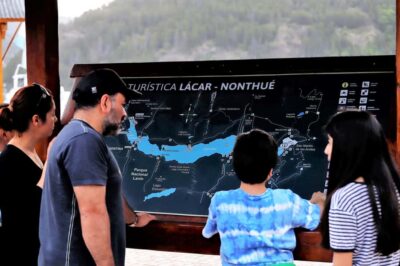 ★ 4.5Bariloche: 7 Lakes & San Martin de Los Andes Road TripFrom $100624 reviews
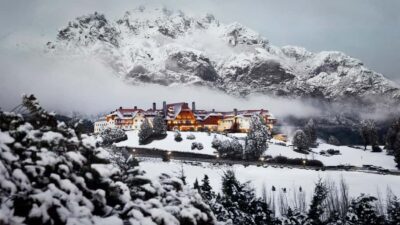 ★ 4.5Bariloche: Circuito Chico with optional Cerro CatedralFrom $38316 reviews
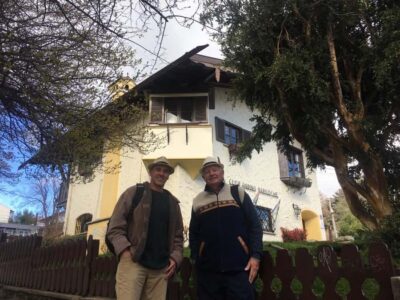 ★ 4.8Bariloche: German Immigration and History Walking TourFrom $41169 reviews
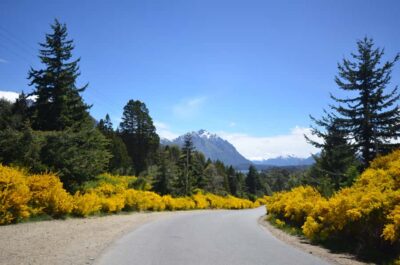 ★ 4.4San Martín de los Andes por 7 LagosFrom $65155 reviews
 ★ 4.5Circuito ChicoFrom $29146 reviews
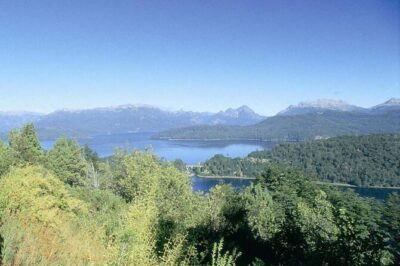 ★ 4.0Bariloche Small Circuit: Mt Campanario and Llao Llao PeninsulaFrom $25142 reviews
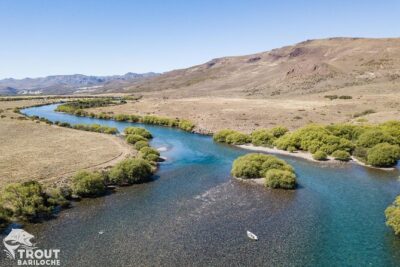 ★ 5.0Fly Fishing Trips in BarilocheFrom $370137 reviews
 ★ 4.0From Bariloche: San Martín de los Andes by The 7 Lakes RouteFrom $60130 reviews
Lists this one is on