
REVIEW · HISTORICAL TOURS
Buenos Aires: Historic Buenos Aires Landmarks & Icons Tour
Buenos Aires history, on foot and in order. You start near Plaza de Mayo and get guided stops that make the city feel organized, not overwhelming. I especially like the quick photo moments at Casa Rosada and how Miguel turns monuments into stories you can repeat.
One note: it is outdoors and you cover a lot of ground, so plan for real walking and bring comfortable shoes.
In This Review
- Key highlights worth planning around
- Why This Buenos Aires Icons Walk Works in 150 Minutes
- Meeting at Plaza de Mayo, Then Getting Your Bearings Fast
- Central Bank Building: From Convent to Civic Landmark
- The Cultural Center, the Post Office Palace, and the Garay Monument View
- Casa Rosada: Photo Stop Energy with Guided Context
- Plaza de Mayo Proper: Square as a Storyboard
- Cabildo and the Metropolitan Cathedral: Where Buenos Aires Learns Its Origin Story
- Manzana de las Luces: A Small Block with Big Personality
- Museo del Bicentenario: Presidential Relics and Art You Can Actually See
- Government Giants You Can Read at a Glance
- Ministry of Defense to Customs House: A Shift Toward Trade and Transit
- Comic Strip Plaza Finish: A Playful Antidote to Serious Streets
- Price and Value: How $20 Stretches Farther Than You’d Expect
- What to Bring, and How to Make the Day Feel Easier
- Who This Tour Fits Best
- Should You Book This Buenos Aires Icons Tour?
- FAQ
- How long is the Buenos Aires Historic Buenos Aires Landmarks & Icons Tour?
- Where do I meet the guide?
- What language is the live guide?
- Is food and drinks included?
- Can I cancel, and is pay later available?
- Is the tour wheelchair accessible?
Key highlights worth planning around
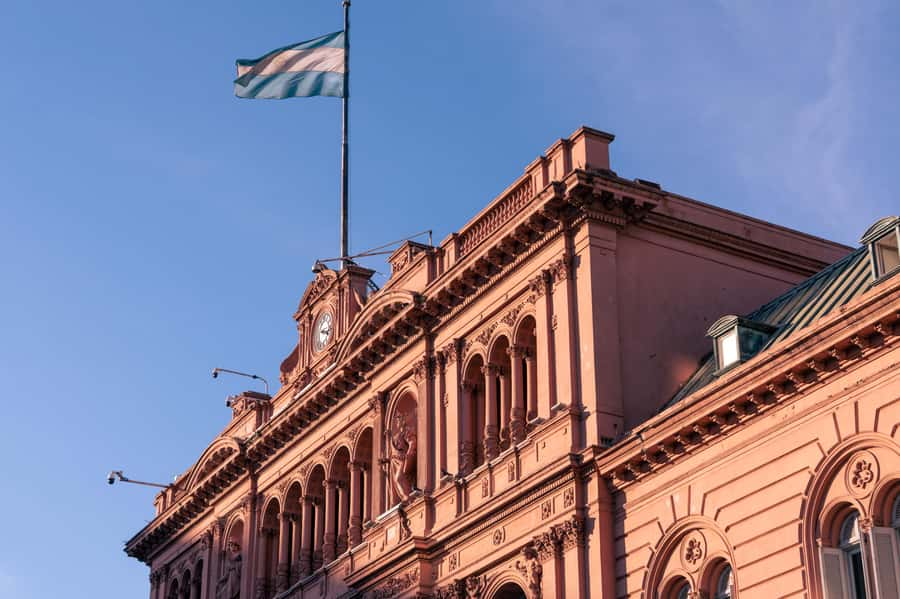
- Casa Rosada photo stops built into the route so you get the classic sights without chasing them on your own
- Miguel’s storytelling pace keeps the history understandable, with helpful answers as you walk
- Museum time inside key landmarks like the Museo del Bicentenario, not just a look-and-go exterior tour
- Views from strategic points near the Garay area that help you read the city’s layout
- A fun finish at Comic Strip Plaza that lightens the mood after government-heavy architecture
Other history-led outings in Buenos Aires
- Nazis in Buenos Aires: a historical walking tour
★ 4.9 · 193 reviews - San Telmo: Historical Guided Tour with Street Food & Drinks
★ 5.0 · 87 reviews - Buenos Aires: La Boca Art and History Walking Tour
★ 4.8 · 55 reviews - Recoleta Cemetery – Small Group Tour of History & Secrets
★ 5.0 · 53 reviews
Why This Buenos Aires Icons Walk Works in 150 Minutes
This is a short, efficient way to get your bearings in Buenos Aires. Instead of hopping around with map anxiety, you stay in a focused central loop, moving between Argentina’s most recognizable civic buildings and the older landmarks that explain how the city grew.
I like that the tour keeps switching “modes.” You get photo moments, guided time, and small perspective shifts as you walk. That rhythm helps because Plaza de Mayo and the surrounding blocks can feel samey if you only look at facades. With a guide like Miguel, you also get the why behind what you’re seeing, so the city starts clicking into place.
The big tradeoff is physical. You are on your feet outdoors for a while, so go in with a plan: wear shoes you trust, and pace yourself when the sun gets intense.
Meeting at Plaza de Mayo, Then Getting Your Bearings Fast
You meet near the flagpole at Plaza de Mayo, which is the right move. This square is the center of political life and public gatherings in Buenos Aires, so it acts like a living classroom. From there, you can start spotting the buildings that shape the skyline and the streets that funnel people toward key institutions.
The tour doesn’t just point at landmarks. It helps you understand relationships. Why certain buildings face the square, why streets curve where they do, and how the civic core changed over time. Even if you have visited Buenos Aires before, starting here usually makes everything feel more connected.
If your Spanish is basic, you will still be able to follow. I learned that Miguel can adjust his delivery when people need it, and he has even switched languages when necessary. That flexibility matters more than you might think, especially when you’re trying to absorb a lot in a short window.
Central Bank Building: From Convent to Civic Landmark
One of the first structures you’ll explore is the Central Bank of the Argentine Republic. The building has a former life as the San Ramón Nonato Convent, which instantly gives you a different lens for reading architecture. It is not just a modern-looking landmark; it is a repurposed space that reflects how institutions evolve in Buenos Aires.
What I like about this stop is the contrast. Churches and convents often taught people where power and community were located. Later, banks and government bodies took on that role. When you see the same kind of grandeur used for different purposes, it becomes easier to understand how Buenos Aires grew into its current identity.
This is a good moment to look up. The exterior details and the overall massing help you read the building’s scale, and your guide’s explanations make the architecture feel less abstract.

The Cultural Center, the Post Office Palace, and the Garay Monument View
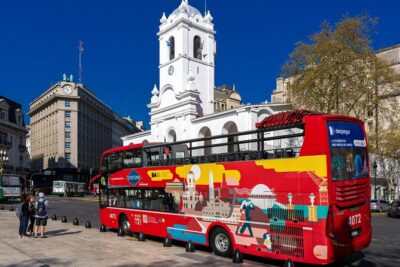
Next comes the Cultural Center, housed in what was once the grand post office palace. In a city like Buenos Aires, old postal buildings are more than envelopes and stamps. They were communication hubs, and that meant power, speed, and national connection.
From here, you also get tied to the Garay Monument area, linked to the site of Buenos Aires’ second founding. The point is not to memorize dates. It is to stand on a spot that helps you understand how the city’s story moved forward.
You get a view that makes the historic center feel readable. Once you see the layout from that perspective, Plaza de Mayo and the surrounding blocks stop feeling random. Streets and sightlines start to make sense, and you’ll appreciate why people keep returning to this neighborhood.
Casa Rosada: Photo Stop Energy with Guided Context
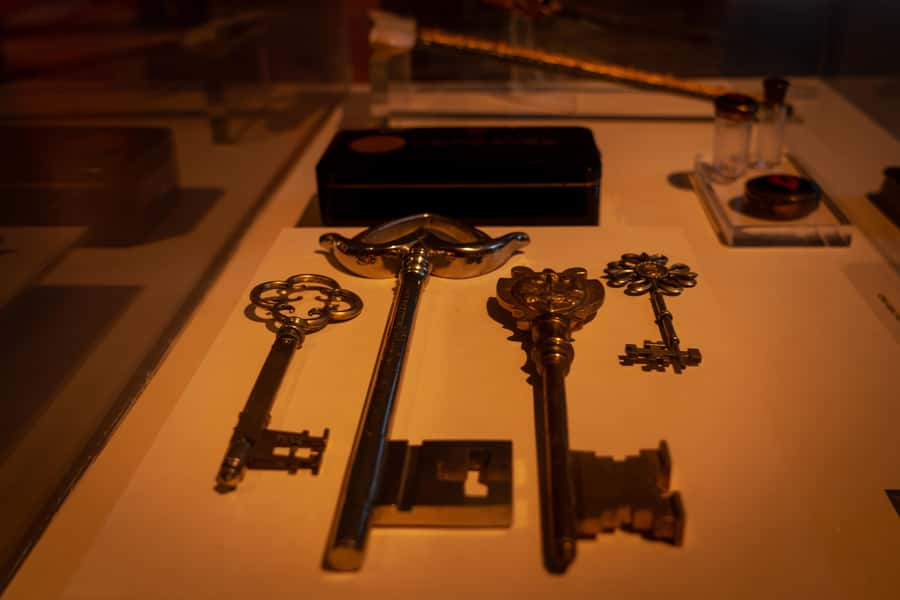
No Buenos Aires walking tour can ignore Casa Rosada, and this one handles it smartly. You get time for photos, a guided look, and a little breathing room to process what you’re seeing. The building is instantly recognizable, but the meaning behind it is where the tour earns its value.
Casa Rosada is part of the civic theater of Argentina. Standing near it, you can feel why it has become shorthand for national leadership. Your guide connects that symbolism to the surrounding institutions, so the building does not feel like a standalone landmark.
Tip I’d borrow: treat your photo like a snapshot of the story. Take one from the route angle the guide highlights, then take one slightly wider to capture the context. This makes your photos more useful later when you’re trying to remember what you learned.
Plaza de Mayo Proper: Square as a Storyboard
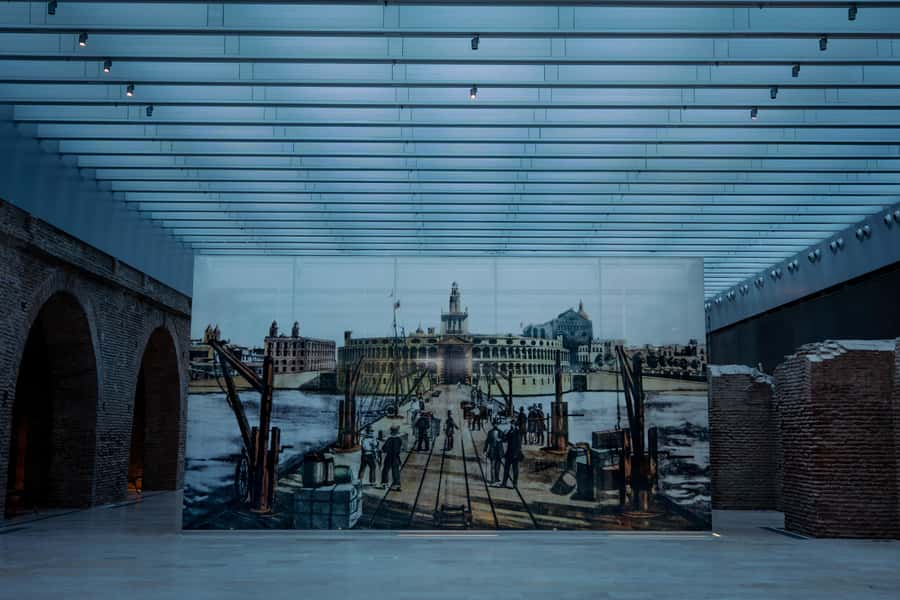
After moving through the surrounding buildings, the tour returns you to the heart of it, Plaza de Mayo itself. This square is more than a stop on a checklist. It is where Buenos Aires has gathered, argued, celebrated, and mourned for generations.
The guided portion matters here. With the right explanation, you start recognizing which buildings frame the square and why they were built that way. You also pick up details about how the political and religious centers overlap in this part of town.
I also like that the route helps you manage time. You are not stuck in one spot for too long. Instead, you get a sense of the whole without losing the thread.
Cabildo and the Metropolitan Cathedral: Where Buenos Aires Learns Its Origin Story
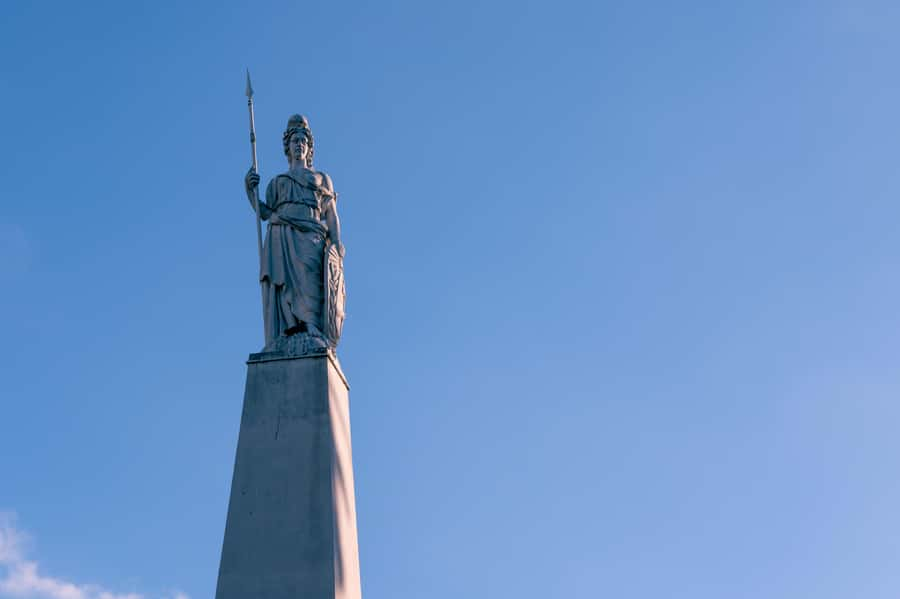
Two of the most important “early Buenos Aires” stops are the Cabildo and the Buenos Aires Metropolitan Cathedral.
The Cabildo is presented as a museum space where you preserve and revisit the history of the city and nation. Even if you only have a short visit window, it is the kind of place where the guide’s context turns the walls into a timeline. You see how civic power formed, then you connect it back to what you’ve already seen around Plaza de Mayo.
The Metropolitan Cathedral adds a different kind of meaning. It sits in the same civic gravity, but it represents faith as part of public life. You’ll likely pause for photos first, then get guided time. That pacing helps because cathedrals reward slowing down, not rushing past.
If you want a simple self-check: when you finish these stops, ask yourself what changed from one era to the next. The Cabildo and cathedral help you feel that shift.
Manzana de las Luces: A Small Block with Big Personality
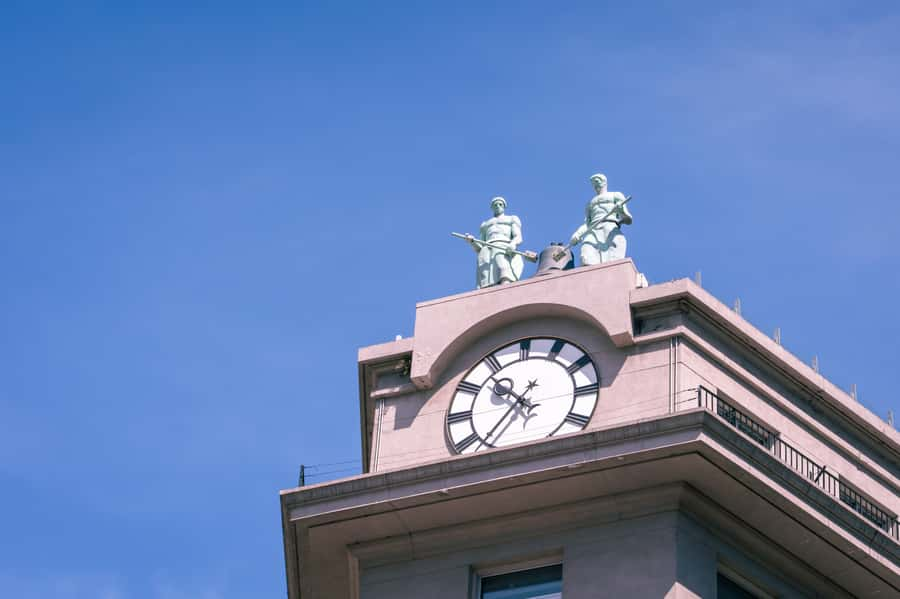
Manzana de las Luces is the kind of place that can be overlooked if you only chase the biggest names. This stop helps balance the tour, adding older street-level texture and a more human scale.
You get both exterior moments and guided time, so you can look at it as architecture and as a story. The guide’s explanations help you notice things you’d miss on your own, like how the building’s character fits into the surrounding urban grid.
I like that the tour uses this stop to slow your brain down after heavier government sites. It makes the experience feel like a walk through real neighborhood history, not just a photo line.
Museo del Bicentenario: Presidential Relics and Art You Can Actually See
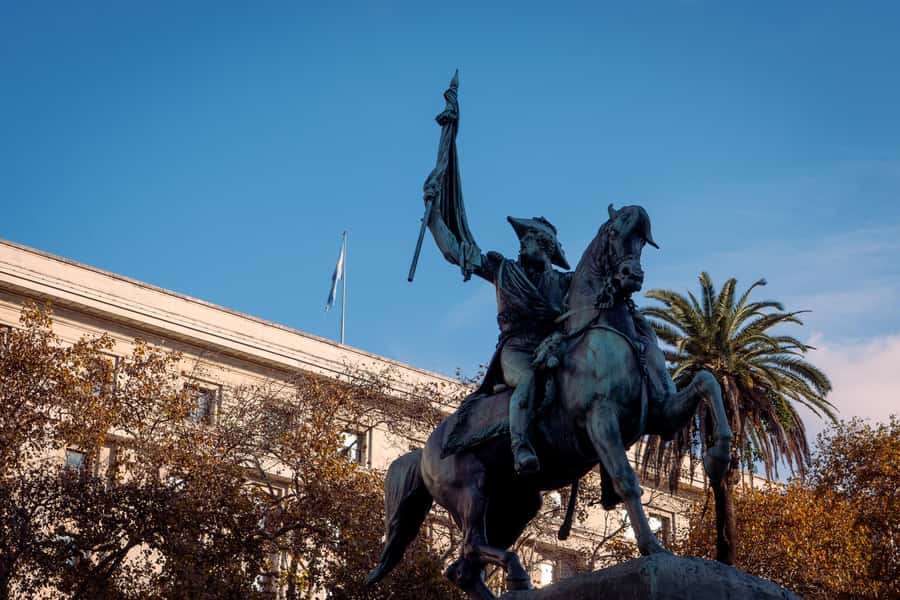
The Museo del Bicentenario is one of the stops that turns this from an icon walk into a true history-and-art visit. You get about 20 minutes for a guided look and sightseeing inside.
The museum houses relics connected to past presidents and also features exceptional artworks. That mix matters. It means you are not only learning about politics. You’re also seeing how Argentina expresses identity through culture and objects tied to leadership.
If you like museums but hate spending half a day indoors, this timing is a nice compromise. You’ll get enough to feel you visited something real, not just a corridor stop.
Government Giants You Can Read at a Glance
You’ll also pass and/or visit several major institutions that shape how Buenos Aires looks.
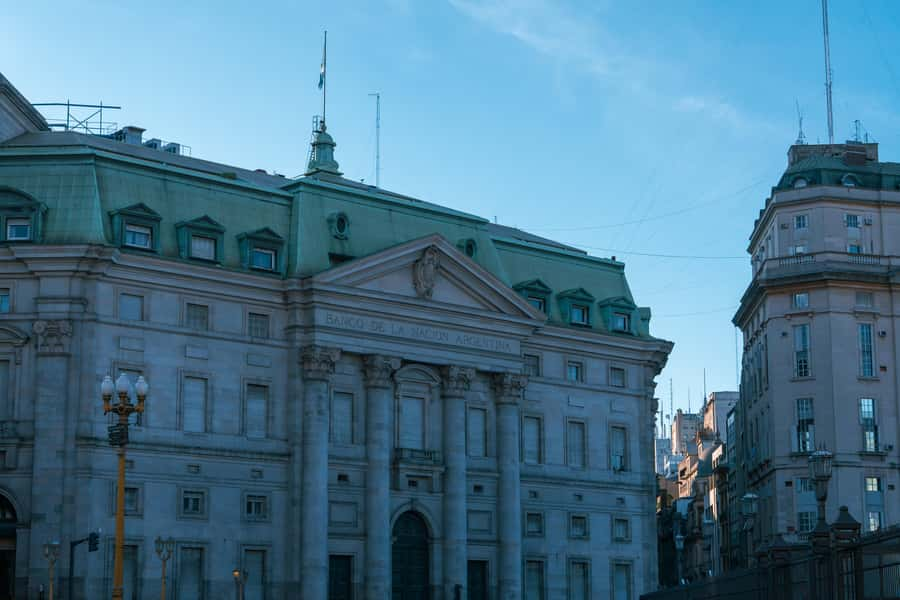
The Bank of the Argentine Nation building is a big one visually, and your guide connects its scale to its role in national life. You’ll also see the City Legislature, known for its mix of architectural styles and a towering clock. That clock helps you orient time in a place where civic buildings often feel timeless.
One of the most striking segments is the Ministry of Defense building. It’s described as vast, and you also get views from the area. The practical reason this stop works is simple: from certain points, the surrounding historic center becomes easier to understand. You get a wider sense of place before moving on.
These are not just impressive exteriors. They show how Argentina concentrated power in the center of the city, and how that power influenced design.
Ministry of Defense to Customs House: A Shift Toward Trade and Transit
As the tour moves toward the end, the emphasis shifts slightly. You start with political symbols, then move into civic administration, and by the time you reach the National Customs House you get a different angle on what built Buenos Aires.
Customs functions tell you a lot about a port city. Even without going deep into economics, the guide’s framing helps you connect the building to movement, trade, and the flow of goods and people. That helps round out the story behind the monuments.
If you’re the type who likes to understand how cities worked, this is the segment where the tour clicks. You stop thinking only in terms of leaders and start thinking in terms of systems.
Comic Strip Plaza Finish: A Playful Antidote to Serious Streets
The tour concludes at the National Customs House area and heads to the Comic Strip Plaza. It’s a nice contrast to the government-heavy architecture earlier in the walk.
I like endings like this because they keep the experience from feeling like homework. You get an easy place to pause, take a last look, and reset your brain after absorbing so many civic symbols.
If you’re planning your evening, you can treat this as a natural “time to wander.” After the guided portion, you’ll know where you are and what you’re looking at, which makes independent exploration much more satisfying.
Price and Value: How $20 Stretches Farther Than You’d Expect
At $20 per person for a 150-minute guided walk, this is strong value for a few reasons.
First, you’re paying for organization. Buenos Aires’ center can be confusing at street level, even when the landmarks are famous. A guided loop saves you time figuring out the best route.
Second, you’re getting guided time at multiple stops that include interior visits or structured sightseeing. That is more valuable than a purely exterior tour because you’re not only looking, you’re learning.
Third, you get a guide who actively responds. People mention Miguel’s flexibility, his passion for the city, and his willingness to handle questions. There’s also a note about him demonstrating how to drink mate. That kind of detail is small, but it makes the tour feel personal and memorable.
If you only have a half-day, you can’t beat a tour that packs major sights into one walking plan.
What to Bring, and How to Make the Day Feel Easier
This tour is outdoors with a significant amount of walking. So bring the simple stuff that protects your energy.
- Comfortable shoes you can walk in for a long stretch
- A hat and sunscreen for sun protection
- Water, especially on hot days
Also, dress for the weather. Buenos Aires can surprise you, and you will be moving. If you show up prepared, the walking becomes part of the fun instead of part of the problem.
One more practical note: this is not suitable for people with mobility impairments or wheelchair users. If that affects you, it is worth looking for an alternative route that’s less walking-heavy.
Who This Tour Fits Best
I’d put this tour on your list if you want a guided way to connect the dots between Buenos Aires’ political core and older civic buildings. It’s also a good choice if you like history but don’t want a slow, sit-down lecture format.
It is especially well suited for first-timers who feel overwhelmed by how many landmarks Buenos Aires offers. Starting around Plaza de Mayo and ending at the Customs House area gives you a coherent mental map, not random photos.
If you want full museum depth for hours at a time, this might feel like you only skim the surface. But if you want a focused “high points” experience that still includes guided time inside key locations, it hits the sweet spot.
Should You Book This Buenos Aires Icons Tour?
Book it if you want a guided walking plan that stitches together Plaza de Mayo, Casa Rosada, the Cabildo, the cathedral area, and the museum stop, all in about 2.5 hours. At $20, it’s a low-stress way to see the center properly, with a guide who knows how to keep things understandable and responsive.
Skip it if you cannot do a lot of outdoor walking, or if you want a tour that is mostly sitting and resting. For everyone else, it is a smart half-day investment that helps you see Buenos Aires as one connected city instead of a pile of landmarks.
FAQ
How long is the Buenos Aires Historic Buenos Aires Landmarks & Icons Tour?
The tour lasts 150 minutes.
Where do I meet the guide?
Meet your guide near the flagpole at Plaza de Mayo.
What language is the live guide?
The live tour guide is in Spanish.
Is food and drinks included?
No. The tour includes the guided tour, but food and drinks are not included.
Can I cancel, and is pay later available?
Yes. There is free cancellation up to 24 hours in advance for a full refund, and you can reserve now and pay later.
Is the tour wheelchair accessible?
No. The tour is not suitable for people with mobility impairments and wheelchair users.
Further Back in Buenos Aires
More Tours in Buenos Aires

More Tour Reviews in Buenos Aires
Newest Buenos Aires write-ups on the desk
- Tango Show at El Querandi with optional Dinner★ 4.2 · 3 reviews
- Velez Sarsfield Football Match★ 5.0 · 3 reviews
- Tango Show at: MichelAngelo★ 4.5 · 3 reviews
- Guided tour Boca Juniors Museum & Stadium + Caminito★ 3.3 · 3 reviews
- From Colonialism to Eclecticism, Buenos Aires arquitectonica★ 5.0 · 3 reviews
- Enjoy a Rural Experience in a Vineyard near Buenos Aires★ 4.7 · 3 reviews
The rest of the Historical Tours list.
 ★ 4.9Nazis in Buenos Aires: a historical walking tourFrom $25193 reviews
 ★ 4.8Bariloche: German Immigration and History Walking TourFrom $41169 reviews
 ★ 5.0San Telmo: Historical Guided Tour with Street Food & DrinksFrom $6987 reviews
 ★ 4.8Buenos Aires: La Boca Art and History Walking TourFrom $4655 reviews
 ★ 5.0Recoleta Cemetery – Small Group Tour of History & SecretsFrom $4953 reviews
 ★ 4.5El Calafate History Museum TourFrom $1532 reviews
 ★ 5.0Buenos Aires: San Telmo, History, Bars, and Tango!From $2024 reviews
 ★ 4.7Buenos Aires: Historic District Private Guided Walking TourFrom $529 reviews
Lists this one is on