
REVIEW · EL CALAFATE AND EL CHALTEN TRIPS
El Calafate History Museum Tour
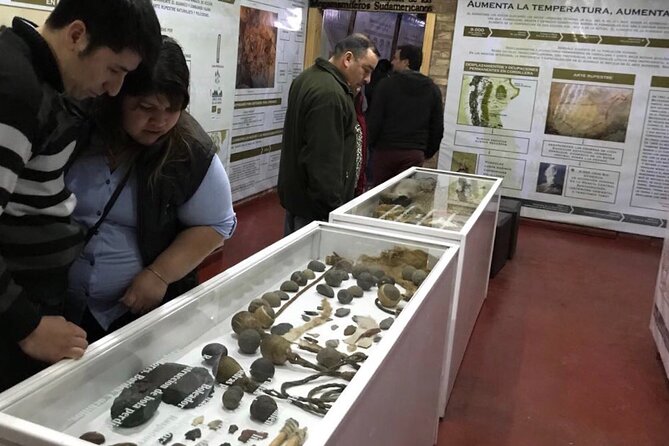
A few fossils are all you need to make Patagonia feel real. This small museum turns time into a guided experience, from extinct dinosaurs to the Pleistocene world that shaped the region.
I especially like how the exhibits connect geology and human history, not just bones and dates. I also like the practical setup, you can plan your visit around opening hours and choose your language from Spanish, French, English, Italian, and Portuguese. One thing to consider: it is a compact indoor stop, so if you are chasing big outdoor scenery, this will feel more like learning than wandering.
In This Review
- Quick Take: What Makes This Museum Worth Your Time
- El Calafate Historical Interpretation Center: A Smart First Stop
- Your 1 to 4 Hour Plan Inside the Museum
- Dino Bones, Mega-Mammals, and the Deep-Time Hook
- Glaciers and the Pleistocene: Why the Earth Changed
- Human History Connection: Tehuelche Culture in the Timeline
- Location and the Real-World Feel of the Stop
- Languages, Tools, and How to Get the Most Out of Two Hours
- Price and Value: Why $15 Works Here
- Who This Tour Suits Best
- Booking, Timing, and Getting In Smoothly
- Should You Book El Calafate History Museum?
- FAQ
- How long does the El Calafate Historical Interpretation Center tour take?
- What time does the tour start?
- Is the museum admission ticket included in the price?
- What languages are available for translation?
- Is transportation to and from the museum included?
- Are parking fees included?
- Is there a minimum age to participate?
- What is the cancellation policy?
Quick Take: What Makes This Museum Worth Your Time
- 100 million years in one visit: You get a timeline that covers dinosaurs, mega-mammals, glacier processes, and later changes in the Pleistocene.
- Dinosaur skeletons and mega-mammal fossils: The exhibits highlight extinct creatures unique to the area.
- Patagonian geology explained with visuals: Videos, graphic tools, and bone montages help you make sense of deep time.
- Tehuelche culture context: You see how ecological transformations linked to the period later connected to local culture.
- Family-friendly pacing: No minimum age, and children just need an adult with them.
More days out of Calafate and Chalten
- El Calafate: Perito Moreno Glacier & Optional Boat Cruise
★ 4.7 · 2,586 reviews - From El Calafate: Full-Day Tour to El Chaltén
★ 4.4 · 926 reviews - El Calafate: Perito Moreno Glacier Trekking Tour and Cruise
★ 4.8 · 805 reviews - El Calafate: Glaciers Gourmet Experience – Full Day Cruise
★ 4.8 · 285 reviews
El Calafate Historical Interpretation Center: A Smart First Stop
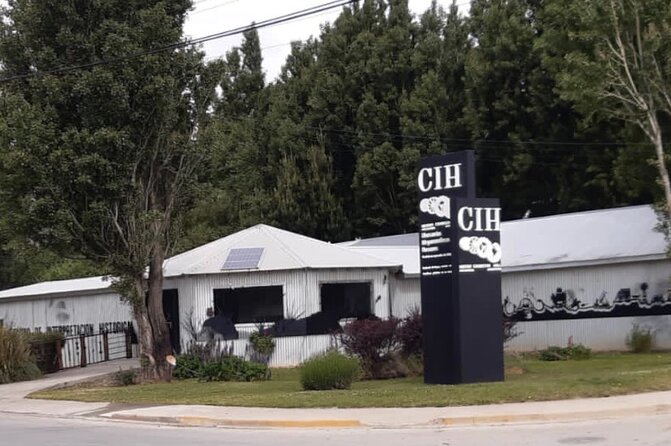
If El Calafate is your base for glacier country, this is a great “get your bearings” stop. The Historical Interpretation Center focuses on what made Southern Patagonia the place you are visiting now. Instead of treating the region like one big postcard, it explains the forces behind it, including the glacier processes and the ecological changes tied to the Pleistocene.
I like that the tour is built around a clear core visit: you go to the El Calafate Historical Interpretation Center during opening hours, and you spend about two hours using the museum tools and displays. That makes the experience feel self-paced inside a guided framework, so you can linger on what grabs you and skip what does not.
It also helps that the museum is open every day from 10:00 am to 8:00 pm. If your glacier plans run late, or your day starts slowly, you still have options. The start time listed is 10:00 am, but the key idea is flexibility during opening hours.
Your 1 to 4 Hour Plan Inside the Museum
Even though the tour duration is listed as 1 to 4 hours, in practice you should think of it as a museum visit with enough room to breathe. The program describes using about two hours at the center to absorb the material. That is a nice sweet spot. Long enough to really process the story. Not so long that you lose attention, especially if you are traveling with kids.
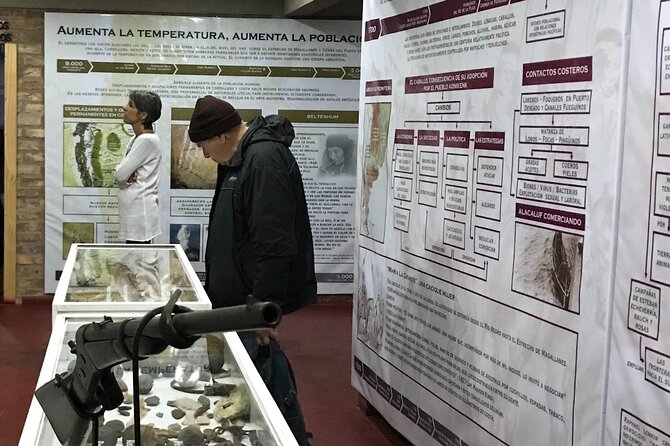
The experience format is straightforward. You enter the Interpretation Center, and the “passage of time” becomes the organizing theme. The exhibits lean on:
- graphics and videos
- bone montages and fossil displays
- clear segments on geology and historical transformation
You do not need prior expertise. The experience is set up to teach you how to look at Patagonia with “time glasses” on: deep past, then more recent earth changes, then how human culture fits into the timeline.
Dino Bones, Mega-Mammals, and the Deep-Time Hook
The standout topic is the ancient fauna. You will see bones and fossils from extinct dinosaurs and mega-mammals connected to Southern Patagonia. The museum highlights that the area has a history reaching back about 100 million years, which is a huge number until you see it presented in context.
What I find useful is how the exhibits connect these creatures to the bigger story. It is not only a wow moment. You are shown how geological and ecological shifts shaped habitats, which is what determines what can live in a place over time.
This is also where you can decide what kind of visitor you are:
- If you love paleontology, you will naturally spend more time on fossils and skeleton imagery.
- If you lean toward geology, watch for the sections explaining glacier processes and environmental transformation.
- If you are somewhere in the middle, you will benefit from the museum tools that turn complicated time periods into visual sequences.
One practical tip: bring a phone charger or a small power bank. Videos are part of the experience, and you might want to save notes so you can remember what you saw when you are back outside, comparing what you learned with the dramatic Patagonian terrain.
Glaciers and the Pleistocene: Why the Earth Changed
Southern Patagonia is famous for glaciers, but this museum explains what glacier formation and glacier-related processes did to the region. The experience specifically references the glacier process and ecological transformations of the Pleistocene. In plain terms, it helps you understand how the landscape and living conditions shifted during a more recent slice of Earth history.
Even if you already plan to visit glaciers later, you will get more out of those stops. Knowing that glaciers are not just “big ice” but active agents of change lets you interpret what you see. You can start asking better questions on future tours: Where did ice carve features? What kind of conditions could support certain plants or animals at different times?
This is also a good place for family learning. Kids often love dinosaurs, but the Pleistocene section gives adults an “aha” connection between extinct megafauna, changing ecosystems, and why Patagonia looks the way it does today.
Human History Connection: Tehuelche Culture in the Timeline
The museum does not treat the past as only fossils and rock layers. It brings in the human story, with specific reference to the Tehuelche culture. You learn about how the Pleistocene ecological transformations connect to that cultural context.
I like this approach because it prevents the common problem where you walk out thinking the museum was only about extinction. Instead, you leave with a stronger sense of continuity: Earth processes set the stage, then humans lived and adapted within that evolving world.
Also, it makes your broader trip feel more grounded. In Patagonia, it is easy to focus on the scenic highlights. This museum helps you balance the emotional wow with a clearer understanding of how people have experienced the region.
Location and the Real-World Feel of the Stop
The museum is about seven blocks from Libertador Avenue. That puts it in a walkable, practical zone where you can fit it into an afternoon or a quieter morning. It also helps that it is near public transportation, so you are not trapped if your plans change.
One more “feel” detail to keep in mind: it is described as a small space full of history. That is not a complaint. Small can be good. It usually means less time commuting between sections and more time actually learning. Still, it is worth managing your expectations. This is an indoor interpretation center, not a huge campus or multi-building complex.
If you want your day to include both learning and outdoor time, this is a nice match. Do it early, then carry the knowledge with you as you head toward the glacier areas and scenic viewpoints.
Languages, Tools, and How to Get the Most Out of Two Hours
The center provides translation options in Spanish, French, English, Italian, and Portuguese. That is a big deal for visitors because it makes the core “how the story is told” accessible, not just the basic facts.
The museum tools are also central to the experience. The program mentions graphics, videos, and bone montages. Translation matters most when content is spread across multiple formats, since you might otherwise catch only one section clearly.
Here is how I suggest you handle it:
- Pick your language at the start and stick with it.
- Give the videos one full watch before trying to scan other areas.
- Use the fossil sections like anchor points. When you see a dinosaur or mega-mammal display, connect it mentally to the larger timeline panels you just read.
If you are traveling with kids, this approach works well. Kids often want to jump straight to the bones. You can let them do that, then gently point them to the glacier and Pleistocene sections so they get the bigger reason the fossils matter.
Price and Value: Why $15 Works Here
At $15.00 per person, this museum tour is priced like an accessible add-on, not a major splurge. And for the content you are getting, it can be a very solid value.
You are paying for:
- admission included in the ticket
- a structured experience focused on a deep-time timeline
- educational content that connects geology and human history
- access to multilingual presentation options
You should also consider what is not included. Parking fees are extra and paid at check-in. Photos and souvenir photos are available to purchase. Snacks, coffee or tea, and non-alcoholic beverages are also available for purchase.
The good news is that none of those extras are required to enjoy the learning. If your budget is tight, you can just plan to bring water and keep it simple.
For families, a low-cost museum visit can be exactly what your itinerary needs. For solo travelers, it is a time-efficient stop that helps you understand what you will see next. For people short on time, it is also a practical “inside option” since it runs during broad daily hours.
Who This Tour Suits Best
This is a good fit if you want:
- a family-friendly educational stop
- an introduction to Southern Patagonia that goes beyond scenery
- a clear story connecting fossils, glaciers, and the Pleistocene world
- language support in multiple major European and North American languages
It is also likely to suit travelers who like museum-based learning. If you get tired of “just walking for views,” this gives your brain something to do in a good way.
On the flip side, if you are only interested in outdoor highlights and do not care about geology or deep-time explanations, you might find it less rewarding. This stop is about interpretation and understanding, not scenic payoff.
Booking, Timing, and Getting In Smoothly
Plan around the museum’s daily hours, 10:00 am to 8:00 pm. Since you can visit any time during opening hours, you can treat this as flexible buffer time. That is especially helpful if you are juggling weather, glacier crowds, or transit delays.
The experience is private in the sense that it is only your group. That can feel calmer than a big mixed tour, especially for families. Children must be accompanied by an adult, and there is no minimum age. Service animals are allowed, and most travelers can participate.
If you want the best chance of a relaxed visit, go earlier in the day or later afternoon, depending on your energy. The museum experience is described as taking about two hours, so aim for a time when you are not rushing to catch a transfer right after.
Should You Book El Calafate History Museum?
I think you should book this if you want a meaningful, low-cost way to understand Southern Patagonia. It is $15.00, it includes admission, and it teaches you a lot in a small, manageable stop: dinosaur and mega-mammal fossils, glacier process context, and the Pleistocene with a connection to Tehuelche culture.
Skip it only if you are mainly after outdoor scenery and would rather spend every minute on the ice or viewpoints. Otherwise, this museum works as a strong foundation for the rest of your trip. You will walk out with better questions, and that makes the next stops more rewarding.
FAQ
How long does the El Calafate Historical Interpretation Center tour take?
The duration is listed as about 1 to 4 hours.
What time does the tour start?
The listed start time is 10:00 am.
Is the museum admission ticket included in the price?
Yes, the admission ticket is included.
What languages are available for translation?
Translation options are available in Spanish, French, English, Italian, and Portuguese.
Is transportation to and from the museum included?
No. Transportation is not included.
Are parking fees included?
No. Parking fees are not included and are payable at tour check-in.
Is there a minimum age to participate?
There is no minimum age. Children must be accompanied by an adult.
What is the cancellation policy?
You can cancel for a full refund if you cancel up to 24 hours in advance of the experience start time. If you cancel less than 24 hours before, the amount paid is not refunded.
More Tours in El Calafate


More Tour Reviews in El Calafate
Calafate and Chalten, Continued
Newest El Calafate write-ups on the desk
- Perito Moreno Full Day Minitrekking with Transfer & Walkways★ 5.0 · 3 reviews
- Estancia Cristina Discovery Adventure in El Calafate★ 5.0 · 3 reviews
- El Calafate: Spegazzini and Upsala Glaciers Boat Tour★ 3.7 · 3 reviews
- El Calafate: Minitrekking in the Perito Moreno Glacier★ 5.0 · 3 reviews
- El Calafate: Kayak and Hike La Leona River Tour★ 5.0 · 4 reviews
- El Calafate: Perito Moreno Glacier & Nautical Safari★ 4.4 · 5 reviews
The rest of the El Calafate and El Chalten Trips list.
 ★ 4.7El Calafate: Perito Moreno Glacier & Optional Boat CruiseFrom $802,586 reviews
 ★ 4.4From El Calafate: Full-Day Tour to El ChalténFrom $130926 reviews
 ★ 4.8El Calafate: Perito Moreno Glacier Trekking Tour and CruiseFrom $396805 reviews
 ★ 4.8El Calafate: Glaciers Gourmet Experience – Full Day CruiseFrom $225285 reviews
 ★ 4.5El Calafate: All Glaciers Boat TripFrom $255263 reviews
 ★ 4.5El Chalten Complete Experience Full Day Tour from El CalafateFrom $110219 reviews
 ★ 4.0El Chaltén with Trekking from El CalafateFrom $97157 reviews
 ★ 4.8Calafate: Perito Moreno Glacier Guided Full-Day TourFrom $76155 reviews
Lists this one is on