
REVIEW · WALKING TOURS
Jewish Sites Buenos Aires Private Walking and Car Tour
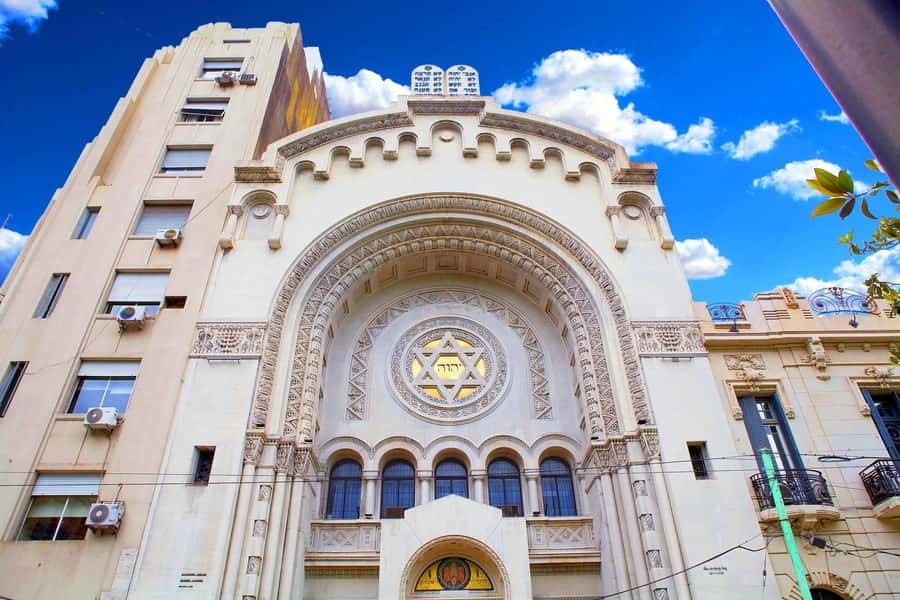
Buenos Aires keeps memory on street corners. This private tour gives you a licensed guide and a tight route through the city’s Jewish landmarks, from the imposing synagogue façade at Templo Libertad to the solemn stop at AMIA.
What I like most is that the stories are personal and place-based, not just dates and plaques. You also get a structured look at major sites tied to migration, survival, and remembrance, with the commentary adjusted to your language and interests by a 5-star private guide.
One heads-up: you should not expect to go inside synagogues. This is a look-at-the-landmarks experience, so your payoff is understanding what you see, and why it matters, rather than synagogue interior time.
In This Review
- Key things that make this tour work
- Libertad Street walk: where the story starts
- Templo Libertad and the Jewish quarter streetscape
- Holocaust Memorial and the survivors’ aftermath
- AMIA (Asociación Mutual Israelita Argentina): remembrance with context
- Salvador Kibrick Museum: what the 3-hour and 4-hour options add
- The 4-hour private car route: more stops, less footwork
- Price and value: what you pay for in this private format
- Practical setup: meeting point, group size, and what to bring
- Should you book this Jewish heritage tour?
- FAQ
- How long is the Jewish Sites Buenos Aires private walking and car tour?
- Is the tour mostly walking or does it include driving?
- What’s included in the tour price?
- Do I get entry to synagogues?
- Is the Salvador Kibrick Museum included in all tour lengths?
- What documents do I need for the Salvador Kibrick Museum?
- What sites are included on the standard route?
- What languages does the guide speak?
- Is pickup available from my accommodation?
Key things that make this tour work
- Libertad Street focus: you start in the older Jewish quarter area and orient fast.
- Templo Libertad exterior viewing: you get the symbolism without needing synagogue entry.
- Holocaust Museum context: Argentina’s role during and after WWII is explained with survivor-focused framing.
- AMIA bombing remembrance: the 1994 tragedy is covered directly, and tied to what communities built afterward.
- Kibrick Museum add-on (3-hour and 4-hour only): rare artifacts, documents, and photos for deeper context.
- 4-hour private car option: added landmarks like 9 de Julio Avenue and the Israeli Embassy Memorial, with less on-foot time.
Other routes on foot in Buenos Aires
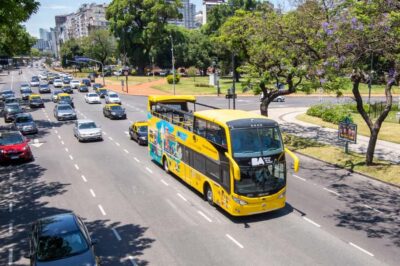
- Buenos Aires Hop-On Hop-Off Bus, Free Walking Tours & Discounts
★ 4.5 · 2,218 reviews - Buenos Aires: La Boca Guided Walking Tour in English
★ 4.8 · 1,587 reviews - Nazis in Buenos Aires: a historical walking tour
★ 4.9 · 193 reviews - Buenos Aires: Personalized 2 to 8-Hour Private Walking Tour
★ 4.7 · 149 reviews
Libertad Street walk: where the story starts
The tour’s best trick is its pacing of ideas. You begin in the area tied to Buenos Aires’ earlier Jewish life, so you’re not piecing together the city from scratch. It’s a guided path that helps you connect streets, buildings, and history into one storyline.
You’ll follow your guide along Libertad Street, where the architecture does some of the talking before anyone explains it. This matters because many Jewish Buenos Aires sites are about identity in public space. Even when doors are closed to visitors, façades, placement, and neighboring institutions still tell you what the community wanted the city to remember.
Expect a moderately paced walk in the 2-hour and 3-hour options, with about 25 to 30 minutes on foot plus some uneven surfaces or steps. You’ll want comfortable shoes, and rain gear if the weather turns. The tour runs rain or shine, so layer up and plan for a real walk, not a stroll.
Templo Libertad and the Jewish quarter streetscape
Templo Libertad is the first big emotional anchor. You’ll see Argentina’s first synagogue from the outside, and your guide will connect the façade to the early roots of Jewish life in the country. This is exactly the kind of stop where the guide’s job is not to overwhelm you, but to give you a clear mental map.
Right nearby, you’ll pass Museo Judío de Buenos Aires. Even from outside, the museum setting helps you understand that Jewish history here is not just about one group arriving. It’s about immigration, integration, and how communities built institutions that made life durable in a new country.
You should come in ready to look carefully. Think: What does this building signal to the street? How does the placement relate to daily life in the neighborhood? With a good guide, those questions become part of the fun.
Holocaust Memorial and the survivors’ aftermath

After orientation in the neighborhood, the tour shifts into heavier territory at the Buenos Aires Holocaust Museum. The tour framing is direct: your guide covers Argentina’s role during and after WWII, and highlights survivors’ stories about rebuilding in the city. That combination helps you avoid a common pitfall, which is treating the Holocaust as distant history with no local consequences.
This stop also works well because it links suffering to what communities did after trauma. You’re not only learning what happened, you’re learning how people found a way to keep living and shaping Buenos Aires afterward. If you care about human-scale history, this is one of the most meaningful parts of the route.
Tip: give yourself a minute to reset emotionally between stops. Moving from one landmark to the next can feel fast. A private guide lets you take that pause at your own speed if you ask.
The same idea, run privately, in Buenos Aires


AMIA (Asociación Mutual Israelita Argentina): remembrance with context

The tour culminates at AMIA, which your guide presents as both a symbol of cultural unity and tragedy. The commentary doesn’t treat the 1994 bombing as a standalone event. Instead, you’ll hear how the attack affected the community and rippled into Argentina’s broader national story.
This is where a great guide can make a big difference, and the tour is set up for that. In the guiding styles mentioned from the experience, Richard Shpuntoff is singled out for being warm, friendly, open, and especially good at adding context about Argentina’s historical and current political climate. That matters because the AMIA story is not only about past violence. It’s also about what institutions mean, and how societies respond afterward.
If you’re traveling with a parent, a student, or anyone who likes clear explanations, AMIA is the part that helps the history click. It’s also the part that tends to leave the longest impression.
Salvador Kibrick Museum: what the 3-hour and 4-hour options add
If you choose the 3-hour or 4-hour tour, you add entry to the Salvador Kibrick Museum. This is the step-up option, and it changes the vibe from street-level landmarks to interior artifacts and documents. The museum is described as showing rare items, along with photographs and historical records that bring the city’s Jewish story to life from the inside.
You’ll need to plan for security rules. For foreigners, you must show your original passport. For Argentinian nationals, you’ll need your national identity card. If you’re the type who keeps documents in a phone photo only, fix that before you go. Bring the real thing.
This museum stop tends to be best for you if you like details and primary-type materials. It also works if you want a break from outdoor walking but still want the tour to feel substantial.
The 4-hour private car route: more stops, less footwork
The 4-hour option is the one with extra city coverage by private car. Instead of staying focused only on the older Jewish quarter, you also get broader Buenos Aires landmarks tied to the story. You’ll still hit the key heritage stops, but the car time helps you see more important points without adding extra fatigue.
The extended itinerary can include:
- Plaza Libertad, a quieter square setting with architectural surroundings
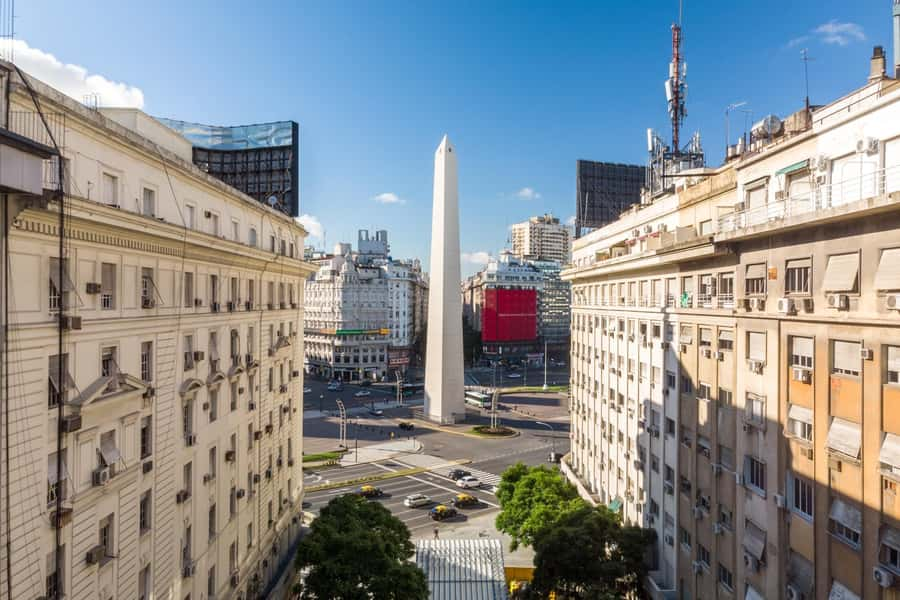
- 9 de Julio Avenue, one of the widest boulevards in the world, useful for getting the scale of the city
- Israeli Embassy Memorial, a solemn site commemorating the 1992 attack
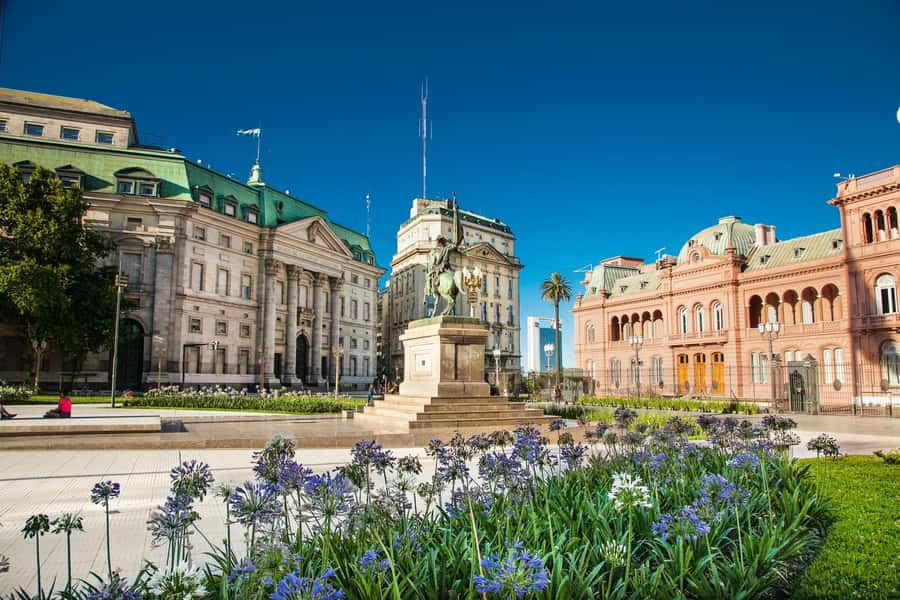
- Plaza General San Martín, a stately public space connected to Argentina’s military and immigrant history
What this does for your understanding is simple: it prevents the history from feeling trapped in one neighborhood. You can see how memory and identity show up in the wider city layout, including places tied to modern commemorations.
Price and value: what you pay for in this private format
At $129 per person for a tour that runs 2 to 4 hours, the value comes from the structure: you’re paying for a private guide, not a bus ride full of strangers. Your guide is licensed, and you can pick English, Spanish, French, Italian, or Portuguese. That matters because Jewish heritage history is easy to do badly with generic scripts. You want a guide who can explain with care and keep the narrative coherent.
If you’re comparing options, think in terms of what you want most:
- Choose the 2-hour option if you want the core landmarks on foot and you’re okay with exterior viewing and shorter time.
- Choose the 3-hour option if you want the extra context and museum entry at the Salvador Kibrick Museum.
- Choose the 4-hour option if you want more city coverage plus the comfort of private car stops.
One small practical note: entry to synagogues is not included, and food and drinks are not included. The tour is about sites and stories, so eat first, carry water, and then let the guide do the history work.
Practical setup: meeting point, group size, and what to bring
The meeting point is in front of Hotel Presidente, Cerrito 850, C1010 Cdad. Autónoma de Buenos Aires. You do not enter the hotel, it’s just a meeting point and the staff may not be informed about the tour.
Your guide will be working with a private group, typically limited to 1 to 25 guests per guide so you can ask questions and hear commentary clearly. That smaller group size makes it much easier to follow the narrative, especially when the topics get heavy.
What to bring:
- Comfortable walking shoes (especially for the 2-hour and 3-hour walks)
- Your passport or national identity card if you are doing the Kibrick Museum
- Weather-ready layers, since the tour runs rain or shine
Should you book this Jewish heritage tour?
Book it if you want a private, licensed guide who can connect Jewish Buenos Aires sites into one clear story. The combination of Templo Libertad exterior viewing, the Holocaust Museum context, and the ending at AMIA gives you both the historical arc and the contemporary meaning of remembrance.
Skip or reconsider if you were hoping for lots of synagogue interior time. This tour is built around landmarks and guided interpretation, not inside-the-sanctuary visits.
If your goal is understanding the city through memory, identity, and resilience, this is a strong choice. It’s also a smart way to get your bearings fast, before you explore Buenos Aires on your own.
FAQ
How long is the Jewish Sites Buenos Aires private walking and car tour?
The tour lasts 2 to 4 hours, depending on the option you choose.
Is the tour mostly walking or does it include driving?
The 2-hour and 3-hour options are walking-based. The 4-hour option includes private transportation by car.
What’s included in the tour price?
You get a private walking tour of Buenos Aires’ old Jewish quarter, a 5-star licensed guide fluent in your chosen language, interesting facts about Jewish history and culture, and entry to the Salvador Kibrick Jewish Museum in the 3-hour and 4-hour options. The 4-hour option also includes private pickup and drop-off at your accommodation.
Do I get entry to synagogues?
No. Entry to synagogues is not included.
Is the Salvador Kibrick Museum included in all tour lengths?
No. Museum entry is included only in the 3-hour and 4-hour options.
What documents do I need for the Salvador Kibrick Museum?
For security reasons, foreigners must present their original passport. Argentinian nationals must present their national identity card.
What sites are included on the standard route?
You will see Templo Libertad (exterior), the Museo Judío de Buenos Aires, the Buenos Aires Holocaust Museum, and AMIA (Asociación Mutual Israelita Argentina). In the 4-hour option, additional stops can include Plaza Libertad, 9 de Julio Avenue, the Israeli Embassy Memorial, and Plaza General San Martín.
What languages does the guide speak?
The live guide is available in English, Spanish, French, Italian, and Portuguese.
Is pickup available from my accommodation?
Pickup with drop-off is included only in the 4-hour option. For the 2-hour and 3-hour options, private transfer is not included. The meeting point is in front of Hotel Presidente, Cerrito 850.
Buenos Aires at Walking Pace, Elsewhere
More Tours in Buenos Aires

More Tour Reviews in Buenos Aires
Newest Buenos Aires write-ups on the desk
- Tango Show at El Querandi with optional Dinner★ 4.2 · 3 reviews
- Velez Sarsfield Football Match★ 5.0 · 3 reviews
- Tango Show at: MichelAngelo★ 4.5 · 3 reviews
- Guided tour Boca Juniors Museum & Stadium + Caminito★ 3.3 · 3 reviews
- From Colonialism to Eclecticism, Buenos Aires arquitectonica★ 5.0 · 3 reviews
- Enjoy a Rural Experience in a Vineyard near Buenos Aires★ 4.7 · 3 reviews
The rest of the Walking Tours list.
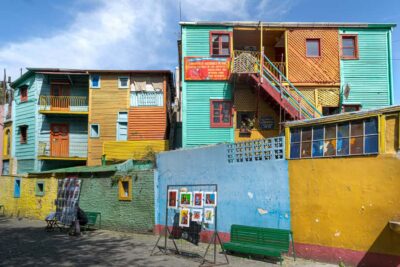 ★ 4.8Buenos Aires: La Boca Guided Walking Tour in EnglishFrom $131,587 reviews
 ★ 4.9Nazis in Buenos Aires: a historical walking tourFrom $25193 reviews
 ★ 4.8Bariloche: German Immigration and History Walking TourFrom $41169 reviews
 ★ 4.7Buenos Aires: Personalized 2 to 8-Hour Private Walking TourFrom $37149 reviews
 ★ 4.7La Docta Free Walking Tour “Córdoba La Antigua”.From $0104 reviews
 ★ 4.8Buenos Aires: San Telmo and Market Guided Walking TourFrom $13102 reviews
 ★ 4.5Buenos Aires Walking Tour with Local Guide and Optional RooftopFrom $11187 reviews
 ★ 4.5Penguin walk in Ushuaia + navigation optionFrom $29181 reviews
Lists this one is on