
REVIEW · EMPANADAS AND ALFAJORES
Buenos Aires: Mate Workshop y Otras Yerbas
Your new favorite Buenos Aires ritual is mate.
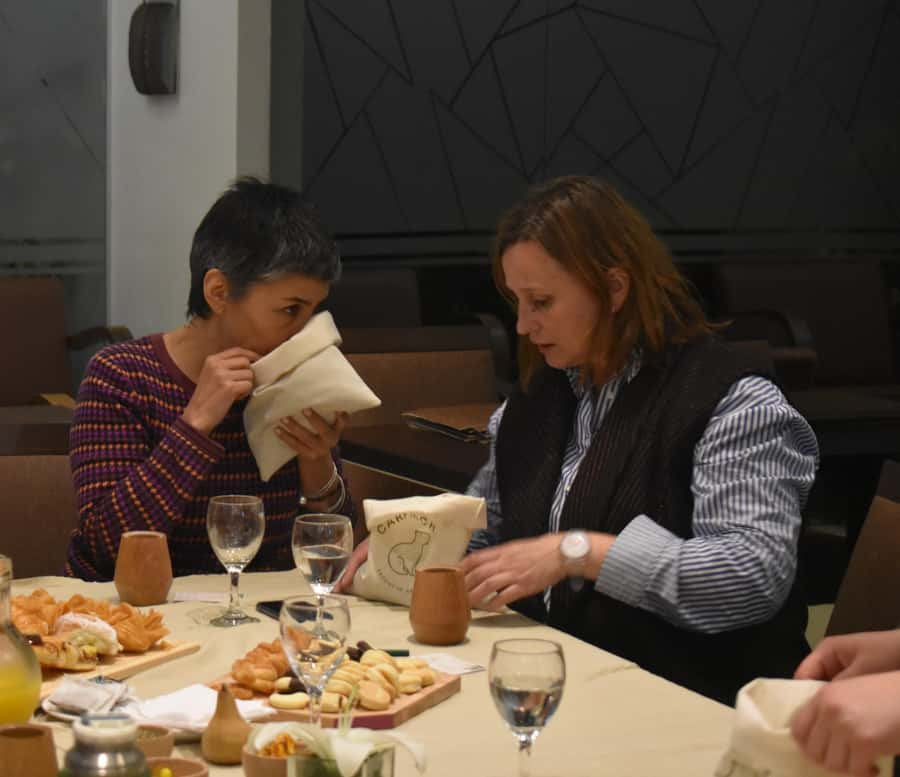
This one-hour workshop in the Recoleta area is a friendly deep look at why mate matters in Argentina, not just as a drink but as a social habit. I like that Vale and Juli (Carpincha) teach it like a lived custom, with stories, myths, legends, and anecdotes that make the whole thing feel human.
I also love the practical side: you’ll taste 4 types of yerba and learn what makes each one different, from variety to production and cultivation. You’ll pair the mate with typical Argentine sweets like medialunas, biscochitos, and alfajores, so the tasting never feels flat or academic.
One consideration: with only 60 minutes, it’s best if you arrive ready to ask questions and move with the group, since there’s no time for extra wandering or a long, slow hang.
In This Review
- Key things I’d plan around
- A One-Hour Mate Lesson in Recoleta: What Carpincha Does
- Meet Vale and Juli, Then Learn Mate Is More Than a Drink
- Yerba Tasting Like a Pro: Four Types and What Changes
- How to Brew Your Own Mateada (Without Making It Bitter)
- Pastries Pairing Guide: Medialunas, Biscochitos, and Alfajores
- Price and Value: What $50 Buys You in Real Learning
- Practical Notes Before You Go
- Who This Workshop Suits Best, and Who Might Want Another Plan
- Should You Book This Mate Workshop or Skip It?
- FAQ
- How much does Buenos Aires: Mate Workshop y Otras Yerbas cost?
- How long is the mate workshop?
- Where does the workshop take place?
- What is included in the experience?
- What languages are the instructors?
- Can I cancel and get a full refund?
- Is transportation to the meeting place included?
Key things I’d plan around
- Recoleta location makes it easy to pair with other central Buenos Aires plans
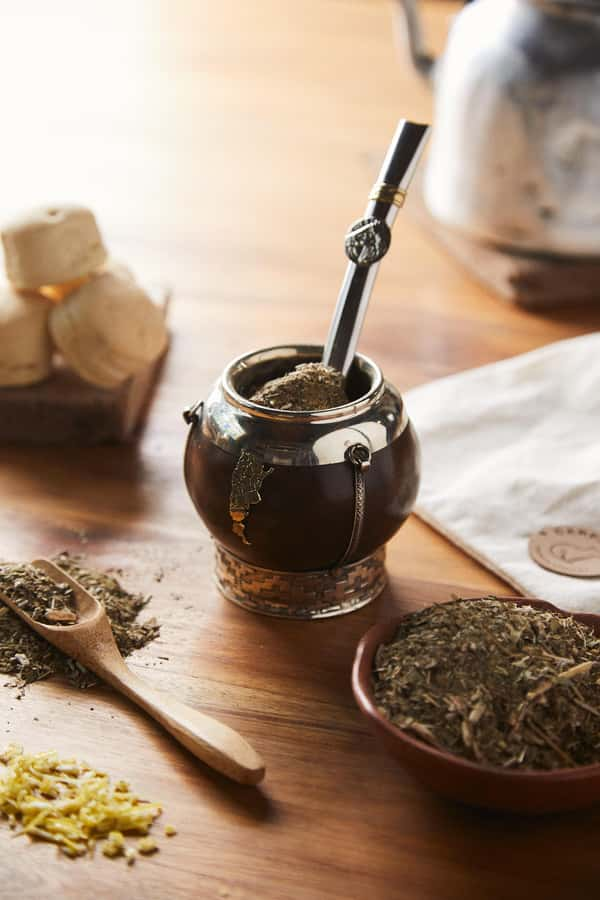
- Four yerbas to taste so you learn differences, not just one “default” mate
- One mate per person so you can actually practice brewing during the session
- Stories plus technique, including history, myths, and legends, along with real brewing tips
- Typical pastries included, which turns the workshop into a mini mateada you can repeat later
Doughs and dulce de leche, a few more sessions
- Buenos Aires: Empanadas and Alfajores Guided Cooking Class
★ 4.8 · 486 reviews - Buenos Aires: Empanada & Alfajor Cooking Lesson in Palermo
★ 4.6 · 186 reviews - Buenos Aires Food Tour: Local Dishes, Steak, Empanada & More
★ 5.0 · 118 reviews - BA: Empanadas and Alfajores Cooking Experience in Palermo
★ 5.0 · 112 reviews
A One-Hour Mate Lesson in Recoleta: What Carpincha Does
If you want something real in Buenos Aires, not another ticketed performance, this workshop is a strong bet. It runs in the Recoleta area for 60 minutes, and the format is simple: history and culture first, then yerba tasting, then you learn how to brew your own mate properly.
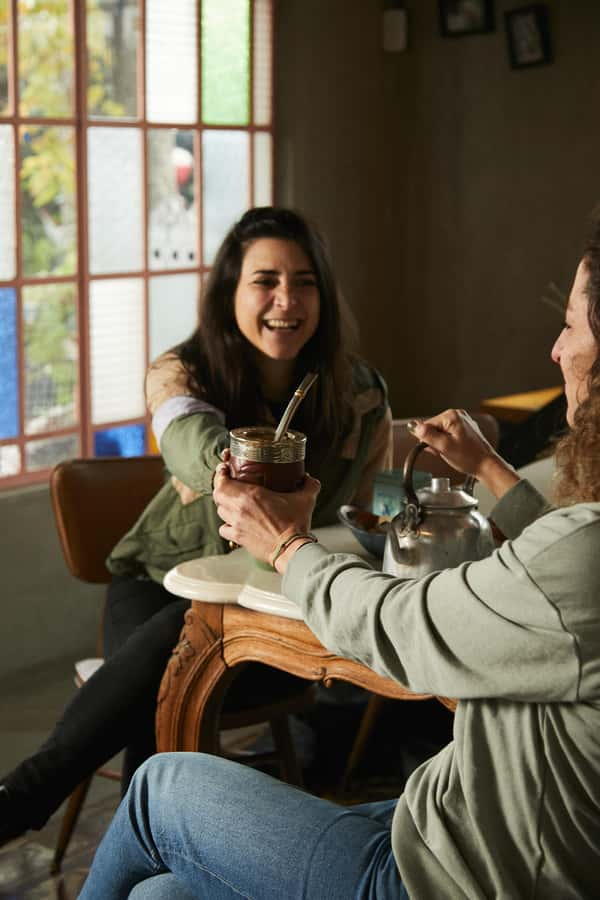
Carpincha, led by Vale and Juli, frames mate as ritual. They don’t treat it like a caffeine lecture or a quick “here’s a cup, take a photo” stop. Instead, they focus on how Argentines use mate as a way to sit together, talk, and pass a shared cup around like a small moment of hospitality.
You should also know the vibe from what guests say in feedback: the hosts are described as energetic and clear, with answers that make you feel comfortable asking anything you’re curious about. That matters, because mate culture can sound mysterious until someone explains the why and the how in plain language.
Meet Vale and Juli, Then Learn Mate Is More Than a Drink
The workshop starts with the cultural layer. You’ll hear mate’s history and importance for Argentines, plus the “why” behind the ritual. That includes the kind of background that helps you understand why mate shows up in daily life and not just during special occasions.
Expect a mix of storytelling and Q&A style explanation. You’re not only learning facts, you’re picking up the tone of the tradition: the little manners, the social rhythm, and the idea that someone visiting your home usually leads with the offer to share mates. Carpincha uses that theme to connect mate to family habits and everyday generosity.
I like that the hosts keep it grounded. Instead of throwing random terms at you, they bring in myths, legends, and anecdotes that make it easier to remember. And because the activity runs in English and Spanish, you can follow without needing to already know the vocabulary.
Also, if you’re the kind of traveler who enjoys questions, you’ll likely appreciate how comfortable guests say the hosts were answering them with clarity. When you leave, you should feel like you can talk about mate without sounding like you memorized a brochure.
Yerba Tasting Like a Pro: Four Types and What Changes
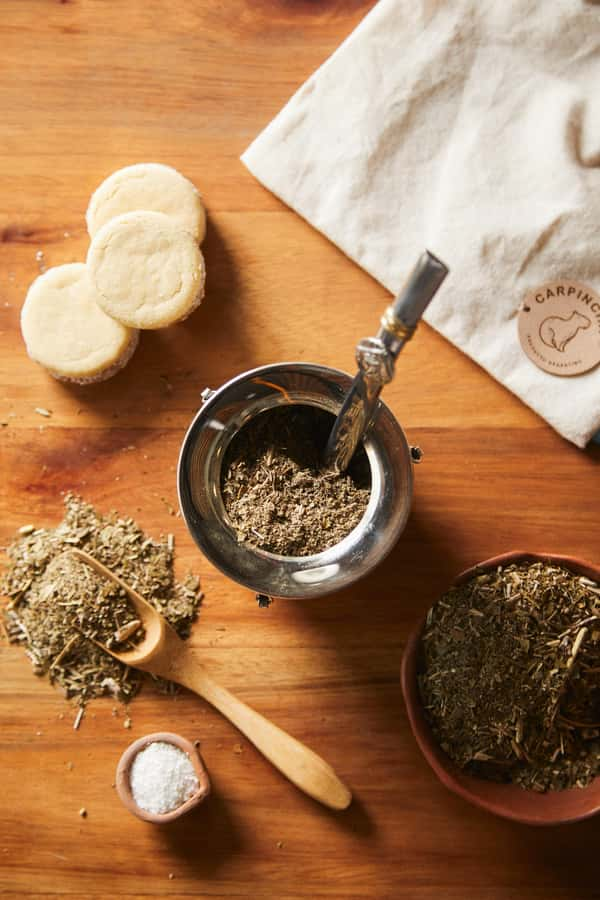
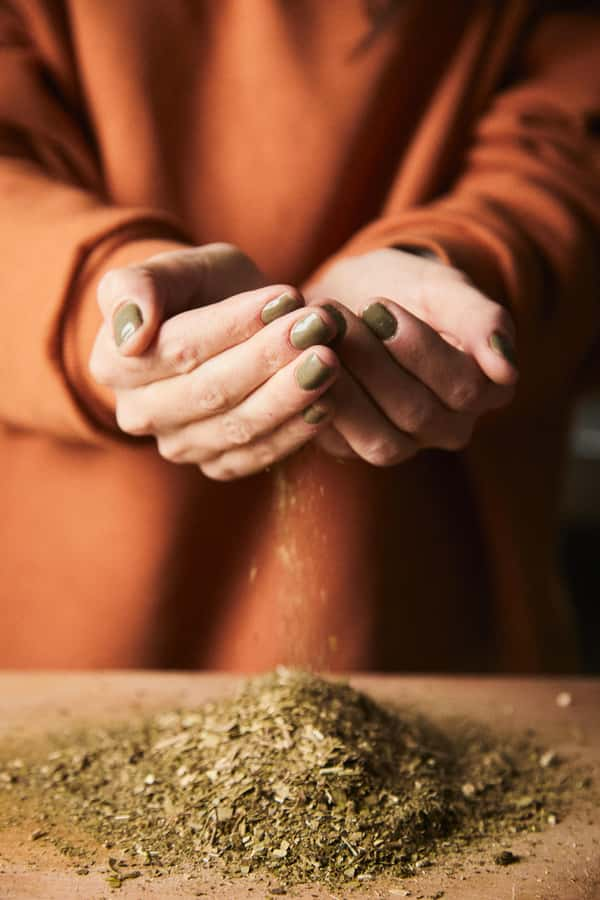
The heart of the experience is the tasting. You’ll sample four types of yerba mate, with guidance on what you’re tasting and why it matters. The hosts explain variety, production, and cultivation, so you understand differences beyond flavor alone.
Why this part is so valuable: most people experience mate as one thing, then they wonder why their first cup tasted different from the next. Yerba varies in how it’s grown and processed, and that affects bitterness, aroma, and overall character. Tasting multiple types in a short session is the fastest way to get your own sense of what you like.
This workshop makes it easy because the tasting is structured. You’re not left alone with multiple cups and guesswork. You’ll get tips as you go, which helps you notice details instead of just chasing intensity.
Carpincha also offers learning about flavor combinations in the tasting. Even if you don’t know the terms yet, you’ll pick up the logic: some yerbas feel more robust, some feel smoother, and some lean different depending on how they were produced. That gives you a practical way to choose yerba later when you’re shopping.
If you’re picky or you’re worried you won’t like mate, this is also the best scenario. By the time you hit the fourth type, you’ll usually have found at least one that clicks for your taste.
Other Buenos Aires write-ups sitting in the pile



How to Brew Your Own Mateada (Without Making It Bitter)
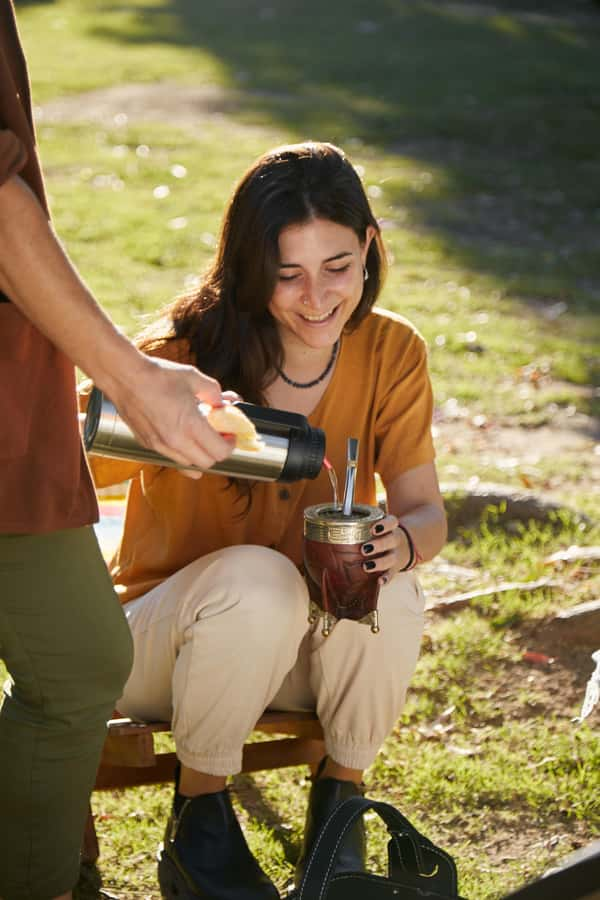
After the cultural intro and the tasting, you shift into technique. You’ll learn how to brew your own mate, and you’ll use one mate per person during the meeting so it’s hands-on rather than purely observational.
You’ll hear tips for making better mates, and the host guidance is important here. Brewing can go wrong quickly if the steps are off, especially when you’re used to other hot drinks. The goal is to get you to the point where you feel confident repeating the process later at home.
The workshop also keeps the ritual in mind during brewing. Mate is not just boiling water and stirring leaves. It’s about timing, temperature, and sharing the cup in a way that matches the social tradition. Carpincha treats that as part of the skill, not an afterthought.
One smart way to prepare is to come ready with questions. If you’ve tried mate before and your results were bitter or too strong, ask why. If you have a preference for smoother flavors, ask what to look for in yerba types. With an English and Spanish instructor, you can usually find a level of explanation that makes sense fast.
Pastries Pairing Guide: Medialunas, Biscochitos, and Alfajores
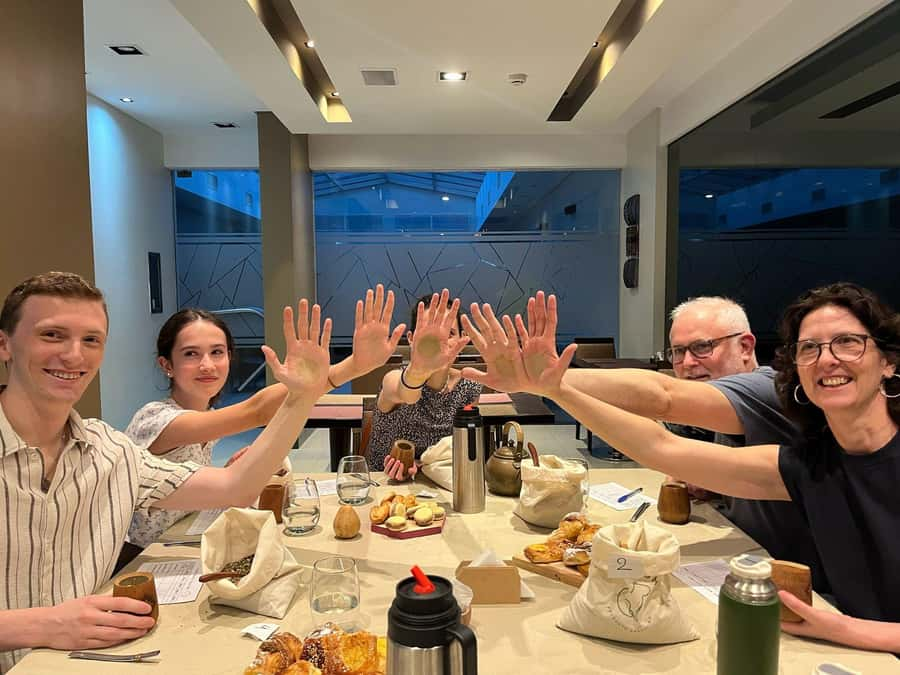
The mate is served with sweet snacks, and the pairing is more than a nice extra. You’ll taste typical Argentine pastries including medialunas, biscochitos, and alfajores, plus the workshop description also references croissant-style pastries and similar local sweets.
This matters because mate flavor can be intense. Pairing with sweets helps you notice the yerba itself instead of tuning everything out to bitterness. It also turns the session into something that feels like you’ve been welcomed into someone’s home rather than processed through a demo.
I especially like how the snacks reinforce the social rhythm. Mate snacks are part of the conversation culture, so you get a fuller experience than drinking a cup of tea next to a plate of cookies. When you finish, you can recreate that “mateada” feeling for friends, not just the beverage.
Price and Value: What $50 Buys You in Real Learning
At $50 per person for one hour, the value comes from what’s included, not from the time alone. You’re paying for a structured cultural lesson, guided tasting of four yerbas, hands-on brewing practice with a mate per person, and pastries to accompany the session.
If you tried to copy this experience on your own, you’d likely spend money and time buying several yerbas, learning brewing steps from mixed sources, and gathering enough snacks to make it feel right. Here, those pieces are bundled into one guided hour.
Also, because the tasting covers variety, production, and cultivation, it’s not just a food experience. You’re building your ability to choose yerba later, and that turns the workshop into a repeatable skill.
So yes, it’s a paid activity, but it’s not just paying for a cup. You’re paying for a translator for the tradition.
Practical Notes Before You Go
Here’s what I’d plan around so the hour stays smooth.
- Location: The meeting happens in the Recoleta area. Build time to get there without rushing.
- Duration: It’s 60 minutes, so show up ready to participate.
- Languages: Instruction is in English and Spanish, so you can follow comfortably even if your Spanish is limited.
- Wheelchair accessibility: The activity is listed as wheelchair accessible.
- Not included: Transportation to the meeting place is not included, so factor that into your plan.
- Rules: Alcohol and drugs are not allowed, and weapons or sharp objects are not allowed.
One more small tip: if you’re sensitive to strong flavors, tell the hosts during the tasting part. You’re there to explore, and the structure makes it easier for them to guide you toward what you’ll enjoy.
Who This Workshop Suits Best, and Who Might Want Another Plan
This workshop is ideal if you want:
- A hands-on introduction to mate rather than a lecture
- A quick cultural experience in central Buenos Aires
- A food-and-drink activity with real technique and tasting variety
- A chance to ask questions and get clear answers
It might be less ideal if you’re expecting long storytelling, a museum-style deep study, or time to wander around after. The whole thing is designed to fit into a single hour, so it moves. You’ll get a lot for the time, but you won’t get a slow, sit-on-the-street experience.
Should You Book This Mate Workshop or Skip It?
I’d book it if you want an efficient way to understand mate culture and bring something home that you can actually repeat. The combination of four yerba tastings, brewing practice, and classic Argentine pastries makes it feel like a complete mini mateada, not a one-note sampling.
Skip it only if you’re already fully confident with mate brewing and you’re mainly chasing a very long cultural narrative. Otherwise, this is one of those Buenos Aires activities that gives you both context and a practical takeaway.
My decision checklist is simple:
- You want a guided tasting, not guesswork.
- You’re okay with a tight one-hour schedule.
- You’re excited to learn, then do the brewing yourself.
If those three land for you, this is a smart, local-feeling choice in Recoleta.
FAQ
How much does Buenos Aires: Mate Workshop y Otras Yerbas cost?
The price is $50 per person.
How long is the mate workshop?
It lasts 1 hour.
Where does the workshop take place?
The meetings take place in the Recoleta area.
What is included in the experience?
It includes 1 mate per person to use in the meeting, instruction on how to brew your own mate, tasting of yerba mate herbs and flavor combinations, and typical Argentine sweet snacks to accompany the mate. You also get an explanation of mate culture, with myths, legends, and anecdotes.
What languages are the instructors?
The instructor speaks English and Spanish.
Can I cancel and get a full refund?
Yes. You can cancel up to 24 hours in advance for a full refund.
Is transportation to the meeting place included?
No, transportation is not included.
More Workshops in Buenos Aires
More Tour Reviews in Buenos Aires

More Dough and Dulce de Leche
Newest Buenos Aires write-ups on the desk
- Tango Show at El Querandi with optional Dinner★ 4.2 · 3 reviews
- Velez Sarsfield Football Match★ 5.0 · 3 reviews
- Tango Show at: MichelAngelo★ 4.5 · 3 reviews
- Guided tour Boca Juniors Museum & Stadium + Caminito★ 3.3 · 3 reviews
- From Colonialism to Eclecticism, Buenos Aires arquitectonica★ 5.0 · 3 reviews
- Enjoy a Rural Experience in a Vineyard near Buenos Aires★ 4.7 · 3 reviews
The rest of the Empanadas and Alfajores list.
 ★ 4.8Buenos Aires: Empanadas and Alfajores Guided Cooking ClassFrom $37486 reviews
 ★ 4.6Buenos Aires: Empanada & Alfajor Cooking Lesson in PalermoFrom $49186 reviews
 ★ 5.0Buenos Aires Food Tour: Local Dishes, Steak, Empanada & MoreFrom $93118 reviews
 ★ 5.0BA: Empanadas and Alfajores Cooking Experience in PalermoFrom $49112 reviews
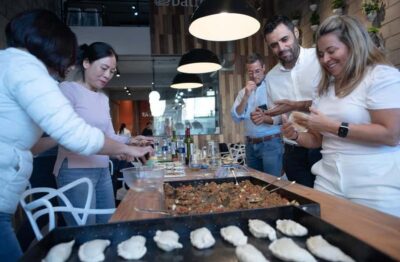 ★ 4.8Argentinian Empanadas Cooking Experience in Palermo, Bs AsFrom $4650 reviews
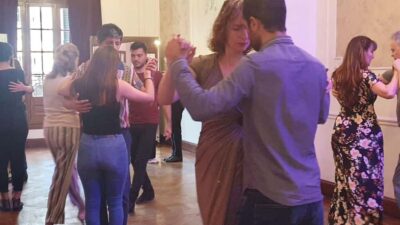 ★ 4.4Buenos Aires: Group tango class with mate and snacksFrom $2544 reviews
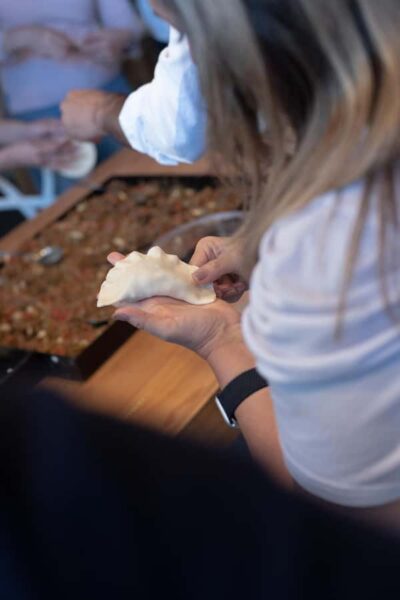 ★ 4.9Premium Empanadas Cooking Class & Wine Tasting ExperienceFrom $4935 reviews
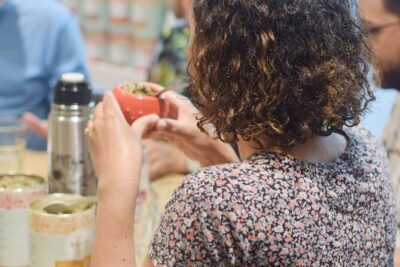 ★ 5.0Small Group Tasting to Become a Mate Expert in Buenos AiresFrom $2935 reviews
Lists this one is on