
REVIEW · PALERMO TOURS
BA: Empanadas and Alfajores Cooking Experience in Palermo
One kitchen. One small group. A lot of Argentine food know-how.
This hands-on empanadas and alfajores cooking experience in Palermo is built for real technique, not just watching a demo. You’ll learn how to fill, fold, and shape empanadas based on what’s inside, then assemble classic dulce de leche alfajores with local guidance.
I really like that you can choose meat or vegan options, including a lentil-style choice for vegetarians. I also love the cultural layer, where you sip mate and hear how these habits get passed down, including stories that sound like they came straight from an abuela’s kitchen.
The main thing to consider is that the class can feel more hands-on or more watch-and-learn depending on the group and the flow of that particular session. Also, if you’re bringing kids, there is cutting and chopping with sharp knives.
In This Review
- Key highlights at a glance
- Palermo Empanada and Alfajores Class at Gorriti 4882
- What you cook first: empanadas, filling, and folding that actually matters
- Alfajores time: dulce de leche, mixing, baking, and careful handling
- Drinks, mate tea, and the stories that make it feel like Argentina
- Price and logistics: is $49 worth it?
- Hands-on reality check: what you’ll do versus watch
- Who should book this empanada and alfajores class?
- Final verdict: should you book it?
- FAQ
- What is the duration of the cooking experience?
- Where does the class start?
- How big is the group?
- Are there meat and vegan options?
- What’s included in the class?
- Can I get a refund if plans change?
Key highlights at a glance
- Small-group format (up to 10) so you’re not stuck filming from the back row
- Empanadas shaping technique taught differently for meat versus lentils
- Dulce de leche alfajores from scratch, then assembled once fillings cool
- Mate tea included, with some sessions reporting wine as part of the experience
- Recipes sent after the class so you can cook them again at home
Palermo runs wider than any single loop
- Palermo: Graffiti and Street Art Guided Tour in English
★ 4.8 · 684 reviews - Buenos Aires: Empanada & Alfajor Cooking Lesson in Palermo
★ 4.6 · 186 reviews - BA: Empanadas and Alfajores Cooking Experience in Palermo
★ 5.0 · 112 reviews - Buenos Aires Bike Tour: North Districts, Recoleta and Palermo
★ 4.5 · 91 reviews
Palermo Empanada and Alfajores Class at Gorriti 4882
If you’re the kind of traveler who wants more than photos, this fits. The class is centered on two food icons that almost everyone in Buenos Aires thinks about at home, not just in restaurants. You meet at Gorriti 4882 (Palermo), and the experience runs about 2 hours 30 minutes for a maximum of 10 people, which matters because small groups make it easier to ask questions and actually practice.
The setting is part of the point. Reviews describe a lovely, clean venue where you can work at a kitchen rhythm, not a cramped countertop. And because this is hosted by a native guide, the “why” behind the food comes with the “how.” You’re not only learning what to do, you’re learning what Argentines consider normal, from how empanadas get folded to how sweet cookies are assembled.
There’s also a family angle. The experience is described as ideal for you and your kids, and several reviews mention kids doing well with the activity, as long as adults help with the knife work.
What you cook first: empanadas, filling, and folding that actually matters
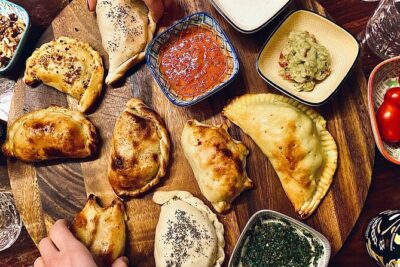
Empanadas are a huge deal in Argentina, and the class starts there for a reason. You’ll learn the process step by step, with meat and vegan options available. One of the most praised parts is that shaping is taught as more than a cute pattern. Different fillings get different folds, and there’s a kind of standard that experienced cooks follow.
Here’s how the lesson tends to feel in practice:
- Prep work
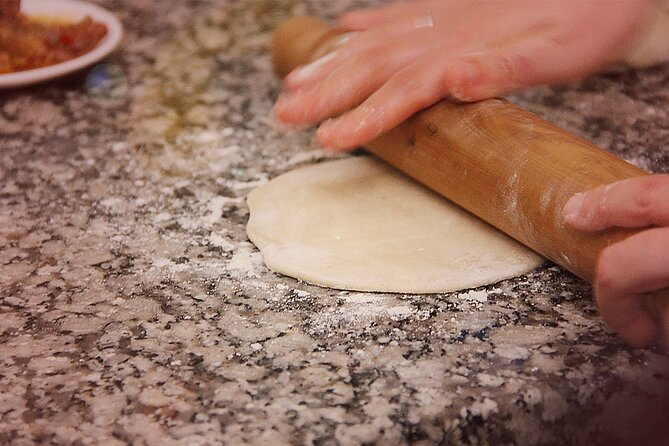
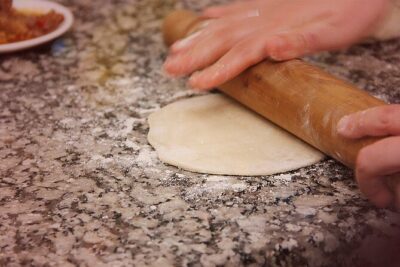
You’ll chop ingredients and help with tasks like mixing or preparing the filling. In several reviews, participants describe contributing with chopping and rolling, which keeps the experience interactive.
- Cook the filling
You’ll cook the filling briefly on the stovetop. Reviews mention quick stovetop cooking before things get assembled.
- Assemble the empanadas
People often report stuffing and folding with guidance, and some mention using premade empanada shells rather than making dough from zero. That can be a real plus if you want the technique lessons without spending your entire class kneading.
- Fold based on the filling
This is the standout. One reviewer specifically called out that a beef empanada is shaped differently than a lentil empanada, and that there’s a standard. That’s the kind of detail you can’t really pick up from a recipe blog. It’s also the reason the empanadas feel more authentic when you try them later.
And yes, the class is designed to be inclusive. If your group includes vegetarians, you’re not stuck with one “default” filling. The lentils option shows up in the experience, and the folding lessons adjust so the vegetarian empanadas feel like they belong.
Alfajores time: dulce de leche, mixing, baking, and careful handling
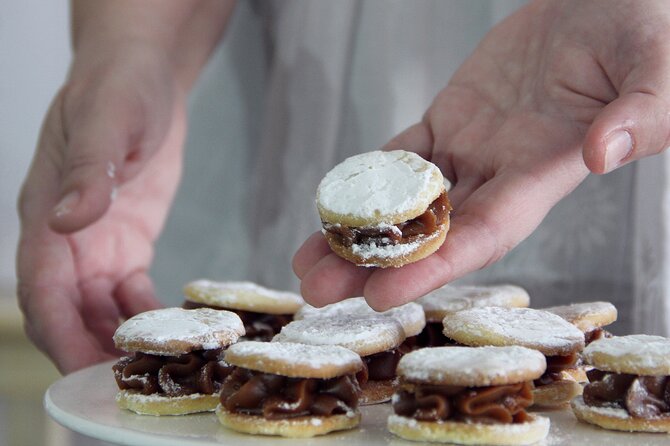
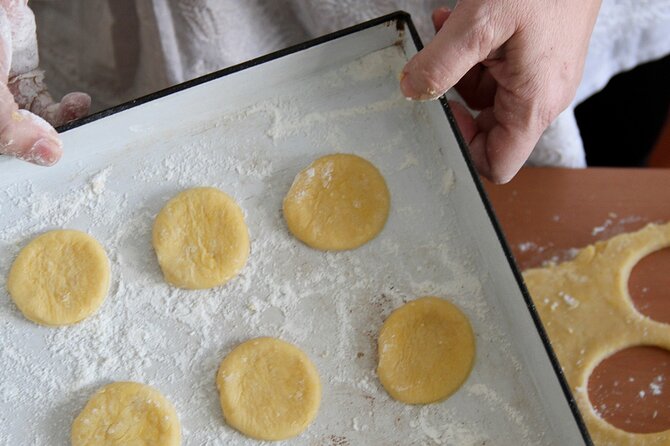
Then you shift from savory to sweet with alfajores filled with dulce de leche. This is where the class turns into a snack factory, because you’ll help mix the cookies, bake them, and assemble them once the filling is ready.
The “hands-on” portion is real, but there’s one practical detail: cookies can be fragile. One review specifically warns not to press them too hard when handling. That matters because it’s easy to end up with a broken cookie if you’re rushing or picking them up with one clumsy thumb.
One nice rhythm described in reviews is that while the dulce de leche filling cools, you work on the cookies. That keeps the 2.5 hours from dragging and makes waiting time feel productive, not idle.
After baking, the assembly is straightforward but satisfying. You top, fill, and finish the cookies, and at least some sessions include a coconut finish or rolling step, depending on how that specific class runs. The key takeaway is that you’ll walk away with a repeatable process, not just a one-time treat.
Doughs and dulce de leche, a few more sessions
Drinks, mate tea, and the stories that make it feel like Argentina
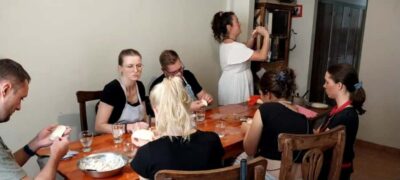
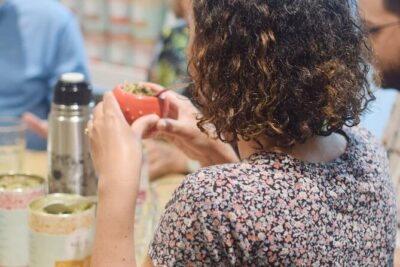
Food classes can be dry, or they can have texture. This one leans on the second approach. You’ll have coffee and/or tea, and the experience lists mate as the authentic infusion. Mate is more than a drink in Argentina, it’s a social cue, and in a small group setting it naturally turns into conversation.
Reviews also mention wine. In one case, a participant noted wine being offered instead of coffee or tea. Another review calls out wine as very nice. Since the published inclusions focus on mate, coffee, or tea, I’d treat wine as a possible extra depending on the session, not something you should base your plan around without asking.
Beyond drinks, the cultural part is what people remember. Several reviews mention stories about how these skills were learned at an abuela’s kitchen table, including details like whistling while working so Grandma knew the filling was not being eaten early. That sounds like a joke, but it signals something real: these foods are learned through repetition and family routines, not formal culinary school.
Price and logistics: is $49 worth it?
At $49 per person for about 2 hours 30 minutes, the value depends on what you want from Buenos Aires. If you only want to eat, this might feel pricey. If you want skills you can use at home, the math changes.
Here’s what you’re paying for:
- A small-group, hands-on setup (up to 10 people)
That usually translates to real instruction, not a passive show.
- Two major skill sets
Empanada folding technique plus alfajores assembly is a lot for one afternoon.
- Ingredients, tools, and an actual host
You’re not buying random cooking ingredients and hoping your kitchen skills match the result. The class provides the setup and guidance.
- Recipes shared afterward
Multiple reviews mention recipes sent at the end, including via WhatsApp. That makes the experience extend beyond your time in Palermo.
If you’re traveling with kids, this can be especially good value. Several families highlight it as a highlight for kids aged around 10 to 13. That’s because you get a structured activity that ends with food, instead of trying to entertain everyone with another stop-and-walk plan.
The biggest logistic tradeoff is simple: transportation is not included. But the meeting point is near public transportation, so you’re not stuck on a complicated route.
Hands-on reality check: what you’ll do versus watch
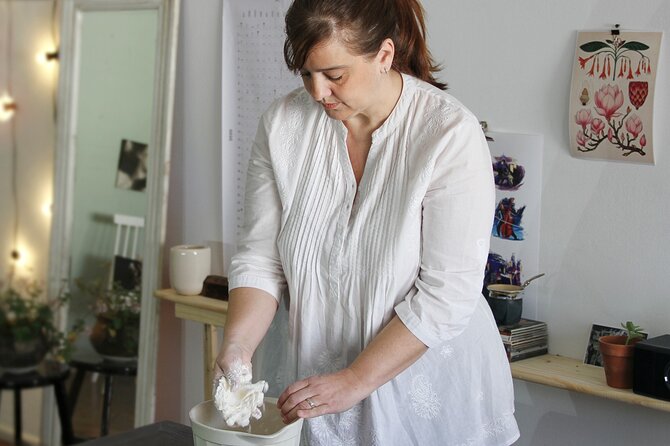
Let’s be honest about what cooking classes are like. Some are mostly show. Others give you enough tasks that you feel accomplished. The feedback here is mostly positive, with many people describing chopping, rolling, stuffing, and shaping.
Still, there are a couple of notes worth taking seriously:
- Some participants reported that the class felt less like a cooking class and more like watching, with only one person doing key steps.
- Another complaint mentioned the instructions didn’t share as much dish knowledge as expected.
- One review also described empanadas and alfajores being less flavorful than hoped.
So if you really want lots of hands-on participation, go in with the mindset of asking questions and volunteering for tasks early. In small groups, that behavior can change your experience fast.
Who should book this empanada and alfajores class?
This is a strong fit for:
- Food lovers who want technique and not just taste
- First-time cooks who want structure and guidance
- Families (with adult help for knife work)
- Vegetarians or mixed groups because meat and lentil options are part of the class
- People who like social travel since the small group format encourages conversation
It’s also a good choice if you want an afternoon that feels local without spending the whole day on museum lines. One review described this as a way to experience culture, not just see sights, and that’s a fair summary of what the class delivers.
If your priority is a ultra-fancy food tour or a long sit-down meal, you might prefer something else. But if your goal is learnable, repeatable Argentine comfort food, this is exactly the right type of experience.
Final verdict: should you book it?
I’d book this if you want a small-group, technique-focused Buenos Aires experience centered on two classics. The most praised parts are the hands-on empanada shaping (meat versus lentil) and the alfajores you assemble yourself, plus the mate tea and family-style stories that turn cooking into something more than a task list.
I would hesitate only if you know you get frustrated when classes feel uneven, or if you strongly want coffee or tea specifically rather than possibly wine. And if you’re bringing kids, plan on adult support for chopping and knife safety.
If you’re in Palermo with a bit of space in your schedule, this is one of the more practical ways to take Argentine food home in your head, not just on your camera roll.
FAQ
What is the duration of the cooking experience?
It runs for about 2 hours 30 minutes.
Where does the class start?
The start point is Gorriti 4882, C1414BJN, Buenos Aires, Argentina.
How big is the group?
The experience has a maximum of 10 travelers, which keeps the class interactive.
Are there meat and vegan options?
Yes. You can choose between meat and vegan options, including a lentils option for vegetarian participants.
What’s included in the class?
Included are empanada ingredients, alfajores ingredients, a professional native host, coffee and/or tea (mate is listed as the authentic infusion), and cooking tools.
Can I get a refund if plans change?
Yes, you can cancel for a full refund up to 24 hours in advance of the experience start time.
More Tour Reviews in Buenos Aires

More Dough and Dulce de Leche
Still in Palermo?
Newest Buenos Aires write-ups on the desk
- Tango Show at El Querandi with optional Dinner★ 4.2 · 3 reviews
- Velez Sarsfield Football Match★ 5.0 · 3 reviews
- Tango Show at: MichelAngelo★ 4.5 · 3 reviews
- Guided tour Boca Juniors Museum & Stadium + Caminito★ 3.3 · 3 reviews
- From Colonialism to Eclecticism, Buenos Aires arquitectonica★ 5.0 · 3 reviews
- Enjoy a Rural Experience in a Vineyard near Buenos Aires★ 4.7 · 3 reviews
The rest of the Palermo Tours list.
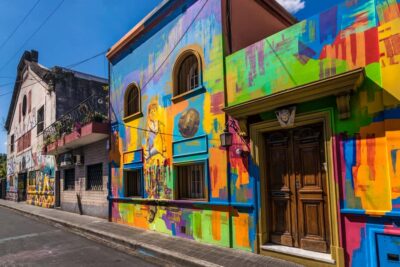 ★ 4.8Palermo: Graffiti and Street Art Guided Tour in EnglishFrom $13684 reviews
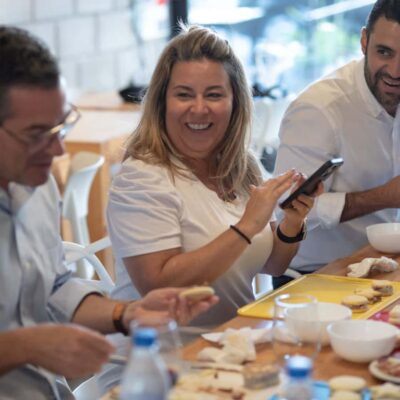 ★ 4.6Buenos Aires: Empanada & Alfajor Cooking Lesson in PalermoFrom $49186 reviews
 ★ 4.5Buenos Aires Bike Tour: North Districts, Recoleta and PalermoFrom $4591 reviews
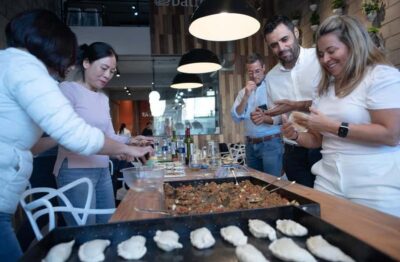 ★ 4.8Argentinian Empanadas Cooking Experience in Palermo, Bs AsFrom $4650 reviews
 ★ 5.0Cultural Experience by Bike around Palermo and Recoleta Max 6 pplFrom $5444 reviews
 ★ 4.5City Bike Tour in Palermo and RecoletaFrom $507 reviews
 ★ 4.4Buenos Aires: Palermo Soho Guided Walking TourFrom $175 reviews
 ★ 5.0Palermo SoHo for curious peopleFrom $254 reviews
Lists this one is on