
REVIEW · PALERMO TOURS
Buenos Aires: Empanada & Alfajor Cooking Lesson in Palermo
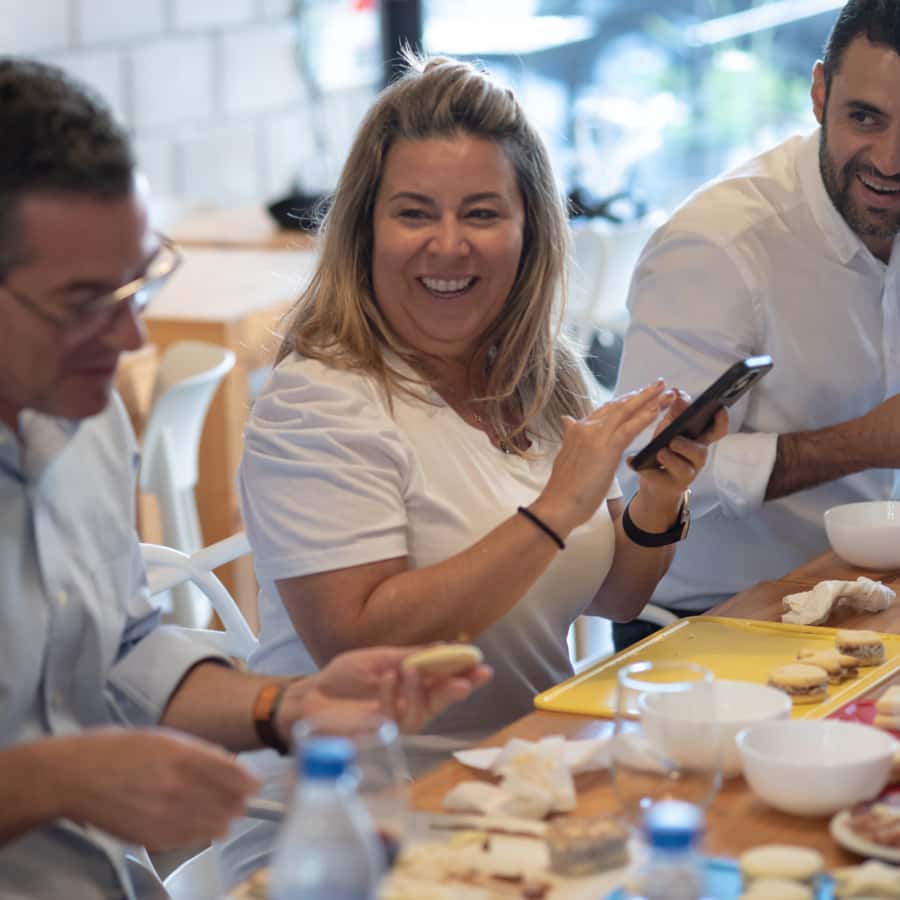
Folding empanadas turns cooking into a game. In this Palermo class, I love how you get hands-on with empanadas and alfajores, plus you sip mate tea while your native host adds cultural context. It is one of those Buenos Aires food experiences that feels social, practical, and easy to join with kids.
The main consideration is simple: there is no hotel pickup, so you will want to get yourself to the Gorriti Street meeting point on time. Also, it runs in rain or shine, so plan for an indoor cooking pace.
In This Review
- Key things to know before you go
- Palermo empanadas and alfajores, a cooking class with real Buenos Aires energy
- Meeting at Gorriti Street, and how to make it painless
- Empanadas in the first phase, filling, dough, and the fold that impresses
- Alfajores next, baking cookies and building the dulce de leche sandwich
- Mate tea and cultural insights, why the lesson feels more than food prep
- Meat or vegan empanadas, and how to choose without overthinking
- Instructors can make or break the day, and this one has a strong track record
- Price and value: is $49 for 150 minutes worth it?
- What to expect in the kitchen, and how to get the most out of it
- Who should book this Buenos Aires class, and who might want something else
- Should you book this empanada and alfajor cooking lesson in Palermo?
Key things to know before you go
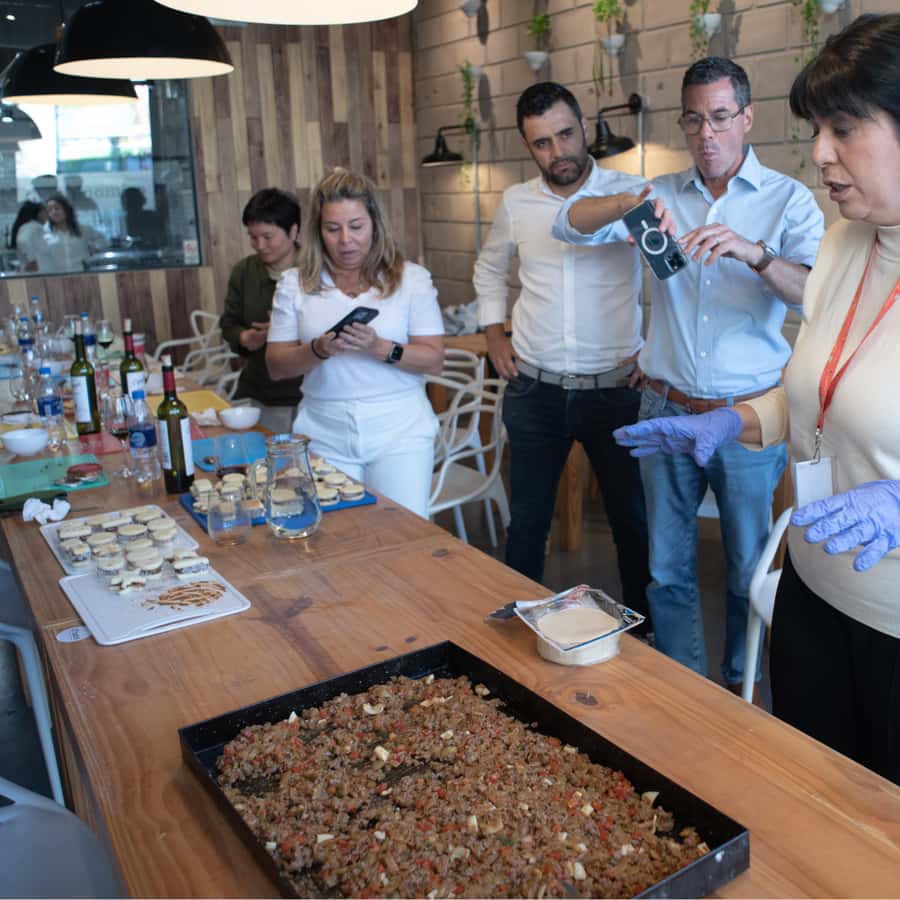
- You cook two classics: empanadas (with meat or vegan options) and alfajores with dulce de leche.
- The whole experience is hands-on with step-by-step guidance, not just watching.
- Mate tea is included, and it sets a relaxed Argentine rhythm as you work.
- You learn the real technique, especially how to fold empanadas without stress.
- Instruction varies by host, but the vibe is consistently friendly, with names like Carolina, Catalina, Tomas, and Paulina popping up in past sessions.
Palermo runs wider than any single loop
- Palermo: Graffiti and Street Art Guided Tour in English
★ 4.8 · 684 reviews - Buenos Aires: Empanada & Alfajor Cooking Lesson in Palermo
★ 4.6 · 186 reviews - BA: Empanadas and Alfajores Cooking Experience in Palermo
★ 5.0 · 112 reviews - Buenos Aires Bike Tour: North Districts, Recoleta and Palermo
★ 4.5 · 91 reviews
Palermo empanadas and alfajores, a cooking class with real Buenos Aires energy
Buenos Aires cooking lessons are everywhere, but this one lands because it focuses on the two foods you actually want to master. You are not just tasting. You are making empanadas and dulce de leche alfajores with the same ingredients and methods that show up in Argentine kitchens and on family tables.
Palermo is a smart neighborhood choice for this kind of activity. You can pair it with other nearby stops before or after, and you are not stuck across town. The key is the class structure, you work, you eat what you make, and you leave with recipes and technique you can repeat later.
Meeting at Gorriti Street, and how to make it painless
The meeting point is in Palermo on Gorriti Street. Some materials list Gorriti 4882, while the key info points to Gorriti 4886, so do yourself a favor and confirm the exact number on your confirmation.
There’s no hotel pickup, so your success depends on simple timing and transit. Give yourself a little buffer, because you will likely want to arrive ready to work at the start, not 10 minutes into the dough routine.
One more practical note: the experience takes place even in rain or shine. That matters because it keeps your plans steady, but it also means you should be ready for indoor cooking conditions, not a casual stroll-based tour.
Empanadas in the first phase, filling, dough, and the fold that impresses
Empanadas are one of Argentina’s most important comfort foods, and the class starts there for a reason. You begin with the basics of making empanadas, including dough and filling work, then you move into assembling. If you’ve ever bought pre-made dough, you’ll understand why people get picky about the homemade version.
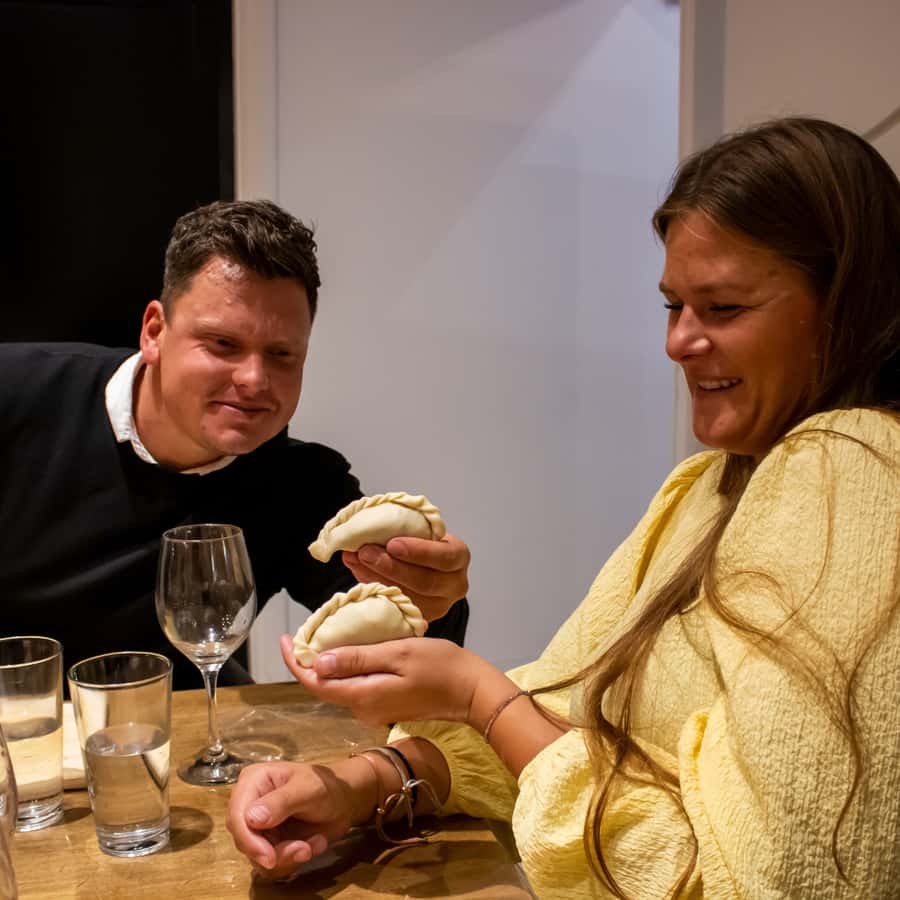
Here is what makes this part valuable. Learning empanadas is not only about taste. It is about texture, seasoning balance, and the fold. That fold is where “I tried” turns into “I can do this at home.”
You can choose meat or vegan options, which is a huge win if you are traveling with mixed diets. It means you are not forced into one style just to join the class. From a practical standpoint, it also changes the filling routine, so you get a meaningful cooking result either way.
Also pay attention to how your host handles timing. Empanada dough and filling both have momentum, and the class moves so everyone gets a finished product to take part in the meal.
Doughs and dulce de leche, a few more sessions
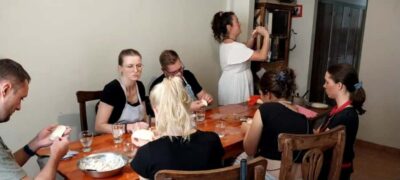
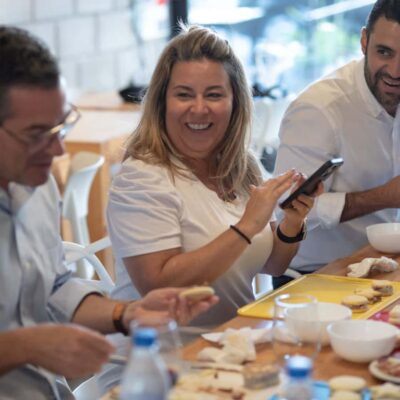
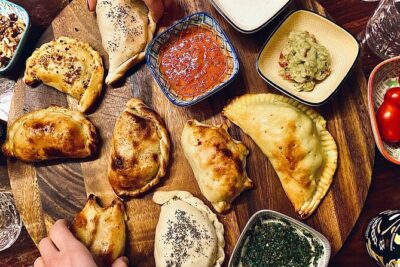
Alfajores next, baking cookies and building the dulce de leche sandwich
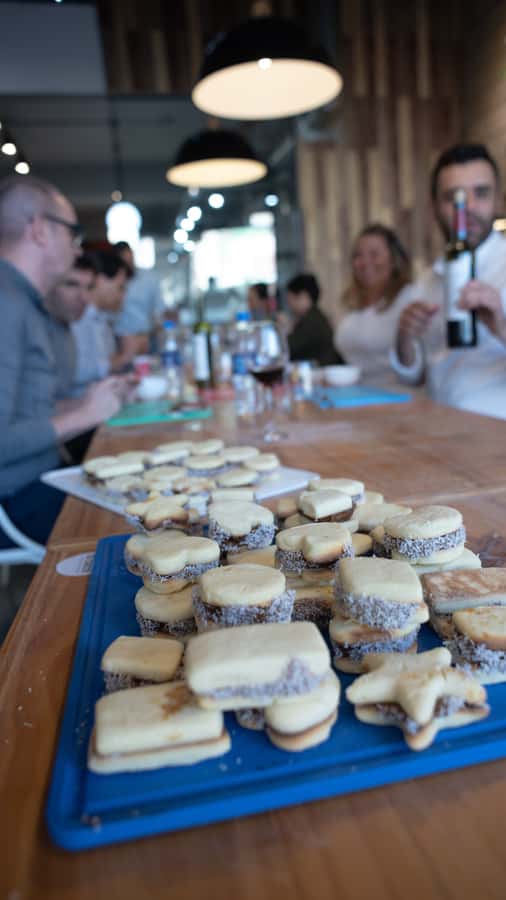
After the empanadas, you shift into alfajores. This is the part where the class turns from savory satisfaction to dessert craftsmanship. You mix, bake, and assemble cookies filled with dulce de leche, the caramel-style filling that defines the flavor.
Alfajores are deceptively simple. The cookie has to bake just right, or the final bite turns from tender to dry. Assembly has to be neat enough to hold together, but not so fussy that you lose the fun of making them.
What I like about the way this class is structured is that it keeps you active. You are not waiting around for a finished dessert. You are making the components and putting them together while the lesson is fresh in your head.
Some hosts also weave in practical tips that make a difference at home. For example, one past participant liked that the class compared prepackaged empanada dough with freshly made dough. That kind of comparison mindset helps you understand what actually matters, not just what you’re doing in the moment.
Mate tea and cultural insights, why the lesson feels more than food prep
Food classes can fall into two categories: cook-then-leave, or cook-and-connect. This one does the second. You get mate tea during the class, and you also get cultural insights along the way.
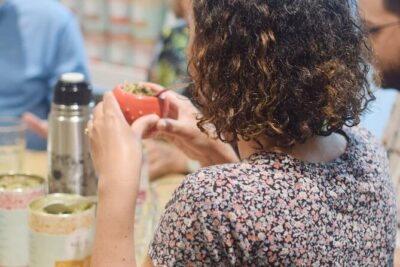
Mate is not just a drink here. It’s part of social pacing, a cue that conversation is part of the meal, not a break from it. When you sip mate while you cook, you naturally slow down just enough to learn the steps instead of rushing through them.
The cultural pieces also land because the guide is native and teaches in English, Spanish, or Portuguese. In past sessions, hosts like Carolina, Catalina, Tomas, Layla, and Paulina are mentioned for turning the kitchen time into a chat that actually helps you understand what you’re making.
One more thing: many people describe the experience as a small-group meal afterward, where you sit and eat what you cooked, sometimes alongside wine. The activity usually keeps that social vibe going, not just a quick handoff to leave.
Meat or vegan empanadas, and how to choose without overthinking
It is great that meat and vegan options are available, because it means the class is designed for real-world dietary needs. If you are deciding what to pick, think about what you most want to learn, not what you eat at home.
- If you choose meat, you will experience a classic Argentine-style filling routine and seasoning balance.
- If you choose vegan, you still get full participation in dough and folding, while the filling strategy changes.
Either way, you are working with the same core skills: assembling, folding, and cooking. That’s what you can take home.
If you have allergies, the only safe move is to ask the instructor in advance how they handle substitutions. The provided info confirms vegan availability, but it does not list allergy protocols.
Instructors can make or break the day, and this one has a strong track record
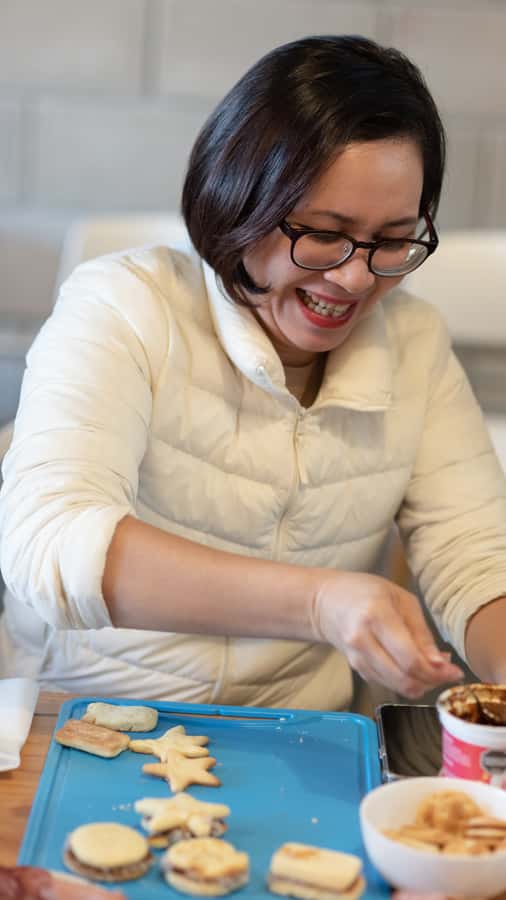
A cooking class lives or dies by instruction quality, and the reviews give you a clear pattern. People consistently praise the hosts for being patient, fun, and step-by-step. Names that show up include Carolina (empanada and alfajor steps, lots of fun with a nice group), Tomas (detailed instructions for alfajores and empanadas), Catalina (excellent foodie guidance and great teaching), Layla (keeping everyone involved and splitting tasks so it does not feel overwhelming), and Paulina (welcoming, cultural sharing, and generous hosting).
Even better, the tone sounds practical. People describe clear directions, not vague “season to taste” fluff. And the class includes enough time for you to actually do the work yourself, not just watch the process.
The only caution I’d add comes from a small note in one review about utensil quality not being top tier. That does not mean the class is bad, but it is a reminder that this is a small local kitchen setup, not a polished cooking studio with premium gear.
Price and value: is $49 for 150 minutes worth it?
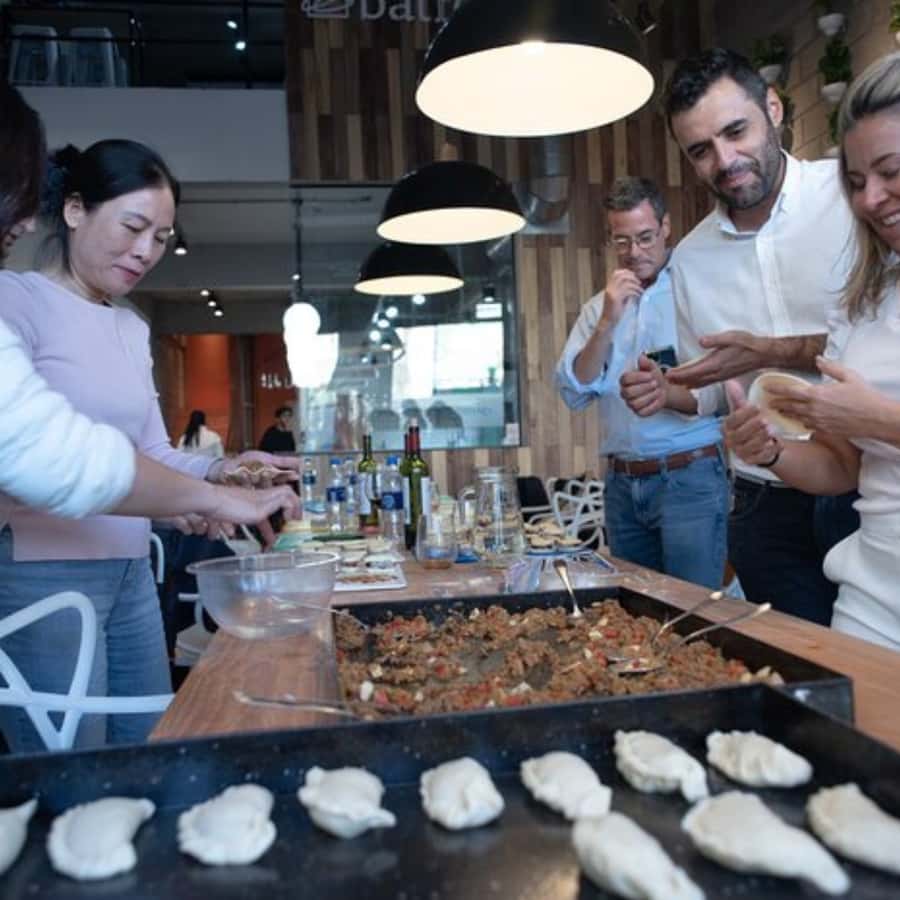
At $49 per person for a 150-minute session, this is strong value for two reasons.
First, your price is tied directly to output. You get ingredients for empanadas and alfajores, a local instructor, and mate tea. You are paying for teaching time plus the raw materials that turn into your lunch and dessert.
Second, you are not buying a one-bite taste. Reviews repeatedly point out there is more than enough food, and that you get to sit down and enjoy what you cooked. That changes the math. Instead of paying mainly for instruction, you’re also paying for a full, satisfying meal at the end.
The one cost to factor in is what’s not included: hotel pickup and drop-off. But for many visitors, the meeting point in Palermo makes that manageable. If you can navigate a short transit plan, the class is priced more like a hands-on workshop than a pricey guided tasting.
What to expect in the kitchen, and how to get the most out of it
This is a cooking lesson, so the experience naturally includes mess, timing, and repetition. You will work with dough, fillings, and assembly steps, then bake cookies and put alfajores together.
A few ways to make it smoother:
- Go in hungry. You’ll earn your meal by cooking, then you’ll eat it.
- Be ready to get your hands involved, especially during empanada folding.
- Ask questions early. Hosts teach in multiple languages, so you can clarify terms for ingredients and techniques before you get stuck.
Since it’s a 150-minute class, you should expect the schedule to feel purposeful. The lesson starts with empanadas, then you pivot to alfajores, and the mate tea plus cultural insights keep the pacing friendly rather than rushed.
Also, it is wheelchair accessible, so it is designed to be doable for mobility needs.
Who should book this Buenos Aires class, and who might want something else
This is a great fit if:
- You want a practical souvenir you can reproduce at home, like alfajores with dulce de leche and properly folded empanadas.
- You are traveling with kids. Multiple reviews mention it works well across ages, and the hands-on format keeps attention.
- You like food with context. Mate tea and cultural talk turn the kitchen into a lived-in Argentine moment.
It might be less ideal if you are looking for a full dining experience focused on variety of dishes beyond empanadas and alfajores. This class is concentrated. You go deep on two icons, and that’s the point.
If you are the type who prefers watching chefs and then ordering, you might find parts of the process more guided than free-form. The good news is that the overall experience is described as hands-on and fun, not a lecture.
Should you book this empanada and alfajor cooking lesson in Palermo?
I think you should book if you want real Argentine cooking skills, not just a snack with a story. For $49, you get a structured 150-minute session where you make two of the country’s most recognizable foods, plus mate tea and cultural conversation from a native host. It is especially worth it if you value learning technique you can repeat at home, like empanada folding and alfajor assembly.
Book it if you can handle the simplest downside, no hotel pickup. Once you’re at the Gorriti Street meeting point, the rest of the day is built to keep you cooking, learning, and eating what you make.
If you want, tell me your travel dates and whether you need vegan options, and I can help you plan what to do before and after in Palermo so this class slots in smoothly.
More Tour Reviews in Buenos Aires

More Dough and Dulce de Leche
Still in Palermo?
Newest Buenos Aires write-ups on the desk
- Tango Show at El Querandi with optional Dinner★ 4.2 · 3 reviews
- Velez Sarsfield Football Match★ 5.0 · 3 reviews
- Tango Show at: MichelAngelo★ 4.5 · 3 reviews
- Guided tour Boca Juniors Museum & Stadium + Caminito★ 3.3 · 3 reviews
- From Colonialism to Eclecticism, Buenos Aires arquitectonica★ 5.0 · 3 reviews
- Enjoy a Rural Experience in a Vineyard near Buenos Aires★ 4.7 · 3 reviews
The rest of the Palermo Tours list.
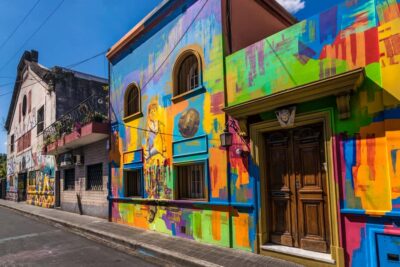 ★ 4.8Palermo: Graffiti and Street Art Guided Tour in EnglishFrom $13684 reviews
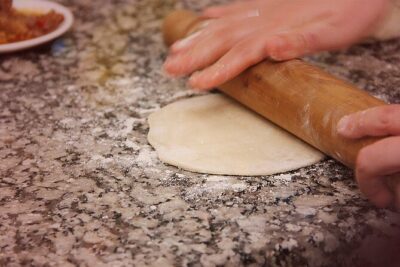 ★ 5.0BA: Empanadas and Alfajores Cooking Experience in PalermoFrom $49112 reviews
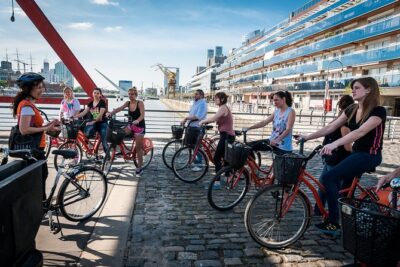 ★ 4.5Buenos Aires Bike Tour: North Districts, Recoleta and PalermoFrom $4591 reviews
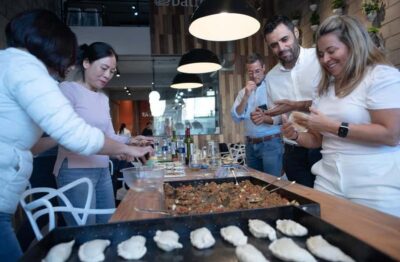 ★ 4.8Argentinian Empanadas Cooking Experience in Palermo, Bs AsFrom $4650 reviews
 ★ 5.0Cultural Experience by Bike around Palermo and Recoleta Max 6 pplFrom $5444 reviews
 ★ 4.5City Bike Tour in Palermo and RecoletaFrom $507 reviews
 ★ 4.4Buenos Aires: Palermo Soho Guided Walking TourFrom $175 reviews
 ★ 5.0Palermo SoHo for curious peopleFrom $254 reviews
Lists this one is on