
REVIEW · COOKING CLASSES
Pachamama – Argentine Cooking Experience in Buenos Aires
Hands-on Argentine cooking starts here. Pachamama Experience in Buenos Aires turns Argentine comfort food into from-scratch cooking with a professional chef, plus little cultural extras like mate and chimichurri.
I like that you are not just watching. You are actively making the dishes, learning the what and the why, and then sitting down to enjoy it all together.
You also get a full meal rhythm, with tastings like a welcome picada and wine pairings from Mendoza. My favorite part is the Durigutti wine pairing with the food you just made. One drawback to factor in is that the kitchen work can be organized as a group effort, so you may not personally handle every single component from start to finish.
In This Review
- Key Things That Make Pachamama Different
- A Small-Group Argentine Cooking Class in Buenos Aires, Built for Doing
- The Welcome Spread: Picada, Vermouth, and a Taste of Argentine Pace
- The Hands-On Core: Four Recipes You Make From Scratch
- Chipá with BBQ Sauce and Fermented Spicy Sauce
- Beef Empanadas with Chimichurri
- Humita Stew Gratin
- Flamed Dulce de Leche Crepes with Ice Cream and Homemade Limoncello
- How the Table Meal Works: Sharing Food, Not Just Tasting
- Wine Pairing That Makes Sense, Not Just Fancy Extras
- Who This Class Fits Best (And Who Might Want Something Different)
- Dietary Needs and Swaps: Vegetarian, Gluten Free, Lactose Free
- Price and Logistics: Does $75 Pay Off in Real Value?
- My Decision Guide: Should You Book Pachamama?
- FAQ
- How long is the Pachamama Argentine cooking experience?
- What does the price include?
- Is hotel pickup or drop-off included?
- What languages is the class taught in?
- Is the experience wheelchair accessible?
- How big is the group?
- Are dietary restrictions supported?
- Are the wines included, and which ones are they?
- Can I cancel for a full refund?
- Is there any digital take-home material?
Key Things That Make Pachamama Different
- Four recipes you cook yourself as part of a full four-course style meal
- Durigutti wine pairings from Mendoza, plus vermouth and house lemonade
- A welcome picada with homemade preserves, pickles, and local bread
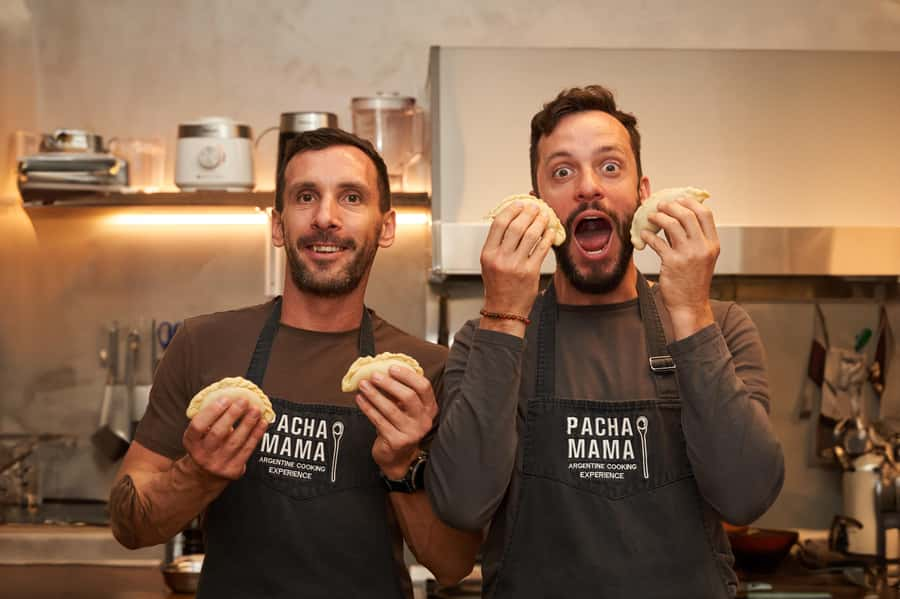
- Argentine classics on the menu like beef empanadas with chimichurri, humita stew gratin, and dulce de leche crepes
- Dietary options are supported, including vegetarian, gluten free, and lactose free
- Recipes and photos in digital form via a QR code PDF book
Other Buenos Aires counters where you do the chopping
- Buenos Aires: Empanadas and Alfajores Guided Cooking Class
★ 4.8 · 486 reviews - Buenos Aires: Empanada & Alfajor Cooking Lesson in Palermo
★ 4.6 · 186 reviews - BA: Empanadas and Alfajores Cooking Experience in Palermo
★ 5.0 · 112 reviews - Argentinian Empanadas Cooking Experience in Palermo, Bs As
★ 4.8 · 50 reviews
A Small-Group Argentine Cooking Class in Buenos Aires, Built for Doing
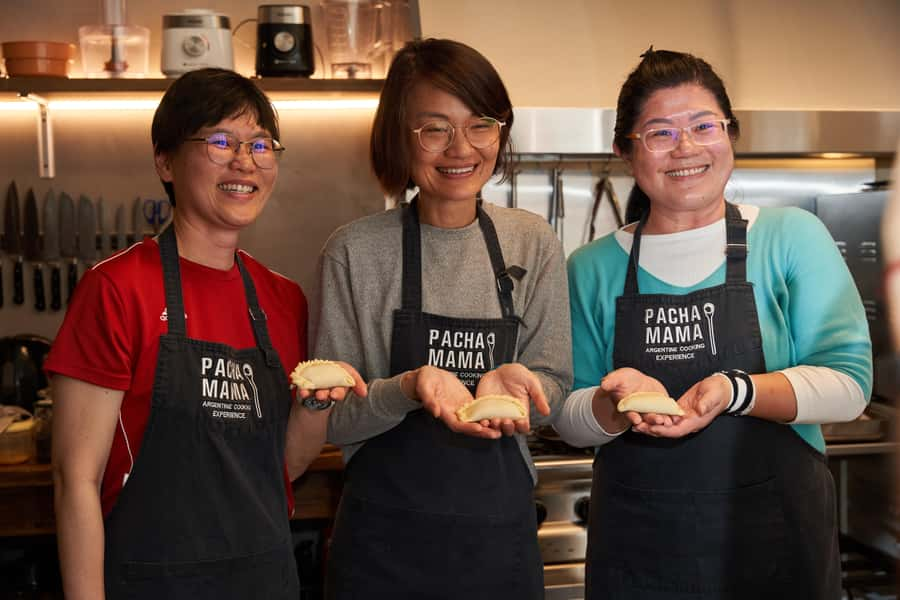
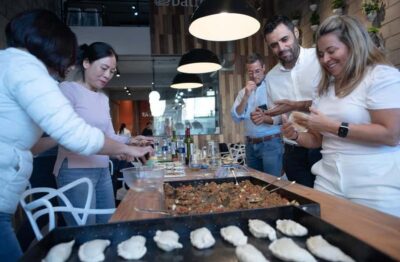
Pachamama is an Argentine cooking experience designed for people who learn faster by doing. The vibe is homey, not stiff. You roll up your sleeves, cook in turns, and then you eat as a group around a shared table.
It is also built around Argentine food culture, not just recipes. You learn how dishes connect to everyday life here, with mentions of mate, the flavor profile of chimichurri, and the spiced smell that makes empanadas so addictive. In practical terms, that means the chef does not treat the class like a checklist. You get context while you cook.
The group size matters. The experience is set up for small numbers, with a limit of 10 participants, and a stated capacity up to 14. In a room like that, the chef can keep an eye on hands, heat, and timing, instead of shouting over a crowd.
You can take this class in English. For private groups, Spanish can be used. If you are traveling with friends and want a more tailored experience, that private-group flexibility is a plus.
The Welcome Spread: Picada, Vermouth, and a Taste of Argentine Pace
The experience starts with a welcome picada. Think of this as a proper Argentine appetizer set, before the cooking even begins. You get homemade preserves, pickles, and local bread, plus a vermouth cocktail to sip along the way. Vermouth, water, and homemade lemonade are included, so you can pace yourself if you are also planning to wander Buenos Aires afterward.
This first part matters more than it sounds. Picadas are social food, meant for talking. It gives you time to settle in, meet people at your table, and get oriented in the kitchen space before things get busy. It is also a gentle way to sample the flavor direction of the meal.
Right after that, you get a quick history and context lesson on Argentine cuisine. The details are tied to what you will cook. That keeps it from turning into random food trivia. You are learning just enough to make the later flavors feel connected instead of separate.
The Hands-On Core: Four Recipes You Make From Scratch
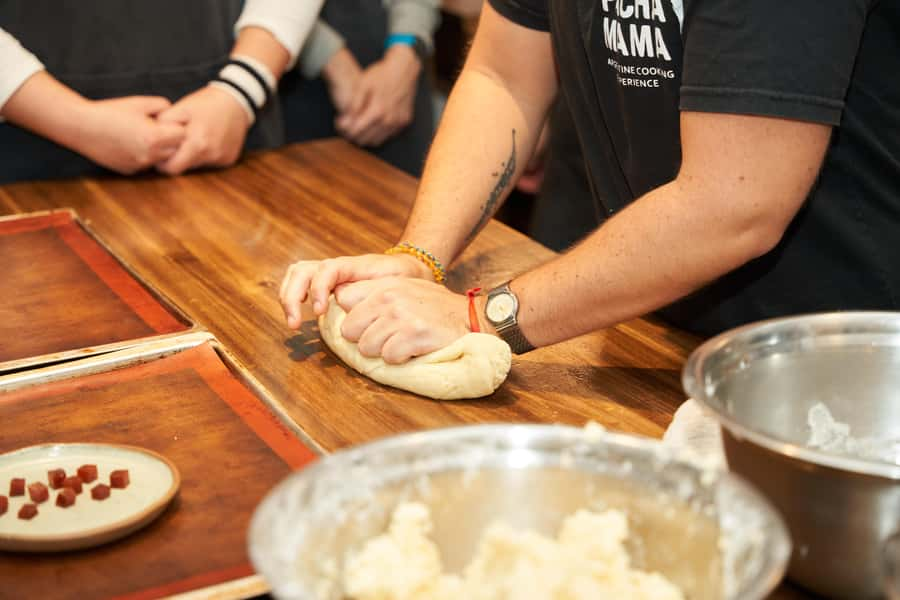
The class is built around cooking four recipes yourself. This is the main value for me, because it turns food into a skill. Even if you never cook at home, you walk away with the practical muscle memory of how these dishes come together.
Here are the four hands-on recipes you should expect:
Chipá with BBQ Sauce and Fermented Spicy Sauce
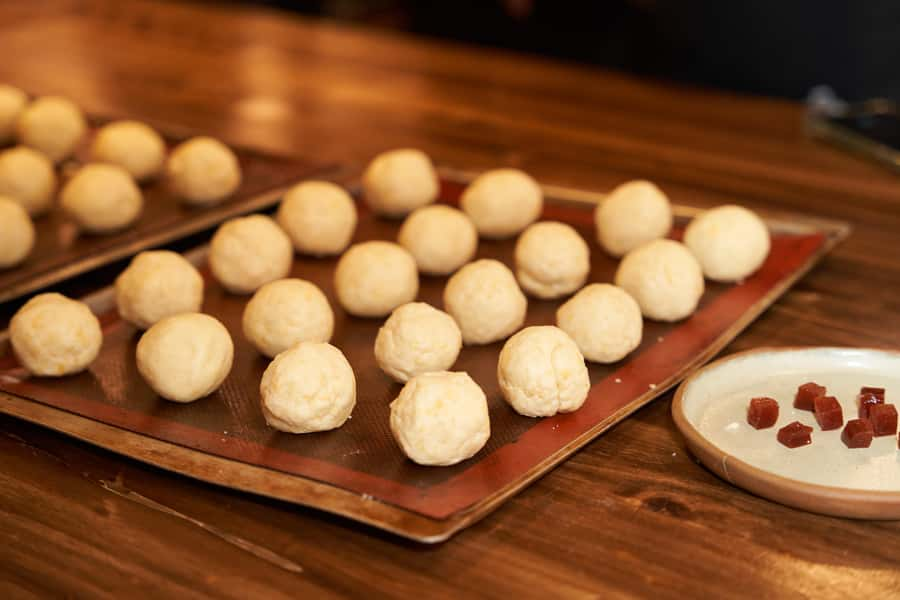
Chipá is the kind of snack that instantly feels local. In this class it arrives with BBQ sauce and a fermented spicy sauce. The cooking itself is hands-on, so you are not just tasting. You are learning the texture and cues that make this kind of snack work.
If you like snack food, this course is a great opener for your Argentina memory. It is salty, warm, and very shareable. Also, because it is a smaller dish compared to the later mains, it helps you relax into the pace of the kitchen.
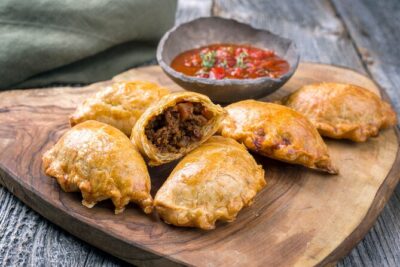
Beef Empanadas with Chimichurri
Empanadas are Argentina’s comfort food poster child. Here you cook the beef empanadas and make chimichurri sauce to go with them. This is one of the most practical parts of the menu, because chimichurri is something you can reuse later at home in a big way.
What you learn here is not just how to put filling inside dough. You also learn about the dish and where its flavor DNA comes from. The chef ties the origins and history of each recipe to the final bite, so chimichurri is not just green sauce. It becomes a living part of the meal.
Humita Stew Gratin
Humita is a corn-based dish that tastes like it belongs in a winter kitchen, even if Buenos Aires is doing something else outside. In this experience, you make a humita stew gratin, meaning it gets baked until it develops a gratin style top.
This course adds balance. After the punch of beef and chimichurri, humita brings something softer, with corn sweetness and comfort-food warmth. It also gives you a different cooking skill, because gratin style baking is its own rhythm.
Flamed Dulce de Leche Crepes with Ice Cream and Homemade Limoncello
Dessert is where the class really shows off. You make flamed dulce de leche crepes, and they come with ice cream and homemade limoncello.
The flamed element is memorable, even if you are not a cooking adrenaline type. It adds drama to dessert, but the real win is how dulce de leche works here. It is rich without being random. You get something you can recreate at home in spirit, if not exactly in technique.
The homemade limoncello is also a nice touch. It gives you a citrus lift after the sweetness, so the dessert does not bulldoze your palate.
How the Table Meal Works: Sharing Food, Not Just Tasting
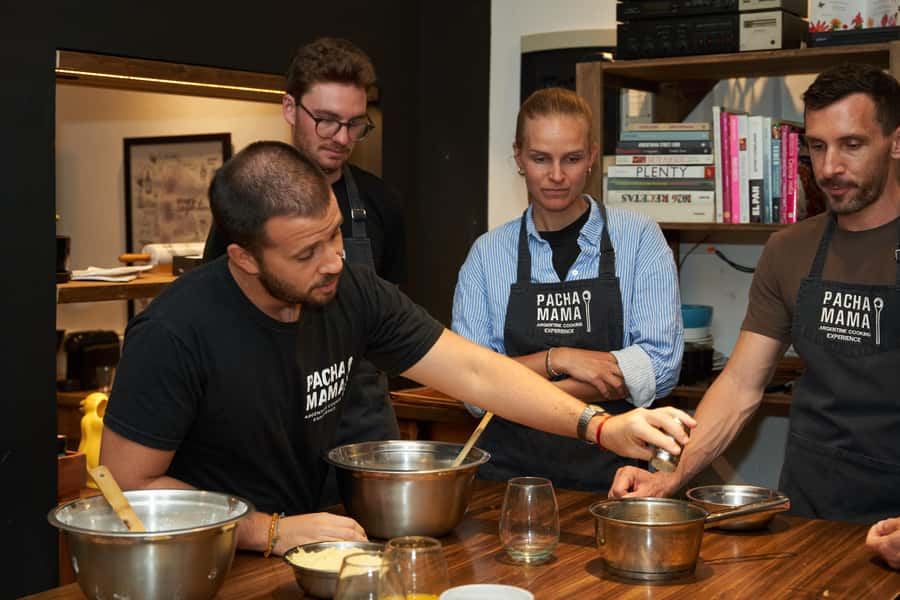
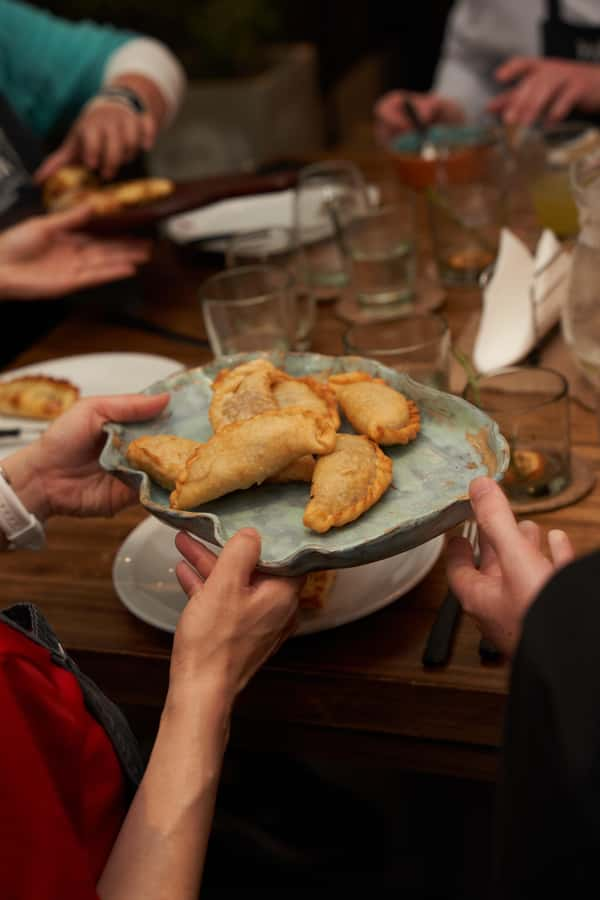
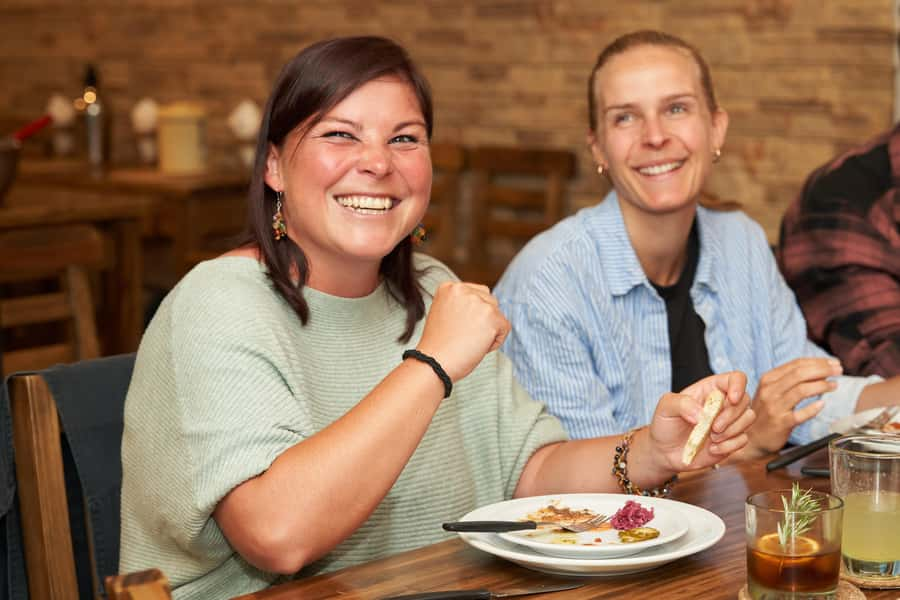
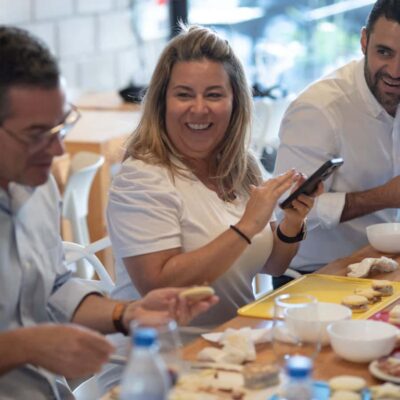
The format is simple and effective: after cooking, you sit together and eat everything you made. That shared meal is not just included for show. It is what turns a class into an experience.
You learn from the chef while you cook, but you also learn by watching how different people handle the steps. It is a classroom and a dinner at the same time.
One consideration, based on the way the class is organized, is that it can run as a group effort. In other words, you might rotate tasks and assist on parts rather than building each dish completely by yourself from start to finish. If you want full solo control over every step, plan your expectations accordingly. If you are happy learning through participation, this setup is a lot of fun.
A helpful bonus is that the experience comes with local Buenos Aires recommendations and class recipes plus class pictures for trip memories. The recipe books are available as a PDF via QR code too, so you have something to take home without carrying paper.
Wine Pairing That Makes Sense, Not Just Fancy Extras
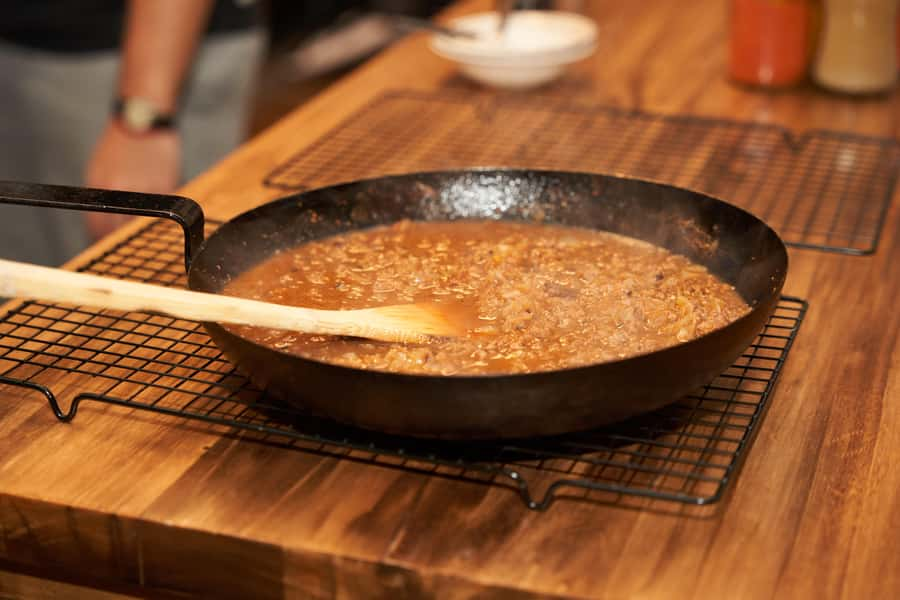
Food classes can sometimes treat wine like decoration. Here, it is paired as part of the menu, and that makes a real difference.
You get a 5-step menu paired with Mendoza Durigutti wines, specifically Las Compuertas. You also get vermouth, water, and homemade lemonade, so you are not locked into alcohol for every sip.
Why this pairing approach is valuable: it teaches you how Argentine flavors and drinks can fit together in a normal meal setting. You get to taste what works, rather than being told what to think.
If you are new to wine, do not stress. The point is not to recite tasting notes. The point is to notice how acidity, sweetness, and spice play with each course, especially with chimichurri and dulce de leche.
Also, if you enjoy vermouth culture, this class is a solid taste because you have a vermouth cocktail during the picada and then wine pairing during the menu.
Who This Class Fits Best (And Who Might Want Something Different)
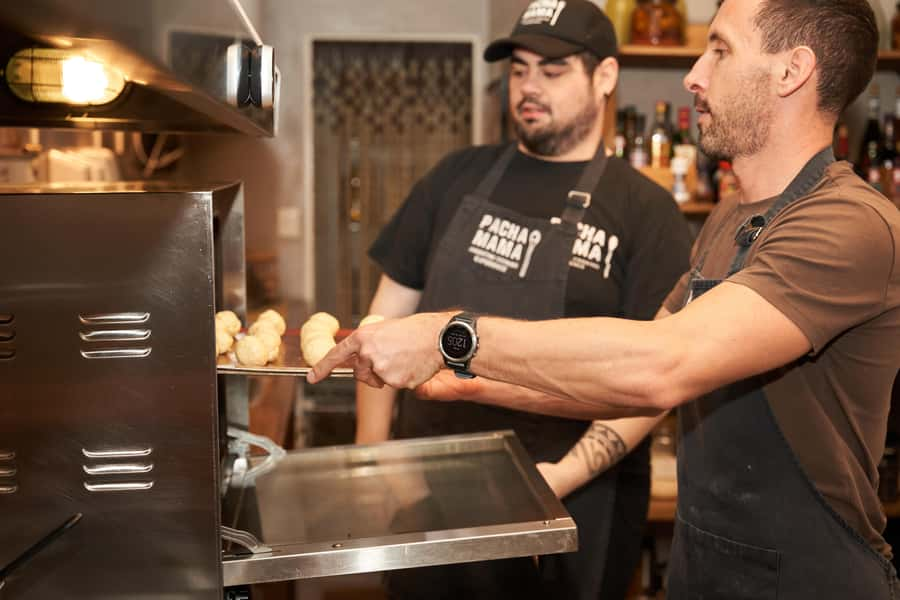
This is a great match for:
- People who learn by cooking, not by watching
- Food lovers who want a practical menu, not just a tasting tour
- Travelers who enjoy meeting people around a table
- Anyone who wants Argentine classics with cultural context, including mate and chimichurri
It might not be ideal if:
- You want total solo cooking control, step by step, for every dish
- You hate group dynamics or rotating tasks
- You are short on time and need a quick snack stop, since this is a full meal experience
One more practical fit point is language. English is available. If you are a Spanish speaker and traveling as part of a private group, you may be able to request Spanish for the class. That is useful if you want deeper discussion, especially during the history and origin parts.
Dietary Needs and Swaps: Vegetarian, Gluten Free, Lactose Free
A big plus here is that the menu can be adapted. The experience states it can be adapted to vegetarian, gluten free, and lactose free needs.
That matters because cooking classes can be tricky. Substitutions that work for home cooks often fail in a class setting due to timing and kitchen tools. When an organizer explicitly supports multiple dietary categories, you can usually plan without guesswork.
If you have strict allergies, you should still confirm details directly when booking. The available data supports the idea of adaptations, but it does not list ingredient-by-ingredient rules. Your safest move is to communicate clearly about what you need to avoid.
Price and Logistics: Does $75 Pay Off in Real Value?
At $75 per person for about 3 hours, the value is in what you actually get. You are not just tasting a few bites. You are cooking four recipes, eating a full menu, and drinking paired beverages that include Mendoza Durigutti wines and a welcome vermouth cocktail.
You also get tangible take-home value: PDF recipe books by QR code, plus class pictures and Buenos Aires recommendations. That turns the experience into something you can revisit later.
Two practical logistics points to know up front:
- Hotel pickup and drop-off are not included, so you need your own way to arrive
- The class duration can be adapted for private groups, with flexibility noted for 2.5 hours versus longer versions
If you are already planning a good food-focused afternoon in Buenos Aires, this class is a smart use of time. You leave with a new menu you understand, not just a full stomach.
My Decision Guide: Should You Book Pachamama?
Book Pachamama if you want:
- A hands-on Argentine cooking experience in Buenos Aires with a real chef and a real meal
- Four from-scratch recipes, including empanadas with chimichurri, humita gratin, and dulce de leche crepes
- Wine and vermouth pairing that matches the menu
- A small-group setting where the staff can keep the class organized and flowing, including the host Franco and the team supporting the kitchen
Skip it or compare if:
- You need individual cooking roles for every component without rotation
- You strongly prefer self-guided eating over a structured class format
- You want door-to-door transportation, since pickup and drop-off are not included
If you are the kind of traveler who likes to leave a city with skills, not just photos, this is the kind of afternoon that pays you back later when you cook at home.
FAQ
How long is the Pachamama Argentine cooking experience?
The experience is listed as 3 hours. For private groups, it can be adapted to 2.5 hours.
What does the price include?
The included items feature a 5-step menu paired with Durigutti wines (Las Compuertas), vermouth, water, and homemade lemonade, plus a welcome picada, and the cooking and tasting of chipá, beef empanadas with chimichurri, humita stew gratin, and flamed dulce de leche crepes with ice cream and homemade limoncello. Vermouth cocktail is included with the picada.
Is hotel pickup or drop-off included?
No, hotel pickup and drop-off are not included.
What languages is the class taught in?
The experience is given in English. For private groups, it can be held in Spanish.
Is the experience wheelchair accessible?
Yes, it is wheelchair accessible.
How big is the group?
It is described as a small group limited to 10 participants, and there is also a stated capacity of up to 14 people.
Are dietary restrictions supported?
Yes. It can be adapted for vegetarian, gluten free, and lactose free needs.
Are the wines included, and which ones are they?
Yes. The menu is paired with Mendoza Durigutti wines, specifically Las Compuertas.
Can I cancel for a full refund?
Yes. Free cancellation is available up to 24 hours in advance for a full refund.
Is there any digital take-home material?
Yes. Recipe books are provided in PDF format via QR code, along with class pictures and Buenos Aires recommendations.
Cook Something Else in Buenos Aires
More Tour Reviews in Buenos Aires
Newest Buenos Aires write-ups on the desk
- Tango Show at El Querandi with optional Dinner★ 4.2 · 3 reviews
- Velez Sarsfield Football Match★ 5.0 · 3 reviews
- Tango Show at: MichelAngelo★ 4.5 · 3 reviews
- Guided tour Boca Juniors Museum & Stadium + Caminito★ 3.3 · 3 reviews
- From Colonialism to Eclecticism, Buenos Aires arquitectonica★ 5.0 · 3 reviews
- Enjoy a Rural Experience in a Vineyard near Buenos Aires★ 4.7 · 3 reviews
The rest of the Cooking Classes list.
 ★ 4.8Buenos Aires: Empanadas and Alfajores Guided Cooking ClassFrom $37486 reviews
 ★ 4.6Buenos Aires: Empanada & Alfajor Cooking Lesson in PalermoFrom $49186 reviews
 ★ 5.03h Cooking Class in Mendoza with 7 Recipes & Bottomless DrinksFrom $99125 reviews
 ★ 5.0BA: Empanadas and Alfajores Cooking Experience in PalermoFrom $49112 reviews
 ★ 4.8Argentinian Empanadas Cooking Experience in Palermo, Bs AsFrom $4650 reviews
 ★ 5.0Private Argentine Cooking Class and Tango Lesson in Buenos AiresFrom $18237 reviews
 ★ 4.9Premium Empanadas Cooking Class & Wine Tasting ExperienceFrom $4935 reviews
Lists this one is on