
REVIEW · CITY TOURS
Guided Tour of the City of Buenos Aires
Buenos Aires can feel huge. This half-day tour strings the city’s biggest landmarks into one smooth loop, with photo time and street-level context. I like the way the route covers classic city center sights and then swings into La Boca and Recoleta without turning the day into a sprint.
Two things I really like: first, the private group size (up to 4) keeps the pace human. You are not guessing when to ask questions. Second, the guides bring the places to life, and the reviews show the same pattern, guides like Demian, Federico, and Pedro are described as fun, patient, and great at shaping a route that fits your interests.
One drawback to plan for: the big-ticket stops with admission are not included. Teatro Colón (and Recoleta Cemetery) have tickets not included, so you may want to line that up before you go, depending on your priorities.
In This Review
- Key highlights at a glance
- A smart way to see Buenos Aires in 4 to 5 hours
- Obelisco to Plaza de Mayo: the photo-and-story core
- The lawmaking stops, a historic bar, and what you pass
- Puerto Madero and Puente de la Mujer: modern Buenos Aires in 15 minutes
- San Telmo market to Plaza Dorrego: old Buenos Aires textures
- Caminito and Boca Juniors: tango color plus real neighborhood context
- Palermo green space and Floralis Generica: calmer pacing after the city buzz
- Recoleta Cemetery and Teatro Colón: what to plan for when tickets are not included
- El Ateneo Grand Splendid: the final wow factor
- Price and value: what you are paying for
- Who should book this tour
- Should you book this Buenos Aires city tour?
- FAQ
- What time does the Buenos Aires city tour start and how long does it last?
- How many people are included in a group for this tour?
- What is included in the tour price?
- Are tickets included for Teatro Colón and Recoleta Cemetery?
- What are the main stops during the tour?
- Can I get a full refund if I cancel?
Key highlights at a glance
- Air-conditioned private transport with WiFi on board for a comfortable, low-friction day
- Major landmarks plus short photo viewpoints so you get the city in manageable chunks
- La Boca focus, including Caminito and a photo stop at the Boca Juniors Stadium area
- Puerto Madero modern contrast, capped with the Puente de la Mujer
- Palermo green space time, with Tres de Febrero Park and nearby highlights
- Recoleta finale with El Ateneo Grand Splendid, a theater turned bookstore you will want to see in person
Other Buenos Aires write-ups sitting in the pile
- Buenos Aires: City Highlights Guided Tour with Transfer
★ 4.7 · 1,946 reviews - Buenos Aires: La Boca Guided Walking Tour in English
★ 4.8 · 1,587 reviews - Palermo: Graffiti and Street Art Guided Tour in English
★ 4.8 · 684 reviews - Buenos Aires: Teatro Colon Guided Tour
★ 4.3 · 571 reviews
A smart way to see Buenos Aires in 4 to 5 hours
Buenos Aires rewards people who show up with a plan. This tour gives you one. It starts at 9:00 am, runs about 4 to 5 hours, and then returns you back to your starting point. That structure matters, because it protects your morning and saves you from piecing together transit, timing, and walking distances on your own.
The tour is also priced by the group, up to 4 people for $150. When you split that between a small group, it can feel very reasonable for a private, air-conditioned car, plus guided interpretation at multiple stops. One family of four called it good value compared with other city options they considered, and that matches my take: you are paying for time, comfort, and a route that hits a lot of Buenos Aires fast.
Obelisco to Plaza de Mayo: the photo-and-story core

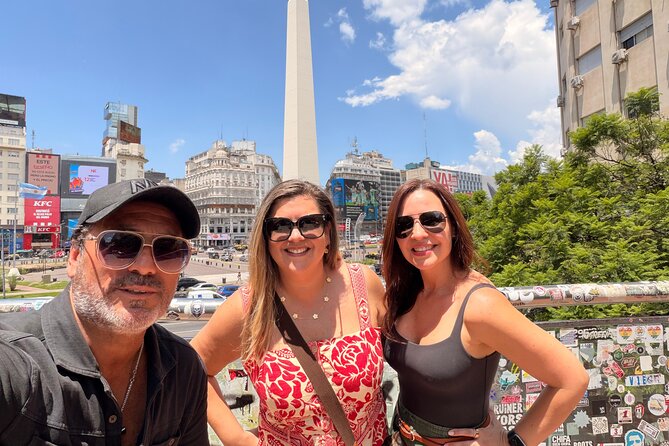
Most first-time days in Buenos Aires start with the obvious landmarks for a reason. Here you begin with the Obelisco, and you get a chance to learn its history and then take photos from the viewpoints the monument offers. Even if you only glance at it, the Obelisco is a perfect reference point for understanding the city’s layout and energy.
Next comes Plaza de Mayo, one of those places that looks open and simple until you learn what happened around it. This stop is about more than the square. You are there to understand why it is central to Buenos Aires and why other major attractions cluster around its edges. If you like your sightseeing with context, this is where it starts clicking.
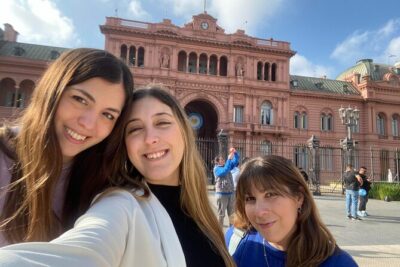
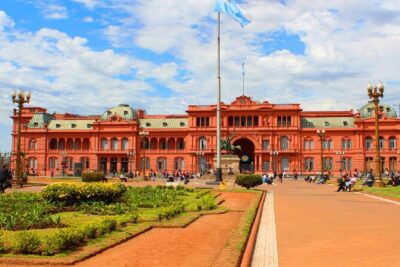
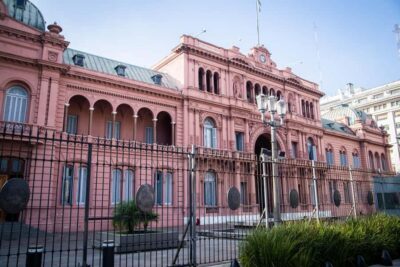
Then you move to Casa Rosada, where the guide explains its history and you can photograph the area around it. The trick with presidential buildings and plazas is timing. You do not get stuck staring at one spot for too long. You keep moving, so the city stays full of momentum.
At Buenos Aires Metropolitan Cathedral, the tour adds a deeper human layer. You learn more about the history there, and you enter the cathedral for photos. The tour focuses on the resting place connection, specifically that General San Martín rests in this cathedral. If you care about Argentina beyond street names, that detail gives the stop weight.
Piramide de Mayo (May Pyramid) rounds out the government and independence storytelling. You stand in the plaza center and learn how it fits into Argentine history. This is one of the stops that feels short on paper, but it helps you connect the dots between the big plazas and the national story.
Practical note: a lot of these sights are outdoors or in busy areas. If you are sensitive to crowds, aim for a calm photo mindset, use the guide to point you to the best angles, and do not expect long museum-style time at each one.
The lawmaking stops, a historic bar, and what you pass
This tour does not just stop at monuments. You also spend time learning at the edges of key landmarks. You will hit a notable bar of the city, and you will also see a beautiful building where laws are voted on. The walking and “pass-through” moments matter because they show you the Buenos Aires that locals move through, not just postcard views.
Even when the time allocation is brief, the guide’s job is to give you a lens. You start noticing what is ceremonial, what is political, and what is everyday. That makes later self-guided exploring easier. When you return on your own, you will recognize what you saw and why it matters.
Other loops around Buenos Aires
Puerto Madero and Puente de la Mujer: modern Buenos Aires in 15 minutes
After the classic downtown sequence, the tour shifts into a different mood with Puerto Madero. It is relatively young compared to many other Buenos Aires areas, and it has a strong food and dining vibe. You will get around 15 minutes here, enough to absorb the waterfront feel and capture photos without wasting your day.
Then comes a quick, eye-catching stop at Puente de la Mujer. This bridge, designed by Santiago Calatrava, is shaped like a pose of two tango dancers. Even if you are not the kind of person who reads design theory, you will see why it is popular: the form is unmistakable, and it looks great in photos from different angles.
If you want a “contrast moment” in your itinerary, this is it. You go from government plazas to a waterfront district with a very different atmosphere.
San Telmo market to Plaza Dorrego: old Buenos Aires textures
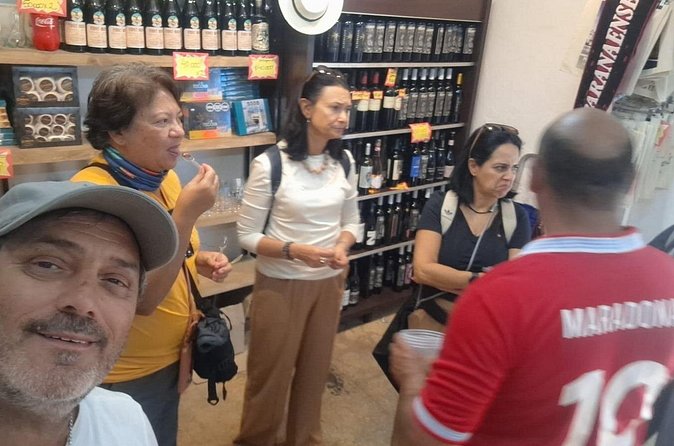
Next the route swings into San Telmo. You visit Mercado San Telmo, a market from 1890. The value here is atmosphere. You get a chance to see the market setting and learn the context behind it without it feeling like a shopping-only stop.
Then you reach Plaza Dorrego, where Argentine independence was announced in 1816. A stop like this is short, but it gives you a historical anchor. It helps you understand that San Telmo is not just street art and antiques, it is tied to the country’s turning points.
From there, you also pass a part of a 19th century house connected to the enslaved people who served the owners. This is one of those moments where the guide’s framing matters. It adds honesty to the itinerary, because Buenos Aires storytelling should include power, not just romance.
Caminito and Boca Juniors: tango color plus real neighborhood context
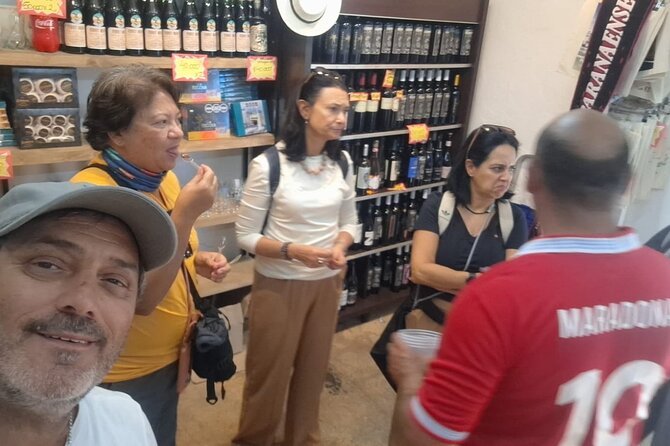
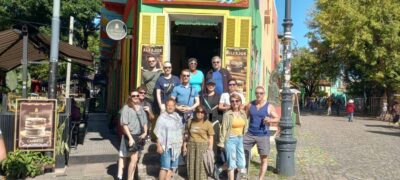
Now the tour enters La Boca. You pass through Caminito, with its colorful alleys. You get about 30 minutes here, which is enough to take photos, walk a bit, and feel the neighborhood’s energy.
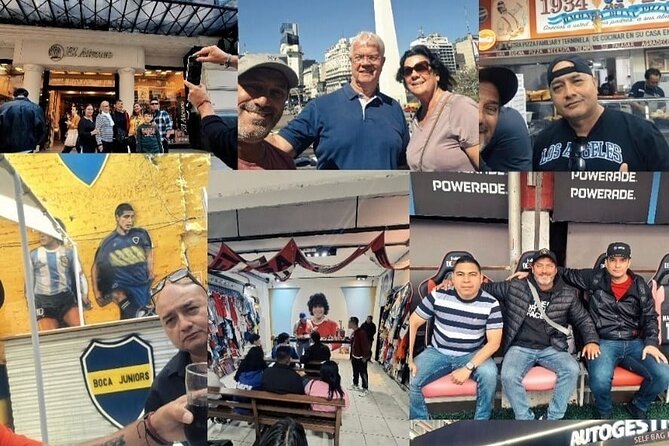
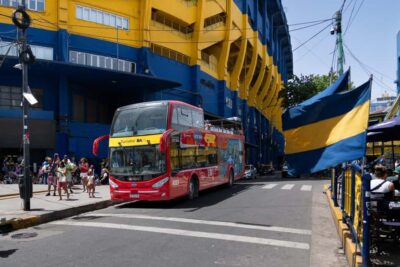
Then you stop near Estadio Boca Juniors. You take photos and learn the history of the club and the neighborhood it comes from. This helps prevent the common tourist trap of treating La Boca like a theme park. With a guide’s explanations, it is easier to see how football culture connects to identity, local pride, and the neighborhood’s evolution.
A small practical consideration: La Boca can be busy, and the best photo moments often require short bursts of navigation. If you want perfect photos, keep your phone ready and follow the guide’s suggested vantage points rather than trying to invent your own route on the fly.
Palermo green space and Floralis Generica: calmer pacing after the city buzz

The tour continues into Palermo. First you see Floralis Generica, the pop monument installed in the 1990s, and it is one of the most photographed stops on the route. It is quick, but it works because it is unmistakable, and it gives you that “I actually saw it” feeling.
You also pass by a museum area and then spend time at the Japanese Garden in Tres de Febrero Park. The garden is located in the park in Palermo, and this stop is a nice reset if your earlier landmarks felt dense and loud.
Then you get Tres de Febrero Park time, about 30 minutes. The park is described as the city’s green lung and includes attractions like the Planetarium, the Ecopark, and the Rose Garden of Buenos Aires. Even if you do not get to do everything inside, the stop helps you understand why Palermo is a go-to neighborhood for calmer time in the middle of a city tour.
The route also includes the Museum of Fine Arts area (you pass by here). If you are the type who likes to build future plans, this kind of pass-through is useful. You get a location you can revisit later without spending your half day chasing it.
Recoleta Cemetery and Teatro Colón: what to plan for when tickets are not included
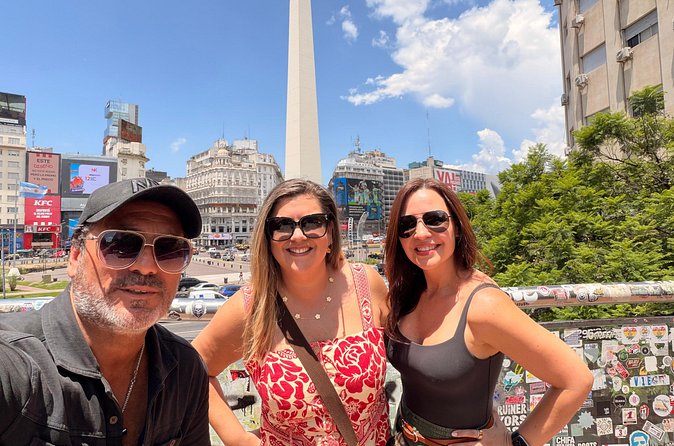
The final big historic moments lean into Recoleta. At Recoleta Cemetery, the tour notes it is an open-air cemetery and museum, and it mentions notable resting places including Eva Peron and Juan Manuel de Rosas. The time here is short, and admission is not included, so treat this as a quick, meaningful encounter rather than a full deep visit.
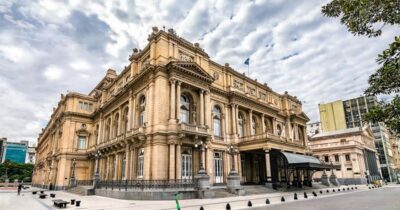
Then you head to Teatro Colón, described as having some of the best acoustics in the world. It is a brief stop, and admission is not included. Practically speaking, if you care about actually going inside, you will need to think about the timing and whether you want to purchase tickets separately.
The overall approach of the tour is to keep you moving. That is great for seeing a lot, but if your personal priority is spending more time at either cemetery or the theater, you might want to adjust your expectations, or plan a second visit on your own.
El Ateneo Grand Splendid: the final wow factor
You end with one of the most photogenic stops in the city: El Ateneo Grand Splendid. This is a bookstore located in Recoleta, created in the space of the former Grand Splendid theater. The building preserves original architecture while being readapted as a bookstore, and there is even a bar on the historic stage.
You will have about 20 minutes here, and it is the kind of place where you do not just take photos. You naturally slow down, look up at details, and enjoy the contrast of culture and commerce. It also gives you a low-stress final stop before you return to the meeting point.
Price and value: what you are paying for
At $150 per group (up to 4), you are buying a package of movement, comfort, and storytelling. Here is what that means in real terms:
- Private transportation means no waiting for other group routes.
- An air-conditioned vehicle matters in Buenos Aires heat and humidity.
- WiFi on board is useful for maps and quick check-ins during breaks.
- You also get pickup from select locations, which reduces friction on day one.
- Most stops have admission ticket free, with the main exception being Teatro Colón, plus Recoleta Cemetery not included.
In plain language, you are paying to save time and get context while someone else handles the logistics. Reviews reflect that guides like Demian, Federico, and Pedro are a big part of why the day works, with many comments about being fun, accommodating, and able to explain the city in a way that keeps it from feeling like a checklist.
Who should book this tour
This is a strong fit if you:
- Want high-value highlights in a short window.
- Prefer a private setting over a crowded bus.
- Like history but do not want to spend the whole day indoors.
- Are traveling as a small group or family, where pacing and comfort matter.
- Want a plan that keeps you oriented for your remaining days.
It may be less ideal if you want long museum time at one place, or if you want a full theater or cemetery visit without ticket planning. This tour is built for breadth, not for slow wandering.
Should you book this Buenos Aires city tour?
I would book it if you are arriving and want to get your bearings fast. The mix is smart: government core, waterfront contrast, old neighborhood texture, then Palermo calm and Recoleta drama. Add the private, air-conditioned transport and the fact that you can photograph most stops, and it becomes an efficient way to start your Buenos Aires story.
If you know you want Teatro Colón or an extended Recoleta Cemetery visit, pencil in that extra time and budget for admissions, because those are not included. Otherwise, you should feel confident booking. This route is designed to help you see a lot, understand what you are seeing, and finish the day with a stop like El Ateneo Grand Splendid that feels like a reward, not just the last stop.
FAQ
What time does the Buenos Aires city tour start and how long does it last?
The tour starts at 9:00 am and runs about 4 to 5 hours.
How many people are included in a group for this tour?
The price is per group, up to 4 people for $150.
What is included in the tour price?
You get a guided tour of Buenos Aires, private transportation in an air-conditioned vehicle, WiFi on board, pickup from select locations, and a fuel surcharge.
Are tickets included for Teatro Colón and Recoleta Cemetery?
Admission for Teatro Colón is not included, and Recoleta Cemetery admission is also not included.
What are the main stops during the tour?
You will visit major sights including Obelisco, Plaza de Mayo, Casa Rosada, Buenos Aires Metropolitan Cathedral, Piramide de Mayo, Puerto Madero, Puente de la Mujer, Mercado San Telmo, Plaza Dorrego, Caminito, Estadio Boca Juniors area, Floralis Generica, Japanese Garden and Tres de Febrero Park, Recoleta Cemetery, Teatro Colón, and El Ateneo Grand Splendid.
Can I get a full refund if I cancel?
Yes. You can cancel up to 24 hours before the experience’s start time for a full refund. Canceling less than 24 hours before does not refund the amount paid.
More Guided in Buenos Aires

More Tours in Buenos Aires

More Tour Reviews in Buenos Aires
Newest Buenos Aires write-ups on the desk
- Tango Show at El Querandi with optional Dinner★ 4.2 · 3 reviews
- Velez Sarsfield Football Match★ 5.0 · 3 reviews
- Tango Show at: MichelAngelo★ 4.5 · 3 reviews
- Guided tour Boca Juniors Museum & Stadium + Caminito★ 3.3 · 3 reviews
- From Colonialism to Eclecticism, Buenos Aires arquitectonica★ 5.0 · 3 reviews
- Enjoy a Rural Experience in a Vineyard near Buenos Aires★ 4.7 · 3 reviews
The rest of the City Tours list.
 ★ 4.7Buenos Aires: City Highlights Guided Tour with TransferFrom $381,946 reviews
 ★ 4.2Buenos Aires: Hop-On Hop-Off City Bus TourFrom $351,855 reviews
 ★ 4.0Best of Buenos Aires: Guided Sightseeing City TourFrom $35402 reviews
 ★ 5.0Buenos Aires Private City Tour with Local GuideFrom $119308 reviews
 ★ 3.8Classic City Tour of Buenos Aires: Neighborhoods and EmblemsFrom $45282 reviews
 ★ 4.4Ushuaia: Panoramic City Train TourFrom $20155 reviews
 ★ 4.5Tierra del Fuego National Park, Ushuaia City Tour Shore ExcursionFrom $119154 reviews
 ★ 4.7Buenos Aires Private City Tour with a local guideFrom $14992 reviews
Lists this one is on