
REVIEW · CITY TOURS
Private Tour: Buenos Aires City Sightseeing
Buenos Aires hits fast, and this tour helps you catch up quickly. You get a private guide plus an art historian, so you see the big sights and also understand what you are looking at, from Plaza de Mayo to Recoleta. I especially like the stop-by-stop mix of politics, art, neighborhoods, and photo-worthy icons, and you can tailor the day to your interests. A possible drawback: it is a full day, so comfortable shoes matter, and a few entries (like Recoleta Cemetery and some museums) may cost extra even if the listed stops are mostly free.
The tour is also built for real-life visiting, not a rushed checklist. You start at 9:30 am and move by private transportation, with hotel or port pickup and drop-off included, which saves time and stress. If you want an easy on-ramp to Buenos Aires, this is a strong choice, and it is family-friendly too.
In This Review
- Quick highlights that make this private tour work
- Why a private, art-historian-led format pays off in Buenos Aires
- Plaza de Mayo: where you learn the country by walking the corners
- Recoleta Cemetery: art, symbols, and Evita’s tomb area
- Teatro Colón outside view: the opera icon with a built-in reason to care
- La Boca and Bombonera energy: color, tango, and football mood
- San Telmo’s Calle Defensa: antiques, tango flavor, and a market rhythm
- Recoleta and French-style streets: culture contrast you can feel in your legs
- Palermo to Rose Garden timing: parks, neighborhoods, and “your kind of corners”
- Puerto Madero: modern harbor views plus the Woman Bridge icon
- Café Tortoni and Avenida de Mayo: classic streets, old-school style, and taste options
- Obelisco and 9 de Julio photos: the downtown heartbeat
- Floralis Generica: sky-facing metal petals near Palermo and Recoleta
- Food, tickets, and time management: what you should plan before you go
- Who this Buenos Aires tour suits best
- Should you book this private Buenos Aires city tour?
- FAQ
- What time does the Buenos Aires city tour start?
- How long is the tour?
- Is this tour private or shared?
- What is the price per person?
- What’s included in the tour?
- Are museum or cemetery tickets included?
- Does the tour include pickup from the international airport?
- Is the tour family friendly?
- Who leads the tour?
- Is the tour refundable if plans change?
Quick highlights that make this private tour work
- Private, local-led orientation with an art historian for context you can actually use later
- Flexible routing so the day can match what you care about most
- Smart icon coverage from Plaza de Mayo and Obelisco to La Boca and Puerto Madero
- Neighborhood feel in short doses with stops in San Telmo, Recoleta, Palermo, and more
- Skip-the-line help where it applies, so you spend less time waiting
Other loops around Buenos Aires
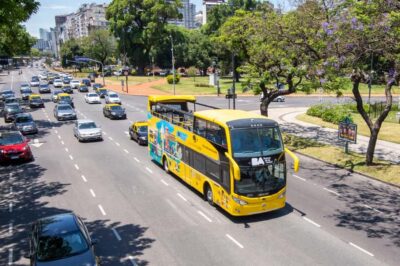
- Buenos Aires: City Highlights Guided Tour with Transfer
★ 4.7 · 1,946 reviews - Buenos Aires: Hop-On Hop-Off City Bus Tour
★ 4.2 · 1,855 reviews - Best of Buenos Aires: Guided Sightseeing City Tour
★ 4.0 · 402 reviews - Buenos Aires Private City Tour with Local Guide
★ 5.0 · 308 reviews
Why a private, art-historian-led format pays off in Buenos Aires
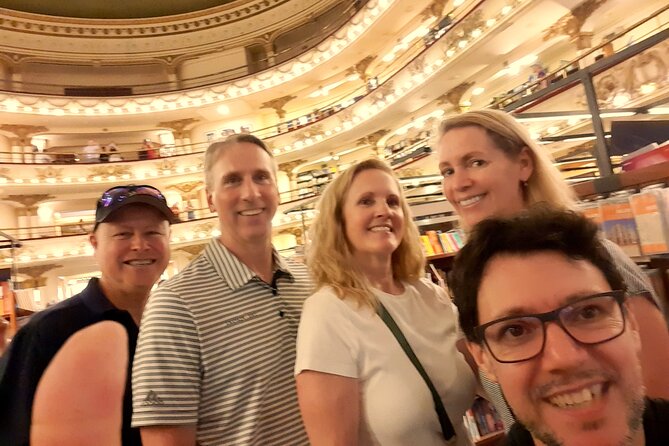
Buenos Aires is not one “thing.” It is layers. One block can feel European, the next feels like a football chant, and then you are suddenly in a memorial moment. That is exactly why I like this private setup. When your guide is local and also has an art-history eye, you tend to notice details you would otherwise miss.
In a group tour, you often get photos and brief facts. Here, the tone is more like a conversation with an informed friend who can read the city with you. The tour is described as offering skip-the-line and “inside tips,” and that combination usually translates into a smoother day at the places where time and attention matter.
Private also means you can slow down if a scene grabs you, or speed up if you are ready to move on. That is not just comfort, it is how you keep a full-day itinerary from feeling like a conveyor belt.
Plaza de Mayo: where you learn the country by walking the corners
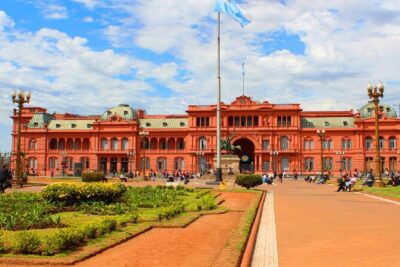
You begin at Plaza de Mayo, and the plan is to build context while you are standing in the middle of it. You will look at the Casa Rosada and Evita’s balcony, you will see the Cabildo, the Metropolitan Cathedral, the Piramide de Mayo, and you will get the meaning behind the Madres de Plaza de Mayo round.
What makes this stop feel more than “just a square” is how your guide frames it as a quick country story. Even if you only have a short time in Buenos Aires, this kind of orientation helps you understand why certain neighborhoods and political themes keep showing up later in the day.
One practical thing to know: Plaza de Mayo is a major public space, so it can be busy. The benefit of a private guide is that you do not just stand in a crowd, you get guidance on where to look and what to notice while you are there.
Recoleta Cemetery: art, symbols, and Evita’s tomb area
Next comes La Recoleta Cemetery, presented as an “art and sculpture” kind of experience, with thousands of mausoleums. You will also focus on the famous tomb linked to Evita Peron.
This is the sort of place where the guide matters. Alone, you can walk among elaborate graves and still feel like you are missing the point. With a guide who points out the “secret messages and clues” and helps you connect the legends to what you are seeing, the cemetery becomes less like a stop and more like a guided gallery.
You also get the bonus of location. The cemetery sits in one of the more stylish parts of Buenos Aires, so you are not just visiting a site, you are stepping into a neighborhood atmosphere before and after.
Important value note: the tour says tickets to Recoleta Cemetery are not included, even if the stop is described as free. Plan your budget and timing with that in mind, and you will avoid a surprise.
The same idea, run privately, in Buenos Aires



Teatro Colón outside view: the opera icon with a built-in reason to care
Then you get a short stop at Teatro Colón, described as the largest opera house in the world, built with excellent acoustics in mind. Even if you are not an opera person, the building has presence, and your guide will share stories about its foundation and how it exists today.
A lot of visitors treat Teatro Colón as a quick photo. Here, the short visit is meant to give you the “why.” When someone connects architecture, performance purpose, and the cultural importance of the place, you tend to look at the façade differently.
The stop is short by design, which is good because the day is already packed. If you want more time inside, this private format is where you can ask for adjustments, but the tour data here is clearly focused on exterior viewing and context.
La Boca and Bombonera energy: color, tango, and football mood
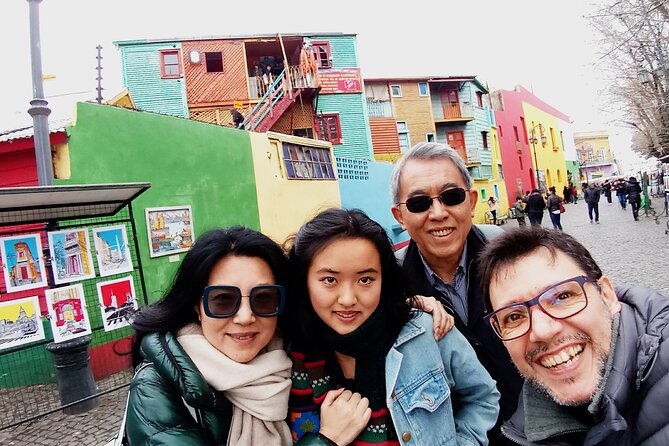
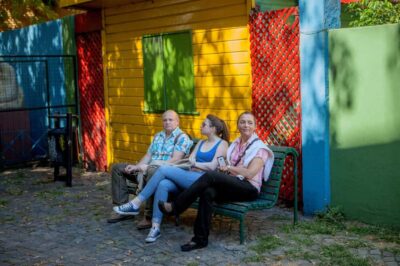
La Boca is next, and it is all about atmosphere. You will see Caminito, you will learn about the street connection to tango dancers, and you will get the football side too with references to the Boca Stadium, nicknamed “The chocolate box,” also known as Bombonera.
This is one of those Buenos Aires areas where the city identity is loud and visual. If you want a moment that feels like postcard color plus real local passion, La Boca does that job.
Possible consideration: La Boca can feel tourist-heavy depending on the time of day. That is where the private guide helps. You get direction so you spend time on what you came for, instead of wandering in circles.
San Telmo’s Calle Defensa: antiques, tango flavor, and a market rhythm
You will stroll through Calle Defensa in San Telmo, described as the heart of the colonial-looking neighborhood. The tour focuses on narrow sidewalks, tango flavor, antiques, and the kind of market browsing that can fill time in a good way.
The itinerary notes a key timing difference: on Sunday you can find the flea market, and on other days there is a plan B. That matters because Buenos Aires neighborhoods change their “tempo” by day. If you are scheduling your trip tightly, having a flexible approach helps keep the experience from feeling random.
Also, San Telmo is an area where people often confuse “charming streets” with “time-killing shopping.” The benefit here is that your guide adds structure so you know what to look for, not just where to walk.
Recoleta and French-style streets: culture contrast you can feel in your legs
You get another Recoleta section after the cemetery, focused on the neighborhood itself. The tour describes Recoleta as having luxury buildings with French architecture, traditional cafes, and parks with a European look.
There is also a fun idea in the description: your guide will add “secret sections” that may make you doubt whether you are in Buenos Aires or Paris. That is a good mental cue for what to expect. You are not going to Recoleta only for the cemetery. You are going for the feel of the area and the way Buenos Aires borrows from European styles while still keeping its own personality.
The stop is short, so treat it like neighborhood sampling. If you want a deeper afternoon in this area, this city tour can help you decide where to return later.
Palermo to Rose Garden timing: parks, neighborhoods, and “your kind of corners”
Palermo is huge, so the tour makes it manageable. You will stroll sections of the area, including the park zone and the Rose Garden, with a note that the Rosedal is closed on Mondays.
Your guide also plans “secret corners” plus luxury residential neighborhoods. The tour adds options depending on taste and timing: Soho and Hollywood areas may be visited.
This is where the flexibility matters most. Palermo is the kind of place where different travelers want different things, from parks and walks to trendier streets. If you care more about people-watching and café culture, you can steer the day toward the parts that match your vibe.
Practical tip: because this area is spread out, you will appreciate the private transportation between stops. It keeps the “walking to see it” portion from turning into “walking because the plan is overreaching.”
Puerto Madero: modern harbor views plus the Woman Bridge icon
Then the tour moves to Puerto Madero, described as the newest part of Buenos Aires, built around the harbor with skyscrapers and old port architecture side by side. You will see parks and drive-by views along the water, plus the Woman Bridge.
The information also adds a detailed photo cue: the bridge has a needle shape emulating the final Tango pose, and it is described as 260 feet in length. That tells you what the guide is likely aiming for, the angles and views where you can photograph the shape clearly.
Puerto Madero is also a nice contrast after older neighborhoods. If your day so far has been politics and historic architecture, this gives you a modern breath and a smoother waterfront look.
Café Tortoni and Avenida de Mayo: classic streets, old-school style, and taste options
You get two more “atmosphere stops” that help break up the more intense sights.
First, Café Tortoni, described as the oldest café in Buenos Aires, with luxury architecture. The stop includes the chance to try coffee or chocolate with churros, and the guide may share a fun secret drink if availability allows. Even if you do not order anything big, it is a good place to pause and let the city sink in.
Then comes Avenida de Mayo, framed as a top sample of Buenos Aires French architecture, with precious facades and sycamore trees. The tour plan covers the avenue from Plaza de Mayo up to the National Congress, with stories along the way.
One consideration: Avenida de Mayo can be lively. If you get motion-sick or you prefer quieter breaks, plan your pacing. A private guide can slow the walk when needed and keep you from feeling rushed.
Obelisco and 9 de Julio photos: the downtown heartbeat
Next up is Obelisco, described as the icon of Buenos Aires, inspired by the Washington obelisk. You will also walk along Avenida 9 de Julio, described as the widest avenue in the world, and you will have a chance at the 9 de Julio and Corrientes corner, sometimes called the neversleeping corner.
You also get specific photo context: there is a typical photo with the green BA initials of Buenos Aires with the obelisk and a background tied to Evita’s portrait.
This is the stop that many first-timers care about, even if they do not admit it. You want your “I was here” image that makes sense later, and you want it without guessing where to stand. A guide who knows the photo angles and timing can make those 10 to 20 minutes feel like real progress instead of wandering.
Floralis Generica: sky-facing metal petals near Palermo and Recoleta
The tour finishes with modern city sculpture at Floralis Generica, described as an aluminum giant with bright metallic petals, located in a green park between Palermo and Recoleta. It is presented as a modernity marker and an easy selfie spot.
Your guide may also help you capture planes of domestic airport activity in your shots, if the timing lines up. There is also a notable architectural neighbor: a Roman-looking Law School building is mentioned, which gives you another layer in the background.
This is the kind of ending that works because it is calmer than downtown icons. You get a skyline-meets-art feeling before you head back.
Food, tickets, and time management: what you should plan before you go
The day is about 8 hours, starting at 9:30 am, and it moves from neighborhood to neighborhood. The tour includes hotel or port pickup and drop-off plus private transportation, which is a major value lever in a city where traffic and distances can eat your day.
What is not included is food and drinks, plus tickets to museums or Recoleta Cemetery. Even if some listed stops are described as free, you should still budget for any entry fees you choose to make on the day, especially if you want to go beyond what is already included.
If you are planning snacks, I suggest thinking in “micro breaks.” The itinerary includes a café stop and coffee or chocolate with churros options, but you still need a strategy for meals, so the day stays pleasant instead of hungry.
At $679 per person for a private tour, value comes down to how you travel. If you are a solo traveler, you might weigh this as a premium for personalization and a local art-history lens. If you have a small group, it can feel more reasonable because private time is usually the expensive part in Buenos Aires.
The big win is orientation. For first-time visitors, spending one smart day learning how Buenos Aires reads, then returning later on your own, can stretch your whole trip.
Who this Buenos Aires tour suits best
This private tour is a strong match if you:
- Are seeing Buenos Aires for the first time and want a guided orientation
- Care about art, architecture, and meaning, not just photos
- Prefer a flexible day with room to follow your interests
- Want a family-friendly format with a professional local guide
If you already know the city well and you want long stays in only one neighborhood, this might feel too “spread out.” But if you want the big picture and then choices afterward, this is exactly the kind of day that makes your future plans easier.
Should you book this private Buenos Aires city tour?
I would book it if you want the quickest path to understanding Buenos Aires, with expert guidance and a day that balances major icons, art and symbolism, and neighborhood atmosphere. The combination of private guide time and art-historian context is what turns a sightseeing day into something that sticks.
I would think twice if you hate long walking days or you expect every stop to be ticket-free. The itinerary includes areas where entries may cost extra, and since you are out for about 8 hours, you will want comfortable shoes and a meal plan.
If you are trying to choose between a generic city drive and a thoughtful orientation day, this private format is the one that makes it easier to see the city with your eyes open, not just your camera ready.
FAQ
What time does the Buenos Aires city tour start?
The start time is 9:30 am.
How long is the tour?
It runs about 8 hours.
Is this tour private or shared?
It is private. Only your group will participate.
What is the price per person?
The price is $679.00 per person.
What’s included in the tour?
Included are hotel or port pickup and drop-off, a professional guide, private tour time, and private transportation.
Are museum or cemetery tickets included?
No. Tickets to museums or Recoleta Cemetery are not included.
Does the tour include pickup from the international airport?
Pickup and drop-off at the international airport are not included.
Is the tour family friendly?
Yes, the experience is listed as family friendly.
Who leads the tour?
The tour is led by a local guide and also includes an art historian.
Is the tour refundable if plans change?
Yes, there is free cancellation. You can cancel up to 24 hours in advance for a full refund. If you cancel less than 24 hours before the start time, the amount paid is not refunded.
Other Loops Around Buenos Aires
More Tours in Buenos Aires

More Tour Reviews in Buenos Aires
Newest Buenos Aires write-ups on the desk
- Tango Show at El Querandi with optional Dinner★ 4.2 · 3 reviews
- Velez Sarsfield Football Match★ 5.0 · 3 reviews
- Tango Show at: MichelAngelo★ 4.5 · 3 reviews
- Guided tour Boca Juniors Museum & Stadium + Caminito★ 3.3 · 3 reviews
- From Colonialism to Eclecticism, Buenos Aires arquitectonica★ 5.0 · 3 reviews
- Enjoy a Rural Experience in a Vineyard near Buenos Aires★ 4.7 · 3 reviews
The rest of the City Tours list.
 ★ 4.7Buenos Aires: City Highlights Guided Tour with TransferFrom $381,946 reviews
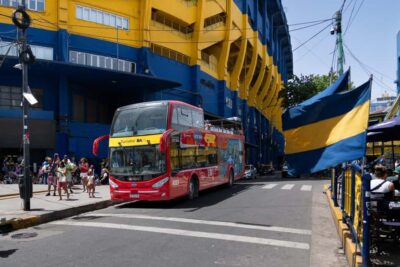 ★ 4.2Buenos Aires: Hop-On Hop-Off City Bus TourFrom $351,855 reviews
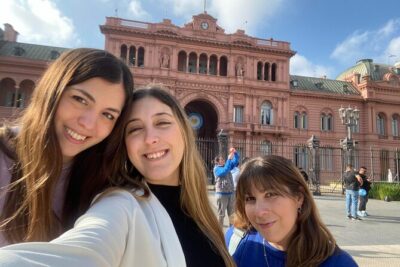 ★ 4.0Best of Buenos Aires: Guided Sightseeing City TourFrom $35402 reviews
 ★ 5.0Buenos Aires Private City Tour with Local GuideFrom $119308 reviews
 ★ 3.8Classic City Tour of Buenos Aires: Neighborhoods and EmblemsFrom $45282 reviews
 ★ 4.4Ushuaia: Panoramic City Train TourFrom $20155 reviews
 ★ 4.5Tierra del Fuego National Park, Ushuaia City Tour Shore ExcursionFrom $119154 reviews
 ★ 4.7Buenos Aires Private City Tour with a local guideFrom $14992 reviews
Lists this one is on