
REVIEW · TOURS
Electric Scooter Tour: North Buenos Aires
North Buenos Aires by scooter feels like a shortcut. In just about 2 hours 30 minutes, you roll past some of Buenos Aires’ best-known landmarks while your guide weaves in the city’s culture, from soccer obsession to how people talk about authority. A short #MateTime break and a quick alfajor taste add a real Buenos Aires flavor stop.
I especially like how this tour is built for covering a lot of ground without rushing, with a roughly 10 km ride and a small max group size. And I love the #MateTime moment, with a yerba mate infusion plus a classic dulce de leche alfajor to keep the energy up.
My main caution is simple: it’s not recommended if you do not already feel comfortable riding a bicycle, and you may get windblown during the ride on open streets.
In This Review
- Key highlights you will actually feel
- Why North Buenos Aires Works So Well on an Electric Scooter
- The ride itself: what to expect from the device to the tempo
- Your route: the north-side sights and what to notice at each stop
- Plaza General San Martín: that European feel you keep hearing about
- Torre Monumental: migration stories and a Little Ben detail
- Obelisco: the great witness moment
- Embajada de Francia: the surprising topic behind a handsome building
- Facultad de Derecho, Universidad de Buenos Aires: where political leaders were shaped
- Floralis Generica: the #MateTime break and the alfajor bite
- La Recoleta Cemetery: 15 minutes total, with time to go inside
- Basilica de Nuestra Senora Del Pilar: religion and the papal connection story
- Museo de Arte Latinoamericano de Buenos Aires (MALBA): 15 minutes, admission not included
- Mate, alfajores, and why this break is more than a snack
- Guides and stories: the part that makes the city feel personal
- Price and value: what $39 buys you in the real world
- Who should book this North Buenos Aires scooter tour
- Weather, crowds, and common snag points to plan around
- Should you book this North Buenos Aires scooter tour?
- FAQ
- How long is the North Buenos Aires electric scooter tour?
- Where does the tour start, and does it end anywhere else?
- What is the cost per person?
- What is included with the tour price?
- Is there a mate and alfajor experience during the tour?
- Do I need to know how to ride a bicycle?
- How many people are in a group?
- Is the museum admission included?
- What happens if the weather is bad?
- Can I cancel for free?
Key highlights you will actually feel
- A small group (max 8) means more attention and easier flow on a scooter
- Roughly 10 km in about 2.5 hours, so you see a north-side hit list fast
- #MateTime with yerba mate infusion and a dulce de leche alfajor snack
- Helmet and reflective belt included for a safer, more comfortable ride
- Most stops are free, with only the art museum having admission not included
Other Buenos Aires write-ups sitting in the pile
- Electric Scooter Tour: North Buenos Aires
★ 5.0 · 67 reviews - Buenos Aires Night Tour on Electric Scooter
★ 5.0 · 33 reviews
Why North Buenos Aires Works So Well on an Electric Scooter

North Buenos Aires is the kind of neighborhood mix that begs for movement. You get grand civic plazas, big symbolic landmarks, and a walkable feeling that changes block to block. On an electric scooter, you can keep a steady pace and still have time to stop, look, and listen.
The best part is how the tour connects places to ideas. You do not just zip by monuments. The guide’s stories help you see why Buenos Aires carries a European silhouette in the middle of South America, why soccer is treated like a public language, and why barbecues and authority show up in everyday conversation.
The route is also short enough to stay fun. This is not an all-day marathon. It is about 2 hours 30 minutes total, and you are constantly alternating between riding and short sightseeing breaks.
The ride itself: what to expect from the device to the tempo
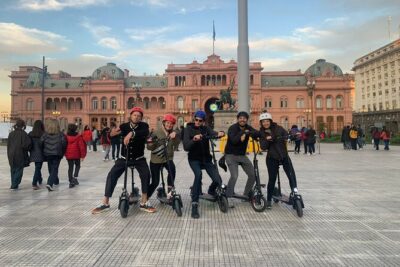
You will be using an electric scooter setup described as Segway in the included items, with helmet and a reflective belt. That gear matters more than you might think. The helmet helps you feel confident, and the reflective belt is a practical touch for visibility while you are moving in city streets.
Skill level is the big consideration. Most travelers can participate, but if you do not know how to ride a bicycle, this is not your best bet. You will need balance, basic control, and the willingness to learn quickly at the start. If that sounds like you, plan on choosing a different tour type, like a walking tour where you never have to ride.
The pace is relaxed, but you should still treat it like an active tour. The ride is described as about 10 km, and wind can show up, especially on open stretches. Bring sunglasses, and if you get cold easily, a light layer can help.
One more detail I like: the group is limited to 8 travelers. That keeps the line manageable. It also makes it easier for your guide to adjust if someone needs a slower moment at a stop.
Your route: the north-side sights and what to notice at each stop
This tour is designed as a chain of short photo moments plus a few deeper stops. Most admissions are free, with one museum stop where admission is not included. Here is how the stops feel, and what I would watch for in each place.


Plaza General San Martín: that European feel you keep hearing about
The tour begins at Plaza General San Martín, with about 20 minutes here. The guide’s theme is the European vibe. Standing in the plaza, you can see why people say that. Buenos Aires has a grand, formal look in certain parts of the city, and this is a good first confirmation.
Why it matters early in the tour: it sets the tone. Once you understand the architectural mood, the later mix of France, Italy-adjacent symbolism, and old civic monuments starts to click.
Torre Monumental: migration stories and a Little Ben detail
Next is Torre Monumental, around 15 minutes. The big idea is migration plus soccer culture, with a “Little Ben” comparison. Even if you only catch it from angles, the tower gives you a concrete anchor for big stories your guide will connect to Argentina’s past and how people relate to outsiders.
Practical tip: keep your camera ready. Towers look best when you catch them from a distance. The stop is short, so you want your angles fast.
Obelisco: the great witness moment
Then you hit Obelisco, about 10 minutes. This is one of those landmarks where you instantly understand why it has become a symbol. It also works well in a scooter tour because you get the iconic photo without burning an hour walking around it.
If you like context, this is where the guide’s storytelling can change how you look at it. You are not just seeing a monument, you are seeing what it represents in the city’s identity.
Embajada de Francia: the surprising topic behind a handsome building
Another 10 minutes here at Embajada de Francia, with a theme about Argentinians and a reputation for being conceited. That might sound like a joke, but it is usually a doorway into something more nuanced, like cultural stereotypes, national pride, and how European ties show up in local attitudes.
What to do in your time here: look at the building like a prop in the bigger story. Then listen for the connection your guide makes between style and perception.
Facultad de Derecho, Universidad de Buenos Aires: where political leaders were shaped
You stop at Facultad de Derecho at Universidad de Buenos Aires for about 15 minutes. This is framed as the birthplace of Argentina’s social and political leaders, with a specific note that it was inaugurated by Domingo and Evita Peron.
Even if you are not a law person, this stop gives you a sense of how Argentina thinks about education and leadership. It also helps explain why public life and politics are so present in daily conversation.
Quick photo tip: try to capture both the grand facade feel and any details that show you it is an active academic institution, not just a pretty building.
Floralis Generica: the #MateTime break and the alfajor bite
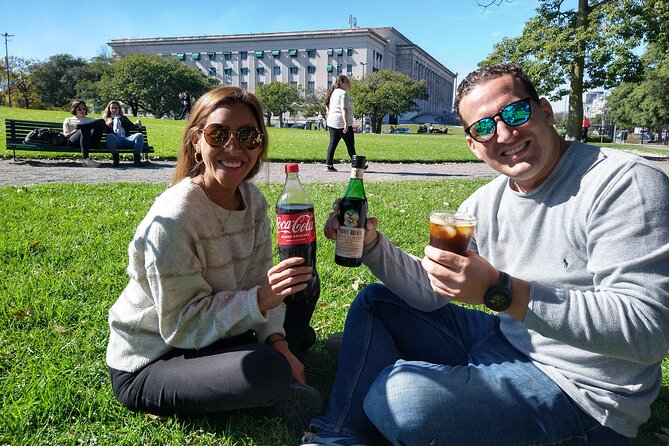
Then comes Floralis Generica, with about 20 minutes. This is the planned break for #MateTime, where you learn to prepare mate and taste a typical alfajor.
This is one of the best parts of the tour because it turns food and drink into culture you can repeat later. You do not just eat. You learn the routine behind mate and then get the sweet offset of a dulce de leche alfajor.
What I like about this stop is timing. After a series of monuments, your brain gets tired of “look and listen.” Mate and a snack give you a reset, and it makes the next cemetery and church stops easier to enjoy.
La Recoleta Cemetery: 15 minutes total, with time to go inside
La Recoleta Cemetery is a major highlight, usually with 15 minutes overall and an option to go inside for about 10 minutes and take photos. The theme is that many heroes rest here, from the country and continent.
This is a stop where respect matters. Move calmly and be mindful of signage. Also, Recoleta can be busy. On weekends, you might pass a market area on the way, so give yourself a little patience for foot traffic.
For photos, arrive ready. The cemetery interior visit is short. If you try to do everything at once, you will miss the most interesting corners.
Basilica de Nuestra Senora Del Pilar: religion and the papal connection story
Next is Basilica de Nuestra Senora Del Pilar, around 10 minutes. The focus is religion, and the guide makes a point about how the Catholic Church chose a pope described as the End of the World.
Even without getting too deep into theology, this stop matters because it explains how faith shows up as a visible, public force in Argentina. It is not just something people do quietly. It shapes architecture, identity, and community memory.
Museo de Arte Latinoamericano de Buenos Aires (MALBA): 15 minutes, admission not included
Finally, you visit Museo de Arte Latinoamericano de Buenos Aires for about 15 minutes, but admission is not included. That means you are not getting a full museum experience here. You are getting a taste and a chance to see what the place is about, if you choose to enter based on your time and budget.
If art is your priority, you may want to plan a separate longer visit later. If you are mostly here for the scooter route and stories, this museum stop still gives you a “wow, BA has this too” angle without turning the day into an art-only session.
Mate, alfajores, and why this break is more than a snack
I think #MateTime is the secret sauce of this tour.
Mate is Argentina’s daily ritual energy. It is about how people share, pause, and keep conversation going. When someone teaches you how to prepare it during a tour, it stops being a “fun thing to try” and becomes something you can recreate at home.
You also get a chocolate alfajor stuffed with dulce de leche, plus coffee or tea described as an infusion based on yerba mate. This keeps the break local and practical. You are not carrying extra food. You are refueling in the middle of your sightseeing loop.
And because Floralis Generica is a natural landmark for a pause, it feels timed. You are not eating randomly. You are stepping into Buenos Aires culture right at one of the city’s iconic sculptures.
Guides and stories: the part that makes the city feel personal
A scooter tour could easily become a sightseeing checklist. What makes this one worth your time is the story style. Your guide covers topics like soccer passion, barbecue mystique, how people relate to authority, and that distinct way Argentinians express themselves.
Different guides bring different flavors. In my head, I keep three examples from past experiences: Miguel Salazar, Michael, and Rita. One of the stronger angles with Miguel Salazar is how he discusses Argentine political and economic issues in a way that connects back to everyday life. Rita is known for being friendly and funny, with lots of interesting city talk. Michael’s approach, from what I’ve seen, keeps things upbeat and family-friendly with plenty of soccer references.
That matters if you like travel that teaches you how people think, not just what exists on a map. It also helps if you are traveling with kids or family. The stories give adults something to listen to and kids something to react to.
Price and value: what $39 buys you in the real world
$39 sounds simple, but the value comes from how the tour is packaged.
You get:
- Use of the electric scooter/Segway-style device
- Helmet and reflective belt
- A snack, specifically a chocolate dulce de leche alfajor
- Coffee or tea with an infusion based on yerba mate
- A ride that covers a rough 10 km, plus multiple short stops at major landmarks
And importantly, most of the major sights along the route are free at the point you visit them, with only the MALBA admission called out as not included.
That means you are spending money on one experience, then saving money on admissions. You also save time. Instead of building your own half-day route with transport decisions, you get a designed loop that keeps you moving.
One more value point: the tour is capped at 8 people. Small groups can mean better pacing and fewer awkward delays at each stop. That is part of what makes the $39 feel like a deal.
Who should book this North Buenos Aires scooter tour
This is a great match if you want:
- A short, fun, active way to see north Buenos Aires without planning every turn
- A mix of landmarks and cultural context, especially soccer and everyday-life stories
- A food and drink moment that feels local, not touristy
It also fits families quite well. Past groups have described it as enjoyable even with kids, especially because the guide’s talk can keep everyone engaged while the scooter does the hard walking for you.
But skip it if:
- You do not feel comfortable riding a bicycle
- You want a slow, long museum style visit, because the MALBA time is short
- You dislike weather dependence, since good weather is required for the experience to run
Weather, crowds, and common snag points to plan around
This tour requires good weather. If conditions are poor, you should expect it to be offered on a different date or refunded.
Even in good weather, think about street conditions and stop timing. The route includes famous landmarks in busy areas. That is normal for Buenos Aires. The scooter line moves between short halts, so if crowds build at a stop, you may feel a little delay.
Recoleta in particular can get active. On weekends, you may need to pass by a feria area on the way to the cemetery. That is not a problem by itself, just a reason to show up with patience and keep your schedule flexible.
And finally, bring practical riding comfort: shoes that hold your foot in place, and eye protection if you hate wind. The ride can be breezy.
Should you book this North Buenos Aires scooter tour?
If your goal is to see the north side highlights in one go, learn what makes Buenos Aires tick, and get a hands-on culture break with #MateTime, this tour is an easy yes.
Book it if you:
- Want a compact day plan that still feels thoughtful
- Like stories that connect monuments to daily life
- Appreciate included snacks and a guided mate moment
Skip or switch if you:
- Are not ready for the scooter learning curve, especially if you cannot ride a bicycle
- Want a longer museum day
- Get easily annoyed by wind or street bustle
One last practical note: the average booking lead time is about 5 days, so I’d try to lock in your slot a few days ahead, especially if you are traveling during peak weeks.
FAQ
How long is the North Buenos Aires electric scooter tour?
It runs for about 2 hours 30 minutes.
Where does the tour start, and does it end anywhere else?
The tour starts at Tres Sargentos 463, C1054ABC in Buenos Aires, and it ends back at the meeting point.
What is the cost per person?
The price is $39.00 per person.
What is included with the tour price?
You get use of the Segway/electric scooter device, protection equipment (helmet and reflective belt), a snack (a chocolate alfajor with dulce de leche), and coffee and/or tea made with yerba mate infusion.
Is there a mate and alfajor experience during the tour?
Yes. There is a #MateTime break where you learn to prepare mate and taste a typical alfajor.
Do I need to know how to ride a bicycle?
Most people can participate, but it is not recommended if you do not know how to ride a bicycle.
How many people are in a group?
This experience has a maximum of 8 travelers.
Is the museum admission included?
Admission to the Museo de Arte Latinoamericano de Buenos Aires is not included, while the other stops listed are free.
What happens if the weather is bad?
The tour requires good weather. If it is canceled due to poor weather, you will be offered a different date or a full refund.
Can I cancel for free?
Yes. You can cancel up to 24 hours in advance for a full refund, and the tour can also be canceled if minimum traveler numbers are not met, with an alternative date or full refund.
More Scooter Rentals in Buenos Aires

More Tours in Buenos Aires

More Tour Reviews in Buenos Aires
Newest Buenos Aires write-ups on the desk
- Tango Show at El Querandi with optional Dinner★ 4.2 · 3 reviews
- Velez Sarsfield Football Match★ 5.0 · 3 reviews
- Tango Show at: MichelAngelo★ 4.5 · 3 reviews
- Guided tour Boca Juniors Museum & Stadium + Caminito★ 3.3 · 3 reviews
- From Colonialism to Eclecticism, Buenos Aires arquitectonica★ 5.0 · 3 reviews
- Enjoy a Rural Experience in a Vineyard near Buenos Aires★ 4.7 · 3 reviews
The rest of the Tours list.
 ★ 4.7Buenos Aires: City Highlights Guided Tour with TransferFrom $381,946 reviews
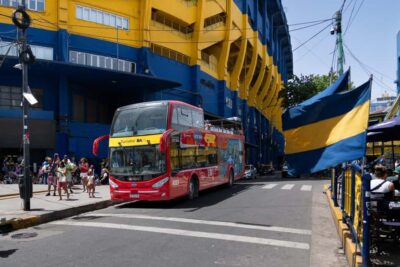 ★ 4.2Buenos Aires: Hop-On Hop-Off City Bus TourFrom $351,855 reviews
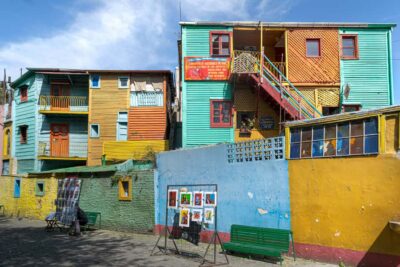 ★ 4.8Buenos Aires: La Boca Guided Walking Tour in EnglishFrom $131,587 reviews
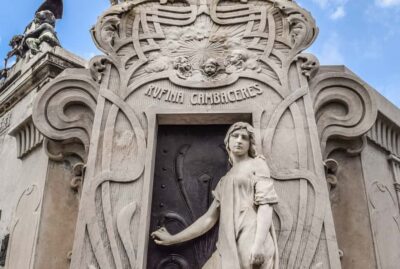 ★ 4.8Buenos Aires: La Recoleta Cemetery Guided Tour in EnglishFrom $131,359 reviews
 ★ 4.4From El Calafate: Full-Day Tour to El ChalténFrom $130926 reviews
 ★ 4.6From Mendoza: 3 Wineries, Olive Oil Factory Tour & TastingFrom $34901 reviews
 ★ 4.5Ushuaia: National Park & Train of the End of the World TourFrom $111811 reviews
 ★ 4.7From Buenos Aires: Gaucho and Ranch Day TourFrom $168809 reviews