
REVIEW · RECOLETA CEMETERY TOURS
Buenos Aires: Chacarita, The Largest Cemetery In Argentina
Buenos Aires keeps its best stories under stone. In Chacarita Cemetery, I like how this 3-hour walk turns famous names into something you can actually see, notice, and remember.
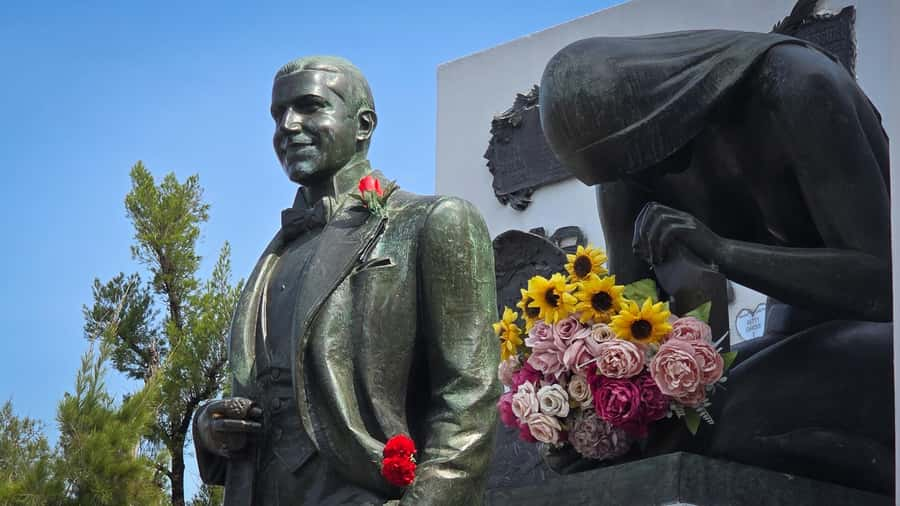
Two things I especially enjoyed were stopping at the Carlos Gardel mausoleo and exploring the cemetery’s German and British-related corners, where the architecture and symbols feel different from one section to the next. Those contrasts make the tour feel more like reading a city than just looking at graves.
One consideration: it’s a guided walking tour inside a cemetery, so it’s not suitable for people with mobility impairments or wheelchair users. Bring comfortable shoes, and expect uneven, real-world surfaces.
In This Review
- Key moments to look for
- Chacarita Cemetery: why a “largest cemetery” visit can feel personal
- Starting at the main door and getting your bearings fast
- Carlos Gardel: tango in stone at the first big mausoleo
- Jorge Newbery and María Salomé Loredo de Subiza: learning to read mausoleos
- Gustavo Cerati and Tumba de Gilda: two music worlds, one cemetery walk
- Capilla Cementerio Chacarita and Panteón VI: where architecture slows you down
- Commonwealth War Graves and the German cemetery: history and memorial style
- Elcano Park: a short breather that makes the walk easier
- Price and value for a small-group Spanish-language tour
- What to bring and how to make the most of the 3 hours
- Who this tour is for
- Who should skip it
- Should you book the Chacarita Cemetery tour?
- FAQ
- How long is the tour, and is there a restroom break?
- Where do I meet the guide?
- How much does the tour cost?
- What does the tour include, in terms of sites?
- What language is the guide?
- What’s the group size?
- Is it suitable for wheelchair users?
Key moments to look for
- Carlos Gardel’s mausoleo, a direct hit for tango lovers
- Gustavo Cerati’s mausoleum, where modern Argentine music meets cemetery art
- German and British-linked sections, with distinct religious and historical vibes
- Panteón VI, where you spend extra time and slow down on details
- A guided finish at Elcano Park, a short reset before you head back into the city
Other ways into Recoleta, side by side
- Buenos Aires Bike Tour: North Districts, Recoleta and Palermo
★ 4.5 · 91 reviews - Recoleta Cemetery – Small Group Tour of History & Secrets
★ 5.0 · 53 reviews - Buenos Aires: Recoleta and Retiro Tip Based Walking Tour
★ 4.7 · 50 reviews - Cultural Experience by Bike around Palermo and Recoleta Max 6 ppl
★ 5.0 · 44 reviews
Chacarita Cemetery: why a “largest cemetery” visit can feel personal
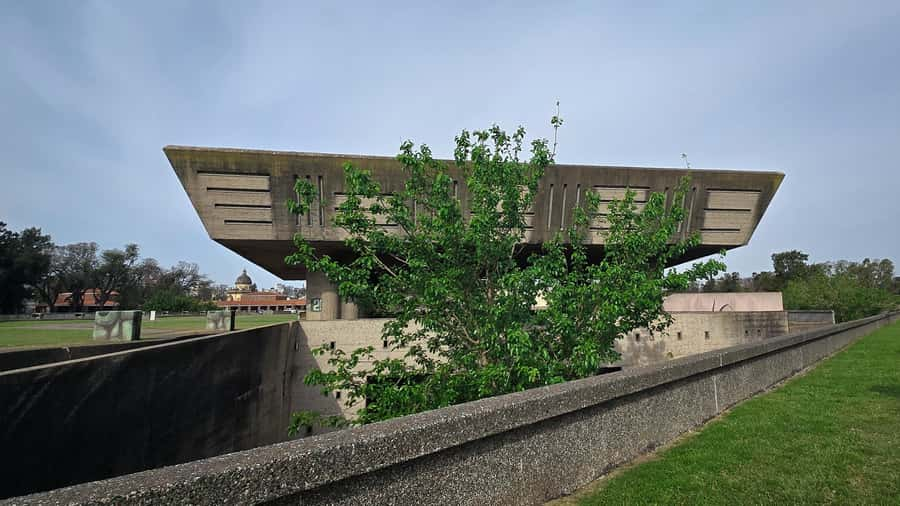
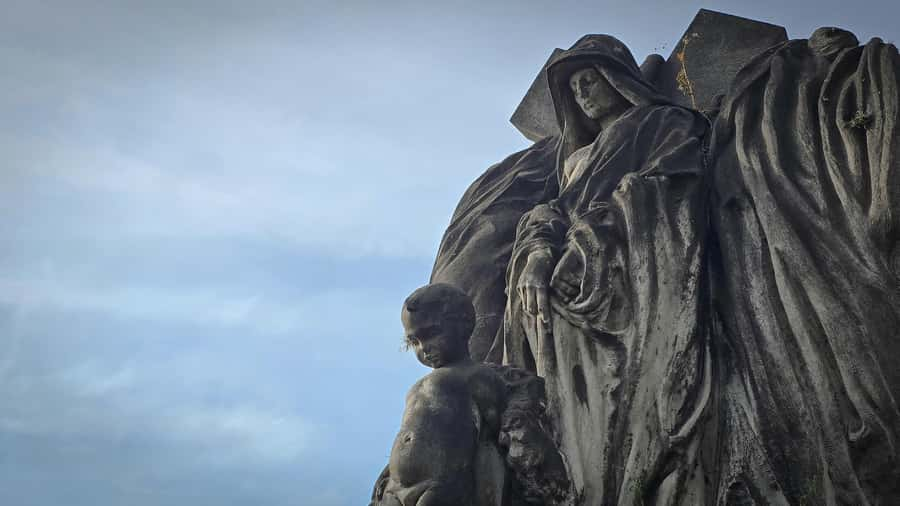
Chacarita is one of those places where you quickly realize stone can be expressive. The cemetery isn’t just spiritual. It’s also visual, with architectural styles and artwork that change as you move from one section to another.
What makes this tour work is the pacing. You’re not rushing. You’re also not stuck for hours in one spot. In 3 hours, you get a focused route that keeps the stories connected instead of turning into a random wandering session.
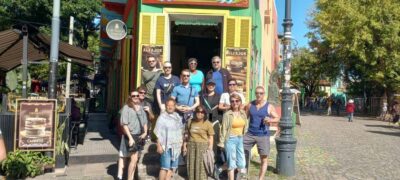
The group stays small, limited to 6 people. That matters because you can actually ask questions and hear answers without your guide talking over you. One review singled out the guide, Miguel, for being patient and clearing up doubts, even when the weather turned a bit rainy.
Starting at the main door and getting your bearings fast
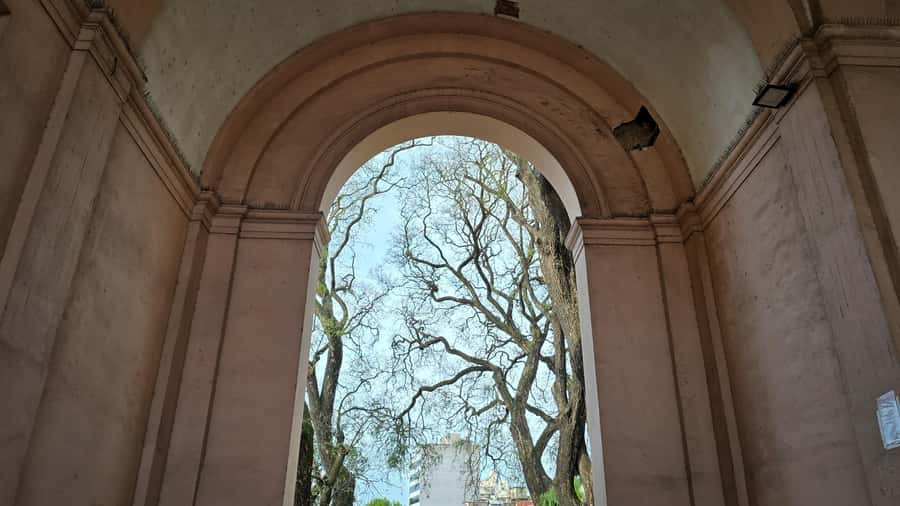
Your tour starts at the main door of Chacarita Cemetery. That simple choice helps, because you’re not spending the first 20 minutes figuring out where to go.
Right away, you get a quick orientation at the cemetery itself. It’s short, around a 10-minute stop with photos plus guided explanation. Think of it as your warm-up: enough context to understand what you’re looking at when you hit the bigger mausoleos later.
This is one of those walks where your eyes get better the longer you stay. The tour format helps you learn “how to see” cemetery architecture without needing a handbook.
Carlos Gardel: tango in stone at the first big mausoleo
After the initial cemetery introduction, the route jumps to Mausoleo Carlos Gardel. This is one of the stops you’ll remember, even if you only know Gardel’s name from tango playlists and old-school radio.
You get a photo stop plus a guided visit of about 10 minutes. For me, that timeframe is ideal in a cemetery setting. It’s long enough to stand still, look carefully, and absorb what the guide points out, but short enough that you don’t lose your attention or get physically drained.
If you love tango, you’ll like how the tour connects cultural identity to place. The tour doesn’t treat the grave like a distant landmark. It presents it as part of Argentina’s living memory, the kind you can walk up to.




Jorge Newbery and María Salomé Loredo de Subiza: learning to read mausoleos
Next comes Mausoleo Jorge Newbery, another photo and guided stop of about 10 minutes. From here, the tour starts teaching you something practical: cemetery sections aren’t all the same. Even when you’re looking at similar structures, the details can signal different eras, styles, and public recognition.
Right after that, you visit Mausoleo Loredo de Subiza María Salomé for another short guided look. These stops might seem brief on paper, but the value is in what you learn in between. With a guide, you stop treating each tomb like a single photo opportunity and start noticing the design language.
One subtle benefit of this kind of route is that you get variety early. You’re not only chasing the most famous name on the map. You’re training your eye on how Argentines mark remembrance in different ways.
Gustavo Cerati and Tumba de Gilda: two music worlds, one cemetery walk

Then the tour shifts to Mausoleum Gustavo Cerati (about 15 minutes). This is where the cemetery feels less like a history museum and more like a cross-section of Argentine culture across generations.
A 15-minute stop is a sweet spot here. You have time to take in the mausoleum, listen to the guide’s explanation, and still keep moving without feeling rushed.
After Cerati, you visit Tumba de Gilda, also around 15 minutes. The name may not mean the same thing to everyone, but that’s part of the point. The guide helps you connect the person to the cultural footprint they left behind, so you aren’t just staring at text you can’t interpret.
What I like most about these stops is their pacing. You’re getting multiple “anchor points” for memory, rather than just one giant highlight at the start. If you’re coming from a tango-centered Buenos Aires trip, this also balances the playlist.
Capilla Cementerio Chacarita and Panteón VI: where architecture slows you down
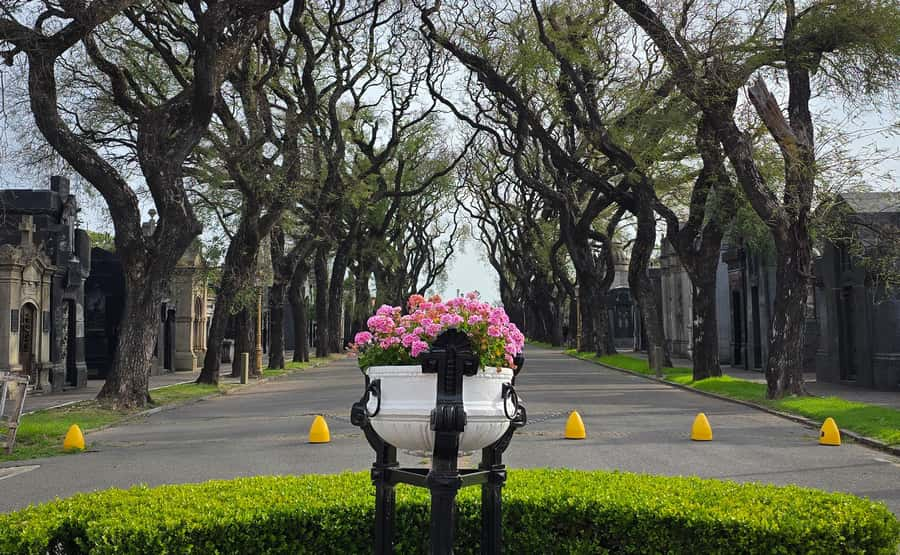
Now you get the more architectural side of the cemetery. First is Capilla Cementerio Chacarita for about 10 minutes. A chapel setting usually changes the atmosphere immediately, even if you’re not looking for religious symbolism. You start noticing shape, form, and the way space directs attention.
Then comes Panteón VI, which is the longest stop on the route, about 30 minutes. In a 3-hour tour, that extra time is a clue. This is a major zone where you’ll likely spend longer looking at design features and hearing the guide’s breakdown, rather than sprinting through.
If you only have one cemetery tour day, this extended segment is one reason to choose it. The tour format respects how long it can take to really see stonework, inscriptions, and the overall feel of a major pantheon.
Commonwealth War Graves and the German cemetery: history and memorial style
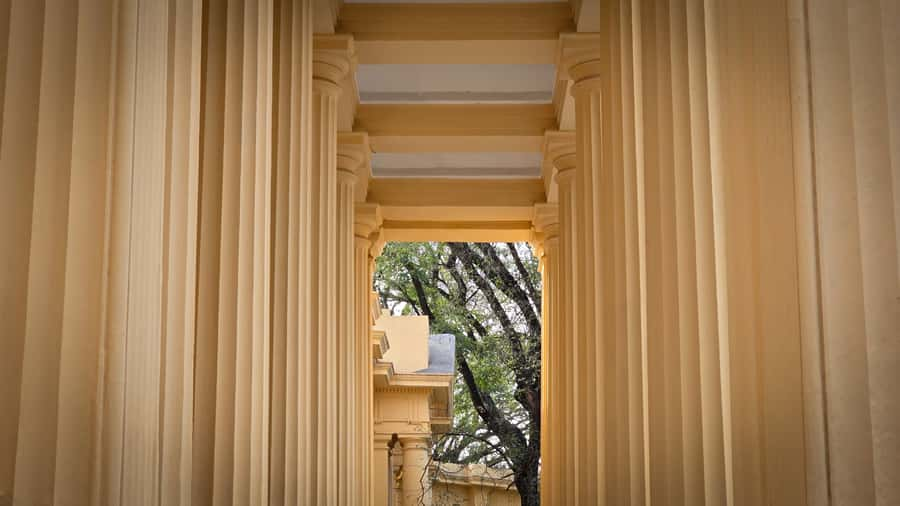
As you continue, you reach Commonwealth War Graves Buenos Aires for about 15 minutes. Even without extra background, this section gives you a different kind of memorial tone compared with the celebrity-focused mausoleos.
Next is Cementerio Alemán for about 15 minutes, with sightseeing time built in. This is one of the places you’ll really appreciate the guided comparison. The cemetery’s German-related section gives a distinct sense of layout and style, and that contrast makes the visit more than a list of names.
That’s also where the tour’s promise about German and British cemeteries starts to feel real in your walking experience. You’re not just hearing “there are different cemeteries.” You’re noticing it through how symbols and structures differ.
Elcano Park: a short breather that makes the walk easier
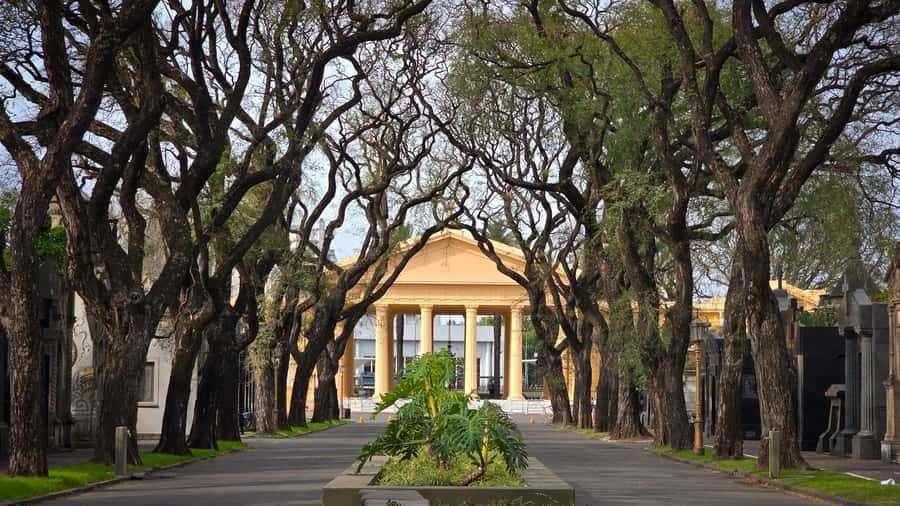
The last stop is Elcano Park, about 10 minutes. It’s a gentle landing after time in a cemetery, so you can catch your breath, regroup, and keep the day from feeling like one long standing session.
I find this kind of ending helpful. After the heavy mental load of names and remembrance, you want a small reset. Park time keeps you from rushing straight into the next neighborhood without processing what you just saw.
Price and value for a small-group Spanish-language tour
The price is $20 per person for a 3-hour guided walking tour. For a cemetery experience, that can be good value because it’s not a generic “see everything” route. It’s a targeted circuit of specific tombs and sections, delivered with a live guide and a small group.
Group size is limited to 6 participants. That keeps the tour from turning into a silent conveyor belt. One review praised the guide’s personal attention and patience, even when the day included a bit of rain.
Also, the guide language is Spanish. If you speak Spanish, you’ll get the most out of it. If you’re learning Spanish, there’s at least one positive sign from feedback: Miguel was described as speaking Spanish slowly to help someone learn better. That kind of pacing can make a big difference when you’re trying to follow details.
What to bring and how to make the most of the 3 hours
This is practical, hands-on sightseeing, so you’ll be happiest with the basics:
- Comfortable shoes for walking on cemetery ground
- Hat if the sun is strong
- Sunscreen
- Water
- Plan for a 10-minute restroom pause during the tour
Also, because this is a walking route, you’ll want to keep your day flexible. The tour itself is 3 hours, and the moments that feel most meaningful are the ones where you can slow down for a few seconds at each stop.
Who this tour is for
This tour is a great fit if you want culture you can see up close. It works especially well for:
- tango fans who want Carlos Gardel as a must-visit
- people interested in how Argentine pop culture shows up in public memory, including Gustavo Cerati
- anyone who likes contrast, the way different cemetery sections can feel different even when they sit side by side
It’s also a strong choice for small-group travelers who prefer asking questions rather than reading placards alone. The feedback makes it clear that Miguel’s approach is patient, and that the tour stays worthwhile even with weather changes.
Who should skip it
If you need wheelchair access or you have mobility limitations, this one isn’t a fit. The activity is not suitable for people with mobility impairments or wheelchair users.
Also, if you dislike walking in a cemetery setting, you might find it emotionally heavy, even if the guide keeps things clear and respectful. This is a memorial-focused space, not a theme park.
Should you book the Chacarita Cemetery tour?
If you’re choosing between a quick photo stop and a guided experience, book the guided version. This route is built around recognizable names like Carlos Gardel and Gustavo Cerati, plus the German and Commonwealth-linked memorial sections. The guide’s patience and ability to explain clearly, including adjusting pace for learners, is a big part of why this tour earns top ratings.
Skip it only if mobility access is an issue for you or if you know you don’t want a walking cemetery visit as part of your Buenos Aires plan. Otherwise, this is one of those tours that makes the city feel specific, not generic.
FAQ
How long is the tour, and is there a restroom break?
The tour lasts 3 hours and includes a 10-minute pause for using the restroom.
Where do I meet the guide?
Meet at the main door to the cemetery.
How much does the tour cost?
It costs $20 per person.
What does the tour include, in terms of sites?
You visit Chacarita Cemetery and stops such as the Mausoleo Carlos Gardel, Mausoleum Gustavo Cerati, Tumba de Gilda, Capilla Cementerio Chacarita, Panteón VI, Commonwealth War Graves Buenos Aires, and Cementerio Alemán, plus a brief stop at Elcano Park.
What language is the guide?
The live tour guide speaks Spanish.
What’s the group size?
The group is small, limited to 6 participants.
Is it suitable for wheelchair users?
No. It is not suitable for people with mobility impairments or wheelchair users.
More Tour Reviews in Buenos Aires

Recoleta, Keep Walking
Newest Buenos Aires write-ups on the desk
- Tango Show at El Querandi with optional Dinner★ 4.2 · 3 reviews
- Velez Sarsfield Football Match★ 5.0 · 3 reviews
- Tango Show at: MichelAngelo★ 4.5 · 3 reviews
- Guided tour Boca Juniors Museum & Stadium + Caminito★ 3.3 · 3 reviews
- From Colonialism to Eclecticism, Buenos Aires arquitectonica★ 5.0 · 3 reviews
- Enjoy a Rural Experience in a Vineyard near Buenos Aires★ 4.7 · 3 reviews
The rest of the Recoleta Cemetery Tours list.
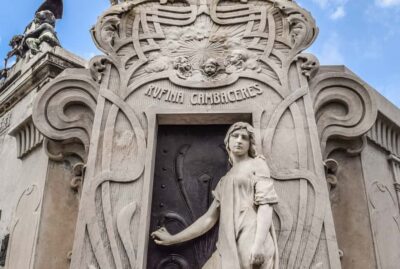 ★ 4.8Buenos Aires: La Recoleta Cemetery Guided Tour in EnglishFrom $131,359 reviews
 ★ 4.5Buenos Aires Bike Tour: North Districts, Recoleta and PalermoFrom $4591 reviews
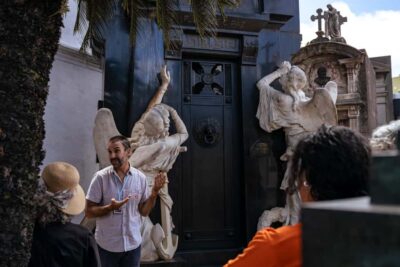 ★ 5.0Recoleta Cemetery – Small Group Tour of History & SecretsFrom $4953 reviews
 ★ 4.7Buenos Aires: Recoleta and Retiro Tip Based Walking TourFrom $150 reviews
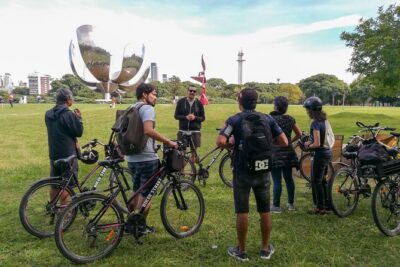 ★ 5.0Cultural Experience by Bike around Palermo and Recoleta Max 6 pplFrom $5444 reviews
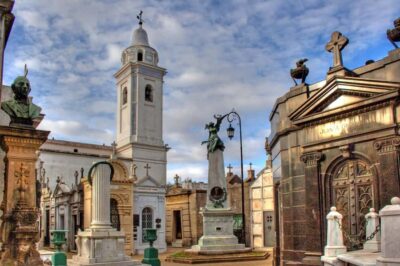 ★ 4.7Buenos Aires: Recoleta Neighborhood Walking TourFrom $9337 reviews
 ★ 4.6Discover Recoleta, Buenos Aires’ Little ParisFrom $5733 reviews
 ★ 4.9Recoleta & Cemetery for curious peopleFrom $3424 reviews
Lists this one is on