
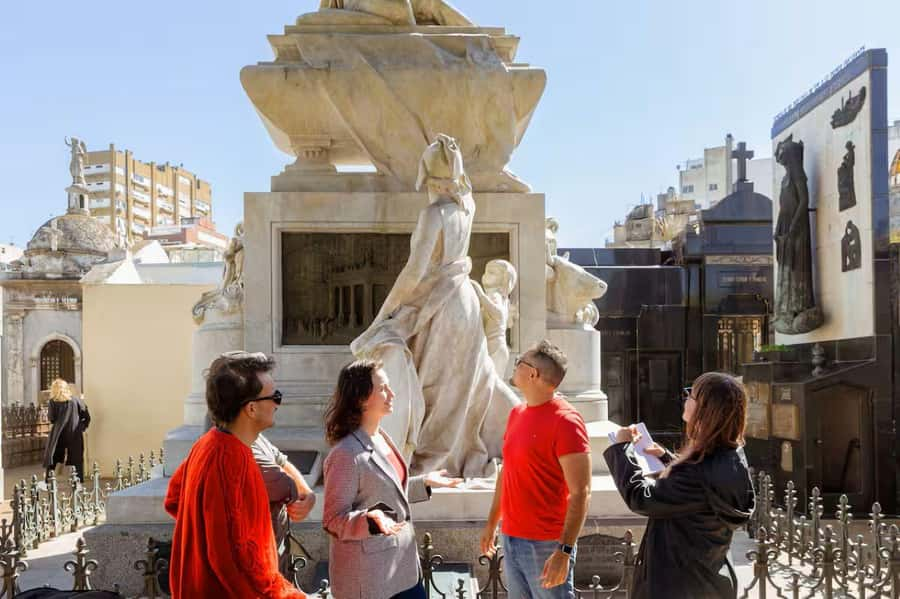
REVIEW · RECOLETA CEMETERY TOURS
Recoleta & Cemetery for curious people
You can learn Buenos Aires without rushing. This guided, discussion-heavy outing uses Recoleta Cemetery and the surrounding grand buildings to explain how Argentina’s elite shaped modern life, past and present. I love the interactive format where you can ask questions and steer the conversation, and I also like how the walk mixes big-city landmarks with a surprisingly human look at who gets remembered. One drawback to consider: this is not a quick photo stroll, you’ll get more out of it if you enjoy talking history and asking why things were built.
Expect a thought-provoking walk that moves at a human pace. You’ll start in the Recoleta area, then work your way toward the cemetery while decoding architecture and debating themes like the Parisian illusion and the rise and fall of Argentina as a world-power candidate. The group stays friendly, and the guides are praised for strong explanations and humor, so the vibe is part lesson, part conversation.
In This Review
- Key Points You Should Know Before You Go
- Recoleta Cemetery, But Make It a Conversation
- The $34 Value Equation for a 150-Minute Guided Walk
- Starting at Rapa Nui Store, Then Getting Your Bearings Fast
- Plaza General San Martín: The Civic Stage Before the Glamour
- Edificio Kavanagh: Reading Architecture Like a Clue
- Torre Monumental and the Pattern of Power
- Mansión Estrugamou (Casa Basavilbaso): When Families Became Institutions
- Palacio San Martín: Prestige With a Purpose
- A Short Break at Carrefour Express
- Embassy of France: The Parisian Illusion Theme Gets Visible
- Jockey Club and the Theater of Elite Status
- Palacio Duhau – Park Hyatt Buenos Aires: The Glamour Survives
- La Recoleta Cemetery: City of the Dead as a Society Mirror
- What Makes the Guides So Highly Rated
- Who This Tour Fits Best
- Should You Book Recoleta and Cemetery for Curious People?
- FAQ
- How long is the tour?
- How much does it cost?
- Where do I meet the guide?
- Is the cemetery ticket included?
- Do I have to enter Recoleta Cemetery?
- Where is the tour located?
- What stops are included on the walk?
- What languages is the guide available in?
- What is included in the tour price?
- Can I cancel for a full refund?
Key Points You Should Know Before You Go
- Interactive discussion instead of a one-way lecture, with room for questions
- Architecture as evidence, not just pretty facades, with themes you’ll keep thinking about
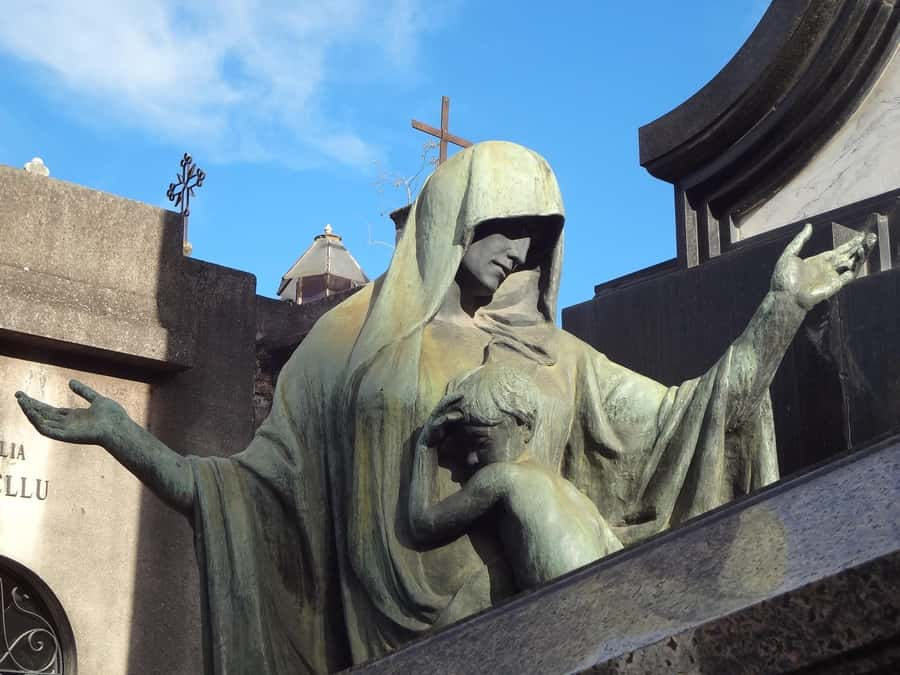
- City of the Dead perspective, using the cemetery as a mirror of society
- Gilded Age Buenos Aires payoff, especially if you like the ambition behind the glamour
- Small-group energy that keeps the pace comfortable
- Optional cemetery entry, so you can match your time and interests
Other ways into Recoleta, side by side
- Buenos Aires Bike Tour: North Districts, Recoleta and Palermo
★ 4.5 · 91 reviews - Recoleta Cemetery – Small Group Tour of History & Secrets
★ 5.0 · 53 reviews - Buenos Aires: Recoleta and Retiro Tip Based Walking Tour
★ 4.7 · 50 reviews - Cultural Experience by Bike around Palermo and Recoleta Max 6 ppl
★ 5.0 · 44 reviews
Recoleta Cemetery, But Make It a Conversation
Recoleta can look like a film set if you only scan for photos. This experience asks you to slow down and read the neighborhood like a text, with your guide pointing out how power shows itself in stone, money, and design. The best part is that it’s not just about what you see, it’s about what you think about after you see it.
You walk from the Recoleta-adjacent civic core toward the cemetery while talking through three big ideas: the Parisian illusion that helped Buenos Aires build an image of luxury, the rise and fall of Argentina’s elite landowners and the country’s rollercoaster hopes, and the way a cemetery becomes a public record of who society chooses to remember. It turns the usual sightseeing loop into something more useful, because you start connecting buildings and burial places to the same underlying story.
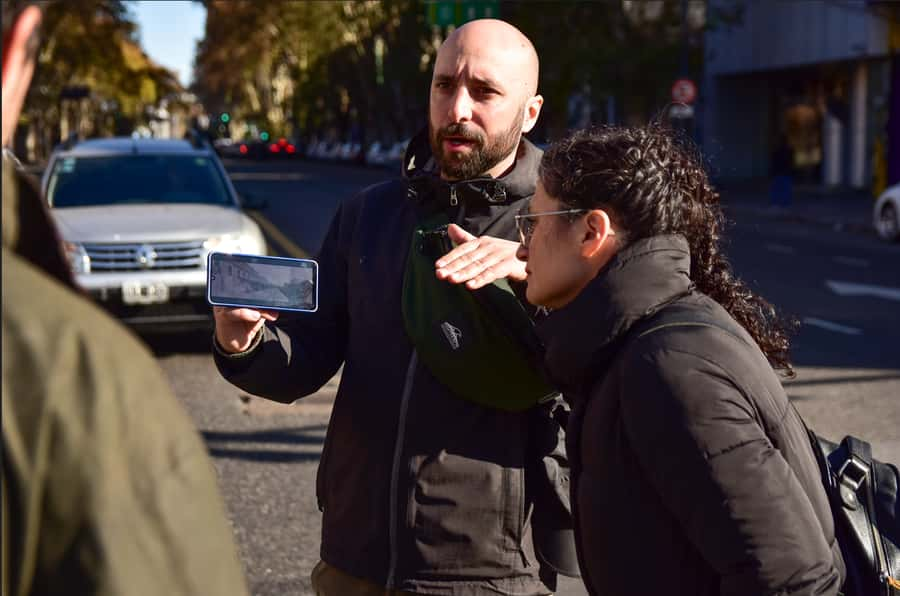
Guides also matter here. In the strongest feedback, people highlight guides such as Nicolás and Ignacio for being sharp on history while keeping the tone easy, with humor, and with answers tailored to what the group wants to know. If you’re the type who asks follow-up questions, you’ll feel comfortable doing it.
The $34 Value Equation for a 150-Minute Guided Walk
At $34 per person for about 150 minutes, this is priced like a solid neighborhood experience rather than a museum ticket event. The key value is that you’re paying for the guided walk and the discussion, not just for access to the cemetery itself. Since actual entry into the cemetery is optional and the cemetery ticket is not included, you can treat the price as what you’re really getting: context and interpretation for the surrounding streets and landmarks.
If you like history that connects to human choices, you’ll likely feel it was worth it quickly. If you only want to get inside the cemetery no matter what and treat everything else as filler, you might want to compare against other cemetery-focused options. Here, the cemetery is the anchor, but the narrative is built along the walk.
Starting at Rapa Nui Store, Then Getting Your Bearings Fast
You meet at Rapa Nui Store, which is a practical choice because it sets you up to begin the walk in a way that feels like you’re already moving through the neighborhood, not just waiting around. Right away, the guide frames what you’re about to see, which helps your brain stop treating Recoleta like a list of landmarks.
You also get the benefit of time on the ground. This is a guided outing where every segment has a purpose, so you’re not stuck guessing what a building means or why a square matters. Even the short orientation blocks help you start noticing patterns: how wealth likes to display itself, and how public space can hint at private power.



Plaza General San Martín: The Civic Stage Before the Glamour
You spend time at Plaza General San Martín early on. This stop matters because it acts like a warm-up. You’re not yet at the cemetery, but you are learning how Buenos Aires tried to shape its identity, including the ambition behind its reputation as a kind of South American version of European luxury.
You’ll get guided talking points, then you’ll move on. The most useful part is the mindset your guide gives you, because by the time you reach the cemetery area, you’ll be asking better questions like, what kind of society created all this, and how did that society want to be seen?
A small consideration: since this tour is discussion-based, if you’re expecting quiet wandering, you may feel the pace is more structured than you like.
Edificio Kavanagh: Reading Architecture Like a Clue
Next you head to Edificio Kavanagh. You’re not going just to look at a famous facade. You’re being taught how to decode architecture as evidence. That means you’ll listen for why buildings like this were used to project status, how they connect to the Parisian illusion theme, and how the idea of modern grandeur gets built into the skyline.
The practical value here is that you stop treating architecture as background. Instead, you learn to look at scale, style, and intent as signals of a specific social moment. It’s one of those lessons that also helps you later, even if you’ve seen the street before.
Torre Monumental and the Pattern of Power
You’ll also pass by the Torre Monumental. It’s part of the walk’s bigger job: showing you that the Gilded Age wasn’t only about private mansions. It also shaped public-facing monuments, the kind that reinforce authority in the open.
In this experience, you’re encouraged to question narratives. So when you look at a landmark, your guide pushes you to think beyond aesthetics. Who benefits from these displays? What story does a city tell itself through its most visible architecture?
Mansión Estrugamou (Casa Basavilbaso): When Families Became Institutions
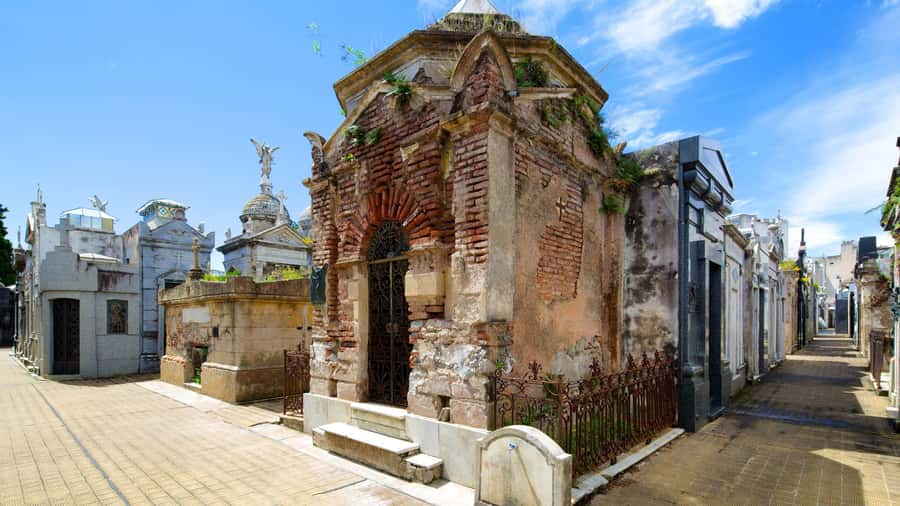
One of the walk stops is Mansión Estrugamou (Casa Basavilbaso). This is where the tour’s anthropological lens really clicks for many people, because you’re moving from general ideas into the kind of spaces where elite influence becomes personal and physical.
Even if you’re not an architecture nerd, you’ll get why these mansions are so important. They reflect the rise and fall theme your guide will keep returning to: vast landownership, wealth concentration, and the country’s ambitious hope to behave like a world power. The tour uses these spaces to help you see how economic power becomes social power.
Palacio San Martín: Prestige With a Purpose
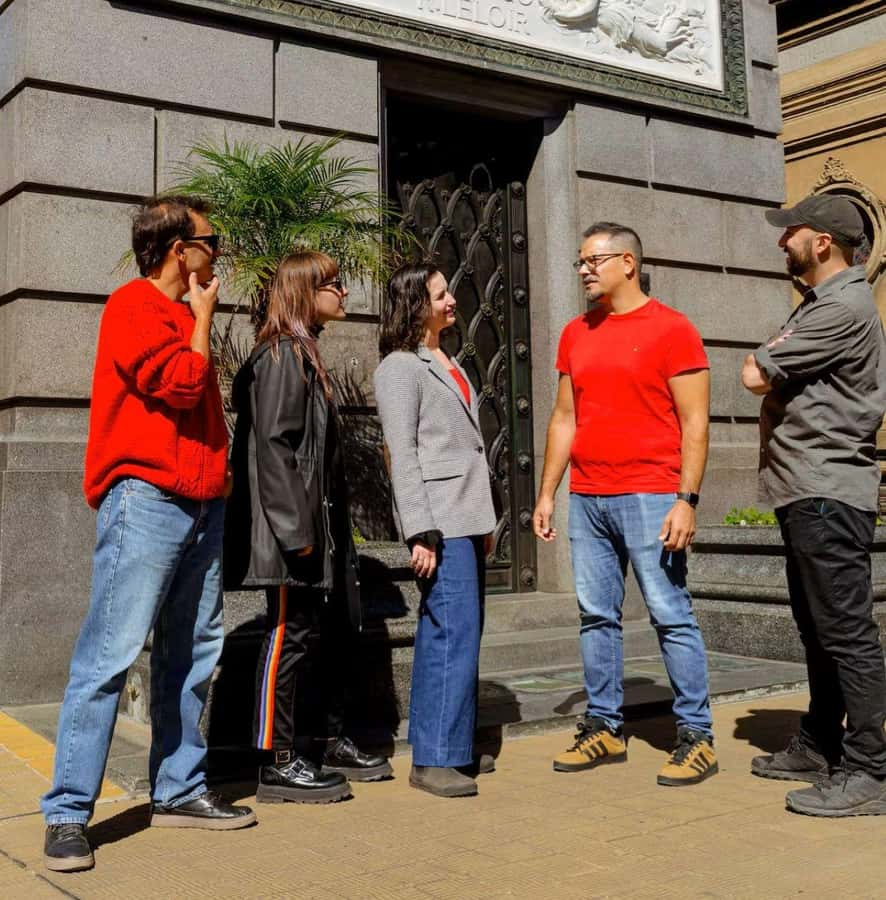
You visit Palacio San Martin as part of the route. The point here is interpretation. You’re learning how elite life tried to look and feel inevitable, even when history later proved it wasn’t.
This is also one of those stops where the best guides do more than list facts. They connect the building to the larger story you’re building in your head. If you enjoy history that links different places, this stop fits you well.
A Short Break at Carrefour Express
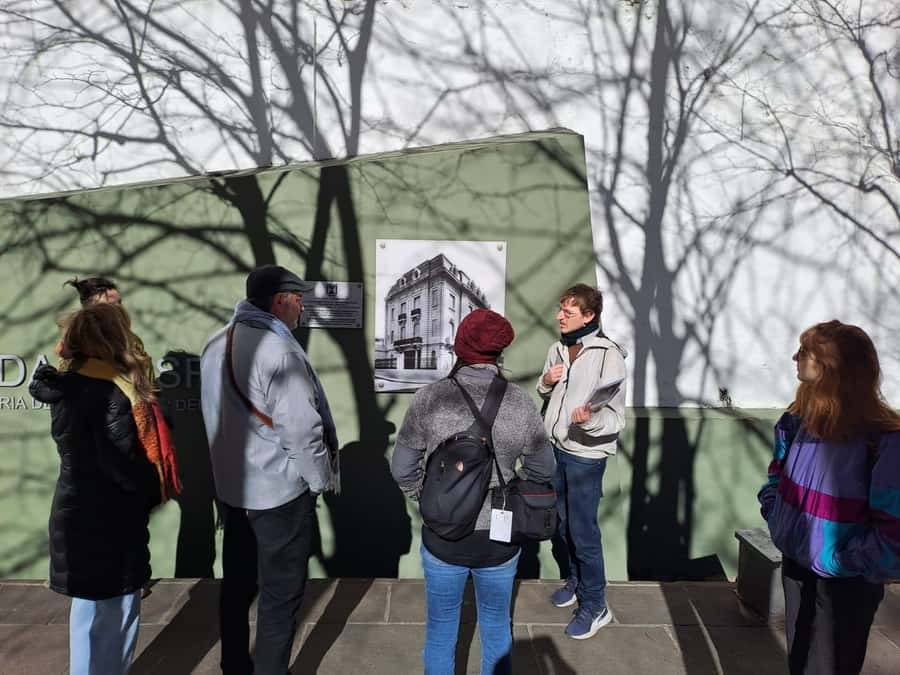
There’s a break time at Carrefour Express, just about five minutes. It’s short on purpose, so you stay energized for the final stretch and the cemetery visit. It’s also a good reminder that this is a walk you can pace with your own comfort level, especially if you plan to buy water or use the restroom.
Embassy of France: The Parisian Illusion Theme Gets Visible
You’ll stop at the Embassy of France in Buenos Aires. This is a meaningful moment because it ties directly into the tour’s theme of the Parisian illusion. Buenos Aires wanted to borrow European prestige, and diplomatic and cultural symbols were one of the ways that desire became visible.
You’re not being asked to judge it as simple imitation. Instead, you’re invited to question ambition and wealth and what they were trying to accomplish. The best part is that this theme isn’t stuck in the abstract, you’re seeing it show up in the urban fabric.
Jockey Club and the Theater of Elite Status
Next is Jockey Club, Buenos Aires. In the context of this tour, it represents more than a building. It represents a social system, the kind that turns access into tradition and tradition into power.
Your guide keeps the conversation moving with questions like who gets to belong, how status becomes routine, and what gets excluded. If you like to understand social history, you’ll likely find this section satisfying.
Palacio Duhau – Park Hyatt Buenos Aires: The Glamour Survives
You also pass Palacio Duhau – Park Hyatt Buenos Aires. Even if you’ve seen luxury hotels before, this stop is interesting because it suggests how old prestige can still function in the present, even after the original context has changed.
The tour nudges you toward the bigger idea of past, present, and future of Argentina’s capital. You start wondering what changes, what stays, and why some stories get preserved more easily than others.
La Recoleta Cemetery: City of the Dead as a Society Mirror
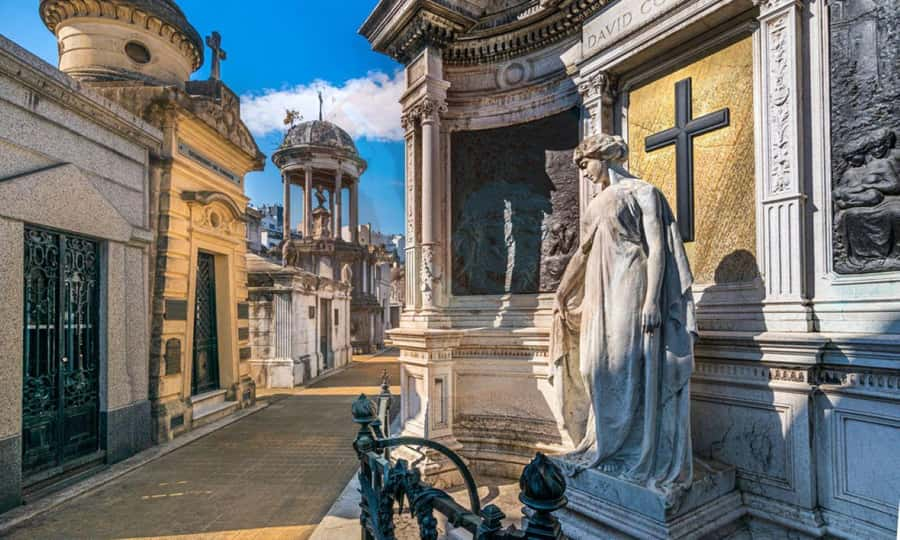
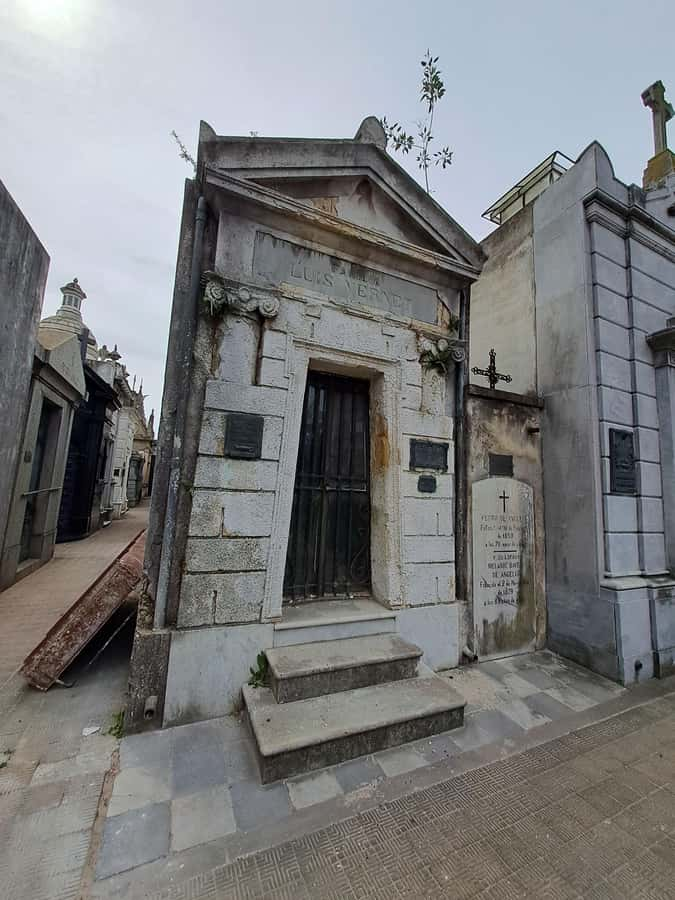
Then comes La Recoleta Cemetery, where you get about 45 minutes of guided time. This is the heart of the experience, and the reasoning is smart: a cemetery is one of the clearest mirrors of society. It shows who is commemorated, how memory is organized, and how families and institutions express identity after life.
Entry into the cemetery is optional, and if you want to go inside, you’ll need to handle the ticket separately. You can usually buy it at the entrance or in advance online, so plan it based on your comfort level and timing.
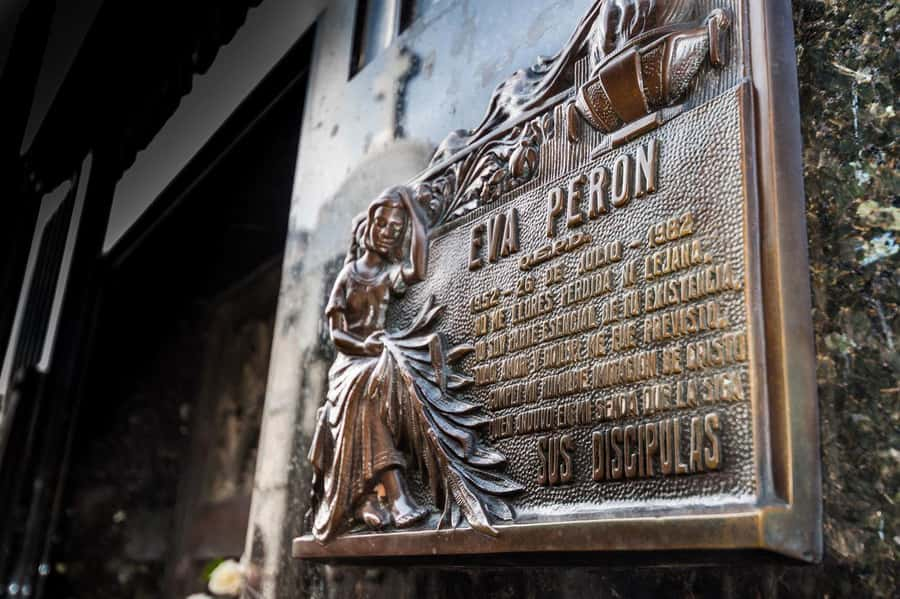
Even in the guided discussion approach, you can get value without turning this into a rigid checklist. You’ll be encouraged to look for patterns, like what style of remembrance is used, what names and symbols signal status, and what the absence of some kinds of memory can imply. This is where the tour’s anthropological framing pays off: it treats the cemetery like a social document, not just a pretty place with famous names.
What Makes the Guides So Highly Rated
The most praised element is the way the guides run the conversation. People describe Nico and Ignacio (and other guide names you may meet) as strong explainers who answer individual questions, keep things interactive, and manage the pace based on the group’s interests.
You also get humor mixed in with the facts. That matters because Recoleta’s glamour can feel distant. Humor and conversation pull it back toward you, making it easier to connect the Gilded Age mindset to real human decisions.
If you book this, bring a question or two. Even a simple one helps. For example, ask what the guide thinks elite wealth was trying to protect, or what parts of the story you should watch for as you move from mansions to burial places.
Who This Tour Fits Best
This outing works best if you like:
- guided walks with discussion
- history that explains power, not just dates
- Recoleta as more than a photo stop
- a guide who adjusts to what your group cares about
It may feel less ideal if you prefer silent sightseeing or if you only want a quick cemetery visit with minimal talking. This is built for curiosity, especially people who like to ask why.
Should You Book Recoleta and Cemetery for Curious People?
Yes, if you want Recoleta to make sense beyond aesthetics. The combination of a guided walk through key landmarks plus the city-of-the-dead interpretation is a strong value for the price, and the interactive style is exactly what makes it stand out. If you’re the type who likes to understand how societies build their image and then sort who gets remembered, this tour will give you that payoff.
FAQ
How long is the tour?
The total duration is about 150 minutes.
How much does it cost?
The price is listed as $34 per person.
Where do I meet the guide?
You meet at Rapa Nui Store.
Is the cemetery ticket included?
No. The tour does not include the cemetery ticket.
Do I have to enter Recoleta Cemetery?
Actual entry is optional. You can choose based on your interests and time.
Where is the tour located?
It takes place in Buenos Aires Province, Argentina, in the Recoleta area.
What stops are included on the walk?
The route includes places such as Plaza General San Martín, Edificio Kavanagh, Torre Monumental, Mansión Estrugamou (Casa Basavilbaso), Palacio San Martín, Embassy of France, Jockey Club, Palacio Duhau – Park Hyatt Buenos Aires, and then La Recoleta Cemetery.
What languages is the guide available in?
The live guide is available in Spanish, English, and French.
What is included in the tour price?
You get a guided walk through Buenos Aires and a discussion with a university degree guide.
Can I cancel for a full refund?
Yes. Free cancellation is available up to 24 hours in advance for a full refund.
More Tour Reviews in Buenos Aires
Recoleta, Keep Walking
Newest Buenos Aires write-ups on the desk
- Tango Show at El Querandi with optional Dinner★ 4.2 · 3 reviews
- Velez Sarsfield Football Match★ 5.0 · 3 reviews
- Tango Show at: MichelAngelo★ 4.5 · 3 reviews
- Guided tour Boca Juniors Museum & Stadium + Caminito★ 3.3 · 3 reviews
- From Colonialism to Eclecticism, Buenos Aires arquitectonica★ 5.0 · 3 reviews
- Enjoy a Rural Experience in a Vineyard near Buenos Aires★ 4.7 · 3 reviews
The rest of the Recoleta Cemetery Tours list.
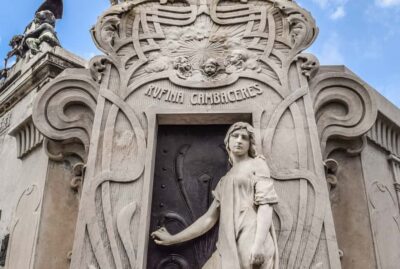 ★ 4.8Buenos Aires: La Recoleta Cemetery Guided Tour in EnglishFrom $131,359 reviews
 ★ 4.5Buenos Aires Bike Tour: North Districts, Recoleta and PalermoFrom $4591 reviews
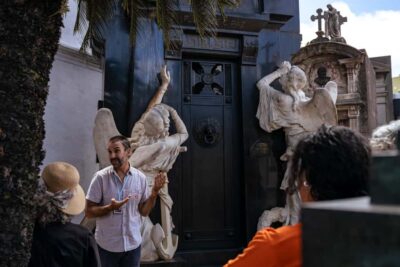 ★ 5.0Recoleta Cemetery – Small Group Tour of History & SecretsFrom $4953 reviews
 ★ 4.7Buenos Aires: Recoleta and Retiro Tip Based Walking TourFrom $150 reviews
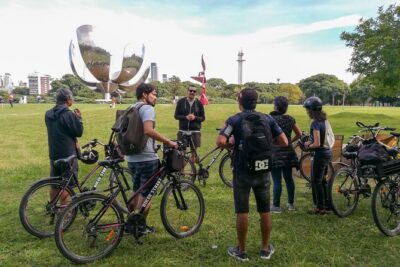 ★ 5.0Cultural Experience by Bike around Palermo and Recoleta Max 6 pplFrom $5444 reviews
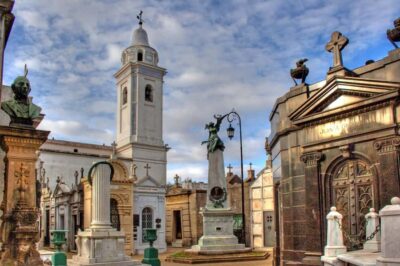 ★ 4.7Buenos Aires: Recoleta Neighborhood Walking TourFrom $9337 reviews
 ★ 4.6Discover Recoleta, Buenos Aires’ Little ParisFrom $5733 reviews
 ★ 4.5Full Day City Tour Buenos Aires, Recoleta Cemetery and TigreFrom $28515 reviews
Lists this one is on