
REVIEW · BARILOCHE AND LAKE DISTRICT TOURS
OneWay Journey: from Bariloche, Argentina to Puerto Varas, Chile
Lakes move, customs happen, and views win. This one-way Andean lakes cruise strings together bus rides and catamaran sailing through Chilean and Argentine Patagonia, with enough stops to make the long day feel full instead of frantic. I like how it takes you from Nahuel Huapi National Park waters to the emerald tones of Lago Todos los Santos, while still keeping hotel pickup and drop-off in the mix.
Two things I especially like are the included lake time on catamarans and the smooth logistics for a day that crosses international lines. One possible drawback is that it is a long route with multiple transfers and border procedures, so you should expect some downtime and a bit of fatigue by the end.
In This Review
- Key highlights you should know before you go
- Bariloche to Puerto Varas in one day, why the route feels worth it
- Timing, group size, and what to do with a long day
- Stop 1 in Bariloche: Nahuel Huapi National Park and a classic starting town
- Puerto Pañuelo: the quiet mid-route port and the extra cash detail
- Lago Nahuel Huapi: wildlife chances, sunsets, and the payoff for being patient
- Where Frías River meets Nahuel Huapi: the unique color shift you’ll remember
- Puerto Frías and border procedures: short stop, big function
- Peulla: sustainable village break and a lunch you pay for
- Lago Todos los Santos: emerald waters, waterfalls, and three volcano peaks
- Arriving in Puerto Varas: German influence, volcano backdrops, and a real dinner plan
- Price and what you are truly paying for at $347
- Practical tips that reduce stress (and improve photos)
- Who this one-way crossing is best for
- Should you book the Bariloche to Puerto Varas Andean Lakes Crossing?
- FAQ
- How long is the trip from Bariloche to Puerto Varas?
- What time does the experience start?
- Is hotel pickup and drop-off included?
- How many travelers are on the tour?
- What luggage is included?
- Are meals included?
- Are there extra fees beyond the tour price?
- Is lunch included in Peulla?
Key highlights you should know before you go
- One-way crossing, not a round trip, ending in Puerto Varas instead of looping back
- Small group size (max 14 travelers), which usually helps boarding and transfers run cleaner
- Catamaran sailing on three main water stretches, with big views plus wildlife chances
- Border processing at Puerto Frías, keeping that formality from eating too much time later
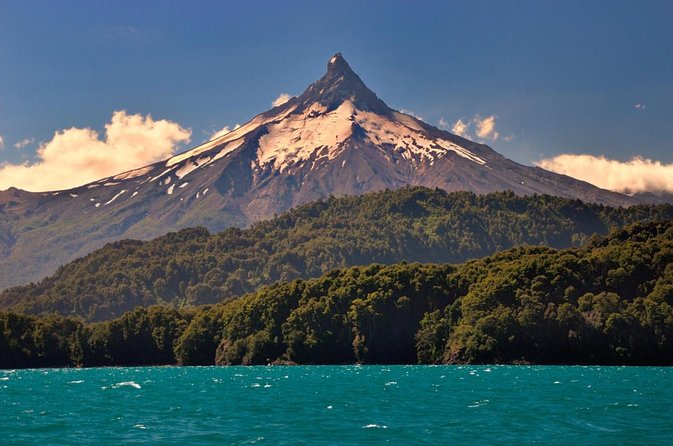
- Volcano views from Lago Todos los Santos, including Tronador plus Osorno and Puntiagudo
More lakes and lookouts around Bariloche
- Bariloche Small Circuit: Mt Campanario and Llao Llao Peninsula
★ 4.0 · 142 reviews - Fly Fishing Trips in Bariloche
★ 5.0 · 137 reviews - San Martin de los Andes by Seven Lakes Road from Bariloche
★ 4.5 · 101 reviews - Trekking day in the mountains close to Bariloche
★ 5.0 · 94 reviews
Bariloche to Puerto Varas in one day, why the route feels worth it
This trip is built for people who want Patagonia drama without adding a second travel day. You leave Bariloche in the Nahuel Huapi area, then ride and sail your way toward Puerto Varas near Puerto Montt. The mix of land transfers and water crossings matters, because it changes the pace: when the day would normally feel like bus time only, you keep getting breaks on boats.
I also like the overall “progression” of scenery. You start in the national park zone around Bariloche, move into lake wildlife and classic Patagonian viewpoints, then shift to the green-turquoise tones near Puerto Frías, and finally land on the larger, scenic sweep of Lago Todos los Santos. If you’re the type who enjoys a travel day that feels like a moving postcard, this works.
The trade-off is obvious: it is still a full 12 hours (approx.). If you prefer a more direct transfer with fewer switches, this may feel busy. The best mindset is to treat it like a day tour plus a boat day, not just a transportation service.
Timing, group size, and what to do with a long day
The day starts at 8:00 am. That early start helps you reach Puerto Varas the same day, but it also means you should plan for a late arrival and a relaxed evening after. The tour runs with a maximum group of 14 travelers, and that small size usually makes the whole day less chaotic when everyone has to board and deboard.
Included logistics are one of the practical upsides here:
- Driver/guide on the day
- All land and lake transfers
- One suitcase up to 23 kg plus a carry on up to 10 kg
That luggage info matters because it affects what you pack. You can bring the gear you actually need for time outdoors, rather than traveling light and hoping for warm weather. Still, pack smart for weather. Wear comfortable shoes and bring waterproof clothing, because Patagonia conditions can turn fast.
Also, keep your expectations realistic about timing. Border procedures are done at Puerto Frías, so if paperwork lines run long, everything that follows can stretch a bit. Build your day around this. Don’t schedule a tight dinner reservation the moment you arrive in Puerto Varas.
Stop 1 in Bariloche: Nahuel Huapi National Park and a classic starting town
You begin in San Carlos de Bariloche, a city set within Nahuel Huapi National Park. The plan gives you about 1 hour here, with an admission ticket included. It is not a deep museum crawl type of stop, more like a guided orientation plus time in the civic center.
What makes the Bariloche start pleasant is that you get a sense of place right away. You’ll see traditional chocolate houses, plus hotels and restaurants around the civic center. Bariloche is also known for being a year-round base, so if you’re coming in shoulder season, winter, or summer, you’ll still find the city alive.
Practical note: this first stop is your best window to buy anything you forgot (sunscreen, snacks, or a bottle of water). Later in the day, you’ll mostly be focused on transfers and fixed sailing times.
Puerto Pañuelo: the quiet mid-route port and the extra cash detail
After Bariloche, you head to Puerto Pañuelo, a lakeside port sitting roughly 25 km from Bariloche on the way. You get 1 hour there. This is an important stop mainly because it is part of the route rhythm, and it is also where you may pay an additional boarding tax.
Here’s the part I’d plan for: boarding taxes in Puerto Pañuelo are listed as US$3.5 or AR$500, payable only in cash. It can change depending on local authorities, so treat it as “likely cash required,” not a guess you can skip.
One more detail: Puerto Pañuelo’s admission is not listed as included. That doesn’t mean you’ll be hit with surprise fees beyond the tax noted, but it does mean you should have your payment plan ready.
Lago Nahuel Huapi: wildlife chances, sunsets, and the payoff for being patient
The heart of the early scenery time comes on Lago Nahuel Huapi. You get about 2 hours, and admission is included for this segment. This is where the day starts feeling like more than transportation.
The area around the lake is described as a mix of wildlife and classic Patagonian birdlife. Condors and eagles are mentioned, along with deer and other animals. If you have binoculars, bring them. A camera helps too, especially if you care about those last-light moments when the lake surface changes.
This is also a good moment to manage your energy. You’ll be on the water with fewer transfers in that stretch, so it is the time to settle into the day. Sit where you can see both open water and shorelines, then switch sides if the light changes.
Where Frías River meets Nahuel Huapi: the unique color shift you’ll remember
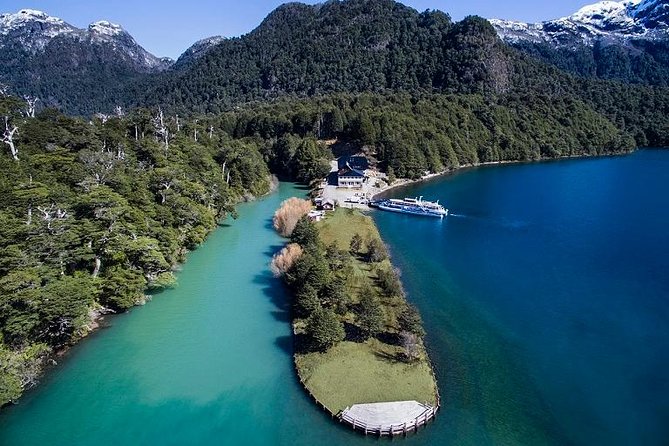
Between the lake segments, the route passes a striking junction: the Frías River’s green waters meet the blue waters of Lake Nahuel Huapi. You also travel through areas described as native forests and Patagonian channels.
A key plant detail is mentioned for this section: the Valdivian Forest, described as a cold forest found in few places worldwide. You might not be measuring ecosystems during the cruise, but you will feel the difference in how the scenery looks and how the air feels when the forests press closer to the water.
This part is less about a single photo spot and more about a “wow, the colors are doing something unusual” moment. If you’re hoping to come away with one or two truly distinctive images, this is where they tend to come from.
Puerto Frías and border procedures: short stop, big function
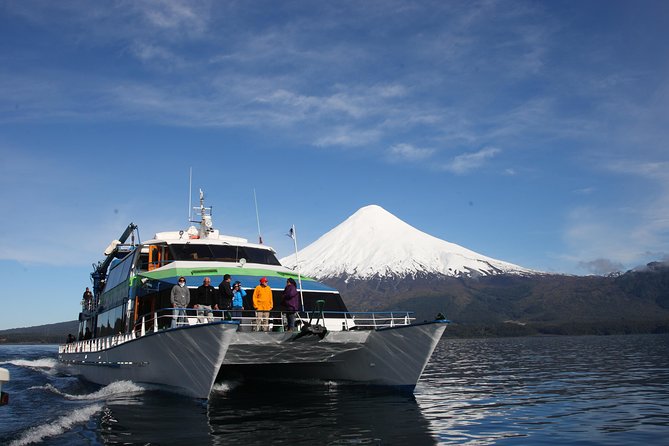
Next up is Puerto Frías, on Lago Frias, the smallest of the three lake stretches on the route. The stop is brief, about 20 minutes, and admission is included for this segment.
This is also the place where border crossing procedures between Chile and Argentina are handled. That makes Puerto Frías a functional stop, not a long sightseeing break. Even so, it is worth paying attention because the lake is described as glacial origin with meltwater that gives it green-turquoise tones.
The best way to handle this stop is simple: stay ready to move. Have your passport details organized, keep your essentials within easy reach, and avoid planning to do anything that depends on perfect timing. This is also where delays can ripple into the rest of the day.
Peulla: sustainable village break and a lunch you pay for
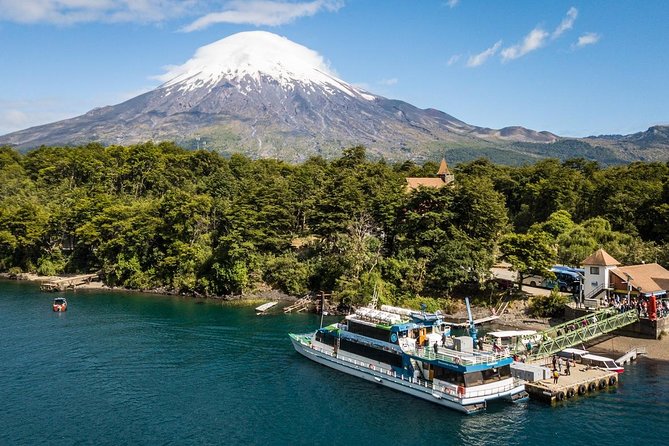
You reach Peulla for about 2 hours. Entry here is listed as free. Peulla is described as a small ecological village and is noted as being recognized as the most sustainable location in Chile.
What this means in real life is that Peulla works well as a calm reset. You’re between lake segments, so even a short walk, a few photos, and time to breathe can make the next catamaran stretch feel fresh.
Lunch is available here, but it is not included. The listed lunch cost is US$25 per person. I recommend you treat Peulla lunch as an expected expense, not a surprise. And if you prefer flexibility, bring a snack earlier so you’re not hungry if customs or timing runs behind.
Lago Todos los Santos: emerald waters, waterfalls, and three volcano peaks
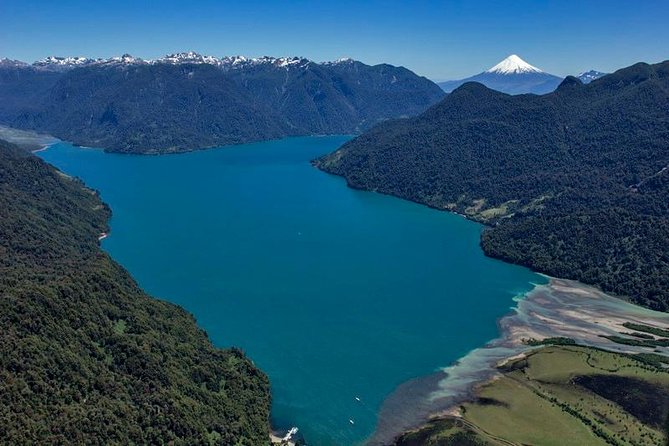
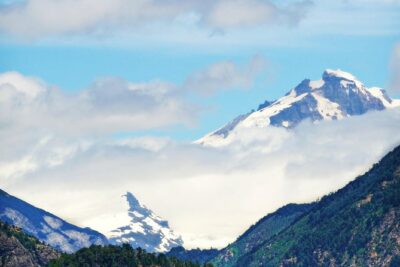
This is the big sailing segment after Peulla. You get about 2 hours on Lago Todos los Santos, with admission included. The water is described as emerald, and from the deck of the catamaran you may see waterfalls plus three snowy peaks: Mount Tronador, and the volcanoes Osorno and Puntiagudo.
This stop is the one I’d prioritize for your camera battery and your patience. It is long enough to settle in, and the viewpoint is meant to be from the water, not from a shoreline lookout. If weather is clear, volcano views can be dramatic. If weather is mixed, you’ll still get the motion of sailing on a broad lake.
One tip: plan to bundle up. Even if the day starts sunny, Patagonia can cool down quickly on open water. Keep a layer handy, so you can stay comfortable without needing to constantly check the weather.
Arriving in Puerto Varas: German influence, volcano backdrops, and a real dinner plan
You finish in Puerto Varas for about 1 hour. Admission is listed as free here. Puerto Varas is near Puerto Montt, and the area includes Frutillar nearby, known for German pioneers and the way they shaped lifestyle, customs, and culture in the region.
What you’ll likely enjoy, even with only a short final stop, is the sense of place. The region is also tied to striking volcano scenery, including Osorno and Calbuco. And the tour highlights the local food scene, wine, and starry nights as a payoff if you’re staying there after the day ends.
Important reality check: the tour does not include hotel nights. So your best use of Puerto Varas is to pick a comfortable place to sleep and plan a good meal soon after you arrive, since the day has been long.
Price and what you are truly paying for at $347
The listed price is $347.00 per person, and the trip runs about 12 hours. That price can look steep until you break down what’s included.
What you do get:
- Driver/guide
- All land and lake transfers
- Luggage handling (up to 23 kg checked suitcase and 10 kg carry on)
What you do not get:
- Food and drinks
- Possible port, migratory, and/or national park fees
- The Puerto Pañuelo boarding tax (cash required)
- Anything not specifically mentioned
So the real value question is whether you want a guided, one-way, end-to-end crossing that saves you from juggling buses, boats, and paperwork on your own. If your alternative is DIY routing across two countries with multiple legs, the $347 starts to make more sense.
Still, be honest with yourself. If you mainly care about scenery and want maximum time on the water with fewer switch-ups, this is a trade-off. The day has moving parts, and you’re paying for that convenience.
My practical suggestion: budget extra for the cash tax at Puerto Pañuelo and for Peulla lunch. Then pack your day bag with snacks and water so you are not stuck waiting for food at the mercy of timing.
Practical tips that reduce stress (and improve photos)
This tour gives you a lot of outdoor time, so small choices help.
Bring:
- Sunscreen and sunglasses
- Comfortable shoes, ideally with traction
- Waterproof clothing
- Binoculars and a camera if you like wildlife spotting and birdlife
Have ready:
- A plan for the Puerto Pañuelo cash boarding tax (US$3.5 or AR$500 listed)
- Your passport details when booking, since passport name, number, expiry, and country are required at time of booking
Then manage your expectations about sound. Commentary is described through a microphone setup, and on windy, engine-noise days, audio can be harder to catch. If you care about understanding every detail, position yourself where you can hear the guide most clearly when the group is moving and the boat is underway.
Finally, if you’re tempted to feed animals, skip it. Wildlife around lake settings can be sensitive, and it’s better to enjoy the sightings than to encourage unnatural behavior.
Who this one-way crossing is best for
This trip fits best if you want:
- A single-day way to travel from Argentina to Chile via water
- A guided route with included transfers and manageable group size
- A strong mix of wildlife chances and views, especially on Lago Nahuel Huapi and Lago Todos los Santos
- A relaxed, scenic day where the pace is slow enough to enjoy, but structured enough to handle borders
It may not fit if you:
- Hate bus-boat-bus style travel and want fewer transfers
- Are sensitive to long days and timing uncertainty around border procedures
- Prefer a more flexible schedule where you control stop lengths
Should you book the Bariloche to Puerto Varas Andean Lakes Crossing?
If you’re aiming to cross the Andes area in a scenic, guided way, this is a solid choice. The included transfers and luggage help a lot, and the sailing time on the lakes is the kind of payoff that makes the day feel like a real experience rather than just travel.
I’d book it if you can handle a long day and you’re okay planning for a few extra costs, like the Puerto Pañuelo cash boarding tax and lunch in Peulla. I’d think twice if your top priority is minimizing transit and maximizing one location for hours.
For most people, the smart approach is to treat it like a Patagonia highlights day, pack for wet weather, bring cash for Puerto Pañuelo, and plan an easy evening in Puerto Varas.
FAQ
How long is the trip from Bariloche to Puerto Varas?
It runs for about 12 hours (approx.).
What time does the experience start?
The start time is listed as 8:00 am.
Is hotel pickup and drop-off included?
Yes. Hotel pickup and drop-off are included.
How many travelers are on the tour?
The tour has a maximum of 14 travelers.
What luggage is included?
One suitcase up to 23 kg and one carry on up to 10 kg are included.
Are meals included?
No. Food and drinks are not included.
Are there extra fees beyond the tour price?
Yes. Port, migratory, and/or national park fees are not included, and there is a boarding tax at Puerto Pañuelo (US$3.5 or AR$500 payable only in cash).
Is lunch included in Peulla?
Lunch is available in Peulla, but it is not included in the price. The listed lunch cost is US$25 per person.
More Tour Reviews in Bariloche
More Lakes Around Bariloche
Newest Bariloche write-ups on the desk
- Full Day Cerro Tronador: Eternal Snow and Hanging Glaciers★ 4.5 · 43 reviews
- 10 Secrets of Bariloche, Nahuel Huapi, and Patagonia★ 5.0 · 46 reviews
- Kayak paddling adventure around Bariloche★ 5.0 · 49 reviews
- OneWay Journey: from Bariloche, Argentina to Puerto Varas, Chile★ 4.0 · 52 reviews
- Half a day of kayaking on the Nahuel Huapi lake in private service★ 5.0 · 53 reviews
- Discover Cerro Tronador with Ventisquero Negro Glacier★ 4.5 · 64 reviews
The rest of the Bariloche and Lake District Tours list.
 ★ 4.5Bariloche: 7 Lakes & San Martin de Los Andes Road TripFrom $100624 reviews
 ★ 4.5Bariloche: Circuito Chico with optional Cerro CatedralFrom $38316 reviews
 ★ 4.8Bariloche: German Immigration and History Walking TourFrom $41169 reviews
 ★ 4.4San Martín de los Andes por 7 LagosFrom $65155 reviews
 ★ 4.5Circuito ChicoFrom $29146 reviews
 ★ 4.0Bariloche Small Circuit: Mt Campanario and Llao Llao PeninsulaFrom $25142 reviews
 ★ 5.0Fly Fishing Trips in BarilocheFrom $370137 reviews
 ★ 4.0From Bariloche: San Martín de los Andes by The 7 Lakes RouteFrom $60130 reviews
Lists this one is on