
REVIEW · BARILOCHE AND LAKE DISTRICT TOURS
10 Secrets of Bariloche, Nahuel Huapi, and Patagonia
Bariloche can feel like a postcard town. This short walking tour gives you the stories behind the views, without wasting time. I love how it’s a stress-free way to get your bearings fast, and I also like that you explore on foot, so you can reach spots that bigger vehicles usually skip.
My second favorite part is the stop at the Cathedral Our Lady of Nahuel Huapi, especially the attention to its vitreaux and the via crusis details. One possible drawback: at about 1 hour 30 minutes, it’s meant for orientation, not for deep museum time or a long, slow wander.
In This Review
- Key points you will actually care about
- A 90-minute Bariloche reset, on easy walking streets
- Where to meet at 9:00 am, and how the tour ends
- Centro Civico: Civic Center stories and the Museum of Patagonia area
- Puerto San Carlos and the coastal boardwalk: a calmer side of town
- Cathedral Our Lady of Nahuel Huapi: vitreaux and via crusis details
- Chocolate Street and Rapanui: a sweet, simple finish
- Why the free-entry stops are such good value
- What the small group limit changes for your day
- Who this tour fits best, and who should pick something longer
- Practical tips to make the most of the walk
- Should you book the Bariloche walking tour?
- FAQ
- How long is the walking tour?
- What time does the tour start?
- Where do I meet for the tour?
- Is there an admission fee for the places you visit?
- What is the maximum group size?
- Is the tour near public transportation?
- Will most people be able to participate?
- When will I get confirmation after booking?
- Is the experience refundable or changeable if I cancel?
- What happens if the minimum number of travelers is not met?
Key points you will actually care about
- Small group size (up to 20), so the guide can keep things moving and still answer questions
- Free admissions at the sights you visit, so you are not surprised by ticket costs
- Diego-style storytelling with facts, pictures, and town history woven into the walk
- Nahuel Huapi cathedral focus, including the vitreaux and via crusis details
- Chocolate Street stop at Rapanui, plus a chance to try the local chocolate
- Starts at 9:00 am, ideal for getting your planning done early
More lakes and lookouts around Bariloche
- Bariloche Small Circuit: Mt Campanario and Llao Llao Peninsula
★ 4.0 · 142 reviews - Fly Fishing Trips in Bariloche
★ 5.0 · 137 reviews - San Martin de los Andes by Seven Lakes Road from Bariloche
★ 4.5 · 101 reviews - Trekking day in the mountains close to Bariloche
★ 5.0 · 94 reviews
A 90-minute Bariloche reset, on easy walking streets
This is the kind of tour I recommend when you want two things at once: local context and practical orientation. Bariloche is a great base for day trips into Patagonia, but the town itself has enough personality that you should spend a little time inside it, too. This walking tour does that job quickly.
The format is simple. You meet in the tourism office area in Bariloche, then you walk a compact route with four main stops. The pace is relaxed enough that you can actually look around, but it is organized enough that you finish with a clear sense of where things are. That matters because Bariloche is the sort of place where you can waste an entire morning just figuring out which streets connect.
You’ll also appreciate that it’s designed for walking. One of the quiet advantages of a foot tour is that it nudges you into areas bigger vehicles cannot reach. Even when you are not going off-road, you get a more human view of the town. The sidewalks, the storefronts, and the small public spaces become part of the experience, not just the scenery.
Where to meet at 9:00 am, and how the tour ends
You start at Secretaría de Turismo Bariloche – Informes Turísticos, Libertad 56, R8400 San Carlos de Bariloche. The start time is 9:00 am, and the tour ends back at the same meeting point.
That loop back is a practical win. After 90 minutes, you are not stuck at some far-away viewpoint with no clear next step. You can head straight to lunch, pick up supplies, or map out a longer afternoon plan.
Another plus: it’s near public transportation. So if you are staying a bit outside the center, it should be manageable to arrive without stress. And the group is capped at 20 people, which usually means you are not fighting for space at every corner.
Centro Civico: Civic Center stories and the Museum of Patagonia area
Your walk begins around the Centro Civico, near the Civic Center and the Museum of Patagonia. This is a clever first stop because it gives you structure. Before you chase waterfront views or admire churches, you anchor yourself in the town’s main hub.
At this stage, the guide’s job is to give you connections. You get stories and context tied to the Civic Center area and the Museum of Patagonia. Even if you do not plan to go inside a museum today, the surrounding context helps you read what you see later. Think of it like setting the key before you start listening.
Because the admission for this segment is listed as free, you can treat this stop as low-pressure. You are not forced into a ticket purchase just to learn something. It also means you can adjust your attention span. If you are not in a museum mood, you can still take in the Civic Center vibe and keep moving.
The only consideration here is also the nature of a short walking tour: you will not have hours to wander like you might on your own. This is a guided introduction, not a standalone museum visit. If you love museums, plan a return later.
Puerto San Carlos and the coastal boardwalk: a calmer side of town
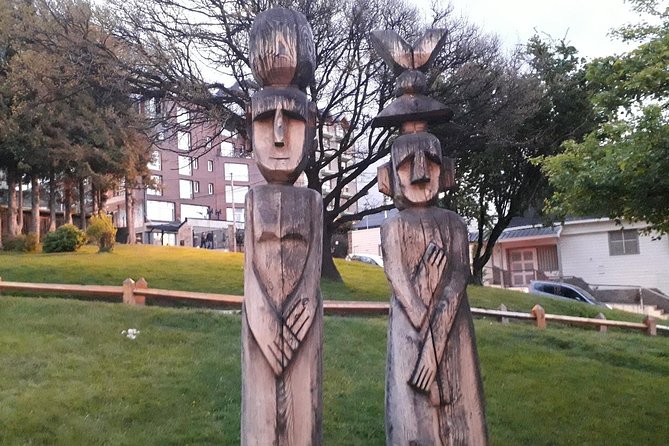
Next comes Puerto San Carlos, paired with time walking in the area and along the coastal boardwalk. This is where the tour shifts from civic anchors to a more relaxed, scenic mood.
Why this stop works for first-timers: boardwalks and port areas tend to make the geography of a place click. You can start to understand how the water relates to the town, and where the walking routes lead. You also get a better sense of what kind of atmosphere Bariloche has when you are not inside the central streets.
The idea here is not just to look, but to notice. The guide is there to point out secrets and stories tied to the Puerto San Carlos area. That phrasing matters, because it signals a style of tour built around small discoveries. Instead of listing facts like a textbook, the walk emphasizes “why this matters” for the place you are standing in.
Another benefit is pacing. After the Civic Center segment, the boardwalk provides breathing room. It helps you keep energy for the next, more detailed stop at the cathedral.
Cathedral Our Lady of Nahuel Huapi: vitreaux and via crusis details
Then you hit the stop most people remember: Cathedral Our Lady of Nahuel Huapi. The focus is on the cathedral’s architecture and stories, with special attention to the super unique vitreaux and the via crusis.
This is the part of the tour where I would slow down on my own anyway, so it’s great that the guide builds time here. The vitreaux and via crusis details give you something tangible to look for beyond the big shape of the building. You are not just taking a generic “cathedral photo,” you are learning how to see.
From a practical standpoint, cathedrals also serve as cultural checkpoints. They tell you how communities express faith, art, and identity. Even without getting into a long lecture, being guided through the architectural cues helps you understand what you are seeing.
One small consideration: if you are the type who prefers open-air sights only, this is still an outdoor-facing stop but it centers on a religious site. It’s worthwhile, but it might not match your mood if you are not feeling like sightseeing inside a sacred space at all. The upside is that the segment is timed and focused, so you are not stuck for too long.
Also, since the admission for this stop is listed as free, you can treat it as a highlight you get to enjoy without extra costs.
Chocolate Street and Rapanui: a sweet, simple finish
Finally, you walk along the main pedestrian road, often called Chocolate Street, and you make a short visit to Rapanui, an iconic chocolate store.
This is a smart ending because it gives your brain a reward right after the cathedral focus. It also turns the walk into something more memorable than just sightseeing. You get that small moment of local flavor, which is especially helpful on a day when you might otherwise run on pure logistics.
The guide’s timing is good too. After the cathedral, Chocolate Street feels like a natural “walk in town” reward. And based on the experience, the chocolate tasting here is a key part of what people remember. If you have a sweet tooth, you will probably like the way the tour builds toward this moment instead of dropping it randomly.
The only caution is obvious: if you have dietary restrictions or you do not eat chocolate, this stop can feel less useful. You still get the atmosphere of the pedestrian road, but your “experience value” depends on whether the tasting works for you.
Why the free-entry stops are such good value
The tour price is $41.00 per person, for about 1 hour 30 minutes. Admission at each of the listed stops is free, including the Civic Center/Museum of Patagonia area and the cathedral and chocolate stop.
That combination is where the value shows. You are paying primarily for the guided storytelling and the efficient route, not for museum tickets. If you normally spend time doing museums on your own, you might end up paying for entry just to justify your day. Here, the tour helps you see several key areas while keeping direct costs low.
Also, at this length, you are buying orientation. If you are pressed for time, this is the sort of activity that helps you get more out of the rest of your trip. Even if you skip nothing and only do one town walk this week, it can shape how you move around Bariloche afterward.
One practical detail: this activity is commonly booked about 19 days in advance on average. That tells me to book earlier rather than treating it as a last-minute option, especially if you are traveling around peak season or on weekends.
What the small group limit changes for your day
The group maximum is 20 travelers. That size is large enough that the tour still feels lively, but small enough that you are not anonymous.
In a group that stays under control, you get two benefits:
- The guide can keep the pace from dragging.
- You are more likely to get your specific questions answered before the tour moves on.
That matters on a first walk. The sooner you ask your questions, the sooner your next hours make sense.
It’s also a comfort factor for photos. At crowded sites, large groups can create a “wait for the next opening” rhythm. With 20 people max, the flow is generally smoother, and you spend more time looking than waiting.
Who this tour fits best, and who should pick something longer
This is a great match for you if you want:
- A quick Bariloche orientation walk
- A focus on town culture and history in a time-efficient way
- Key sights covered in a compact route
- A walk that also includes a friendly local food moment on Chocolate Street
It’s especially sensible if you are juggling day trips in Patagonia. One common travel rhythm is busy mornings out of town, then slower afternoons back in Bariloche. This tour fits that second half well. You’ll understand where things are, so your later plans feel less chaotic.
On the other hand, if you want deep dives into specific museums or long stretches of waterfront time, this may feel short. It is built as an introduction. You should treat it as the pre-game, then build your own longer outing afterward.
Practical tips to make the most of the walk
A walking tour is only fun when your logistics are easy. Here’s what I suggest based on the tour’s format:
- Wear comfortable shoes. You are walking through the Civic Center area, Puerto San Carlos, and the pedestrian roads.
- Bring a light layer. Morning weather can change quickly in Patagonia-adjacent towns.
- Bring your curiosity. The guide’s storytelling style depends on you paying attention to small cues, like architectural details and the way the boardwalk shapes movement through the area.
- If you are photo-heavy, arrive ready. This tour is short, so you will want to avoid stopping too long at random spots.
- If you are sensitive to crowds, aim for calm pacing. The group size is capped, but any central area can still feel busy.
The best mindset is simple: let the guide connect dots. Then, once you return to “free time,” you’ll know what to follow up on.
Should you book the Bariloche walking tour?
Book it if you want a smart first day plan in Bariloche. At $41 for about 90 minutes, with free entry at key stops, you get more than a walk. You get a guided sense of place, starting at the Civic Center area, moving through Puerto San Carlos, and ending at the Cathedral Our Lady of Nahuel Huapi and Chocolate Street.
Skip it only if you already know Bariloche inside out, or if you prefer long, unscheduled exploring where you can linger for hours. This tour is not built for that. It is built for orientation, storytelling, and a smooth route you can trust.
If you are even slightly short on time, or you want a first taste of how Bariloche tells its own story, this is one of the easiest ways to get there.
FAQ
How long is the walking tour?
It runs for about 1 hour 30 minutes.
What time does the tour start?
The tour starts at 9:00 am.
Where do I meet for the tour?
You meet at Secretaría de Turismo Bariloche – Informes Turísticos, Libertad 56, R8400 San Carlos de Bariloche, Río Negro, Argentina.
Is there an admission fee for the places you visit?
The listed admissions for the stops are free.
What is the maximum group size?
The tour has a maximum of 20 travelers.
Is the tour near public transportation?
Yes, it is near public transportation.
Will most people be able to participate?
Most travelers can participate.
When will I get confirmation after booking?
Confirmation will be received at the time of booking.
Is the experience refundable or changeable if I cancel?
No. It is non-refundable and cannot be changed for any reason, and you will not get your money back.
What happens if the minimum number of travelers is not met?
If it is canceled because the minimum is not met, you will be offered a different date or experience, or you will receive a full refund.
More Tour Reviews in Bariloche
More Lakes Around Bariloche
Newest Bariloche write-ups on the desk
- Full Day Cerro Tronador: Eternal Snow and Hanging Glaciers★ 4.5 · 43 reviews
- 10 Secrets of Bariloche, Nahuel Huapi, and Patagonia★ 5.0 · 46 reviews
- Kayak paddling adventure around Bariloche★ 5.0 · 49 reviews
- OneWay Journey: from Bariloche, Argentina to Puerto Varas, Chile★ 4.0 · 52 reviews
- Half a day of kayaking on the Nahuel Huapi lake in private service★ 5.0 · 53 reviews
- Discover Cerro Tronador with Ventisquero Negro Glacier★ 4.5 · 64 reviews
The rest of the Bariloche and Lake District Tours list.
 ★ 4.5Bariloche: 7 Lakes & San Martin de Los Andes Road TripFrom $100624 reviews
 ★ 4.5Bariloche: Circuito Chico with optional Cerro CatedralFrom $38316 reviews
 ★ 4.8Bariloche: German Immigration and History Walking TourFrom $41169 reviews
 ★ 4.4San Martín de los Andes por 7 LagosFrom $65155 reviews
 ★ 4.5Circuito ChicoFrom $29146 reviews
 ★ 4.0Bariloche Small Circuit: Mt Campanario and Llao Llao PeninsulaFrom $25142 reviews
 ★ 5.0Fly Fishing Trips in BarilocheFrom $370137 reviews
 ★ 4.0From Bariloche: San Martín de los Andes by The 7 Lakes RouteFrom $60130 reviews
Lists this one is on