
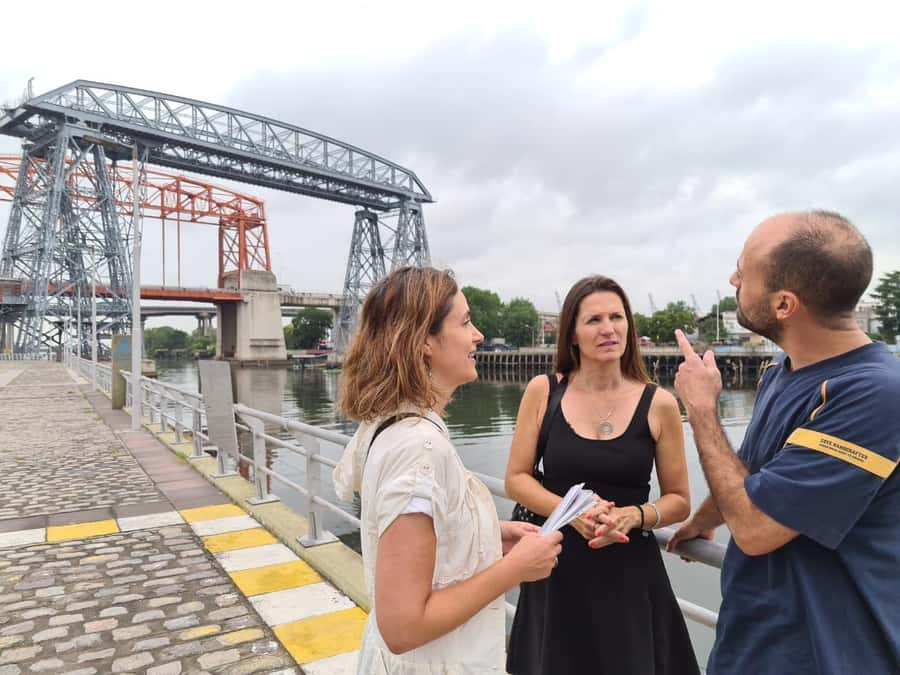
REVIEW · LA BOCA AND CAMINITO TOURS
La Boca Out off the Beaten Track
La Boca gets way more interesting with this small-group walk. I love the mural stories that explain what the neighborhood is really talking about, and I love the 1882 cafe coffee that adds a cozy, old-school finish. The only catch is it is street walking, so plan for standing and sun, not a sit-down sightseeing day.
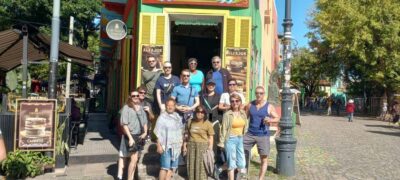
Your guide is Paola De Luca, and she brings a neighbor’s view of La Boca, not just a guidebook script. With a group capped at 10 people, it stays personal, and the pace feels built for learning without feeling rushed.
In This Review
- Key things to know before you go
- La Boca, but explained like a neighborhood story
- Meeting point and flow: 150 minutes from port streets to Caminito
- Paola De Luca: the guide who knows the names and the reasons
- From harbor and warehouses to the immigrant arrival points
- The conventillo stop: corrugated-metal tenements and today’s cultural center
- Argentina’s first volunteer fire station and why mutual aid mattered
- Murals as social commentary: art you can read in the street
- Boca Juniors from outside, Salesian Church up close
- Caminito for tango and fileteado: the finale with character
- Coffee in an old cafe from 1882, included
- Price and value: is $35 worth 150 minutes in La Boca?
- Optional add-on: the Quinquela Martin Museum ticket
- Who should book this La Boca off-the-beaten-track walk
- Should you book this tour?
- FAQ
- How long is the tour?
- How much does the tour cost?
- Where do we meet, and where do we finish?
- Is coffee included?
- What is included in the price besides coffee?
- Is the Quinquela Martin Museum included?
- What languages does the guide speak, and how big is the group?
- Is free cancellation available, and are there restrictions?
Key things to know before you go
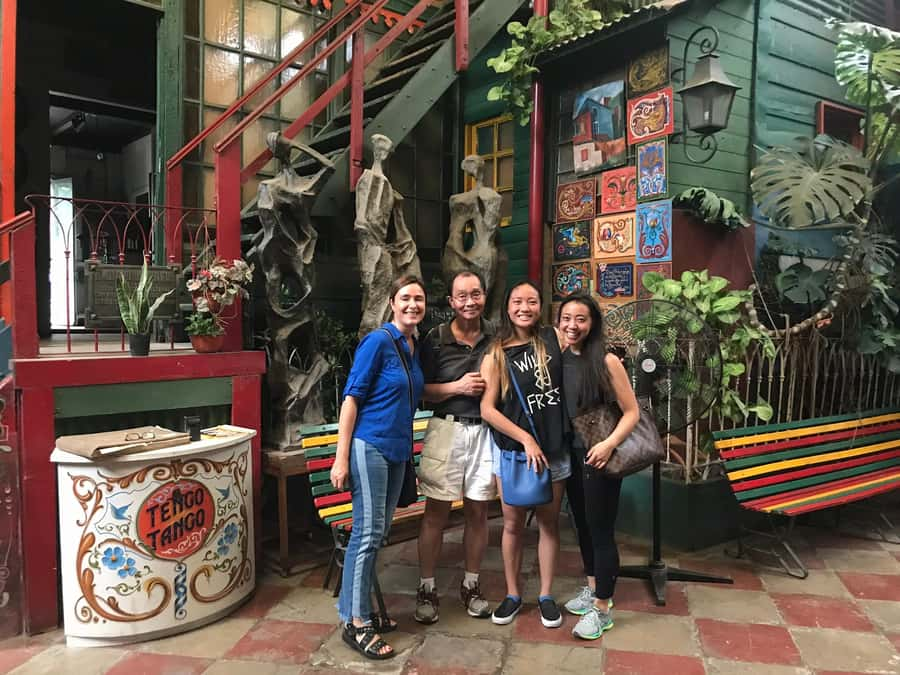
- Off-the-beaten streets and murals with context so you understand what you are looking at, not just where to take a photo
- Paola De Luca’s local perspective, including personal links to growing up in La Boca
- Inside a conventillo, a corrugated-metal tenement that once sheltered immigrants and now hosts a cultural center
- Argentina’s first volunteer firefighter station, part of how mutual aid shaped the community
- Caminito for tango and fileteado, plus an included coffee that breaks up the walk
Still on the Caminito? A few more La Boca routes
- Buenos Aires: La Boca Guided Walking Tour in English
★ 4.8 · 1,587 reviews - Buenos Aires: Tickets to Boca Juniors Museum & Stadium
★ 4.5 · 581 reviews - Buenos Aires: Boca Juniors and River Plate Football Tour
★ 4.3 · 82 reviews - Buenos Aires Bike Tour: San Telmo and La Boca Districts
★ 4.5 · 74 reviews
La Boca, but explained like a neighborhood story
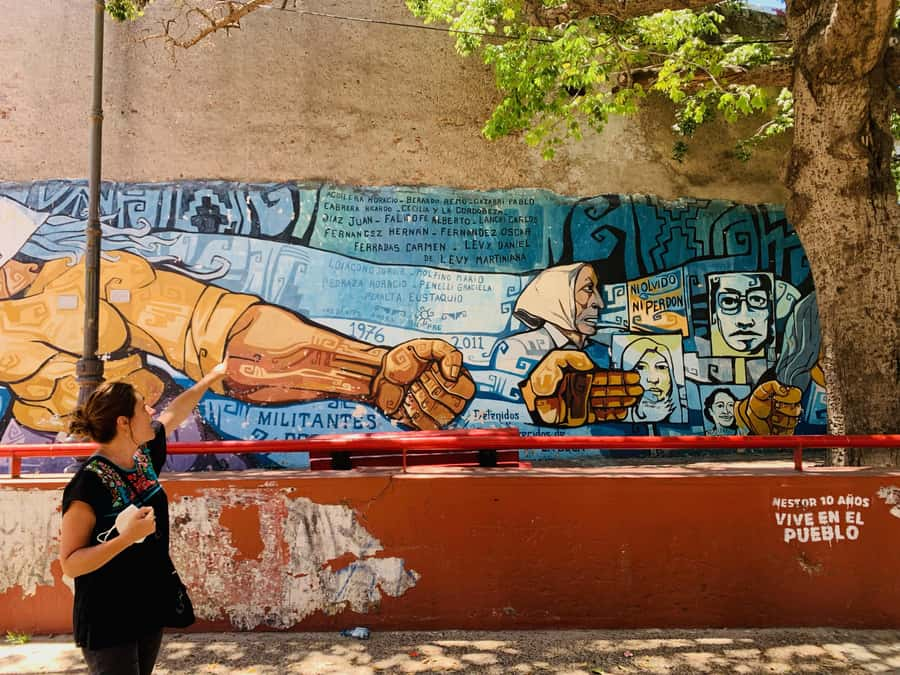
If you have only seen La Boca from the usual postcard angles, this tour flips the order. You start where the port and the immigrant rail arrivals set the tone, then you move through places that explain why La Boca looks the way it does. The focus is not on flashy views. It is on people, work, art, and survival, all stitched into streets and buildings.
The best part is how your eyes get better. You stop treating murals as decoration and start reading them like public commentary. The same goes for the old tenement-style housing and the mutual-aid institutions, where daily life and community rules were shaped out of necessity.
Meeting point and flow: 150 minutes from port streets to Caminito
You begin in La Boca at the corner of Martín Rodríguez and Avenida Don Pedro de Mendoza. From there, you go on a guided walk for about an hour, then you pause for coffee for roughly 30 minutes before continuing to your final stop in Caminito.
That structure matters. The tour is short enough that you will not feel trapped on a long loop, but it is long enough for real stops inside key buildings. You also get a natural break with the included coffee, which is a smart move in this part of Buenos Aires.
Group size is kept small, limited to 10 participants. That usually means you get time to ask questions and that the guide can slow down when the group needs it.
Paola De Luca: the guide who knows the names and the reasons
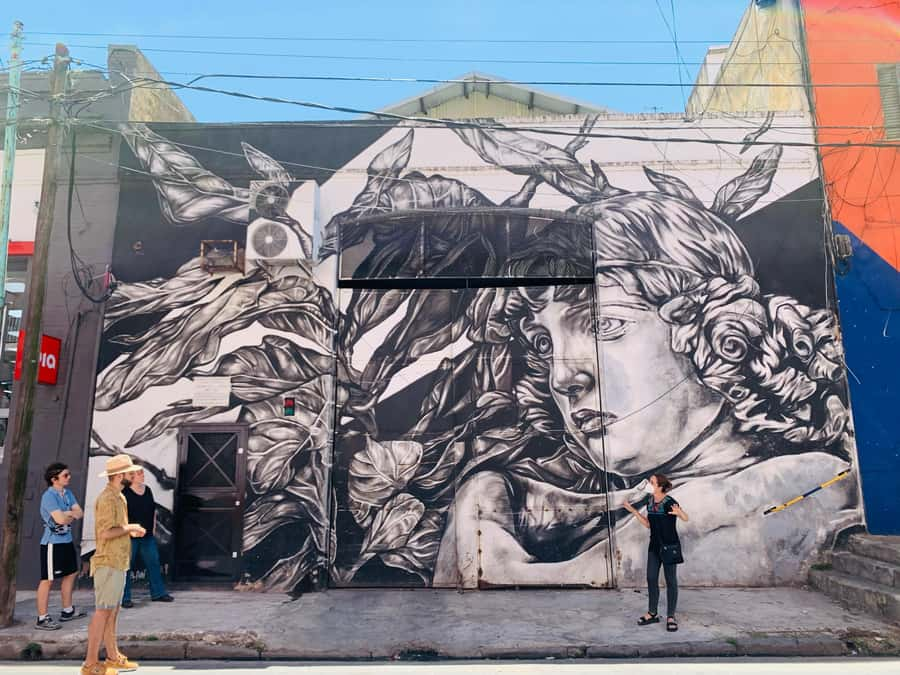
Paola De Luca guides in both Spanish and English. In practical terms, that helps a lot if your group has mixed language comfort levels. More importantly, she guides like someone who grew up around these streets.
You will notice it in the way she connects the neighborhood’s art to the people who made it, and the way she explains cultural icons without turning them into trivia. Her approach feels personal but not vague. You get clear context for the big themes: immigration, poverty, solidarity, public art, and how football and religion show up as reference points for people who needed anchors.
If you like tours where the guide can answer follow-up questions, this is the right style. One of the most repeated strengths in the experience is her ability to share local details that do not show up in standard sightseeing checklists.
From harbor and warehouses to the immigrant arrival points
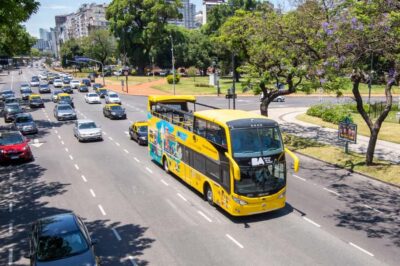
Early on, you head toward the harbor zone, with warehouses and the wider La Boca industrial feel. This is where the neighborhood’s story starts to make sense. La Boca did not form from tourism first. It grew from work, docks, and waves of people arriving looking for opportunity.
You also pass by the train station area known for immigrant arrivals. The point here is not just a historic photo spot. The guide frames it so you understand why later neighborhoods, churches, mutual aid groups, and housing types clustered around the reality of newcomers trying to land on their feet.
If you like walking tours that teach you how to read a city, this opening segment does that. You start recognizing patterns rather than collecting random sights.
The conventillo stop: corrugated-metal tenements and today’s cultural center
One of the most memorable parts is going inside a conventillo, the corrugated metal clad tenement homes that once sheltered immigrants. These were not built for comfort. They were built to house families who needed a roof near the jobs and transport.
Today, that same space hosts a cultural center. That is the clever emotional shift of the stop. You get the hard context, then you see how the building still serves the community through art and gatherings.
You might find yourself looking differently after this. The layout and materials stop feeling like architecture and start feeling like a record of how people lived. The tour nudges you to notice the transformation from shelter to cultural reuse, which is a big part of why La Boca’s art has such bite.
Practical note: because you are inside a working neighborhood space, expect to move with the group and follow your guide’s pace. If you are sensitive to heat, carry water, and take your time when you step in and out.
Argentina’s first volunteer fire station and why mutual aid mattered
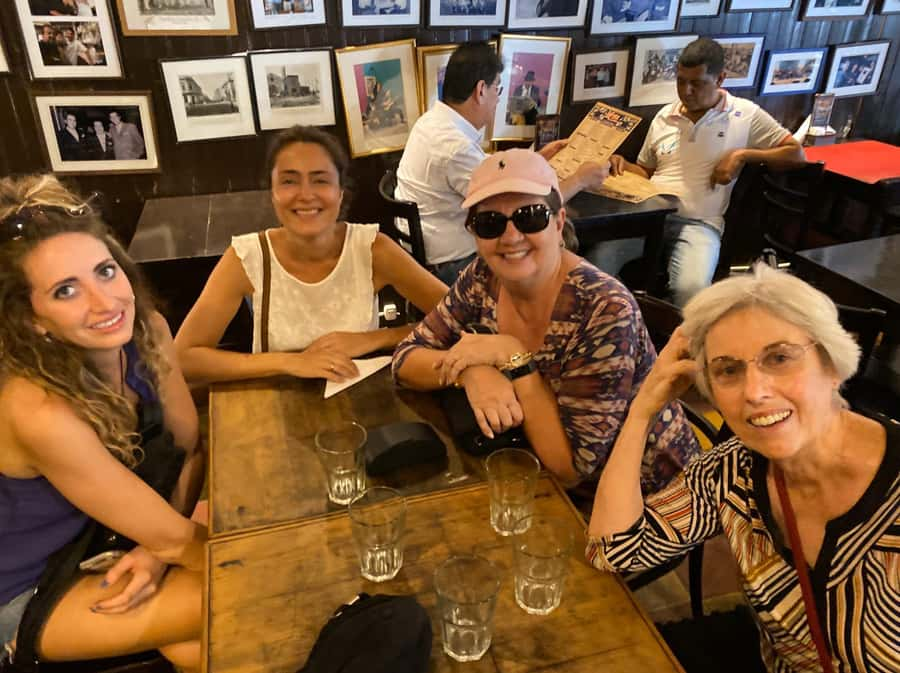
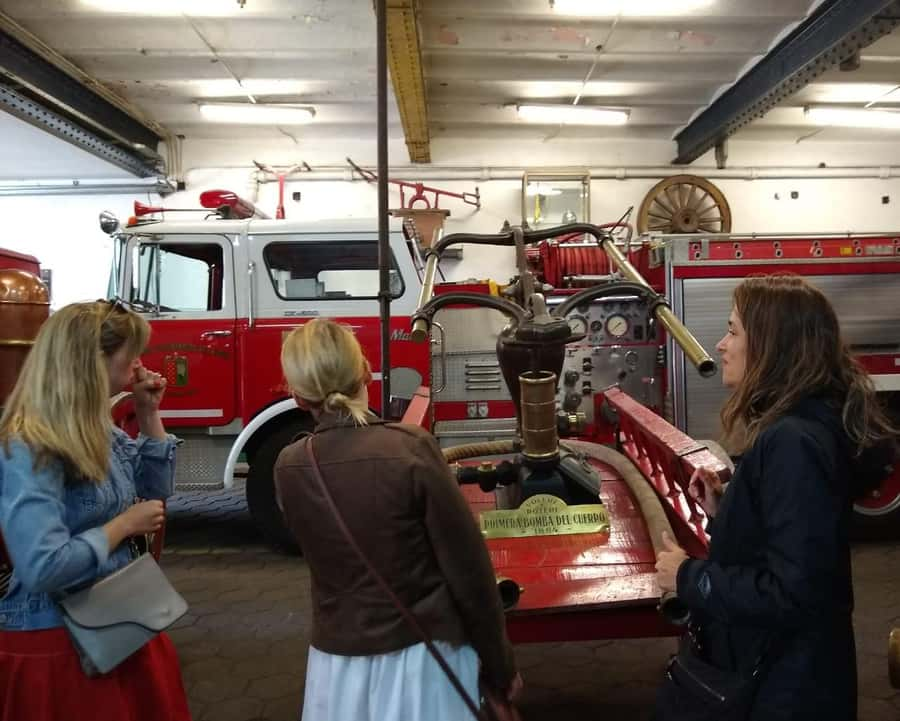
Next you visit one of La Boca’s mutual assistance associations, the Volunteer Fire Department, described as the first in all Argentina. This is not a monument stop. It is a community story stop.
The value here is the bigger idea: when formal services could not fully cover daily needs, neighbors created systems. Fire safety, emergency response, and support networks became part of how people protected their families and their livelihoods.
This is also one of those stops that makes you rethink “La Boca” as an identity built by institutions, not just murals and tango. The guide ties it back to the neighborhood’s social fabric, so it does not feel like a random building you walked into for 10 minutes.
Included entrance makes this easy. You are not worrying about extra ticketing for this specific stop.
Murals as social commentary: art you can read in the street
You will spend time on streets and walls with large murals. The tour’s whole approach is to explain the messages behind them. Some murals reflect social issues, and the guide helps you connect the dots between what you see on the wall and what was happening in the neighborhood.
This is where the experience earns its off-the-beaten-track title. Instead of treating murals like an art gallery, you treat them like public debate. And instead of explaining art in vague terms, the guide frames it so you understand the pressure and hope that shaped La Boca’s visual language.
You will also look at older buildings that, in the early 20th century, were tied to anarchist newspapers and bordellos. That part of the walking tour can feel sharp, even uncomfortable. That is okay. The point is honesty about how rootless communities survived, talked back, and built informal economies in the gaps left by society.
Expect the guide to handle these topics with clear context. It helps the tour stay respectful while still showing the real texture of the past.
Boca Juniors from outside, Salesian Church up close
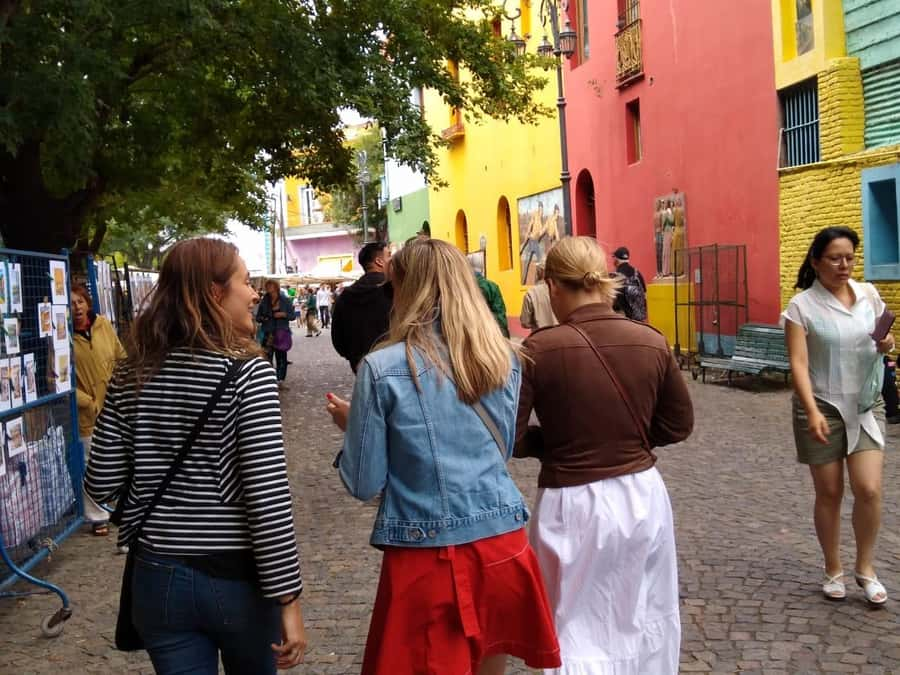
Two local icons come into view as you walk.
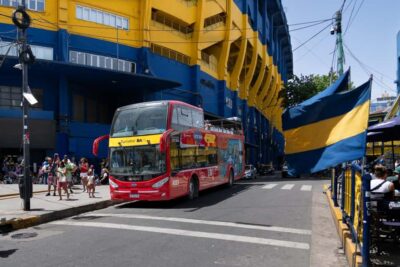
First is football. You will see the Boca Juniors Stadium from the outside. You are not going inside. Instead, the guide uses the stadium as a shortcut to explain why football matters in La Boca, not just as a sport but as a shared identity and a symbol people rally around.
Second is religion. You visit the Salesian Church, described as a refuge that worked for rootless communities. This angle is practical and human. It explains why certain religious institutions became gathering points when people had nowhere else stable to land.
Taken together, these stops show you a balanced pattern. Art speaks publicly through murals. Football holds community pride. Religion provides shelter and routine. Mutual aid fills emergency gaps. It is a full ecosystem.
Caminito for tango and fileteado: the finale with character
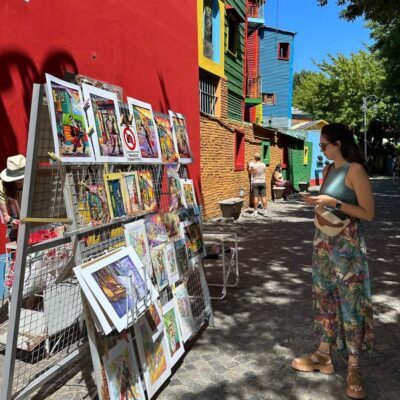
You end at Caminito, where tango and fileteado show up in every corner. Caminito is the part many people associate with La Boca, but the tour does not leave you there with only one layer.
Because you have already seen the port origins, the tenement housing, the mutual aid stories, and the social-issue murals, Caminito plays differently. You are not starting with the show. You are finishing with the visible surface, now backed by deeper context.
You also get to keep the vibe easy. The included coffee earlier in the tour gives you enough energy to enjoy the final stretch without feeling like you are sprinting through storefronts.
If your goal is to feel the neighborhood rather than just tick sights, this ending lands well.
Coffee in an old cafe from 1882, included
The tour includes coffee, about 30 minutes. It happens at an old cafe from 1882, which turns the break into part of the experience instead of a random stop.
This kind of cafe time is useful. It gives you a moment to cool down, reset, and absorb what you just learned while the city noise keeps moving around you.
You also get to watch how locals and regulars use a cafe. Even if your Spanish is basic, you will pick up the rhythm. It is one of those small touches that makes the tour feel grounded.
Price and value: is $35 worth 150 minutes in La Boca?
At $35 per person for about 150 minutes, this tour is priced like a focused, small-group cultural walk, not a long coach excursion. You also get included entrances to two key stops: the conventillo and the volunteer firefighter station. Add the included coffee, and the price starts to look fair for what you are doing.
You are not paying for an all-you-can-eat meal. Food is not included, so you should plan to eat after, or before, your tour.
One more value point is the small group size. Limited to 10 participants. That usually means more interaction, fewer dead minutes, and a smoother pace for inside visits.
If you are trying to see La Boca without spending extra time managing tickets, this layout is a good deal. The big tradeoff is the tour does not include everything. If you want a museum add-on, you will handle it separately.
Optional add-on: the Quinquela Martin Museum ticket
If you want to visit the Museum of Fine Arts of La Boca, you can, but the ticket entrance is not included. Part of the building was the home of Benito Quinquela Martin, so it connects to La Boca’s identity through one of its most famous artists.
This option is best if you already enjoy art history and want a more formal, indoor counterpart to the street-level murals you see during the walk.
If museums are not your thing, you can skip it and still leave the tour with plenty to think about. The street and building visits do most of the heavy lifting.
Who should book this La Boca off-the-beaten-track walk
This tour is a strong match if you want La Boca to feel human and explained. You will enjoy it most if you:
- like guides who connect art to real social context
- want to see more than the main Caminito stretch
- prefer a small group setting with time for questions
- appreciate inside stops like the conventillo and the mutual aid building
It is less of a match if:
- you want a purely relaxed, photo-only stroll
- you need frequent seated breaks, since the experience is built around walking and inside visits
- you have limitations that conflict with tour rules, like electric wheelchairs not being allowed
There is also an age note: it is not suitable for people over 95 years. If you are close to that range or have mobility concerns, you should check with the provider before booking.
Should you book this tour?
Yes, if you want La Boca with context. This is one of those tours where the murals, the tenement housing, and the mutual aid institutions all connect into a single story. You finish in Caminito, but you arrive with better eyes.
I would skip it only if you are chasing the easiest, most effortless sightseeing day. This walk has substance. It includes uncomfortable parts of the neighborhood’s past. It also has heat and street walking built into the format.
If your perfect Buenos Aires day includes a small group, a local guide like Paola De Luca, inside visits, and a coffee break in a historic cafe, this one is a very solid bet.
FAQ
How long is the tour?
The duration is 150 minutes.
How much does the tour cost?
It costs $35 per person.
Where do we meet, and where do we finish?
You meet at the corner of Martín Rodríguez and Avenida Don Pedro de Mendoza in La Boca, and you finish in Caminito.
Is coffee included?
Yes. Coffee is included, and it lasts about 30 minutes.
What is included in the price besides coffee?
The entrance to the Firefighter Station and the entrance to the Conventillo are included.
Is the Quinquela Martin Museum included?
If you want to visit the Museum of Fine Arts of La Boca, the ticket entrance is not included.
What languages does the guide speak, and how big is the group?
The live guide speaks Spanish and English, and the group is limited to 10 participants.
Is free cancellation available, and are there restrictions?
Free cancellation is available up to 24 hours in advance for a full refund. Electric wheelchairs are not allowed, and the tour is not suitable for people over 95 years. Jewelry and alcohol and drugs are also not allowed.
More Tour Reviews in Buenos Aires
La Boca Beyond Caminito
Newest Buenos Aires write-ups on the desk
- Tango Show at El Querandi with optional Dinner★ 4.2 · 3 reviews
- Velez Sarsfield Football Match★ 5.0 · 3 reviews
- Tango Show at: MichelAngelo★ 4.5 · 3 reviews
- Guided tour Boca Juniors Museum & Stadium + Caminito★ 3.3 · 3 reviews
- From Colonialism to Eclecticism, Buenos Aires arquitectonica★ 5.0 · 3 reviews
- Enjoy a Rural Experience in a Vineyard near Buenos Aires★ 4.7 · 3 reviews
The rest of the La Boca and Caminito Tours list.
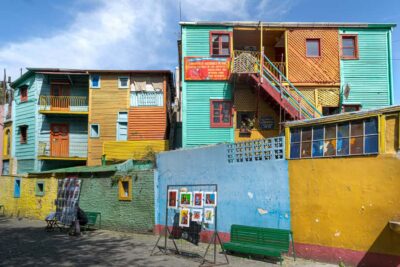 ★ 4.8Buenos Aires: La Boca Guided Walking Tour in EnglishFrom $131,587 reviews
 ★ 4.5Buenos Aires: Tickets to Boca Juniors Museum & StadiumFrom $38581 reviews
 ★ 4.1Buenos Aires: Navigation from Pto. Madero to La BocaFrom $18147 reviews
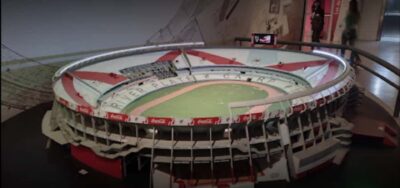 ★ 4.3Buenos Aires: Boca Juniors and River Plate Football TourFrom $8982 reviews
 ★ 4.5Buenos Aires Bike Tour: San Telmo and La Boca DistrictsFrom $4574 reviews
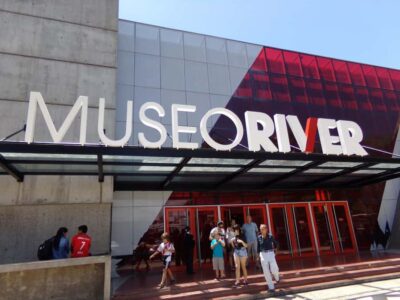 ★ 4.5Buenos Aires: River Plate and Boca Juniors Museum TourFrom $10372 reviews
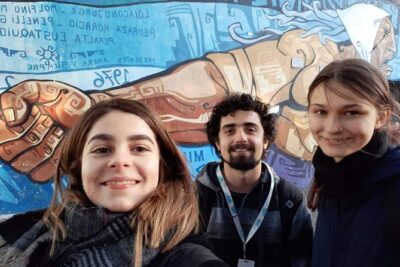 ★ 5.0La Boca, a collective creation: Port, immigrants, arts and footballFrom $6558 reviews
 ★ 4.8Buenos Aires: La Boca Art and History Walking TourFrom $4655 reviews
Lists this one is on