
REVIEW · SALTA AND CALCHAQUI VALLEY TOURS
From Salta: City Tour of the city on a half-day ride
Salta hits you with contrast fast, colonial streets one minute and big views the next. This half-day ride is designed for getting your bearings quickly, with stops around the historic center plus time at Cerro San Bernardo and the Quebrada de San Lorenzo area. It is a smart pick if you want a first taste of what makes Salta feel special without turning the day into a full-day marathon.
My favorite part is how much you actually see in just 4 hours, including major plazas, churches, and monuments, then those scenic breaks outside the city. You also get included hotel pickup and a Spanish-speaking guide who keeps things moving, which helps when your schedule is tight. The tradeoff is that this is not a museum crawl, a lot of the cultural stops are brief photo and exterior visits, and you will spend meaningful time on the vehicle between areas.
In This Review
- Key Highlights You Will Feel Right Away
- Getting Oriented in Salta’s Historic Core (In a Hurry, on Purpose)
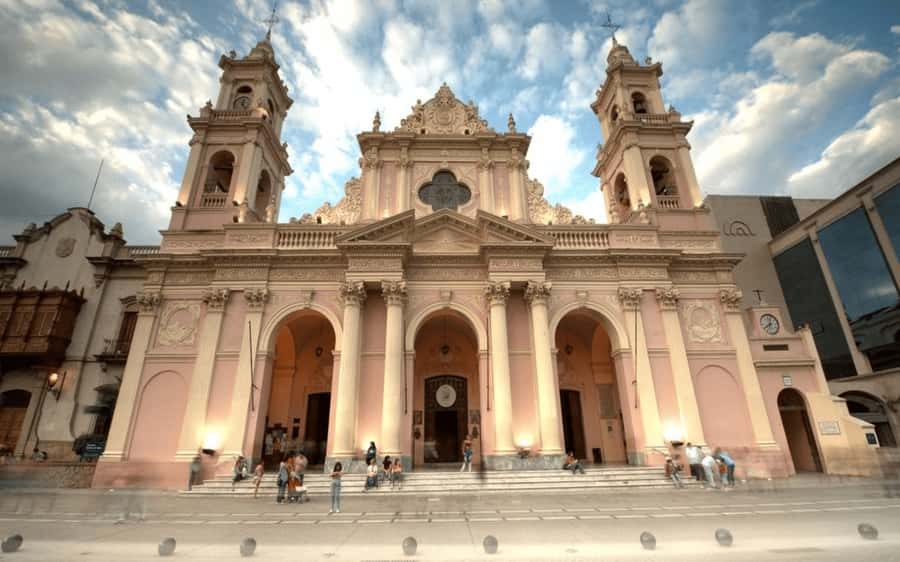
- Plaza 9 de Julio and the Cathedral Basilica: the Center That Sets the Tone
- History Museum of the North and Uriburu House: Quick Stops, Real Context
- San Francisco Convent and Convento San Bernardo: Colonial Stops That Add Texture
- Cerro San Bernardo Viewpoint: The Part You Don’t Want to Rush
- General Güemes Monument and the 20 de Febrero Area: A Story Set in Stone
- The Vehicle Time: What to Expect When the Route is 90 km Long
- Quebrada de San Lorenzo: Views, Stroll Time, and Shopping Without the Rush
- Mercado Artesanal de Salta: Where Your Souvenirs Actually Get Easier
- Price and Logistics: Is $20 Worth It?
- Who This Tour Suits Best (And Who Might Feel Frustrated)
- Should You Book La Quebrada Turismo’s Salta City Tour?
- FAQ
- How long is the Salta half-day city tour?
- What does the tour include?
- What are the main places you will visit?
- Is food or drinks included?
- What language is the guide?
- Does the tour run in rain or bad weather?
- Are pets or alcohol allowed?
Key Highlights You Will Feel Right Away
- Cerro San Bernardo viewpoint time, including a short walk plus free time for photos and shopping
- Colonial Salta core, with quick guided stops at landmark buildings like the Cathedral Basilica and convents
- Quebrada de San Lorenzo break, designed for views, strolling, and souvenir shopping
- Monument stops that set the story, including General Güemes and the 20 de Febrero area
- Craft market time at Mercado Artesanal de Salta, so you can buy locally without rushing
More of the valleys out of Salta
- From Salta: Full-Day Trip to Salinas Grandes and Purmamarca
★ 4.6 · 914 reviews - From Salta: Full-Day Tour to Cafayate with Wine Tasting
★ 4.5 · 478 reviews - From Salta: Salinas Grandes, Purmamarca & Los Colorados Hike
★ 4.3 · 356 reviews - Full-Day Tour Cafayate Calchaqui Valleys with Wine
★ 4.5 · 347 reviews
Getting Oriented in Salta’s Historic Core (In a Hurry, on Purpose)
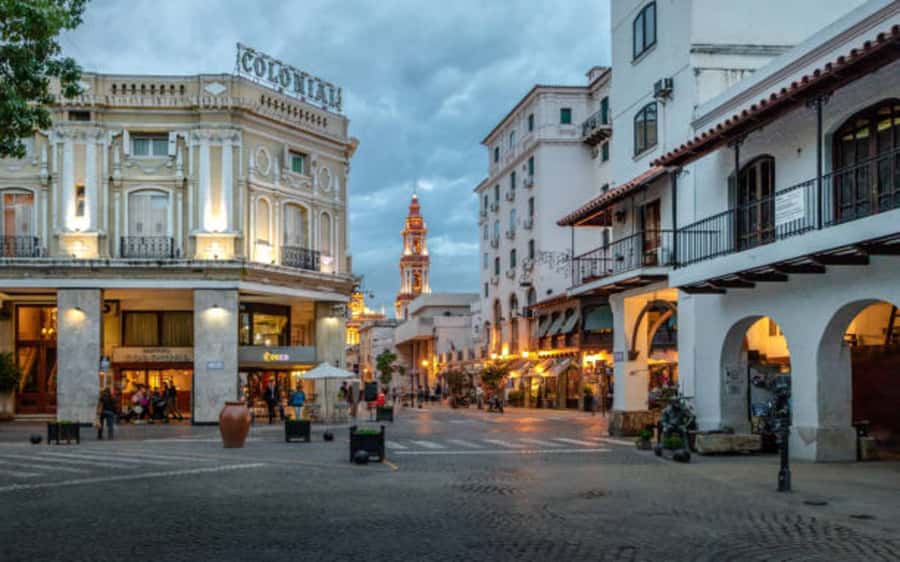
This tour is built for momentum. In one outing you cover the main “old town” zones, then you get out toward the hills and the gorge. The overall distance is about 90 km, and the plan includes multiple coach segments, so expect comfort and snacks later rather than constant nonstop walking.
The advantage of a tight format like this is simple: it helps you connect the dots. Salta can look like a postcard from street level, but the monuments, convents, and colonial facades also point toward the political and religious history that shapes the city. If you only have half a day, this route gives you the visual anchors you can later explore at your own pace.
Timing-wise, the tour is about 4 hours total. Inside that window, many stops are short guided segments, followed by photo moments and quick walking where it makes sense. That is why it works best when you view it as a guided “starter pack” rather than a slow, deep, sit-down visit to everything.
Plaza 9 de Julio and the Cathedral Basilica: the Center That Sets the Tone
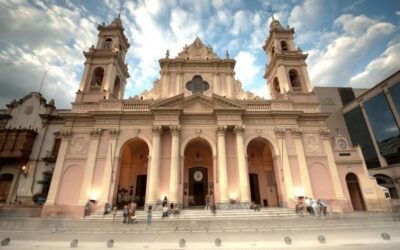
You start around Plaza 9 de Julio, Salta’s classic central square. You get a photo stop and a guided tour for about 10 minutes, which is enough time to understand what you are looking at, then move on without burning half your day. This early stop matters because it places you in the city’s rhythm right away.
From there, the Catedral Basílica de Salta is the next big visual moment. Expect another photo stop with a brief guided explanation. Even when visits are short, the cathedral area is worth it because it anchors the tour in real architecture, not just a drive-by. If you like getting the “why” behind a place, you will want to listen carefully during the guide’s quick comments, because the tour keeps rolling.
Practical tip: if your Spanish is basic, you can still follow along by watching for cues like where the guide points, and then using that to guide what you ask during the short stops.
History Museum of the North and Uriburu House: Quick Stops, Real Context
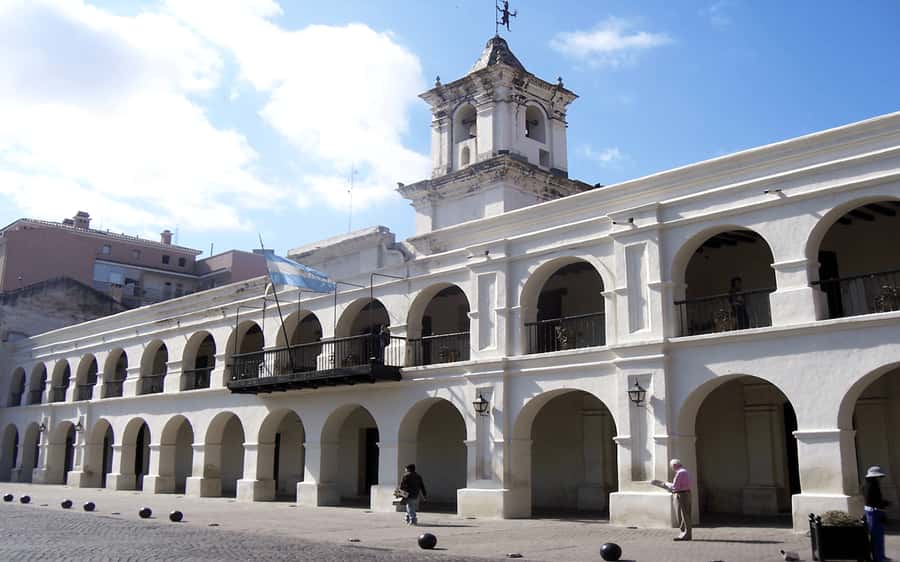
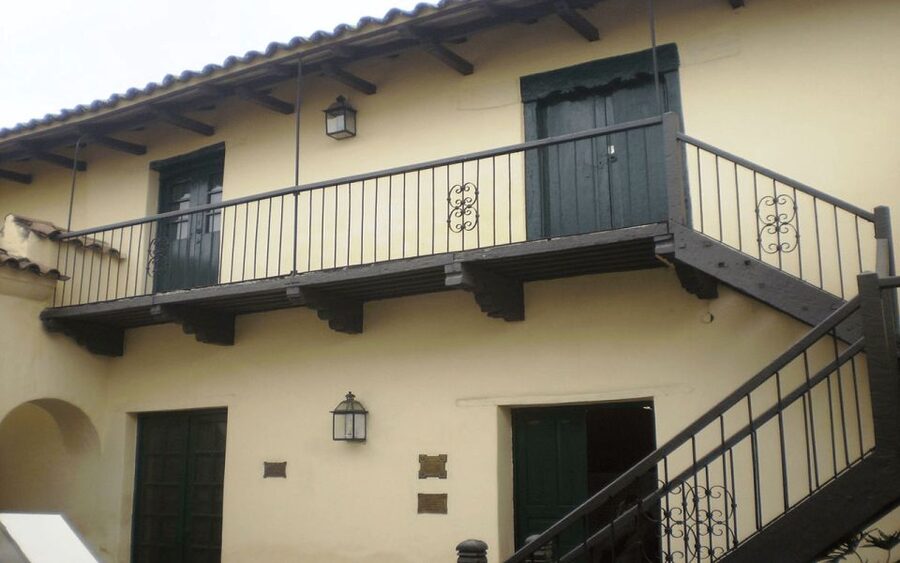
After the main square and cathedral, the plan moves to the History Museum of the North for a shorter stop (about 5 minutes). Then you continue to the President Jose E. Uriburu Museum area for another guided segment (about 10 minutes). These are not long-entry museum sessions in this format. Think of them as exterior and context moments, where the guide points out what makes each place important.
Why this is still valuable: Salta’s story shows up in the objects and collections inside museums, but the tour format gives you just enough context to decide whether you want to return for a deeper visit later. If you are the type who prefers to choose only the museums that truly match your interests, you will likely appreciate this approach. You do not get forced into spending time on everything.
One caution: if you are expecting lots of time inside museum rooms, you might feel shortchanged. The tour is focused on coverage, not prolonged museum study.
Other loops around Salta
San Francisco Convent and Convento San Bernardo: Colonial Stops That Add Texture
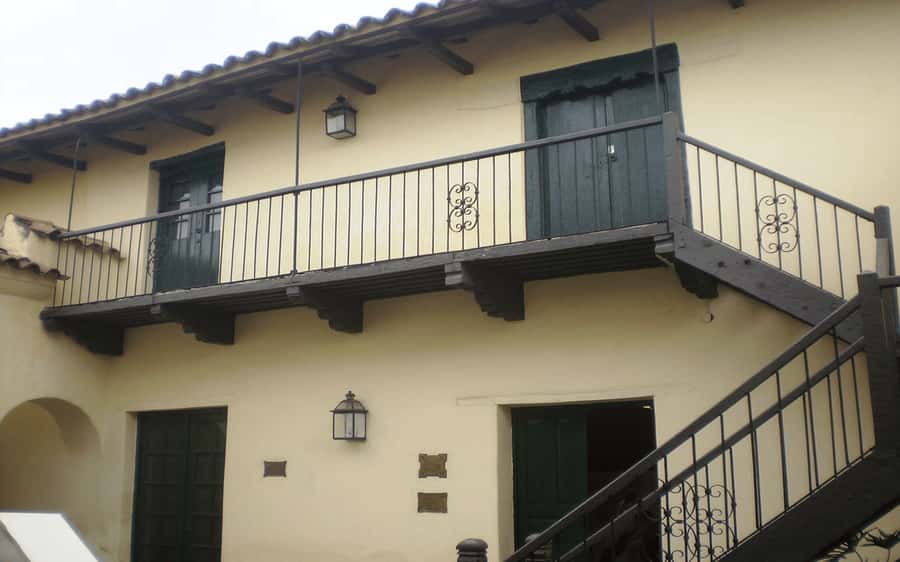
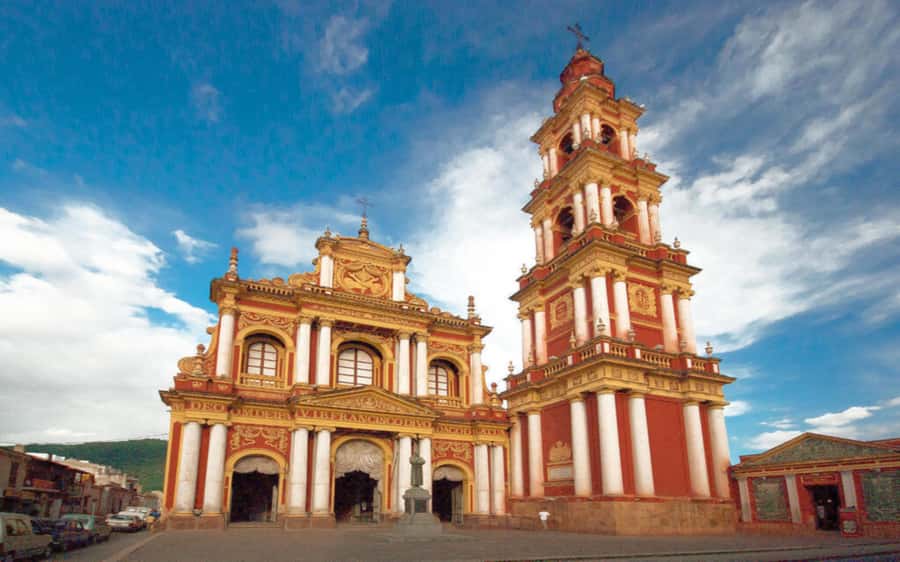
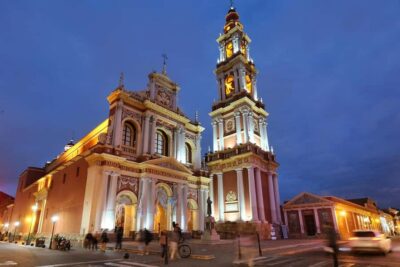
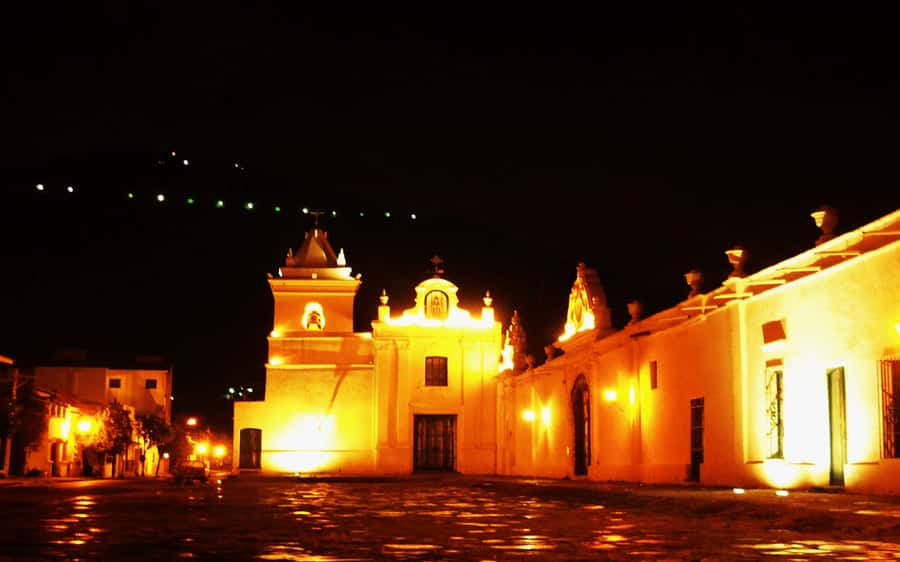
Next come the religious landmarks. You visit the Iglesia y Museo San Francisco for a photo stop and a brief guided moment (about 10 minutes). Then you move to Convento San Bernardo with another photo stop and guided segment (about 10 minutes).
These stops can feel similar on paper, but they work in the flow of the day. Convent areas add a different texture than plazas and monuments. They also help you picture how colonial life likely organized space, with religious sites acting as major anchors for community and power.
Even if you only spend a short time here, the tour’s structure gives you the visual cues you need. When you later walk around on your own, you will recognize the buildings faster, which makes those return trips more enjoyable.
Cerro San Bernardo Viewpoint: The Part You Don’t Want to Rush
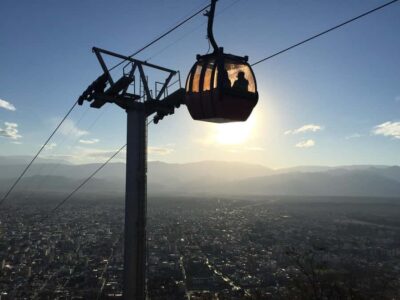
If there is one stop that people tend to remember, it is Cerro San Bernardo. Here the tour gives you the most time on foot compared with the earlier “photo and walk” rhythm. You get a guided visit plus about 30 minutes of free time. That is where you can slow down.
This is the viewpoint stop. It is also the one that makes the hours outside the vehicle feel worth it. If you like panoramic photo moments, you will want your camera ready as the group approaches the viewpoint area. And because you have a real chunk of time, you can take your time circling for angles instead of snapping one photo and moving on.
The tour plan also includes shopping time around this stop. That means the souvenir side of Salta shows up here, not just at the final market. It is a good combo if you want to buy something small while the views are still fresh in your mind.
General Güemes Monument and the 20 de Febrero Area: A Story Set in Stone
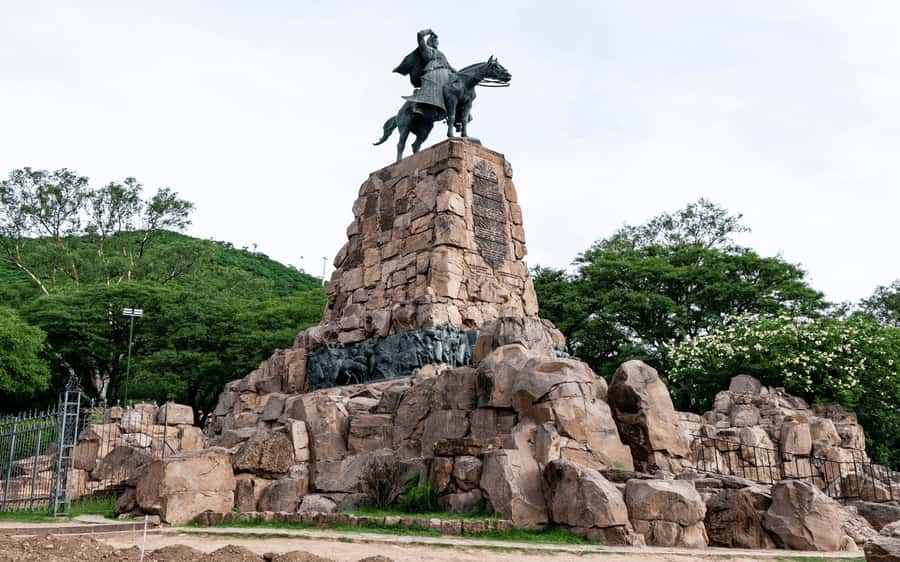
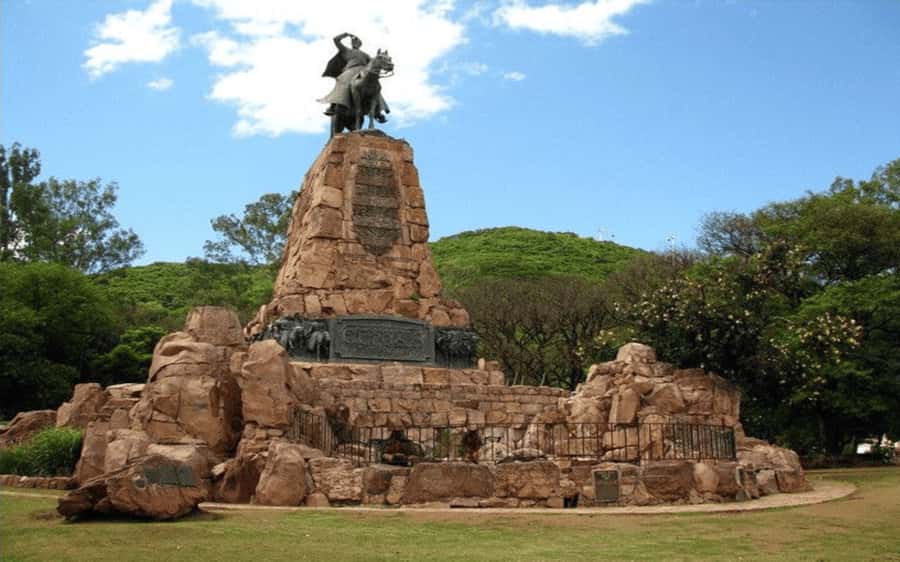
After the San Bernardo area, you head toward the Monument General Martin Miguel de Güemes for a photo stop, guided tour, and a walk segment (about 15 minutes). You then stop at the Monument 20 de Febrero for a shorter guided moment (about 5 minutes).
These stops matter because they give you a sense of national history, not just architecture. Güemes is one of those names that keeps appearing in northern Argentina, and seeing his monument helps you connect the dots between what you read in books and what you see in public space.
For a half-day tour, this is a good balance. You get an emotional, story-driven element without losing too much time to “lecture mode.” Still, the group moves quickly here, so if a guide’s explanation is important to you, lean in during the walk segments rather than during the vehicle transfers.
The Vehicle Time: What to Expect When the Route is 90 km Long
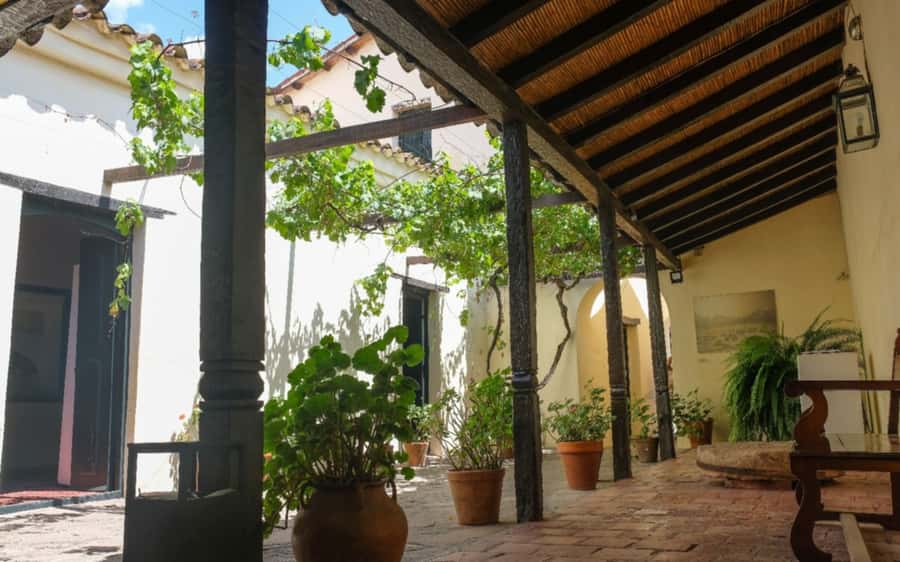
A big reality check: this tour includes several bus or coach segments, including about 30 minutes between key areas, plus a few shorter rides. In other words, this is not a walking-first experience. It is an “optimize the distance” experience.
That is not automatically bad. The trade is that you get a broader sweep of places without having to navigate. But it can feel repetitive if you are hoping to see every location up close on foot. There is also the practical issue of hearing the guide. If the vehicle has a loud air-conditioning system, the guide’s Spanish commentary can be harder to catch during the ride sections.
What I recommend for you: bring a basic patience mindset for the transfers, and use your time on the vehicle to review what you just saw, then focus on asking questions the moment you stop.
Quebrada de San Lorenzo: Views, Stroll Time, and Shopping Without the Rush
Then you head to Quebrada de San Lorenzo, with another photo stop plus a guided visit and about 30 minutes of free time. You also get shopping and sightseeing time, with a walk segment included.
This is where the tour shifts from city architecture to a more outdoor feel. The gorge area is a classic reason people choose Salta in the first place, because the dramatic setting makes the region feel bigger than the city streets. Even with only a short window, you will have time to enjoy the views and wander a bit without feeling chained to a strict schedule.
You will also see the local shopping angle here. The free time is long enough to browse for a souvenir that actually fits your trip, not a rushed “grab and go” moment.
Mercado Artesanal de Salta: Where Your Souvenirs Actually Get Easier
The tour ends with time at the Mercado Artesanal de Salta. You get another photo stop and guided tour, plus about 20 minutes for shopping and a craft market visit. This is a helpful final stop, because you can compare prices and styles while you still have energy left.
Why I like ending here: it reduces the pressure to decide earlier. If you saw something at Cerro San Bernardo that was tempting, you can compare it here. If you skipped shopping earlier, this is your last chance without adding an extra trip.
Since food and drinks are not included, a market stop is also a good place to pick up a small snack or water on your own, depending on what is available when you arrive.
Price and Logistics: Is $20 Worth It?
At $20 per person for a roughly 4-hour tour, the value comes from three things: included transportation, hotel or central pickup, and a Spanish-speaking guide that connects multiple key sights in one loop. You are also getting time outside the city at Cerro San Bernardo and the Quebrada de San Lorenzo area, which normally costs more in both time and planning if you do it independently.
What you are not paying for is long museum entry time or included meals. Food and drinks are not included, so you should budget for your own water and snacks. If you are the type who gets hungry mid-morning or mid-afternoon, plan ahead so you do not feel cranky during the outdoor segments.
Logistics matter too. Pickup is included, and you are expected to be ready in the hotel lobby about 10 minutes before the scheduled time. The driver will carry a sign with their surname, and they will not wait more than 5 minutes after the pickup time. That means you should set a calm alarm, not a “we will see” plan.
One more practical note: the tour is not suspended due to rain or bad weather. That is great for reliability, but it also means you should pack a light rain layer and footwear you can walk in comfortably.
Who This Tour Suits Best (And Who Might Feel Frustrated)
This is a good fit if you want a first contact with Salta, especially if it is your first time in the city or you have limited time. The route also makes sense for families because the stops are short, the group keeps moving, and the schedule is predictable.
It is also ideal if you enjoy viewpoints and a bit of shopping. Cerro San Bernardo and the craft market time are built into the itinerary on purpose, so you are not left searching for souvenirs at the last minute.
Where it might not fit: if you want deep explanations at each cultural site, long museum visits, or lots of time on foot at every stop. The tour moves briskly, and some stops are mostly photo moments. If you are hoping your guide stays with you for extended interior time or long museum learning, you may want to look for a longer, more museum-focused option instead.
Should You Book La Quebrada Turismo’s Salta City Tour?
If your goal is to see the highlights fast, this is a strong candidate. For $20, you get a guided overview of Salta’s colonial core, a major viewpoint at Cerro San Bernardo, a gorge area stop at Quebrada de San Lorenzo, and a craft market window to bring something home. It is a practical way to turn half a day into real understanding of where Salta’s story shows up in real places.
I would book this if you can accept that it is a starter pack, not a deep course. You will likely enjoy it most if you come with curiosity, listen closely during the short guided segments, and plan to do fuller independent visits later if anything really grabs you.
FAQ
How long is the Salta half-day city tour?
The tour lasts about 4 hours.
What does the tour include?
It includes Salta city stops, Cerro San Bernardo, Quebrada de San Lorenzo, the craft market, the Guemes monument, transportation by transit, sprinter, or minibus, a Spanish guide, and hotel or central address pickup.
What are the main places you will visit?
You will stop at Plaza 9 de Julio, Catedral Basílica de Salta, History Museum of the North, President Jose E. Uriburu Museum, Iglesia y Museo San Francisco, Convento San Bernardo, Cerro San Bernardo viewpoint, Monument General Martin Miguel de Guemes, Monument 20 de Febrero, Quebrada de San Lorenzo, and Mercado Artesanal de Salta.
Is food or drinks included?
No. Foods and drinks are not included.
What language is the guide?
The live tour guide speaks Spanish.
Does the tour run in rain or bad weather?
The excursion is not suspended due to rain or bad weather.
Are pets or alcohol allowed?
Pets are not allowed, and alcohol and drugs are not allowed.
More Tours in Salta
More Tour Reviews in Salta
The Valleys, Further In
Newest Salta write-ups on the desk
- Salta: Tour to the Salinas Grandes and Purmamarca★ 3.7 · 3 reviews
- Salta or Jujuy: Iruya and Salinas Grandes 2-Day Tour★ 4.3 · 3 reviews
- Salta en un Bocado – Cultural Tour & Empanada Tasting★ 5.0 · 3 reviews
- From Salta: Full-Day Tours of Cachi and Salinas Grandes★ 4.5 · 3 reviews
- From Salta: Cafayate,Humahuaca and Salinas Grandes in 3 days★ 3.6 · 3 reviews
- From Salta: 3-Day Cafayate, Cachi, and Humahuaca Guided Trip★ 4.7 · 3 reviews
The rest of the Salta and Calchaqui Valley Tours list.
 ★ 4.6From Salta: Full-Day Trip to Salinas Grandes and PurmamarcaFrom $38914 reviews
 ★ 4.5From Salta: Full-Day Tour to Cafayate with Wine TastingFrom $29478 reviews
 ★ 4.3From Salta: Salinas Grandes, Purmamarca & Los Colorados HikeFrom $43356 reviews
 ★ 4.5Full-Day Tour Cafayate Calchaqui Valleys with WineFrom $32347 reviews
 ★ 4.4From Salta: Cafayate, land of wines and imposing ravinesFrom $29347 reviews
 ★ 4.4From Salta: Serranías del Hornocal & Hill of 14 Colors TourFrom $63339 reviews
 ★ 4.5From Salta: Cachi and Los Cardones National Park TourFrom $30285 reviews
 ★ 4.4From Salta: Cafayate Day Trip with Wine TastingFrom $40226 reviews
Lists this one is on