
REVIEW · SALTA AND CALCHAQUI VALLEY TOURS
Salta en un Bocado – Cultural Tour & Empanada Tasting
Empanadas meet city history in Salta. This tour strings together colonial sights, a Gaucho hero viewpoint, and a hands-on lesson where you make empanadas salteñas in a historic setting. You start around Plaza 9 de Julio, then end with your own empanadas and a recipe booklet you can actually use.
I really like how the day mixes walking stories with cooking. And I also love that you leave with a recipe booklet, so the experience can follow you home, not just your camera roll.
One drawback to think about: it is not suitable for people with mobility impairments, and you will be moving around on city streets, so bring comfortable shoes.
In This Review
- Key Highlights: What You Will Remember
- Getting Your Bearings in Salta, From Mitre and España
- Palacio Arzobispal and the Start of the Colonial Story
- Plaza 9 de Julio, Plus the Cathedral and Cabildo Focus
- Cobblestones, Markets, and Typical Crafts
- Monument to General Martin Miguel de Güemes: The City From Above
- Casona Historica and the Agrupación Tradicionalista Gauchos de Güemes
- The Empanada Salteña Cooking Class, Dough to Filling
- Tasting Your Own Empanadas With Regional Wine
- Price and Value: Is $60 Fair for This Type of Day?
- What to Bring, What Not to Do, and How to Stay Comfortable
- Who Should Book This Salta Empanada and Culture Tour
- Quick Verdict: Should You Book Salta en un Bocado?
- FAQ
- How long is Salta en un Bocado?
- Where does the tour start and end?
- What is included in the price?
- Is wine included with the empanadas?
- What do I learn during the cooking class?
- What languages does the live tour guide speak?
- Is this tour a private group?
- Is the tour suitable for people with mobility impairments?
- Are transfers to the meeting point included?
Key Highlights: What You Will Remember
- Plaza 9 de Julio stops that help you understand Salta’s layout and colonial landmarks
- Monument to General Martin Miguel de Güemes with a viewpoint over the city
- Casona Historica experience at the Agrupación Tradicionalista Gauchos de Güemes
- 75-minute cooking class learning empanada salteña dough and filling step by step
- Your own tasting paired with a good wine of the region
- A take-home recipe booklet to recreate the empanadas at home
Narrowing the Salta list? These kept surfacing while we wrote.
- From Salta: Full-Day Trip to Salinas Grandes and Purmamarca
★ 4.6 · 914 reviews - From Salta: Full-Day Tour to Cafayate with Wine Tasting
★ 4.5 · 478 reviews - From Salta: Salinas Grandes, Purmamarca & Los Colorados Hike
★ 4.3 · 356 reviews - From Salta: Cafayate, land of wines and imposing ravines
★ 4.4 · 347 reviews
Getting Your Bearings in Salta, From Mitre and España
Your tour starts at the corner of Mitre and España, by the statue of Pope John Paul II. It is an easy landmark to find, and it sets the tone: this is a walkable, city-first experience, not a bus ride with quick photo stops.
From there, you get an orientation to Salta as you move toward major colonial points. Early on, I like that the guide gives context while you are still fresh and curious. You are not just ticking boxes. You are learning how the city feels and why certain buildings and plazas matter.
Also, because the tour is described as a private group, you should expect a more personal pace. That matters when you want to ask small questions, like how local traditions connect to food.
Palacio Arzobispal and the Start of the Colonial Story
One of the first named stops is the Palacio Arzobispal. Even if you only spend a short amount of time there, it frames the rest of the walk: Salta’s identity shows up in religious and civic buildings, then keeps echoing in the food and folk traditions.
The way the tour is structured works well for first-timers. You get to see a major landmark, then you quickly move to the heart of the city where everything becomes easier to place in your mind. By the time you reach Plaza 9 de Julio, you are already oriented.
Practical note: if you want photos without stress, put your camera away for a minute while you listen. The best images usually come right after the guide points out what to look for.
Plaza 9 de Julio, Plus the Cathedral and Cabildo Focus
Plaza 9 de Julio is the center of gravity for the old city. The tour includes a guided visit there (about 15 minutes), and this is where you will connect the architecture to the stories you hear.
This is also where the Cathedral and the Cabildo come into the picture. You might not realize how much a plaza can function like a map until someone helps you read it. The guide does that for you, and it makes the rest of the day feel less random.
If you enjoy learning by walking, this part is a good start. You get the main points of interest early, then you can slow down mentally while you explore.
More of the valleys out of Salta
Cobblestones, Markets, and Typical Crafts
After Plaza 9 de Julio, you continue through cobblestone streets. The plan includes time for sightseeing (about 30 minutes) and a short visit (about 10 minutes), with stops that include local markets and typical handicrafts.
This is the portion I would treat like your buffer time. It is where you can look at textures and goods, not just buildings. If you like small purchases, this is the moment when handmade items usually make more sense than souvenir shopping later.
For the best experience, do not try to do everything. Pick one or two stalls or craft types to focus on. You will notice more, and you will actually remember what you saw.
One more thing: the tour notes call out a no audio recording rule. So plan to take notes with your phone or a small notebook if that helps you.
Monument to General Martin Miguel de Güemes: The City From Above
Next comes the Monument General Martin Miguel de Guemes, with another guided segment (about 15 minutes). This stop is not only about a statue. It is about the story of Salta through one of its most emblematic gaucho figures.
From the monument area, you get a view of the city. That viewpoint time is short, but it gives your brain a reset. After walking street-level, seeing Salta from above helps you understand distances and how neighborhoods connect.
If you like history that feels personal, this is a strong moment. The guide talks about culture and customs, and the monument location adds weight to what you are hearing.
Bring your camera here, but take one slow look before you start snapping. The view works best when you let it register.
Casona Historica and the Agrupación Tradicionalista Gauchos de Güemes
The heart of the tour moves to the Casona Historica, headquarters of the Agrupación Tradicionalista Gauchos de Güemes. This is where the schedule shifts from walking to learning, and it is a key part of why the experience feels authentic.
You get about 300 meters of continuation from the Guemes monument area to reach the Casona Historica. The timing is quick enough to keep momentum, but slow enough that you are not rushing.
What I like here is the setting. When a cooking class happens in a place tied to local tradition, the meal stops being generic. You are learning in a cultural context, not in a stand-alone kitchen that could be anywhere.
The Empanada Salteña Cooking Class, Dough to Filling
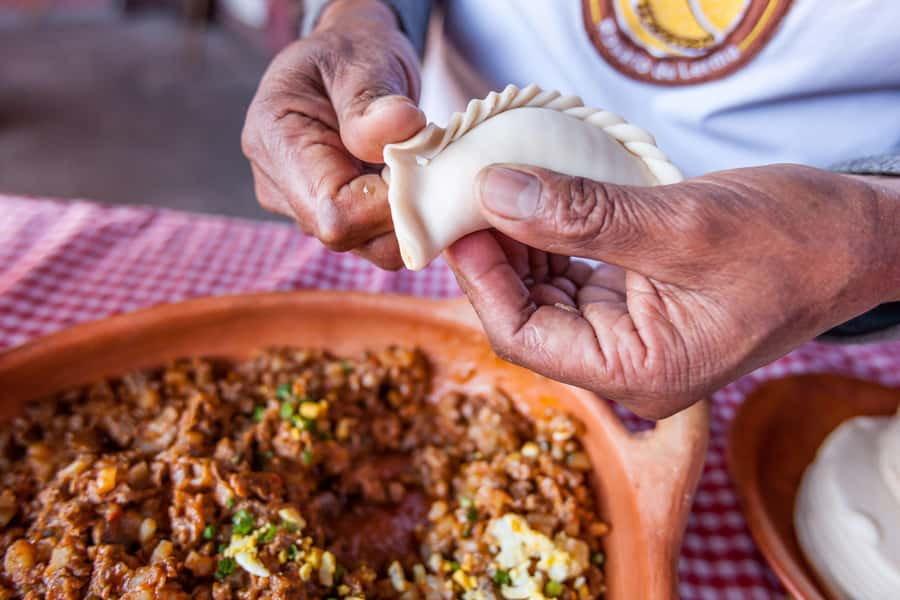
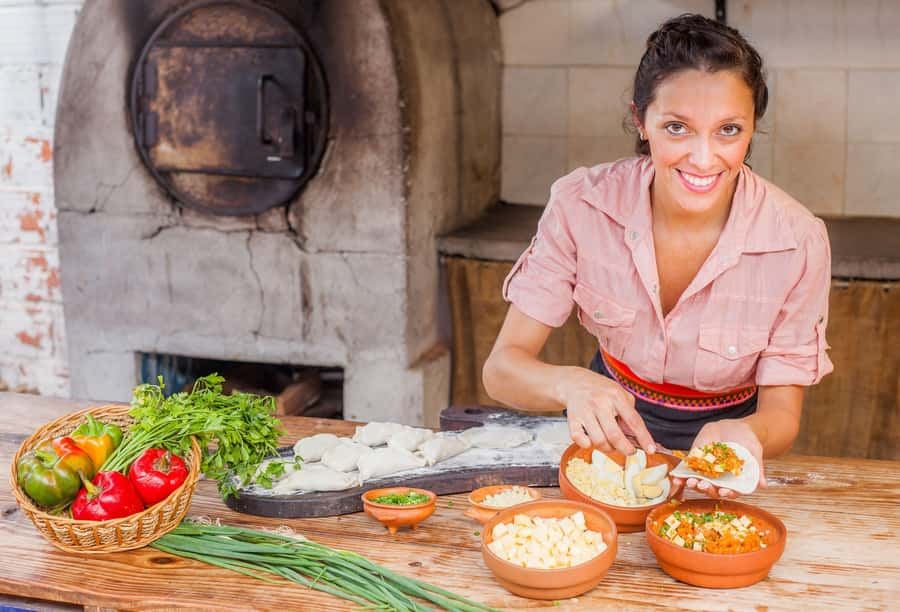
Your cooking class lasts about 75 minutes. This is the main skill-building portion of the tour, and it is set up to teach you the secrets of empanadas salteñas from dough to filling.
The value here is not just eating. It is method. You see how the dough is handled, how the filling is prepared, and how everything comes together into the final empanada form. That hands-on work is why I think this tour is more useful than most food tastings.
And yes, you are making your own empanadas. One review mentioned that the empanadas were tasty even if they did not look as perfect as the chef’s. That is reassuring, because it means you should not feel pressure to be a pastry artist. You are here to learn, not to produce perfection.
Chef-led help matters in this kind of class. If anything feels confusing, ask. You will get better results by fixing questions early rather than hoping everything clicks at the end.
Tasting Your Own Empanadas With Regional Wine
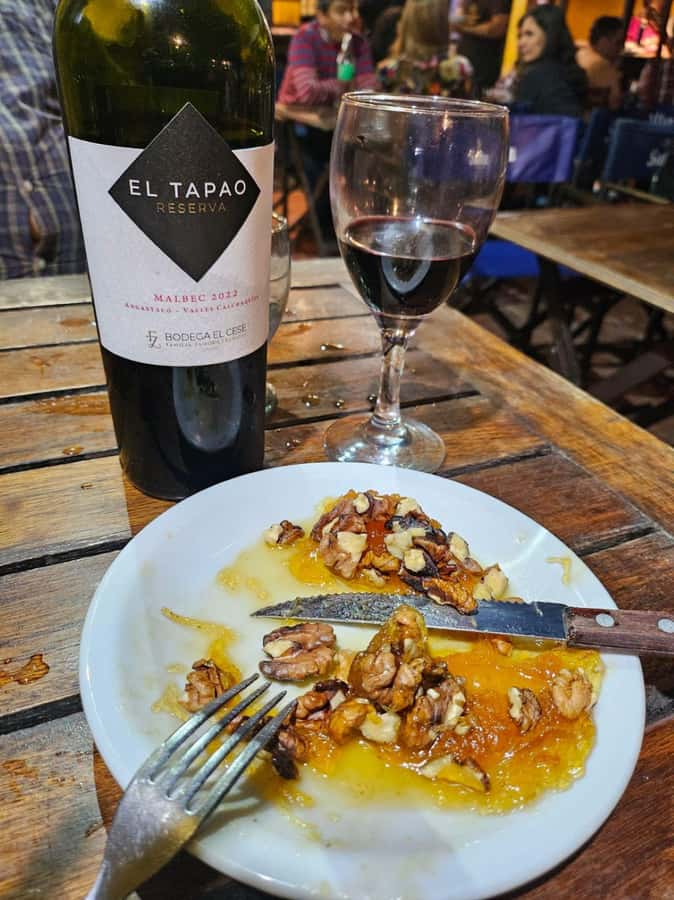
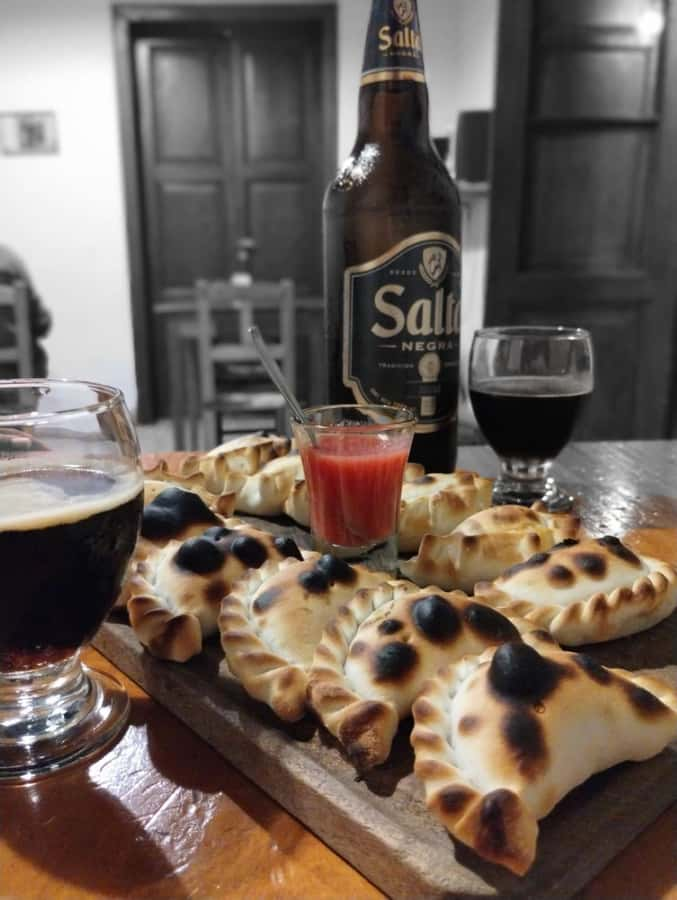
After class, it is time to enjoy. You taste what you made, and you also get a good wine of the region to go with it.
This part balances the day in a satisfying way. Before tasting, you have muscle memory from the cooking. After tasting, you understand what you actually did right or wrong, which helps you recreate it later.
You will also share anecdotes and laughter with other participants during the tasting. Even in a private group setup, that social element tends to loosen the mood. It turns the class into a real shared experience, not a lecture followed by lunch.
If you are a practical eater, treat this as a quality check. Pay attention to flavor, texture, and how the filling tastes after cooking. That is the info you will want when you try again at home.
Price and Value: Is $60 Fair for This Type of Day?
At $60 per person, this is not a budget snack. But it does not pretend to be one either. You are paying for a few things that add up quickly: a live tour guide, the cooking class, the empanada tasting, and the recipe booklet.
The biggest value driver is the hands-on element. A walking tour with no skill component is fine, but you walk away remembering photos. Here, you walk away with a repeatable dish, plus instructions you can use later.
The guide also handles the pacing. With timed stops around key landmarks, you do not lose time deciding what to look at or when to move on. For a short stay in Salta, that can be worth a lot.
If you love food and also enjoy city context, the price makes sense. If you only want a quick taste with no cooking, you might prefer a simpler meal-focused option. But for a one-day “learn and eat” experience, this feels like solid value.
What to Bring, What Not to Do, and How to Stay Comfortable
The tour asks you to bring comfortable shoes, a hat, a camera, and a reusable water bottle. That is not random advice. Salta streets can be uneven, and a hat helps if the sun is out while you are on the walk.
It also lists clear restrictions: no smoking, no bikes, no feeding animals, no audio recording, and no bare feet. Follow them, and you keep the experience smooth for everyone.
One more practical tip: wear shoes you can walk in for hours. The tour is about four hours in total, with guided segments and short transitions. If your feet get tired, your enjoyment drops fast, especially during the cooking class when you are focused on details.
Who Should Book This Salta Empanada and Culture Tour
I think this works best for you if:
- You want to see Salta beyond a single viewpoint
- You enjoy learning by doing, not just watching
- You want something memorable to recreate at home
- You like food that ties into local tradition
It may not be your best fit if you have mobility limits, because it is not suitable for people with mobility impairments. Also, if you hate hands-on cooking, you could find the 75-minute class a bit long. But if you are even mildly curious, give it a chance. The pace is guided.
Language-wise, it is offered in Spanish and English, so you should feel included regardless of which language you speak.
Quick Verdict: Should You Book Salta en un Bocado?
If you want a day in Salta that connects street-level history to a real skill, I would book this. The combination of a guided city walk, a historic cultural setting, and a chef-led empanada lesson gives you two kinds of memories: what you saw, and what you can make.
Choose it especially if you are the type of traveler who likes taking one strong item home. Here, that item is empanadas salteñas, plus a recipe booklet that helps you repeat the experience without guessing.
FAQ
How long is Salta en un Bocado?
The tour lasts approximately 4 hours.
Where does the tour start and end?
It starts at the corner of Mitre and España, where the Pope John Paul II statue is located, and it ends back at the same meeting point.
What is included in the price?
The price includes a tour guide, a cooking class, empanadas tasting, and a recipe booklet.
Is wine included with the empanadas?
Yes. After the class, you taste your empanadas accompanied by a good wine of the region.
What do I learn during the cooking class?
You learn to prepare empanadas salteñas, from the dough to the filling.
What languages does the live tour guide speak?
The tour guide speaks Spanish and English.
Is this tour a private group?
Yes, it is listed as a private group.
Is the tour suitable for people with mobility impairments?
No, it is not suitable for people with mobility impairments.
Are transfers to the meeting point included?
No. Transfers to the meeting point are not included.
More Tour Reviews in Salta
The Valleys, Further In
Newest Salta write-ups on the desk
- Salta: Tour to the Salinas Grandes and Purmamarca★ 3.7 · 3 reviews
- Salta or Jujuy: Iruya and Salinas Grandes 2-Day Tour★ 4.3 · 3 reviews
- Salta en un Bocado – Cultural Tour & Empanada Tasting★ 5.0 · 3 reviews
- From Salta: Full-Day Tours of Cachi and Salinas Grandes★ 4.5 · 3 reviews
- From Salta: Cafayate,Humahuaca and Salinas Grandes in 3 days★ 3.6 · 3 reviews
- From Salta: 3-Day Cafayate, Cachi, and Humahuaca Guided Trip★ 4.7 · 3 reviews
The rest of the Salta and Calchaqui Valley Tours list.
 ★ 4.6From Salta: Full-Day Trip to Salinas Grandes and PurmamarcaFrom $38914 reviews
 ★ 4.5From Salta: Full-Day Tour to Cafayate with Wine TastingFrom $29478 reviews
 ★ 4.3From Salta: Salinas Grandes, Purmamarca & Los Colorados HikeFrom $43356 reviews
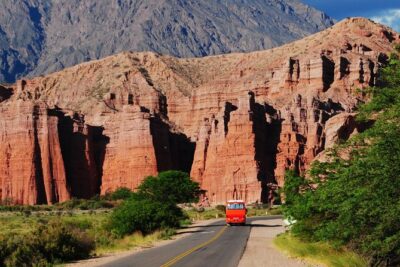 ★ 4.5Full-Day Tour Cafayate Calchaqui Valleys with WineFrom $32347 reviews
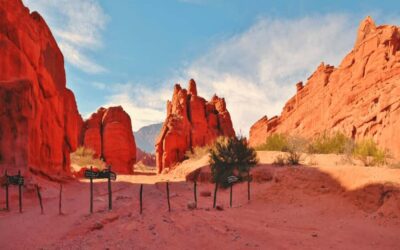 ★ 4.4From Salta: Cafayate, land of wines and imposing ravinesFrom $29347 reviews
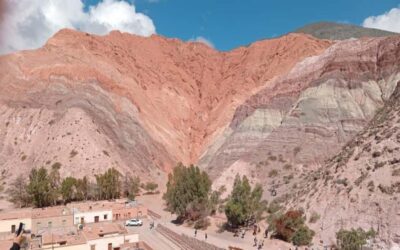 ★ 4.4From Salta: Serranías del Hornocal & Hill of 14 Colors TourFrom $63339 reviews
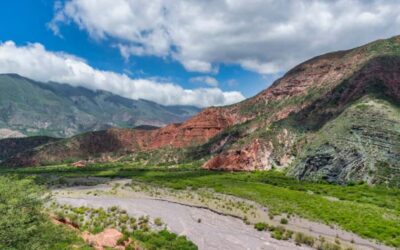 ★ 4.5From Salta: Cachi and Los Cardones National Park TourFrom $30285 reviews
 ★ 4.4From Salta: Cafayate Day Trip with Wine TastingFrom $40226 reviews