
REVIEW · SALTA AND CALCHAQUI VALLEY TOURS
From Salta: Cachi and Los Cardones National Park Tour
High-altitude cacti, then colonial Cachi. This tour strings together the best mountain-and-desert scenery around Salta, from Cuesta del Obispo viewpoints to Argentina’s only high-altitude national park. I also love how the day mixes wild geology stops with time in a real town, especially Cachi’s cobbled streets and snow-peak views. One thing to consider is the long day and the altitude, so plan to move slowly at the higher points and come prepared.
What really makes it work is the pacing and the guide. You get a bilingual guide in Spanish and English, and the route is built for photo stops, short walks, and guided explanations rather than a full marathon hike. You’re paying for comfort, local expertise, and a route you would not easily piece together on your own.
Key highlights you should care about
- Los Cardones National Park: the big, high-altitude cactus world of Argentina
- Recta del Tin Tin: an 11-kilometer Inca road sighting stop
- Cachi: 2 free hours in a colonial-style town at the foot of Nevado de Cachi
- Precordillera de los Andes drive: multiple valleys, gorges, and high mountain passes
- Bilingual guide (Spanish and English): geology and nature explained along the way
In This Review
- Why this Salta day trip beats a simple quick stop
- Leaving Salta: Lerma Valley to high-desert terrain
- Cuesta del Obispo: the viewpoint stop that sets the mood
- Escoipe Gorge and the climb into valleys
- Recta del Tin Tin: the Inca road, straight and serious
- Payogasta and the Nevado de Cachi sighting
- Los Cardones National Park: what you came for
- Cachi: colonial streets and real time to slow down
- Altitude and a long road day: how to make it comfortable
- Price and value: why $30 can make sense here
- Who this tour suits best, and who might want to rethink
- Should you book the Salta to Cachi and Los Cardones tour?
Why this Salta day trip beats a simple quick stop
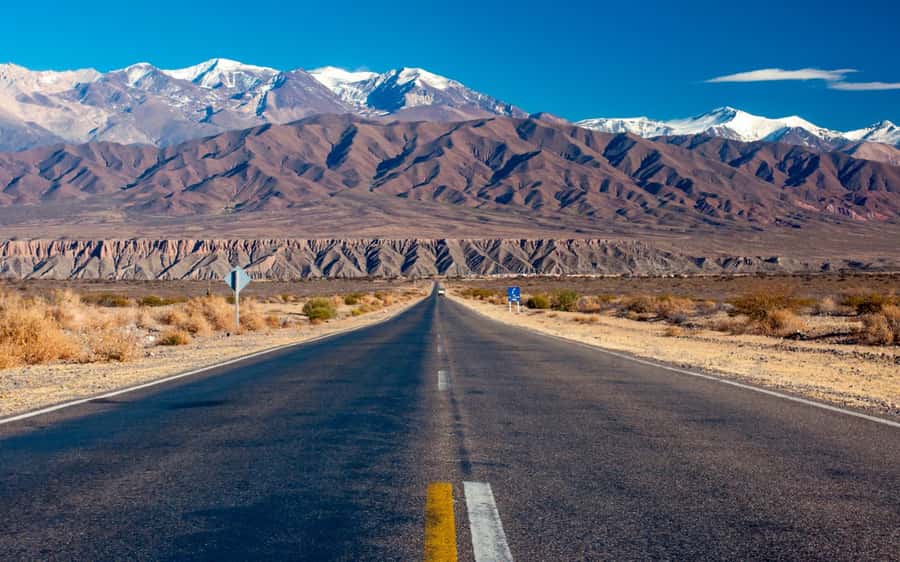
If you only do one “scenery day” from Salta, this is the one I’d steer you toward. The route is designed for variety, and you see it fast: you start in the fertile Lerma Valley, then you climb into the Precordillera de los Andes, crossing gorges, passes, and valleys that feel like different worlds on the same day.
I also like that it’s not just drive-by photos. You get guided visits and short walks at the major stops, then a real chunk of time in Cachi to shop, wander, and just absorb the vibe. For many people, Cachi is the payoff after the long road.
The best part, though, is Los Cardones National Park. It is not a small “look and leave” park. The cactus scale is the whole point. Even if you do not know much about geology or ecology, you’ll still get why people get emotional about these cacti.
More of the valleys out of Salta
- From Salta: Full-Day Trip to Salinas Grandes and Purmamarca
★ 4.6 · 914 reviews - From Salta: Full-Day Tour to Cafayate with Wine Tasting
★ 4.5 · 478 reviews - From Salta: Salinas Grandes, Purmamarca & Los Colorados Hike
★ 4.3 · 356 reviews - Full-Day Tour Cafayate Calchaqui Valleys with Wine
★ 4.5 · 347 reviews
Leaving Salta: Lerma Valley to high-desert terrain
The day starts with pickup from hotels or central addresses within about 15 blocks around the main square area. The driver will have a sign with their surname, and they do not hang around for long after the scheduled time, so you’ll want to be ready in the hotel lobby about 10 minutes early.
Once you’re on the road, you’ll spend about 2 hours traveling before the day really starts unfolding. There’s a quick café break (about 10 minutes), which is useful. It gives you a chance to stretch your legs and use the restroom before the scenic part ramps up.
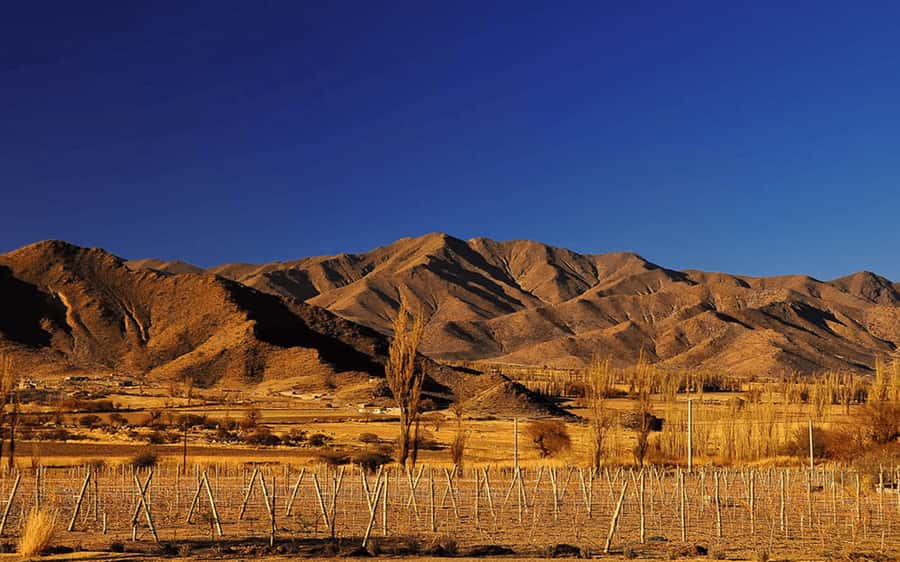
As you leave the Lerma Valley behind, the air and the terrain change. This is what you want from a guided day trip like this: you’re not just going somewhere, you’re moving through climate zones. The route heads through places like Escoipe Gorge, then continues into the mountain passes and valleys that sit under the Andes.
If you get motion-sick, keep that in mind. This is a long day on a mountain road, and there are multiple climbs and bends.
Cuesta del Obispo: the viewpoint stop that sets the mood
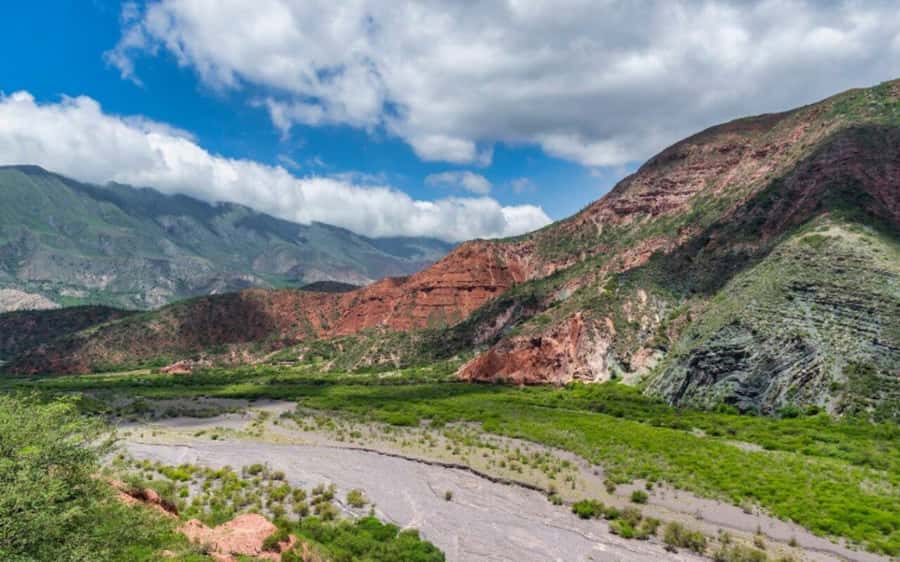
One of the first big scenic moments is Cuesta del Obispo. You’ll have around 15 minutes for a guided look and photos, plus a short walk and sightseeing time.
What makes this stop valuable is timing and perspective. This is where you start to understand the shape of the mountains around Salta, and why this area is so dramatic even when the weather is calm. The views are quick hits, not a long hike, so you’re not locked into one strenuous spot.
Tip for your camera: plan to grab both wide shots and detail shots. At these elevations and along these slopes, the textures matter. Rock, dust, and scrub look different as the light changes, and short stops are all about grabbing variety.
Escoipe Gorge and the climb into valleys
After Cuesta del Obispo, the route keeps layering scenery. You’ll pass through areas described along the Calchaquí Valley and Enchanted Valley, with mountains rising around you.
This is a day where the drive itself is part of the attraction. The bus route moves you across different bands of altitude, and you start noticing how vegetation changes. In lower zones you see more agricultural shapes, and once you climb higher the world turns more arid and stark.
Even if you’re mostly thinking about Cachi and the national park, don’t skip the “in-between” moments. This is where the Precordillera de los Andes stops being an idea and starts becoming something you can picture.
Recta del Tin Tin: the Inca road, straight and serious
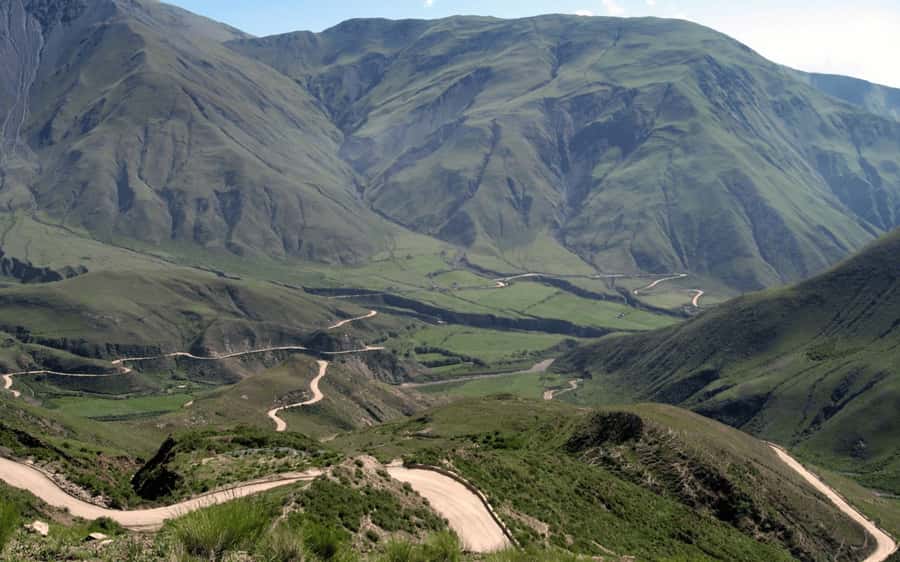
Next up is Recta del Tin Tin, a long, straight 11-kilometer road built by the Incas. You’re given about 15 minutes here, with photo stops and sightseeing plus a guided explanation.
This is the kind of stop I appreciate because it adds a human layer to the geography. You’re not just staring at mountains and cactus. You’re seeing evidence of how people once navigated these high altitudes and wide-open spaces.
Practical note: this is mostly a photo-and-look stop. If you want to get great angles, aim for a window seat and be ready when the guide points out the best sight lines. Some viewpoints are timed for quick capturing, so you want your body positioned before the brief window closes.
Payogasta and the Nevado de Cachi sighting
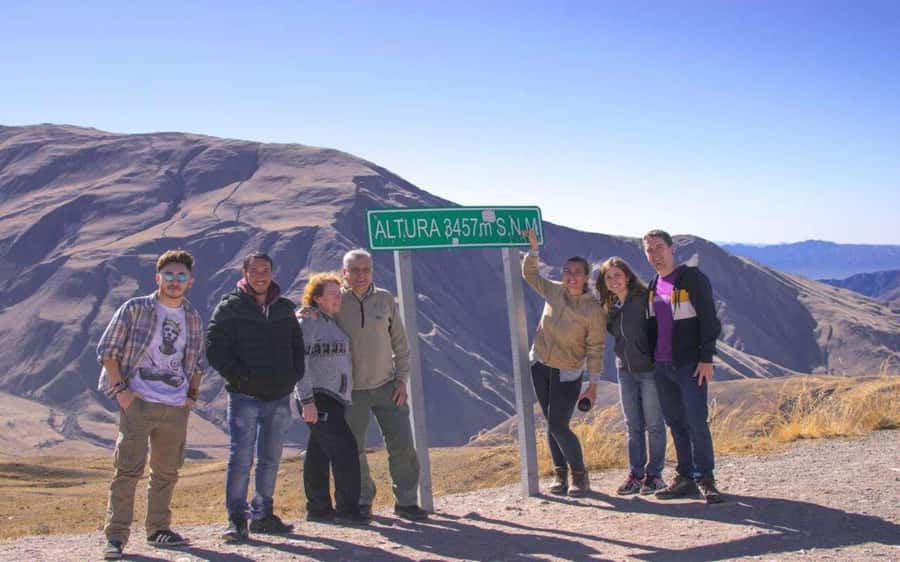
After the Inca road, you’ll reach Payogasta for about 10 minutes. This is a short guided visit with free time mixed in, including a chance for a quick stroll and shopping.
Think of Payogasta as a palate cleanser between the big scenery stops. It’s not the main event, but it helps you feel the rhythm of small towns in the region. You’re moving through places where daily life continues even as the mountains tower above.
Then there’s a Nevado de Cachi photo stop (about 5 minutes). It’s brief, but it’s a memorable reminder of why Cachi is what it is: you’re living under a towering peak for most of the day’s storytelling.
Los Cardones National Park: what you came for
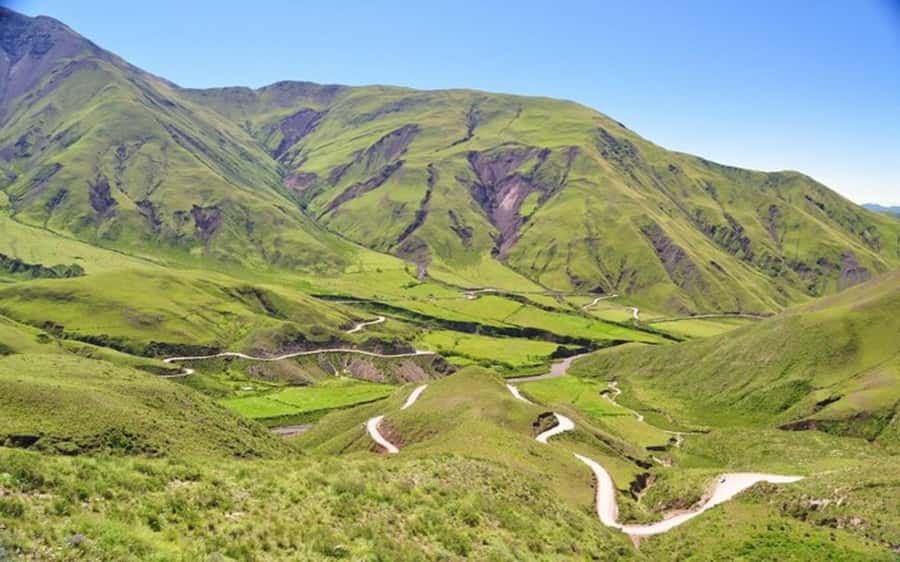
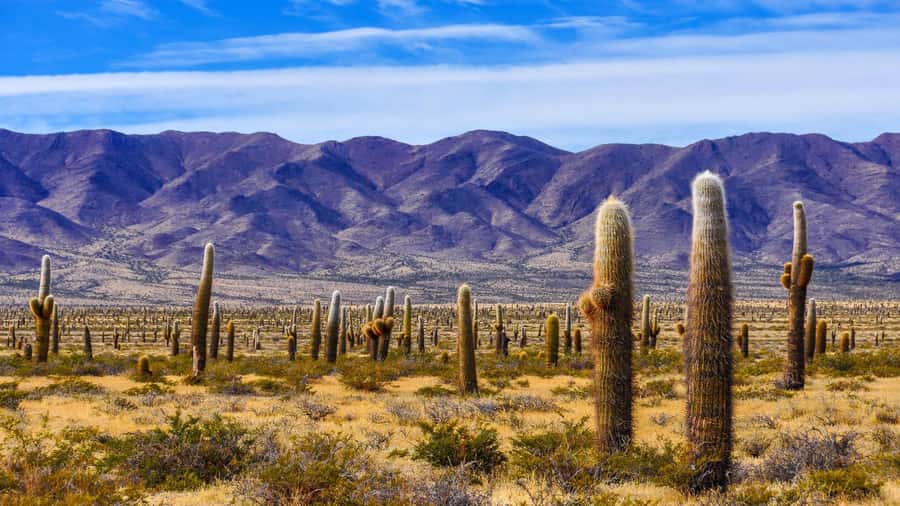
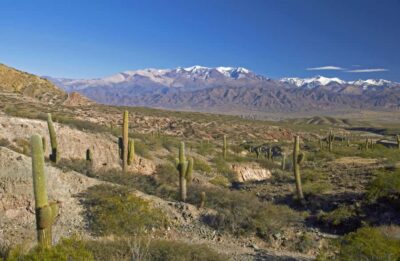
Now comes the headline. You cross into Los Cardones National Park, described as the only high-altitude national park in Argentina. You’ll have about 15 minutes for guided sightseeing and a short walk.
In practical terms, you’re not doing a long trek. You’re doing an orientation. You move through a curated time window that lets you see the cactus density and understand the rules of the ecosystem at altitude.
In the park, keep your eyes up and wide. From the provided trip feedback, people commonly spot animals like guanacos, and even condors can show up. So take a second, pause, and look beyond the nearest cactus row. These places often reward patient scanning.
Why I think this is worth paying for as a day tour: getting here by yourself means you’d still need to understand what you’re seeing. A bilingual guide can explain why the cacti look the way they do, why they occupy this altitude band, and how the surrounding terrain shapes everything.
And yes, it’s intense. People are not kidding when they say these are some of the most impressive cacti in Argentina. The number is the point. The scale is hard to recreate in a photo.
Cachi: colonial streets and real time to slow down
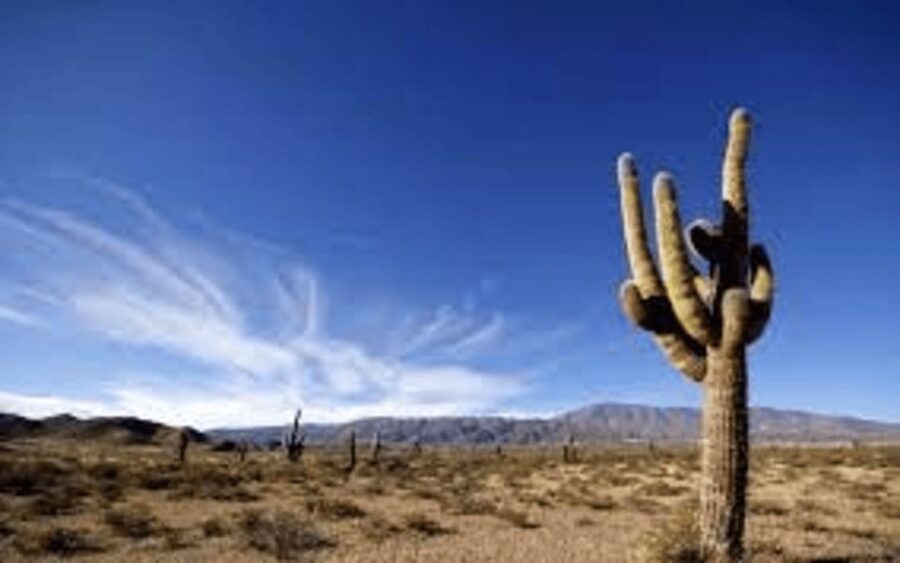
Finally, you reach Cachi, a small town at the foot of Nevado de Cachi (6,320 meters above sea level). You’ll have about 2 hours for a break, plus a guided segment and time to browse.
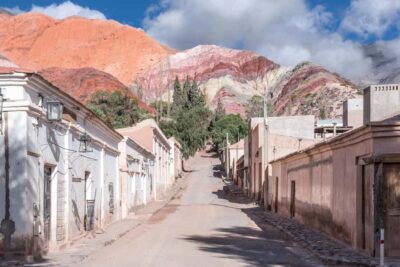
Here’s what you’ll notice right away: the town has colonial-style facades, with large homes lining narrow, cobbled streets. It feels like the trip offers you two experiences in one day. First you get the “high-altitude natural spectacle.” Then you drop into a town where you can actually take your time.
This is where I’d tell you to use your free time strategically:
- Walk without rushing. Cachi is the kind of place where the details matter.
- If you want to shop, do it now. The day’s schedule is tighter later.
- Take your photos early, then leave space for wandering, not just picture-taking.
Some people love Cachi because it feels calmer than other nearby stops. Others love it because it’s a good base for local snacks and souvenirs. Either way, it’s the right place to end the day’s energy.
Altitude and a long road day: how to make it comfortable
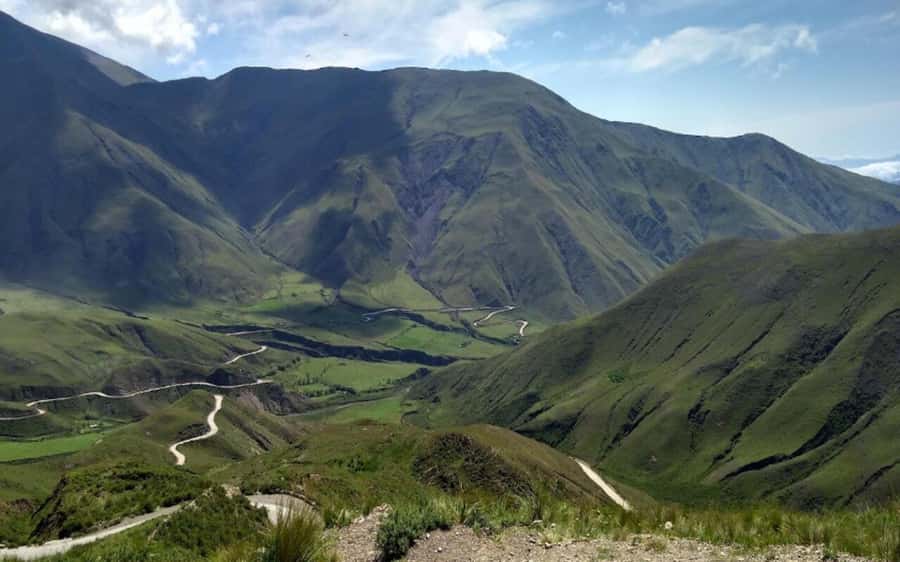
This is a 12-hour day from Salta, and much of the route happens at elevation. The highest points mentioned include the Windmill Stone stop around 3,400 meters and a Cachi area view above 6,000 meters. Another key altitude reference on the route includes Windmill Stone around 3,348 meters, so expect high elevation throughout the later part of the day.
What that means for you:
- Go easy on big exertion during short walks. It’s not a hike, but stepping fast at altitude can hit you.
- Bring your own comfort strategies. Some guides suggested things like coca leaves or herbal remedies for altitude feelings, so it can help to listen and ask what the guide recommends if you’re comfortable with those traditions.
- Drink water steadily. Even if you do not feel thirsty, your body still needs it at altitude.
Also plan for road time. One of the most helpful comments from previous visitors: this is tiring because of how long you’re in transit. The good news is that stops are spaced to keep you from feeling locked in the bus the entire time.
If you are sensitive to ride comfort, consider requesting a window seat when possible. Some of the most photogenic viewpoints happen during short stops, and you’ll want the best view without craning your neck at the last second.
Price and value: why $30 can make sense here
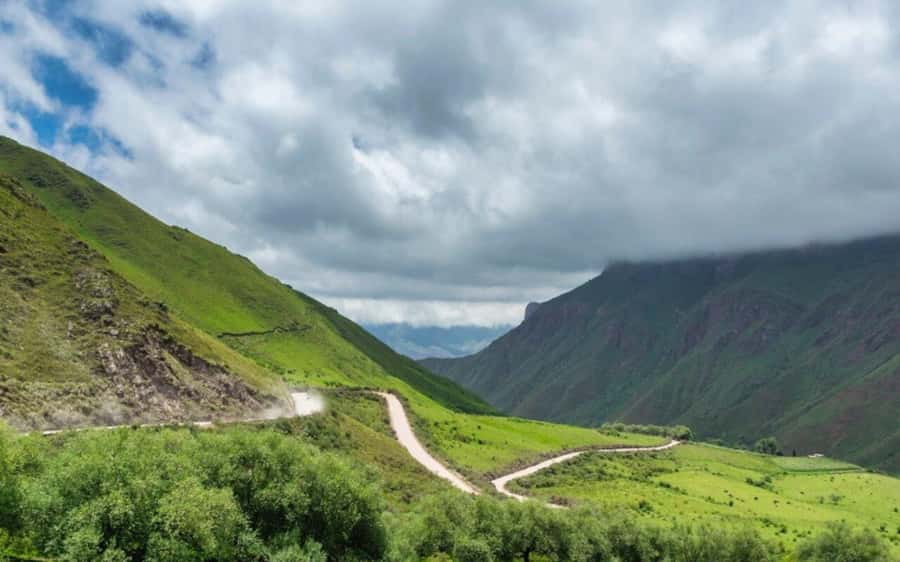
At about $30 per person, this is not a tiny “transport-only” tour. You’re paying for a full-day route that would be hard to assemble well on your own, plus a bilingual guide and guided stops at multiple key sites, including Cuesta del Obispo and Los Cardones National Park.
You also get:
- Transportation via sprinter or minibus
- Pickup from an area around the main square
- A structured day with multiple scenic stops and guided explanations
- Time in Cachi with about 2 free hours
What is not included is also important: food and drinks are not included. So value is maximized if you treat this like a “bring your day supplies” outing. Pack snacks and water, especially if you’re sensitive to altitude or you get hungry on road days.
If you’re trying to decide between doing this trip and doing a simple one-stop outing, the difference is that this day delivers depth. You see geology, history cues like the Inca road, a national park moment, then a town to decompress.
Who this tour suits best, and who might want to rethink
This tour is a strong fit if you want one day that covers a lot of the Salta region’s variety. It’s especially good for people who:
- Like guided explanations and want context, not just photos
- Prefer short walks and photo stops over long hikes
- Want to see Los Cardones National Park without the hassle of planning transport
You might rethink if:
- You hate long days of transit. Even with stops, the time adds up.
- You’re extremely altitude-sensitive. The route reaches high elevations, so you’ll want to judge your comfort level carefully.
Weather-wise, there’s no suspension due to rain or bad weather. So you should plan your clothing accordingly, even if skies look perfect in Salta.
Should you book the Salta to Cachi and Los Cardones tour?
If you’re choosing between skipping this day trip and doing a quick alternative, I’d book this. It gives you the main natural highlight of the region, Los Cardones National Park, then adds the human side with Cachi’s colonial streets and time to wander.
My rule of thumb: book it if you want a guided, high-elevation “see it all” day and you can handle a long drive. Bring snacks and water, wear comfortable shoes, and use your time in Cachi to slow down after the altitude stops. With that setup, this tour earns its place as one of the better-value ways to understand Salta’s mountains.
More Tours in Salta
More Tour Reviews in Salta
The Valleys, Further In
Newest Salta write-ups on the desk
- Salta: Tour to the Salinas Grandes and Purmamarca★ 3.7 · 3 reviews
- Salta or Jujuy: Iruya and Salinas Grandes 2-Day Tour★ 4.3 · 3 reviews
- Salta en un Bocado – Cultural Tour & Empanada Tasting★ 5.0 · 3 reviews
- From Salta: Full-Day Tours of Cachi and Salinas Grandes★ 4.5 · 3 reviews
- From Salta: Cafayate,Humahuaca and Salinas Grandes in 3 days★ 3.6 · 3 reviews
- From Salta: 3-Day Cafayate, Cachi, and Humahuaca Guided Trip★ 4.7 · 3 reviews
The rest of the Salta and Calchaqui Valley Tours list.
 ★ 4.6From Salta: Full-Day Trip to Salinas Grandes and PurmamarcaFrom $38914 reviews
 ★ 4.5From Salta: Full-Day Tour to Cafayate with Wine TastingFrom $29478 reviews
 ★ 4.3From Salta: Salinas Grandes, Purmamarca & Los Colorados HikeFrom $43356 reviews
 ★ 4.4From Salta: Cafayate, land of wines and imposing ravinesFrom $29347 reviews
 ★ 4.5Full-Day Tour Cafayate Calchaqui Valleys with WineFrom $32347 reviews
 ★ 4.4From Salta: Serranías del Hornocal & Hill of 14 Colors TourFrom $63339 reviews
 ★ 4.4From Salta: Cafayate Day Trip with Wine TastingFrom $40226 reviews
 ★ 4.0Full-Day Tour Salinas Grandes and Purmamarca from SaltaFrom $35220 reviews
Lists this one is on