
REVIEW · TOURS
From Buenos Aires: Magical and Mysterious Campanopolis Tour
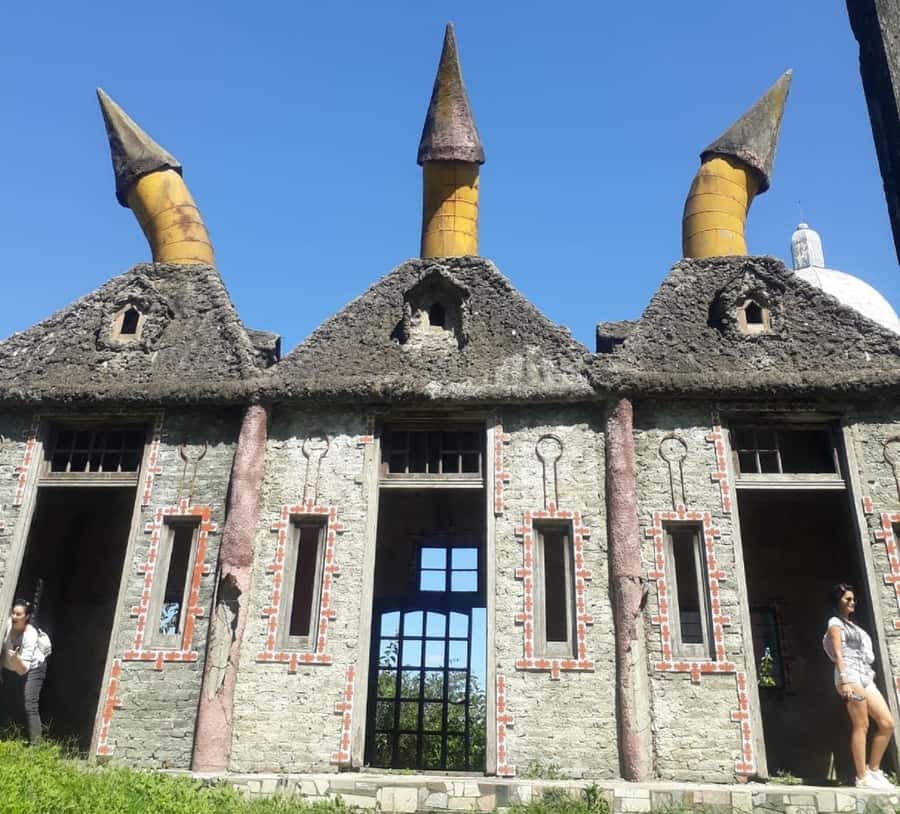
A fairy tale built from scraps of history. Half an hour from Buenos Aires, you step into a mysterious medieval village with 40 buildings tied together by alleys, passages, and secret nooks. It feels odd in the best way, especially once you learn it was built from auction and demolition leftovers.
I love the smart concept: recycled materials with real Buenos Aires pieces, like old iron columns from Galerías Pacífico and gates from the Palermo Hippodrome. And I like how the visit is structured around small collections, including the Museum of Wood, the Iron Museum, and the Caireles Museum, plus those 12 stone houses and fairy-tale slag and bricks.
One drawback to plan for: the guided part inside the park is offered exclusively in Spanish and Portuguese, with English only getting a general overview and key points.
In This Review
- Key Things Worth Knowing Before You Go
- A Medieval Village, Just Outside Buenos Aires, Built From What the City Discarded
- Price and Time: What You Actually Get for $52
- Teatro Colón Meeting Point: Where the Tour Starts and How to Plan Your Arrival
- The Ride Out to the Ezeiza Area: Use the Time for Context
- Inside Campanópolis: Wandering the 40 Buildings, Alleys, Passages, and Secret Spots
- Museums You Can Actually Follow: Wood, Iron, and Caireles
- Don Antonio Campana’s Story: Why the Place Feels More Personal Than Planned
- The Language Rule You Must Not Ignore: Spanish and Portuguese During the Guided Tour
- What to Bring: Water and Light Snacks for the On-Site Gap
- Pace and Comfort: Is It Hard Work?
- Special Dates: March 24 and April 7 Have Morning-Only Opening
- My Take: Should You Book the Campanópolis Tour?
- FAQ
- Where do we meet for the Campanópolis tour?
- How long is the tour from Buenos Aires?
- How much time do we spend inside Campanópolis?
- What are the meeting times by day?
- Is the guided tour offered in English?
- What is included in the ticket price?
- Are food and drinks included?
- What should I bring for the trip?
- Are there any special operating dates I should know about?
Key Things Worth Knowing Before You Go
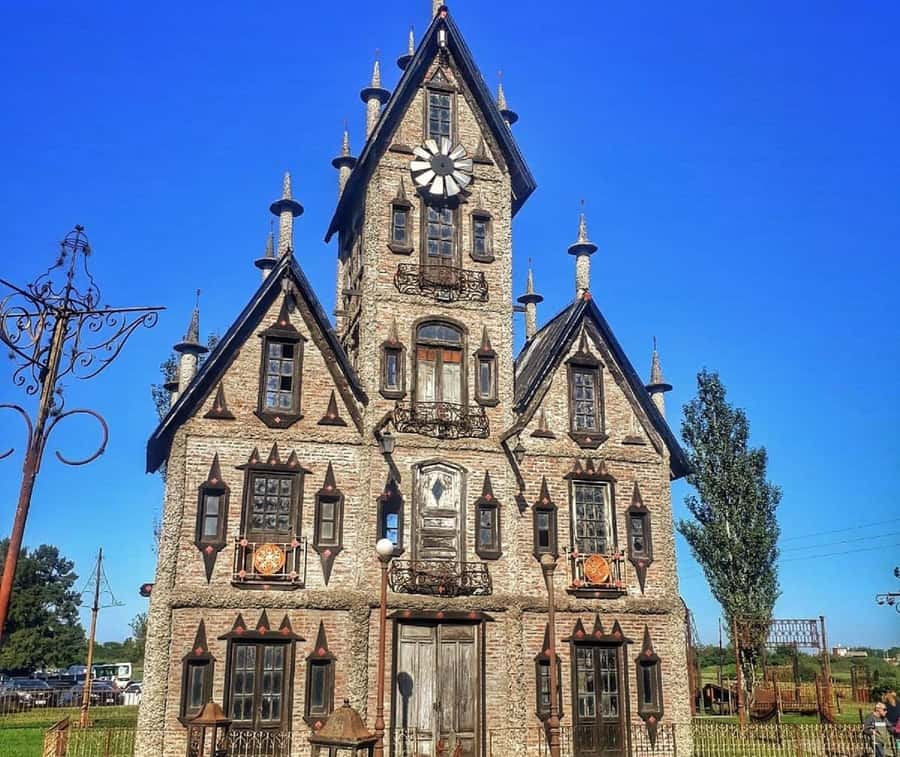
- A made-from-reuse citadel: 40 connected buildings built from old and recycled materials, including recognizable Buenos Aires elements.
- Three museums on-site: Museum of Wood, Iron Museum, and Caireles Museum, matched to the place’s material obsession.
- A founder’s obsession, Don Antonio Campana: the story stresses he built the fantasy without plans or architects.
- 3 hours inside the park: built-in photo time and free time, not just a nonstop guided walk.
- Language matters: Spanish and Portuguese only for the in-park guided tour, English gets a lighter version.
- Food is not part of it: bring water and a light snack since there is not much to eat on site.
Narrowing the Buenos Aires list? These kept surfacing while we wrote.
- Buenos Aires Hop-On Hop-Off Bus, Free Walking Tours & Discounts
★ 4.5 · 2,218 reviews - Buenos Aires: Piazzolla Tango Show with Optional Dinner
★ 4.4 · 2,122 reviews - Buenos Aires: City Highlights Guided Tour with Transfer
★ 4.7 · 1,946 reviews - Buenos Aires: Hop-On Hop-Off City Bus Tour
★ 4.2 · 1,855 reviews
A Medieval Village, Just Outside Buenos Aires, Built From What the City Discarded
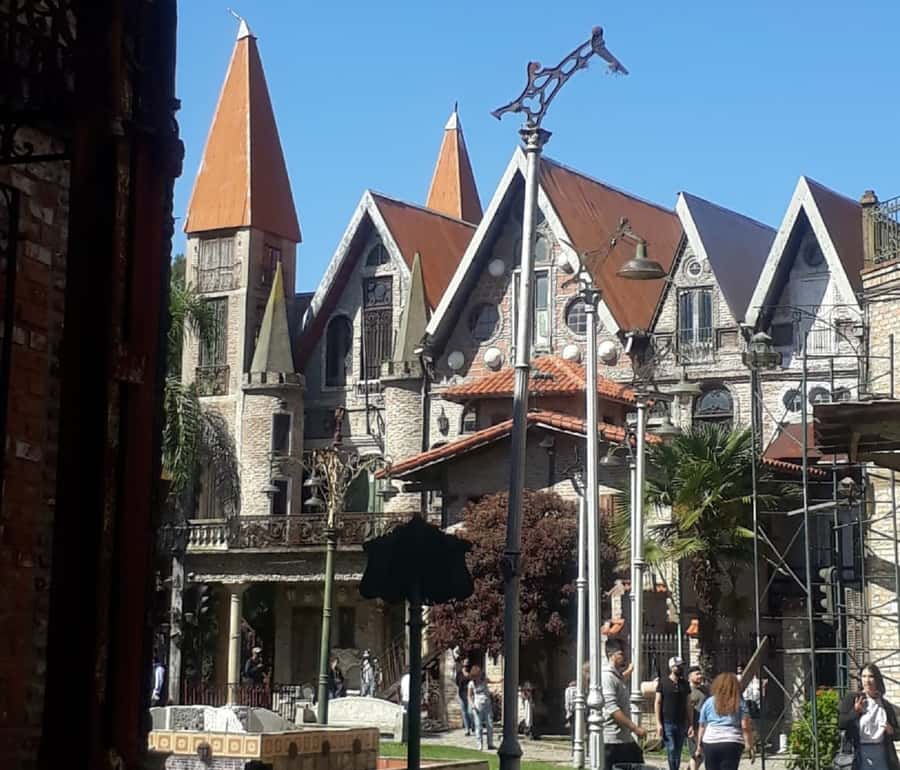
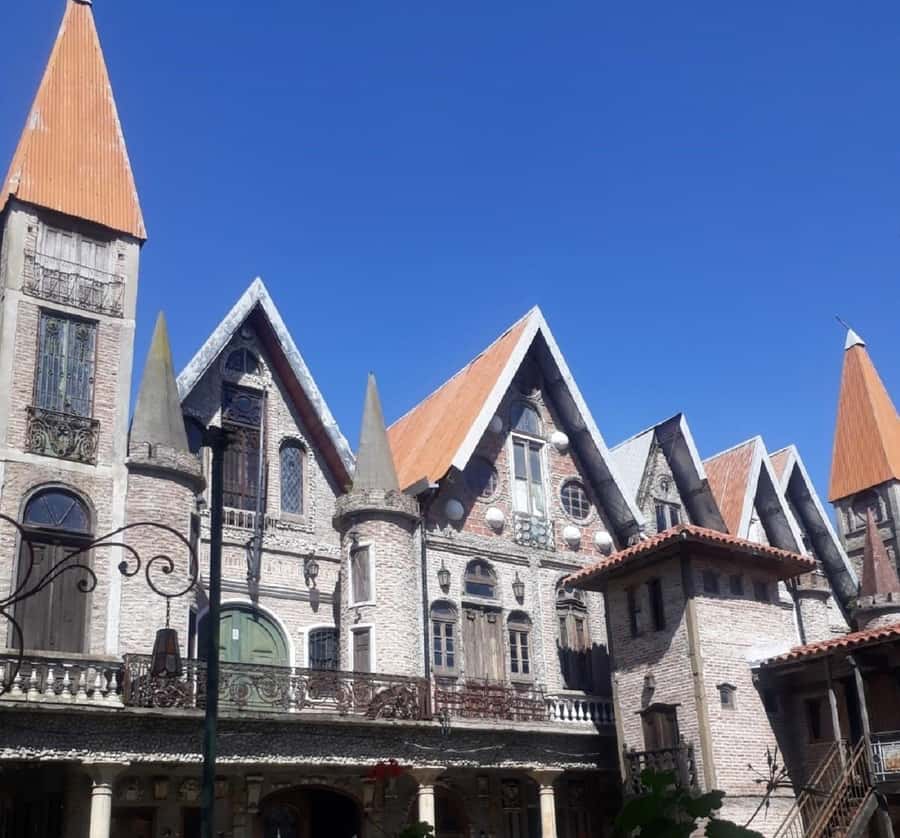
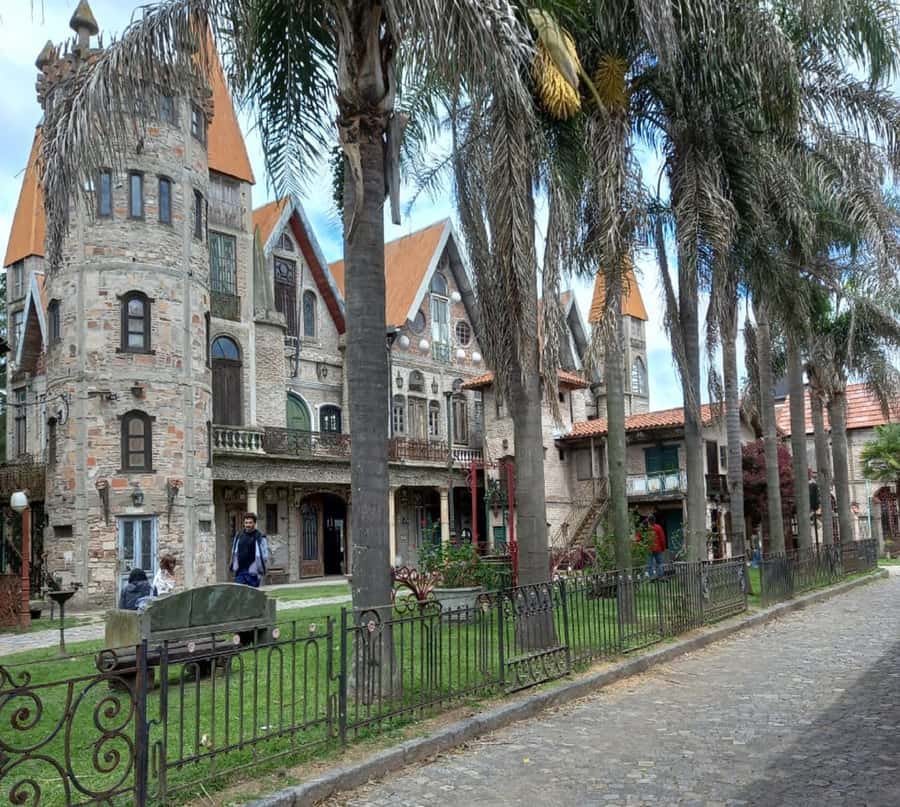
Campanópolis looks like something you would not expect to find in Greater Buenos Aires. Instead of a polished theme park, it feels like a stubborn imagination made physical, in a nature reserve close to the Ezeiza forests. The core of the place is a citadel of about 40 buildings, stitched together with alleys, passages, and little hidden areas that encourage you to wander slowly and look up.
The most interesting part, for me, is the way it turns scrap into meaning. The castles and structures are built using old and recycled materials from auctions and demolitions. You are not just seeing generic medieval props. You are looking at parts with a Buenos Aires past, which makes the whole scene feel like a memory machine.
The highlights are the specific pieces that got reused. The park includes, among other curiosities, old iron columns from Galerías Pacífico, old gates from the Palermo Hippodrome, and even lights and clocks from Plaza de Mayo. That mix of civic Buenos Aires landmarks with a medieval-style citadel is exactly why the place works. It is the same country, different lens.
And yes, there are fairy-tale moments. The visit includes 12 stone houses plus slag and bricks that put you in that Snow White kind of mood. Even if you are not into medieval stories, the textures and the “how did they do that?” feeling keep your attention.
Price and Time: What You Actually Get for $52
At about $52 per person, this is a half-day outing that bundles a lot into one ticket: round-trip transportation by bus/coach, entry tickets, and a live guide. The total duration is listed as 6 hours, but your useful time is more focused on the park itself.
Here is how the day is paced:
- About 75 minutes by bus from Buenos Aires
- You arrive, and then you get a photo stop plus visit time
- You have about 3 hours at Campanópolis
- Then you repeat the 75-minute ride back
Food is not included, so think of this as a cultural and photographic outing, not a meal plan. If you want to snack comfortably, you will need to bring something small.
When I judge value, I look at the big costs that normally come with an out-of-city visit. This tour covers the ride and the admission, and it gives you a guide for the visit. For a lot of people, that is the difference between a stressful DIY trip and a calm, well-timed one.
Also, the timing is different depending on the day:
- Wednesdays, Thursdays, Fridays: meet at 11:30 AM
- Saturdays and Argentine public holidays: meet at 8:00 AM
If you hate early mornings, aim for midweek. If you like cooler, quieter hours, the early start can feel like a win.
Teatro Colón Meeting Point: Where the Tour Starts and How to Plan Your Arrival
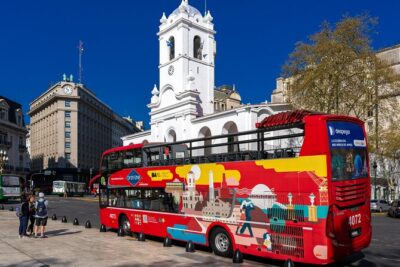
The meeting point is simple and central: Cerrito 628, by the Teatro Colón. You meet on the sidewalk there. This matters because it saves you from hunting for remote pickup points in a busy city.
I recommend arriving a bit early. Not because you need to sprint, but because good trips start with calm ones. If you are coming from another part of Buenos Aires, factor in a little time to orient yourself around Teatro Colón first.
Once you meet, you board the coach. The ride is about 75 minutes, and it is long enough to get comfortable and recharge. If you are the type who likes a short nap, this is your chance.
The Ride Out to the Ezeiza Area: Use the Time for Context
On the way, you can treat the bus ride as setup time. The experience is framed around how someone turned Buenos Aires materials and memories into a medieval-style citadel. Even if the ride is mostly travel for you, it helps to arrive with the right mindset.
A practical tip: pack water before you leave. Even though the day is not huge, it is still several hours in the open, and you do not want to start the park visit already behind on hydration.
Inside Campanópolis: Wandering the 40 Buildings, Alleys, Passages, and Secret Spots
When you enter Campanópolis, the atmosphere shifts from city to story. The citadel is described as 40 buildings linked by alleys, passages, and secret places. That means the experience is less about standing in one spot and more about navigating space, discovering corners, and letting the “what is that?” moments build naturally.
You get about 3 hours on-site, and the schedule there includes:
- Photo stop and visit time
- A guided tour
- Free time for sightseeing
That structure is helpful. The guided time gives you the context and the must-see references. The free time lets you slow down and do what the theme encourages, looking around without checking your watch every 30 seconds.
Because the park is built like a citadel, you should assume there will be walking on uneven surfaces, steps, and narrow pathways. Comfortable shoes help a lot. This is not the kind of place where you want to wear new footwear or anything that feels slick.
Museums You Can Actually Follow: Wood, Iron, and Caireles
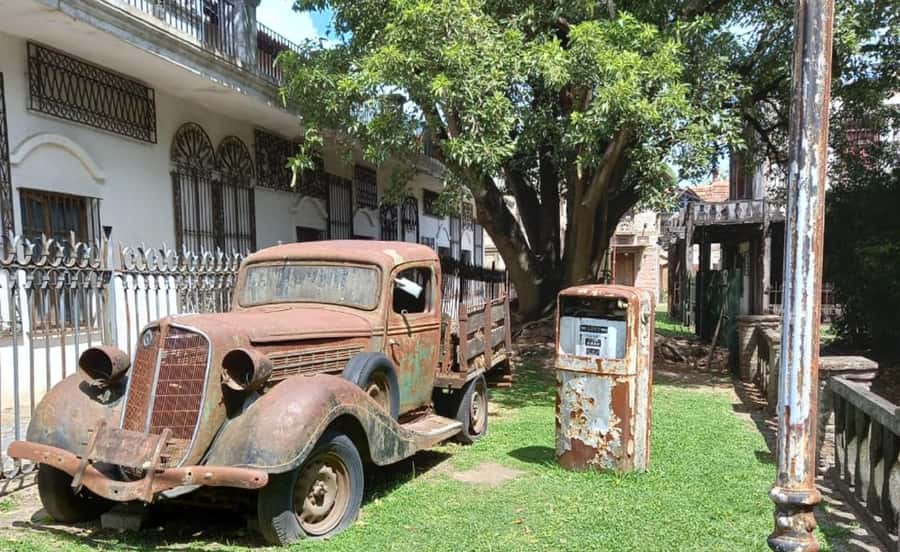
Campanópolis is full of structures, but it also organizes the story through museum stops. You visit:
- the Museum of Wood
- the Iron Museum
- the Caireles Museum
Even without knowing every detail ahead of time, these museum titles tell you what you are meant to pay attention to. The place is obsessed with materials, and the museums are how the visit turns the visual play into something you can understand more clearly.
If you are the kind of traveler who gets impatient with museum lectures, do not worry. This tour gives you a mix of structured learning and wandering. So even if the guided portion runs in Spanish and Portuguese, you still have plenty of time to appreciate objects and displays visually.
If you like taking photos, museums can be a great place to focus your lens. You get fewer wide open vistas and more small, curated scenes. And because the site uses recycled parts from famous Buenos Aires places, there is a strong chance you will catch recognizable textures in the displays.
Don Antonio Campana’s Story: Why the Place Feels More Personal Than Planned
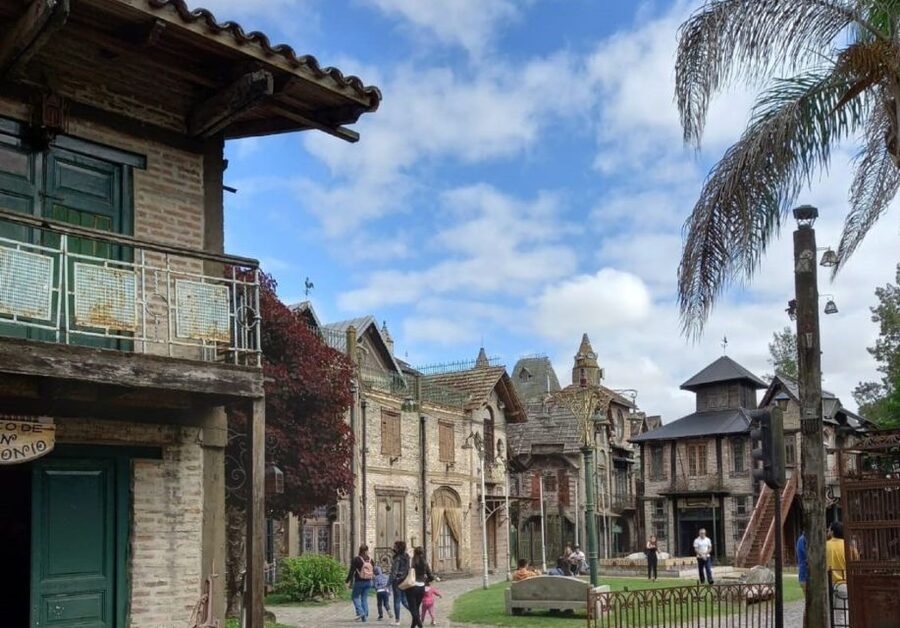
The tour emphasizes the ingenuity of Don Antonio Campana, the founder. A key detail is that the citadel was materialized without plans or architects. That matters, because it changes the feel of the park.
A planned, corporate tourist attraction tends to look polished and predictable. Campanópolis, at least in the way it is described and presented, feels more like one person’s long-term persistence. That can make the site feel quirky, a little uneven in spots, and deeply human.
Some accounts connect the project to a personal search for relief connected to illness. Whether you treat that part as history or motivation, it adds emotional weight. You are not just looking at a concept. You are looking at someone’s determination turned into physical space.
And when you combine that emotional backstory with the practical one, the recycled Buenos Aires pieces, the result is a place that feels like an Argentinian memory project, not just a fantasy set.
The Language Rule You Must Not Ignore: Spanish and Portuguese During the Guided Tour
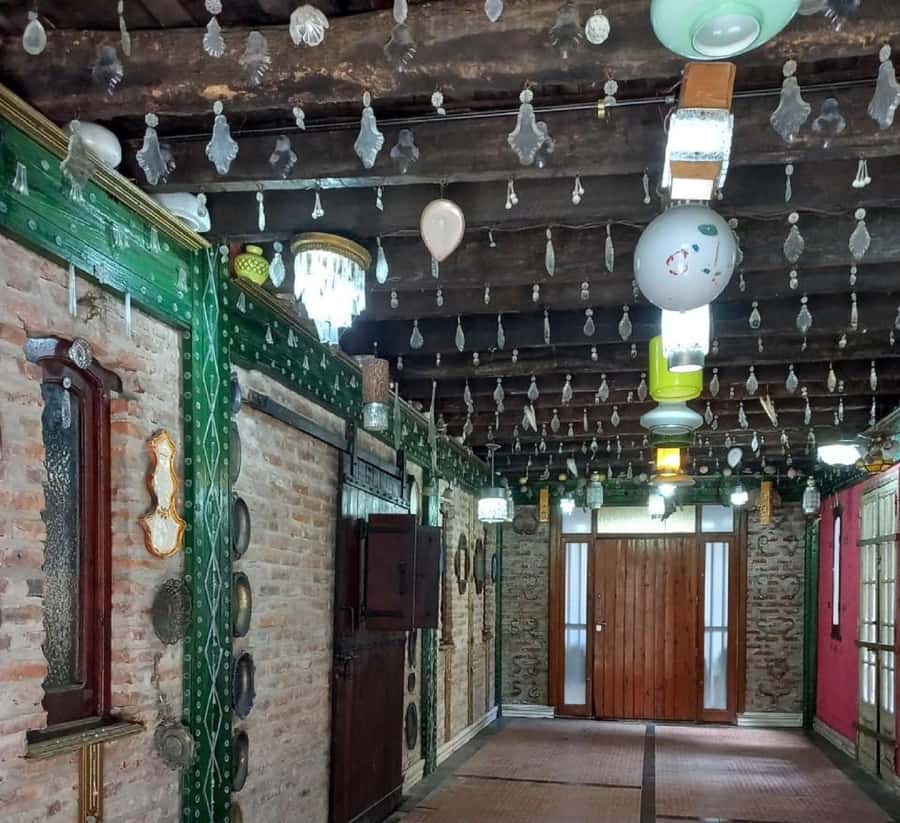
This is the part you should plan around early. The guided tour inside the park is offered exclusively in Spanish and Portuguese. If there are English-speaking visitors, the guide provides a general overview of the history and highlights key points, but it is not positioned as a full English commentary for the entire walk.
What does that mean for you?
- If you speak Spanish or Portuguese, you will likely enjoy the guided layer more fully.
- If you do not, you can still enjoy the site through visuals and the parts where key points are highlighted, but you may miss fine details.
My practical advice is simple: download a translation app and keep your expectations flexible. Also, use your free time to explore at your own pace, so you are not dependent on understanding every sentence.
What to Bring: Water and Light Snacks for the On-Site Gap
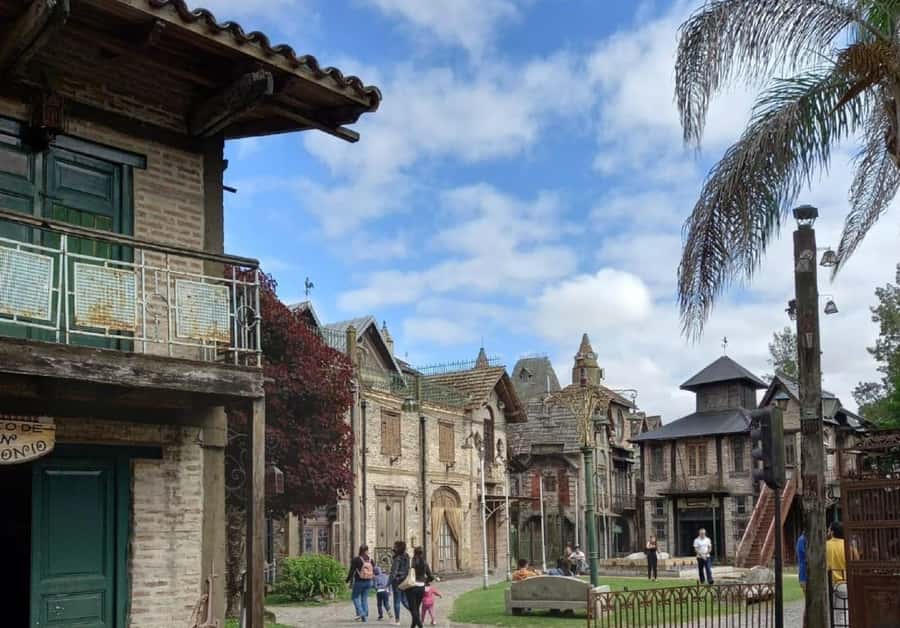
Food and drinks are not included. That is not a small detail, because it shapes your comfort level on a 6-hour day.
Bring:
- Water
- a light snack, like protein bars or something easy to eat
This is especially true if you are doing the full set of photo time plus guided time. You want your energy stable so the walking phase does not feel like a slog.
One more comfort tip: plan to dress for outdoor wandering. Even if the day is mostly scheduled, you are still in a nature reserve area and moving between buildings.
Pace and Comfort: Is It Hard Work?
Campanópolis is not described as a gentle stroll. The core experience is walking among connected buildings and exploring passages and secret places. If you are short on stamina, you might still enjoy it, but you should pace yourself during the free time and take breaks when you need them.
There is also an experience quality issue that you should be aware of: the guided tour requires you to listen to the guide. If you are bringing kids, younger ones may struggle with both the walking and the listening component. This is one of those outings that tends to work best with adults who can follow a guided narrative and appreciate the details.
If you are visiting with family, consider splitting your group dynamics. For example, one adult can focus on the guided part while others take more breaks, then everyone swaps roles during free time.
Special Dates: March 24 and April 7 Have Morning-Only Opening
Mark your calendar carefully. On March 24 and April 7, the park will open only in the morning, with the departure time being at 8:00 AM. That is different from the usual schedule pattern, so double-check before you lock in your day.
If you are flexible, you can choose another weekday and keep the later 11:30 start. But if those dates are your only options, treat it like an early-day plan from the start.
My Take: Should You Book the Campanópolis Tour?
Book this tour if you want:
- a quirky Buenos Aires detour with strong visual storytelling
- a place built from recycled city pieces, not just generic “medieval” decoration
- guided context in Spanish or Portuguese, plus time to explore on your own
- a half-day outing that is long enough for photos but not so long you lose the day
Be cautious if:
- you need a full English guided experience, since the in-park tour is Spanish and Portuguese only
- you are sensitive to walking and the idea of a guided narrative
- you do not want to bring water and small snacks (food is not included)
At an average rating around 4.6 with 150 reviews, it is clearly popular. Just plan like a smart adult: wear comfy shoes, bring snacks, and match your expectations to the language format. If you do that, Campanópolis is the kind of stop that makes Buenos Aires feel even more creative than you expected.
FAQ
Where do we meet for the Campanópolis tour?
You meet on the sidewalk in Cerrito 628, next to Teatro Colón.
How long is the tour from Buenos Aires?
The total duration is listed as 6 hours.
How much time do we spend inside Campanópolis?
The on-site time is about 3 hours, including photo time, a visit, a guided tour, and free time for sightseeing.
What are the meeting times by day?
Wednesdays, Thursdays, and Fridays meet at 11:30 AM. Saturdays and Argentine public holidays meet at 8:00 AM.
Is the guided tour offered in English?
The guided tour inside the park is offered exclusively in Spanish and Portuguese. If there are English-speaking visitors, the guide provides a general overview and highlights key points.
What is included in the ticket price?
Included are entry tickets to Campanópolis, meeting point pickup and drop-off, and a guide.
Are food and drinks included?
No. Food and drinks are not included.
What should I bring for the trip?
Because food is not included and there may not be much to eat on site, bring water and a light snack.
Are there any special operating dates I should know about?
Yes. On March 24 and April 7, the park opens only in the morning, with a departure time at 8:00 AM.
More Tours in Buenos Aires

More Tour Reviews in Buenos Aires
Newest Buenos Aires write-ups on the desk
- Tango Show at El Querandi with optional Dinner★ 4.2 · 3 reviews
- Velez Sarsfield Football Match★ 5.0 · 3 reviews
- Tango Show at: MichelAngelo★ 4.5 · 3 reviews
- Guided tour Boca Juniors Museum & Stadium + Caminito★ 3.3 · 3 reviews
- From Colonialism to Eclecticism, Buenos Aires arquitectonica★ 5.0 · 3 reviews
- Enjoy a Rural Experience in a Vineyard near Buenos Aires★ 4.7 · 3 reviews
The rest of the Tours list.
 ★ 4.7Buenos Aires: City Highlights Guided Tour with TransferFrom $381,946 reviews
 ★ 4.2Buenos Aires: Hop-On Hop-Off City Bus TourFrom $351,855 reviews
 ★ 4.8Buenos Aires: La Boca Guided Walking Tour in EnglishFrom $131,587 reviews
 ★ 4.8Buenos Aires: La Recoleta Cemetery Guided Tour in EnglishFrom $131,359 reviews
 ★ 4.4From El Calafate: Full-Day Tour to El ChalténFrom $130926 reviews
 ★ 4.6From Mendoza: 3 Wineries, Olive Oil Factory Tour & TastingFrom $34901 reviews
 ★ 4.5Ushuaia: National Park & Train of the End of the World TourFrom $111811 reviews
 ★ 4.7From Buenos Aires: Gaucho and Ranch Day TourFrom $168809 reviews