
REVIEW · BUENOS AIRES FOOTBALL TOURS
Buenos Aires: Tickets to River Plate Museum
Football worship, told through River Plate.
I love how the time tunnel lays out River Plate’s story in order, from early days through the club’s big moments, and I also love the 360 cinema that turns match-day passion into something you can feel. One drawback to keep in mind: on home-game days or when events affect sightlines, your view inside the stadium may be limited.
I also like that this is set up as a small group experience with guided help, and recent bookings named guides like Fausto (praised as super amable) and Cristian (praised as cordial and very knowledgeable). If you need English support, note this is not guaranteed, since one verified booking reported the visit was entirely in Spanish with no English audio option.
In This Review
- Key Things I’d Prioritize at the River Plate Museum
- River Plate Museum: What the Time Tunnel Really Does for You
- The 360 Cinema Film: When Football Emotion Becomes Part of the Show
- Museum Layout and the 2009 Opening: A Dedicated Football Story
- Stadium Option: Largest Stadium in Argentina, Plus a Field View From the Playpen
- Price Value at Around $27: When It’s Worth It and When It Might Not Be
- Pickup, Timing, and the Reality of Express vs Full
- Language and Guide Style: Getting the Most Out of Your Visit
- Who This Ticket Suits Best (And Who Might Prefer Another Option)
- Should You Book River Plate Museum Tickets?
- FAQ
- How long is the River Plate Museum ticket experience?
- How much does it cost?
- What is included with the ticket?
- Is food included?
- Is pickup available?
- What happens if there’s a stadium event or River Plate is playing at home?
- Can I cancel and get a refund?
Key Things I’d Prioritize at the River Plate Museum
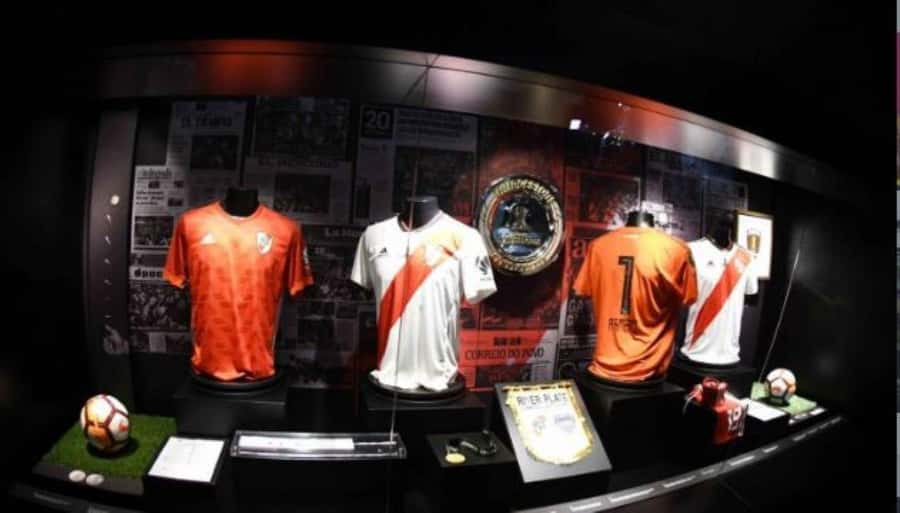
- Time tunnel timeline: You walk through the club’s history in chronological order, including figures, legendary teams, top goals, and major trophies.
- 360 cinema match atmosphere: A film is projected to express the emotions of millions of fans, not just facts on a screen.
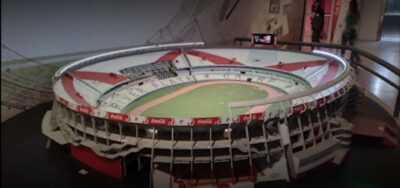
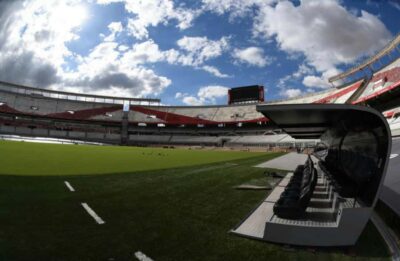
- Optional full stadium visit: If you choose the full option, you can see Argentina’s largest stadium from the stands and then enter the field from a playpen.
- Museum opened in 2009: Founded on November 9, 2009, the museum is built specifically to showcase River Plate’s most prized artifacts.
- Guide quality varies by moment: Most guided experiences can be excellent, but one express-tour booking had an organization hiccup, so it helps to confirm details the day of.
Other matchdays and stadium visits in Buenos Aires
- Buenos Aires: Tickets to Boca Juniors Museum & Stadium
★ 4.5 · 581 reviews - Soccer Match in Buenos Aires with Transfers and Local Guide
★ 5.0 · 103 reviews - Buenos Aires: Boca Juniors and River Plate Football Tour
★ 4.3 · 82 reviews - Buenos Aires: Tickets to Soccer Matches
★ 4.8 · 58 reviews
River Plate Museum: What the Time Tunnel Really Does for You
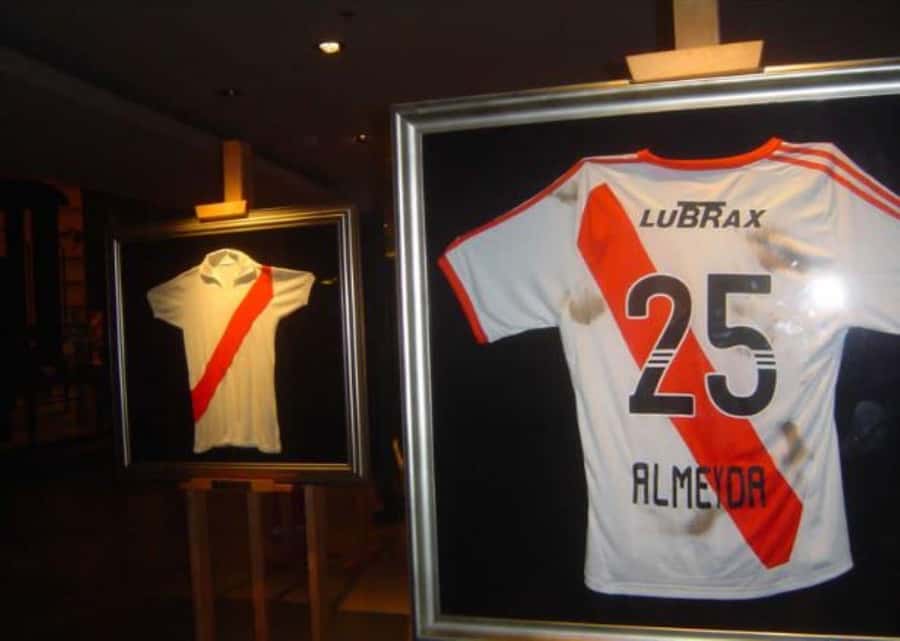
The River Plate Museum is designed for one thing: making club history feel personal. The museum is focused on the River Plate Athletic Club, and it’s not a random pile of memorabilia. You start with the club’s origins and keep moving through a structured story, using the time tunnel as the backbone.
Here’s the practical appeal for you. If you only know River Plate in passing, the tunnel helps you get your bearings fast. It connects the early steps in professionalism to the big games, the major victories, and the trophies that fans treat like milestones. And if you already have football instincts, you’ll likely catch more meaning because you can place moments in context, not as isolated highlights.
The museum’s mystique feeling comes from the way it stages the past. Instead of browsing, you’re guided through it in sequence. That matters when you’re paying around $27 per person for a one-day visit, because you want your time to feel directed, not scattered.
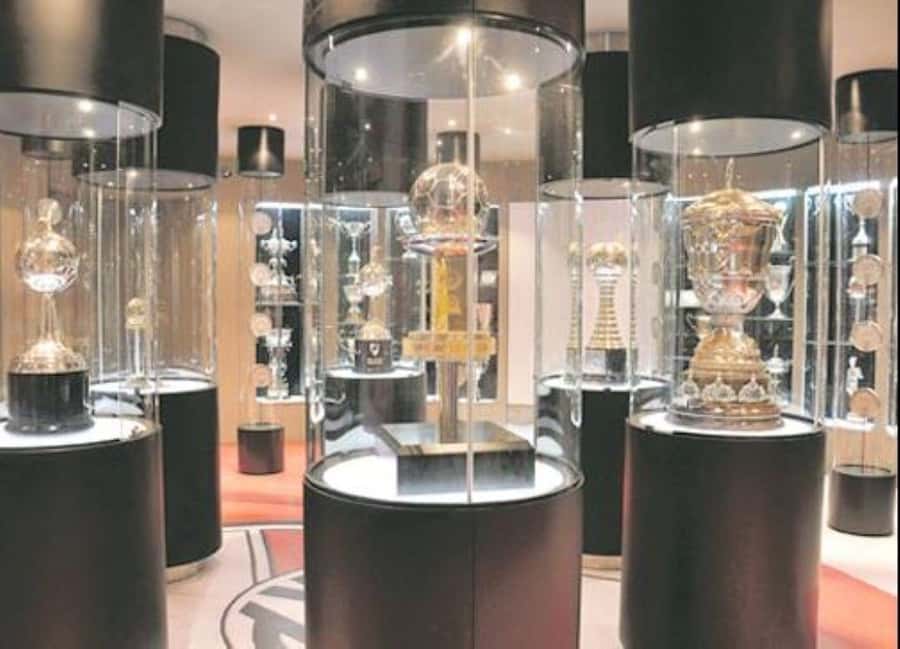
One detail I really liked from the description is the emphasis on key achievements: main figures, teams that made the club great, best goals, memorable victories, and the most valuable trophies. That’s the stuff fans talk about for years, and the museum treats it as a storyline, not a poster wall.
The 360 Cinema Film: When Football Emotion Becomes Part of the Show
After the history section, the 360 cinema is the moment the museum shifts from information to emotion. You sit in a room where a film is projected to express the feelings of millions of fans. That’s a big deal, because football culture is hard to explain with dates and names alone.
For you, this is where the visit can click even if you’re not an ultra football fanatic. The cinema is built to create atmosphere. You’re not only learning how River Plate became important, you’re also experiencing the emotional rhythm that fans associate with the club.
Why this works: football is repetition and ritual. Even if you’ve never watched River Plate, you understand the language of anticipation, tension, and release. A well-made immersive film can transfer that meaning fast, and the museum’s 360 setup is aimed at that.
The museum also frames the club’s glory as something continuous. You’re taken through origins, professionalism, big games, and the kind of ongoing prestige that fans recognize instantly. The cinema helps you feel that continuity, not just read it.
If you’re the type who gets tired in too many indoor exhibits, the cinema break is a nice reset. It’s one of those “save your energy and let it land” features.
Museum Layout and the 2009 Opening: A Dedicated Football Story
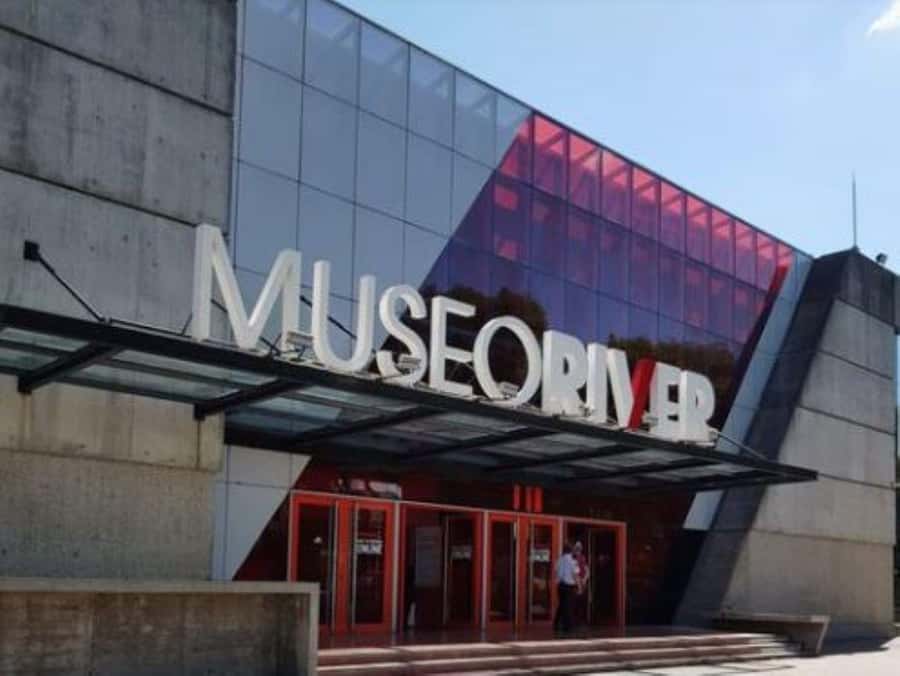
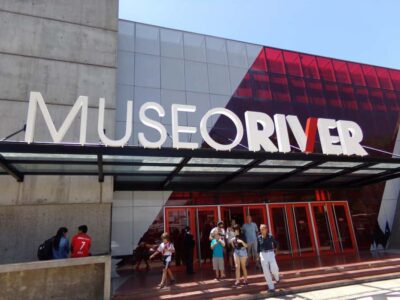
River Plate fans aren’t short on places to visit, but this museum is unusual because it’s built specifically for the club’s story. It was founded on November 9, 2009, and the focus stays tight: the club’s most precious treasures and key historical highlights.
I think this matters when you’re visiting in a packed Buenos Aires itinerary. A museum that’s loosely themed can feel like a time sink. This one is concentrated, with the time tunnel giving you structure and the 360 cinema adding sensory punch.
What you can expect inside is straightforward, which is a good thing. You’ll see:
- Origins of the club
- The first steps in professionalism
- Great games and memorable victories
- The trophies fans value most
You’re also taken through the club’s key figures and the teams that made River Plate great. Even though the description doesn’t list those names on its own, the museum’s method is clear: you’re shown the “who” and “what mattered,” and you’re given context through a timeline.
One practical note for you: if you’re visiting during a day with stadium activity, your museum experience should still work, but your stadium portion can be affected. I’d treat the museum itself as the core plan and treat the stadium part as the bonus, especially on match days.
Other Buenos Aires write-ups sitting in the pile
Stadium Option: Largest Stadium in Argentina, Plus a Field View From the Playpen
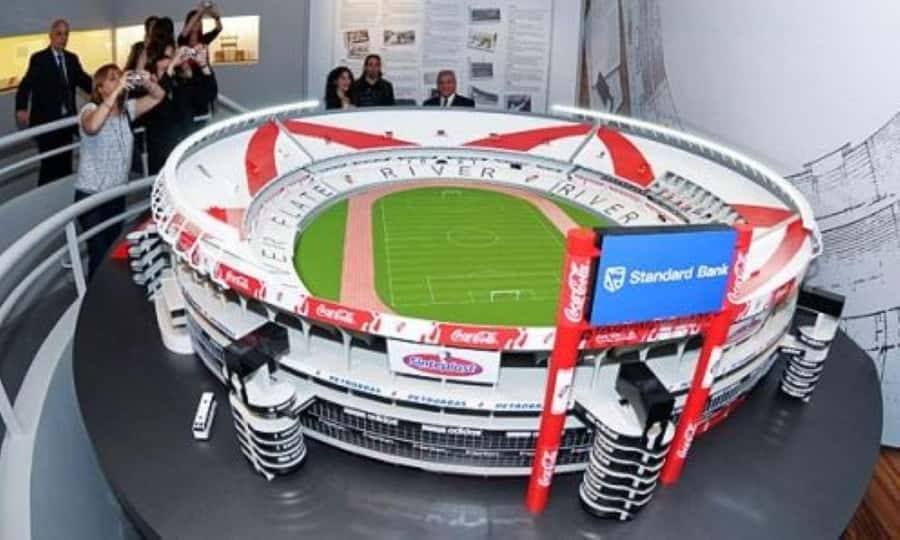
You’ve got a choice in how you build your day. The full visit option adds stadium access, and that’s where this ticket can feel like more than a museum.
The description says the full visit includes appreciation of the largest stadium in Argentina from the stands, and it mentions an area of more than 3,437 square meters. That gives you a sense of scale. But the more memorable part for many people is what comes next: you can enter the playing field to see it from a playpen.
For you, this is the payoff if you want football in physical space, not just on screens. Seeing a stadium from the concourse or the stands is one thing. Being allowed to enter the field area, even from a controlled viewing point, changes the mental picture. Suddenly the pitch isn’t a symbol. It’s a real space where decisions happen and where the club’s story comes alive.
There’s also an important reality check built into the rules. If a special event is held in the stadium and it affects the view, that’s not treated as a claim reason. And on days River Plate plays at home, entry to the stadium may be affected. So plan with flexibility: the stadium portion can be less perfect than your imagination, depending on what’s going on that day.
If you’re taking this as a one-day football deep cut, I’d strongly consider the full option. If your time is tight, the express approach may make sense, but keep an eye on how your pickup and group coordination is handled (more on that below).
Price Value at Around $27: When It’s Worth It and When It Might Not Be

At about $27 per person for a one-day experience, the value depends on what you want out of it.
If you’re a River Plate fan, or even a serious football culture person, the value is easier to justify. You’re getting:
- A structured museum story with a time tunnel
- A 360 cinema feature
- Optional stadium access that can include viewing from the stands and entry to the playing field area via a playpen
- A guided experience in a small group
The ticket also includes museum entry, and if you choose the option that adds transfer, transport can be included. Food is not included, so you’ll want to plan a meal stop on your own.
If you’re not a football person, the museum can still be entertaining because it’s about identity, emotion, and community. But your enjoyment will depend on how much you care about club history. If you prefer art or architecture, this might feel like a very specific niche.
My practical advice for value: treat the museum as the main course, and the stadium visit as dessert. If the stadium portion is affected due to match-day operations, you’ll still have a complete museum experience. That reduces the “what if” pressure.
Pickup, Timing, and the Reality of Express vs Full
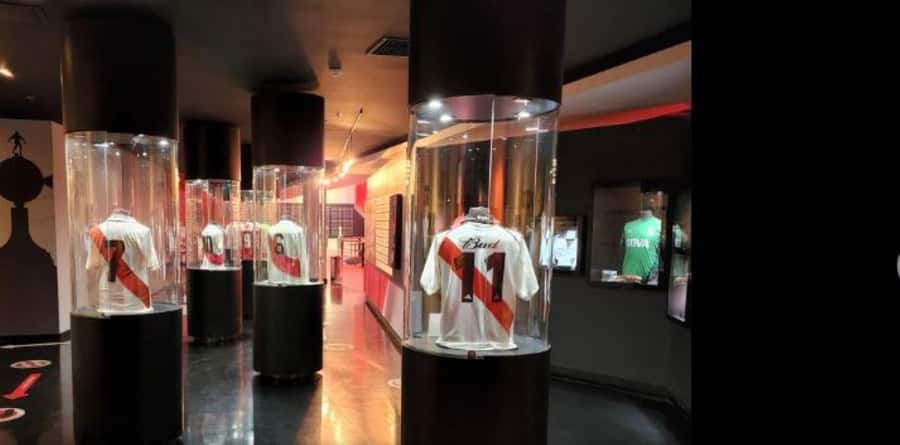
The experience is designed as a one-day plan. Starting times depend on availability, so you’ll want to pick a slot that fits your Buenos Aires schedule.
Pickup is optional. If you choose it, you wait in the lobby and the instructions say to be ready about 5 minutes before the indicated pickup time.
This matters because your day is probably built around multiple stops. A punctual meeting point keeps the schedule smooth.
One thing I’d flag, based on a low-rating experience: an express tour booking was sent to a holding area and never collected within a reasonable wait, and the participant eventually got upgraded to the full tour. It was a Spanish-only experience for that person, and they also noted a photo memory product ended up being in Spanish.
So here’s the takeaway for you, without drama: if you choose an express option, arrive with time to spare, confirm where you’re supposed to wait, and have your contact details handy. If language matters, ask ahead what support exists for English. That way you don’t end up frustrated if the tour is run entirely in Spanish.
Language and Guide Style: Getting the Most Out of Your Visit
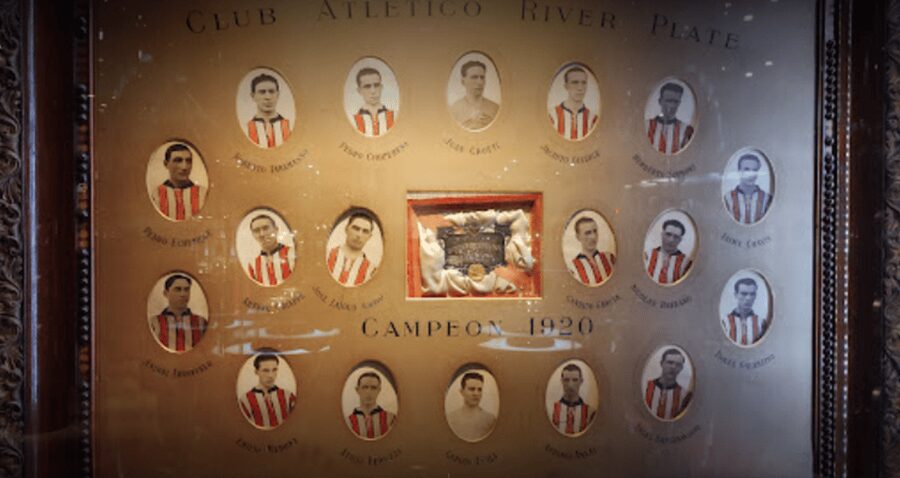
This museum is guided, and guide energy can shape your experience quickly. In verified bookings, guides named Fausto and Cristian were praised for being super amable and for having strong knowledge. That suggests the guiding can be the right mix of friendly and informative.
Still, language is the wildcard. One verified booking described the experience as entirely in Spanish, and it also complained that there was no English audio via headset or similar option. Since the provided information does not promise English language support, I recommend you plan accordingly.
Practical move: if you read Spanish at a basic level, you’ll likely get more out of the time tunnel narrative and the cinema context. If you need English, ask in advance what language support is available for your chosen day and group size.
Also, because this is a small group, you might have more room to ask clarifying questions. That can turn “I’m seeing artifacts” into “I understand what I’m looking at.”
Who This Ticket Suits Best (And Who Might Prefer Another Option)
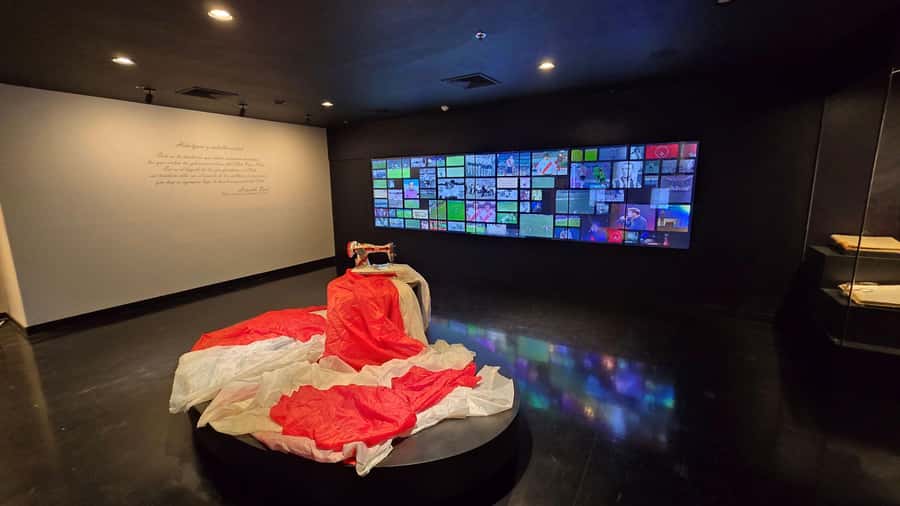
I think this is a smart choice for:
- River Plate fans who want a focused club story
- Football culture travelers who like seeing how fan emotion is expressed through exhibits and film
- Anyone who enjoys interactive museum design, especially a time-tunnel format
- People who want optional stadium access without planning it from scratch
It may be less satisfying if:
- You only want a casual museum stop and hate guided pacing
- You strongly need English audio support and cannot accept Spanish
- You’re visiting on a home match day without flexibility, since stadium entry and views can be affected
If you’re traveling with kids, the museum’s cinematic element and time-tunnel pacing can keep attention. The stadium portion is also a cool “wow” moment, but remember field access is controlled from a playpen area, not open wandering.
Should You Book River Plate Museum Tickets?
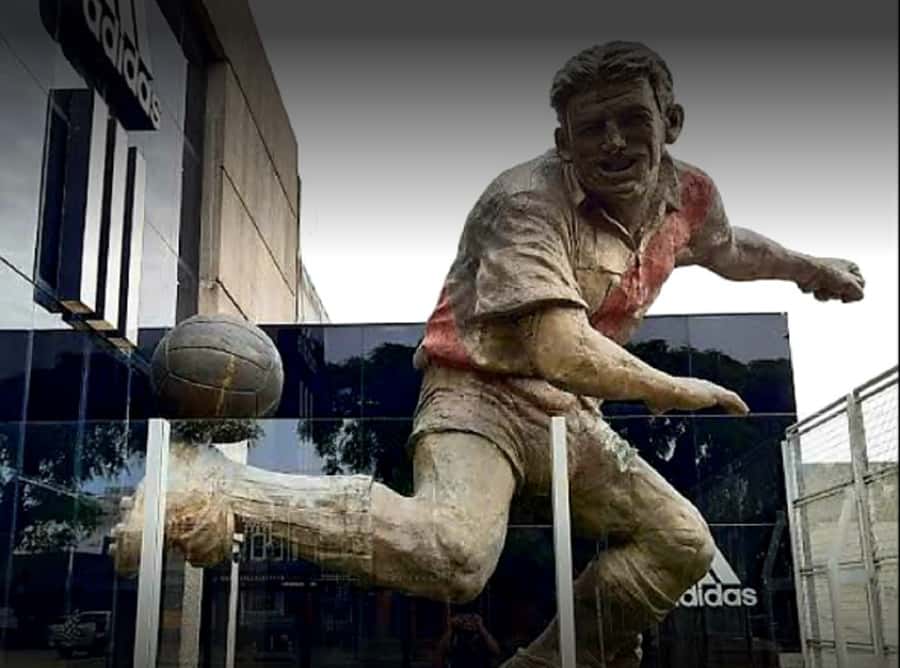
Yes, I’d book it if your trip has room for a one-day, football-focused experience and you’re even a little curious about River Plate identity and emotion. The time tunnel gives structure, the 360 cinema adds feeling, and the optional stadium visit can be a big memory if your day works out well.
Book with confidence if you can be flexible about the stadium view. The rules explicitly say events and match days can affect entry and sightlines, so treating the stadium as a bonus will keep your expectations grounded.
Skip or choose carefully if language support is a must for you. Since at least one verified booking reported a Spanish-only experience with no English headset audio, it’s worth checking before you lock in.
If you’re deciding between express and full, my recommendation is to pick full when possible. The museum is the heart of it, but the field-view from the playpen is what turns a museum ticket into a football moment you can actually stand inside.
FAQ
How long is the River Plate Museum ticket experience?
It’s listed as a 1-day experience. You’ll want to check availability for the starting times.
How much does it cost?
The price is $27 per person.
What is included with the ticket?
Museum tickets are included. If you choose the tickets plus transfer option, transfer is included as well.
Is food included?
No, food is not included.
Is pickup available?
Pickup is optional. If your option includes pickup, you should wait in the lobby about 5 minutes before the indicated time.
What happens if there’s a stadium event or River Plate is playing at home?
In the event of a stadium event that affects the view, it may not be considered a claim reason. On home-match days, stadium entry may be affected.
Can I cancel and get a refund?
Yes. Free cancellation is available up to 24 hours in advance for a full refund.
More Tickets in Buenos Aires

More Tour Reviews in Buenos Aires

More Matchdays in Buenos Aires
Newest Buenos Aires write-ups on the desk
- Tango Show at El Querandi with optional Dinner★ 4.2 · 3 reviews
- Velez Sarsfield Football Match★ 5.0 · 3 reviews
- Tango Show at: MichelAngelo★ 4.5 · 3 reviews
- Guided tour Boca Juniors Museum & Stadium + Caminito★ 3.3 · 3 reviews
- From Colonialism to Eclecticism, Buenos Aires arquitectonica★ 5.0 · 3 reviews
- Enjoy a Rural Experience in a Vineyard near Buenos Aires★ 4.7 · 3 reviews
The rest of the Buenos Aires Football Tours list.
 ★ 4.5Buenos Aires: Tickets to Boca Juniors Museum & StadiumFrom $38581 reviews
 ★ 5.0Soccer Match in Buenos Aires with Transfers and Local GuideFrom $172103 reviews
 ★ 4.3Buenos Aires: Boca Juniors and River Plate Football TourFrom $8982 reviews
 ★ 4.5Buenos Aires: River Plate and Boca Juniors Museum TourFrom $10372 reviews
 ★ 5.0La Boca, a collective creation: Port, immigrants, arts and footballFrom $6558 reviews
 ★ 4.8Buenos Aires: Tickets to Soccer MatchesFrom $16258 reviews
 ★ 4.5River Plate Monumental Stadium and Museum Guided TourFrom $8239 reviews
 ★ 4.3Buenos Aires: Hop-On Hop-Off Bus and Football MuseumsFrom $10539 reviews
Lists this one is on