
REVIEW · LA BOCA AND CAMINITO TOURS
Buenos Aires: Montserrat, San Telmo, La Boca, and Puerto …
Four hours, four iconic neighborhoods. This Montserrat, San Telmo, La Boca, and Puerto Madero route ties together politics, street culture, football energy, and modern river views. I like how the tour anchors you in Plaza de Mayo and the walkable streets around it, then keeps moving before the city can overwhelm you.
My second favorite part is the ending, Puente de la Mujer in Puerto Madero, paired with the area’s riverfront feel and historic naval displays. The main drawback to plan around is that this is a walking tour and it is not suitable for wheelchair users, so you’ll want solid mobility and comfortable shoes.
In This Review
- Quick hits you will care about
- Four neighborhoods in a half day, and why it works
- Entering Montserrat around Plaza de Mayo
- Avenida de Mayo and the old café stop you might get
- The city’s oldest bookstore, church, and pharmacy, plus a two-story milestone
- San Telmo: Mafalda, legends, and the 1897 market energy
- La Boca: color in Caminito and the Boca Juniors Stadium pull
- Puerto Madero: modern skyline, river promenade, and Calatrava’s bridge
- Costanera Sur Ecological Reserve: the nature pause near the center
- Price and logistics: is $100 per person worth it?
- What to wear, and who should book this tour
- Should you book this Buenos Aires historic neighborhoods tour?
Quick hits you will care about
- Montserrat street-jumps through the city’s oldest bookstore, church, and pharmacy, plus the first two-story building
- Avenida de Mayo as an early boulevard stop, with Café Tortoni included if it is available
- San Telmo character moments like the Mafalda statue, the smallest house, and stories about sailors and immigrants
- San Telmo Market at Plaza Dorrego, a 1897 market turned into an antiques plus snacks hangout
- La Boca football culture with a stop tied to Boca Juniors Stadium and the color of Caminito
- Puerto Madero architecture at Santiago Calatrava’s Puente de la Mujer, finishing with the riverfront vibe
Casco historico blocks we also covered
- Buenos Aires: Puerto Madero Sunset Cruise with Open Bar
★ 4.1 · 439 reviews - Buenos Aires: Puerto Madero to Tigre Round Trip Cruise
★ 4.4 · 190 reviews - Buenos Aires: San Telmo and Market Guided Walking Tour
★ 4.8 · 102 reviews - San Telmo: Historical Guided Tour with Street Food & Drinks
★ 5.0 · 87 reviews
Four neighborhoods in a half day, and why it works
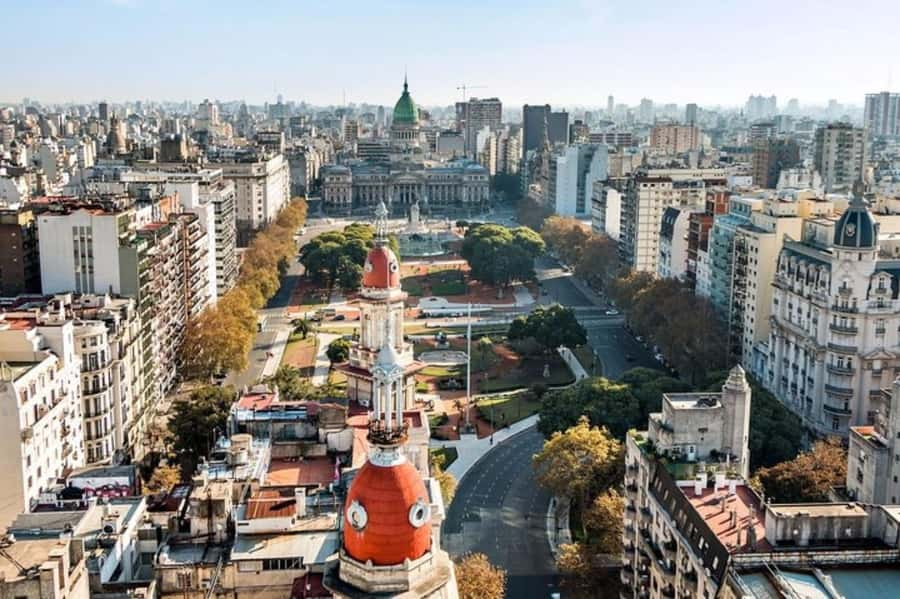
Buenos Aires is big in attitude, not just in size. This tour uses that fact well. You move through four distinct neighborhoods in about four hours, with short transfers between the main zones so your feet do the sightseeing, not just the getting-around.
What makes the experience feel efficient is the way the route is themed. In Montserrat, the focus is on civic Buenos Aires and the old lanes that shaped power. In San Telmo, it shifts to neighborhood life and legend. La Boca brings the loud colors and football heartbeat. Puerto Madero ends with a cleaner, more modern skyline view and a signature bridge by Santiago Calatrava.
You’ll also get a live guide in English, Spanish, or Portuguese. In a great review, guide Alejandra was praised as friendly and very knowledgeable, and that matters because these neighborhoods are full of small details most people miss when they walk on their own. Another mention of Sebastian highlights the team focus on keeping the day enjoyable and running smoothly.
Entering Montserrat around Plaza de Mayo
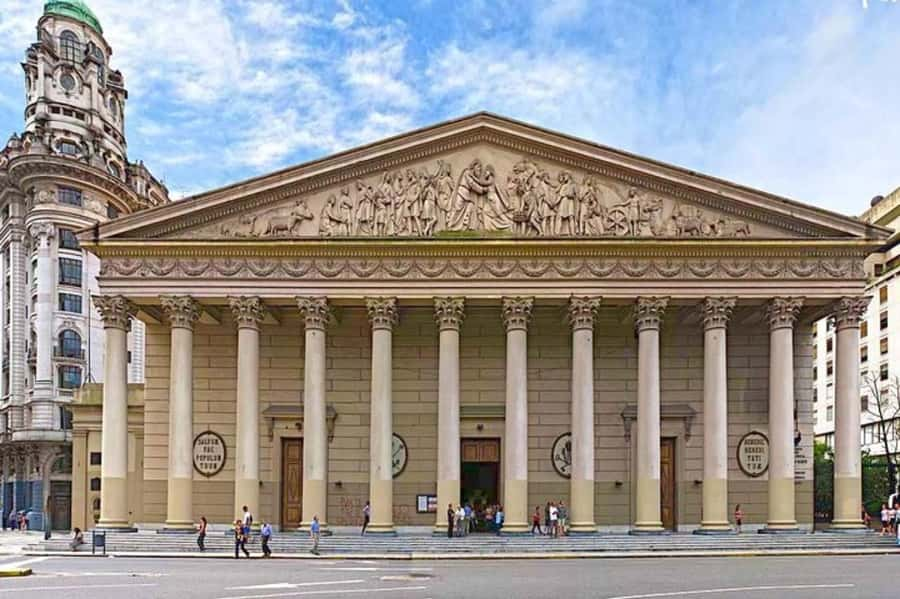
You start at the Catedral Metropolitana de Buenos Aires, which is a smart opener. It sets the tone right away: this is a center-of-everything kind of area where religion, government, and daily life rub shoulders.
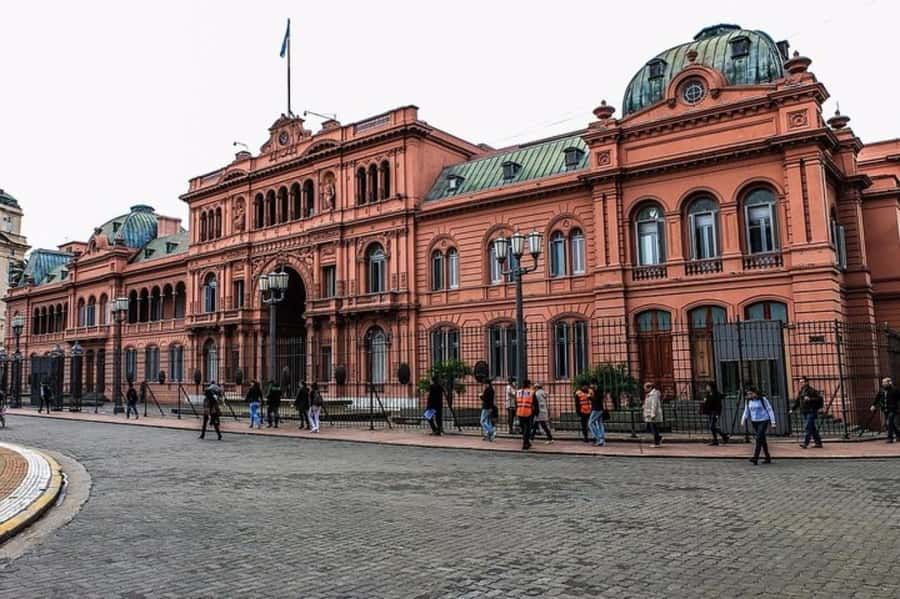
From there, you spend time in Montserrat, the historic heart around Plaza de Mayo. This plaza is described as the city’s oldest and pulsating center, and the tour uses it as an orientation point. You’ll see major landmarks around the square, including the Casa Rosada, the Cabildo, and the Metropolitan Cathedral, plus nearby ministries like Economy and Defense.
Two things to watch for here:
First, the way the guide connects what you see to why it matters. Plaza de Mayo is not just pretty stone. It is the city’s stage for big moments, and your route through the area is built to help you understand that.
Second, the walking rhythm. This area is very walkable, but it can be crowded, so keep your phone ready for photos and your brain ready for context.
If you’re the type who likes structure, this start gives you it fast. If you’d rather wander free, you can still use the tour to set your bearings, then loosen up afterward.
Avenida de Mayo and the old café stop you might get
After Plaza de Mayo, the route shifts west to Avenida de Mayo. The tour frames it as the first boulevard in the city and the first avenue in South America, which is exactly the kind of fact that turns a simple street walk into a story.
Avenida de Mayo also functions like a spine for the day. You are literally moving along a corridor that links the big political bodies, and your eyes get better at spotting the architecture and street patterns as you go.
Halfway along the avenue is Café Tortoni, described as the oldest café in Argentina and South America. Here’s the practical note: the café visit is included only if it is available. So think of it as a bonus, not a guaranteed must-see stop. If you do get in, it is an easy way to switch gears from street history to old-school Buenos Aires atmosphere without spending extra time hunting.
I like this setup because it does not waste your time on long detours. You get context and a likely sensory break in about the right spot in the route.
Still on the Caminito? A few more La Boca routes
The city’s oldest bookstore, church, and pharmacy, plus a two-story milestone
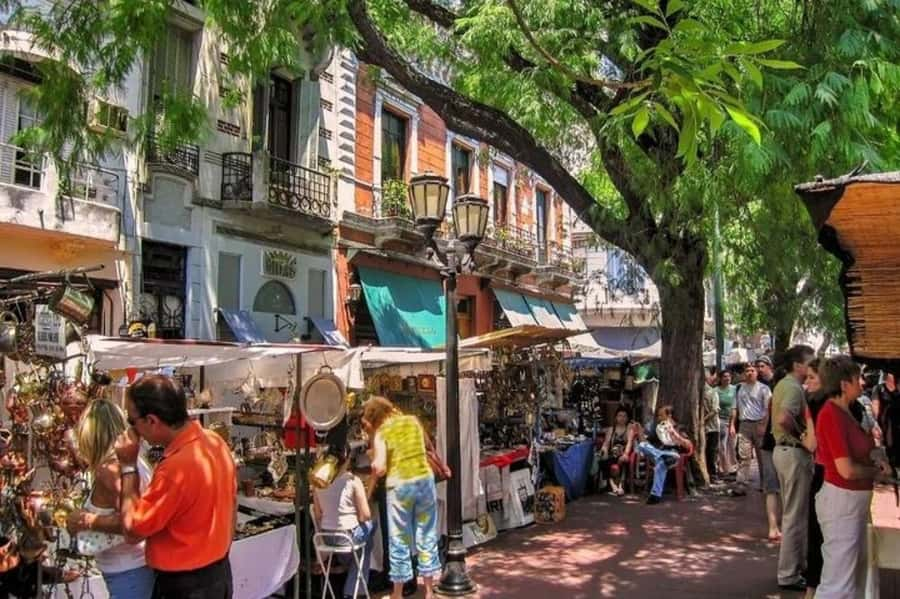
Montserrat is where the tour earns its title as a deep dive into the old bones of the city, but without turning into museum overload.
You walk past the oldest bookstore, church, and pharmacy in Buenos Aires, plus the first two-story building. Even without technical architectural jargon, these stops make a clear point: Buenos Aires grew by changing what everyday buildings could do. A bookstore signals ideas and reading culture. A church shows community structure. A pharmacy signals the evolution of health and daily needs. The first two-story building hints at when the city started stacking life upward instead of only expanding sideways.
This is also where you’ll be strolling along Calle Defensa, which is one of those streets that feels like it holds more stories than it can possibly tell in a single afternoon.
One more practical consideration: because these are regular streets and buildings, you might not see inside everything. The value is mainly in what the guide points out and how it connects to the neighborhood’s bigger timeline.
San Telmo: Mafalda, legends, and the 1897 market energy
Next you head to San Telmo, the city’s second-oldest neighborhood. The tour keeps Calle Defensa going because it is the perfect lane for small surprises.
One of the first fun moments is the charming statue of Mafalda, Argentina’s beloved comic character and cultural ambassador. It sounds like a quirky photo stop, but it also signals what San Telmo does best: mixing history with popular culture in the same block.
Then you get those more local-feeling sights:
You’ll see the smallest house in the city and hear tales involving sailors, immigrants, and slaves, plus other urban legends tied to how the area developed. The tour does a nice job here by treating these stories as part of the street map, not random trivia.
You also stop at San Telmo Market, inaugurated in 1897. This is a key value point. The market has evolved into a lively hub with antique shops, small restaurants, and traditional fruit and vegetable stalls. Even if you do not plan a full meal, you can still use it to understand the neighborhood rhythm and decide where you might want to return later for a snack.
Before reaching San Juan Avenue, you visit Plaza Dorrego, the second-oldest square. The tour also includes Ezeiza’s house nearby, and the area gets you ready for the photo moment at the French Passage, described as a great backdrop for pictures.
If you want a meal, this is one of your best spots to plan around, because the tour mentions the area as ideal for eating, even though meals are not included.
La Boca: color in Caminito and the Boca Juniors Stadium pull
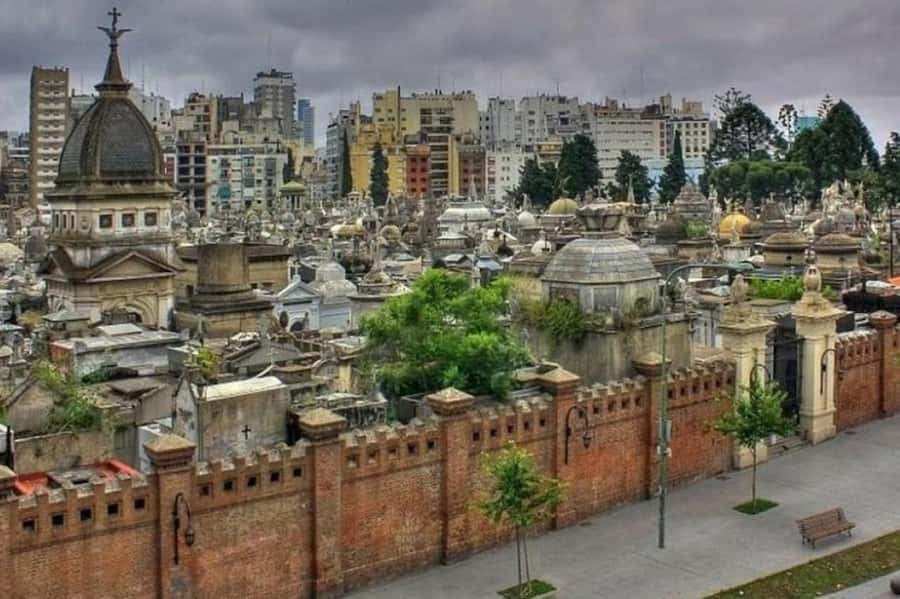
Then comes La Boca, the neighborhood most people recognize even if they do not know the details. The tour spotlights the iconic Boca Juniors Stadium and makes room for the area’s energy without trying to turn it into a ticketed sports event.
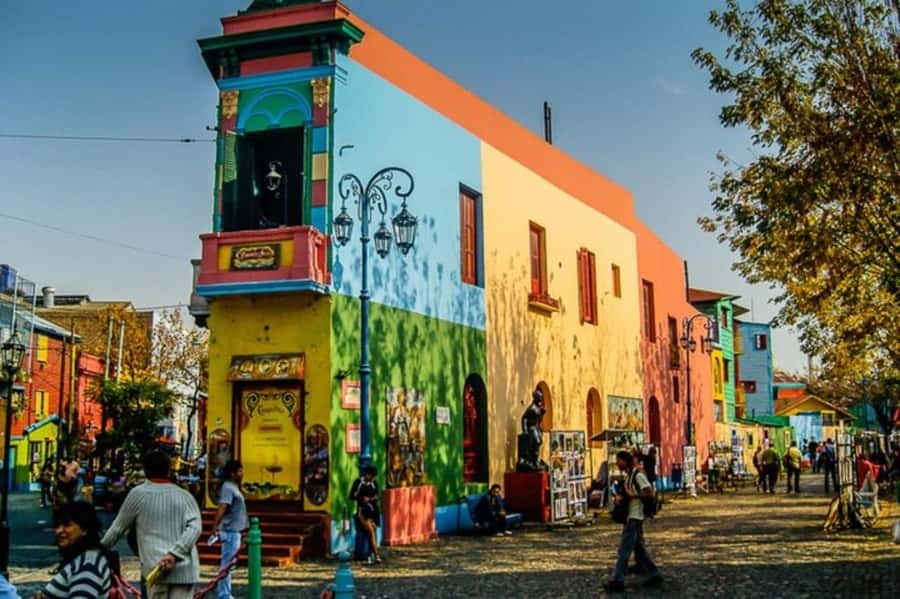
You’ll explore Caminito, described as an open-air museum bursting with color. This is the part of the day where the city looks like its own postcard. But the guide helps keep it from becoming only visual by connecting the neighborhood to the birthplace of tango and its cultural identity.
A practical tip here: if you are picky about photos, arrive ready. Caminito can be busy, and the tour timing matters. The best photos tend to happen when you keep moving and let the guide tell you where to look rather than stopping everywhere at once.
The tour also points out traditional spots where you may see tango dancers in restaurants. Since this can vary based on what is happening, treat it as a possible experience you get through the neighborhood atmosphere, not a guaranteed showtime.
La Boca is also where souvenirs feel most natural. If you do want something small and local, this is the place you’ll likely enjoy browsing, because it is part of the street fabric, not a distant shopping mall detour.
Puerto Madero: modern skyline, river promenade, and Calatrava’s bridge
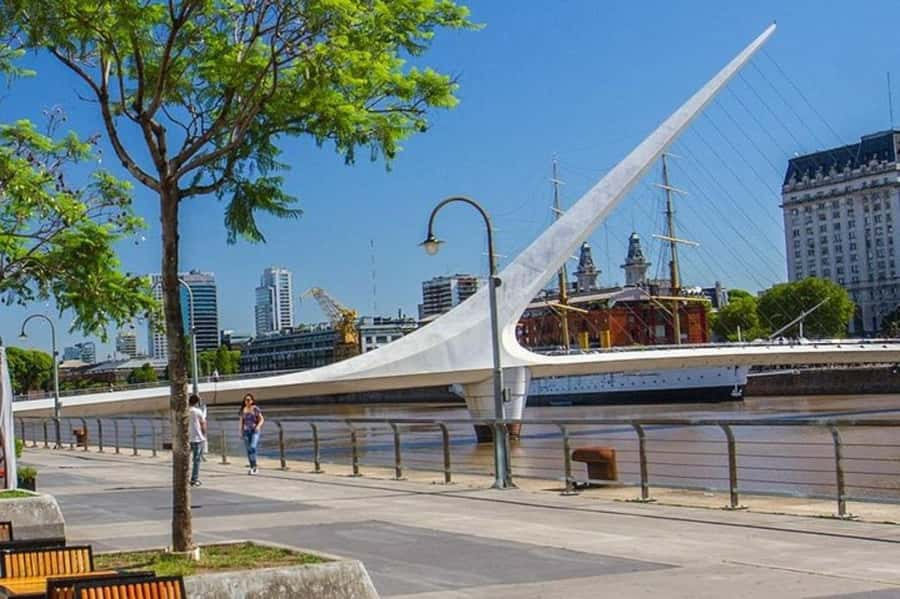
Finally, the route arrives at Puerto Madero, once an abandoned port project that has transformed into a modern district with skyscrapers reshaping the skyline.
What I like about ending here is the contrast. You go from old lanes and tight neighborhood stories into a cleaner, broader space that feels designed for lingering. The tour includes time for Puerto Madero’s riverside promenade, where bars and restaurants line the water.
The highlight is Puente de la Mujer, designed by architect Santiago Calatrava. This bridge is not subtle. It has a shape that turns the riverfront into a photo set, and it works from multiple angles, so you’ll likely find yourself changing positions as the guide points out the landmark details.
Puerto Madero also gets you historical anchors. The tour mentions historical treasures like the frigate Sarmiento and the corvette Uruguay, both presented as vessels with stories to share with visitors.
If you are trying to understand modern Buenos Aires, this ending helps you see how the city can feel both forward-looking and still anchored to the past. It is a good place to wrap up because it gives you space to breathe before you head back into the rest of your evening.
Costanera Sur Ecological Reserve: the nature pause near the center
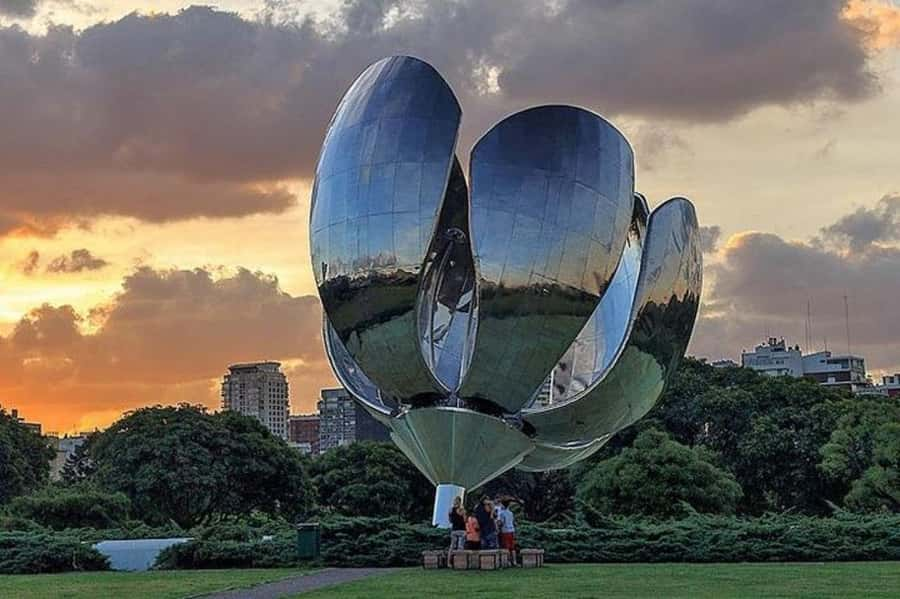
One more highlight to plan for is the Costanera Sur Ecological Reserve, a natural space near the city center. It works as a mid-to-late day reset, especially after denser neighborhood blocks.
The key value here is simple: Buenos Aires is often experienced as streets and buildings, so a green pause helps you keep your energy for walking and photos. You do not have to be a bird-watcher to appreciate the change in scenery and air.
Because the detailed timing is not spelled out here, treat it as a segment you’ll appreciate even if you have just a short chance to look around.
Price and logistics: is $100 per person worth it?
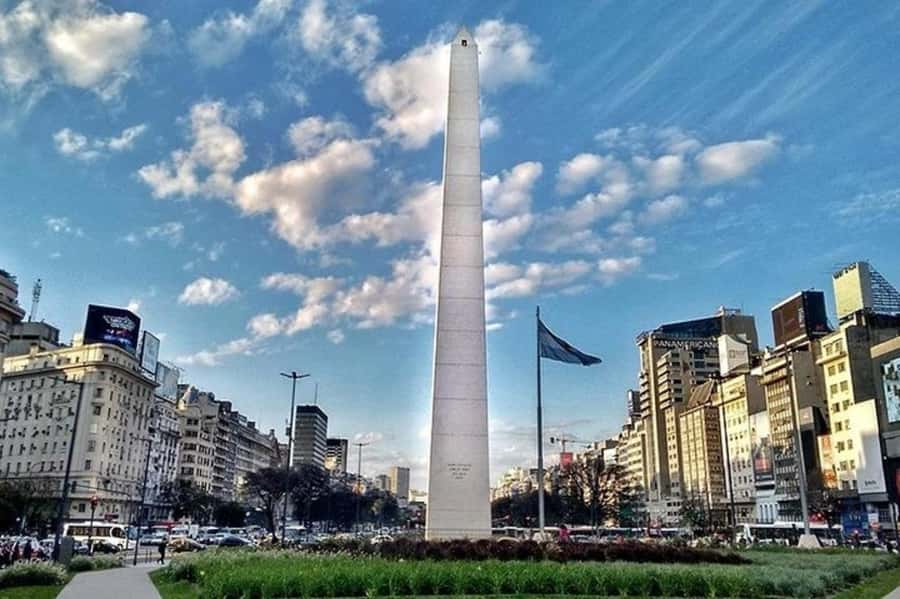
The price is $100 per person for a 4-hour experience. For that cost, you are buying three things: a live guide, a structured route through multiple neighborhoods, and access to key landmarks that would take time to stitch together on your own.
I think the value is strongest if you care about context. Walking Buenos Aires without a guide can still be fun, but you miss the connections that turn streets into stories, like how Montserrat’s oldest institutions tie into the city’s political heart, or how San Telmo legends connect to immigrant and sailor narratives.
This is also not a long day. Four hours is enough time to feel you covered major beats, but not so long that you lose yourself in transit and fatigue. Transfers between zones are kept short, so the day stays flowing.
Where you should manage expectations:
- The Café Tortoni stop depends on availability, so do not build your day around it.
- You should expect continuous walking and standing. Comfort matters, especially in busy areas.
What to wear, and who should book this tour
This tour is built for people who like walking and learning at the same time. Wear comfortable shoes, and check the weather forecast so you dress for sun, wind, or rain. Buenos Aires can change fast, and you do not want your comfort to sabotage the experience.
Language is a plus: the guide is available in English, Spanish, and Portuguese, so you can match the day to your comfort level.
One more match note: the tour is not suitable for wheelchair users, so plan alternatives if mobility is limited.
Who it suits best:
- First-time visitors who want a fast, coherent picture of Buenos Aires neighborhoods
- People who like architecture and street-level stories, not only museum interiors
- Football fans who want to connect La Boca with the wider city culture
- Anyone who wants a clean, iconic ending at a world-famous bridge
Should you book this Buenos Aires historic neighborhoods tour?
If you want a half-day that feels organized, story-driven, and visually rewarding, I’d say yes. This tour covers a lot of ground while keeping the thread intact, from Plaza de Mayo to Caminito to Puente de la Mujer.
Book it if:
- You like guided walking and street history
- You want both old Buenos Aires and a modern finish
- You appreciate a team approach, since guides like Alejandra are specifically praised for friendliness and knowledge, and Sebastian is mentioned for making sure the experience stays enjoyable
Skip or adjust your plan if:
- You need wheelchair accessibility
- You prefer mostly seated sightseeing, because this is a walking route
- You are counting on Café Tortoni as a guaranteed stop, since it depends on availability
If that sounds like your pace, this is a strong way to get oriented and leave with enough context to explore the rest of the city on your own.
More Tour Reviews in Buenos Aires

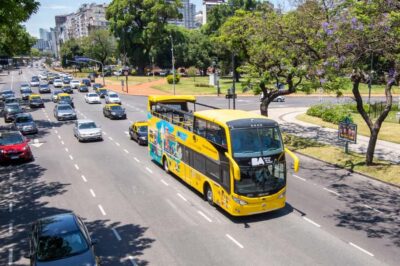
La Boca Beyond Caminito
Old Buenos Aires, More Routes


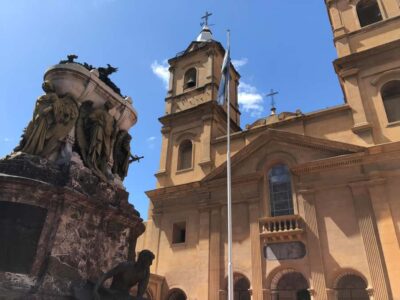
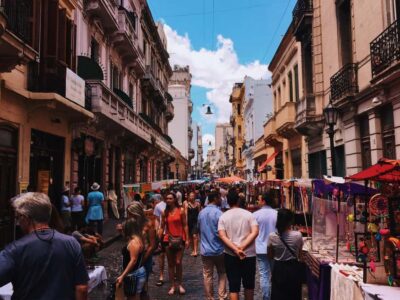

Newest Buenos Aires write-ups on the desk
- Tango Show at El Querandi with optional Dinner★ 4.2 · 3 reviews
- Velez Sarsfield Football Match★ 5.0 · 3 reviews
- Tango Show at: MichelAngelo★ 4.5 · 3 reviews
- Guided tour Boca Juniors Museum & Stadium + Caminito★ 3.3 · 3 reviews
- From Colonialism to Eclecticism, Buenos Aires arquitectonica★ 5.0 · 3 reviews
- Enjoy a Rural Experience in a Vineyard near Buenos Aires★ 4.7 · 3 reviews
The rest of the La Boca and Caminito Tours list.
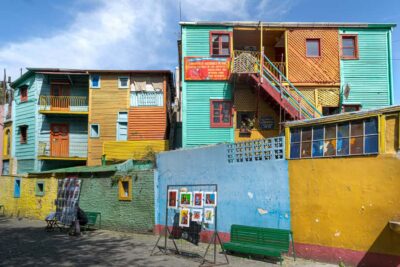 ★ 4.8Buenos Aires: La Boca Guided Walking Tour in EnglishFrom $131,587 reviews
 ★ 4.5Buenos Aires: Tickets to Boca Juniors Museum & StadiumFrom $38581 reviews
 ★ 4.1Buenos Aires: Navigation from Pto. Madero to La BocaFrom $18147 reviews
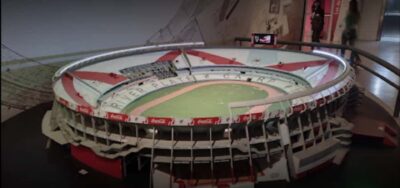 ★ 4.3Buenos Aires: Boca Juniors and River Plate Football TourFrom $8982 reviews
 ★ 4.5Buenos Aires Bike Tour: San Telmo and La Boca DistrictsFrom $4574 reviews
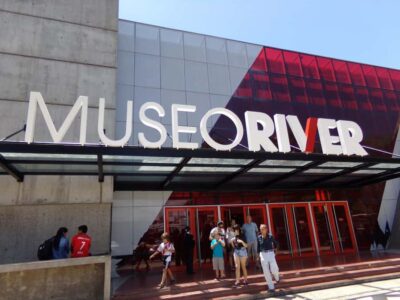 ★ 4.5Buenos Aires: River Plate and Boca Juniors Museum TourFrom $10372 reviews
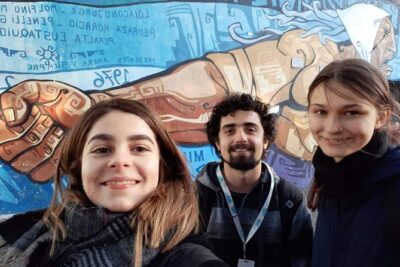 ★ 5.0La Boca, a collective creation: Port, immigrants, arts and footballFrom $6558 reviews
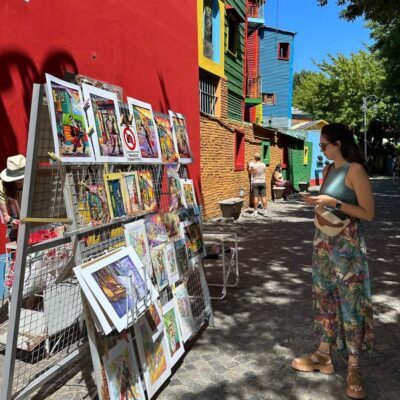 ★ 4.8Buenos Aires: La Boca Art and History Walking TourFrom $4655 reviews
Lists this one is on