
REVIEW · ARGENTINA
Buenos Aires for curious people
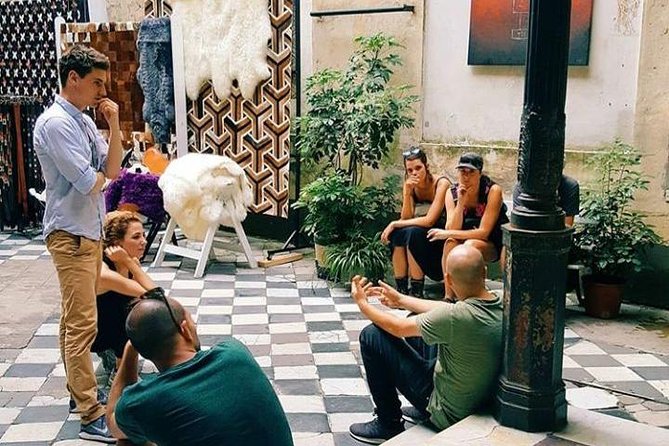
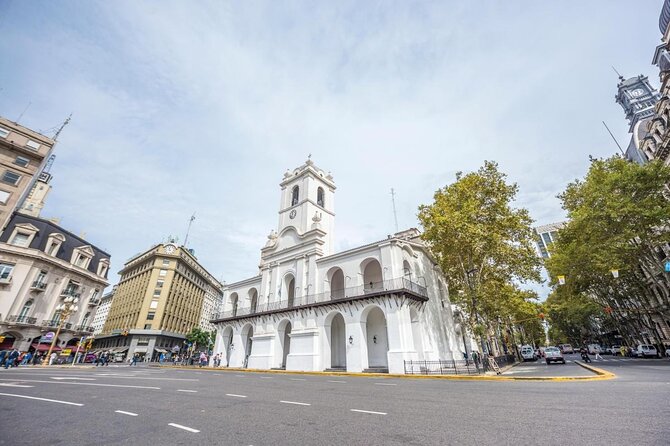
San Telmo has a story for every corner. This is a small-group Buenos Aires walking tour that pairs iconic landmarks like Plaza de Mayo and the Casa Rosada with quieter, easier to miss stops in the old neighborhoods. I especially love how the guide connects history, politics, and architecture in plain language, plus how the route keeps you moving without turning into a photo sprint. One thing to consider: you’ll hit a serious stop at Memory Walk, so come ready for heavy history, not just scenery.
The pace works well for most people because it is structured around short, meaningful stops, usually around 2 to 3 hours total. I also liked the practical rhythm, including time breaks for snacks or using the bathroom.
If you want Buenos Aires beyond the standard checklist, this tour is built for you. It stays in the oldest parts of the city, with real local textures like markets and neighborhood squares.
In This Review
- Key points to know before you go
- What you really get from this Buenos Aires walk
- Where the tour starts: Bar Británico and the old-town reset
- Parque Lezama: the first fort idea, then the layers
- A Swedish church in Buenos Aires: Club Sueco (1944)
- Memory Walk: where you should expect heavy history
- Parroquia de San Pedro Gonzalez Telmo: colonial roots in the open air
- Plaza Dorrego: the old-town main square
- Mercado San Telmo: why immigrant-built markets matter
- Puente de la Mujer: Santiago Calatrava’s modern angle
- Casa Rosada: ending at the seat of power
- Price and time: why $33 feels like good value
- The guide experience: more like a local conversation than a lecture
- Weather and comfort: simple things to watch for
- Who should book this, and who should think twice
- Should you book Buenos Aires for curious people?
- FAQ
- How long is the Buenos Aires walking tour?
- How much does the tour cost?
- What is the group size?
- Where does the tour start and end?
- Is admission to Casa Rosada included?
- Is the tour affected by weather?
Key points to know before you go
- Up to 8 people, so you actually get answers without shouting over the crowd
- San Telmo focus with classic squares, churches, and a working market feel
- Memory Walk stop gives context to Argentina’s darkest chapters (1976 to 1979)
- Puente de la Mujer (Woman’s Bridge) is your modern-design highlight by Santiago Calatrava
- Most stops are free to enter, so your $33 goes to the guide and the route
- Ends at the Casa Rosada area, where you can continue on your own
Narrowing the Buenos Aires list? These kept surfacing while we wrote.
- Buenos Aires Hop-On Hop-Off Bus, Free Walking Tours & Discounts
★ 4.5 · 2,218 reviews - Buenos Aires: Piazzolla Tango Show with Optional Dinner
★ 4.4 · 2,122 reviews - Buenos Aires: City Highlights Guided Tour with Transfer
★ 4.7 · 1,946 reviews - Buenos Aires: Hop-On Hop-Off City Bus Tour
★ 4.2 · 1,855 reviews
What you really get from this Buenos Aires walk
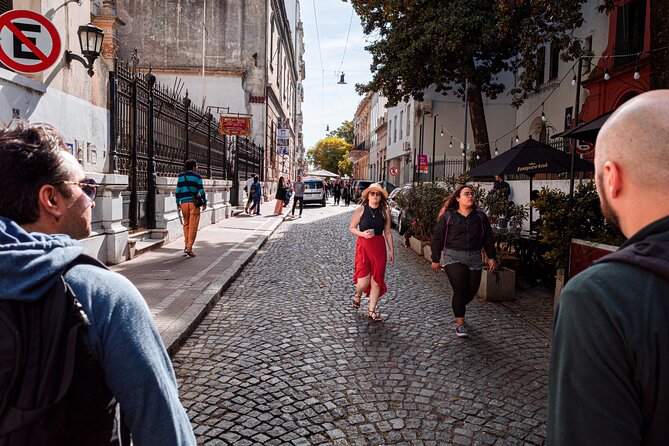
This tour is for curious people who like cities with layers. Buenos Aires can look like a postcard from a distance, but up close it is messy, political, and human. This route helps you put those pieces together fast, walking through older streets and then landing near the power center.
I like that it is not only about what you see, it is about what you learn to notice. You’ll start to read the city the way a local does: who built what, why certain styles arrived, and what certain buildings represent in Argentina’s story.
Group size matters here. With a maximum of 8 travelers, the guide can slow down for questions and still keep the walk efficient. If you are the type who asks why something was built or what changed over time, you’ll feel at home.
Where the tour starts: Bar Británico and the old-town reset
You meet at Bar Britanico, Brasil 399, in the older part of the city. Starting in a recognizable neighborhood anchor helps you orient immediately, especially if you arrive early and want a calm launch.
From there, you ease into the city’s early geography. The guide sets expectations so you know what kind of history you’re walking into, from colonial-era roots to modern political landmarks.
Practical tip: wear comfortable shoes. This is a walking experience, and even though the stops are short, you’ll cover enough ground that your feet will thank you later.
Parque Lezama: the first fort idea, then the layers
Next you head to Parque Lezama, the starting point where the first fort was established in 1536. That date matters because it frames Buenos Aires as a place with a beginning that is older than many people realize.
What I found useful here is how the guide turns a park into a timeline. Instead of treating it as green space, you get a sense of why the area developed the way it did, and how later events built on those early choices.
This stop is short, about 30 minutes, so it acts like a launch pad rather than a long detour. If you need a moment of breathing room, this is a good place to reset your energy before the more specific neighborhood details begin.
A Swedish church in Buenos Aires: Club Sueco (1944)
At Club Sueco Restaurante, you visit a Swedish church dating from 1944. It is a surprising stop because it shows immigration not as a generic theme, but as physical architecture you can stand in front of.
This is exactly the kind of detail that makes Buenos Aires feel real. Places like this remind you that the city was shaped by waves of communities, not just by famous presidents and famous plazas.
You’ll spend around 10 minutes here. That is enough time to get the context without turning it into a museum-style stop.
Memory Walk: where you should expect heavy history
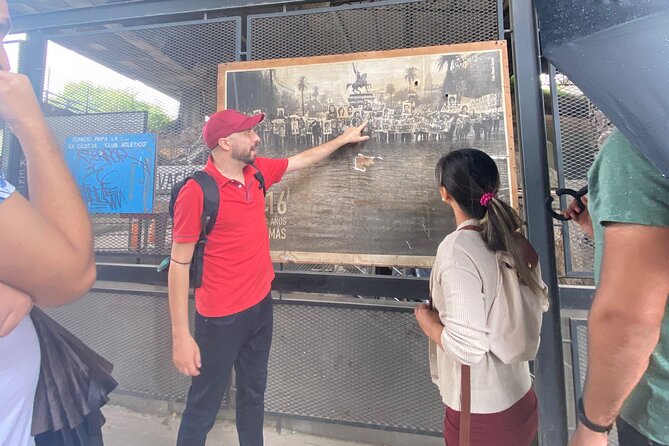
One of the most important stops is Memory Walk, a former clandestine center for detention, torture, and extermination from 1976 to 1979. This is not a casual “look and move on” stop. It is where the tour shifts from architectural and neighborhood stories into the lived consequences of dictatorship.
Expect it to be emotionally serious. The value of this stop is the context. You’ll learn how to place Argentina’s recent history into the city you’re walking through, instead of treating politics as abstract background noise.
If you are sensitive to these topics, give yourself a quiet moment after the stop. You do not need to force yourself to absorb every detail at once.
Parroquia de San Pedro Gonzalez Telmo: colonial roots in the open air
After Memory Walk, you continue to Parroquia de San Pedro Gonzalez Telmo, a colonial Catholic church. Colonial religious architecture often gets passed by quickly in big cities, but here it is used as another way to understand the city’s formation.
You’ll spend about 15 minutes, which gives you time to notice design cues and ask questions about what colonial-era churches signaled socially and culturally.
Tip: if you enjoy architecture, this is a good stop to slow down. You can take a moment, look around, and then listen for the guide’s explanation of what you’re seeing.
Plaza Dorrego: the old-town main square
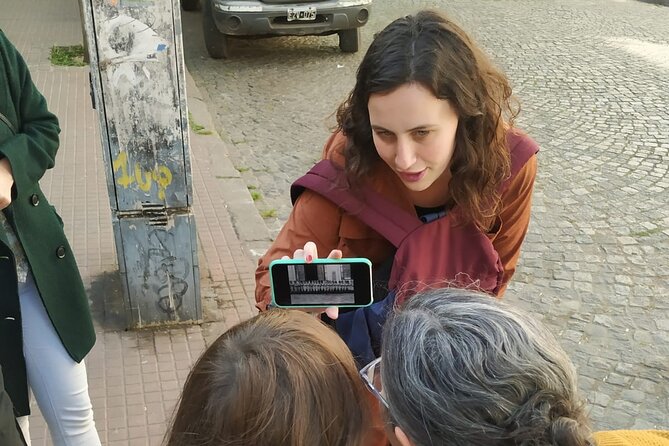
Plaza Dorrego is the old town’s main square, with a stop of about 15 minutes. This is the kind of place where the city’s rhythm shows up quickly, even if you only stay for a short window.
What makes this stop worthwhile is that it is not only about the square itself. The guide uses it to tie the neighborhood together, connecting the church, surrounding streets, and the market scene you’ll visit next.
If you want a quick taste of everyday public life, this is a solid “pause point” before you go into the food and shopping side of San Telmo.
Mercado San Telmo: why immigrant-built markets matter
Next you head to Mercado San Telmo, about a 30-minute stop. You’ll learn it was built up by Italian immigrants, which gives you a clear reason why the market feels the way it does today.
Markets are where history becomes practical. Even if you’re not buying anything, you see how people gather, what gets sold, and what types of daily traditions survived.
If you like food culture, use this stop to decide what you want to try later. Grab something small if you find it, or just use it as a sensory break. This is also a good place to ask the guide where locals tend to go next, since the route is designed for getting you oriented rather than trapping you inside a rigid schedule.
Puente de la Mujer: Santiago Calatrava’s modern angle
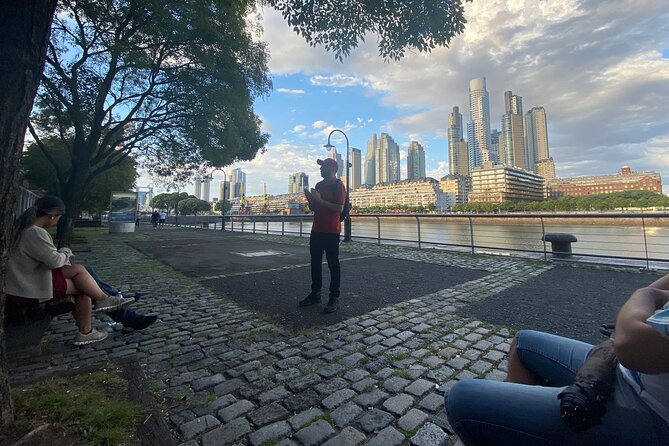
Then comes a different mood shift: Puente de la Mujer, also called the Woman’s Bridge, designed by Spanish architect and structural engineer Santiago Calatrava. You’ll spend around 15 minutes here.
This is a smart contrast against the older churches and plazas you saw earlier. The city’s power story has a modern chapter too, and this bridge is a visible symbol of design thinking in Buenos Aires.
Practical tip: it is a great spot for photos, but also for understanding why modern architecture grabs attention. Listen to the guide’s framing, then take your time looking at angles and structure.
Casa Rosada: ending at the seat of power
The tour ends at the Casa Rosada area, at Balcarce 78. Casa Rosada itself is the president’s office, and the time you get is about 25 minutes. Entry to the presidential building is not included, so you may want to plan for extra time if you decide to go inside on your own.
This ending works because it gives you a full-circle feeling. You start with early foundations, pass through neighborhoods and immigrant-built spaces, stop at a place tied to Argentina’s darkest human rights history, and then end where national power is housed.
If you are continuing your own sightseeing, this is a convenient landing zone. You can match your next plan to what you feel most curious about: politics, museums, more plazas, or just another walk through San Telmo’s side streets.
Price and time: why $33 feels like good value
At $33 per person for roughly 2 to 3 hours, the value comes from the combination of things that are hard to replicate on your own. You get an organized route through San Telmo and the old-town center, plus interpretation at stops that you might otherwise treat as random sights.
A big part of the value is that most stops have free admission. You’re paying for the guide, the context, and the order of operations, not a stack of expensive tickets. The only major exception is Casa Rosada entry, which is not included, so you control how much you want to spend at the end.
Small-group size is another value lever. With a maximum of 8 travelers, the tour feels more like walking with a sharp friend than being herded through checkpoints.
Finally, this is something you can do without losing a whole day. Buenos Aires is huge, so time matters. This tour helps you earn quick context, which makes the rest of your time in the city easier and more fun.
The guide experience: more like a local conversation than a lecture
From the way this tour is described by past visitors, the guide style is consistent: clear communication, real local ties, and lots of room for questions. Names you may hear include Nico and Ignacio, and the common thread is a strong background in history, architecture, and politics, explained in straightforward language.
One detail I really appreciate is the built-in human pacing. The tour typically includes breaks for snacks and bathroom needs. That sounds small, but it keeps the experience comfortable, especially when you’re walking through older neighborhoods.
And because the group is intimate, you can steer the conversation a bit. If you want more political context, or more about daily life and food, the guide has room to answer without rushing you.
Weather and comfort: simple things to watch for
This experience requires good weather. If conditions are poor, you’ll be offered a different date or a full refund. That’s worth factoring into your planning, especially if your Buenos Aires days are packed.
Bring layers if you’re going in shoulder season, and keep a small snack option in mind for long gaps between stops. Even with planned breaks, you’ll be happier if you travel prepared.
Who should book this, and who should think twice
Book this if you:
- Want a San Telmo-focused Buenos Aires walking tour that includes real neighborhood texture
- Like history that connects buildings to what happened to people
- Prefer small groups and question-friendly guiding
- Want a route that ends at Casa Rosada so you can keep exploring
Think twice if you:
- Want only light, scenic stops. Memory Walk is serious and emotionally heavy.
- Struggle with sustained walking pace. This is a walking tour, and it depends on keeping the route moving between sites.
If you are the type who likes to understand a city’s “why,” you’ll get a lot out of this. If you just want quick snapshots, you may find parts of the story more intense than a typical sightseeing loop.
Should you book Buenos Aires for curious people?
Yes, if you want Buenos Aires that makes sense after your walk. The route is short enough to fit easily, but it still covers big themes: early foundations, immigration clues, architectural variety, and the human rights history tied to Memory Walk, then a finish near the Casa Rosada.
I’d especially recommend it as one of your earlier Buenos Aires activities. You’ll walk away with better bearings for the rest of your trip, and you’ll know what to look for when you wander on your own.
If you want, tell me your travel dates and whether you prefer morning or afternoon. I can suggest a simple plan for what to do before and after the walk around San Telmo and Plaza de Mayo.
FAQ
How long is the Buenos Aires walking tour?
It runs about 2 to 3 hours.
How much does the tour cost?
The price is $33.00 per person.
What is the group size?
The tour has a maximum of 8 travelers.
Where does the tour start and end?
It starts at Bar Britanico, Brasil 399, and ends at Casa Rosada, Balcarce 78.
Is admission to Casa Rosada included?
No. Casa Rosada entry is not included in the tour.
Is the tour affected by weather?
Yes. It requires good weather. If it is canceled due to poor weather, you will be offered a different date or a full refund.
More Tour Reviews in Buenos Aires
Newest Buenos Aires write-ups on the desk
- Tango Show at El Querandi with optional Dinner★ 4.2 · 3 reviews
- Velez Sarsfield Football Match★ 5.0 · 3 reviews
- Tango Show at: MichelAngelo★ 4.5 · 3 reviews
- Guided tour Boca Juniors Museum & Stadium + Caminito★ 3.3 · 3 reviews
- From Colonialism to Eclecticism, Buenos Aires arquitectonica★ 5.0 · 3 reviews
- Enjoy a Rural Experience in a Vineyard near Buenos Aires★ 4.7 · 3 reviews