
REVIEW · ARGENTINA
Buenos Aires: Bioparque Temaiken with Transfers
Plan a wild day outside Buenos Aires. This transfer-included trip to Temaikén Biopark mixes zoo, aquarium, and museum-style learning in carefully built outdoor settings. I especially like the animal-friendly approach and how you can spot Argentina’s ecosystems and global animals in one day.
One possible drawback: there’s no guided tour once you’re inside, so you’ll want a simple plan for what you don’t want to miss during your free time.
In This Review
- Key takeaways before you go
- First stop: the ride out of Buenos Aires (and why it matters)
- Temaikén Biopark in plain English: what you’re really buying
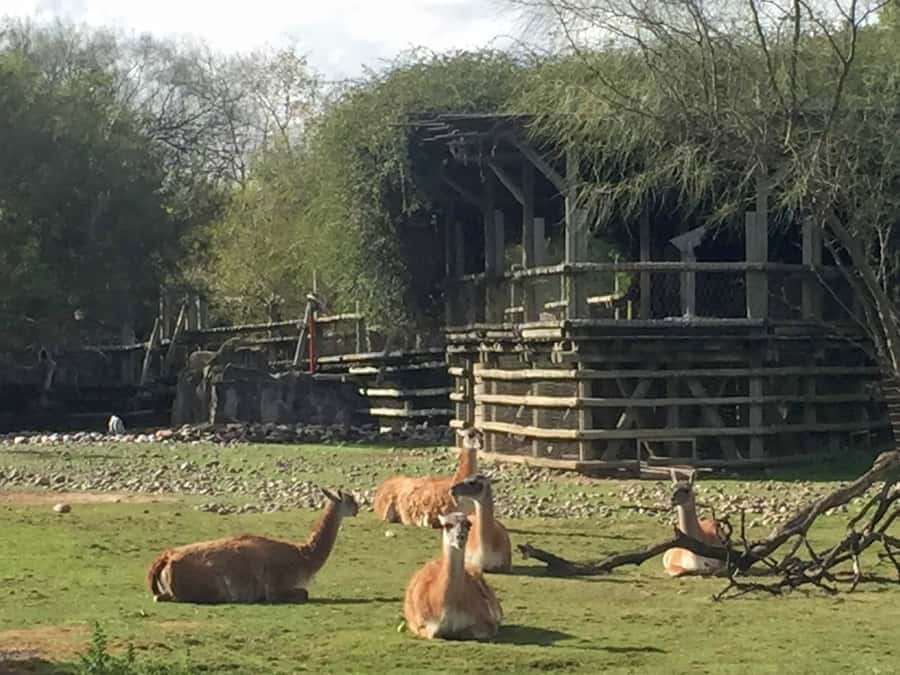
- Argentina first: Mesopotamia and Patagonian zones that make sense
- Mesopotamian area: wetlands, reptiles, and turtles
- Patagonian fauna area: seven enclosures with a sense of place
- Africa and Asia zones: global animals without losing the thread
- Africa: flamingos, antelope, meerkats, and lemur islands
- Asia: tigers, bats, flying foxes, and Prevost squirrels
- Also included in the zoo: wallabies and kangaroos
- The aquarium: where the day gets extra educational
- 360º cinema: a smart break from walking
- Building your 5-hour plan: don’t let free time waste you
- What to bring (and what to skip)
- Price and value: is $88 per person a smart deal?
- Who this trip suits best
- Should you book this Temaikén day trip with transfers?
- FAQ
- How long is the Buenos Aires to Bioparque Temaikén experience?
- What time are the pickups in Buenos Aires?
- Where does the transfer drop you off in Buenos Aires?
- Is a ticket to Temaikén included?
- Are there meals included?
- Will I have a guide inside the park?
- What languages are available?
- What should I bring with me?
- Is the activity wheelchair accessible?
- What is the cancellation policy?
Key takeaways before you go
- Transfer included from central pickup points, with a guided orientation during the ride
- Native and worldwide zones that help you compare environments and animal habitats
- Aquarium highlights with tide-pool learning and shark viewing close to the glass
- 360º cinema as a bonus add-on to break up walking time
- Family-friendly pacing with a full park block and time to explore on your own
Narrowing the Buenos Aires list? These kept surfacing while we wrote.
- Buenos Aires Hop-On Hop-Off Bus, Free Walking Tours & Discounts
★ 4.5 · 2,218 reviews - Buenos Aires: Piazzolla Tango Show with Optional Dinner
★ 4.4 · 2,122 reviews - Buenos Aires: City Highlights Guided Tour with Transfer
★ 4.7 · 1,946 reviews - Buenos Aires: Hop-On Hop-Off City Bus Tour
★ 4.2 · 1,855 reviews
First stop: the ride out of Buenos Aires (and why it matters)
This day trip is built around one big convenience: transportation. You’re picked up from downtown Buenos Aires between 8:45 AM and 9:45 AM, then you head out by van for about 100 minutes. That timing matters because it gets you to the park right when the day starts to feel like an actual outing, not a stressed rush from one activity to another.
On the way, you’ll have a guide in the van, with Spanish, English, and Portuguese support. If your group gets Mrs. Mercedes, that’s a real advantage. The way she’s described, she blends stories with a cheerful, easygoing tone, which is perfect when the kids are still half-asleep and you need something to grab their attention.
You’ll arrive at the Bioparque around 11:00 AM and return to Buenos Aires about 3:45 PM. The structure is simple: van there, about 5 hours inside, then van back. It’s long enough to see the main zones and aquarium, but short enough that you can keep the day from feeling like a marathon.
Pickup points are downtown-focused. Options include areas like San Telmo, Recoleta, Retiro, Puerto Madero, and Avenida San Juan (and more). Also note the restriction: pickup from private apartments isn’t available, so you’ll meet the van at a designated city spot.
Temaikén Biopark in plain English: what you’re really buying
Temaikén is a nature-focused biopark run by the Temaikén Foundation. Think of it less like a zoo-only visit and more like a whole “how nature works” day, with animals, plants, an aquarium, and a museum component tied to natural history and anthropology.
What I like about the concept is that it tries to connect three things at once:
- how animals live in habitats shaped by climate and geography
- how plants support food, shelter, and survival
- how humans fit into the bigger environmental picture
The park recreates different environments from Argentina, then expands outward with regions from around the world. This is why the visit feels different from a standard animal park. You’re not just looking at individual animals, you’re walking through settings meant to explain why they live the way they do.
And the ethical tone is part of the pitch. The biopark emphasizes respectful treatment of animals, and it shows in the way exhibits are arranged and explained. You’re still at a place with animals, but the focus is on learning and care, not “shock value.”
Argentina first: Mesopotamia and Patagonian zones that make sense
The park’s native sections are the easiest starting point because they give you a framework. You can learn the local animals and landscapes of Argentina while you walk. Even if you’re short on time, this part gives you the best “big picture” for the day.


Mesopotamian area: wetlands, reptiles, and turtles
In the Mesopotamian section, you’ll get information about local flora and fauna, with two main zones. The animal side includes species such as black yacarés and overos, plus tapirs, capybaras, and lagoon turtles.
This is a good zone if you want variety without needing to sprint. It’s also a nice contrast to what comes later in the park because the animals here feel tied to water and wetland conditions. Expect to pause more often, because capybaras and turtles naturally slow down a walk.
Patagonian fauna area: seven enclosures with a sense of place
Then you’ll move into the Patagonian side, which recreates environments stretching from the Andes mountain range to the Atlantic coast. The key is that it’s split into seven enclosures, not one big generic area. Those enclosures are:
- Patagonian steppe
- condor
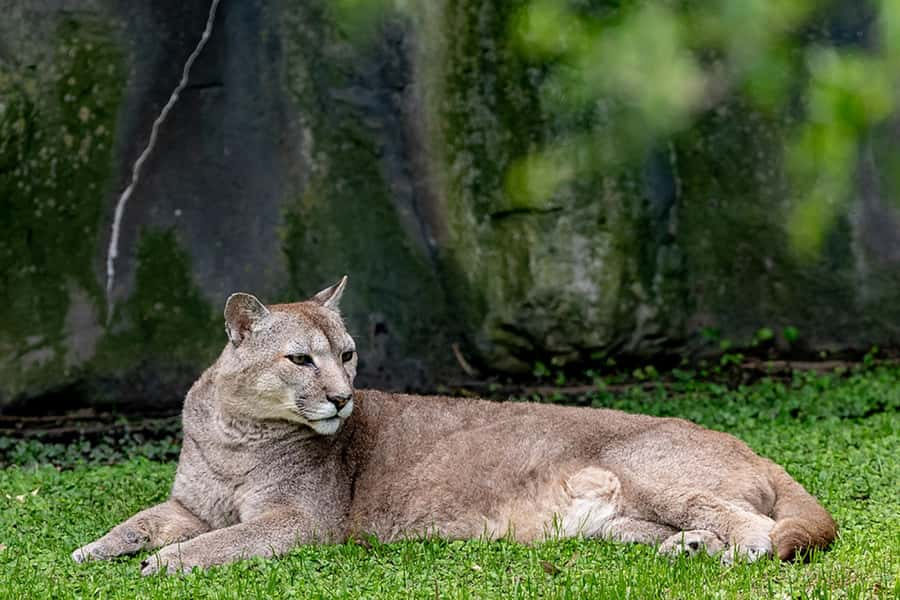
- pumas
- Patagonian plains
- Patagonian lagoon
- pudúes
- underground Patagonia
For me, the value here is how it helps you “read” the park. When you see steppe, lagoon, and mountain-linked areas, it stops being random walking. You start to connect animals to geography and climate.
If you’re traveling with kids, this is where you can turn the day into a mini quest. Ask them to find which enclosure feels most like what they picture in Patagonia. You don’t need perfect answers, you just need them looking.
Africa and Asia zones: global animals without losing the thread
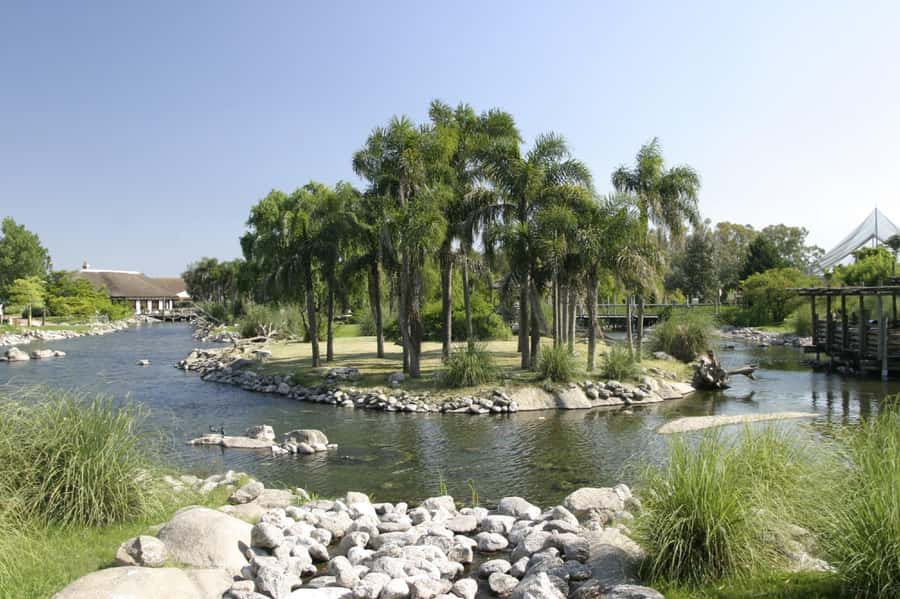
After Argentina’s settings, the park shifts to animal zones from other regions. The big win is that you’re still learning because each area is grouped by environment, not just species.
Africa: flamingos, antelope, meerkats, and lemur islands
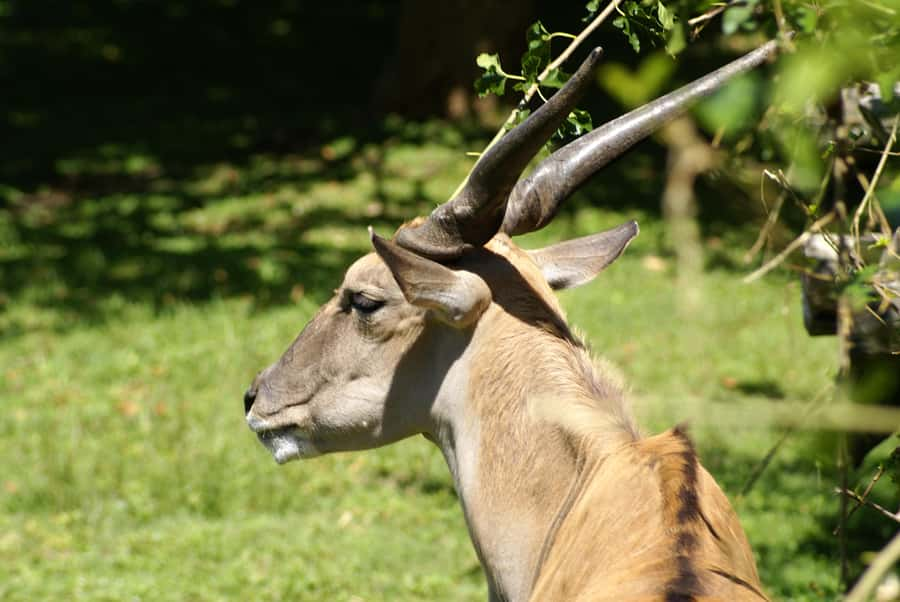
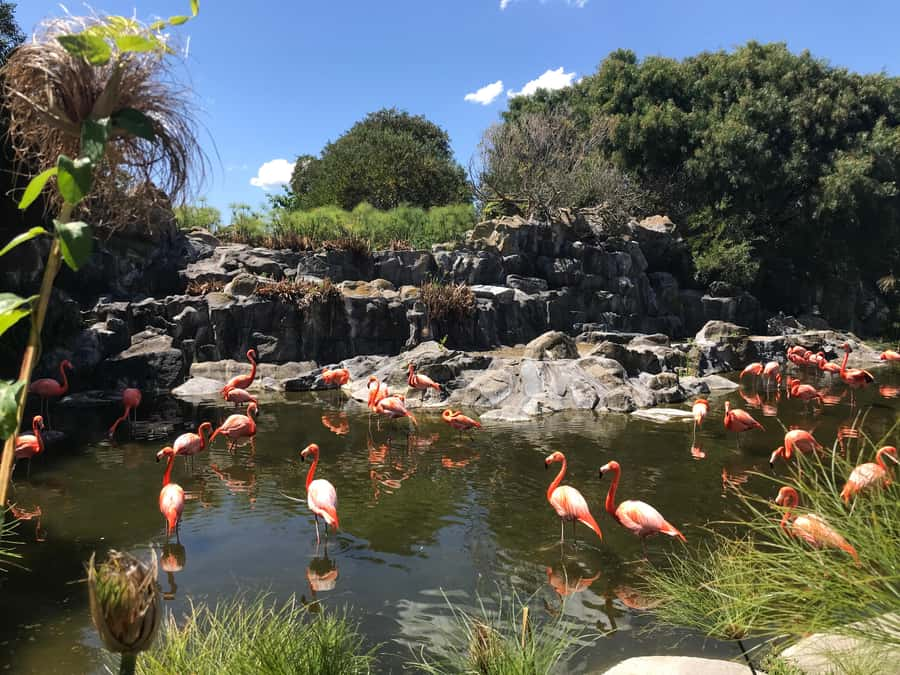
In the African zone, you can look for birds like flamingos and pelicans, plus mammals including antelope, meerkats, and colobus. There are also three islands of lemurs, hippos, cheetahs, and zebras.
This part tends to be popular because it mixes big recognizable animals with smaller, easy-to-spend-time-on sightings. A meerkat moment can easily become a full family photo session. And zebras or hippos give you the “wow, we’re really in a different place” feeling without needing to travel outside Argentina.
Asia: tigers, bats, flying foxes, and Prevost squirrels
Next is the Asian zone, featuring tigers, frugivorous bats, two species of flying foxes, and squirrels of Prevost, plus other animals.
This section is worth your attention even if some of the animals are harder to spot quickly. Bats and flying foxes often need patience and the ability to pause. So if you tend to walk fast, give yourself permission to slow down here. You’ll be rewarded.
Also included in the zoo: wallabies and kangaroos
The park also has wallabies and kangaroos. That’s not just a cute add-on, it’s a reminder that the zoo component isn’t limited to one theme. If you’re visiting for a mixed family group, this variety helps.
The aquarium: where the day gets extra educational
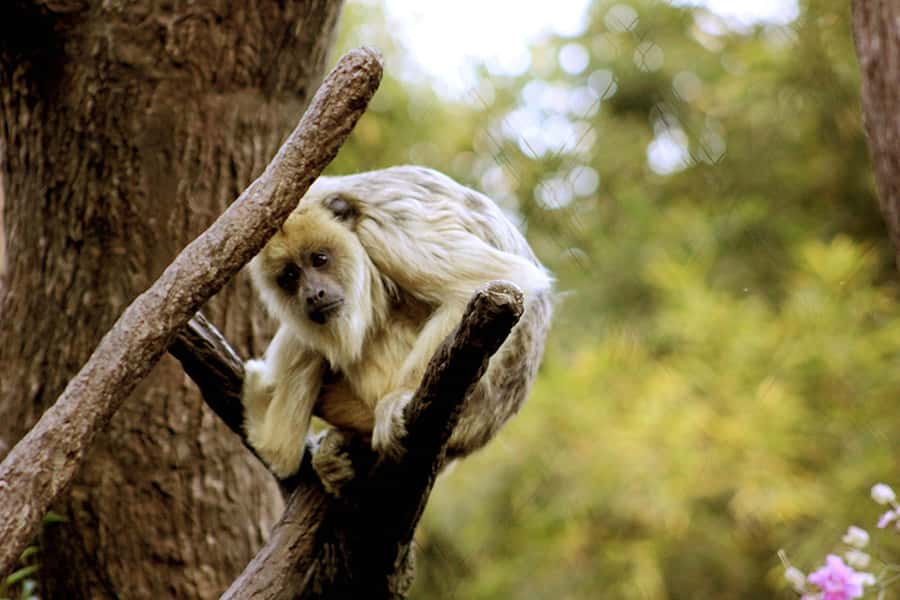
If you’re trying to pick one “must-do,” make it the aquarium. It’s built for close viewing and simple lessons that work for adults and kids.
You’ll encounter underwater education in two ways:
- a tide pool learning area
- a recreation of a river in Mesopotamia
Then there’s the big-ticket viewing: eight large panels where sharks swim just a few inches away in a tank with millions of gallons of seawater.
Here’s the practical angle. The aquarium can be the most time-efficient “wow” stop because you get a lot of action from one spot. You don’t have to hike from enclosure to enclosure to get that thrill. For families, it’s also a calmer break from walking outdoors.
Also, the aquarium helps connect the park’s theme. The animals aren’t just “there.” You’re shown water-life environments that match what you saw on land. That makes the whole trip feel more coherent.
360º cinema: a smart break from walking
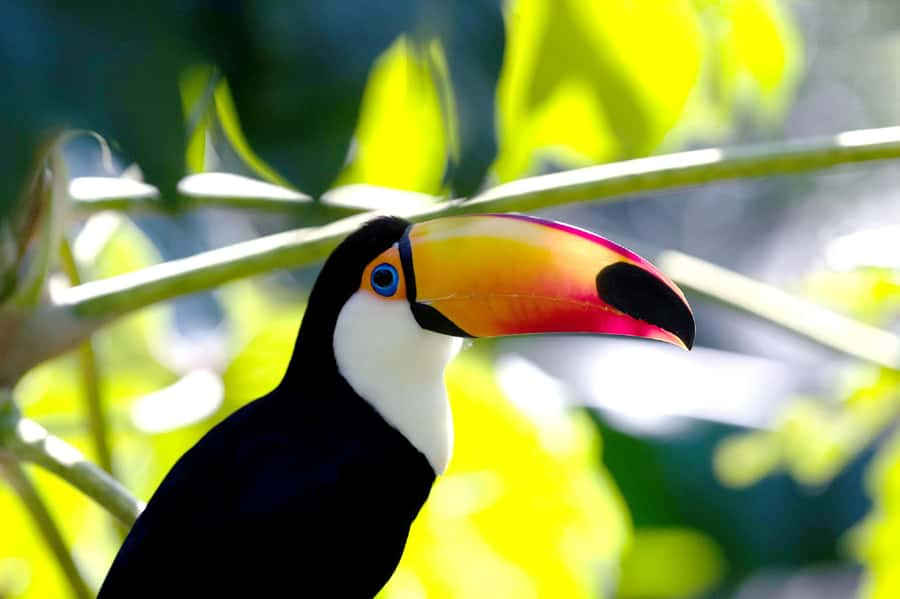
The 360º cinema is included, and I recommend treating it like a reset button. After a few hours of outdoor walking, this is a chance to sit down and keep the day comfortable.
It also helps that it’s built into the experience rather than being an optional add-on you might skip if you’re tired. If you’ve got kids, cinema time is often the difference between a smooth afternoon and a cranky end-of-day.
Because timing inside the park is free-form, you’ll want to watch for signage once you arrive so you can fit the cinema into your route. Don’t leave it too late, or you may miss the showtimes during your 5-hour window.
Building your 5-hour plan: don’t let free time waste you
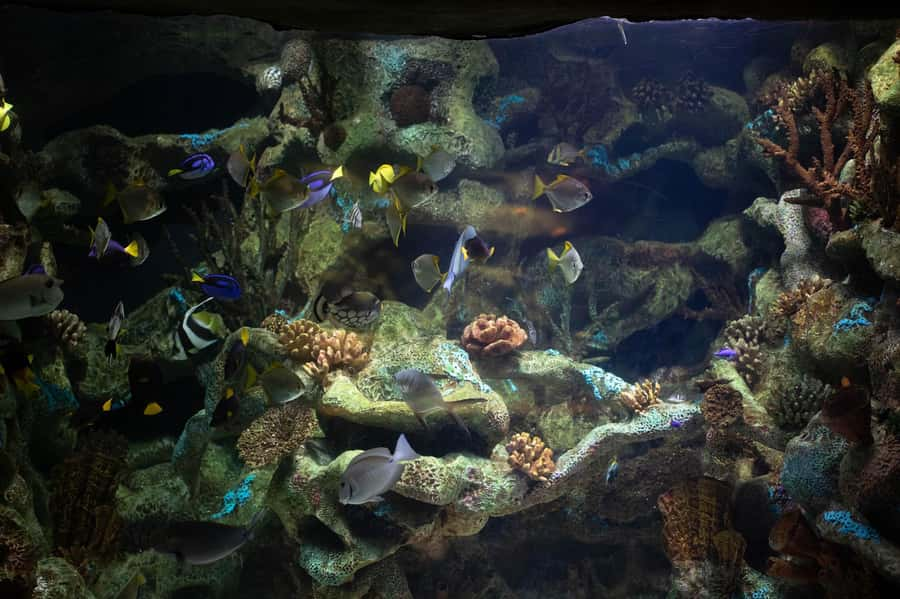
You get free time inside the park, and that’s both the best and hardest part. The park is large enough that you could wander aimlessly for hours. With no inside guide, your job is just to keep your priorities straight.
Here’s a simple strategy that tends to work well:
- Start with Argentina (Mesopotamia and Patagonian enclosures), since that’s the biggest “theme” of the day.
- Move to Africa and Asia once you’ve built context.
- Save the aquarium as your anchor stop, because it’s time-efficient and high impact.
- Use the 360º cinema as your energy management tool, not a last-minute gamble.
If you do those four things, you’ll naturally catch plenty of other animals along the way, including wallabies and kangaroos.
One small planning thought: bring your focus to what you actually want to see. The park has many animals and details, so if you try to read everything, you’ll run out of time. It’s better to pick your top two zones plus the aquarium, then let the rest be bonus.
What to bring (and what to skip)
The basic requirement is easy: bring a passport or ID card. It’s the kind of detail that can ruin your day if you forget.
Food and drinks are not included. That doesn’t mean you can’t eat there, but it does mean you should plan to cover your own meals and snacks. If you’re traveling with kids, pack small snacks or plan ahead with whatever food options you find on site, because a long park visit without a plan can turn into constant stopping.
Wear comfortable shoes. You’ll be walking. Also expect full daylight outdoors most of the day, since you’re arriving around 11 AM and leaving around 3:45 PM. Bring sunscreen and water, even if you’re not the type.
Price and value: is $88 per person a smart deal?
At $88 per person, the question isn’t only “is it worth the admission.” It’s “is it worth the whole package.”
What you get for that price structure:
- pickup from central Buenos Aires and van transport
- drop-off back at selected downtown points
- a guided component during the ride to set context
- entry ticket to Biopark Temaikén (if that option is chosen)
- wheelchair accessibility (so the experience is built to be usable)
Why this is good value: the transfers remove the hardest part of a day trip. Without transportation, Temaikén becomes a logistics problem, especially with kids or if you don’t want to spend your day figuring out routes.
You also get a full half-day inside the park. That matters because zoo and aquarium visits only feel worthwhile when you have enough time to cover the main areas. Five hours is usually the sweet spot where you can see the big zones and not just hit the entrance and leave.
The main cost you still pay yourself is food and drinks. So if you’re comparing options, include meals in your budget.
Who this trip suits best
This experience fits well if you want an organized day that still gives you freedom inside the park. I think it’s especially strong for:
- families who want one outing that mixes animals, plants, and an aquarium
- travelers who like comparing habitats (Argentina zones plus Africa and Asia)
- people who want a day trip from Buenos Aires without wrestling with transportation
If you want a highly structured guided tour inside every exhibit, this might not be as perfect, because there’s no tour guide inside the park. But if you’re the type who likes wandering with purpose, the free time is a plus.
Should you book this Temaikén day trip with transfers?
If you want an easy, value-driven way to spend a memorable half-day outside the city, I’d book it. The combination of transfers, a guided ride, and a full 5-hour park visit makes planning simpler than trying to do it alone.
I’d think twice only if you hate walking and plan to do one or two tiny stops. With free time inside, you’ll get more out of it when you accept that you need to move around and pick a route. If that sounds like you, this is a strong match.
FAQ
How long is the Buenos Aires to Bioparque Temaikén experience?
The total duration is about 8 hours, with an arrival around 11:00 AM and a return around 3:45 PM.
What time are the pickups in Buenos Aires?
Your pickup from downtown Buenos Aires is typically scheduled between 8:45 AM and 9:45 AM. You should confirm the exact pickup time with the local partner.
Where does the transfer drop you off in Buenos Aires?
You’ll be dropped off at selected downtown points, including important tourist spots such as Galerias Pacífico and Obelisco.
Is a ticket to Temaikén included?
Admission to Biopark Temaikén is included if you choose the option that has the admission ticket.
Are there meals included?
No. Food and drinks are not included.
Will I have a guide inside the park?
No. The included guide is on the way to the park, and inside the Biopark you’ll have free time to explore on your own.
What languages are available?
The driver speaks Spanish, English, and Portuguese.
What should I bring with me?
Bring a passport or ID card.
Is the activity wheelchair accessible?
Yes, the experience is wheelchair accessible.
What is the cancellation policy?
You can cancel up to 24 hours in advance for a full refund.
More Tour Reviews in Buenos Aires
Newest Buenos Aires write-ups on the desk
- Tango Show at El Querandi with optional Dinner★ 4.2 · 3 reviews
- Velez Sarsfield Football Match★ 5.0 · 3 reviews
- Tango Show at: MichelAngelo★ 4.5 · 3 reviews
- Guided tour Boca Juniors Museum & Stadium + Caminito★ 3.3 · 3 reviews
- From Colonialism to Eclecticism, Buenos Aires arquitectonica★ 5.0 · 3 reviews
- Enjoy a Rural Experience in a Vineyard near Buenos Aires★ 4.7 · 3 reviews