
REVIEW · NATIONAL PARKS
San Juan: Ischigualasto National Park – Moon Valley
A strange place in the desert can still feel perfectly real. Ischigualasto Provincial Natural Park, often called the Valley of the Moon, is all moonlike soil, sculpted rock shapes, and dinosaur-era science. I love how this trip turns a long day into a focused visit, with hotel pickup and return plus a live guide who explains what you are actually looking at. The one thing to consider is that the trip is long on the road, and language quality can vary depending on the guide and group.
What really wins me over is the science angle. This area preserves an almost complete sequence of the Triassic Period, and the park is famous for paleontological finds tied to dinosaurs that lived here around 180 million years ago. That context makes the “how is this here?” geology feel less like random weirdness and more like a time machine.
The possible drawback is logistics inside the day. Expect significant driving time, and entry tickets are paid separately. In one case, a compact van setup felt tight for a small group, so if you are sensitive to space, plan for that.
In This Review
- Key Things That Make This Moon Valley Tour Work
- Ischigualasto, or How to Walk Where Dinosaurs Roamed
- The 12-Hour Reality: Driving Time and When You’ll Feel It
- Valley of the Moon Stops: What You Should Pay Attention To
- Natural Science Museum: Turning Rocks Into Stories
- Guides and Language: When Daniel or Cristian Ruiz Sets the Tone
- Price and Value: What You Pay Versus What You Still Need
- Comfort and Group Size: A Small-Van Detail to Know
- Who This Tour Suits Best
- Should You Book This San Juan Moon Valley Tour?
Key Things That Make This Moon Valley Tour Work
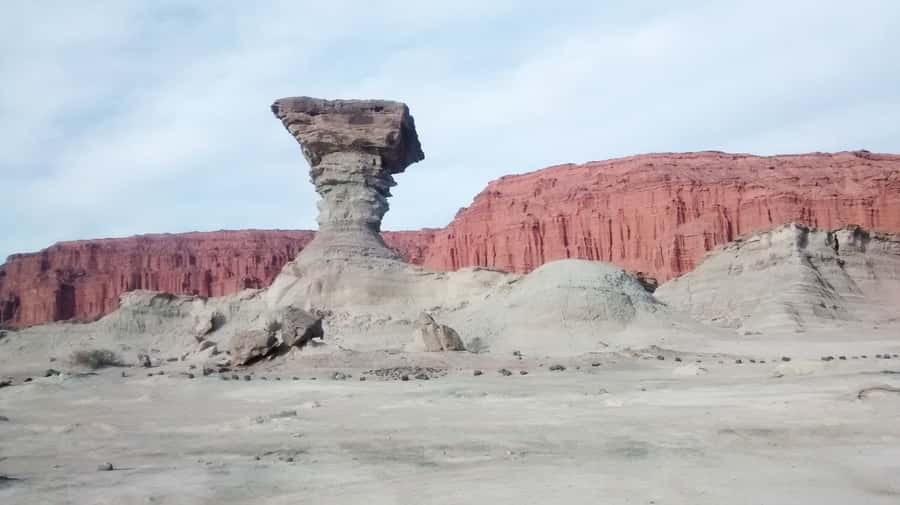
- Valley of the Moon scenery you can walk through, with rocks sculpted by sun, wind, and water over millions of years
- A natural science museum stop that connects fossils to the geology instead of just showing photos
- Dinosaur history framed by the park’s Triassic fossil sequence and scientific value
- Round-trip hotel transfers that keep you from juggling bus schedules
- A day that fits a big experience into 12 hours, but still includes plenty of driving
- Live guiding in Spanish and English, with a few moments where commentary quality may depend on the guide
Ischigualasto, or How to Walk Where Dinosaurs Roamed
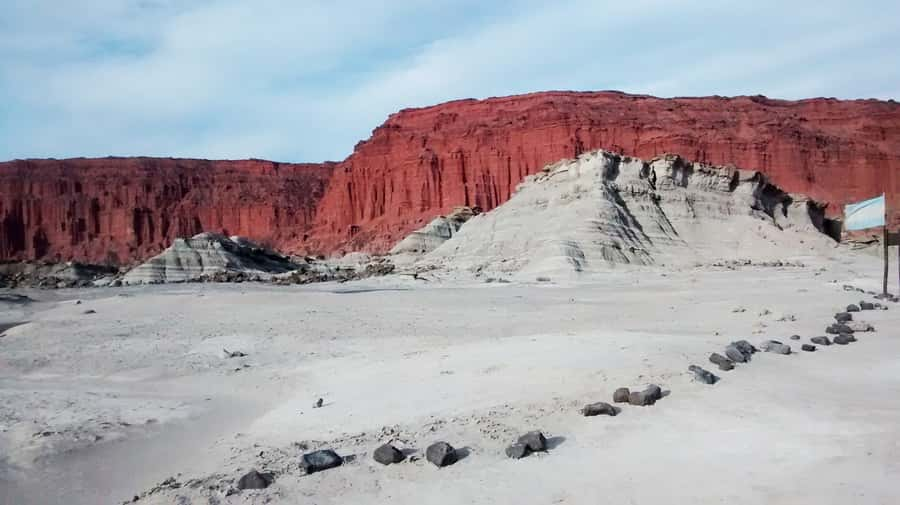
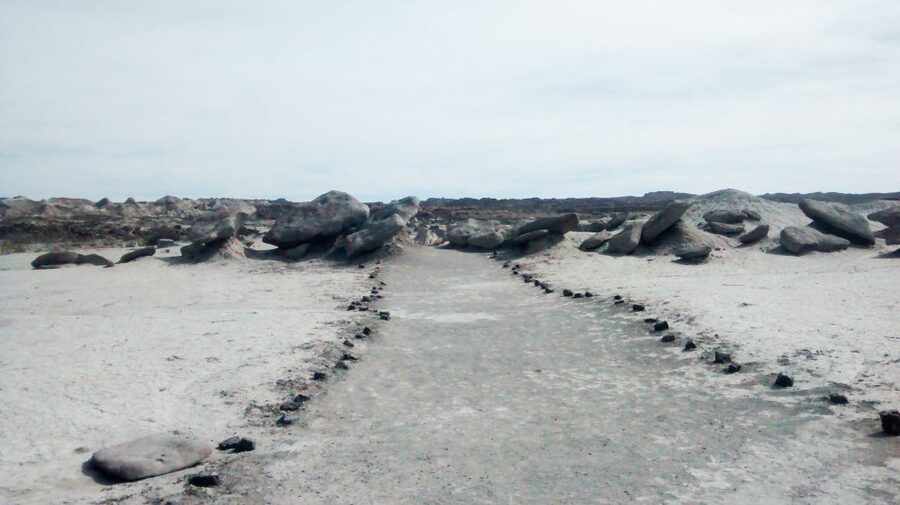
If you like places that look like they should be on a movie set, Ischigualasto delivers. The park is famous for its moonlike terrain and strange geoforms, where the colors and shapes come from long-term weathering. The park covers about 153,000 acres, and paired with Talampaya in neighboring La Rioja, the combined area was declared Mankind’s Heritage.
What I like most is that the weirdness has a reason. Ischigualasto’s scientific importance comes from paleontological findings that preserve an almost complete sequence of the Triassic Period of the Mesozoic Era. That is huge for anyone who cares about how Earth changed and when major dinosaur lineages were part of the story. Standing in a place like this, you start noticing how the ground itself looks layered and engineered by time.
There’s also a simple emotional win here. You are not just looking at a view from a distance. You are walking on lands that dinosaurs inhabited 180 million years ago, and the guide’s explanations help you see the connection between the rocks and the life that once moved across them.
The 12-Hour Reality: Driving Time and When You’ll Feel It
This is billed as a 12-hour experience, and the timing matters because Ischigualasto is not right next door. You are based out of San Juan, and the park is in the northeast of San Juan Province. The day includes round-trip travel, and you should plan on long stretches of bus or van time.
One review put total travel time at around 7 hours, which is a solid clue for your expectations. That means you will likely spend a good chunk of the day in transit, then get several hours where it counts: inside the park. If you get cranky on long rides, pack accordingly.
A useful detail for planning your day: you return to San Juan in the afternoon, using Nacional Route 150 and a new route to Cuesta del Huaco. That matters because it suggests the trip is designed to be a full day loop, not an “early morning and quick stop” kind of thing. In other words, you should treat this as your main outing, not something to bolt onto a packed itinerary.
Valley of the Moon Stops: What You Should Pay Attention To
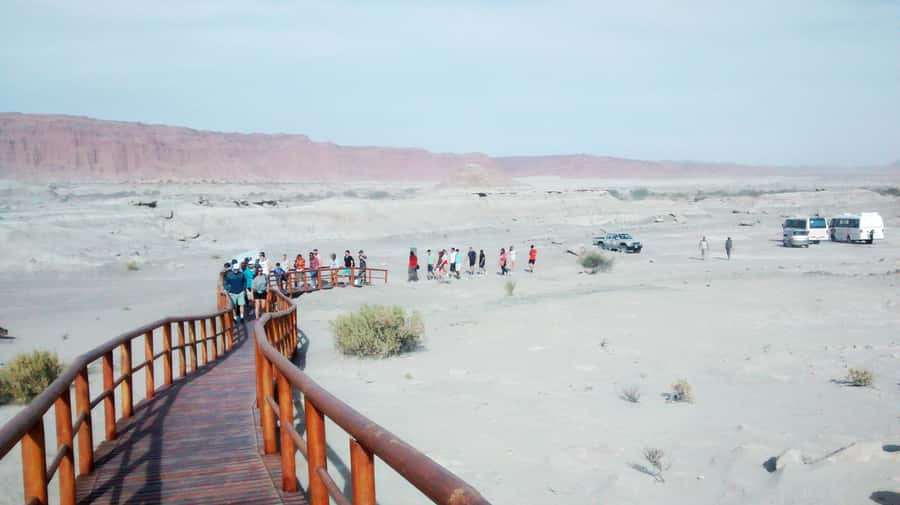
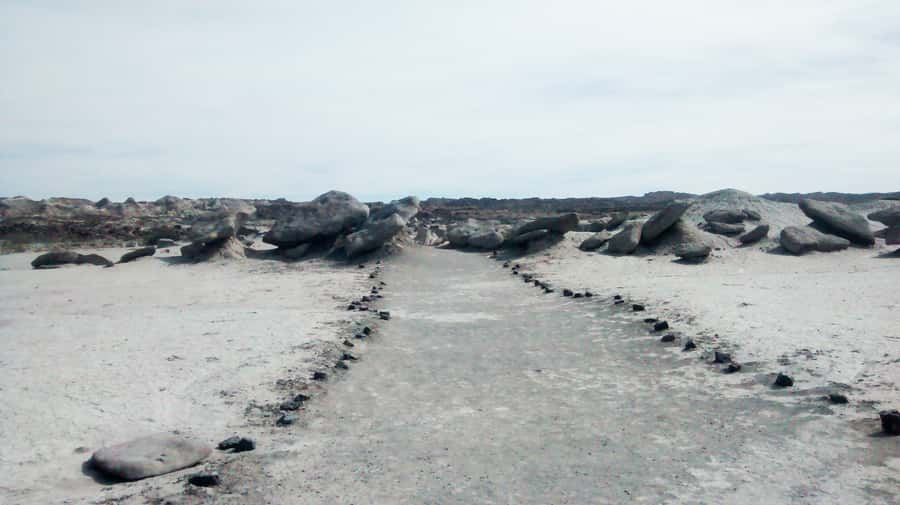
The heart of the experience is the time in Ischigualasto Provincial Natural Park, popularly known as the Valley of the Moon. What you see tends to look otherworldly, but the best part is learning how to read it.
Here is what I would focus on while you are there:
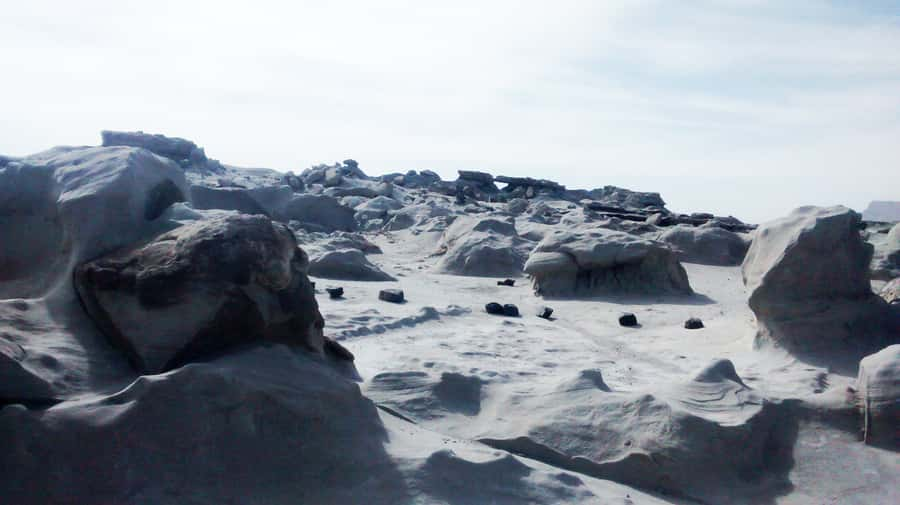
- Geoforms and textures: the guide will help you connect strange shapes to how water, sun, and wind shaped the rocks over millions of years
- Time scale thinking: Triassic-age fossils and the park’s scientific value make the terrain feel meaningful, not random
- Dinosaur context: you are walking through ground tied to dinosaur-era discoveries, so every explanation has a “why this matters” angle
Because the park is a natural heritage site, you should expect that it feels raw and open. You are in a desert-like environment where light can be harsh and shadows can be dramatic, so bring what you need to stay comfortable. Even if you are not doing long, strenuous walks, you are still outdoors for extended periods.
Also, treat this as a photo day, but not a “spray and pray” day. If you slow down and let the guide point things out, the photos improve automatically. The key is to listen first, then shoot what you now understand.
Natural Science Museum: Turning Rocks Into Stories
This tour includes a visit to a world natural heritage natural science museum. That stop is more than a break from the sun. It is where the park’s scientific value becomes easier to grasp.
In a place like Ischigualasto, the geology can look abstract at first. The museum helps bridge the gap between what you see outside and what was found in the ground over geological time. With the park known for an almost complete Triassic sequence and major paleontological findings, the museum visit gives you a framework for the day.
If you like learning while you travel, you will appreciate this because it keeps the experience grounded. You are not relying only on impressions. You get a way to understand what makes the park scientifically important, and then you can return outside and spot features with better context.
Guides and Language: When Daniel or Cristian Ruiz Sets the Tone
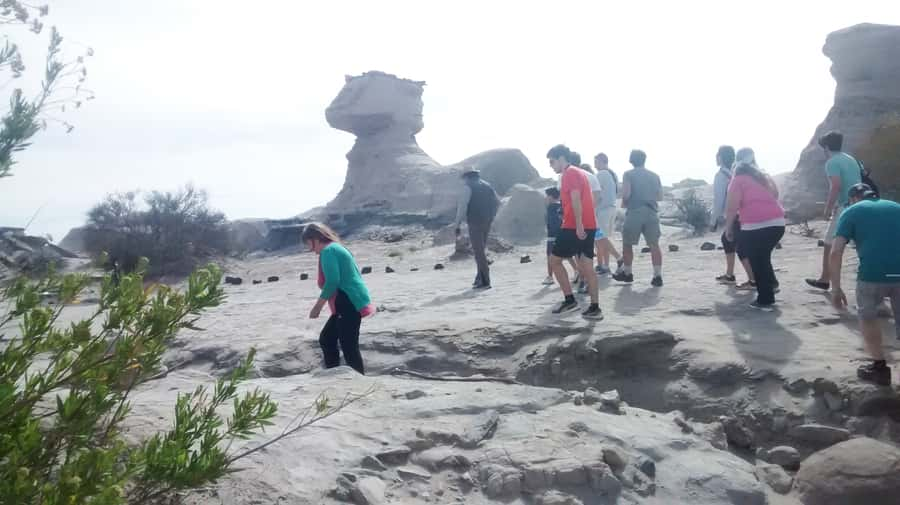
A big part of whether this day feels smooth is the guide. The experience includes a live tour guide in Spanish and English. That said, language delivery can be more complicated in real life.
One standout guide name that came up clearly was Daniel, praised as very informed, friendly, and educated. Another strong guide mention was Cristian Ruiz, described as very engaged, competent, and helpful. Those are exactly the traits you want in a park like this, where a good explanation changes how the terrain feels.
At the same time, I would not ignore the language caveat. In one case, even though English was booked, the guide’s English was limited for that specific group, and commentary wasn’t mirrored the way it was for Spanish-speaking participants. If you are traveling in English and want the full explanation, try to confirm expectations before you go. The safest approach is to bring a curious attitude and be ready to fill gaps with the group dynamic.
Bottom line: when the guide clicks, this tour becomes a lot more than scenic walking. It turns into dinosaur-era learning you can actually carry home.
Price and Value: What You Pay Versus What You Still Need
The price is $190 per person for a 12-hour experience. That can feel like “is it worth it,” especially when you see park admissions are not included.
Here is what you get for the money:
- Round-trip hotel transfers from centrally located hotels
- A live Spanish-speaking guide (with English also listed as available)
- Skip the ticket line
- A printed voucher is required
What is not included:
- Food, beverages, and other services not specified
- Admissions to the park
One review specifically mentioned the park entry cost of Arg 20,000 (not included separately). That is a useful data point for budgeting, because it changes the actual per-person total in the moment.
So is $190 good value? I think it can be, if you want one organized day with transfers and a guide. If you already know the area well or you can arrange transport easily, then the value equation changes. But for many visitors, the combo of guided context plus door-to-door pickup is what makes the day manageable.
Comfort and Group Size: A Small-Van Detail to Know
This tour uses transfers, and that can mean anything from a larger coach to a smaller van. One review called out a Renault Kangoo used for four participants and described it as too tight and small for the 12-hour journey.
You might not know what vehicle you get until day of operations, but it is worth thinking about if you are tall, broad-shouldered, or easily bothered by cramped seating. If you have a comfort requirement, you can ask in advance what vehicle style is used for your group size.
Also, plan for a day that combines sun, walking, and long driving. Pack like you are doing a desert day, not a city museum day.
Who This Tour Suits Best
This is a strong choice if you:
- Want a guided science-and-scenery day, not just a drive-by
- Enjoy dinosaur and Earth history, especially Triassic-era context
- Prefer hassle-free logistics like hotel pickup and return
- Like learning while you see the terrain up close
It may be less ideal if you:
- Hate long driving days and would rather split the experience into smaller chunks
- Need perfectly reliable English narration for the entire time, every time
- Are very sensitive to tight seating in smaller vehicles
If you are a first-time visitor to Ischigualasto, this tour format is a good way to get oriented fast. You get the main natural heritage experience plus the museum stop that ties the story together.
Should You Book This San Juan Moon Valley Tour?
I think you should book if your goal is a guided day where you understand what you are seeing. The park’s scientific significance, the museum connection, and the chance to walk among geology tied to dinosaur-era finds make this more than a scenic outing.
Before you reserve, do two practical things. First, budget for park admissions, since it is not included in the $190. Second, consider your comfort needs for a long day of driving and possible compact van seating.
If those points work for you, you will likely come away feeling like you saw something truly unusual and understood why it matters.
The rest of the National Parks list.
 ★ 4.5Ushuaia: National Park & Train of the End of the World TourFrom $111811 reviews
 ★ 4.0National Park and Train Trip End of the World Guided TourFrom $115414 reviews
 ★ 4.5From Salta: Cachi and Los Cardones National Park TourFrom $30285 reviews
 ★ 4.5Ushuaia: National Park, Train, and Beagle Channel NavigationFrom $190182 reviews
 ★ 4.5Shore Excursion – National Park Tierra del FuegoFrom $60169 reviews
 ★ 4.5Tierra del Fuego National Park, Ushuaia City Tour Shore ExcursionFrom $119154 reviews
 ★ 4.5Full-day Cachi and Los Cardones National Park from SaltaFrom $31125 reviews
 ★ 4.0Ushuaia: Tierra del Fuego National ParkFrom $40115 reviews
Lists this one is on