
REVIEW · USHUAIA ADVENTURES
Ushuaia: Tierra del Fuego National Park
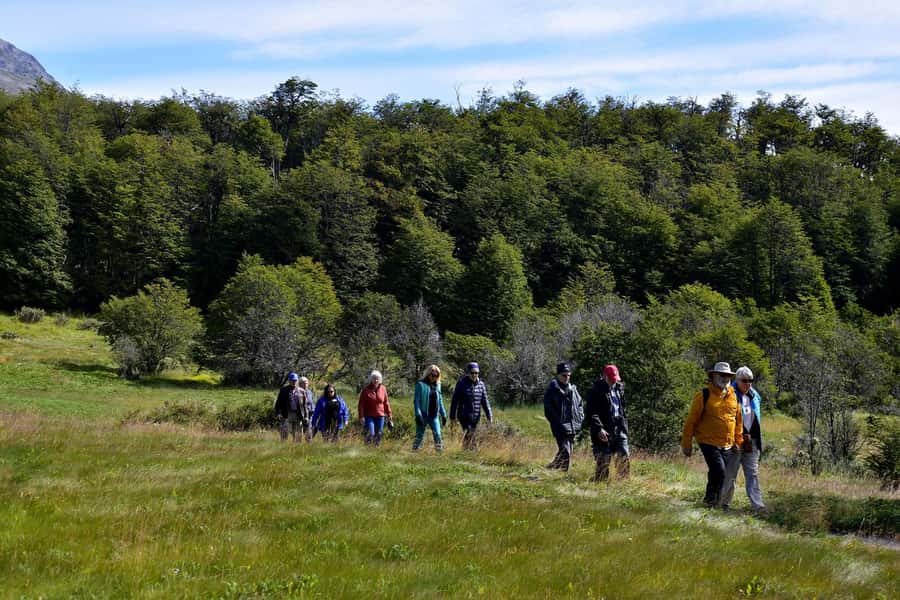
Windswept views start fast. This half-day trip runs from Ushuaia to the End of the World area with lakes, forest, and wildlife. I love the chance to see glacial scenery at Lake Acigami and spot local animals at the cormorant and beaver stops. One drawback to consider is that the schedule can feel tight, so you will want to time your photo breaks and know what optional add-ons you choose.
The route is built for big scenery in a short window, with a guided route along National Route No. 3 and a series of purpose-made stops for photos and wildlife viewing. The best part is how quickly the environment changes from town-adjacent roads to remote-looking water, forest edges, and windswept bays. If you are picky about staying longer at viewpoints, go in with clear expectations.
In This Review
- Key things to know before you go
- Ushuaia to Tierra del Fuego, with quick momentum
- Lake Acigami: glacial calm with bird-spotting potential
- Cormorants Island and the beaver dam: wildlife stops that reward attention
- Alakush Visitor Center: where the tour gives you breathing room
- Lapataia Bay and the footbridge: your “end of the world” photo moment
- Price and logistics: what $40 gets you, and where it can pinch
- Included vs not included: avoid surprises at the gate
- What to bring for Patagonia weather and uneven ground
- Who this tour is best for (and who should choose differently)
- Should you book this Tierra del Fuego half-day tour?
- FAQ
- How long is the Ushuaia to Tierra del Fuego National Park tour?
- Is hotel pickup included?
- What is included in the tour price?
- Do I need to pay for the national park entrance ticket?
- What languages are available for the live guide?
- What should I bring, and are there restrictions?
Key things to know before you go
- Southernmost-country vibes: You pass major landmarks on the way out of Ushuaia and end at the Lapataia Bay footbridge area.
- Lake Acigami viewing: A quiet glacial lake surrounded by forests and peaks, with chances to spot native birds.
- Wildlife stops that feel real: Cormorants Island and a beaver-dam area highlight how much life exists here.
- Alakush Visitor Center break: Bathrooms, a small museum, and food options give you a breather before the bay.
- Train option changes the pace: If you choose the small train, you may reduce waiting, but timing still matters.
- Weather and footing count: Comfortable shoes and sun protection matter more than you think in Patagonia.
Further south from Ushuaia
- Ushuaia: National Park & Train of the End of the World Tour
★ 4.5 · 811 reviews - Ushuaia: Penguin Watching Tour by Catamaran
★ 4.5 · 439 reviews - Ushuaia: Catamaran Sailing to Penguin Island
★ 4.4 · 436 reviews - Ushuaia: Beagle Channel & Sea Wolves Island Catamaran Cruise
★ 4.6 · 433 reviews
Ushuaia to Tierra del Fuego, with quick momentum
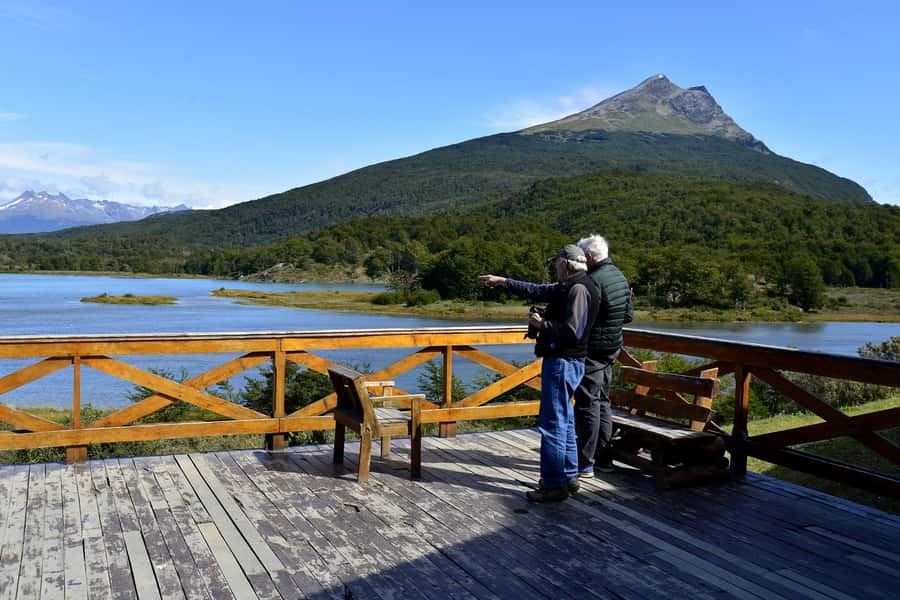
This tour starts with pickup in Ushuaia (with one exception noted for the Kauyenen Hotel, which is outside the urban area). Then you head out along National Route No. 3, so you get an easy, guided path out of town rather than figuring it out yourself. After crossing the Pipo River bridge near the Ushuaia Golf Club, you arrive at the End of the World Station area to start the day’s sightseeing.
I like this opening because it sets the emotional tone fast. In a few minutes you go from everyday streets to a colder, wilder feel, and you can already sense why Ushuaia is often described as the edge of the map.
The drive time is long enough to settle in, but not so long that you lose daylight. The tradeoff is that everything after that moves on schedule, so you need to stay ready to step out and back in when the guide calls it.
Lake Acigami: glacial calm with bird-spotting potential
The first “wow” stop is Lake Acigami, a serene glacial lake framed by forest and majestic peaks. Even if you do not consider yourself a nature person, this is the type of place that makes you slow down. The water and surrounding terrain create an instant contrast with Ushuaia, and it feels like the park has its own rhythm.
This is also where I think the tour makes smart use of your limited time. Rather than only driving past scenic points, you get an actual pause where you can look, take photos, and scan for native bird species. If birds are your thing, bring a bit of patience. Wildlife spotting here is never guaranteed, but the setting strongly supports it.
Practical tip: wear shoes you can trust on uneven ground and keep your sunglasses handy. This region can give you bright glare and sudden shadow pockets, especially with clouds moving through.
Cormorants Island and the beaver dam: wildlife stops that reward attention
Next up are the Cormorants Island and Beaver Dam areas. This is one of the most memorable parts of the day because it focuses on small, specific signs of life rather than only sweeping views.
Cormorants are usually easiest to spot when you look toward shorelines and rocky edges, not just open water. And the beaver stop is a great reminder that Patagonia wildlife is not always about what you imagine first. You get to see how beavers shape their environment, and that makes the story of the park feel more grounded and less postcard-like.
A key consideration: wildlife stops can be quick depending on the day’s timing and train option. If you want the best chances, keep your jacket on, be ready to move fast, and take your camera out during the first minute rather than waiting until you think you have the right angle.
Other park days this far down the continent

Alakush Visitor Center: where the tour gives you breathing room
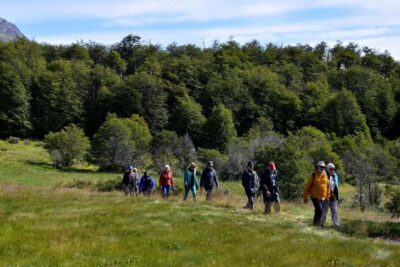
At Alakush Visitor Center, you get free time, and that matters more than it sounds. The center includes a cafeteria, restaurant, bathrooms, a souvenir shop, and a small museum. In a half-day tour, this kind of setup is what prevents fatigue from turning into frustration.
I like this stop because it gives you choices. You can grab a snack or coffee, use the restroom without stress, and browse the museum exhibits while the group regroups. It is also a practical place to reset your timing, since you still have the Lapataia Bay portion ahead.
If you are sensitive to crowds, go a little slower here. The visitor center often becomes the natural gathering point for everyone’s needs at once, so it can be busier than the outside viewpoints. Still, the existence of bathrooms and food is a real value in a remote area.
Lapataia Bay and the footbridge: your “end of the world” photo moment
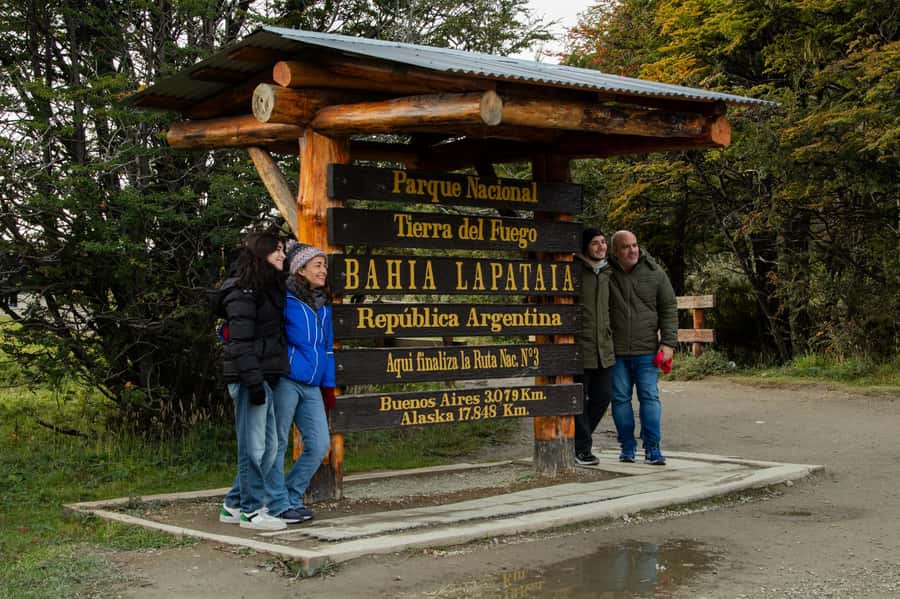
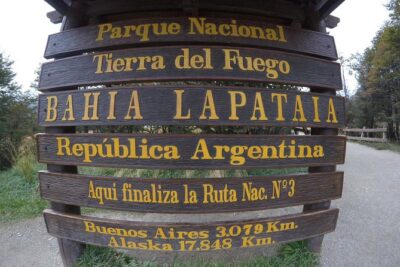
The final major sightseeing area is Lapataia Bay. This is where the tour leans into the emotional side of Tierra del Fuego: coastal views and a sense of arriving at a place that feels far from everything else.
The stop also includes learning about the ancient indigenous peoples who once thrived in this region. Even if the core tour time is limited, having this context helps you look at the coastline as more than scenery. You are seeing a living region with a human story layered into it.
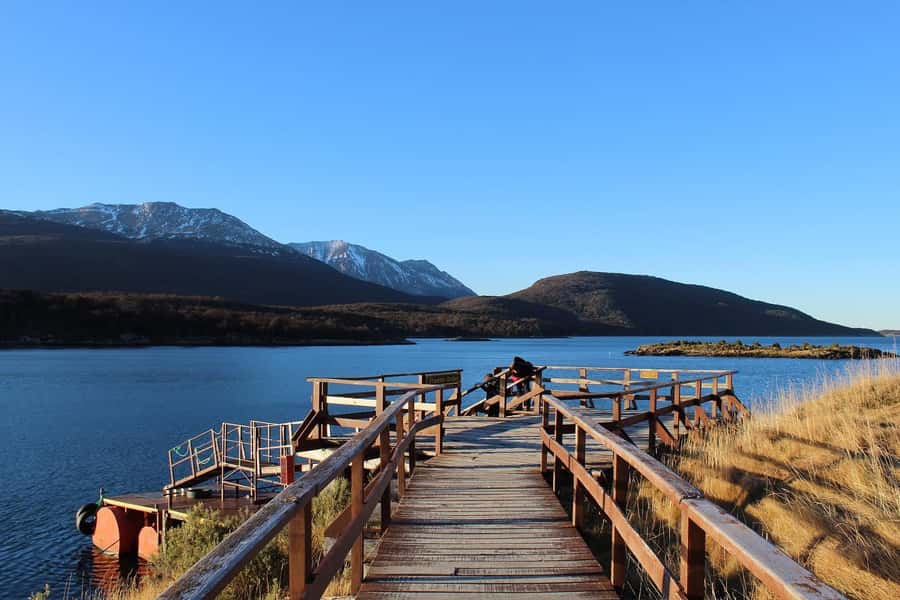
Then you stroll along a footbridge for photo opportunities. This is the part where you usually get the famous “I reached the end of the world” feeling, because it is built for that exact viewpoint. Wind can be strong here, so bring sun protection and keep your hat secure.
A small but important consideration: some parts of the day can be light on cell signal, so do not plan to rely on your phone for directions or updates once you are out in the park. Treat the guide’s timing as your main guide.
Price and logistics: what $40 gets you, and where it can pinch
The price is listed at $40 per person, and for a five-hour shared tour with pickup plus a professional guide, it can be good value if you want a structured introduction to the park. You are paying for convenience, route planning, and a guided set of stops that cover key areas like Lake Acigami, cormorant and beaver spots, Alakush Visitor Center, and Lapataia Bay.
But timing is the big variable. The tour duration is about 5 hours (330 minutes), and several stops are designed to fit that window. That means each viewpoint pause can be shorter than what you might want if you travel at a slow pace.
Here is where you should think hard before booking the optional add-ons. The tour includes an optional train ticket to the end of the world and/or optional navigation to Redonda Island depending on the chosen option. If you choose the train, the day’s pacing is often built around it. If you skip it, you might end up with longer waits at station areas, since the schedule still has to coordinate with train timing.
Also, language matters. The tour guide is available in English, Portuguese, and Spanish, but you should confirm what language your group will actually be in at the moment you book. If you care deeply about understanding every detail, message ahead and ask how English is handled for your departure date.
One more practical value point: because this is a shared service excursion, the vehicle may not feel like a private tour. Comfort can vary by vehicle, but the best-case scenario is a smooth ride with a helpful guide and quick transitions between stops.
Included vs not included: avoid surprises at the gate
Your tour includes a shared excursion with other passengers, a professional guide, and optional elements depending on your selected option (train and/or navigation). What is not included is the National Park entrance ticket.
This is a straightforward item, but it is the kind of detail that can create stress if you forget it. If you are planning your day budget tightly, treat the entrance ticket as an additional cost and plan to handle it on the day or via any instructions you receive at confirmation.
What to bring for Patagonia weather and uneven ground
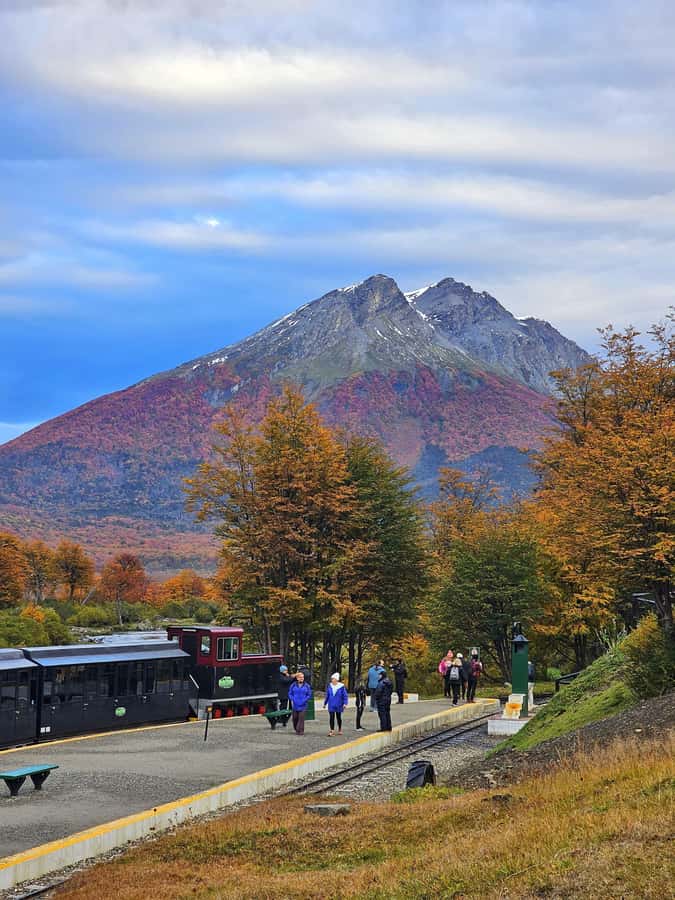
The basics here are simple: comfortable shoes, sunglasses, and a sun hat. That is good advice for more than comfort. In Tierra del Fuego, light changes fast, wind can surprise you, and pathways around viewpoints can be uneven or wet.
A couple of other guidance items are clear:
- Pets are not allowed
- Smoking is not allowed
If you are traveling with a stroller or someone with limited mobility, you should think about the walking at each stop and the quick transitions. The tour is not described as an accessibility-focused program, so you should judge it against your group’s comfort with short walks and waiting times.
Who this tour is best for (and who should choose differently)
This is a strong choice if you want:
- a guided, efficient half-day introduction to Tierra del Fuego National Park,
- key viewpoints in one run (Lake Acigami, wildlife stops, Alakush Visitor Center, Lapataia Bay),
- and a structured way to reach the End of the World Station area without logistics headaches.
It may be less ideal if you:
- hate timed sightseeing and prefer long unhurried stops,
- plan to skip optional train elements but still want maximum time at viewpoints,
- rely on internet access during the day, since remote service can be unreliable.
If you love wildlife, the beaver and cormorant stops are a great match. If you love history and context, Lapataia Bay’s indigenous connection adds meaning to the photos.
Should you book this Tierra del Fuego half-day tour?
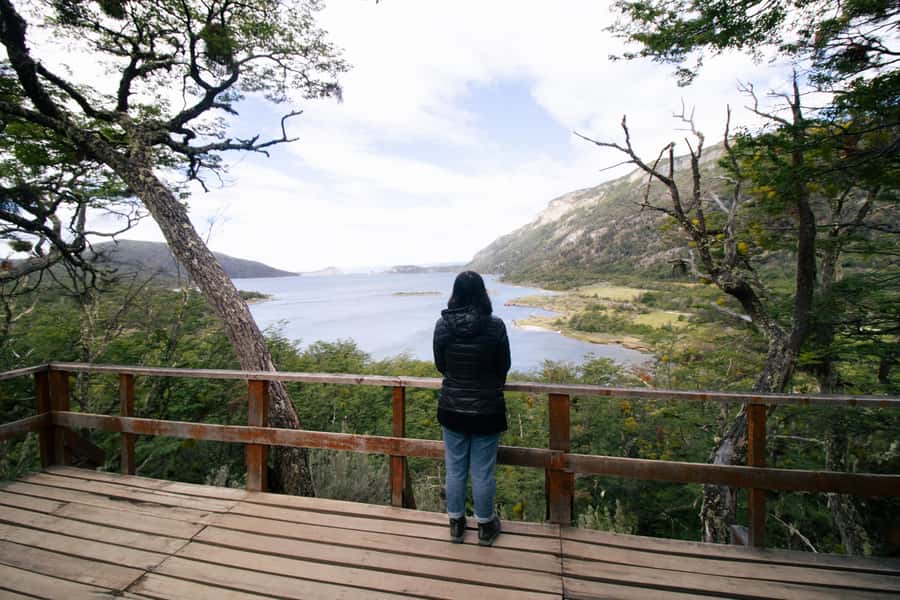
I think you should book it if you are coming to Ushuaia for a short time and want the park’s main “greatest hits” in about half a day. The value is strongest when you treat it as a sampler: you get lake scenery, wildlife viewing opportunities, a real visitor center break, and an end-of-the-world bay finale.
I would be cautious if your travel style is slow and you want lots of time at each viewpoint. In that case, the schedule can feel rushed, especially around train-related timing. Also, if language precision matters to you, confirm your group language before you go.
If you want a simple rule: book it when you want guided convenience and signature stops, skip it when you want a flexible, do-it-your-way day in the park.
FAQ
How long is the Ushuaia to Tierra del Fuego National Park tour?
The duration is about 5 hours (330 minutes). Check availability to see the exact starting times.
Is hotel pickup included?
Pickup is included in Ushuaia from your accommodation, with an exception noted for Kauyenen Hotel (outside the urban area). You must provide your hotel or lodging details at booking.
What is included in the tour price?
The tour includes a shared excursion, a professional guide, and an optional train ticket to the end of the world and/or navigation to Redonda Island depending on the option you choose.
Do I need to pay for the national park entrance ticket?
Yes. The national park entrance ticket is not included.
What languages are available for the live guide?
The live guide is available in English, Portuguese, and Spanish.
What should I bring, and are there restrictions?
Bring comfortable shoes, sunglasses, and a sun hat. Pets are not allowed, and smoking is not allowed.
More Tour Reviews in Ushuaia
The Park at the End of the Map
Ushuaia, More of It
Newest Ushuaia write-ups on the desk
- Trekking Esmeralda Lagoon★ 4.8 · 3 reviews
- Ushuaia: Tour: Beagle Channel Navigation★ 4.7 · 3 reviews
- USHUAIA: LANDSCAPES AND DELIGHTS – CITY TOUR★ 4.5 · 3 reviews
- Private Experience “Tierra del Fuego” National Park★ 4.7 · 3 reviews
- Full Day Trip to Tierra del Fuego National Park★ 4.2 · 3 reviews
- Emerald Lagoon Helicopter seeing★ 5.0 · 3 reviews
The rest of the Ushuaia Adventures list.
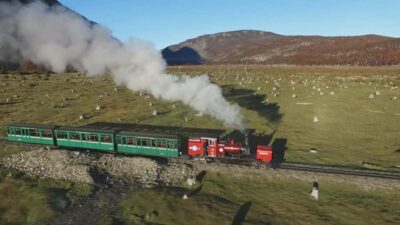 ★ 4.5Ushuaia: National Park & Train of the End of the World TourFrom $111811 reviews
 ★ 4.5Ushuaia: Penguin Watching Tour by CatamaranFrom $180439 reviews
 ★ 4.4Ushuaia: Catamaran Sailing to Penguin IslandFrom $92436 reviews
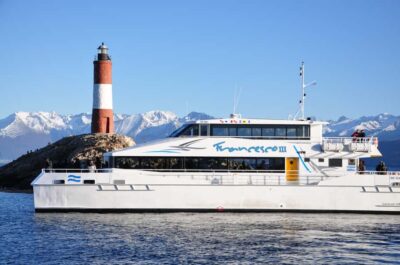 ★ 4.6Ushuaia: Beagle Channel & Sea Wolves Island Catamaran CruiseFrom $115433 reviews
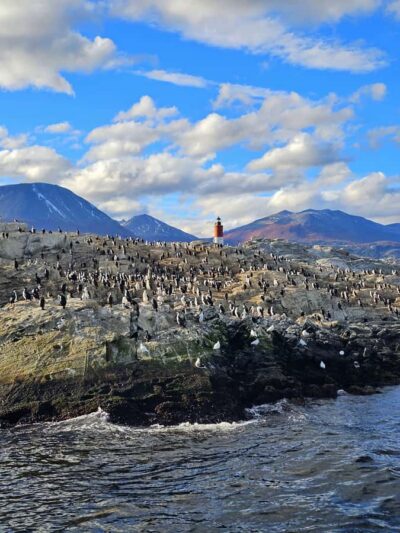 ★ 4.6Ushuaia: Beagle Channel and Penguin IslandFrom $178318 reviews
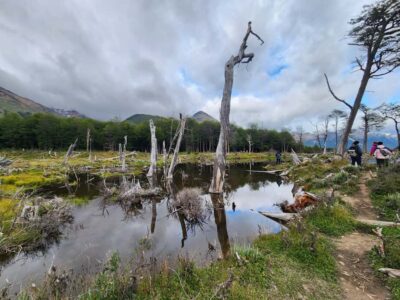 ★ 4.9From Ushuaia: Tierra del Fuego Emerald Lagoon Trekking TourFrom $105271 reviews
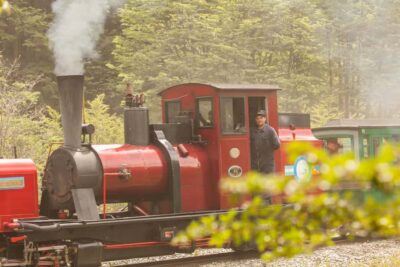 ★ 4.5Ushuaia: National Park, Train, and Beagle Channel NavigationFrom $190182 reviews
 ★ 4.4Ushuaia: Panoramic City Train TourFrom $20155 reviews
Lists this one is on