
REVIEW · SALTA AND CALCHAQUI VALLEY TOURS
Salta: Quebrada de Humahuaca and Purmamarca Day Trip
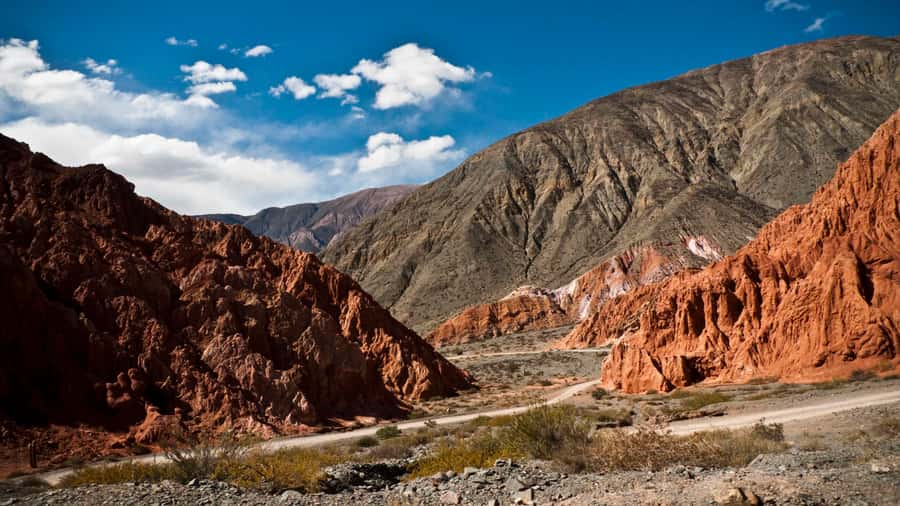
Color stripes in the Andes start this day trip. You begin in Salta, but your real adventure kicks off when you arrive in Purmamarca, where the 7-colored hill and the church sit right by the craft market square. I love how quickly the valley gets you hooked, with narrow streets that feel like you can step straight into daily local life.
I also like the way the route mixes major sights with meaningful cultural stops. In Tilcara you’ll visit the ancient ruins and an archaeological museum, then head to Uquía for its church and the paintings of the Arcabuceros Angels. It is not just photo stops, you get context for what you are looking at.
One drawback to plan around is time on the road. This is a 13-hour full circuit with plenty of driving and some shorter stops, so if you hate being rushed, go in with the right expectations.
In This Review
- Key highlights to watch for
- From Salta to Purmamarca: where the color show really begins
- Purmamarca craft square time: a smart stop, not a long detour
- Tilcara ruins and the archaeological museum: history you can actually connect to
- The Tropic of Capricorn viewpoint and La Pollera de la Coya
- Uquía church and the Arcabuceros Angels: art in a quiet place
- Humahuaca around noon: the independence monument by Soto Avendaño
- Maimara’s La Paleta del Pintor: a stop that frames the valley
- San Salvador de Jujuy: Flag Hall and Cathedral details
- Driving on National Route 9: why the return route feels different
- Price and value: is $111 a fair deal for 13 hours?
- Guide quality, languages, and what to expect from the human side
- Logistics that can affect your day (and how to handle them)
- Who this Salta to Jujuy day trip fits best
- Should you book this tour?
- FAQ
- How long is the Salta day trip?
- Where does the tour start, since it’s from Salta?
- What languages does the guide speak?
- What is included in the price?
- What is not included?
- Is lunch included?
- Do I need to pay for the Tilcara Ruins entrance?
- Can I bring luggage or large bags?
- What are the cancellation and pay-later options?
Key highlights to watch for
- Purmamarca’s 7-colored hill and an easy stroll through the town center
- Tilcara ruins and archaeological museum for history beyond the postcard views
- A crossing of the Tropic of Capricorn with standout viewpoints along the drive
- Uquía’s Arcabuceros Angels in the church, a distinctive art stop
- Humahuaca around noon, with an important church and an independence monument by Soto Avendaño
- San Salvador de Jujuy Cathedral details, including the carved wood and gold pulpit and Lola Mora statues
More of the valleys out of Salta
- From Salta: Full-Day Trip to Salinas Grandes and Purmamarca
★ 4.6 · 914 reviews - From Salta: Full-Day Tour to Cafayate with Wine Tasting
★ 4.5 · 478 reviews - From Salta: Salinas Grandes, Purmamarca & Los Colorados Hike
★ 4.3 · 356 reviews - Full-Day Tour Cafayate Calchaqui Valleys with Wine
★ 4.5 · 347 reviews
From Salta to Purmamarca: where the color show really begins
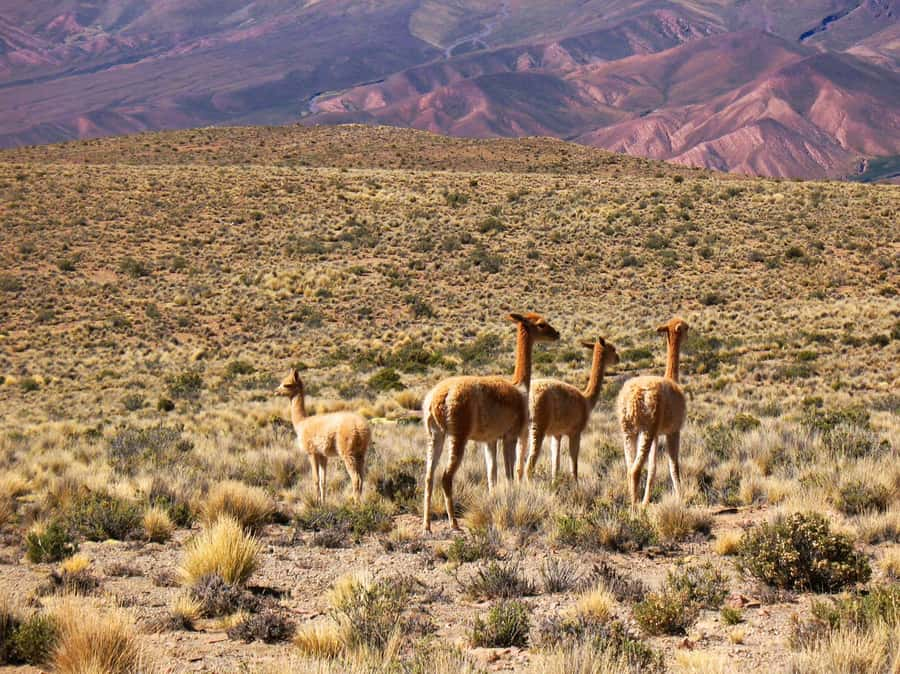
This tour starts in Salta with hotel pickup, but the mood changes as soon as you reach Purmamarca. The itinerary is set up so you arrive there first and start seeing the Quebrada de Humahuaca the way it is meant to be seen, from town to town, in layers, with the colors doing most of the talking.
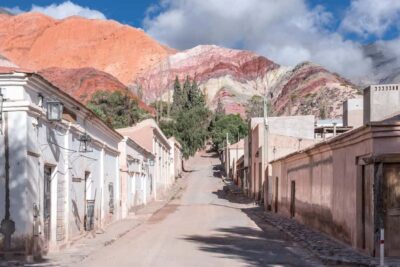
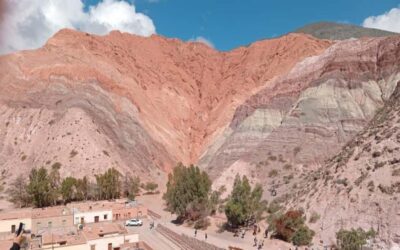
In Purmamarca, you get a brief walk through the narrow streets, then the core sights are grouped in a way that makes sense. You’ll see the church, check out the craft market on the square, and take in the famous 7-colored hill. Even if you have seen photos, being there in person is different. The mineral colors shift with the angle of light, and the valley feels steep and close, like it is holding the towns in place.
A small practical note that helps: wear comfortable shoes. The walking is not huge, but the streets and sidewalks can be uneven, and you will want good footing for quick stops and viewpoints later.
Purmamarca craft square time: a smart stop, not a long detour
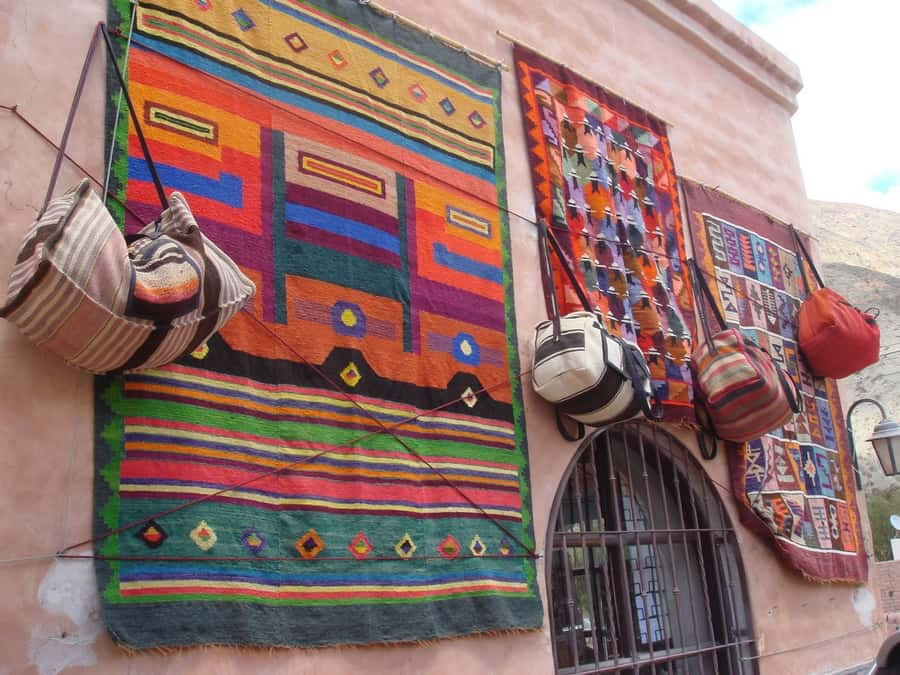
I like that the craft market visit is short and purposeful. You are not stuck there for hours. Instead, it is a chance to browse local textiles and handmade goods while you are already in the right place, in the right setting, at the start of the day.
If you plan to buy gifts, this is the time to do it. Later in the day you’ll pass other spots that can feel more like quick pulls-over, so Purmamarca is your window to slow down. Also, if you prefer authentic browsing over strict bargaining, the early timing helps, because you are not trying to shop while you are tired from the long drive.
Tilcara ruins and the archaeological museum: history you can actually connect to
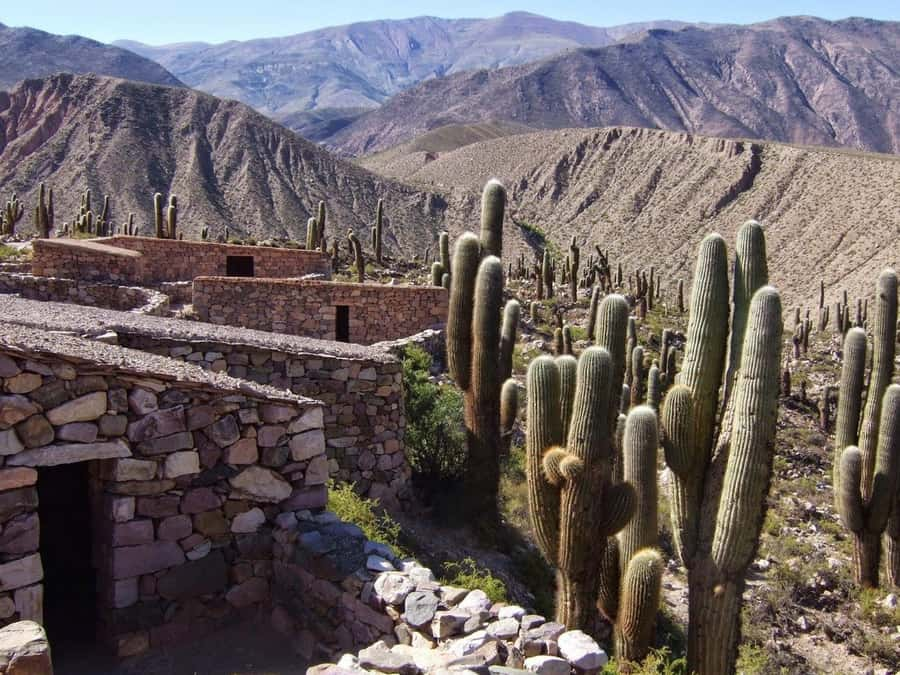
After Purmamarca, Tilcara is where the day gets more educational. You’ll visit the Tilcara ruins and an archaeological museum, which matters because it turns the scenery into something with roots. You are not just looking at mountains and colors, you are learning how people used this region over time.
The ruins and museum combination is a good pairing. The museum gives you enough background to interpret what you are seeing outside, and the outdoor ruins help you picture the setting rather than treating it like a distant exhibit. If you are the type who likes to know why something exists, this is one of the best-value stops on the route.
The only real caution here is budget. The entrance fee to the Tilcara Ruins is not included, so bring some cash or a card you can use for this part. It is not an avoidable surprise once you plan for it, but it is still a cost you should expect.
Other runs up the Quebrada
The Tropic of Capricorn viewpoint and La Pollera de la Coya
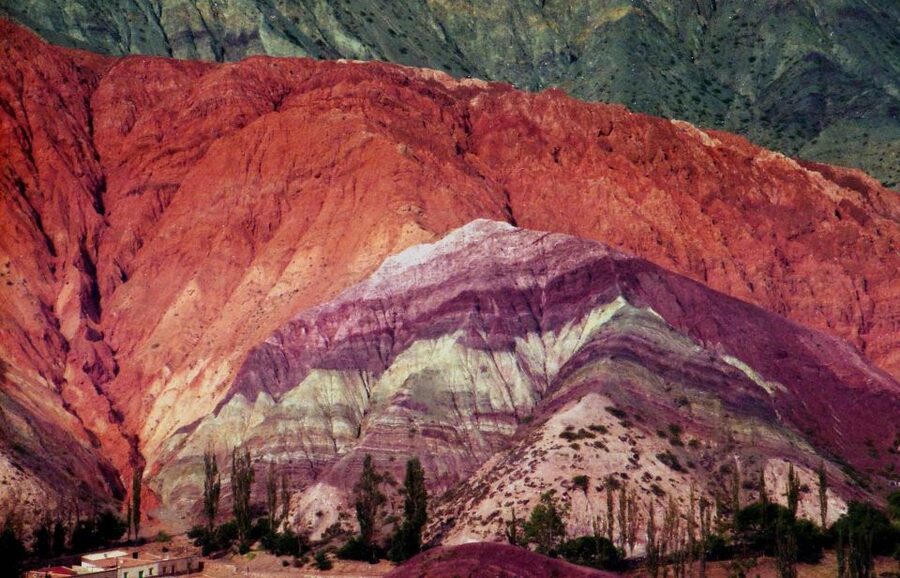
One of the most fun parts of a day like this is when the guide points out exact geographic moments. Here, you cross the Tropic of Capricorn, and you get views linked to that latitude, plus scenery connected to La Pollera de la Coya.
Why this is worth it: it breaks up the long stretches of driving with a moment where the valley becomes more than just scenery. You get a milestone, then you look at the land from a new reference point. Those little “wait, we are here exactly” moments can make the drive feel purposeful instead of just transportation.
Also, La Pollera de la Coya is one of those shapes that reads differently when you see it in person. It is easier to appreciate the name and the story when you are watching the view unfold rather than relying on a flat photo.
Uquía church and the Arcabuceros Angels: art in a quiet place
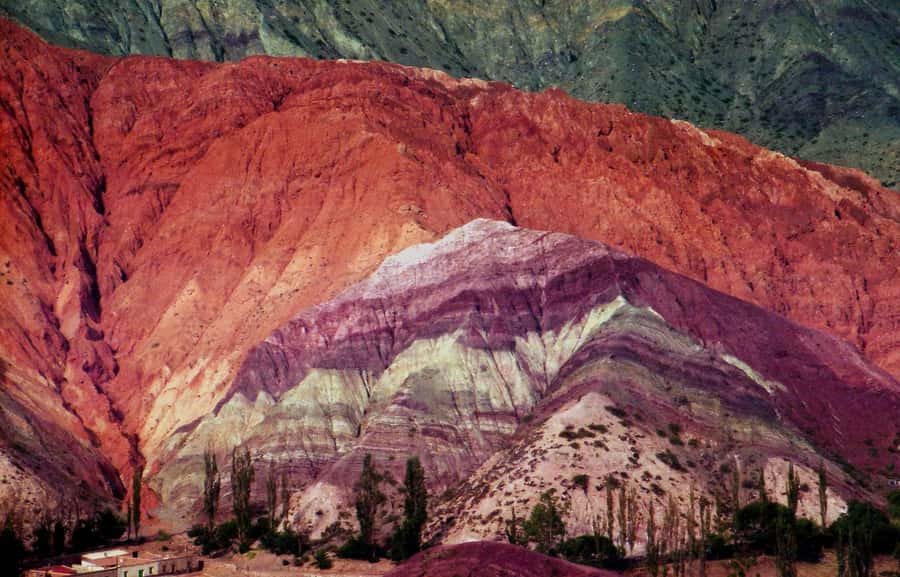
Uquía is a contrast to the bigger stops, and I think that is why it works. You’ll visit the church, where the paintings of the Arcabuceros Angels are housed. This is the kind of stop that rewards a calmer pace, because the value is in details and atmosphere.
You do not need to be an art expert to appreciate why this works. The church setting gives the paintings context, and the day’s earlier color hits with the natural world make this art stop feel like a cultural continuation of the same region. It also gives you a mental break from the constant open-air viewpoints.
If you tend to rush through places of worship, slow down a touch here. Even a few quiet minutes helps you catch the visual texture of the paintings and the feel of the church space.
Humahuaca around noon: the independence monument by Soto Avendaño
You arrive in Humahuaca around noon, which is a practical timing choice. The town is a center for the valley, so you get a meaningful chunk of time with the big landmarks without losing the day.
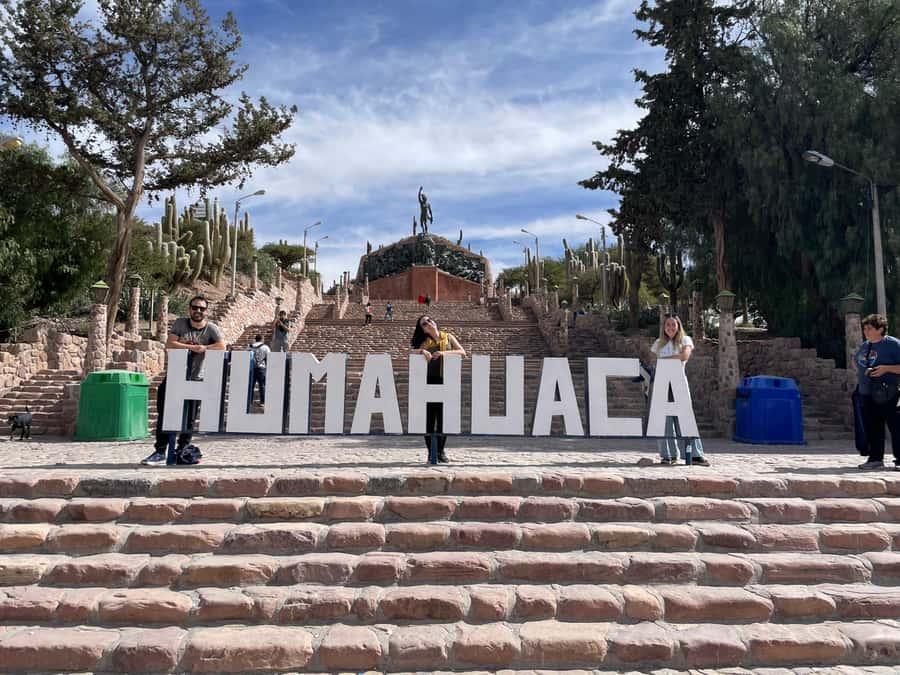
Key stops include an important church and the independence monument by the sculptor Soto Avendaño. This is where the day becomes more than just geography. Humahuaca has a civic identity, and the monument helps you understand that identity in physical form.
The church stop is also important because it links back to what you saw earlier in Purmamarca and Uquía. You start noticing a pattern in how the towns express themselves through architecture and religion, each place with its own emphasis.
Lunch happens after you arrive, and food and beverages are not included. Plan for a sit-down lunch or a casual meal, but do not assume your tour price covers it. If you want to keep the day stress-free, eat what locals eat nearby and avoid overthinking it, because the rest of the route is packed.
Maimara’s La Paleta del Pintor: a stop that frames the valley
After lunch, the drive keeps rolling, and you’ll pass La Paleta del Pintor, which frames the town of Maimara. This is one of those viewpoints where your bus window or a short pull-off can become the best kind of “pause.”
Here is how I think about it: some stops are meant for walking and browsing, and some are meant for seeing. La Paleta del Pintor is built for seeing. It is a visual anchor that helps you understand why people keep naming, photographing, and comparing this section of the Andes.
If you are someone who likes fewer stops and more time in fewer places, this is the kind of moment you’ll either love or feel neutral about. It is quick, but it delivers an image that sticks.
San Salvador de Jujuy: Flag Hall and Cathedral details
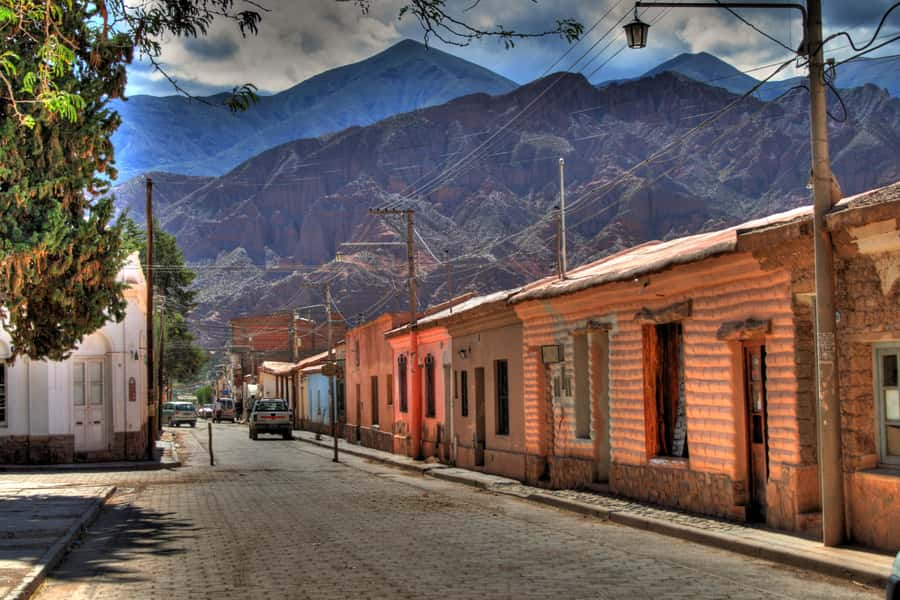
Later you reach San Salvador de Jujuy, and the tour shifts from valley views to city landmarks. You’ll see the Flag Hall and visit the Cathedral, with the pulpit made of carved wood and gold and the statues of Lola Mora.
This part is worth attention because it is not just a generic big church stop. The carved wood and gold pulpit and the Lola Mora statues give you something specific to look for, so you feel like you are hunting for details instead of just touring. If you like architecture and art, this is one of your reward stops late in the day.
Also, after hours in open air, a city interior can feel like a reset. Even a short visit helps your brain cool down, and it breaks the day’s pattern of driving, viewing, and moving on.
Driving on National Route 9: why the return route feels different
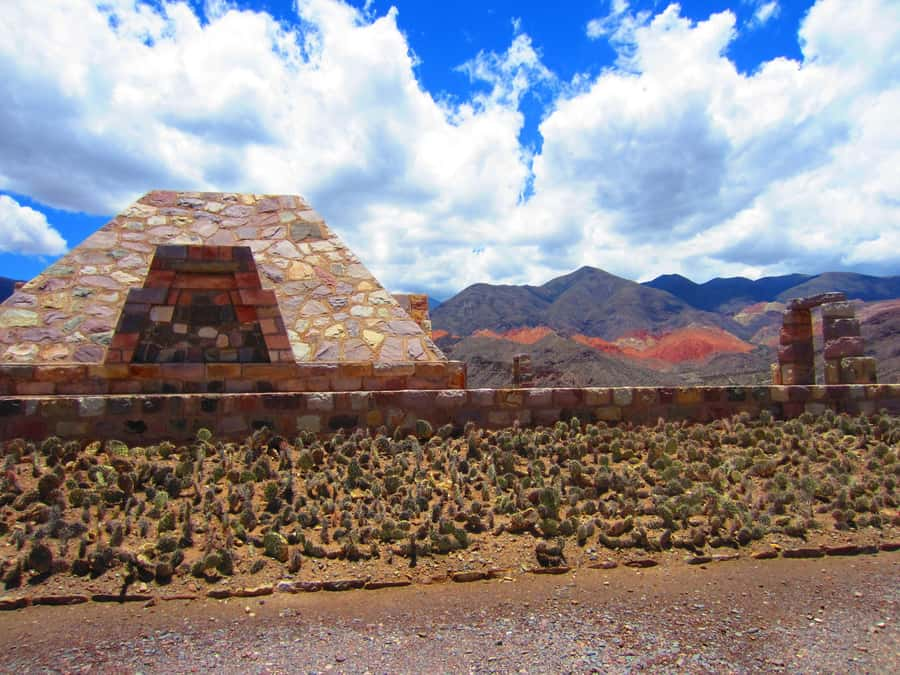
The return trip to Salta is via National Route 9, with subtropical vegetation along the way. That change in scenery is not just a nice bonus. It shows how quickly the region transitions as you go from higher Andean areas down toward greener zones.
As you keep driving, you’ll pass El Abra of Santa Laura, La Cienaga dam, Las Maderas, and Campo Alegre. These names are not just scenic trivia. They remind you that this is a route that connects ecosystems, and you get to watch the day shift in temperature and feel.
One practical point: this kind of itinerary is mostly about the timing. If you get car sick easily, consider bringing what you normally use, and plan to sit where you feel most stable.
Price and value: is $111 a fair deal for 13 hours?
At about $111 per person, the value comes from three things you would otherwise have to arrange yourself: a multilingual guide, round-trip transfers, and a structured route that hits multiple towns in one day.
You are not paying just for views. You are paying for someone to coordinate stops, explain what you are seeing, and handle the logistics of getting from Purmamarca to Tilcara to Uquía to Humahuaca and onward to San Salvador de Jujuy and back.
The trade-off is that your time is managed by the itinerary. This is not a slow travel style day. Also, a few costs and parts of the day are on you, including food and beverages, plus the Tilcara Ruins entrance fee.
So, is it worth it? If you want the highlights without renting a car or stitching together multiple transport plans, yes, it can be a good deal. If you want lots of free time in each town, you might find the pace too tight.
Guide quality, languages, and what to expect from the human side
Your guide is described as Spanish and English speaking. That matters here because this route includes a mix of geographic moments, religious sites, and art details where context helps. In real life, guides can set the tone, and having someone who can explain why a monument exists or what you are looking at in a church changes the day.
One extra detail I would keep in mind: some local guides may be able to cover more than the listed languages. If that happens, it is helpful for accuracy and for comfort if you have friends or family who speak different languages.
Logistics that can affect your day (and how to handle them)
A few practical rules will help you have a smoother experience:
- Bring an ID card or passport.
- Wear comfortable shoes, because you’ll do short walks in town centers and at key stops.
- You should not bring luggage or large bags. If you travel with extra stuff, rethink what you pack for the day trip.
- Food and drinks are on your own, so plan for lunch time in Humahuaca and any snacks you want earlier or later.
- The Tilcara ruins entrance fee is not included, so expect to pay that at the site.
One more thing, from a service standpoint: I like to confirm details ahead of time. There can be communication hiccups, such as pickup info being sent late by email. Before you travel, double-check your pickup and tour details, and save the office contact number for backup: (+54 11) 3221-8400, Monday to Friday from 9 to 18 Hs.
Who this Salta to Jujuy day trip fits best
This tour fits best if you like a guided day where you get many highlights in one hit. It is a strong choice for first-timers to Quebrada de Humahuaca who do not want to worry about transportation, or for anyone who wants cultural stops paired with big natural views.
It is also a good match if you enjoy variety: ruins and museum time in Tilcara, art in Uquía, civic landmarks in Humahuaca, then a city highlight in San Salvador de Jujuy.
If your travel style is slow, or you dislike shopping stops and quick pulls-over, you may feel the schedule a bit tight. I suggest you go in ready to appreciate the major moments, not ready to linger in every town.
Should you book this tour?
I would book this day trip if you want a high-coverage route with a guide, and you care about seeing both the color-and-mountain side of the Quebrada and the cultural stops like Uquía’s Arcabuceros Angels and Humahuaca’s independence monument by Soto Avendaño. At $111, the structure and transfers can be good value, especially if you are traveling without a car.
Skip it if you want lots of free time, or if you know you hate being moved along frequently. This itinerary is built for motion, not for lingering.
If you decide to go, pack light, wear good shoes, and plan to eat on your own for lunch. With that mindset, it is a memorable day built around the places that actually define this part of northern Argentina.
FAQ
How long is the Salta day trip?
The duration is 13 hours.
Where does the tour start, since it’s from Salta?
You’ll be picked up in Salta, but the tour actually starts when you arrive in Purmamarca village.
What languages does the guide speak?
The guide is listed as Spanish and English speaking.
What is included in the price?
Included are a Spanish/English speaking guide and round-trip transfers.
What is not included?
Food and beverages are not included, and the entrance fee to the Tilcara Ruins is also not included.
Is lunch included?
Lunch is not included, since food and beverages are not included.
Do I need to pay for the Tilcara Ruins entrance?
Yes, the entrance fee to Tilcara Ruins is not included.
Can I bring luggage or large bags?
No. Luggage or large bags are not allowed.
What are the cancellation and pay-later options?
You can cancel up to 24 hours in advance for a full refund. You can also reserve now and pay later.
More Tour Reviews in Salta
Up the Quebrada, Again
The Valleys, Further In
Newest Salta write-ups on the desk
- Salta: Tour to the Salinas Grandes and Purmamarca★ 3.7 · 3 reviews
- Salta or Jujuy: Iruya and Salinas Grandes 2-Day Tour★ 4.3 · 3 reviews
- Salta en un Bocado – Cultural Tour & Empanada Tasting★ 5.0 · 3 reviews
- From Salta: Full-Day Tours of Cachi and Salinas Grandes★ 4.5 · 3 reviews
- From Salta: Cafayate,Humahuaca and Salinas Grandes in 3 days★ 3.6 · 3 reviews
- From Salta: 3-Day Cafayate, Cachi, and Humahuaca Guided Trip★ 4.7 · 3 reviews
The rest of the Salta and Calchaqui Valley Tours list.
 ★ 4.6From Salta: Full-Day Trip to Salinas Grandes and PurmamarcaFrom $38914 reviews
 ★ 4.5From Salta: Full-Day Tour to Cafayate with Wine TastingFrom $29478 reviews
 ★ 4.3From Salta: Salinas Grandes, Purmamarca & Los Colorados HikeFrom $43356 reviews
 ★ 4.4From Salta: Cafayate, land of wines and imposing ravinesFrom $29347 reviews
 ★ 4.5Full-Day Tour Cafayate Calchaqui Valleys with WineFrom $32347 reviews
 ★ 4.4From Salta: Serranías del Hornocal & Hill of 14 Colors TourFrom $63339 reviews
 ★ 4.5From Salta: Cachi and Los Cardones National Park TourFrom $30285 reviews
 ★ 4.4From Salta: Cafayate Day Trip with Wine TastingFrom $40226 reviews