
REVIEW · CAFAYATE WINE TOURS
Salta: Cafayate, Cachi, and Salinas Grandes Guided Day Trips
A trip like this hits hard, in a good way. I love the Torrontés wine tasting in Cafayate and the big, unforgettable pause at Salinas Grandes. One thing to plan for is the long days and some bumpy driving, including sections of dirt road that may bother your back.
This is a well-paced, guided circuit built around changing scenery and real local stops, not just photo pull-offs. You get a driver, a bilingual guide in English and Spanish, and hotel pickup and drop-off, which saves you stress in a region where you do not want to be improvising transportation.
You’ll pay for your own meals and any additional entrances, but the included winery stop and the guided context make it feel like value instead of just a bus ride.
In This Review
- Key highlights you should not miss
- Cafayate wine country, Ruta 68 viewpoints, and the House of the Parrots
- Cachi and Los Cardones, where altitude scenery meets colonial charm
- Purmamarca, the Hill of Seven Colors, and the salt pools of Salinas Grandes
- Road time, dirt tracks, and how to stay comfortable
- What you really get for the price, plus what costs extra
- Who this Salta and Jujuy circuit fits best
- Should you book this guided day trip set?
- FAQ
- What does the $95 per person price include?
- What is not included in the tour price?
- How long is the tour, and does the order of the trips stay the same?
- What road conditions and travel time should I plan for?
- Is the tour suitable for people with back problems?
- Can children join, and are unaccompanied minors allowed?
Key highlights you should not miss
- Torrontés at a Cafayate winery with a guided look at how it is made and sampled
- Cachi colonial streets and town church views, plus an indigenous history museum visit
- Los Cardones National Park cactus scenery, including Cardon Grande plants
- Purmamarca in Quebrada de Humahuaca, with craft stands and time in the main square
- Hill of Seven Colors and Salinas Grandes salt pools, with time to wander and look up
More of the valleys out of Salta
- From Salta: 4-Day Trip in Salta Province & Salinas Grandes
★ 4.5 · 54 reviews - From Salta: Cafayate, Humahuaca & Salinas Grandes 3-Day Tour
★ 4.3 · 41 reviews - From Salta: 2 Day Guided Trip to Cafayate & Salinas Grandes
★ 4.4 · 17 reviews - Salta: Cafayate, Cachi, and Salinas Grandes Guided Day Trips
★ 4.8 · 5 reviews
Cafayate wine country, Ruta 68 viewpoints, and the House of the Parrots
Day 1 starts with pickup from your hotel, then you head south on Provincial Route 68. Expect stops made for looking, not rushing, including panoramas over the Lerma Valley farms and the tobacco plantations where leaves dry in the sun. It is a great setup because you can see how the economy of the valley works before you ever reach wine country.
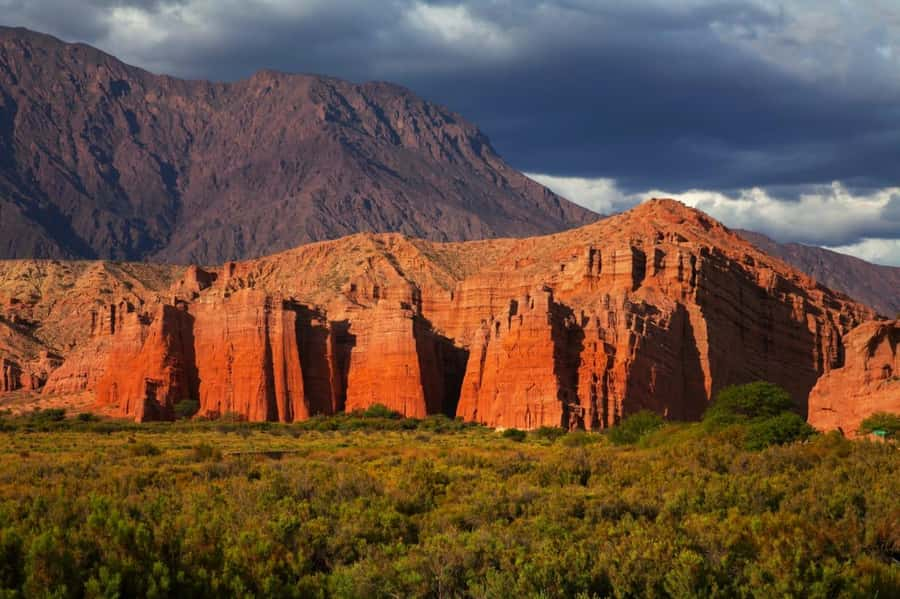
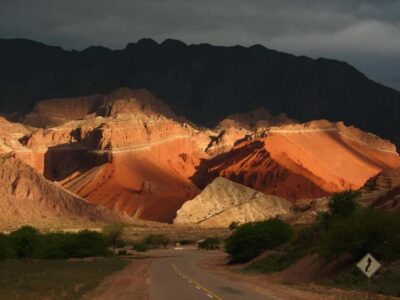
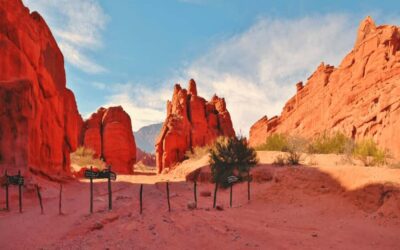
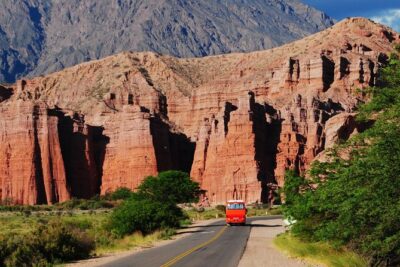
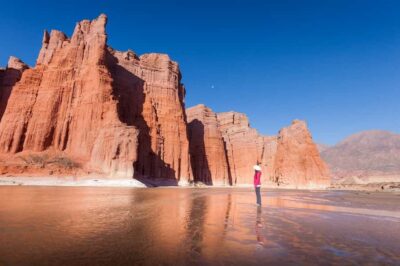
Along the way, you pass small towns like Alemania and you get dramatic red rock views and unusual formations. One of the most memorable named moments is the House of the Parrots, a rock feature you’ll spot en route. Even if you only catch it for a moment, it gives you a story to carry into Cafayate, because the region is full of shapes that feel like they came from myths.
Then comes Cafayate, and the heart of Day 1: a winery visit with a guided Torrontés wine tasting. You will learn how the local wine industry works, get pointed explanations about methods, and sample the wines. The practical win here is that you are not doing this as a random stop. You have someone with you who can translate what matters, so your tasting is more than sipping.
Lunch happens after the winery, and then you head back to Salta on a different route. That detour matters. You are getting two different ways of seeing the same region, and it keeps Day 1 from feeling like backtracking.
A quick heads-up from the way this day is built: you will be in transit a lot. If you get car sick easily, or if you are sensitive to rougher roads later in the trip, bring what you need and plan your posture. You’ll also want comfortable clothes since you are outdoors between viewpoints and towns.
Cachi and Los Cardones, where altitude scenery meets colonial charm
Day 2 is about moving from big valley views into higher terrain and sharper rock formations. You start by driving through towns like Cerrillos, La Merced, and El Carril, then you get dramatic scenery at Escoipe Gorge and Los Laureles. These are the kinds of stops that make the guide’s job important, because you need context for what you are seeing and why the road follows the terrain the way it does.
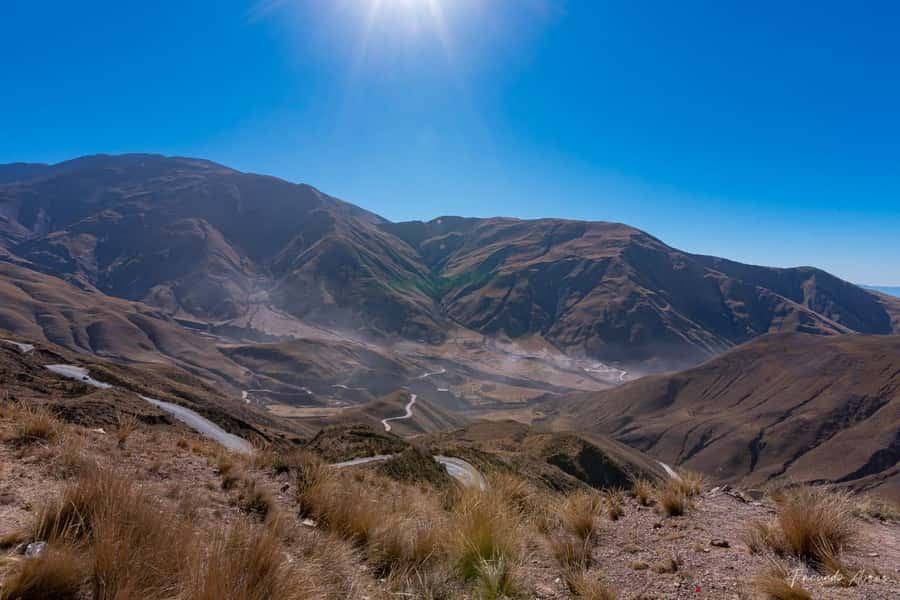
Next comes Cuesta del Obispo, with a peak at 3,348 meters. This is not just about getting to a point. The winding ascent is part of the experience, with rock formations appearing and changing as you climb. If you like the feeling of a road trip where every bend shows something new, this is the day for you.
Then you head through Los Cardones National Park. The star here is Cardon Grande cacti, and the park setting makes it easier to appreciate how these plants survive the high, dry environment. This is the kind of stop where you can slow down and just look around. The guide helps you place the cacti in the bigger picture of the region.
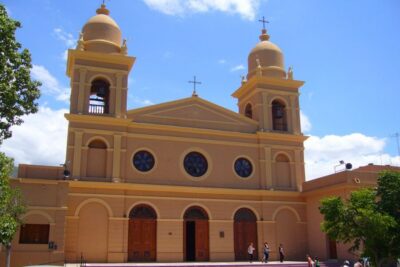
Arriving in Cachi, you get lunch and then time to stroll the town streets. What I like most about Cachi is the sense that the town has kept its bones. You will see perfectly-preserved colonial architecture, including a stunning church in the central plaza. It is a simple win: after days of looking at natural scenery, you get human-scale beauty where walking feels pleasant.
You also visit a museum focused on the history of indigenous communities in the Calchaquí Valley. This is not just a time-filler. It adds meaning to the land you have been passing, because it ties people and place together instead of treating the valley like a scenic backdrop.
Finally, you have free time at the craft market to pick up souvenirs like artisan fabric, artwork, and pottery. If you want souvenirs that feel connected to what you saw, this is the better place to shop. You are not buying in a rush, and you have a guide helping you understand what you are looking at.
Then it is back to Salta. Day 2 is one of the longer-feeling days, so plan for an early night after you return.
Purmamarca, the Hill of Seven Colors, and the salt pools of Salinas Grandes
Day 3 crosses into Jujuy Province, which gives the trip a bigger frame. You pass through towns like Volcán and Tumbaya on the way to Purmamarca. Purmamarca is famous for its setting inside Quebrada de Humahuaca, a UNESCO World Heritage Site. The main square is a good place to orient yourself and grab local crafts.
You will have time to walk, look at craft stands, and browse. This matters more than it sounds because it is your chance to pick up gifts without turning it into a scavenger hunt. You get to decide what feels right.
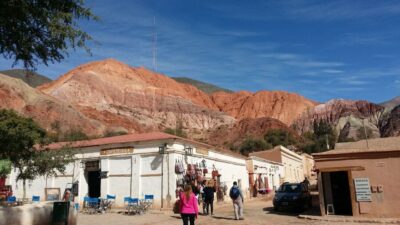
After Purmamarca, you visit the Hill of Seven Colors, one of the trip’s signature sights. The rocks here form striped patterns that look almost painted. It is the kind of view that stays with you because the colors show up as layers and bands, not just one dramatic hue. You might spend more time here than you planned, because it is the sort of place you keep noticing new stripes as you move your angle.
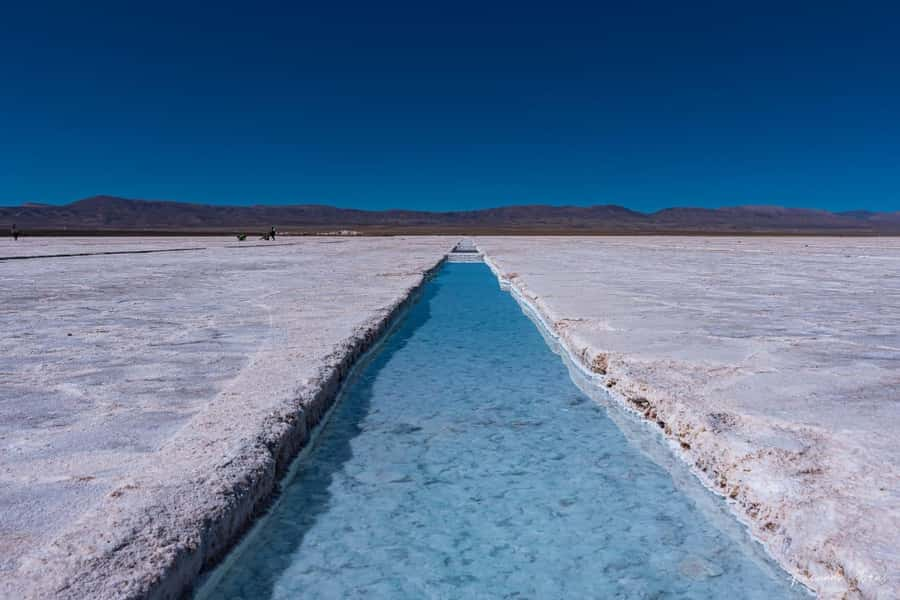
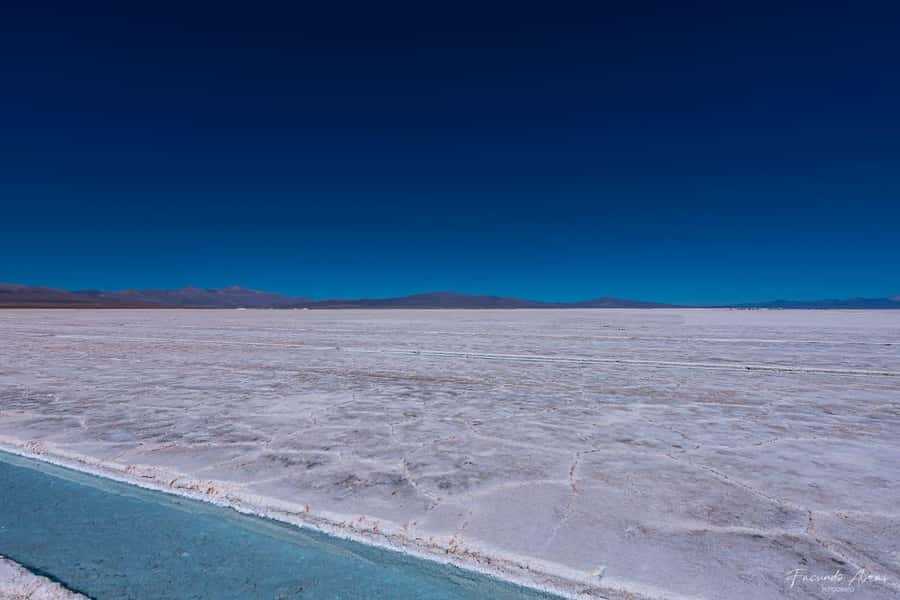
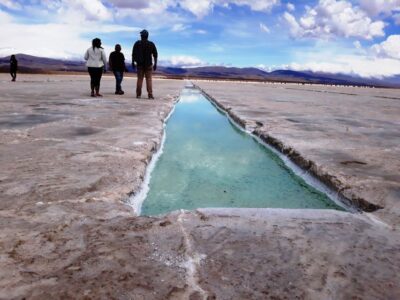
Then the ascent continues along Cuesta del Lipan to reach Salinas Grandes. This is where the trip flips into something almost surreal. Salinas Grandes is one of the seven wonders of the Argentine Republic, and you will get free time to admire the salt flat and the famous pools. The best part is the time you get on site. You are not being rushed through a single viewpoint. You can slow down, take photos if you want, and just stare at the scale.
Later, you return to Purmamarca for lunch at a traditional restaurant, then head back to Salta. That second stop in Purmamarca is smart because it gives you a chance to reset before the drive back.
Torrontes country has more to pour
Road time, dirt tracks, and how to stay comfortable
This is the practical part that can make or break your experience. The trip involves about 2 hours of traveling on low-quality dirt roads, plus another 2 hours on the highway on the way back. That mix is why the operator notes it is not suitable for people with back problems.
If you are sensitive to rough roads, I would treat this like a real warning. Sitting for long stretches, plus vibration, is a setup that can trigger discomfort. If you are fine with driving days, pack like you are doing a small road trip: water, a sun hat, and something to keep you comfortable if the weather changes.
Also remember that you are on a fixed schedule. You are not choosing your own stops, and the value comes from being guided through the route efficiently. If you get impatient with car time, you may not love this.
A smaller practical point: bring your passport or ID card, and wear shoes you trust. You will move around in towns and at viewpoints, and you want grip on uneven ground.
What you really get for the price, plus what costs extra
At $95 per person for 3 days, this tour can be a good deal, especially because several key things are handled for you. You get a driver and guide, hotel pickup and drop-off, air-conditioned Mercedes-Benz minivan transport, and a bilingual guide in English and Spanish. You also get entrance to the winery, which is a meaningful included item rather than just a ticket you pay for later.
What is not included is just as important. Entrance fees are not included, and food and drinks are not included. That means you should budget for meals in Cafayate, Cachi, and Purmamarca, plus anything you encounter that has an additional fee.
In my view, the value comes from the combination:
- You are guided through multiple major highlights across two provinces
- You get the included winery entry and tasting structure
- You are not stuck trying to coordinate transit on your own
If you were to cobble this together independently, you would likely spend time and effort just lining up drivers and timing between towns. Here, the structure is the product.
Who this Salta and Jujuy circuit fits best
This tour is a strong fit if you want a guided way to see a lot without planning every turn. It is especially good for people who enjoy varied scenery and also appreciate learning context, like the indigenous museum stop in Cachi.
You will also like it if you care about practical sightseeing. You get time in towns like Purmamarca and Cachi to stroll and shop, plus guided highlights like the Torrontés tasting and the Hill of Seven Colors.
I would be more cautious if:
- You have back problems or get discomfort from rough roads
- You hate long days of driving
- You expect everything to be fully inclusive, since meals and some entrances are on you
Should you book this guided day trip set?
I think you should book if you want guided highlights across Salta and Jujuy without the hassle of logistics. The included winery experience, the structured time at Salinas Grandes, and the blend of towns plus big scenery make it feel like more than a checklist.
If you are unsure, do a quick self-check: are you comfortable spending long hours in a minivan, and can you handle a couple hours of rougher dirt road? If yes, this is a great way to see why this part of Argentina pulls people back for repeat visits. If not, you may want to look for options with smoother routes or shorter days.
FAQ
What does the $95 per person price include?
The price includes a driver and guide, hotel pickup and drop-off, transport by air-conditioned Mercedes-Benz minivan, a bilingual guide (Spanish and English), and entrance to a winery.
What is not included in the tour price?
Entrance fees and food and drinks are not included. You’ll pay for meals on your own during lunch stops and any additional entrances that apply.
How long is the tour, and does the order of the trips stay the same?
The experience runs for 3 days. The order of the three excursions may change depending on availability of the agency.
What road conditions and travel time should I plan for?
You should plan for around 2 hours of traveling along low-quality dirt roads and another 2 hours along the highway on the way back.
Is the tour suitable for people with back problems?
The tour is not suitable for people with back problems, since it involves rougher road sections.
Can children join, and are unaccompanied minors allowed?
Unaccompanied minors are not allowed. Children under 18 years old must be accompanied by an adult, and children under 2 years old can travel for free if they do not occupy a separate seat.
Up the Quebrada, Again

Cafayate by the Glass
The Valleys, Further In
Newest Cafayate write-ups on the desk
- From Salta: Cafayate, Salinas Grandes, & Hornocal Tour★ 4.7 · 3 reviews
- Salta: Cafayate, Cachi, and Salinas Grandes Guided Day Trips★ 4.8 · 5 reviews
- From Salta: Local Landscape, Winery, and Culture Tour★ 5.0 · 5 reviews
- From Salta: 2 Day Guided Trip to Cafayate & Salinas Grandes★ 4.4 · 17 reviews
- From Salta: Cafayate, Humahuaca & Salinas Grandes 3-Day Tour★ 4.3 · 41 reviews
- From Salta: 4-Day Trip in Salta Province & Salinas Grandes★ 4.5 · 54 reviews
The rest of the Cafayate Wine Tours list.
 ★ 4.5From Salta: Full-Day Tour to Cafayate with Wine TastingFrom $29478 reviews
 ★ 4.4From Salta: Cafayate, land of wines and imposing ravinesFrom $29347 reviews
 ★ 4.5Full-Day Tour Cafayate Calchaqui Valleys with WineFrom $32347 reviews
 ★ 4.4From Salta: Cafayate Day Trip with Wine TastingFrom $40226 reviews
 ★ 4.5Full-day Cafayate, Lerma Valley, and Wine Tasting from SaltaFrom $29116 reviews
 ★ 4.3From Salta:Cafayate and the imposing Quebrada de las ConchasFrom $2980 reviews
 ★ 4.5From Salta: Full-Day Tour to Cafayate, Land of WinesFrom $3874 reviews
 ★ 4.3From Salta: Cafayate, Humahuaca & Salinas Grandes 3-Day TourFrom $10641 reviews