
REVIEW · CAFAYATE WINE TOURS
From Salta: Cafayate, Cachi, & Hornocal 3-Day Tour
Fourteen Colors starts before sunrise. This 3-day route from Salta strings together Cafayate, Cachi, and Hornocal, with big views along Provincial Route 68 and the famous Route 9 through the Quebrada de Humahuaca.
I really like two things here: a real winery + free tasting in Cafayate, and the slow stroll through Cachi’s preserved colonial streets and central church. The day-by-day pacing gives you time to look up at the mountains, not just stare out the window.
One thing to think about: the Hornocal day requires an early meeting at Caseros 420 at 6:30 am, and the tour includes time on low-quality dirt roads. It is also not suitable for people with back problems.
In This Review
- Key points worth knowing before you go
- What this Salta to Hornocal trip is really about
- Day 1: Salta to Cafayate via Lerma Valley, tobacco chimneys, and rock formations
- Cafayate wine tasting, what you’ll get beyond the pour
- Day 2: Cuesta del Obispo to Cachi, with condors, cactus park time, and high-altitude viewpoints
- Cachi time: the colonial center, the museum stop, and buying the right kind of souvenirs
- Day 3: Route 9, Quebrada de Humahuaca, Purmamarca’s colors, and the Hornocal timing trick
- Why that Hornocal timing makes sense
- Logistics that affect your comfort: early meeting, dirt roads, and van conditions
- Price and value: what $136 buys you across 3 packed days
- Who should book this tour, and who should skip it
- Should you book? My honest recommendation
- FAQ
- How long is the Salta to Cafayate, Cachi, and Hornocal 3-day tour?
- What pickup time is included in Salta?
- Is there a special meeting point for Hornocal?
- What languages are offered on this tour?
- What is included in the price?
- Are entrance fees, food, and drinks included?
- Is this tour suitable if I have back problems?
- What should I bring?
Key points worth knowing before you go
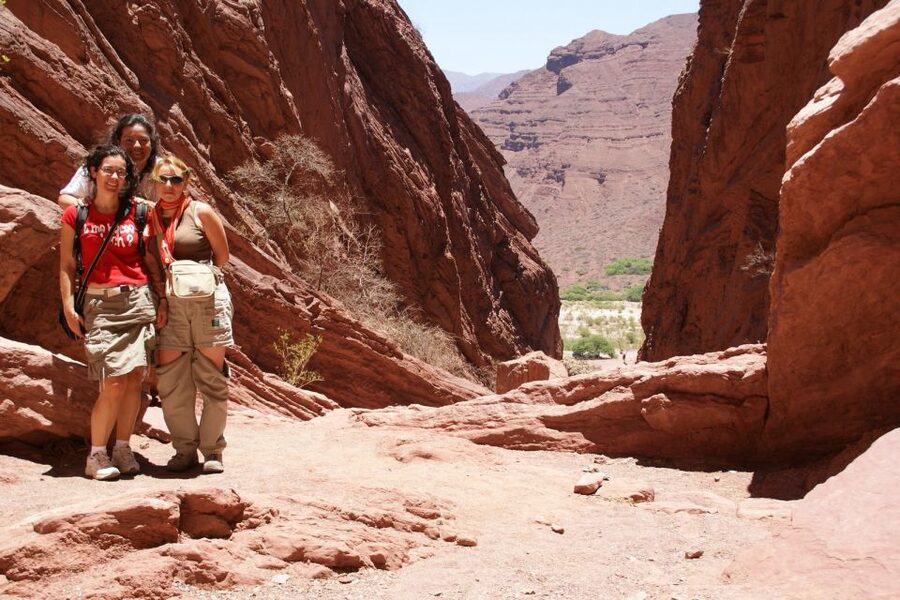
- Hill of Fourteen Colors in Hornocal gets a focused stop after lunch on the final day, with about 45 minutes of exploring time.
- Winery visit in Cafayate includes a learning moment about local wine and a free tasting, especially tied to torrontes.
- Cuesta del Obispo climbs to about 3,348 meters, where condors may circle overhead if you’re lucky and looking.
- Parque Nacional los Cardones brings you up close to the cactus world, named for cardon grande formations.
- The tour mixes inland highlands and valley towns, so you see sharp changes in terrain over just 3 days.
- Hornocal requires Spanish only, and that day uses a special morning meeting point rather than the usual hotel pickup.
More of the valleys out of Salta
- From Salta: 4-Day Trip in Salta Province & Salinas Grandes
★ 4.5 · 54 reviews - From Salta: Cafayate, Humahuaca & Salinas Grandes 3-Day Tour
★ 4.3 · 41 reviews - From Salta: 2 Day Guided Trip to Cafayate & Salinas Grandes
★ 4.4 · 17 reviews - Salta: Cafayate, Cachi, and Salinas Grandes Guided Day Trips
★ 4.8 · 5 reviews
What this Salta to Hornocal trip is really about
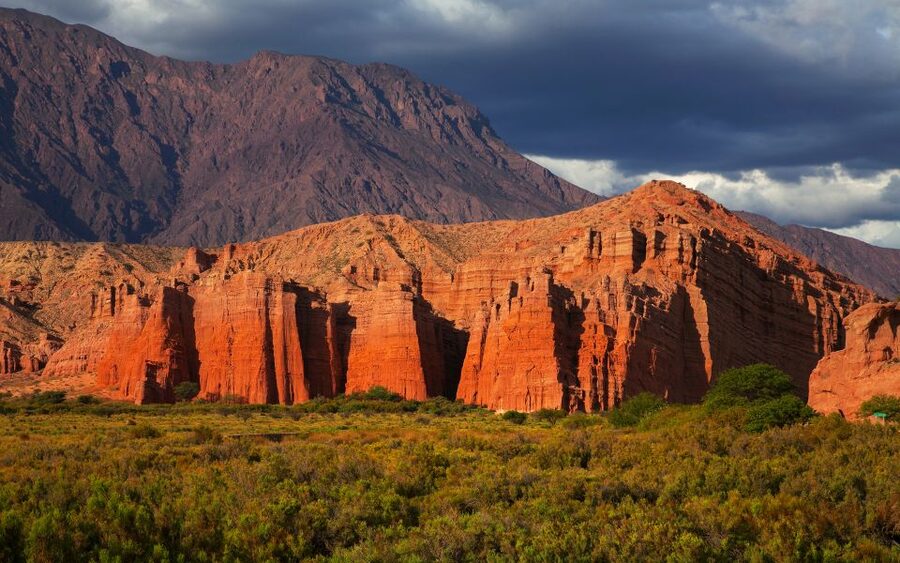
This isn’t a “sit on a bus and pass landmarks” kind of tour. It’s built around a trio of places where the scenery and the culture both matter: wine country in Cafayate, Andean town life in Cachi, and the color-show at Hornocal. On paper, it sounds like a lot to fit in 3 days. In practice, the route choices help. You go out one way and come back another, so the repeated driving does not feel like pure repetition.
I also like that the itinerary includes more than one kind of “wow.” You get geological features with names like Devil’s Throat and House of the Parrots on the way to Cafayate. Then you get altitude and dramatic roads on Day 2, including Cuesta del Obispo and a high viewpoint area. Finally, you end with Route 9 and the UNESCO Quebrada de Humahuaca corridor, which is the kind of place where towns and mountains look like they were designed together.
There is a practical tradeoff, though. You need to be comfortable with long days and early mornings, especially for the Hornocal portion. If your main goal is a relaxed pace, this may feel intense.
Day 1: Salta to Cafayate via Lerma Valley, tobacco chimneys, and rock formations
Day 1 starts with a classic Salta-to-the-highlands drive. You leave Salta heading south on Provincial Route 68. The early hours matter here because the Lerma Valley view is wide and agricultural: farms and tobacco plantations stretch out, and you see the old and new tobacco chimneys built from adobe and clay.
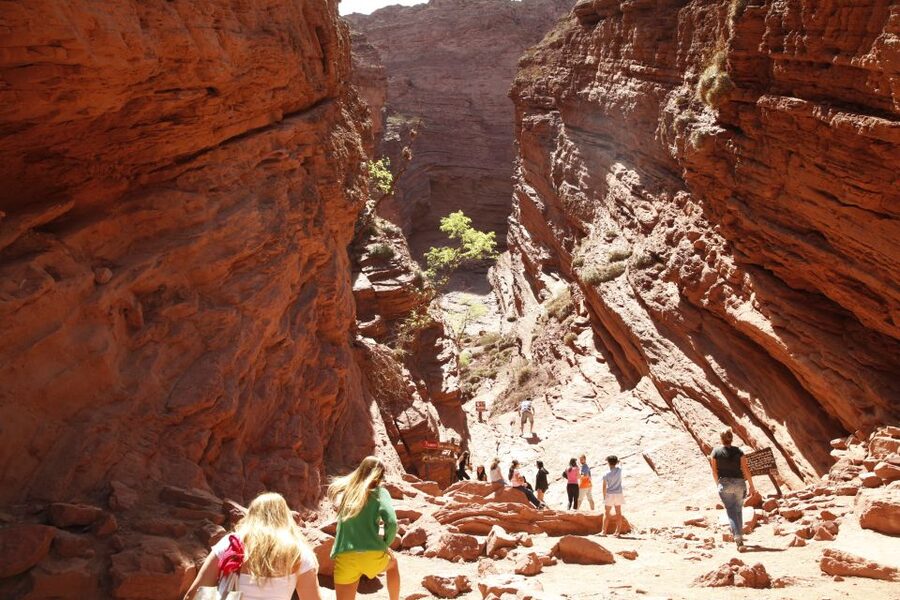
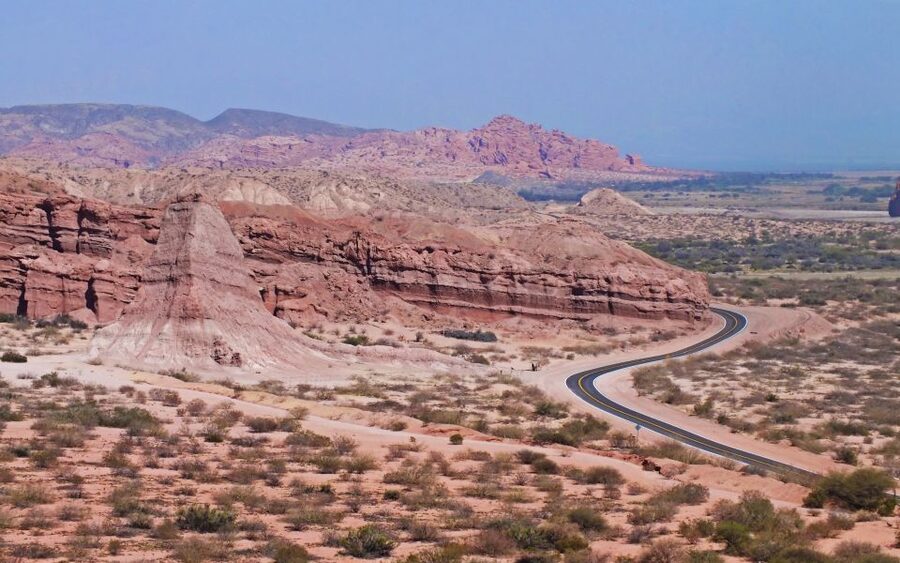
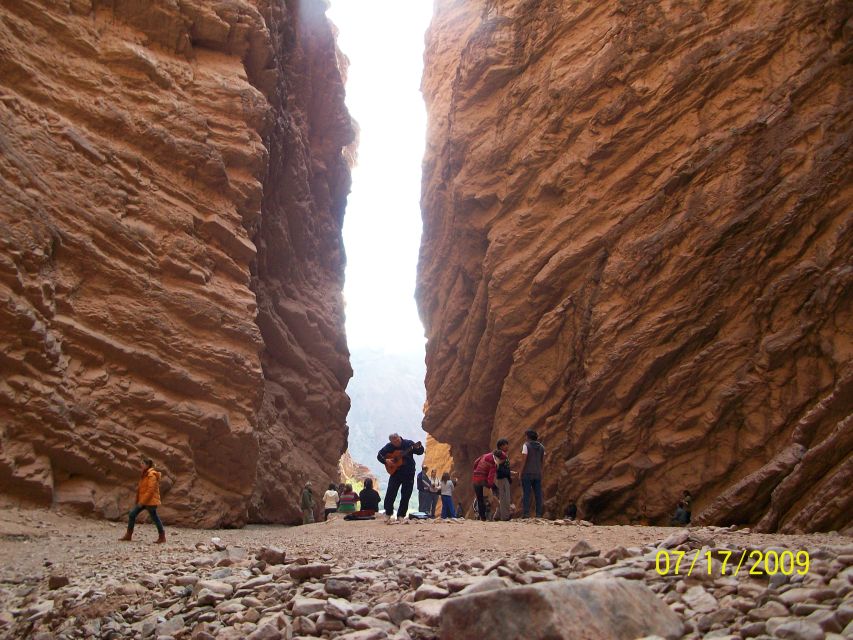
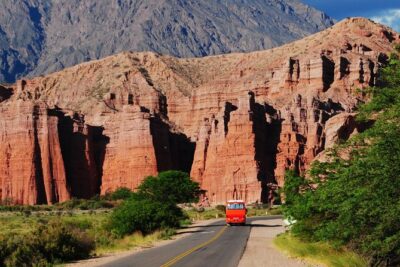
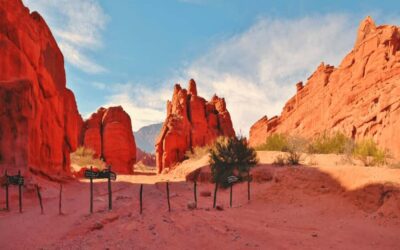
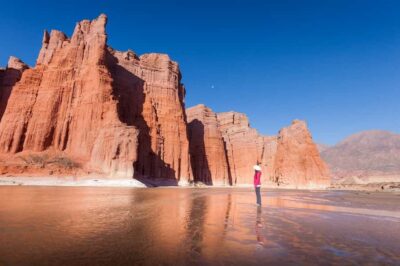
Then the tour shifts from “flat and cultivated” to “rock and drama.” You pass the town of Alemania, and you’ll run into famous red mountain formations along the route, including Devil’s Throat and House of the Parrots. These names are part of the fun, but the real point is how quickly the region changes from valley work to raw geological shape.
Cafayate arrives next, and that is where the trip turns from driving to experiencing. You visit one winery to learn about the local wine industry and to taste. Since torrontes is called out specifically, this is a good stop if you want something more than a generic souvenir taste. You’ll typically get the sense of why Cafayate wine is so tied to the area, even if you’re not a hardcore wine person.
After lunch, you head back toward Salta using a different route. That detail is more valuable than it sounds. It lets you see another angle of the region rather than repeating the exact same views you saw in the morning. If you like comparing terrain, Day 1 delivers.
Practical thought: your comfort day one depends on your shoes and patience. You’ll likely do short walks and get in and out of the van, so wear comfortable footwear rather than anything that pinches.
Cafayate wine tasting, what you’ll get beyond the pour
The winery stop is one of the best value parts of the whole itinerary. You’re not just paying for transportation plus a quick photo stop. You get a guided look at the local wine story and a free tasting, which is the difference between browsing and actually learning.
Also, Cafayate is a smart time to taste because you’re already surrounded by the geography that makes the wine identity feel real. Even if you don’t buy bottles, tasting helps you anchor the trip to something sensory. Torrontes in particular is a style people often associate with Argentina’s wine map, so it gives you a clear reference point.
Limitations to keep in mind: entrance fees and food and drinks are not included in the tour price. The tasting is included, but meals are on you. Plan for that so you do not end up skipping lunch quality or spending time deciding what to eat while the group is moving.
Torrontes country has more to pour
Day 2: Cuesta del Obispo to Cachi, with condors, cactus park time, and high-altitude viewpoints
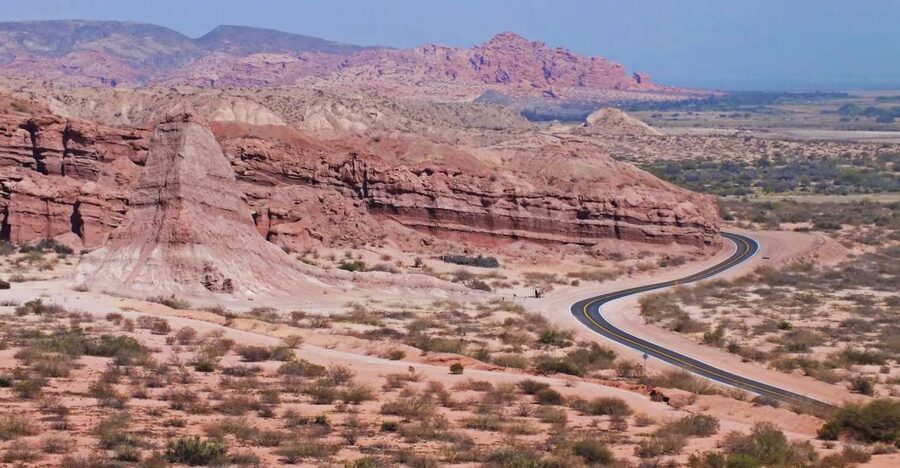
Day 2 is the “road movie” day. You start by leaving Salta again, continuing on Provincial Route 68 through towns like Cerrillos, La Merced, and El Carril. Then you turn onto Provincial Route 33, where the drive passes the Gorge of Escoipe and Los Laureles.
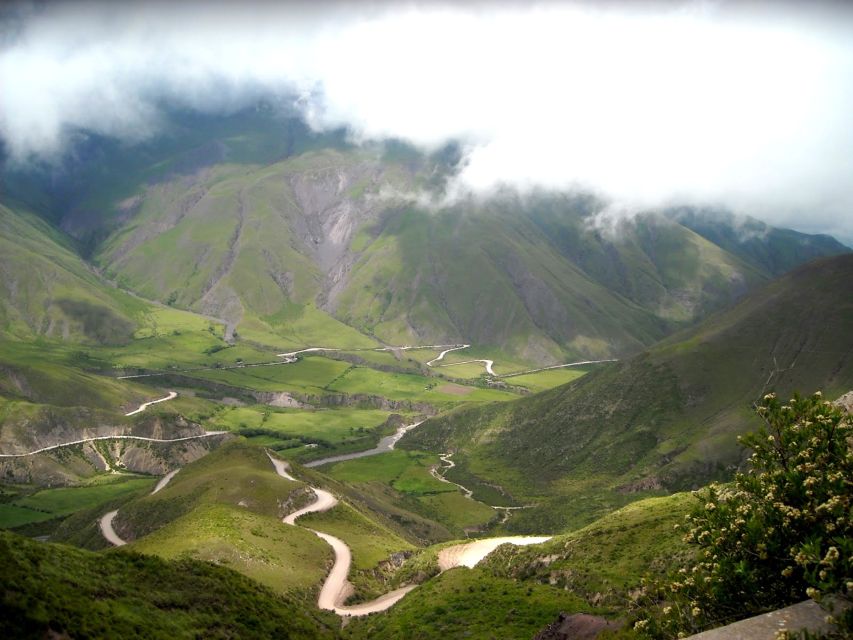
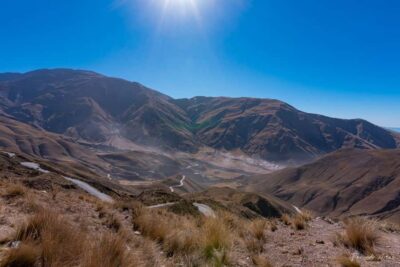
From there, the itinerary hits one of the big star turns: Cuesta del Obispo (Bishop’s Slope). This is a winding climb up to around 3,348 meters above sea level. The higher you go, the less the vegetation feels like the low valleys, and the more you notice how thin and open the air looks from the road.
One of the most compelling details is the condor angle. The tour suggests looking for condors flying above, and that’s not random. At viewpoints and high stretches, you can sometimes spot them gliding when conditions are right. Even if you do not see one, the viewpoints still do the job, because the “scale” is what makes Cuesta del Obispo memorable.
Next comes El Valle Encantado, described as fairytale-like. You also move through a shift in scenery as you leave the sub-tropical valleys for Recta del Tin Tin, which was built during the time of the Incas. That’s a meaningful note for your brain. It reminds you this is not just modern tourism. People have moved through these corridors for a long time.
Then you reach Parque Nacional los Cardones, the National Park of the Cactus, named for cardon grande formations. This is a nice change of pace from rock and road. It helps you understand that highland Argentina is not all cliffs and stone. There’s an entire plant life system built for dryness and altitude.
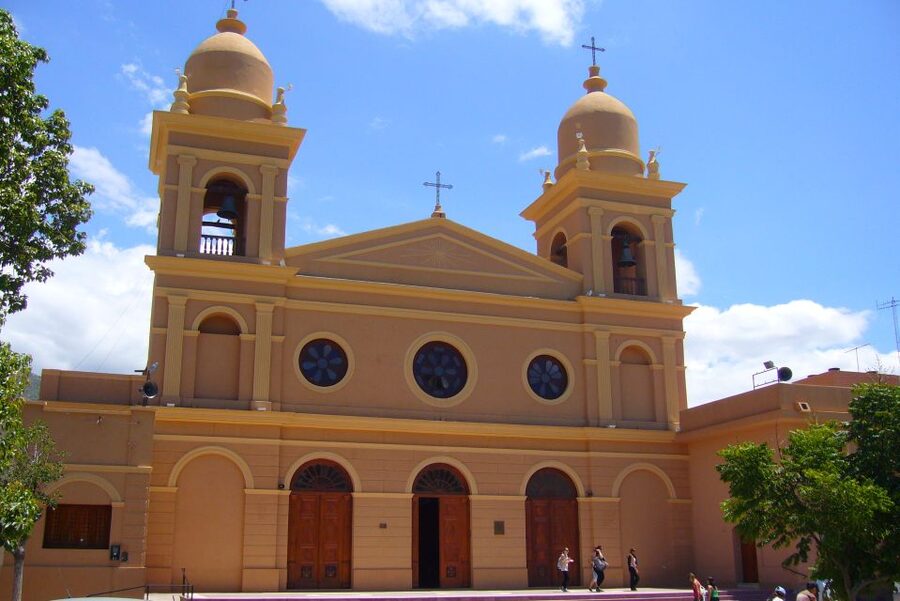
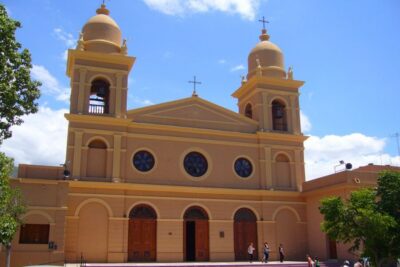
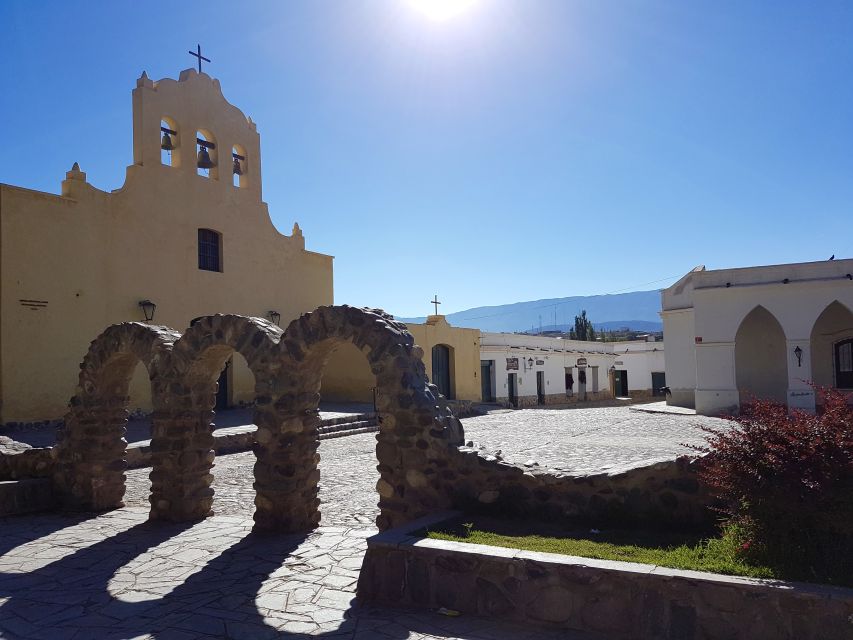
Finally, you land in Cachi in time for lunch. Cachi is where you slow down. The town is known for colonial architecture that’s well preserved. You’ll stroll the streets, then visit the church in the central plaza. The historical museum is also included, with a focus on the history of Aboriginal communities. That museum element matters because it keeps the day from becoming only about views.
You also get craft market time and free time to shop before heading back to Salta.
Possible drawback to plan for: this day likely includes more standing and uneven ground than people expect. Bring sturdy shoes. If you’re sensitive to altitude, take it easy when you stop at high points, and drink water as you normally would, since food and drinks are not included.
Cachi time: the colonial center, the museum stop, and buying the right kind of souvenirs
Cachi works well because it gives you a true town experience in a tight schedule. The central plaza and church help you get your bearings fast, and the surrounding colonial streets are the kind of place where it’s worth walking even if you’re tired from the drive.
The museum adds weight. When a tour includes a museum focused on Aboriginal history, it tends to give context to the region beyond the postcard. You do not need to love museums to appreciate why it’s there: it turns the day from scenic to meaningful.
For souvenirs, the craft market is a solid target. You’ll have time to browse, not just grab something at the first stall you see. If you want a good shopping moment, Cachi is where I’d spend it.
Day 3: Route 9, Quebrada de Humahuaca, Purmamarca’s colors, and the Hornocal timing trick
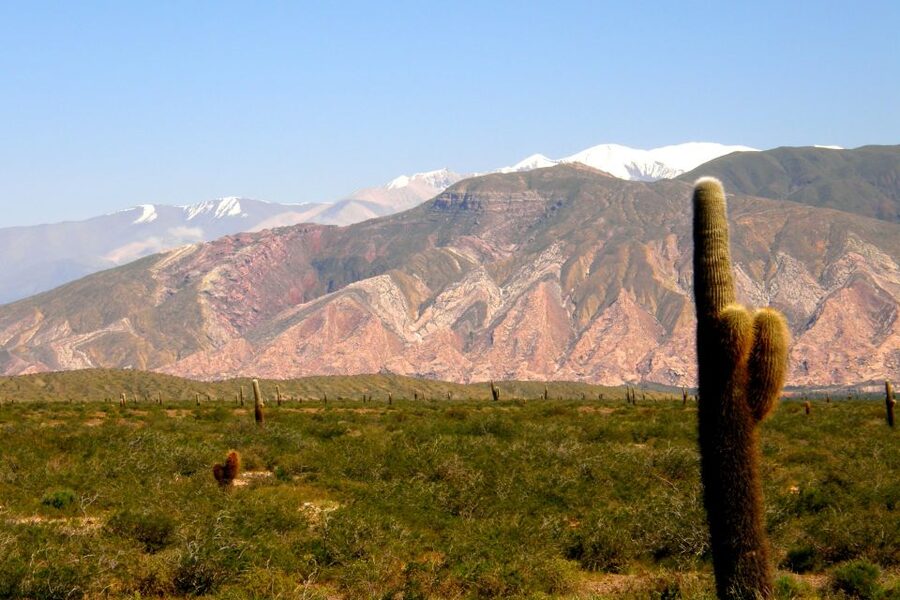
Day 3 is designed around a scenic ribbon of Argentina, Route 9. You travel toward Jujuy province and the Quebrada de Humahuaca, a narrow mountain valley recognized as a UNESCO World Heritage Site in 2003. The UNESCO label matters less than what you feel with your eyes: the valley towns hug the terrain, and the mountain colors look planned even when nature is doing all the work.
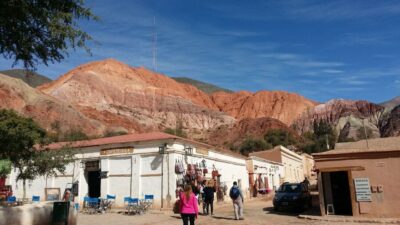
You start with a stop in Purmamarca to see the Hill of Seven Colors. This is a quick, high-impact stop. You get the main square vibe and local craft stands, which keeps the day from turning into a pure driving day.
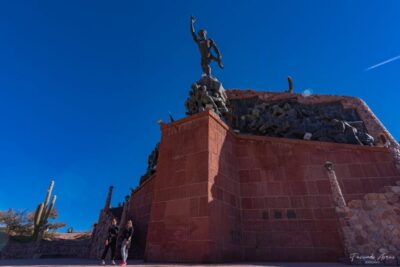
Then you continue to Humahuaca, at about 2,939 meters. Here you can visit the Church of La Candelaria and the Independence Monument. Those are good “anchors” for a town stop. After that, you get free time for lunch.
Then comes the timing detail that changes everything: after lunch you have about 45 minutes of free time to explore Hornocal and the Hill of Fourteen Colors. This is where the tour earns its name.
Why that Hornocal timing makes sense
Hornocal is not a long-stay location in this itinerary. The tour gives you a short window rather than turning Hornocal into the whole day. That’s important because Day 3 already includes multiple fixed stops.
I like this approach because it respects how quickly your energy can drop at altitude. You can focus on the hill views and then move on, instead of trying to stretch a short attention span across a full afternoon.
One more important note: this trip’s Hornocal part is only available in Spanish. If you rely on English during the Hornocal window, plan for that ahead of time.
Logistics that affect your comfort: early meeting, dirt roads, and van conditions
Let’s talk practicalities, because this tour is not just about where you go.
Pickup is included for downtown hotels in Salta, usually between 07:00 AM and 07:40 AM. That’s for most of the days. For the Hornocal excursion, it changes. You must be at Tiamar Travel Agency Office, Caseros 420 at 6:30 am. This early meeting exists because the excursion is long, and the driver does not want to lose time searching for hotel lobbies.
Also, the ride includes about 2 hours of traveling through low-quality dirt roads, plus another 2 hours through highway on the way back. The vehicles are described as high-quality minivans, but dirt roads are still dirt roads. If you’re sensitive to bumps, this matters.
And again, the tour is not suitable for people with back problems. If that’s you, it’s a clear “skip this one” situation.
If you’re traveling with the right expectations, the comfort level should be fine. You’ll be in an air-conditioned Mercedes-Benz minivan, and you’ll have a driver/guide plus certified bilingual guidance in Spanish and English for the tour overall. Just remember Hornocal is Spanish-only.
Price and value: what $136 buys you across 3 packed days
At $136 per person for a 3-day tour, the best way to judge value is not by the driving time. It’s by what is bundled.
You get:
- hotel pickup and drop-off in downtown Salta on all days
- air-conditioned minivan transportation (Mercedes-Benz)
- a driver/guide plus bilingual guidance
- a winery visit with free tasting in Cafayate
- guided stops in Cachi with a church and museum focus
- Purmamarca and Humahuaca town visits in the UNESCO Quebrada de Humahuaca area
- the Hornocal Hill of Fourteen Colors experience window
Entrance fees, food, and drinks are not included, so you still need to budget for meals and ticket prices where required. But the big win is that your time is organized. Instead of trying to piece together Cafayate, Cachi, and Hornocal with separate rides and schedules, this tour gives you one plan and handles the driving.
If you want a “see a lot, without the hassle” option that still includes meaningful stops, it’s a fair deal. The rating is 4 out of 5 based on 3 reviews, which suggests most people find it worth the effort.
Who should book this tour, and who should skip it
This tour fits you best if:
- you enjoy scenic drives with planned viewpoint time
- you want a structured way to cover Cafayate, Cachi, and Hornocal without juggling transport
- you’re okay with early mornings and long days
- you like a mix of wine, town walking, and geology-focused stops
Skip it if:
- you have back problems or are sensitive to rough-road travel
- you need English specifically for Hornocal, since that day is Spanish-only
- you’re traveling for a slow vacation vibe and hate schedules
If you’re a solo traveler, this kind of group tour can be a great way to meet others while still seeing plenty. If you’re a couple or a small family group, it can also work, as long as everyone is comfortable with the pace and the early meeting.
Should you book? My honest recommendation
I’d book this tour if your priority is hitting the highlights efficiently: Cafayate’s winery tasting, Cachi’s colonial center, and the Hill of Fourteen Colors in Hornocal. The itinerary also makes sense because it mixes agricultural history, high-altitude viewpoints, cactus country, and UNESCO valley towns.
I would not book it if you want a relaxed schedule, or if dirt-road bumps and early mornings sound miserable. And if Hornocal in Spanish is a problem, adjust your plan before you assume you can “power through” the language.
If you do book, go in ready for early starts and big views, and you’ll likely come away feeling like you covered the real core of Salta province plus a chunk of Jujuy, without wasting hours figuring out logistics.
FAQ
How long is the Salta to Cafayate, Cachi, and Hornocal 3-day tour?
It lasts 3 days.
What pickup time is included in Salta?
Pick-up at downtown hotels is included between 07:00 AM and 07:40 AM.
Is there a special meeting point for Hornocal?
Yes. For the Hornocal excursion, passengers must be at Caseros 420 at 6:30 am at the Tiamar Travel Agency Office.
What languages are offered on this tour?
The tour is live guided in Spanish and English, but the Hornocal (HORNOCAL) part is only available in Spanish.
What is included in the price?
Included are the driver/guide, pick-up and drop-off at downtown hotels all days, transportation by air-conditioned Mercedes-Benz minivan, and certified bilingual guide services (Spanish and English).
Are entrance fees, food, and drinks included?
No. Entrance fees, food, and drinks are not included.
Is this tour suitable if I have back problems?
No. It is not suitable for people with back problems.
What should I bring?
Bring a passport or ID card, comfortable shoes, and comfortable clothes.
Up the Quebrada, Again

Cafayate by the Glass
The Valleys, Further In
Newest Cafayate write-ups on the desk
- From Salta: Cafayate, Salinas Grandes, & Hornocal Tour★ 4.7 · 3 reviews
- Salta: Cafayate, Cachi, and Salinas Grandes Guided Day Trips★ 4.8 · 5 reviews
- From Salta: Local Landscape, Winery, and Culture Tour★ 5.0 · 5 reviews
- From Salta: 2 Day Guided Trip to Cafayate & Salinas Grandes★ 4.4 · 17 reviews
- From Salta: Cafayate, Humahuaca & Salinas Grandes 3-Day Tour★ 4.3 · 41 reviews
- From Salta: 4-Day Trip in Salta Province & Salinas Grandes★ 4.5 · 54 reviews
The rest of the Cafayate Wine Tours list.
 ★ 4.5From Salta: Full-Day Tour to Cafayate with Wine TastingFrom $29478 reviews
 ★ 4.5Full-Day Tour Cafayate Calchaqui Valleys with WineFrom $32347 reviews
 ★ 4.4From Salta: Cafayate, land of wines and imposing ravinesFrom $29347 reviews
 ★ 4.4From Salta: Cafayate Day Trip with Wine TastingFrom $40226 reviews
 ★ 4.5Full-day Cafayate, Lerma Valley, and Wine Tasting from SaltaFrom $29116 reviews
 ★ 4.3From Salta:Cafayate and the imposing Quebrada de las ConchasFrom $2980 reviews
 ★ 4.5From Salta: Full-Day Tour to Cafayate, Land of WinesFrom $3874 reviews
 ★ 4.3From Salta: Cafayate, Humahuaca & Salinas Grandes 3-Day TourFrom $10641 reviews