
REVIEW · SALTA AND CALCHAQUI VALLEY TOURS
Humahuaca Valley Multicultural Tour from Salta
Quebrada de Humahuaca hits fast. This full-day trip from Salta takes you into the UNESCO Quebrada de Humahuaca area and threads together small towns, church art, and some of the most eye-catching colors in Northern Argentina, with plenty of chances to walk and photo-stop along the way. You also get a bilingual English and Spanish guide, so the places make sense, not just look pretty.
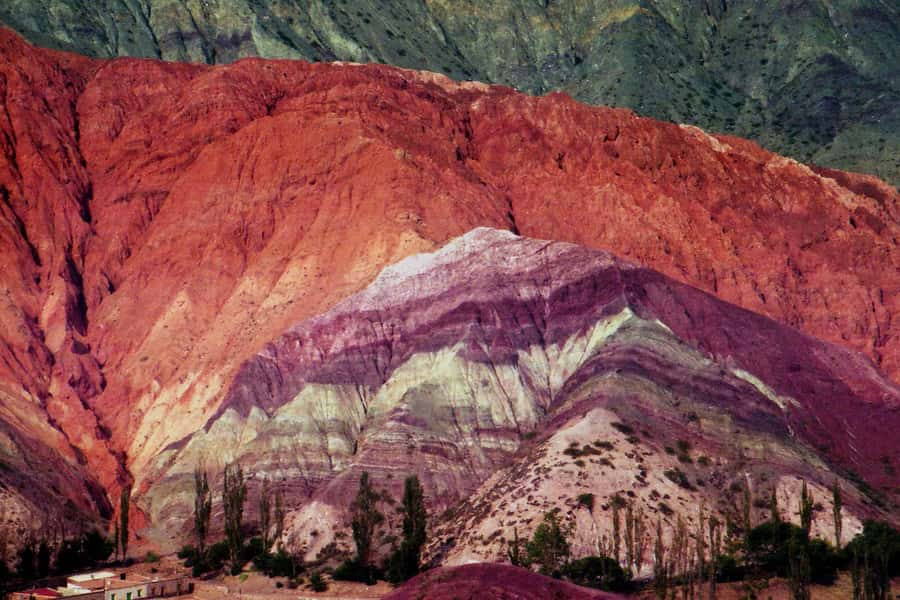
I especially love two parts of the route: the stop at Purmamarca for the striking Cerro de los 7 Colores, and the long time in Humahuaca where regional food is the focus, with carnival vibes taking over the town. You’ll also see how local culture lives in the streets, not just on a poster.
One consideration, though, is that it is a long 12 hours and you move between multiple towns. Also, pickup can be limited: some hotels are not covered, and during July and January you may meet in the city center instead of getting picked up.
In This Review
- Key Things To Know Before You Go
- From Salta Into Jujuy: Why This Day Trip Works
- Purmamarca And Cerro de los 7 Colores: The Color Stop You’ll Remember
- Tilcara: A Break From Pure Scenery Into Everyday Culture
- Humahuaca, UNESCO Heart: Lunch, Carnival Energy, And Real Regional Flavor
- The best meal reason to choose this tour
- Carnival is not a side note here
- Uquía And The Church Of San Francisco de Paula: Art With Historical Depth
- Huacalera And The Tropic of Capricorn: A Small Stop With Big Scale
- Maimará And La Paleta del Pintor: Finishing With Another Color Moment
- The 12 Hours Of Driving, Walking, And Photo Stops
- Price And Value: What You’re Really Paying For
- Guide Quality Matters, Even In A Packed Day
- Who This Tour Is Best For
- Should You Book This Humahuaca Valley Multicultural Tour?
- FAQ
- How long is the Humahuaca Valley Multicultural Tour from Salta?
- What is included in the tour price?
- Are meals included?
- Which places does the tour visit?
- Is pickup from my hotel guaranteed?
- What is the big highlight in Purmamarca?
- What makes Humahuaca the main stop on the day?
- What do you see in Uquía?
- What should I bring for the day?
- Is there free cancellation and a pay-later option?
Key Things To Know Before You Go
- UNESCO Quebrada de Humahuaca route: You’ll cover major stops in one day, with photo and walking breaks.
- Purmamarca’s color landmark: Cerro de los 7 Colores is the big visual moment early in the journey.
- Humahuaca gets the most time: This is where you’ll eat, wander, and feel the carnival atmosphere.
- Uquía church art from Cuzco-Peru: The 17th-century San Francisco de Paula church is a standout cultural stop.
- Tropic of Capricorn marker in Huacalera: You’ll step on the imaginary line at Huacalera.
- Expect transport limits in peak season: During July and January, pickup may not run and you may use a central meeting point.
More of the valleys out of Salta
- From Salta: Full-Day Trip to Salinas Grandes and Purmamarca
★ 4.6 · 914 reviews - From Salta: Full-Day Tour to Cafayate with Wine Tasting
★ 4.5 · 478 reviews - From Salta: Salinas Grandes, Purmamarca & Los Colorados Hike
★ 4.3 · 356 reviews - Full-Day Tour Cafayate Calchaqui Valleys with Wine
★ 4.5 · 347 reviews
From Salta Into Jujuy: Why This Day Trip Works
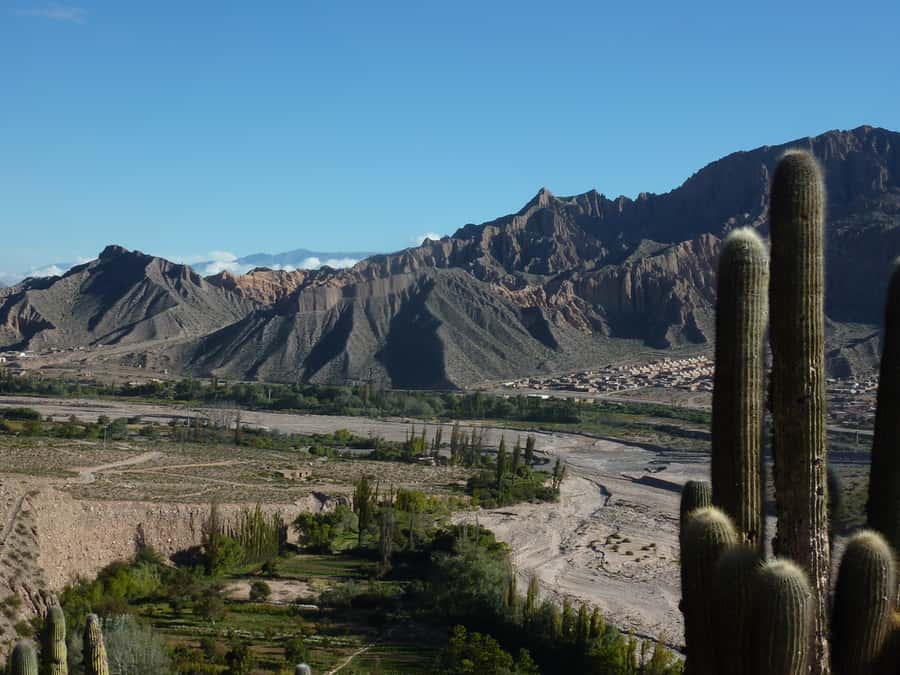
The best part of this tour is that it does not treat the Quebrada de Humahuaca like a single viewpoint. It treats it like a corridor of culture. You leave Salta, head along RN 9, pass through General Güemes via RN 34, and cross into Jujuy. The drive sets expectations, because the region’s look and pace changes as you move deeper into the ravine.
The tour’s structure is also reader-friendly. You get multiple towns, not just one rushed stop, and your guide helps connect the dots so you can understand why people live, celebrate, and worship in these specific places. Since it is bilingual, it is easier to ask questions and get real explanations instead of guessing.
One small but important practical detail: you do walk and stop for photos throughout the day. That means your day is less about one big bus ride and more about short bursts of getting out, looking around, and moving on.
Purmamarca And Cerro de los 7 Colores: The Color Stop You’ll Remember
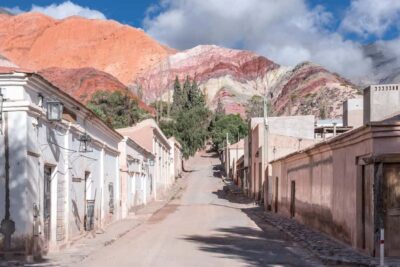
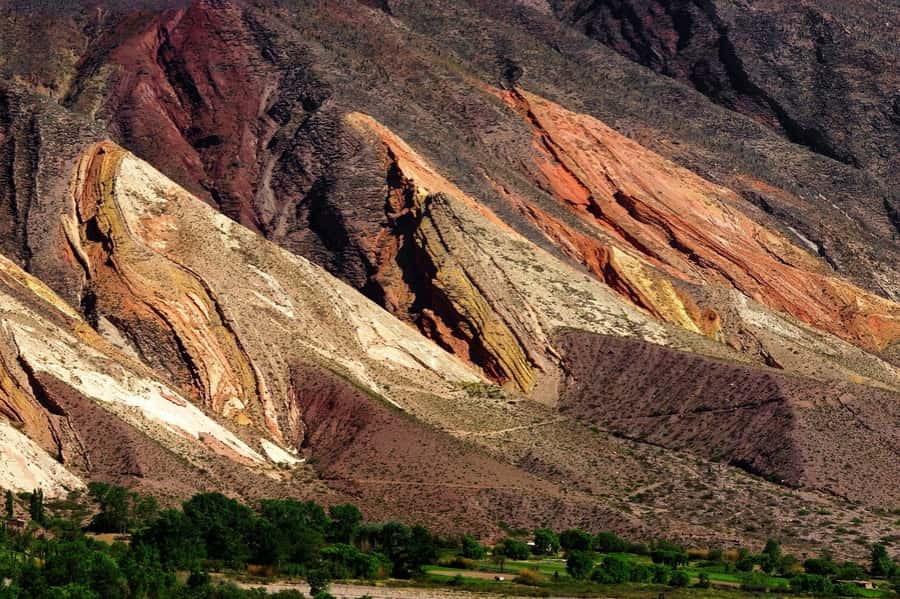
Purmamarca is where Northern Argentina’s colors feel almost unreal. The headline moment is the visit to Cerro de los 7 Colores, which is exactly what it sounds like, stacked bands of mineral tones that show up in a way photos struggle to fully capture. Even if you only give it a short look, you’ll get why it became the region’s signature visual.
What I like about this stop for real travelers is that it is not framed as a museum. It is a town-based viewpoint. You can look, take photos, and then keep moving, so you do not get stuck in one spot waiting for everyone else. If you’re the kind of person who likes to feel the place, you’ll appreciate that Purmamarca is part of the experience, not just a backdrop.
Possible drawback: because this is one day, your time here is not meant to stretch for hours. If you want slow, sketchbook-level wandering, you might wish you had a longer stop. But for most people, the payoff is strong because the day still gives you additional towns after this first big wow.
Tilcara: A Break From Pure Scenery Into Everyday Culture
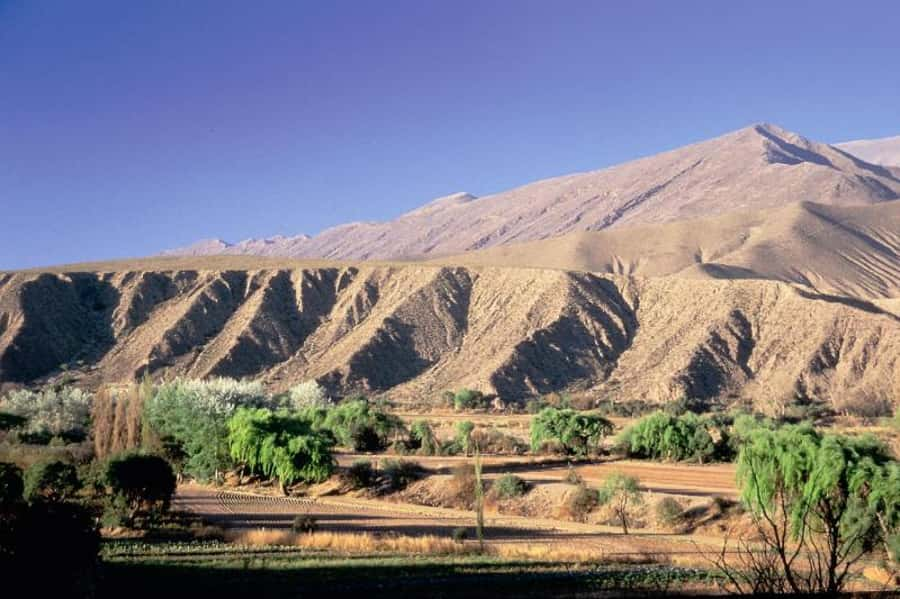
Tilcara is a key Quebrada stop, and it works well in the flow. After the earlier color landmark, Tilcara shifts the mood toward daily life and local rhythm. You’ll have a chance to walk and photograph, and your guide’s job is to make the town feel less like a stop number and more like a lived-in community.
Even without extra specifics on exact sites to look for, Tilcara earns its place because it sits in the same ravine system as Humahuaca and the smaller villages. When you move from place to place along the Quebrada, the architecture, setting, and atmosphere start to feel connected. Tilcara helps you feel that connection.
Practical tip: wear sneakers. You will be doing enough walking during the day that comfortable shoes matter more than you think.
Other runs up the Quebrada
Humahuaca, UNESCO Heart: Lunch, Carnival Energy, And Real Regional Flavor
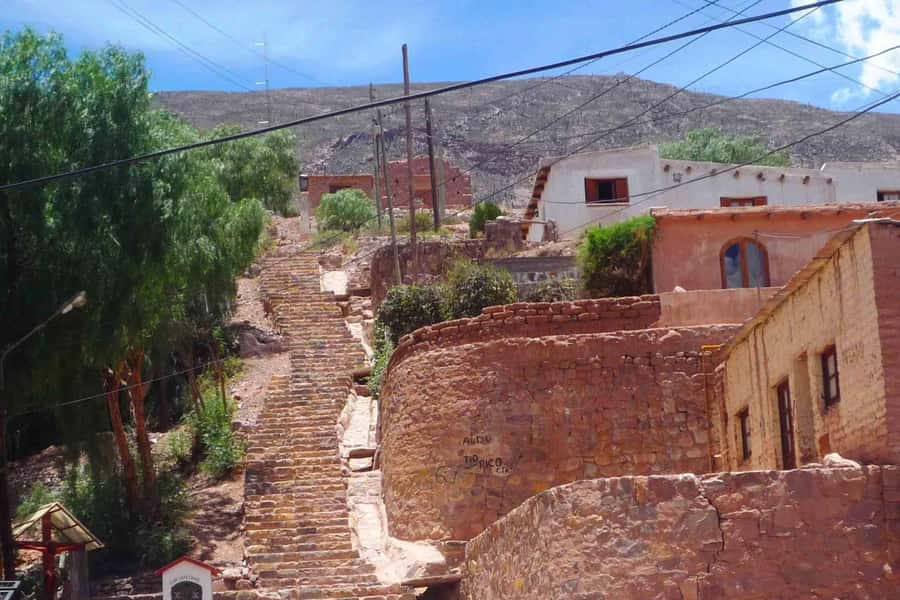
Humahuaca is the largest town in the ravine, and it gets the longest stop, which is exactly how you want it. Instead of quickly passing through, you actually get time to eat and wander. This is where the tour turns from scenery sightseeing into a more “people-and-place” day.
The best meal reason to choose this tour
Lunch is not included, but the tour plan sends you to Humahuaca specifically because the regional food is a major experience. You can expect dishes where llama meat is a strong presence. Even if you do not eat llama, the key is the context, this is one of the spots where the food feels local, not generic.
For me, the value is not only what you can eat. It is also the fact that you’re given time to sit down and actually enjoy the town, not eat in a hurry at the bus door. That extra patience makes the rest of the afternoon easier.
Carnival is not a side note here
Carnival is a main theme in Humahuaca. That matters because it shapes the mood of the streets and what you notice as you walk around. If you like festivals and cultural seasons, this is one of the better places in the region to feel that energy.
One consideration: because Humahuaca is the focal stop, you should expect it to be the most “touristy” feeling in the group schedule sense. Plan to move calmly. You are there to enjoy the town at a human pace, not sprint from one photo to the next.
Uquía And The Church Of San Francisco de Paula: Art With Historical Depth
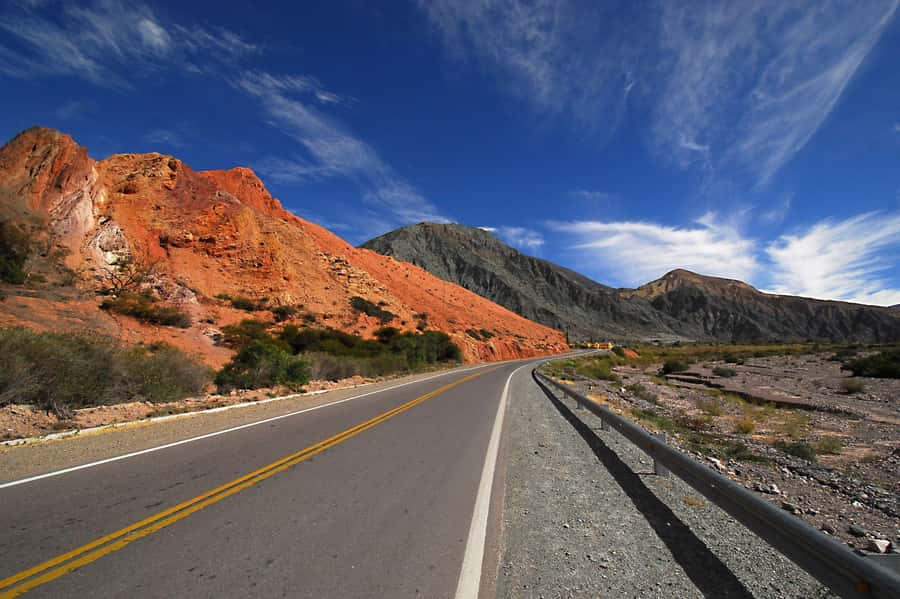
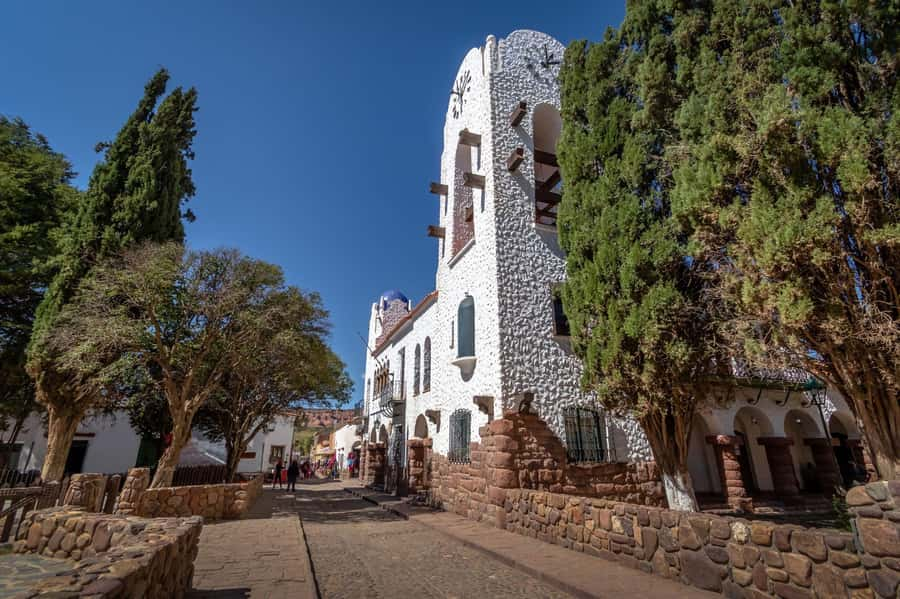
Uquía may be small, but it has a big cultural punch because of the church stop. You’ll visit the church of San Francisco de Paula, which dates from the 17th century. The standout element here is the presence of ancient paintings of the Arquebuceros Angels, with origins linked to Cuzco-Peru, painted during colonization.
This is the kind of stop that turns a “pretty valley day” into a more meaningful one. You’re not just looking at scenery. You’re seeing how art traveled and adapted, and that helps you understand the region’s layered identity. Even if you are not an art-history person, the fact that these paintings have a specific origin story gives you something concrete to focus on.
Practical note: since this is a cultural visit, dress comfortably, and be ready for a slower pace than a quick photo stop.
Huacalera And The Tropic of Capricorn: A Small Stop With Big Scale
Huacalera is where you get to step on the imaginary cut of the Tropic of Capricorn. It sounds simple, but it is surprisingly satisfying because it turns a map concept into something you can physically stand on.
For travelers, this works because it adds scale to your day. You’ve been moving through mountain towns in the ravine corridor, and then suddenly you’re thinking about global geography. It is the kind of moment that makes you pause and look at the horizon a little differently.
Possible drawback: if you’re expecting a long, dedicated “geography experience,” you might find it brief. The tour balances many towns in one day, so Huacalera is more about a meaningful marker than a full lesson.
Maimará And La Paleta del Pintor: Finishing With Another Color Moment
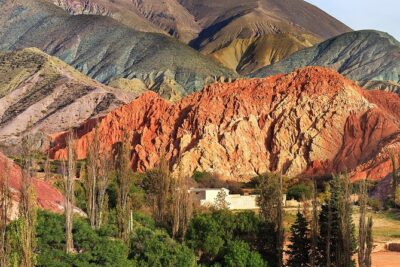
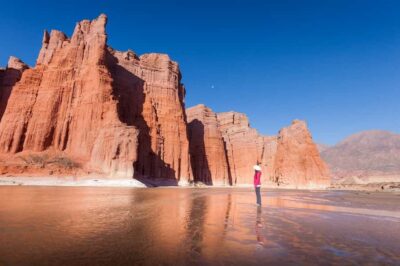
After lunch and more alternating stops on the return journey, you finish with a stop at La Paleta del Pintor in Maimará. The name points you toward the visual theme again, more painter-like color bands.
This is a good way to end the day because you have time to compare it mentally with earlier colors in the route. Purmamarca sets the standard, and then La Paleta del Pintor gives you a different take on the same mineral-color story. You’ll likely notice how the tones vary depending on the location.
If you’re the type who likes to linger at color cliffs and rock faces, this is one where you’ll want to be ready with your camera, because the last stop can feel rushed if you show up unprepared.
The 12 Hours Of Driving, Walking, And Photo Stops
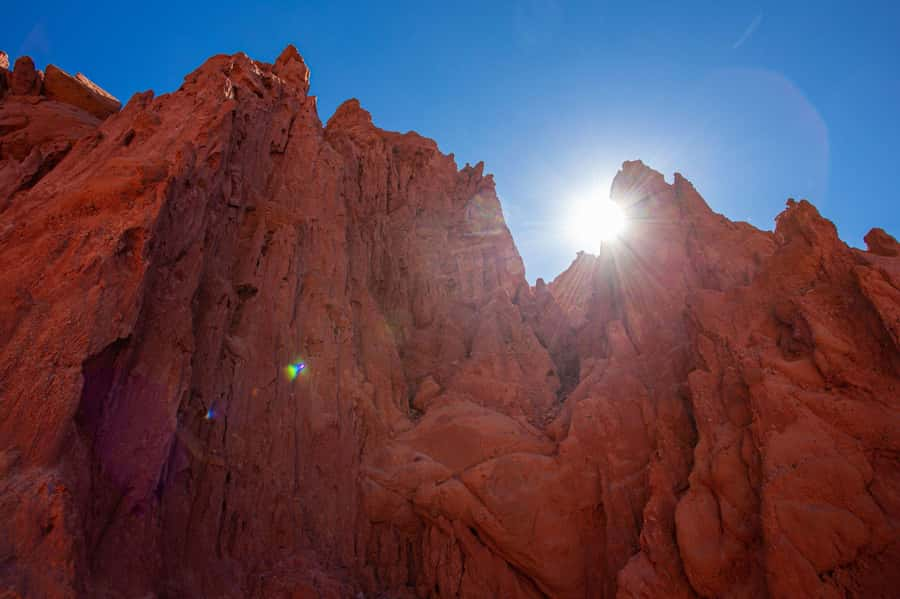
A day like this lives or dies by how you handle the schedule. You are out from Salta most of the day, returning after the afternoon and evening circuit with alternating stops. There are walking and photo breaks, but it is still a structured day.
What helps most is planning your body and your expectations:
- Bring water, because the day includes time outdoors.
- Wear sunglasses and sunscreen. You’ll be exposed more than you think.
- Stick to comfortable clothes and sneakers for walking.
Group comfort is worth noting. During July and January, tours may run on buses that can hold up to 50 passengers. In those cases, hotel pickup may not be provided, and you meet in the city center instead. That affects your morning routine, so it is smart to be flexible.
Price And Value: What You’re Really Paying For
At $49 per person for a 12-hour guided day with roundtrip transportation from participating hotels in downtown Salta, the value is in two places: logistics and interpretation.
You are paying for:
- Roundtrip transport so you do not have to rent a car or coordinate separate local rides.
- A professional bilingual English and Spanish guide to connect the towns and explain what you are seeing.
Food is not included, which can actually be a plus. In Humahuaca, lunch is your choice, and you can eat in a way that matches your comfort level, appetite, and budget. The tour highlights that llama meat appears in regional dishes, so you have a clear local target if you want it.
For the money, the tour gives you a high-density day of major Quebrada stops. It is not a slow, multi-night exploration. But it is an efficient way to sample the region’s best-known towns and cultural stops in one go.
Guide Quality Matters, Even In A Packed Day
The guide is a real part of why this tour seems to work. In one group experience, the bilingual guide named Angie was praised for staying clear and keeping the day fun, even when everyone else in the group was not English.
That tells you what to look for: you want a guide who helps you keep up with the route, describes what you’re seeing in plain language, and turns quick stops into something you can actually understand. With a bilingual setup, you also get more chances to ask questions instead of waiting for a random moment to catch up.
Who This Tour Is Best For
This trip makes the most sense if you:
- Want a one-day overview of Quebrada de Humahuaca towns from Salta.
- Care about culture as well as views, especially with the church and Uquía art stop.
- Prefer guided pacing and interpretation over DIY navigation.
- Like festival atmosphere, especially around Humahuaca’s carnival focus.
You might consider a different approach if you:
- Want long stays in just one town or expect a deep museum-style schedule.
- Are sensitive to early starts and long days of driving.
- Need guaranteed hotel pickup at all costs during peak months, since pickup rules can change.
Should You Book This Humahuaca Valley Multicultural Tour?
If you want a full, structured day that connects the UNESCO Quebrada de Humahuaca area to real regional food and cultural stops, I think this is a strong pick. The combination of Purmamarca color scenery, a meaningful cultural stop in Uquía, and the long Humahuaca stop for lunch and carnival energy gives you more than a postcard circuit.
The only real reason to hesitate is practical timing and pickup uncertainty in peak seasons. If you can stay flexible, wear comfortable walking shoes, and show up prepared with sunscreen, sunglasses, and water, the day is built for people who want value, variety, and clarity.
If your schedule is tight in Salta, treat this as a commitment to the full day. Plan your morning, double-check your pickup details if your hotel is outside the standard route, and you’ll likely feel like the price bought you more than just a ride.
FAQ
How long is the Humahuaca Valley Multicultural Tour from Salta?
It lasts 12 hours.
What is included in the tour price?
Roundtrip transportation from downtown hotels in Salta and a professional bilingual tour guide (English and Spanish).
Are meals included?
No. Food and beverages are not included. Lunch is at your choice in Humahuaca.
Which places does the tour visit?
You’ll go to Volcán, Purmamarca, Tilcara, Humahuaca, Uquía, Huacalera, and Maimará (La Paleta del Pintor).
Is pickup from my hotel guaranteed?
Pickup is included for some downtown hotels, but some hotels are not in the pickup routes. If yours is not included, you are contacted with the closest pickup location. During peak holiday seasons (July and January), hotel pickup may not be provided and a city-center meeting point is used instead.
What is the big highlight in Purmamarca?
The tour includes a stop at Cerro de los 7 Colores near Purmamarca.
What makes Humahuaca the main stop on the day?
Humahuaca has the longest stop. You can enjoy regional dishes for lunch, and carnival is a main theme there. Llama meat predominates in the regional food options.
What do you see in Uquía?
You visit the church of San Francisco de Paula from the 17th century, where there are ancient paintings of the Arquebuceros Angels with origins linked to Cuzco-Peru.
What should I bring for the day?
Wear sunglasses, sunscreen, sneakers, and comfortable clothes for walking. Bring water to stay hydrated.
Is there free cancellation and a pay-later option?
Yes. You can cancel up to 24 hours in advance for a full refund. You can also reserve now and pay later, which lets you book without paying immediately.
More Tour Reviews in Salta
Up the Quebrada, Again
The Valleys, Further In
Newest Salta write-ups on the desk
- Salta: Tour to the Salinas Grandes and Purmamarca★ 3.7 · 3 reviews
- Salta or Jujuy: Iruya and Salinas Grandes 2-Day Tour★ 4.3 · 3 reviews
- Salta en un Bocado – Cultural Tour & Empanada Tasting★ 5.0 · 3 reviews
- From Salta: Full-Day Tours of Cachi and Salinas Grandes★ 4.5 · 3 reviews
- From Salta: Cafayate,Humahuaca and Salinas Grandes in 3 days★ 3.6 · 3 reviews
- From Salta: 3-Day Cafayate, Cachi, and Humahuaca Guided Trip★ 4.7 · 3 reviews
The rest of the Salta and Calchaqui Valley Tours list.
 ★ 4.6From Salta: Full-Day Trip to Salinas Grandes and PurmamarcaFrom $38914 reviews
 ★ 4.5From Salta: Full-Day Tour to Cafayate with Wine TastingFrom $29478 reviews
 ★ 4.3From Salta: Salinas Grandes, Purmamarca & Los Colorados HikeFrom $43356 reviews
 ★ 4.4From Salta: Cafayate, land of wines and imposing ravinesFrom $29347 reviews
 ★ 4.5Full-Day Tour Cafayate Calchaqui Valleys with WineFrom $32347 reviews
 ★ 4.4From Salta: Serranías del Hornocal & Hill of 14 Colors TourFrom $63339 reviews
 ★ 4.5From Salta: Cachi and Los Cardones National Park TourFrom $30285 reviews
 ★ 4.4From Salta: Cafayate Day Trip with Wine TastingFrom $40226 reviews
Lists this one is on