
REVIEW · SALTA AND CALCHAQUI VALLEY TOURS
Day Trip to Cachi from Salta
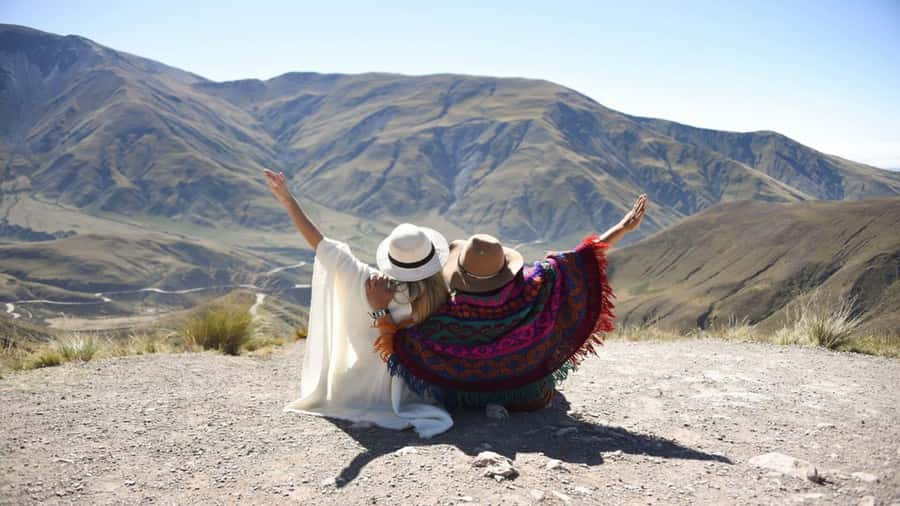
Cachi comes fast, one big view at a time. This 11-hour day trip from Salta strings together dramatic roads, towering Los Cardones cacti, and a focused visit to Cachi for church and archaeology.
I love the way the bus ride turns into a moving viewpoint, especially on Cuesta del Obispo. I also like how Cachi’s Museum of Archaeology stop helps you connect the town to pre-Columbian traditions you can actually see in artifacts.
One possible drawback: food and beverages are not included, so you will want to plan your meals and expect a long day with a bit of walking.
In This Review
- Key things I’d bet on (before you go)
- Road to Cachi: When the Bus View Is the Main Attraction
- Valley of Lerma to Quebrada de Escoipe: What Makes This Drive Worth 11 Hours
- Cuesta del Obispo and the Enchanted Valley: The Views That Feel Like a Timeline
- Los Cardones National Park: Towering Cacti With Snow in Sight
- Recta de Tin-Tin: Traveling a Straight Line With Inca Connections
- Arriving in Cachi: Colonial Streets, Church Area, and Museum Highlights
- Timing and Comfort: How This 11-Hour Day Fits Real Life
- Price and Value: What $42 Gets You (And What It Does Not)
- Who This Day Trip Suits Best, and Who Should Rethink It
- Should You Book the Salta to Cachi Day Trip?
- FAQ
- How long is the day trip from Salta to Cachi?
- Is food included in the price?
- Is the Museum of Archaeology in Cachi included?
- What languages is the guide available in?
- Where do I get picked up from in Salta?
- Are large bags allowed on the tour?
Key things I’d bet on (before you go)
- Bus-first scenery: big windows and constant mountain views make the drive part of the experience, not just the commute.
- Cuesta del Obispo photo moments: the road itself is a highlight, with easy chances to stop and look.
- Los Cardones National Park: towering cacti plus distant snow-capped views create a rare contrast.
- Recta de Tin-Tin: you travel a straight stretch once connected to the ancient Inca Trail route.
- Cachi in compact time: you get colonial streets, the church area, and museum time without burning your whole day there.
More of the valleys out of Salta
- From Salta: Full-Day Trip to Salinas Grandes and Purmamarca
★ 4.6 · 914 reviews - From Salta: Full-Day Tour to Cafayate with Wine Tasting
★ 4.5 · 478 reviews - From Salta: Salinas Grandes, Purmamarca & Los Colorados Hike
★ 4.3 · 356 reviews - Full-Day Tour Cafayate Calchaqui Valleys with Wine
★ 4.5 · 347 reviews
Road to Cachi: When the Bus View Is the Main Attraction
The best part of this kind of day trip is when the scenery happens continuously, not only at the destination. On this route, you are basically in a long corridor of Andean viewpoints, and the timing is built around that. You start from Salta and settle in, knowing the day is designed for looking out, taking photos, and letting the road do the storytelling.
From the beginning you pass through the Valley of Lerma, then head toward El Carril and Chicoana. These are not flashy tourist towns, which is exactly why I like them. You get a sense of how people live in the Salta Province hills, with quieter streets and farmland glimpses rather than only monuments.
After that, the route shifts into more dramatic terrain, including the Quebrada de Escoipe and the Escoipe Gorge. Even without hiking, you can feel the elevation and the change in land. If you enjoy travel that is more “watch and learn” than “strap on a backpack,” this fits your style.
And yes, you will see why this is famous. Cuesta del Obispo is a headline stretch: the road climbs, angles open, and the views keep getting bigger. I treat this section like a mini tour inside the tour, because it’s where the trip stops being predictable.
Valley of Lerma to Quebrada de Escoipe: What Makes This Drive Worth 11 Hours
This is not a straight shot. You go by a series of places that each add a different flavor to the day.
First comes the Valley of Lerma, then you roll into Chicoana and onward into the Quebrada de Escoipe area. Along the way, you pass smaller mountain villages like La Merced and El Carril. These stops are short, so you are not sent on a long detour. But you still get that lived-in feeling that you miss when you only travel between major cities.
Then the scenery starts to “change shape.” The gorge area feels tighter, and you see the terrain slice downward. When your guide points things out, it helps you read what you are seeing. Even if you just keep your eyes on the road and the slopes, you’ll notice that the vegetation and land use vary with elevation.
A key moment is the climb to Piedra del Molino (3,384 meters). That number matters because it explains the crisp, thin-air feeling you might notice. You do not need to panic about altitude on a day trip, but you should prepare like it’s a real altitude day: light layers, comfortable shoes, and a calm pace when you step out for photos.
You also get an early photo stop built into the rhythm. That matters more than you might think. When the tour respects small breaks, you spend less time stressing about when you can stand up, breathe, and take clear shots.
Cuesta del Obispo and the Enchanted Valley: The Views That Feel Like a Timeline
Between the opening valley roads and the national park, you hit two scenic themes: dramatic climbs and a “settled farming” look.
As you reach Cuesta del Obispo, the drive turns into a sequence of outlooks. It’s a road that makes you pause even if you planned not to. The climb also changes the angle of the surrounding mountains, so what looked distant can start looking close and textured.
Then comes the Enchanted Valley, dotted with small traditional homes and fields of corn and fruit trees. This part is valuable because it shows you how people work with the terrain, not just how the terrain looks. It’s not only about beauty, it’s about adaptation.
If you like travel where you can look out and make educated guesses about daily life, you’ll enjoy this segment. The best photos here are the ones you take from the bus, where the valley opens wide and you get a layered view of homes, fields, and mountain ridges.
Other Salta write-ups sitting in the pile


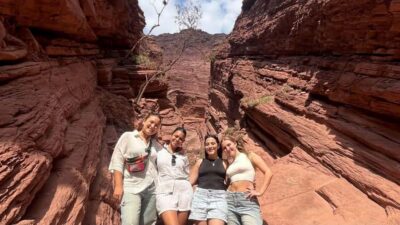
Los Cardones National Park: Towering Cacti With Snow in Sight
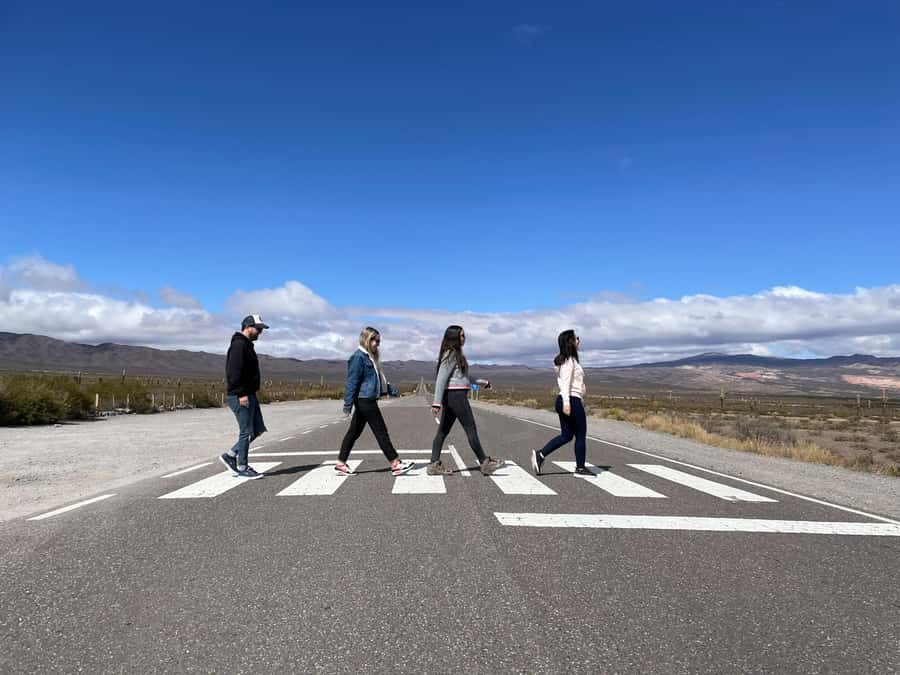
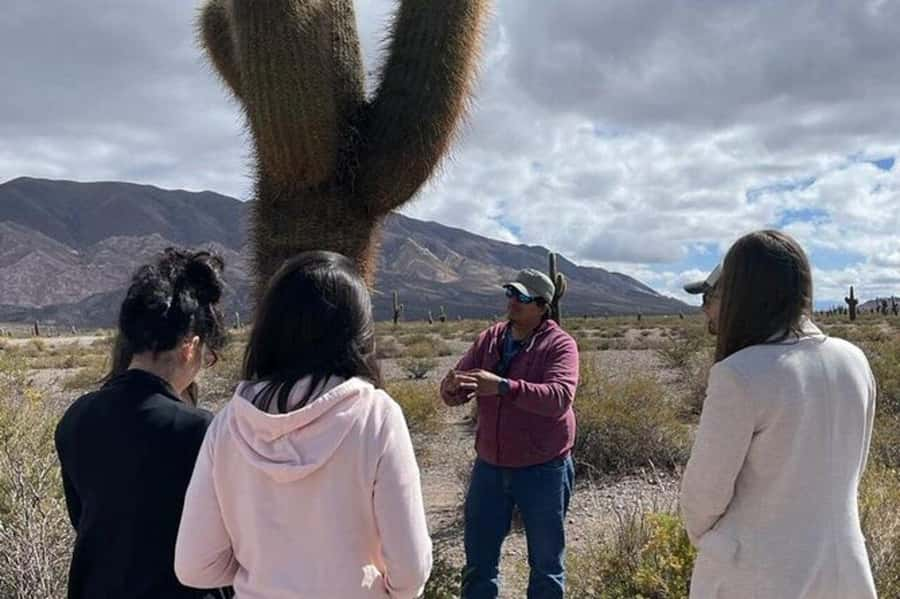
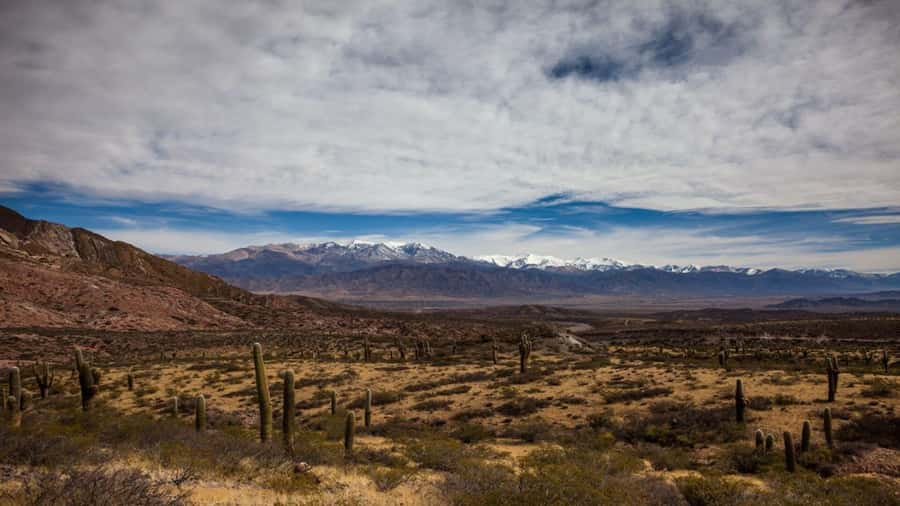
The highlight many people remember from this day trip is Parque Nacional Los Cardones. And it’s easy to see why once you’re there.
This is a place known for vast plains covered with towering cacti. The scale can surprise you. Up close, tall plants can feel like landscape architecture. From the right angle, the shapes also look sculptural, like nature designed a whole gallery.
The best part is the contrast. When the guide and timing line up, you can see the snow mountain far away while the cacti fill your near field of view. That combination of arid desert character plus cold-weather peaks is not something you get at home, and it makes the photos look like a different country entirely.
This stop also helps you understand why this region is protected. Even if you are not thinking in scientific terms, you can sense the harsh conditions and the plants that evolved to handle them. That’s a big part of how the “traditions of an ancient civilization” theme can feel more real. You’re seeing the land as a living system people had to understand long before modern roads.
Recta de Tin-Tin: Traveling a Straight Line With Inca Connections
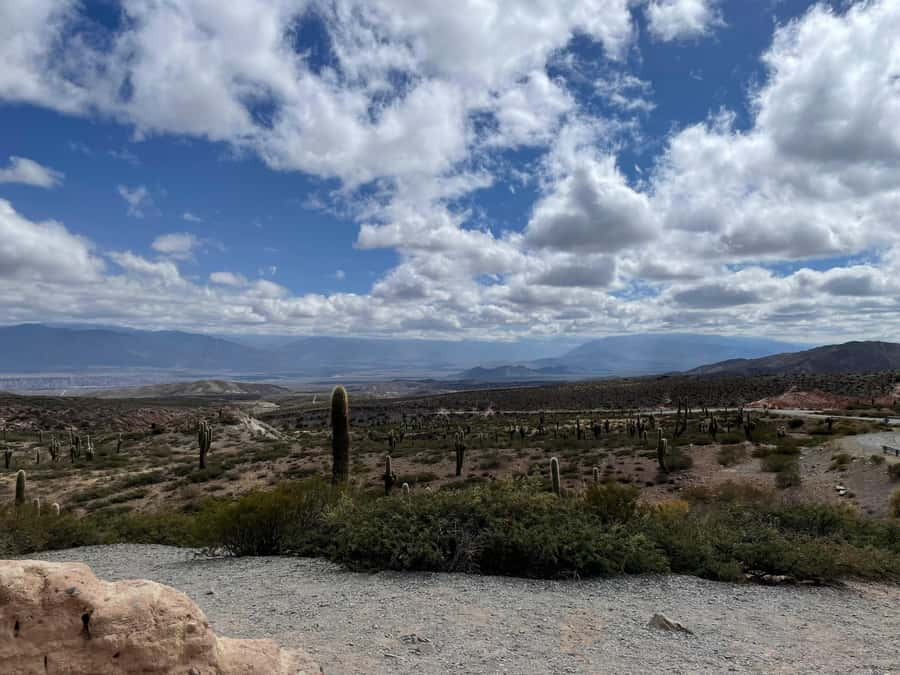
Right after the park portion, the route includes the Recta de Tin-Tin, a straight road that was once part of the ancient Inca Trail.
You might not be able to picture the ancient traffic from a bus window, but the straightness gives you the clue. Inca road logic is often about efficient movement across difficult terrain. When you travel a long straight stretch with open visibility, you get a small taste of why these routes mattered.
This section is mostly about viewpoint and context. It’s not a big walking stop. You’re in transit, but the “Inca trail trace” connection is still a nice mental hook for your day. It turns the ride into more than scenery, because you can connect it to human movement over centuries.
Arriving in Cachi: Colonial Streets, Church Area, and Museum Highlights
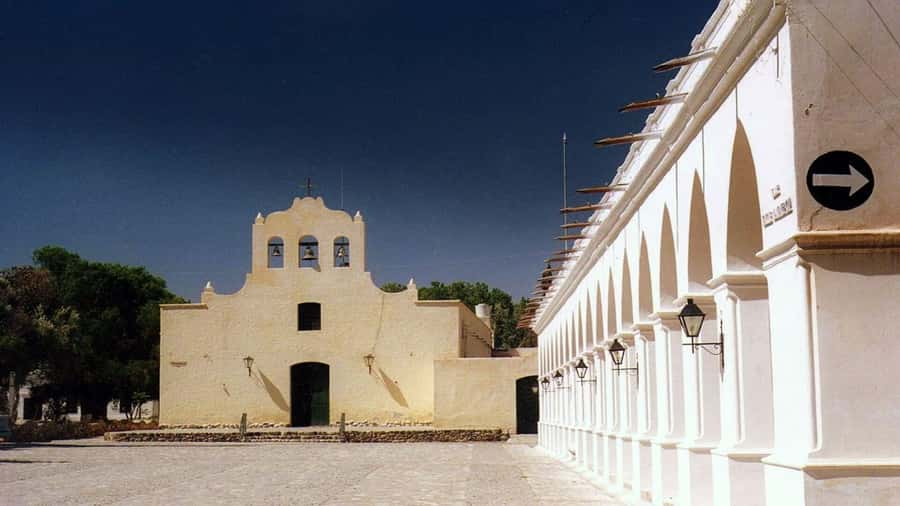
Once you reach Cachi, the energy shifts. The mountain road relaxes into a town rhythm, and suddenly you get the kind of views that stop your conversation.
You are greeted with sweeping sightlines toward the Nevado de Cachi and the Payogasta Hills. This matters because Cachi is one of those towns where the scenery is not just around you, it frames your entire idea of the place. Even if you only walk a few blocks, you’ll feel surrounded.
You get time to explore the town’s colonial architecture and visit Cachi’s church area. I like this part because it’s simple: you can wander at your own pace without feeling rushed into a long checklist. If you want photos that show both buildings and the mountain backdrop, this is your window.
Then there’s the Museum of Archaeology. The museum entry is not included, but the visit itself is built into your schedule, and it’s one of the best ways to understand why Cachi matters beyond “pretty town.” The museum houses important artifacts from the region’s pre-Columbian cultures. In other words, it gives context to what you’ve been seeing on the road, especially the idea of ancient civilizations adapting to this high, dry, mountainous environment.
Your museum time is scheduled as part of the day, so I recommend using it strategically. If you care about artifacts and cultural history, spend your full allotted time inside. If you’d rather prioritize photos and town streets, skim sections thoughtfully instead of trying to absorb everything in one short visit.
Timing and Comfort: How This 11-Hour Day Fits Real Life
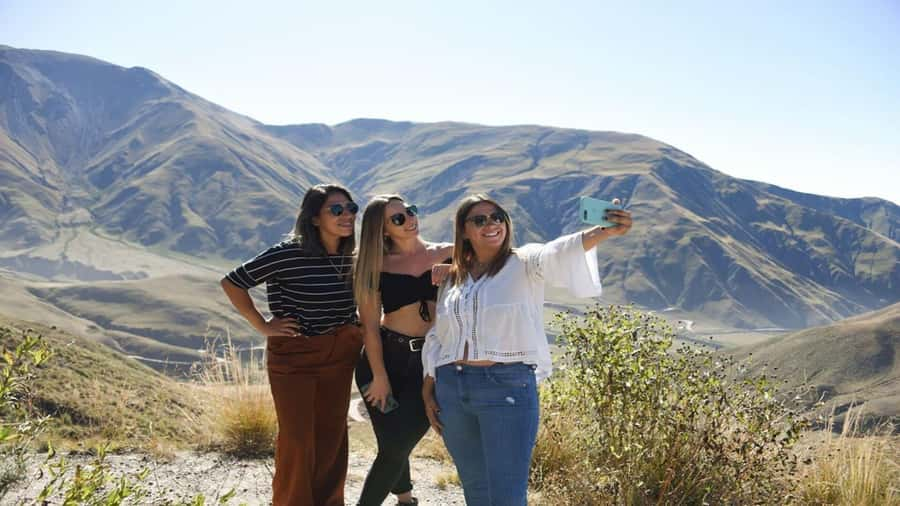
This trip is built for one thing: packing major scenery into a single day. It lasts about 11 hours total, and you return to your hotel around 6:00 pm.
That long duration is a dealbreaker for some people, and a feature for others. If you are the type who likes “see more in less time” and you don’t mind a full day, you will likely enjoy how efficiently the route covers different environments. If you get stiff or tired easily after hours in a vehicle, plan for a slower evening after you get back.
Comfort is taken care of by the vehicle: it’s air-conditioned, and you travel with a bilingual (Spanish/English) guide. The group size is capped at 30 travelers, which helps keep it social without turning it into a crowded bus circus.
Pickup is only from selected centrally located hotels. If your hotel is outside that area, you meet at a closer point that the provider confirms with you. I like this style because it reduces travel time at the start, though it does mean your exact pickup point might not be at your hotel front door.
What to bring is simple and practical: passport or ID card and comfortable shoes. You also should be ready for stepping out during scenic moments, even if most of the day is seated.
One more thing: the tour notes no luggage or large bags. If you travel light, this will be easy. If you have bulky items, you may need to reconsider what you bring for the day.
Price and Value: What $42 Gets You (And What It Does Not)
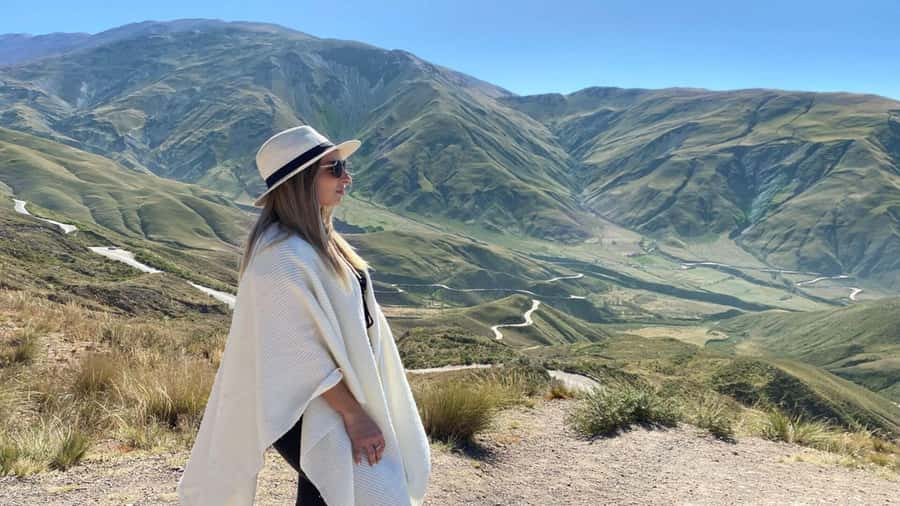
At $42 per person, this is a classic value-priced day trip for Salta. The cost makes sense when you compare what you get: round-trip transport, an air-conditioned vehicle, a bilingual guide, and scenic driving that includes major stops like Los Cardones National Park and Cachi.
You also get round-trip transfers from selected hotels, which is often where budget tours can quietly cut corners. Here, they handle pickup and getting you back, and that matters after a long day.
What you need to budget separately is straightforward:
- Food and beverages are not included
- Museum of Archaeology entrance is not included
So the “real” cost depends on how you handle meals. If you plan ahead and eat before you go and/or bring money for simple meals during the town time, the price stays reasonable. If you expect the tour to cover lunch too, you might feel surprised.
Still, the guide plus transportation plus key stops make the $42 feel fair. This is the kind of excursion that works well when Cachi is a “must-do” but you do not have time for an overnight.
Who This Day Trip Suits Best, and Who Should Rethink It
This is a strong fit if you want:
- A full-day, scenery-first outing
- A combo of nature (Los Cardones, gorge views) and culture (church and archaeology museum)
- A guided route that helps you understand what you are seeing, not just look out the window
It’s also a practical choice if you are visiting Salta briefly. You get to experience Cachi without giving up another day to transportation logistics on your own.
It may not be the best fit if:
- You strongly prefer slow travel and long stays in one place
- You need wheelchair access, since it is not wheelchair accessible
- You dislike being limited by “small schedule time slots,” like the short town exploration window
For families, the tour says children must be accompanied by an adult. If you have kids, the comfort level will depend on how they handle long vehicle time and walking for photos.
Should You Book the Salta to Cachi Day Trip?
I’d book it if you want a high-impact day that balances big views and cultural context, without the stress of driving yourself. The route delivers on variety, from valley scenery to gorge terrain to Los Cardones cacti that you will likely remember more than you expect.
Skip it if you hate long days in a vehicle, or if you need meals fully covered and prefer not to plan around extra costs. Also consider the luggage rule, since no large bags can be a real constraint depending on your travel style.
If your goal is to see Cachi and the surrounding natural highlights in one day, this tour is the kind of efficient choice that still feels worth it.
FAQ
How long is the day trip from Salta to Cachi?
The duration is listed as 11 hours.
Is food included in the price?
No. Food and beverages are not included.
Is the Museum of Archaeology in Cachi included?
The Museum of Archaeology entrance is not included.
What languages is the guide available in?
The guide is bilingual, Spanish and English.
Where do I get picked up from in Salta?
Pickup is included only from selected centrally located hotels. If your hotel is outside the pickup area, you will be confirmed the closest meeting point.
Are large bags allowed on the tour?
No. The tour does not allow luggage or large bags.
More 1-Day Tours in Salta
More Tour Reviews in Salta
The Valleys, Further In
Newest Salta write-ups on the desk
- Salta: Tour to the Salinas Grandes and Purmamarca★ 3.7 · 3 reviews
- Salta or Jujuy: Iruya and Salinas Grandes 2-Day Tour★ 4.3 · 3 reviews
- Salta en un Bocado – Cultural Tour & Empanada Tasting★ 5.0 · 3 reviews
- From Salta: Full-Day Tours of Cachi and Salinas Grandes★ 4.5 · 3 reviews
- From Salta: Cafayate,Humahuaca and Salinas Grandes in 3 days★ 3.6 · 3 reviews
- From Salta: 3-Day Cafayate, Cachi, and Humahuaca Guided Trip★ 4.7 · 3 reviews
The rest of the Salta and Calchaqui Valley Tours list.
 ★ 4.6From Salta: Full-Day Trip to Salinas Grandes and PurmamarcaFrom $38914 reviews
 ★ 4.5From Salta: Full-Day Tour to Cafayate with Wine TastingFrom $29478 reviews
 ★ 4.3From Salta: Salinas Grandes, Purmamarca & Los Colorados HikeFrom $43356 reviews
 ★ 4.4From Salta: Cafayate, land of wines and imposing ravinesFrom $29347 reviews
 ★ 4.5Full-Day Tour Cafayate Calchaqui Valleys with WineFrom $32347 reviews
 ★ 4.4From Salta: Serranías del Hornocal & Hill of 14 Colors TourFrom $63339 reviews
 ★ 4.5From Salta: Cachi and Los Cardones National Park TourFrom $30285 reviews
 ★ 4.4From Salta: Cafayate Day Trip with Wine TastingFrom $40226 reviews
Lists this one is on