
REVIEW · CITY TOURS
Cordoba Private City Tour
Cordoba has a split personality. In five hours, an English speaking guide helps you connect colonial landmarks with everyday Nueva Cordoba shopping, and you learn how people actually live here. The one possible drawback: the shopping portion can be a little front-and-center, so if you want strictly museums only, you should say so early.
I especially liked the way Pedro keeps the pace friendly and explains what you are looking at, not just where it is. This is a true private group format, so you can ask questions, adjust how long you linger, and skip what does not interest you. Plus, pickup is included, so you can start moving right away without awkward figuring-out.
In This Review
- Key highlights to look forward to
- A smart 5-hour introduction to Cordoba, old and new
- Meeting your guide Pedro, and why private is worth it
- Main square time: Cathedral Church and the colonial City Hall
- The Jesuit block: the Compañía de Jesús Church made understandable
- University courtyard and Montserrat School: education as a city theme
- Patio Olmos in the downtown core: modern shops inside a historic shell
- The shopping spree: silver, leatherwork, belts, ponchos, and real local craft
- Buen Pastor Exhibition center: a pause in the University quarter
- Capuchinos church photo stop: Gothic-style, quick, and worth it
- Palacio Ferreyra museum finish: art in a historical home
- What $90 gets you, and when it is great value
- Who should book this Cordoba private city tour
- FAQ
- How long is the Cordoba Private City Tour?
- Is this tour private?
- What languages are available?
- Is hotel pickup included?
- What is included in the price?
- What is not included?
- Do I need to pay right away?
- Is there free cancellation?
- What parts of Cordoba does the tour cover?
- Where does the tour end?
Key highlights to look forward to
- Jesuit block and church stops explained in a way that makes the buildings feel personal
- Main square classics like the Cathedral Church and the colonial City Hall, with context
- Shopping help for silver and leatherwork, including where to browse locally made items
- Nueva Cordoba orientation, so you understand the modern parts of town, too
- Old building, new life at Patio Olmos, plus museums and photo stops near the University area
Narrowing the Cordoba Argentina list? These kept surfacing while we wrote.
- La Docta Free Walking Tour “Córdoba La Moderna”.
★ 4.7 · 25 reviews - Córdoba: Wine Tour Privado a Colonia Caroya – Día completo
★ 4.9 · 6 reviews - Cordoba: Full-day Tour to Traslasierras Valley
★ 3.1 · 5 reviews
A smart 5-hour introduction to Cordoba, old and new
Cordoba works fast. One neighborhood teaches you the colonial story, and the next one shows you the modern routine. Doing it with an English speaking guide means you are not just walking from landmark to landmark, you are picking up the “why” behind what you see.
I like that this tour is built for first-timers. You start with the historic core, then you move outward into the University quarter and Nueva Cordoba. By the time you reach the final museum stop at Palacio Ferreyra, the city has stopped feeling like a list of buildings and started feeling like a place you could actually live in.
Meeting your guide Pedro, and why private is worth it
This is a private city tour, so it is not a crowded bus situation. You get an English speaking guide (and Spanish too), with guiding services included. Pickup is included as well, and you just wait in the hotel lobby about 10 minutes before the scheduled time.
The practical benefit of private is control. If you care more about the Jesuit sites and less about shopping, you can shape the balance. If you love browsing local crafts, you get the extra time you need to talk, compare, and actually understand what you are buying.
From the experience I had with Pedro, the guiding style is organized and punctual. He also has a habit of connecting big sights to daily life, which makes the tour feel less like a checklist and more like orientation.
Main square time: Cathedral Church and the colonial City Hall
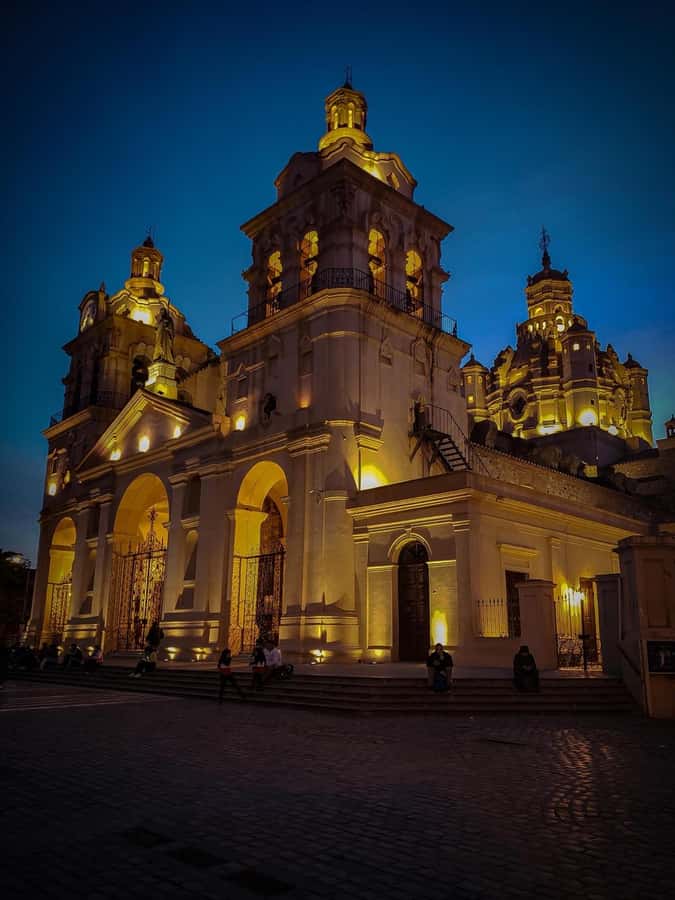
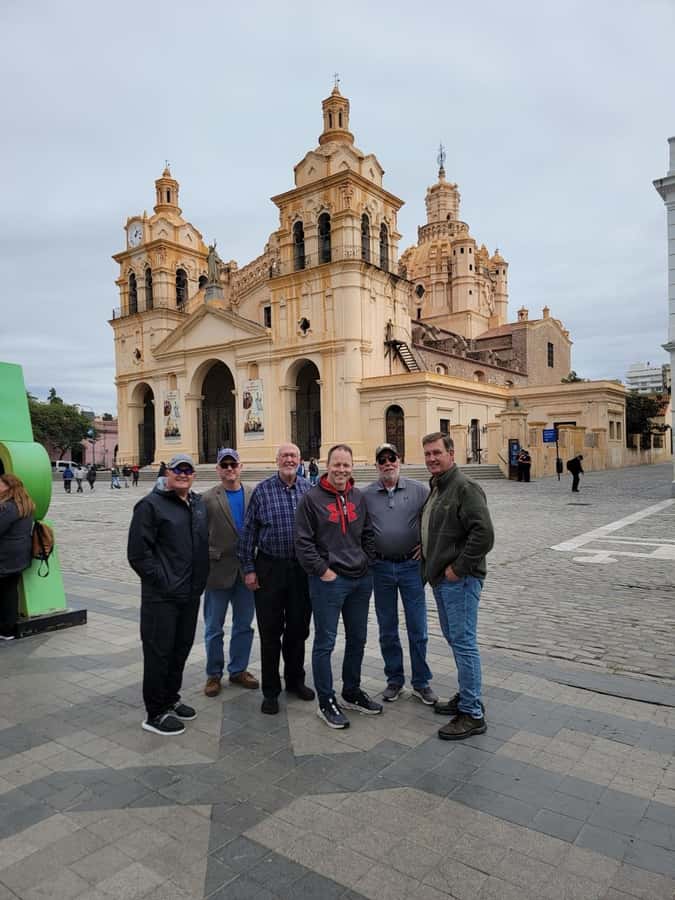
You begin in the traditional heart of Cordoba, and the first big anchor is the main square. This is where you get your bearings fast. The Cathedral Church and the Colonial City Hall give you the “this city runs on public spaces” feel right away.
Here is why this stop matters. Squares like this were built for power, religion, and community life all at once. When you understand that purpose, later stops like church compounds and school buildings make more sense, because you see the same pattern repeated in different forms.
You should expect a guided look, photo moments, and some explanation that keeps the history grounded rather than abstract. If you are the type who rushes through photos, you still come away with a clear sense of what the square represents.
The Jesuit block: the Compañía de Jesús Church made understandable
Next comes one of Cordoba’s defining historical zones, the Jesuit block. You visit the Compañía de Jesús Church, and the guide connects the architecture to the story of how these institutions operated.
This is not just a “pretty church” stop. You will also hear about the broader educational and religious influence tied to the region, so you can understand why the Jesuit presence left such a visible mark. Even if church architecture is not your main interest, the guidance helps you see the logic in the layout and the symbolism in what was built.
A small practical tip: take your photos, then pause and listen. If you treat this like a quick snap-and-go, you will miss the part that makes it click.
University courtyard and Montserrat School: education as a city theme
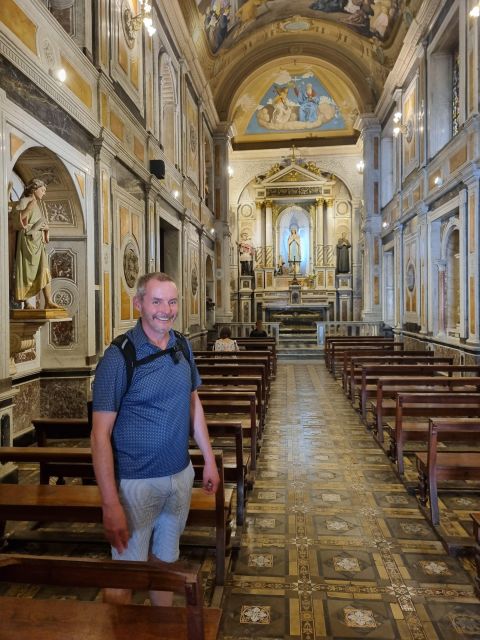
From the Jesuit block you continue into the University quarter, including the University courtyard and the Montserrat School. The point here is not to turn your day into a campus tour, but to show how Cordoba’s identity has long been tied to learning.
This is where the tour starts blending “history” with “still in use.” Seeing courtyards and school spaces helps you understand that Cordoba is not only old buildings in the background. It is a functioning city, and the old institutions are part of the daily rhythm.
If you like cities where education shaped neighborhoods, this stop will feel like a quiet highlight. You get context without the museum-style overwhelm.
Patio Olmos in the downtown core: modern shops inside a historic shell
Next, you move to downtown shopping and modern city life, starting with a walk through Patio Olmos Mall. The key detail is that it is built inside a century-old building, once used as a public school. So you get history, but with the energy turned on.
This is a smart transition stop. After serious historic sites, a modern indoor public space helps you catch your breath. You can browse shops and eating areas without worrying about walking fatigue, and it keeps the day moving at a natural pace.
If you care about “how places evolve,” Patio Olmos is a strong example. It is not trying to freeze the past. It repurposes an older public structure into something useful now.
The shopping spree: silver, leatherwork, belts, ponchos, and real local craft
Yes, there is shopping time, and it is framed as learning. You go on a shopping spree while your guide explains local products, focusing on silver and leatherwork made by Argentinean craftsmen.
What you will likely look for includes belts, buckles, ponchos, bags and purses, wallets, and other alpaca and leather goods. This is the kind of stop where a guide is more useful than you might expect, because you can ask what materials mean, what pieces are meant for, and what to compare when prices vary.
You will also visit or browse specific store names such as Arandu, Crespo, Cardon, and La Emilia, where you can find items like souvenirs. Even if you do not buy much, you will leave with a better sense of what the local craft language looks like.
One practical consideration: wear comfortable shoes and keep your bag light at the start of the day. Shopping can add weight quickly, and you will want to move easily between stops.
Buen Pastor Exhibition center: a pause in the University quarter
After shopping and downtown walking, the tour includes a stop at the Buen Pastor Exhibition center, located in the middle of the University quarter. This acts like a structured break in the day, because the flow shifts from browsing to a guided look at another important campus-area venue.
I like this kind of stop on a half-day tour. It keeps you from feeling like you are only rushing between the “big” famous things. You get variety, and the University quarter feels like a place with multiple layers, not just one compound or one church.
If you are interested in what Cordoba uses public buildings for today, this stop adds that present-day perspective.
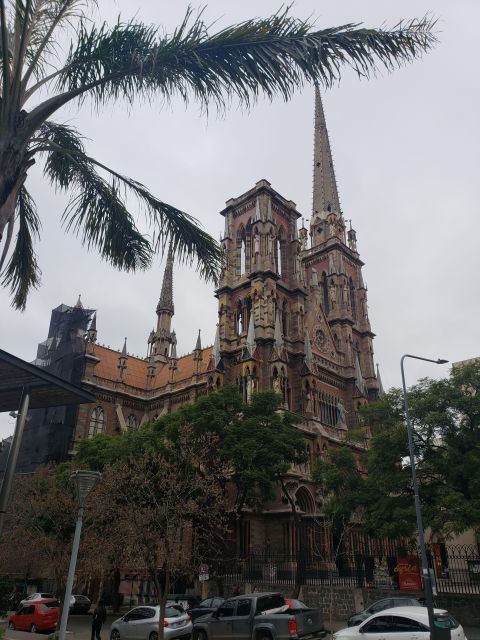
Capuchinos church photo stop: Gothic-style, quick, and worth it
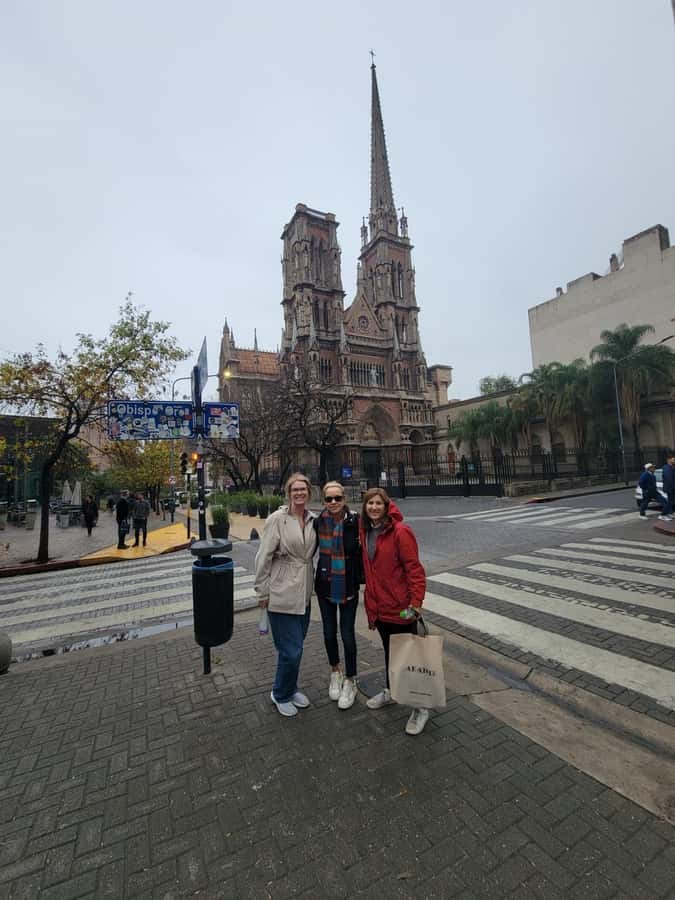
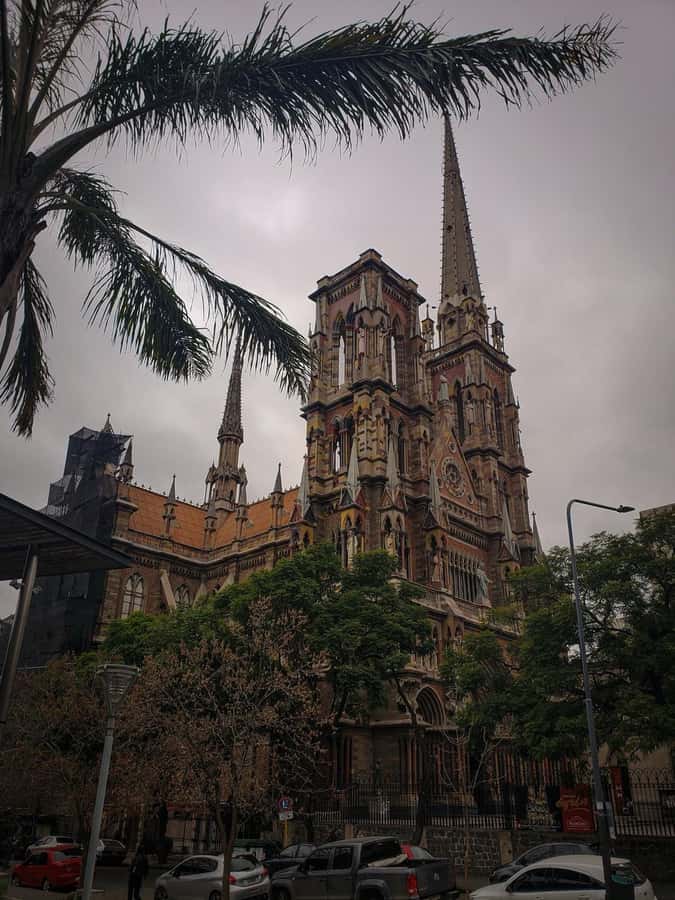
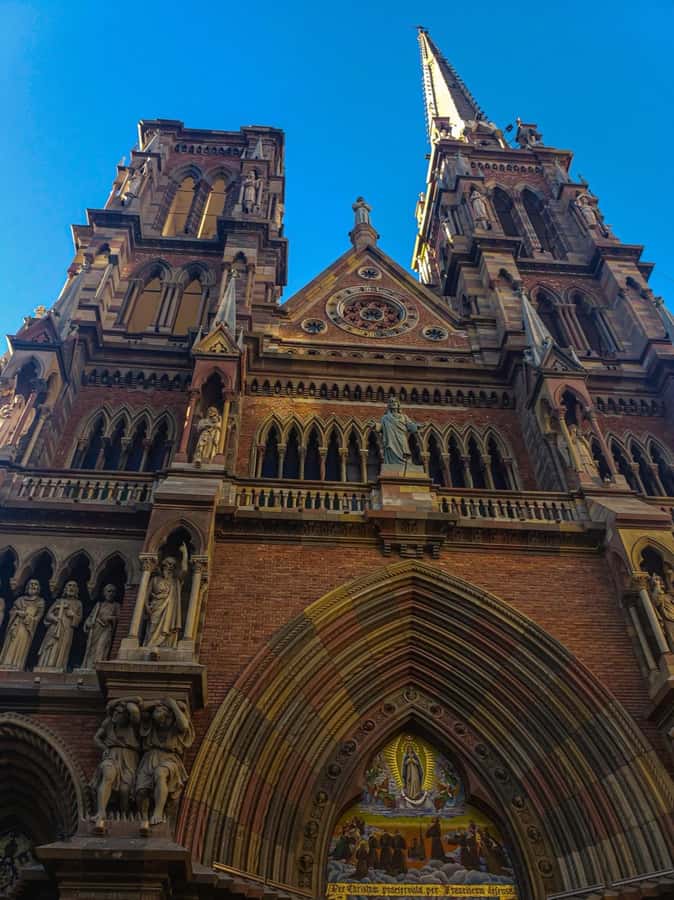
You also get a photo stop at the Capuchinos church, noted for its Gothic style. This one is quick, but it is effective.
A photo stop works best when you treat it as a framing moment. You will likely want to capture the church for your own memory, but also use it to help you picture how the city mixes different architectural moods within the same general area.
If you are not a photo person, that is fine. The guide still gives enough context for it to feel like part of the bigger city story.
Palacio Ferreyra museum finish: art in a historical home
To wrap up, the day ends at Palacio Ferreyra, a fine arts museum in a historical family house. This is a great way to end a tour because it shifts from architecture and shopping into culture and objects.
Ending at a museum also changes your mental pace. By the time you arrive, you have already connected Cordoba’s timeline, and now you can see how taste, design, and collecting fit into the city’s identity.
If you like museums that feel tied to place rather than floating in isolation, Palacio Ferreyra is a strong last stop. It is also a good “one more look” option if you want to slow down and linger after the earlier walking.
What $90 gets you, and when it is great value
At $90 per person for a 5-hour private tour, the value depends on what you want from your day.
You are paying for guiding services, an English speaking guide, and a pickup included from your hotel area (with the note that transport from and to the hotel is not included if it is not in downtown). You are also paying for efficiency. In half a day you hit the historic core, the Jesuit block, the University area, Nueva Cordoba walking, and a shopping session with product education.
This price makes sense if you want:
- a first-time orientation that saves time
- a guide to explain what you are seeing
- shopping help so you buy with confidence
- a private format where your interests can steer the pace
It might feel less ideal if your main goal is a museum-only day or if shopping is not your thing at all. Even then, you can still learn a lot at the churches, square, and museum, but you should go in knowing that shopping is part of the design.
Who should book this Cordoba private city tour
I think this tour is a great fit for you if:
- you want an organized intro to Cordoba’s old center and modern neighborhoods
- you like guided history that connects to daily life
- you want help choosing local silver and leather goods
- you are traveling solo or as a couple and prefer control over a shared group schedule
You might want a different style of tour if you dislike shopping stops, or if you want long, uninterrupted museum time without walking between neighborhoods. This is a moving day, not a slow, sit-and-read kind of experience.
Should you book? If this is your first visit, and you want a blend of architecture, education-focused stops, and real shopping guidance, I would say yes.
FAQ
How long is the Cordoba Private City Tour?
It lasts 5 hours. Starting times vary, so you should check availability for the times offered.
Is this tour private?
Yes, it is a private group tour.
What languages are available?
The live guide speaks English and Spanish.
Is hotel pickup included?
Yes, pickup is included. You should wait in the hotel lobby about 10 minutes before the scheduled pickup time.
What is included in the price?
The price includes guiding services.
What is not included?
Food, drinks, snacks, personal expenses, souvenirs, and transport from and to the hotel if it is not in downtown are not included.
Do I need to pay right away?
No. You can reserve now and pay later, keeping your travel plans flexible.
Is there free cancellation?
Yes. You can cancel up to 24 hours in advance for a full refund.
What parts of Cordoba does the tour cover?
You focus on the traditional historic area, the Jesuit block, the University quarter, and Nueva Cordoba, plus downtown stops like Patio Olmos.
Where does the tour end?
You return to Cordoba at the end of the experience.
More Tours in Cordoba Argentina
More Tour Reviews in Cordoba Argentina
Newest Cordoba Argentina write-ups on the desk
- Cordoba: Full-day Tour to Traslasierras Valley★ 3.1 · 5 reviews
- Córdoba: Wine Tour Privado a Colonia Caroya – Día completo★ 4.9 · 6 reviews
- La Docta Free Walking Tour “Córdoba La Moderna”.★ 4.7 · 25 reviews
The rest of the City Tours list.
 ★ 4.7Buenos Aires: City Highlights Guided Tour with TransferFrom $381,946 reviews
 ★ 4.2Buenos Aires: Hop-On Hop-Off City Bus TourFrom $351,855 reviews
 ★ 4.0Best of Buenos Aires: Guided Sightseeing City TourFrom $35402 reviews
 ★ 5.0Buenos Aires Private City Tour with Local GuideFrom $119308 reviews
 ★ 3.8Classic City Tour of Buenos Aires: Neighborhoods and EmblemsFrom $45282 reviews
 ★ 4.4Ushuaia: Panoramic City Train TourFrom $20155 reviews
 ★ 4.5Tierra del Fuego National Park, Ushuaia City Tour Shore ExcursionFrom $119154 reviews
 ★ 4.7Buenos Aires Private City Tour with a local guideFrom $14992 reviews
Lists this one is on