
REVIEW · CORDOBA SIERRAS TOURS
Cordoba Cumbrecita Tour with Spanish Speaking Guide
Córdoba to Cumbrecita in one day is a win. This guided trip strings together real places with big mood swings, from Alta Gracia and Che Guevara’s home to lake towns and the alpine, car-free feel of Cumbrecita.
What I like most is how smoothly it’s put together for a first visit, with hotel pickup and drop-off so you skip the navigation headache. I also love the mix of history and scenery, because you get both city sights and mountain-lake views in one long loop.
One possible drawback is time. It’s about 10 hours, so it moves at a steady pace, and food is on your own, so plan snacks or budget for meals.
In This Review
- Key things to know before you go
- A 9:00 am road trip from Córdoba to alpine village vibes
- What the Spanish-speaking guide really changes
- Monument stop and Alta Gracia, the history before the scenery
- Lake Los Molinos and Santa Rosa de Calamuchita town time
- Villa del Dique and Rio Tercero Reservoir: water, power, and a huge scale
- Villa General Belgrano: central European streets in Córdoba province
- Cumbrecita on foot: the pedestrian village charm
- Price and logistics: what $100 buys you on a 10-hour day
- Itinerary flow, stop by stop, and how to use your time
- Who this tour fits best (and who should choose differently)
- Should you book this Córdoba to Cumbrecita tour?
- FAQ
- What is the duration of the Cordoba Cumbrecita Tour?
- What time does the tour start?
- How much does the tour cost?
- Does the tour include hotel pickup and drop-off?
- Is there a Spanish-speaking guide?
- Is food included?
- What is the cancellation policy?
Key things to know before you go
- Small group size (max 10): easier to ask questions and hear the guide over a long day.
- Spanish-speaking guide: you’ll get context at key stops, not just photo ops.
- Car-free Cumbrecita time: the village vibe is the whole point, and it’s made for walking.
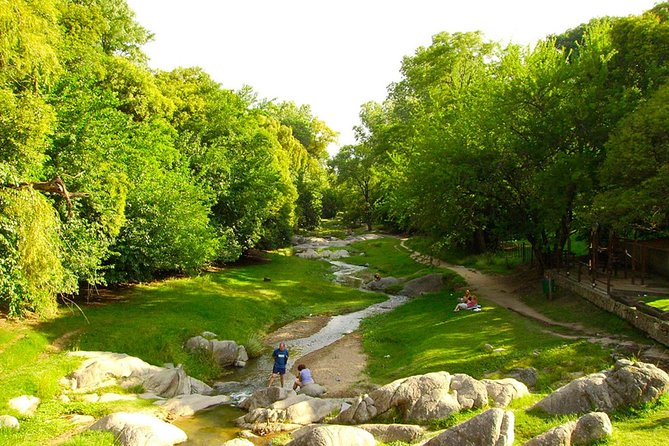
- Major lake views at Los Molinos and Rio Tercero Reservoir: water is a big part of the route.
- Central European-style towns: Villa General Belgrano and nearby areas have a distinct Germanic feel.
- Admission marked free for key stops: at least some sights on the route won’t cost extra.
More of the Cordoba hills
- La Cumbrecita and Villa General Belgrano Full Day Tour
★ 4.5 · 55 reviews - Cordoba Cumbrecita Tour with Spanish Speaking Guide
★ 4.5 · 34 reviews - PRIVATE TOUR: La Cumbrecita & Villa Gral. Belgrano
★ 5.0 · 33 reviews
A 9:00 am road trip from Córdoba to alpine village vibes
This is a long, classic day trip. You leave Córdoba at 9:00 am, then spend the day bouncing through towns and valleys around the Sierras, with guided stops that break up the drive. It’s ideal if you want variety without having to plan a route, maps, and timing on your own.
The pace is the point here. You get a big “sampler platter” of the Córdoba region, and you’ll likely finish the day with that happy, tired feeling that comes from seeing a lot while still having structure.
What the Spanish-speaking guide really changes
A Spanish-speaking guide matters on trips like this, because the value is not only what you see, but why it matters. At places like Alta Gracia and Che’s home, the context can turn a quick stop into something you remember later.
Also, the route includes multiple small towns and scenic water crossings. Without a guide, you can still enjoy the views, but with one, you understand what you’re passing, what’s worth pausing for, and how the stops connect.
I’d call this one a “guided route day,” not a “deep single-site day.” If you like learning in small chunks while moving, you’ll probably enjoy it.
Monument stop and Alta Gracia, the history before the scenery
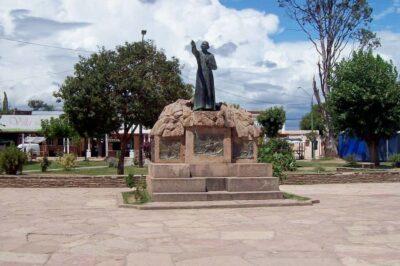
The first stretch sets the tone. You start with a stop at the Miryam Stafford monument, then head toward Alta Gracia.
Alta Gracia is where the trip earns its credibility. You visit the Jesuit Estancia Alta Gracia (Museo del Virrey Liniers), and this is one of those places where you’ll appreciate having someone explain the layers before you wander. It’s not just architecture, it’s the local story behind the site.
Then there’s a big pivot: the home of Che Guevara. Even if you’re not a hardcore history fan, this stop gives the day a clear character, and it helps you connect the region’s cultural identity to the wider world.
Tip for your comfort: since the day is long, wear shoes that can handle street-level walking plus some uneven terrain. You’ll thank yourself later, especially when the tour shifts from historical stops to town strolling.
Lake Los Molinos and Santa Rosa de Calamuchita town time
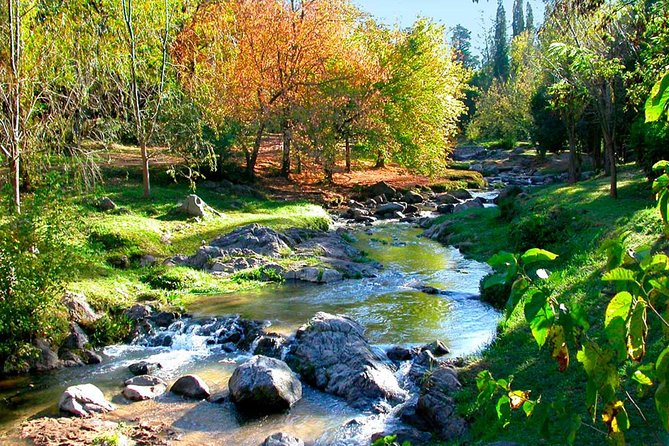
After Alta Gracia, the drive begins to feel more like a scenic loop through the Calamuchita area. You pass through towns along Anisacate, Stocks, and Villa City of America, and you travel along the Lake and Dam Los Molinos area.
This is the part that works for “see it, feel it” travelers. The water and valley scenery give you a reset from the early history stops, and it’s a good moment to settle into the day’s rhythm.
Next is Santa Rosa de Calamuchita, where you discover the city center. This kind of stop is underrated because it gives you a chance to notice everyday life, not only landmarks. You’ll also get a chance to grab something small to eat or drink, since food and beverages aren’t included.
If you get motion sick easily, keep that in mind on the drive segments between stops. The route is scenic, but it is still a lot of time on the road.
Villa del Dique and Rio Tercero Reservoir: water, power, and a huge scale
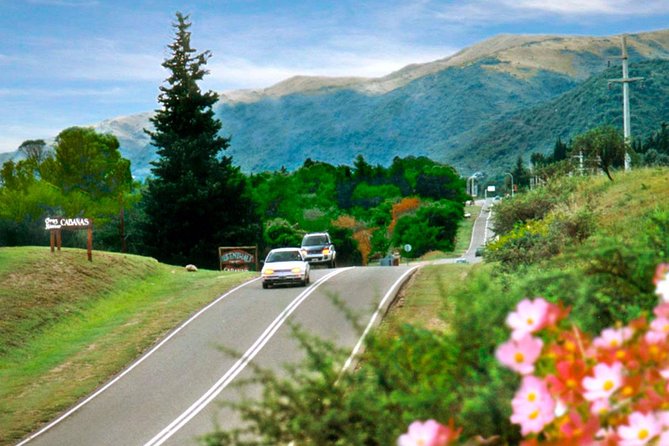
Then the tour heads to Villa del Dique and the Embalse de Rio Tercero, described as the largest artificial lake in the province. You’ll see the reservoir from a vantage where it feels massive, and there’s an interesting contrast in the details, because it sits near a nuclear power plant.
This is one of those stops where you can appreciate “infrastructure meets nature.” It’s not a postcard lake in the romantic sense, but that’s part of the value. You’re seeing how the region manages water and energy, and you get a real-world sense of scale.
The stop includes about 1 hour, and the admission ticket is marked as free. That makes it an efficient use of time, which matters on a 10-hour day.
If you want photos, this is a good window for it. The lighting can be dramatic around reservoirs, and even a short pause can give you plenty of shots if you position yourself early.
Villa General Belgrano: central European streets in Córdoba province
After Rio Tercero, the route moves toward Villa General Belgrano, a town with a particular central European physiognomy. In plain terms, it feels different from typical Argentine town centers, with an architecture-and-street vibe that many people associate with German or Swiss influence.
The tour includes time here, and it’s a longer stop than most, around 4 hours, with admission ticket free. That extra time is the difference between “quick look” and “actually enjoy the town.”
This is also where your self-guided wandering skills kick in a bit. You’ll likely want to browse shops, snack, and take your time. Based on what I’ve noticed from the way people talk about this area, it’s the kind of place where you can easily lose track of time while trying local treats and drinks.
Practical move: carry some cash if you’re planning to shop. Some places in the area can be picky about cards, or charge extra, so it helps to have a backup.
Cumbrecita on foot: the pedestrian village charm
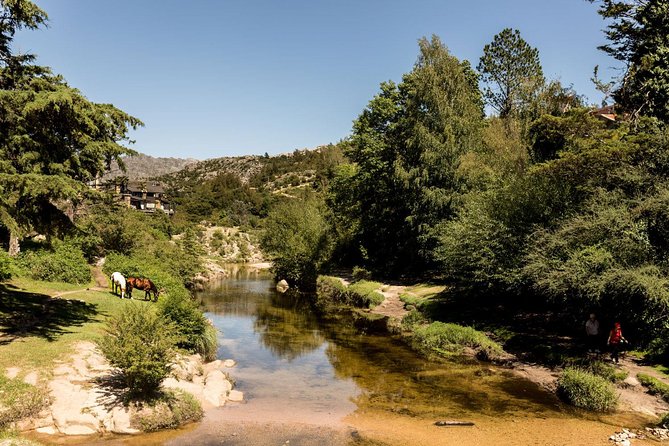
Cumbrecita is the reason many people choose this tour in the first place. It’s an alpine-style town and, importantly, it’s one of the rare spots where you can enjoy it as a pedestrian village. No car noise becomes part of the atmosphere.
The vibe is storybook. You’ll notice the heavy use of wood in the feel of the town, plus that mountain-town rhythm where strolling is the activity. It’s also the sort of place where you’ll find plenty to look at even if you’re not shopping, from cozy corners to little viewpoints.
Because it’s pedestrian, you don’t need a car or taxi plan once you’re there. You just walk, stop, and enjoy. For people who want a “Europe in South America” mood without crossing borders, Cumbrecita delivers.
One heads-up: Cumbrecita can feel commercial compared with remote mountain areas. If you came for quiet solitude and long, empty trails, this may feel more like a charming town than a wilderness escape. It’s still beautiful, just know what kind of beauty you’re buying.
Price and logistics: what $100 buys you on a 10-hour day
At $100 per person for about 10 hours, you’re paying for three things: transportation, a Spanish-speaking guide, and the ability to cover a lot of ground without planning. That can be good value if you’re short on time in Córdoba or you’re traveling solo and don’t want to drive or rent.
The included items are clear: hotel pick up and drop-off from downtown Córdoba hotels, plus a Spanish-speaking guide. Once you add up the cost and hassle of getting yourself to multiple towns and timing the day, the price starts to make sense.
You do pay the standard travel reality tax: food and beverages aren’t included. So decide how you want to handle meals. If you like sitting down, you’ll spend more. If you’re comfortable with snacks and casual bites between strolls, you can keep costs controlled.
The group limit is up to 10 travelers, which is another value point. You’re less likely to feel swallowed by a giant bus crowd, and it’s usually easier for the guide to manage questions and timing.
Itinerary flow, stop by stop, and how to use your time
This tour has a good rhythm: it starts with key heritage stops, then shifts into lake and town scenery, then finishes back toward Córdoba.
- Early stops (Miryam Stafford, Alta Gracia, Jesuit Estancia): good for learning and grounding the day.
- Che Guevara home: a strong landmark moment before the landscape portion.
- Los Molinos area and Santa Rosa de Calamuchita: you start to feel the valley and water.
- Villa del Dique and Rio Tercero Reservoir: big scale views, efficient timing, memorable contrast.
- Villa General Belgrano: your main free-wandering stretch, use it for food and browsing.
- Cumbrecita exploration: do your walking slowly here, this is where the atmosphere earns its keep.
My best advice for a day like this is simple: don’t treat every stop like a race. Use the longer town time (Villa General Belgrano and the pedestrian village) to eat first, then browse. When you eat later, you can end up paying more or waiting longer.
Who this tour fits best (and who should choose differently)
This is a great match if you want to see multiple towns and signature stops without driving. It’s also a strong fit for first-time visitors to the Córdoba region who want a guided route with meaningful stops, not just a bus ride.
It’s especially good if you enjoy a blend of:
- history and landmarks
- lake and mountain scenery
- town wandering on foot
If you’re the type who wants long hikes, remote nature, or lots of free time with no schedule pressure, you might find the day too structured. Also, if you’re allergic to long drives, plan for that.
Finally, if your Spanish is basic, you’ll still likely be fine, since it’s a guide-led experience. But if you want deeper conversation, this is a tour that rewards at least some language comfort.
Should you book this Córdoba to Cumbrecita tour?
I’d book it if you want a guided “hits and atmosphere” day around Córdoba. The combination is strong: Alta Gracia and the Jesuit Estancia, Che Guevara’s home, then lake scenery and European-style town vibes, plus time in a pedestrian Cumbrecita.
Skip it if you already have a car plan and you’d rather choose your own pace, meals, and walking routes. This trip is designed to move. It’s not designed for slow, solitary exploration.
If you book, I’d go in with two goals: use the guide’s context at the heritage stops, then switch into walking mode where the town atmosphere matters. That way you get the best of both worlds.
FAQ
What is the duration of the Cordoba Cumbrecita Tour?
The tour runs for about 10 hours.
What time does the tour start?
It starts at 9:00 am.
How much does the tour cost?
The price is $100.00 per person.
Does the tour include hotel pickup and drop-off?
Yes. There is pickup and drop-off from Cordoba City downtown hotels.
Is there a Spanish-speaking guide?
Yes. The tour includes a Spanish-speaking guide.
Is food included?
No. Food, beverages, and other services not specified are not included.
What is the cancellation policy?
You can cancel for a full refund up to 24 hours in advance of the experience’s start time.
More Tours in Cordoba
More Tour Reviews in Cordoba
More Cordoba Hills
Newest Cordoba write-ups on the desk
- PRIVATE TOUR: La Cumbrecita & Villa Gral. Belgrano★ 5.0 · 33 reviews
- Cordoba Cumbrecita Tour with Spanish Speaking Guide★ 4.5 · 34 reviews
- La Cumbrecita and Villa General Belgrano Full Day Tour★ 4.5 · 55 reviews
The rest of the Cordoba Sierras Tours list.
 ★ 4.7La Docta Free Walking Tour “Córdoba La Antigua”.From $0104 reviews
 ★ 4.5La Cumbrecita and Villa General Belgrano Full Day TourFrom $8355 reviews
 ★ 5.0Wine Tour Privado a Calamuchita, Córdoba – ArgentinaFrom $17550 reviews
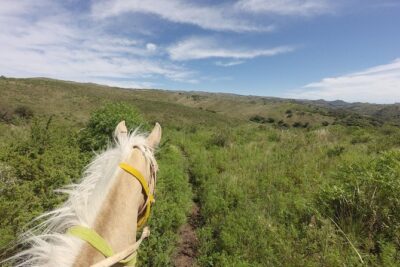 ★ 5.0Horseback riding through the SierrasFrom $10040 reviews
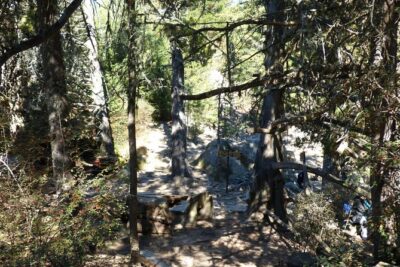 ★ 5.0PRIVATE TOUR: La Cumbrecita & Villa Gral. BelgranoFrom $13033 reviews
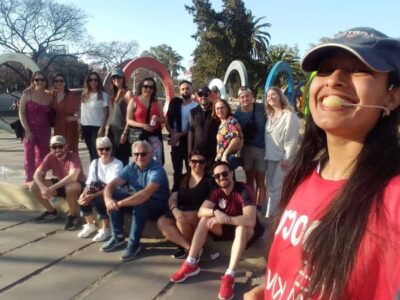 ★ 4.7La Docta Free Walking Tour “Córdoba La Moderna”.From $025 reviews
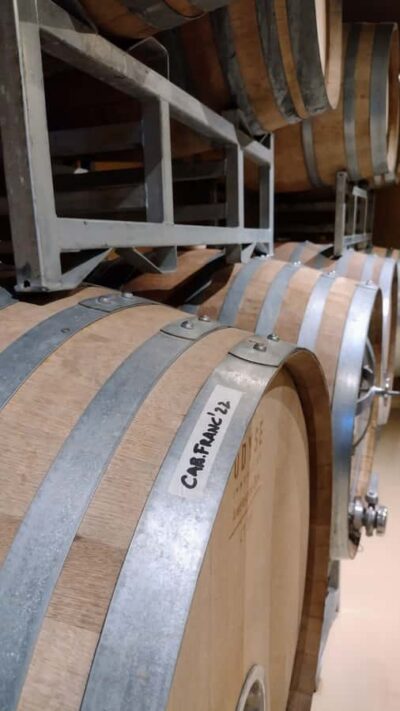 ★ 4.9Córdoba: Wine Tour Privado a Colonia Caroya – Día completoFrom $2206 reviews
 ★ 3.1Cordoba: Full-day Tour to Traslasierras ValleyFrom $2195 reviews
Lists this one is on