
REVIEW · PENINSULA VALDES WILDLIFE TOURS
Valdes Peninsula: Full Day with Whale Watching
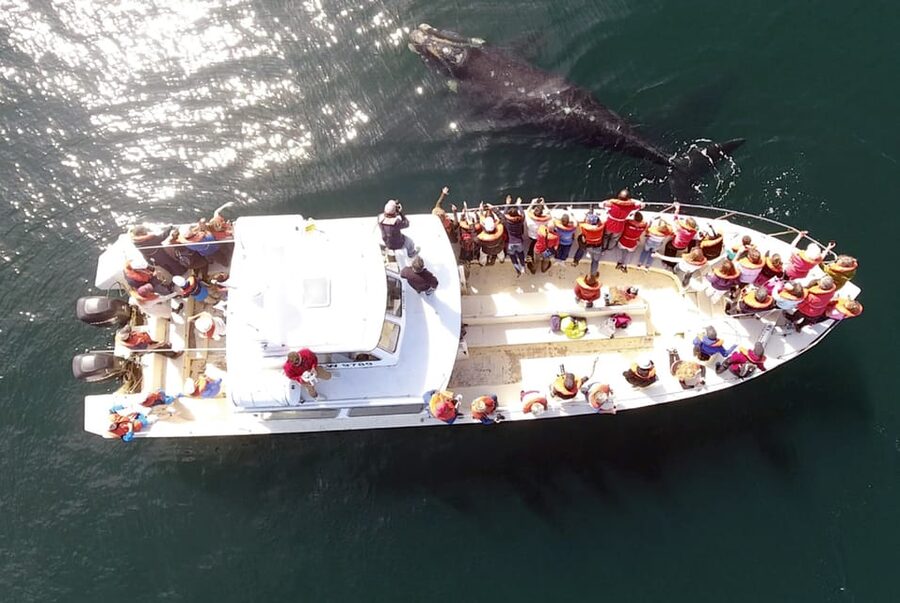
Whales. Seals. Wide-open Patagonian air. This is a day trip from Puerto Madryn that mixes boat whale watching with a scenic land route, and it runs in small groups. The two big wins I’d chase are seeing whales close to Puerto Pirámides when it’s in season, and getting that compact group size with a guide to help you spot animals. One thing to plan around, though, is that wildlife sightings depend on weather, and the boat portion may not always be fully English.
You’ll also feel the scale of Valdés Peninsula fast, since the whole area is a UNESCO Protected Natural Area. Expect a long day, lots of time outdoors, and a real rhythm of driving, short stops, then time on the water. Just know it is not a casual, stay-on-the-coast-of-your-hotel type outing.
In This Review
- Key Highlights You Should Care About
- Why Valdés Peninsula Makes Whale Watching Work
- Your Day Starts Early: Getting to Puerto Pirámides
- Boat Time Rules by Season: When You’ll See Whales or Sea Lions
- Puerto Pirámides Lunch Break: A Pause on the Peninsula
- Salinas Grande and Chica: The Southern Drive That Feels Like Patagonia
- Caleta Valdés and Punta Cantor: Elephant Seals on the Atlantic
- Punta Norte as a Marine-Fauna Swap, Plus the Carlos Ameghino Center
- Wildlife Beyond Whales: What You Can Spot on Land
- The Guide, the Group, and the Language Quirk on the Boat
- Price and Value: Is $298 Worth It?
- Weather, Comfort, and How to Prepare for a Real 12-Hour Day
- Should You Book This Valdés Peninsula Whale Watching Day Trip?
- FAQ
- How long is the Valdés Peninsula full-day whale watching tour?
- Where does the tour start, and is hotel pick-up included?
- Is lunch included?
- What months include whale watching from the boat?
- What animal viewing happens in other months?
- Are park entry fees included?
- What languages are available?
- How many people are in the group?
- Is whale watching guaranteed?
Key Highlights You Should Care About
- UNESCO Valdés Peninsula setting with real wildlife viewing, not just viewpoints
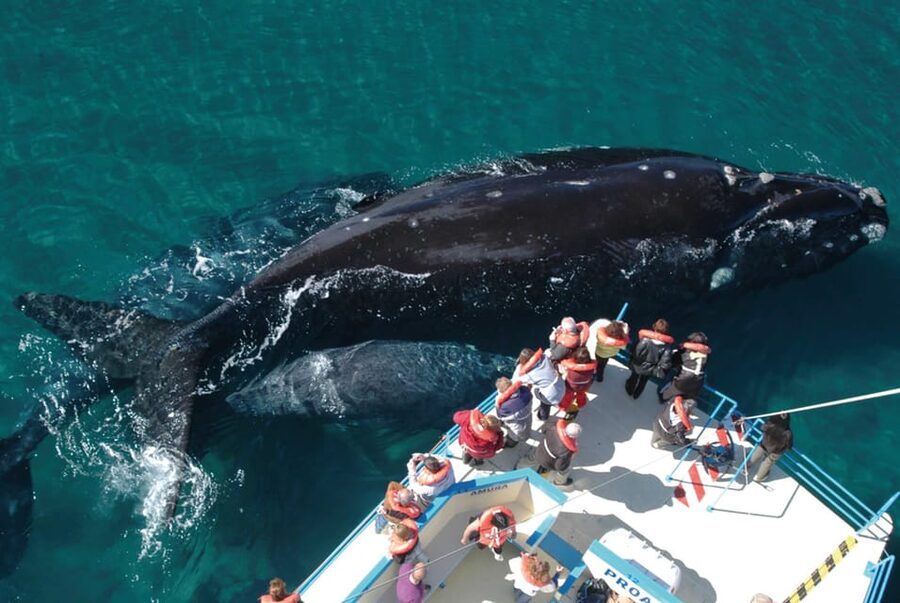
- Season-based marine life (right whales, or sea lions and cormorants)
- Boat time is weather dependent, so build in flexibility
- Small group of up to 10 for a calmer, easier day
- Elephant seals and Atlantic coast stops at key points like Caleta Valdés
- Wildlife on land too, including guanacos, rheas, foxes, and armadillos
The peninsula again, on a different tide
- Cruise Shore Excursion Peninsula Valdes – Pto Madryn – Patagonia – Argentina
★ 4.0 · 111 reviews - Valdes Peninsula: Full Day with Whale Watching
★ 4.5 · 98 reviews - Peninsula Valdes Tour with Optional Whale Watching
★ 4.5 · 73 reviews - Full Day Peninsula Valdes Experience – optional Whale Watching
★ 5.0 · 53 reviews
Why Valdés Peninsula Makes Whale Watching Work
Valdés Peninsula is one of those places where the animals do not feel like an attraction. They feel like the main event. That matters, because whale watching is never fully controllable. What you can control is choosing a location and season where the animals are actually there, and this trip is built around that.
I like that the day is not only about getting on the boat and crossing fingers. You also spend time driving through the peninsula’s southern routes, stopping where terrestrial wildlife shows up, and visiting areas known for marine mammals along the Atlantic coast. So even if sea conditions limit how long you spend on the water, you still get a strong Patagonia wildlife day.
Also, the peninsula itself has UNESCO Protected Natural Area status, which is a good signal that this is managed and preserved in a serious way. It’s one of those places that makes you slow down, because it is so open and so alive at the same time.
Your Day Starts Early: Getting to Puerto Pirámides
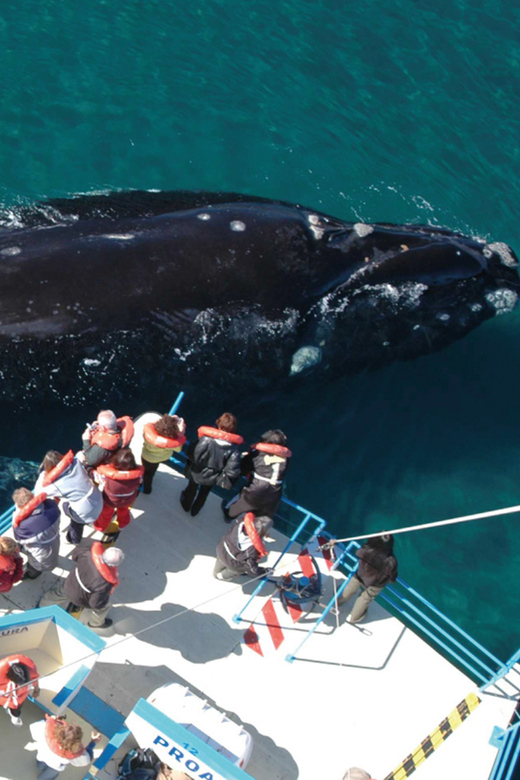
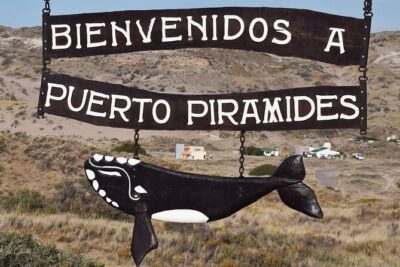
The tour starts early in the morning from downtown Puerto Madryn with hotel pick-up and drop-off. After about an hour of driving, you reach Puerto Pirámides, the jump-off point for the marine portion of the day.
That early start matters more than it sounds. You are traveling before the day gets hot, windy, or changeable. It also gives you more time to work the full schedule, which is a real deal on a 12-hour day. You are not rushed straight onto the boat and then done. You get a planned rhythm: drive, boat time in season, then lunch and land stops.
One logistics note to keep in mind: pick-up is from downtown hotels, and it is not programmed from the cruise port. If your hotel is not on the included route, you’ll be contacted about the closest pick-up location, and you’ll meet the guide in the hotel lobby you’re told to use.
Boat Time Rules by Season: When You’ll See Whales or Sea Lions
This is the part that truly changes by month. The trip runs on a seasonal schedule, and it’s worth matching your travel dates to what you want to see.
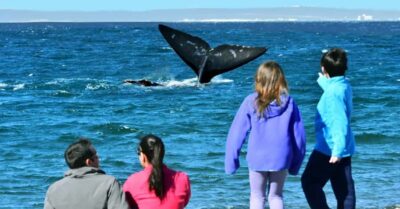
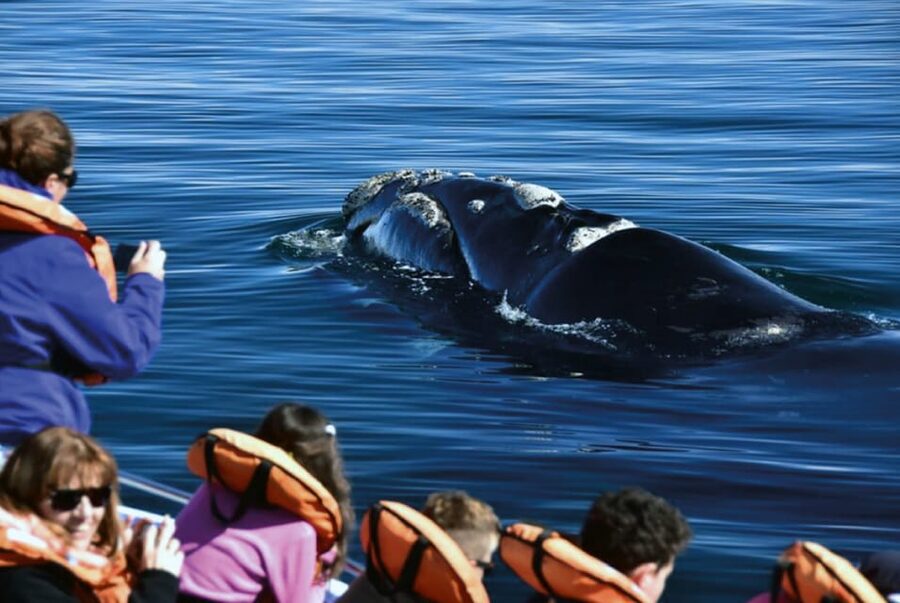
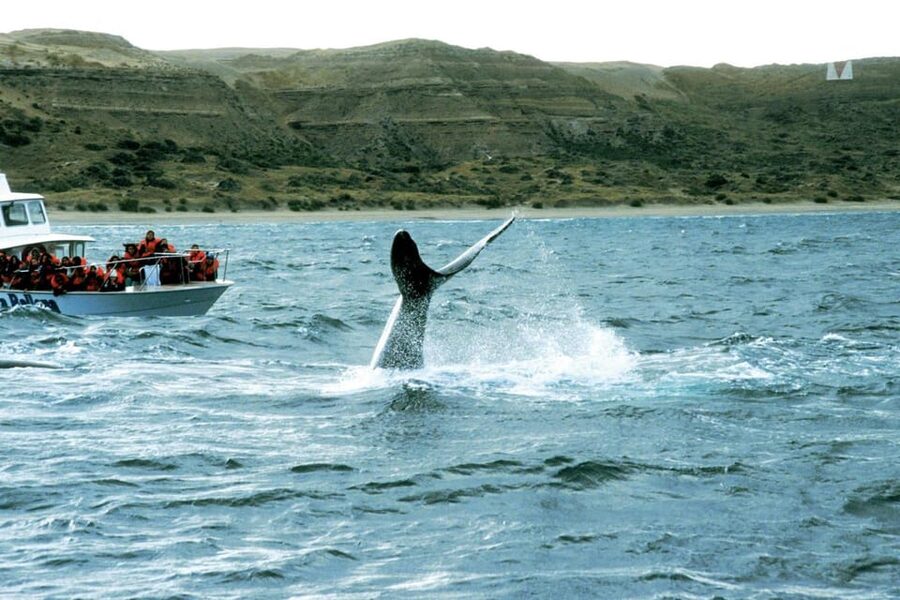
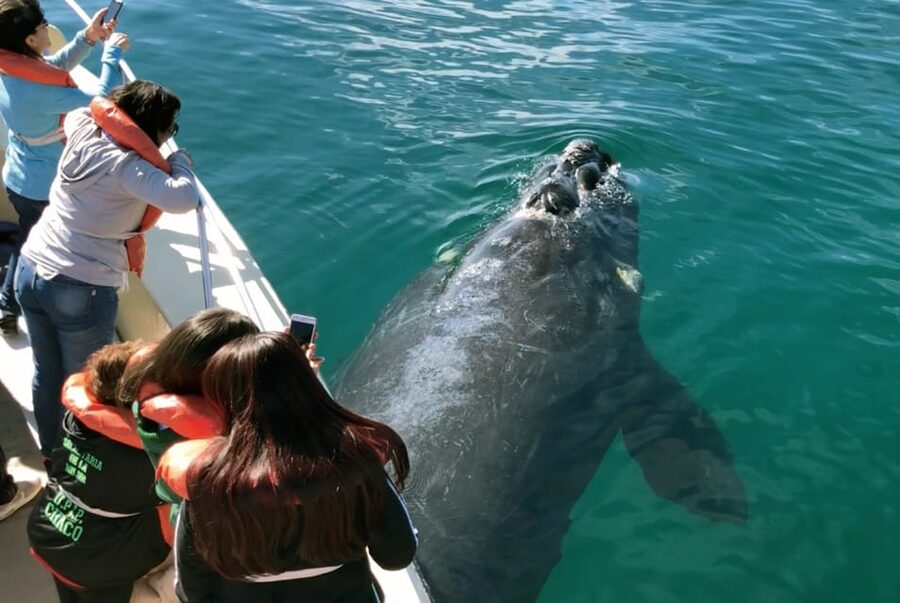
- June to November: boat whale watching for the Right Whale during the Regular Traditional Right Whale Watching season.
- December to March: a different marine focus, with boat sightings of South American Sea Lions and cormorants.
- April to mid-June: there is no navigation, so the day is land-focused.
On top of the calendar rules, there’s the human part you can’t control: whale watching is subject to weather. If conditions are rough, sightings can be harder, or you may get different viewing patterns than you hoped for.
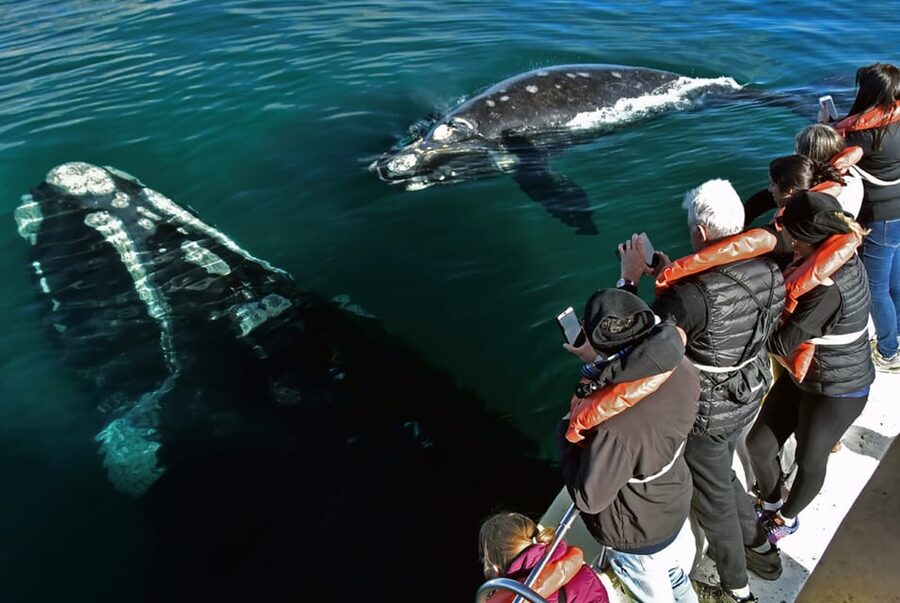
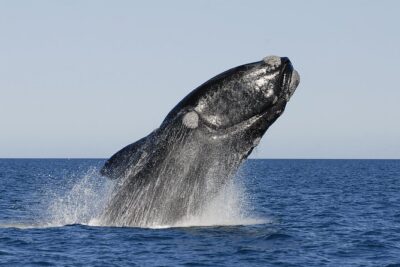
Still, the upside is that the guide and crew are operating where animals are most likely to show up for your specific time of year. When it’s on, it can be genuinely memorable. One review described July conditions as cold and rainy, but still seeing a good number of whales, including some coming close to the boat. That gives you an idea of what “subject to weather” looks like in real life.
When the whales are in, these run too
Puerto Pirámides Lunch Break: A Pause on the Peninsula
After the boat portion, lunch gets scheduled in Puerto Pirámides or in Caleta Valdés. Lunch and drinks are not included, so you’re choosing meals on the ground rather than having it handed to you.
What I like about this structure is that you still get a chance to reset. You have been outside early, you’ve been on the water, and you’ll likely want something warm or at least something that feels like a full stop. Then you shift back into land viewing.
You also get what feels like a proper peninsula day, not a drive-by. Lunch is your bridge between the marine portion and the southern road route that takes you through open grasslands, salt flats, and Atlantic coastline areas.
If you’re the type who gets hungry fast, plan to eat soon after you land. There’s a lot to see, and you don’t want to lose your appetite to frustration.
Salinas Grande and Chica: The Southern Drive That Feels Like Patagonia
Once you’re back on land, you cross wide open stretches with grasslands and gentle undulations. You pass through Salinas Grande and Salina Chica, and you continue toward the southern areas of the peninsula, including outside Punta Delgada, which is the peninsula’s southern end.
These stops matter because they help you understand the peninsula’s ecology, even from a vehicle window view. The salt flats and open ground are not just background. They are part of why this is so productive for animals. You also get those big-distance views that make you realize why people come here specifically for wildlife.
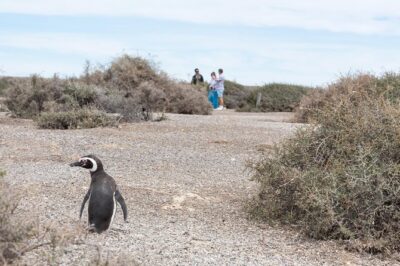
You might find terrestrial wildlife popping up during the drive and at stops. The trip is designed for that. In addition to marine life, you are likely to see animals like guanacos, rheas, foxes, and even smaller mammals depending on conditions and the day.
The practical downside is simple: it’s a full day. So every stop you make is also time you are outside, in the wind, on the clock.
Caleta Valdés and Punta Cantor: Elephant Seals on the Atlantic
Punta Cantor is one of those coastline points where the Atlantic shows off its dramatic geology. You can admire the Atlantic coast and the fascinating geological formation known as Caleta Valdés.
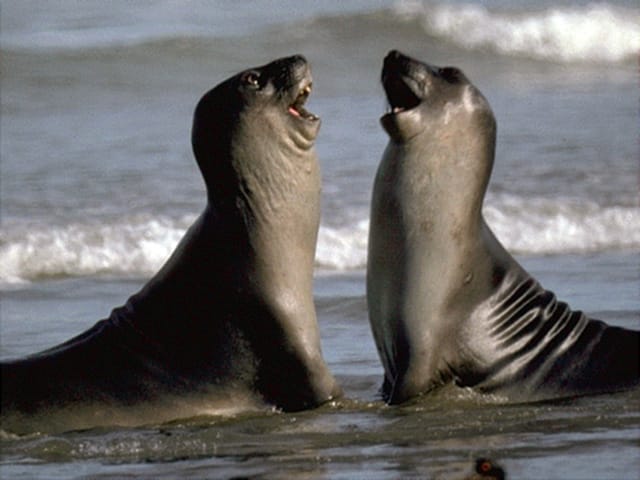
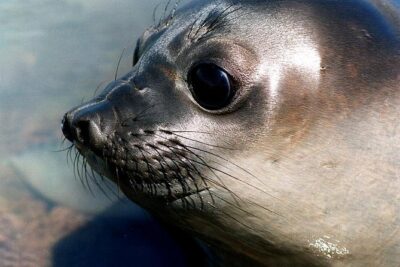
And then there are the seals. These beaches are usually inhabited, depending on the time of year, by southern elephant seals, which are the largest seals on the planet. That’s a big reason this trip works as more than just a whale day. You’re watching different animals in different settings, and both feel authentic.
If you’re hoping for the most consistent marine mammal sightings, this part of the program is worth paying attention to. Even if whales are harder that day, elephant seals can still give you a strong payoff during the land segment.
Punta Norte as a Marine-Fauna Swap, Plus the Carlos Ameghino Center
Depending on the time of year and marine fauna availability, the route can shift. The southern area around Las Salinas and Caleta Valdés can be replaced with Punta Norte.
The idea is straightforward: if certain marine viewing points are more promising that day, the schedule adjusts. That can be a quiet advantage, because it keeps your viewing concentrated where the day is actually delivering.
On the way back, you stop at the Carlos Ameghino Interpretation Center. This is the moment where you get context for what you saw. It’s a compendium of the peninsula’s natural wealth, so it helps turn the day’s animal spotting into something you can remember beyond just photos.
I also like that it gives you a break from the open wind and the constant scanning for animals. It’s a good reset, especially if you came out in cold weather.
Wildlife Beyond Whales: What You Can Spot on Land
The best part of this tour, for me, is that it gives you more than one category of wildlife. The peninsula is known for marine mammals, but it’s also a place where land animals show up if you’re paying attention.
The trip notes chances to observe terrestrial wildlife such as:
- guanacos
- rheas
- foxes
- maras
- armadillos
- skunks
I’ll be honest: you’re not guaranteed to see every species. These are wild animals, and the day’s conditions matter. But the value is that the program is built to look for them. You’re not spending the entire day only focusing on one animal group.
You may also notice birds like cormorants during the marine season window, since cormorants are part of the December to March focus. That variety is one reason wildlife days like this can feel richer than a single-activity tour.
The Guide, the Group, and the Language Quirk on the Boat
This tour is offered by Gray Line Argentina with a Spanish/English-speaking guide. The group is kept small, limited to 10 participants, which makes a difference on an all-day outing. You get less jostling and fewer distractions, and you’re more likely to hear instructions and spotting tips.
One small language consideration: there’s at least one report that the boat part was only Spanish. The guide is described as English and Spanish, but the boat segment might not always match perfectly. If you rely on English for narration, it’s smart to arrive expecting Spanish could be used more heavily on the water and listen closely when land explanations switch back.
In practical terms, this matters because whale watching can be “look, then listen, then look again.” When you understand the guide’s calls, spotting improves fast.
Price and Value: Is $298 Worth It?
The price is $298 per person for a 12-hour full day. That can feel steep until you break down what you’re actually paying for.
What you get included:
- Hotel pick-up and drop-off from downtown hotels
- Whale observation from the boat
- A Spanish/English-speaking guide
What is not included:
- Natural Park entry fee
- Lunch and drinks
- Cruise port pick-up and drop-off
So the value question is really this: are you buying access, time, and the most likely viewing setup? You are. The land route, the timing, the seasonal marine focus, and the small group all help reduce friction. You also get a guided day instead of trying to manage long distances and timing on your own.
The trip also gets a high rating score, and the reviews underline the same theme: when the marine portion is happening, it can become the highlight of the Argentina trip. One person did it in July, dealt with cold and rain, and still saw multiple whales, including ones coming close to the boat. Another highlighted lots of whales plus additional animals like penguins, sea lions, and elephant seals, along with guanacos and a mara.
That kind of payoff is what you’re paying for. If you’re traveling in the right months and you can handle cold outdoor time, the cost starts to make more sense.
Weather, Comfort, and How to Prepare for a Real 12-Hour Day
This is outdoors in Patagonia. The itinerary runs early, and you will spend time driving and standing during wildlife stops. Whale watching is explicitly subject to weather conditions, so your plan needs a weather mindset.
One review specifically mentioned July with cold and rainy weather and still seeing whales. That’s a useful real-world hint: bring layers and expect a mix of wind and damp conditions in colder months.
Also, this is not a short stroll with one viewpoint. It’s a full day where you move between boat time, lunch, and multiple wildlife stops. If you get uncomfortable in cold air, this is the time to prepare properly, because the day depends on being able to stand and stay alert for animal sightings.
And if you have your heart set on whales, pick your travel window carefully. The trip rules say there is no navigation from April to mid-June, so you won’t get boat whale watching then. Your best bets for whales are June to November.
Should You Book This Valdés Peninsula Whale Watching Day Trip?
I’d book this if you want a structured day that maximizes wildlife time instead of spending a lot of your limited time figuring things out. It’s especially good if your dates match the marine season you care about:
- June to November for Right Whale boat watching
- December to March for sea lions and cormorants
- April to mid-June if you’re okay with a land-focused day since no navigation happens
It might not be your best fit if you hate cold weather and you’re not prepared for long outdoor hours, because the peninsula viewing is weather dependent and you will be outside a lot. It’s also not suitable for wheelchair users, since the tour is not set up for that.
If you’re looking for one day that blends boats, coastline geology, salt flats, and a chance at multiple animal types, this is a strong choice from Puerto Madryn. Just remember, the sea decides part of the story, so go with a flexible attitude and you’ll get much more out of it.
FAQ
How long is the Valdés Peninsula full-day whale watching tour?
The tour lasts 12 hours.
Where does the tour start, and is hotel pick-up included?
Hotel pick-up and drop-off are included for downtown hotels in Puerto Madryn. Some hotels are not included in the pick-up routes, and you will be told the closest pick-up location.
Is lunch included?
No. Lunch and drinks are not included. Lunch is scheduled either in Puerto Pirámides or Caleta Valdés.
What months include whale watching from the boat?
Whale watching on board runs from mid-June to November.
What animal viewing happens in other months?
Between December and March, the boat portion focuses on South American sea lions and cormorants. Between April and mid-June, there is no navigation.
Are park entry fees included?
No. Natural Park entry fee is not included.
What languages are available?
The tour includes a Spanish/English-speaking guide.
How many people are in the group?
The group is small, limited to 10 participants.
Is whale watching guaranteed?
No. Whale observation is subject to weather conditions.
When the Whales Are In
More Tour Reviews in Puerto Madryn
Valdes, Differently Timed
Newest Puerto Madryn write-ups on the desk
- Punta Loma Shore Excursion with City tour★ 5.0 · 3 reviews
- Shore Tours Peninsula Valdes Puerto Madryn Cruise Passengers★ 4.2 · 4 reviews
- Punta Tombo Shore Excursion for Cruise Passengers + City★ 5.0 · 4 reviews
- Punta Loma + Ranch Shore Excursion for cruise passengers★ 5.0 · 4 reviews
- Península Valdés with Estancia San Lorenzo (Full Day)★ 4.7 · 4 reviews
- Peninsula Valdes Shore Tour for Cruise Passengers + City★ 5.0 · 4 reviews
The rest of the Peninsula Valdes Wildlife Tours list.
 ★ 4.0Cruise Shore Excursion Peninsula Valdes – Pto Madryn – Patagonia – ArgentinaFrom $95111 reviews
 ★ 4.5Peninsula Valdes Tour with Optional Whale WatchingFrom $15773 reviews
 ★ 5.0Full Day Peninsula Valdes Experience – optional Whale WatchingFrom $11553 reviews
 ★ 4.5Cruise Shore Excursion Ea San Lorenzo Peninsula Valdes – Patagonia – ArgentinaFrom $15943 reviews
 ★ 4.4From Puerto Madryn: Penguin Tour & Península Valdés Day TripFrom $19841 reviews
 ★ 4.5Punta Tombo Penguin Colony from Puerto Madryn with optional Toninas WatchingFrom $15833 reviews
 ★ 4.3Puerto Madryn: Punta Loma Shore ExcursionFrom $5022 reviews
 ★ 4.3Puerto Madryn: Excursion to Peninsula Valdes ClassicFrom $11220 reviews
Lists this one is on