
REVIEW · SALINAS GRANDES AND HUMAHUACA TOURS
Trekking Purmamarca
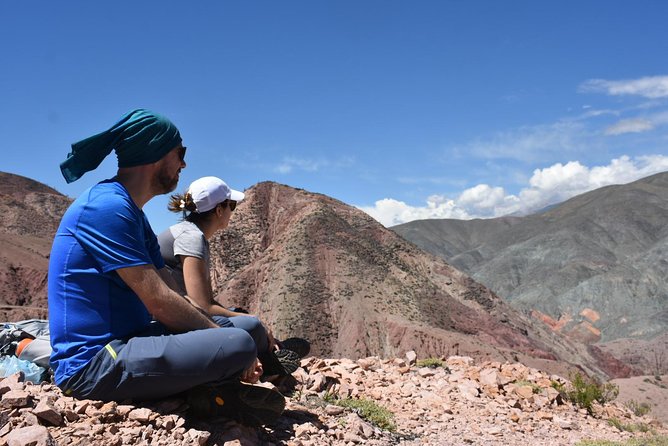
Dry riverbed hikes teach you to read the rock. This half-day walk from Purmamarca heads a few kilometers out for an exclusive path where you do not cross other people, plus geological interpretation along the way. You walk about 4 kilometers across a dry river bed, formed by wind and water, then return the same route.
I especially like how the guide turns the scenery into explanations you can use. With Fabricio in the lead, you get a clear connection between native culture and what you see in front of you, plus talk about flora with medicinal use and what the local environment is doing.
One consideration: this is not a sprint, but it still helps to have moderate fitness, and you need to bring your own water since snacks are not included. The experience also requires good weather, so plan for flexibility if conditions change.
In This Review
- Key things you’ll notice on this Purmamarca trek
- How the Purmamarca Aniacho Turismo hike works in 4 hours
- The dry riverbed walk, 4 kilometers of geology you can actually see
- 2700 meters and the “bearable” pace that keeps it fun
- Fabricio’s geology storytelling, plus native culture and medicinal plants
- What to bring (and what to skip) for a smoother 4-kilometer hike
- Price and value: why $60 feels fair for a private, interpretation-first trek
- Who should book this Purmamarca trekking experience
- Should you book Trekking Purmamarca?
- FAQ
- Where does the Trekking Purmamarca experience start?
- How long is the trek?
- Is this a group tour or private?
- What fitness level do I need?
- Do I need to bring snacks or water?
- What happens if weather is bad?
Key things you’ll notice on this Purmamarca trek
- An exclusive trail with no foot traffic once you leave town
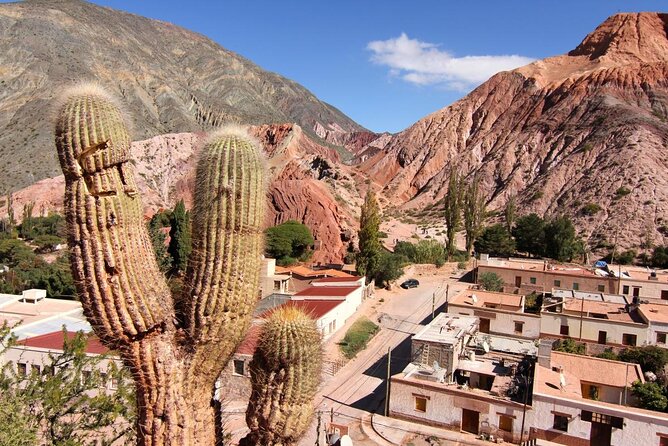
- Dry riverbed geology on a 4-kilometer route, shaped by wind and water
- A 2700-meter rest stop with time for stories and interpretation
- Culture and history woven into the hike, not tacked on at the end
- Flora with medicinal uses, explained in a practical, grounded way
- A bearable pace that matches the group’s physical conditions
Other runs up the Quebrada
- Trekking Purmamarca
★ 5.0 · 52 reviews - From Jujuy: Quebrada de Humahuaca, Purmamarca and Tilcara
★ 3.8 · 35 reviews
How the Purmamarca Aniacho Turismo hike works in 4 hours
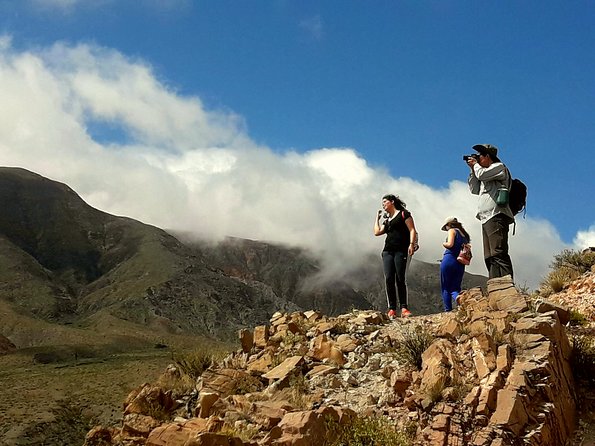
This is a private trek in Tilcara’s wider area, run from Purmamarca by Purmamarca Aniacho Turismo. In plain terms, you meet at Lavalle, Y4618 Purmamarca, Jujuy, Argentina, then head out from town to start the walk somewhere quieter and less crowded. The total time on the activity is about 4 hours, so you get a meaningful outing without losing a whole day to travel.
Because it is private, only your group participates. That matters more than it sounds. On a geology walk, you want time for questions, for slower walkers to regroup, and for the guide to explain details without feeling like you are holding up a big bus group.
Pace is also part of the deal. The trek is framed as bearable, not competitive. That means you should expect breaks built into the plan, not just “keep moving.” You even stop for about half an hour when you reach around 2700 meters before heading back.
The dry riverbed walk, 4 kilometers of geology you can actually see
The star of this trek is the dry river bed and the geoforms in geological sediments. Instead of generic viewpoints, you walk along the kind of ground where the story is written in layers, grooves, and shapes.
As you go, the guide connects those shapes to natural forces. You will be thinking about how wind and water carved the sediment over time, and how people locally refer to the power of pachamama in shaping the land. Even if you are not a geology person, you still come away with a mental map. The guide helps you look at what is in front of you and understand why it looks the way it does.
You cover roughly 4 kilometers across the dry river bed, then return. Since the route goes out and back, the timing feels more predictable. You do not need to worry about “what happens next” around every bend, because the plan is built around reaching the higher point near 2700 meters, resting, then turning back.
The rest stop is important too. At about 2700 meters, you pause for around 30 minutes. This is not just a snack break, because snacks are not included. It is a chance to slow down, take in the sense of scale, and absorb the explanations about history, native culture, and local flora. If you arrive tired, that half-hour can turn the trek from just walking into actually understanding what you are walking through.
2700 meters and the “bearable” pace that keeps it fun
Altitude can sneak up on you in northwestern Argentina. This trek includes a rest period at about 2700 meters, so you should treat that as a cue to plan smart.
The good news is the activity is not presented as a fitness challenge. The guide adjusts to the physical conditions of participants, and it is explicitly not a time competition. Translation: if you need to take it slower, this is the kind of tour that makes room for that.
Also, since you are not trekking for a full day, you can approach it like a strong morning plan. Bring a calm attitude, move at a steady pace, and use the rest at 2700 meters to regroup. If you are sensitive to altitude, you will still have time in your day afterward to take it easy, rather than being stuck on the trail all afternoon.
One more practical note: the experience is described as suitable for travelers with moderate physical fitness. If you are dealing with injury, severe mobility limits, or you want an intense workout, you may prefer a different outing.
Fabricio’s geology storytelling, plus native culture and medicinal plants
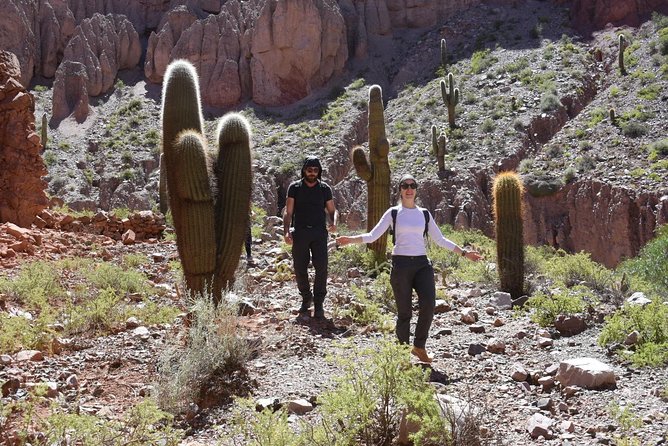
The best praise here centers on the guide experience. In the reviews, Fabricio comes up as an excellent guide who made the first morning in Purmamarca feel extra productive. The core value is that he explains geology in a way that you can carry forward.
If you want the region to make sense as you travel, this approach pays off. After learning what to notice on the dry river bed, the rest of Purmamarca and the surrounding area tends to feel less random. You start matching shapes in the ground with the explanations you heard on the trail, and you understand why the environment looks the way it does.
Fabricio is also praised for covering flora and fauna, and for bringing in native culture and history during the hike. That blend matters because it keeps the trek from becoming a lecture. You are moving, you are seeing, and then the guide gives context that helps you connect the details you notice to how locals interpret and use the land.
One of the more specific educational points is medicinal use of local plants. This is where the hike becomes more than scenery. You stop thinking of “plants” as decoration and start thinking of them as part of local knowledge and survival. Even if you do not test anything yourself, it changes how you pay attention on the trail.
What to bring (and what to skip) for a smoother 4-kilometer hike
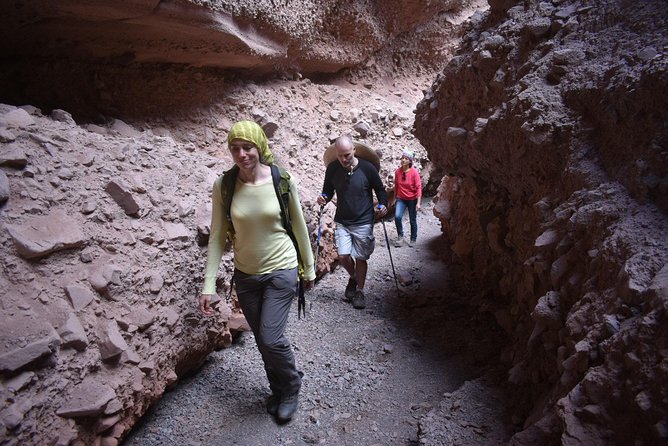
Snacks are not included, and the information also says you must bring your own water. So I treat this trek like a self-prep half-day: plan what you need, then show up to enjoy the walking and the explanations.
At minimum, bring:
- Your own water
- Your own snacks
Beyond that, use common sense for a walk on a dry river bed. You will be stepping over uneven ground shaped by erosion, so comfortable footwear is a must. If you prefer to keep things light, consider packing a small snack you can eat during the planned break time rather than forcing food right at the start.
Also, the experience requires good weather. If the day turns bad, the operator will offer a different date or a full refund. That is a key reason to keep your schedule flexible, especially if you are visiting during a season with unpredictable conditions.
Finally, this is private and service animals are allowed. If you travel with a service animal, you can plan on that being permitted for the activity.
Price and value: why $60 feels fair for a private, interpretation-first trek
At $60 per person for about 4 hours, the headline price is simple. The value is not just the walking time. You are paying for a private guide-led route that starts away from town and stays quiet once you are on the trail.
Here is what you are getting for the money:
- Personalized service, which is reflected in the way the guide accommodates pacing
- A private group experience, so you are not competing for attention
- An educational focus, centered on geology interpretation, native culture, flora, and medicinal use
- The quiet factor, meaning you are not weaving through other people for most of the walk
For some travelers, the “extra” things you get on the trail are the whole point. If you like to understand what you are seeing, then paying for interpretation is money well spent. If you just want a long hike with minimal talking, you might prefer a self-guided option instead.
That said, the reviews are clear about one thing: the guide does a strong job turning the trek into something you remember and that improves the rest of your stay.
Who should book this Purmamarca trekking experience
This tour fits best if you like guided learning and you want a quieter experience close to town. It is also ideal if you are the type of traveler who enjoys connecting the dots, like how geology shapes what grows, what locals know, and how people relate to the land.
You will probably enjoy it if:
- You want an early, efficient half-day activity in Purmamarca
- You care about geology, culture, and practical explanations
- You like a bearable pace with time to rest and ask questions
- You want a private outing rather than a crowd-managed schedule
You might skip it if:
- You are looking for a long, strenuous trek
- You cannot do moderate physical activity
- You have limited flexibility for good-weather planning
Should you book Trekking Purmamarca?
I would book this if your goal is to understand Purmamarca better in a short time. The strongest reason is the guide-led interpretation, especially with Fabricio’s geology and flora explanations, plus the cultural context that makes the walk feel grounded rather than random.
Book it if you have a morning free, you can bring your own water and snacks, and you are comfortable with moderate fitness at about 2700 meters during the rest point. Pass if you are set on a purely physical challenge with little interest in the stories tied to what you are seeing.
If you want to leave Purmamarca with better eyes than you arrived with, this is a very solid choice.
FAQ
Where does the Trekking Purmamarca experience start?
It starts at Lavalle, Y4618 Purmamarca, Jujuy, Argentina.
How long is the trek?
The activity lasts about 4 hours on average.
Is this a group tour or private?
This is a private tour/activity, so only your group participates.
What fitness level do I need?
Travelers should have a moderate physical fitness level.
Do I need to bring snacks or water?
Yes. Snacks are not included, and you must provide your own water.
What happens if weather is bad?
This experience requires good weather. If it is canceled due to poor weather, you will be offered a different date or a full refund.
More Tour Reviews in Tilcara
Up the Quebrada, Again
Newest Tilcara write-ups on the desk
- From Jujuy: Quebrada de Humahuaca, Purmamarca and Tilcara★ 3.8 · 35 reviews
- Trekking Purmamarca★ 5.0 · 52 reviews
The rest of the Salinas Grandes and Humahuaca Tours list.
 ★ 4.6From Salta: Full-Day Trip to Salinas Grandes and PurmamarcaFrom $38914 reviews
 ★ 4.3From Salta: Salinas Grandes, Purmamarca & Los Colorados HikeFrom $43356 reviews
 ★ 4.4From Salta: Serranías del Hornocal & Hill of 14 Colors TourFrom $63339 reviews
 ★ 4.0Full-Day Tour Salinas Grandes and Purmamarca from SaltaFrom $35220 reviews
 ★ 4.4Full-Day Tour to Humahuaca from SaltaFrom $37140 reviews
 ★ 4.5Full-Day Tour to Salinas Grandes and Purmamarca From SaltaFrom $42118 reviews
 ★ 4.2Hornocal: Tour of the 14 Colors Mountain & Humahuaca´s GorgeFrom $6881 reviews
 ★ 4.2From Jujuy: Salinas Grandes, Purmamarca & Los Colorados HikeFrom $4275 reviews
Lists this one is on