
REVIEW · IGUAZU FALLS TOURS
Iguazú Experience in 2 days: Argentine and Brazilian Falls
Iguazú hits you right in the senses. This two-day combo gets you to both sides of the falls, with guided access that focuses on the big moments, especially Devil’s Throat. You’ll also get elevator views, which is a rare luxury at a place famous for wet feet and steep stairs.
I especially like the way this trip pairs up-close power with big-picture views. On the Argentine side, the walking circuits bring you close to smaller falls and set you up for the classic Devil’s Throat experience. On the Brazilian side, you’re positioned for the famous mist and rainbow moments, plus options that range from forest walks to elevator top views.
The one drawback to keep in mind is logistics. Park entrance fees are not included, you’ll need ID/passport, and currency can trip you up, especially on the Argentina side.
In This Review
- Key Highlights You’ll Care About
- Two Days That Cover the Best Angles of Iguazú
- Day 1 on the Argentine Side: Devil’s Throat First, Then Your Circuit Choice
- Day 1 Details: What to Watch for Once You’re on Foot
- Day 2 on the Brazilian Side: Better Devil’s Throat Views and the Mist Rainbow Moment
- Border Crossing and Transfer Rhythm: Why Timing Can Feel Tricky
- Price and Value: What $89 Covers, and What It Does Not
- Getting the Most Out of the Circuits (Without Burning Your Feet)
- Packing List That Actually Matches Iguazú
- Guide Quality: Bilingual Helps, But Not Every Minute Is Equal
- Is This Worth Booking? My Decision Guide
- FAQ
- What time does the tour start?
- Where are you picked up from?
- Are the national park entrance fees included?
- What parts of the Argentine side do you visit?
- What can you do on the Brazilian side?
- Is a guide included?
- What is the cancellation cutoff for a full refund?
Key Highlights You’ll Care About

- Two countries, two viewing angles: Argentina for close contact, Brazil for the big, misty panorama
- Devil’s Throat is the main event with dramatic viewpoints and elevator access
- Argentina side is flexible: you’ll visit 2 out of 3 circuits, including options like Lower and Upper
- Brazil side adds options like the forest route to Salto Floriano or a top view by elevator
- Hotel transfers are included for excursions, plus shared airport transfers
- Small group energy with a maximum of 30 travelers, so you’re not stuck in an endless crowd
Different angles on the same falls
- Foz do Iguaçu: Brazil/Argentina Sides Iguazu Falls Day Tour
★ 4.9 · 1,551 reviews - Iguazu Falls: Gran Aventura Boat and Argentinian Falls Tour
★ 4.4 · 393 reviews - Puerto Iguazu: Iguazu Falls Argentinian Side Full-Day Tour
★ 4.6 · 334 reviews - Puerto Iguazu: Iguaza Falls Brazilian Side & Bird Park Tour
★ 4.0 · 260 reviews
Two Days That Cover the Best Angles of Iguazú
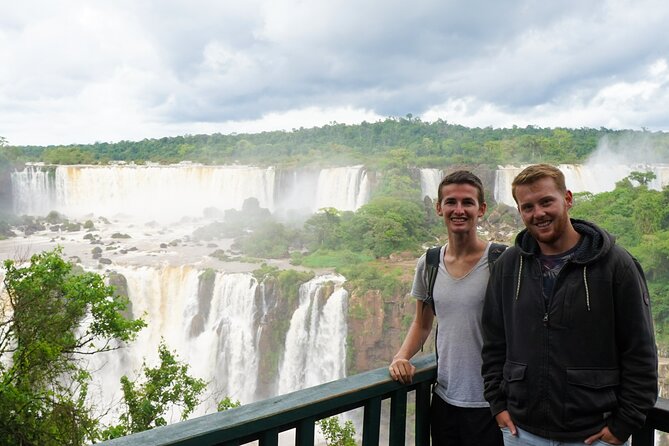
Iguazú Falls are one of those places where you quickly stop caring about the word “scenic” and start caring about wet air, roar, and raw scale. Seeing the falls from both countries matters because the viewpoint changes everything. Argentina tends to bring you nearer the action. Brazil tends to give you the iconic sweep, with Devil’s Throat framed by mist and a rainbow that can appear when conditions cooperate.
This is also a good format if your time is short. A full, slow, do-everything visit to both parks can take longer than most itineraries allow. A two-day structure lets you hit the top highlights without turning Iguazú into a second job.
Day 1 on the Argentine Side: Devil’s Throat First, Then Your Circuit Choice
Your morning starts with a pickup from Puerto Iguazú hotels, and the schedule is built around getting you into Iguazú National Park efficiently. Once you’re inside, the magic starts with Devil’s Throat. This is where the water is most intense, dropping in a thunderous plunge from about 350 feet (107 meters). The flow rate listed for Devil’s Throat is about 1.5 million liters per second, and you can feel the atmosphere around you.
What you do on the Argentine side is tied to circuits. The tour is set up so you visit 2 out of 3 circuits. That usually means you’ll get at least one close-up experience plus a second route that changes the angle or adds a different style of walk.
Here’s what those circuits mean in practical terms:
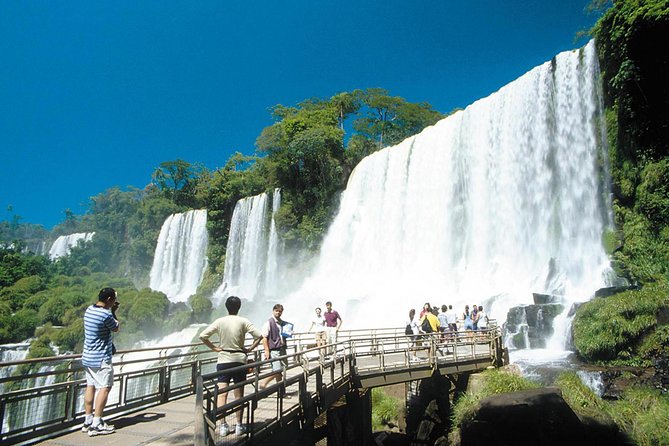
- If you choose the Lower Circuit, you get a shorter loop (about 0.8 miles or 1.3 km) that brings you up close to smaller cascades. It’s a great “photo plus” choice because you’ll see viewpoints for waterfalls like Bossetti Falls and you’ll also have places to rest. Restrooms and snack stops are available along this trail.
- If you choose the Upper Circuit, you aim higher. This route is described as wheelchair accessible and focuses on panoramic views, including San Martín Island and sections that hint at the Brazilian side from across the gorge.
And regardless of your exact circuit combination, the day is designed to put you in front of Devil’s Throat. There’s also a catwalk viewpoint near the top of the fall for an elevated perspective. Some versions of the experience add an elevator ride with glass windows, letting you watch the jumps from above. Either way, you’re meant to experience that “this is real, not a postcard” moment.
Day 1 Details: What to Watch for Once You’re on Foot
The Argentine side experience is heavy on walking, but it’s not all one long slog. You’ll be moving along walkways and viewpoints, stopping where the guide recommends for photos and to catch the best angles.
One practical thing to plan for is timing between viewpoints. Iguazú can feel crowded fast, and the best views are the ones you hit when the mist is right. If your group moves slowly, you’ll see more. If it moves quickly, you might spend less time soaking in one viewpoint. So go in with the right expectation: you’re there to see and feel a set of signature perspectives.
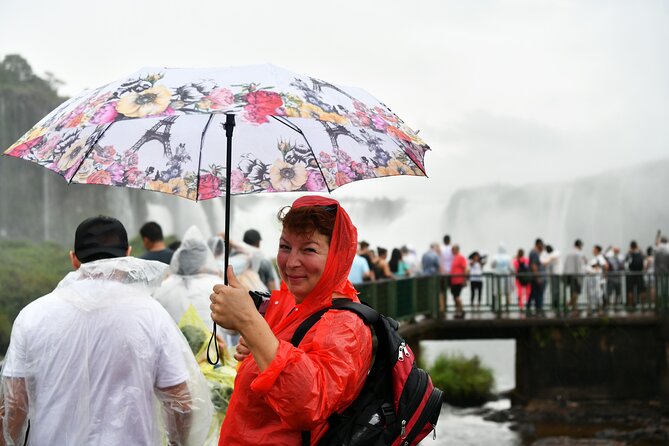
Also, come prepared for weather swings. This is a misty environment. Even if the forecast looks fine, water can find you. A light rain layer helps more than you’d think.
Other Puerto Iguazu write-ups sitting in the pile

Day 2 on the Brazilian Side: Better Devil’s Throat Views and the Mist Rainbow Moment
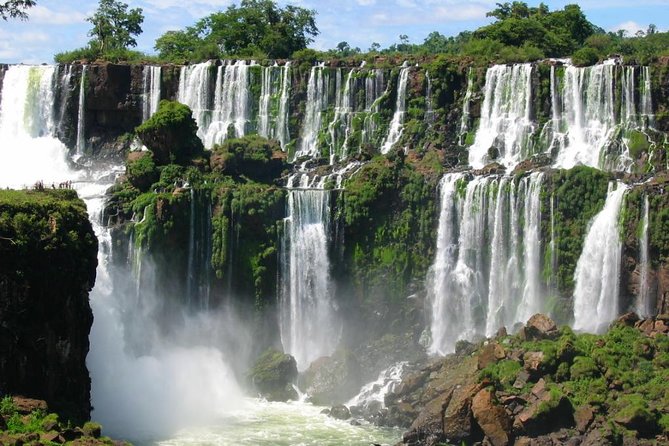
After your first day, you cross the border into Brazil and head into Iguaçu National Park. This is where the viewing experience often feels more dramatic, because Devil’s Throat is presented in a wider sweep, framed by mist.
The Brazilian side is also where you’re more likely to catch the famous permanent rainbow effect. The idea is simple: the huge volume of water creates an enormous mist cloud, and when light hits that mist properly, rainbow color shows up.
From here, your route options matter. The tour describes several ways to experience the area:
- Walk through the tropical forest to the bottom of Salto Floriano (more time on your feet, but deeper immersion in the falls’ surroundings)
- Take the elevator for elevated views from the top (less walking, big payoff for the money)
- Trek out to view Salto União (a chance to see more falls angles beyond the main throat)
If you want the most efficient “wow per step,” the elevator option tends to win. If you want the more adventurous feeling, the forest walk to Salto Floriano is the one that changes your relationship to the place. Either way, the Brazilian side is geared to show you Devil’s Throat at its most iconic.
Border Crossing and Transfer Rhythm: Why Timing Can Feel Tricky
This tour includes round-trip hotel transfers for excursions, plus shared airport transfers. That’s a big quality-of-life benefit because Iguazú is not the kind of place where you want to be figuring out bus routes while your group is waiting.
Still, day-to-day timing can be tight. You’re moving between two national parks and two different systems, including border control. In plain terms: you should treat your day like a schedule built around checkpoints, not like free roaming time.
Two tips that make a difference:
- Keep your passport or ID accessible. Park ticket offices require it, and the tour notes that you must present your document at paid access sites.
- When you’re moving between guides or meeting points, stay organized. Don’t assume you’ll get a second chance to catch the group.
And yes, communications can be uneven with international, multi-day tours. If you can, confirm pickup details using your hotel staff the day before. Keep your confirmation handy. When a tour goes wrong, it’s usually not because of the falls, it’s because of pickup details.
Price and Value: What $89 Covers, and What It Does Not
At $89 per person, this is positioned as a value two-day route, especially because it includes bilingual guiding and hotel transfers. But Iguazú has an extra cost you can’t ignore.
Entrance fees are not included:
- Argentina National Park entrance is listed at about USD 40 per person
- Brazil Iguaçu Park entrance is listed at 88 reais per person, paid at the entrance
So your realistic total for the “core parks” is higher than the tour price alone. Even so, the math can still work in your favor because you’re effectively paying for:
- Guided movement across both sides
- Transfers that remove a lot of friction
- A structured approach to seeing Devil’s Throat from multiple angles
Where costs can surprise people is currency and payments. On the Argentina side, card acceptance can be inconsistent, and you may find limited options for exchanging money inside the park area. You should assume you’ll want Argentina pesos in hand and plan ahead.
There are also optional add-ons you may see on site, like speedboat experiences around the falls. If you’re tempted, remember that adding a paid activity can affect pacing for your second-day Brazil timing.
Getting the Most Out of the Circuits (Without Burning Your Feet)
Your biggest choice on this itinerary is how you use the Argentine circuits. You’re visiting 2 out of 3, so you’ll want to pick based on your walking style and your priorities.
A simple way to decide:
- If you want close-up waterfall drama and smaller cascades, choose Lower Circuit plus Devil’s Throat. You’ll get a walk that’s long enough for variety, short enough to stay enjoyable, and it includes restrooms and snack stops.
- If you want bigger sight lines and panoramic views, choose Upper Circuit. It’s noted as wheelchair accessible, and it’s especially useful for enjoying wider perspectives like San Martín Island and a glimpse toward the Brazilian side.
For the Brazilian side, your decision is usually between:
- Elevator top views for the easiest route to the big misty spectacle
- Forest-to-bottom routes if you want to feel closer to the water and the vegetation
If you’re traveling with anyone who is less steady on their feet, I’d prioritize fewer long walks and lean harder on elevator viewpoints.
Packing List That Actually Matches Iguazú
Iguazú is a waterfall environment, not a museum environment. Pack for mist, heat, and crowds.
What I’d bring:
- A light rain layer or poncho you can keep in a pocket
- Insect repellent (especially for forest areas on the Brazilian side)
- Comfortable shoes with grip
- A small towel or quick-dry cloth
- Cash for park fees and for any places that don’t love cards
- A power bank, because photos plus video plus mist equals fast battery drain
Also, plan your clothing for re-dampening. Even if you don’t get soaked immediately, you might be wet by the time you leave one viewpoint and head to the next.
Guide Quality: Bilingual Helps, But Not Every Minute Is Equal
The tour includes a bilingual guide in Spanish and English, and that matters. A good guide helps you:
- Find the best photo spots
- Move efficiently between the walkways
- Understand what you’re seeing, like why Devil’s Throat looks and feels different from each country
In practice, guide experience can vary by day and by group. I’ve seen this tour described with guides like Marco on the Argentine side, and Gisela also leading Argentine day groups. On the Brazilian side, names like Jose Luis and Carlos show up, with Jose Luis noted for strong English as well.
So here’s my advice: if your Spanish is limited, still go. You’ll get the visuals either way. But don’t expect equal depth of explanation at every moment. On a place this big, visual learning is doing most of the work.
Is This Worth Booking? My Decision Guide
Book this tour if you want:
- A two-day plan that covers both sides
- A structured way to see Devil’s Throat without spending time planning circuits
- Hotel transfers that reduce daily stress
- Elevator viewpoints for a faster way to get high, dramatic perspectives
Consider skipping or adjusting plans if:
- You hate logistics. Two countries means border pacing and document checks.
- You’re not comfortable handling cash and currency differences. Argentina and Brazil park fees can be a hassle without pesos and reais.
- You’re expecting a fully hands-on guided experience at every single minute. Some of your time is walking and soaking in the falls, not being lectured.
If your goal is to leave Iguazú thinking, I saw the main event from both sides, this is a solid choice. Just show up ready with ID and the right money, and you’ll spend your energy on what you came for: the roar, the mist, and that “how is this real” moment at Devil’s Throat.
FAQ
What time does the tour start?
The start time is 7:30 am.
Where are you picked up from?
You’re picked up from hotels in Puerto Iguazú for the excursions, with round-trip transfers included. Airport transfers are shared.
Are the national park entrance fees included?
No. The Argentina entrance fee is listed at about USD 40, and the Brazil Iguaçu park entrance fee is listed at 88 reais per person.
What parts of the Argentine side do you visit?
You visit Iguazú National Park on the Argentine side and explore 2 out of 3 circuits, with options that include Devil’s Throat, the Lower Circuit, and the Upper Circuit.
What can you do on the Brazilian side?
You cross into Brazil’s Iguaçu National Park and choose among options such as walking to the bottom of Salto Floriano, using the elevator for a top view, or trekking to see Salto União.
Is a guide included?
Yes. The tour includes a bilingual guide in Spanish and English.
What is the cancellation cutoff for a full refund?
You can cancel up to 3 days in advance for a full refund. Changes made less than 3 full days before the start time are not accepted for a refund.
More 2-Day Experiences in Puerto Iguazu
More Tour Reviews in Puerto Iguazu

Iguazu, Other Angles
Newest Puerto Iguazu write-ups on the desk
- Private Tour “Dawn at the Iguassu Falls”.★ 4.3 · 3 reviews
- Iguazu Falls: Brazil & Argentina in One Day (Private)★ 4.4 · 3 reviews
- Iguazu Falls Argentinas Tour and Great Adventure Boat Tour★ 4.7 · 3 reviews
- Puerto Iguazú: Madero Tango Show with Optional Dinner★ 4.7 · 5 reviews
- Visit Guarani village at Mborore Fort with brunch★ 3.4 · 5 reviews
- Puerto Iguazú: Brazilian Falls Half-Day Panoramic Tour★ 4.9 · 8 reviews
The rest of the Iguazu Falls Tours list.
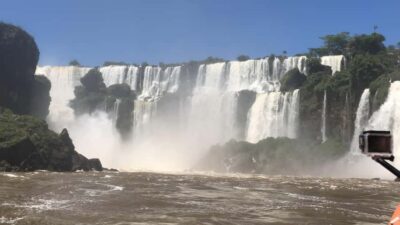 ★ 4.4Iguazu Falls: Gran Aventura Boat and Argentinian Falls TourFrom $170393 reviews
 ★ 4.6Puerto Iguazu: Iguazu Falls Argentinian Side Full-Day TourFrom $18334 reviews
 ★ 4.0Puerto Iguazu: Iguaza Falls Brazilian Side & Bird Park TourFrom $46260 reviews
 ★ 4.5Full-Day Tour to Iguazu FallsFrom $49249 reviews
 ★ 4.4From Puerto Iguazu: Argentinian Iguazu Falls with TicketFrom $91221 reviews
 ★ 4.2From Puerto Iguazu: Half-Day Brazilian Falls ExcursionFrom $27180 reviews
 ★ 4.1Iguazu in 2 Days: Argentina & Brazil Sides of Iguazu FallsFrom $86154 reviews
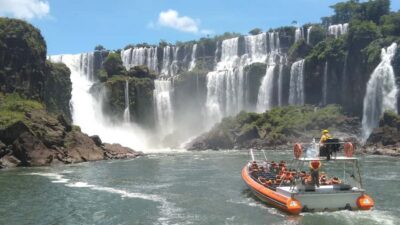 ★ 4.2From Puerto Iguazu: Argentinian Iguazu Falls with Boat RideFrom $197146 reviews
Lists this one is on