
REVIEW · SALINAS GRANDES AND HUMAHUACA TOURS
From Jujuy: Serranías de Hornocal with Quebrada de Humahuaca
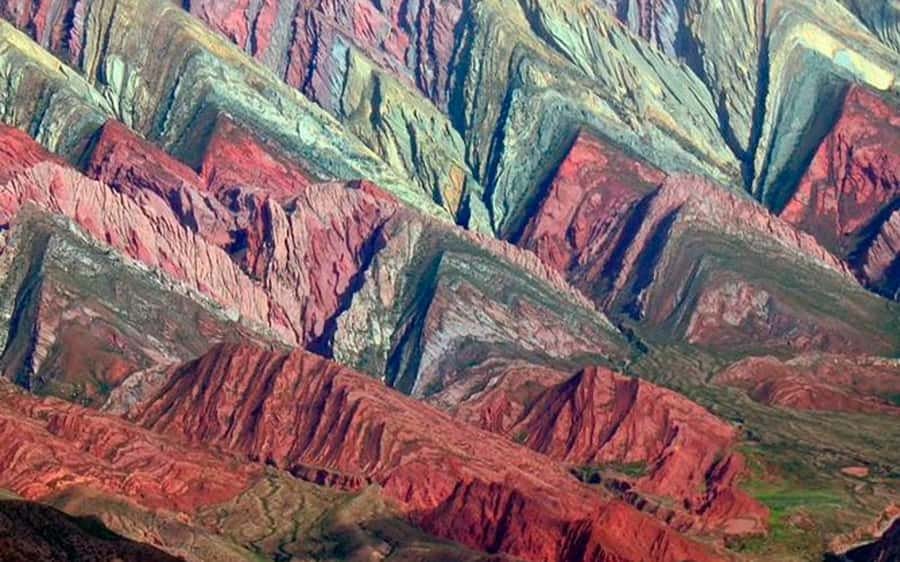
Hornocal can feel like a mirage of color. This day trip strings together the Hill of the 14 Colors and the Quebrada de Humahuaca UNESCO corridor, plus small towns you can actually wander.
I like how the route mixes big-photo moments with cultural stops, not just scenic driving. You also get a bilingual guide and round-trip transport, which matters when you are doing high-altitude roads in a group.
Two things I really enjoyed: the mineral colors at Hornocal, which come from thousands of years of oxidation, and the art and architecture stop in Uquía. The pace is not slow, though, so if you hate bus time or want hours of museum-style wandering, this may feel rushed.
One thing to consider before you commit: meeting point clarity and timing can be touchy on certain days. I recommend you build in extra time for pickup, and confirm the day before, because past departures have been reported as starting later or shifting around local events.
In This Review
- Key highlights you should care about
- Hornocal and the Hill of the 14 Colors: Why the Rocks Look Painted
- Quebrada de Humahuaca UNESCO Town Stops: Volcán, Purmamarca, Tilcara
- Uquía and the Arcabuceros Angels: Art in a 17th-Century Church
- Tropic of Capricorn and Maimará: Quick Stops With Big Payoffs
- Humahuaca Free Time and Lunch Reality for Llama Flavors
- Getting There, Timing, and the 127 km Road Ride
- Altitude, Footwear, and How to Enjoy Hornocal Without Gasps
- Bilingual Guide Value, and What to Do If Communication Slips
- Price and What You Actually Get for $63
- Who This Trip Fits Best
- Should You Book This Hornocal and Quebrada de Humahuaca Day Trip?
- FAQ
- How long is the tour from Jujuy to Hornocal and Quebrada de Humahuaca?
- Where do I meet the group?
- What language is the guide?
- Is lunch included?
- What is the maximum altitude reached?
- What are the main stops and sights included?
- Does rain cancel the excursion?
Key highlights you should care about
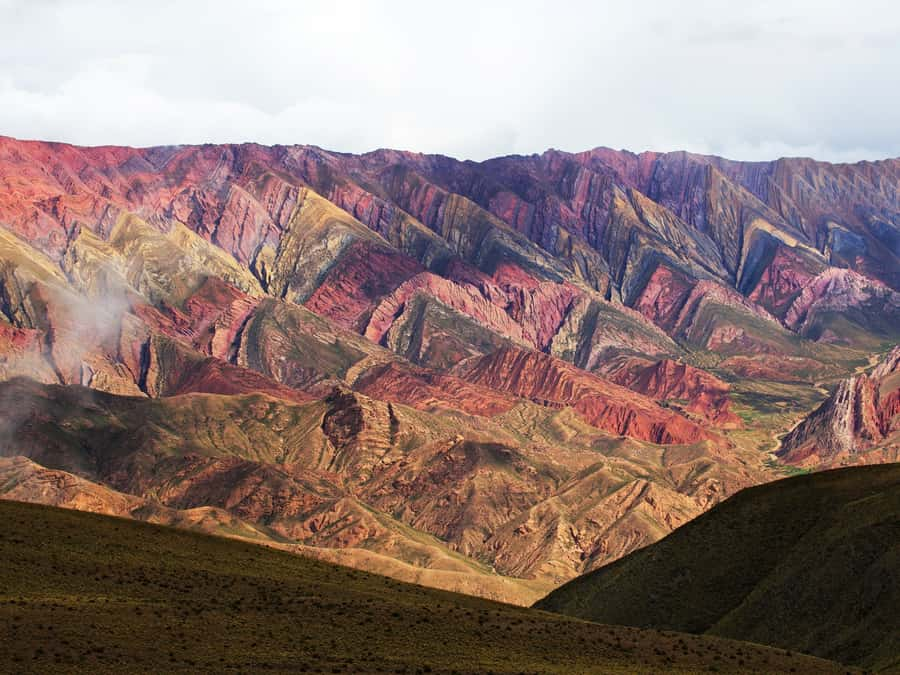
• Hornocal viewpoints with tight photo time, but high payoff
• Quebrada de Humahuaca UNESCO town stops and guided explanations
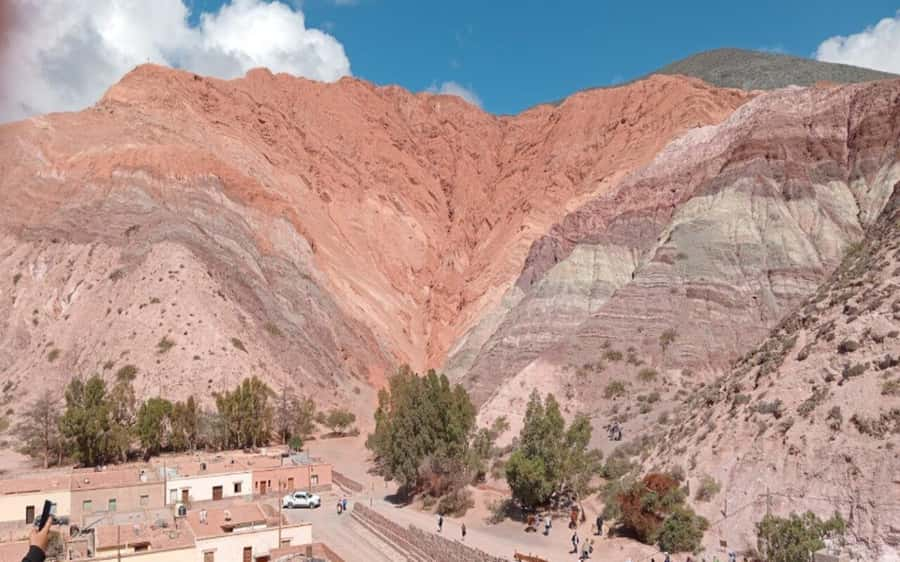
• Purmamarca and Cerro de los 7 Colores, classic North Argentina colors
• Uquía church and Arcabuceros Angels from Cuzco, Peru painted during colonization
• Humahuaca free time for walking and trying regional llama dishes, plus Carnival atmosphere
Other runs up the Quebrada
- From Jujuy: Serranías de Hornocal with Quebrada de Humahuaca
★ 3.9 · 44 reviews - From Jujuy: Salinas Grandes with Purmamarca
★ 4.2 · 34 reviews - From Jujuy: Day Trip to Quebrada de Humahuaca
★ 4.0 · 9 reviews - From Jujuy: Yala and Termas de Reyes Half-Day Tour
★ 3.8 · 3 reviews
Hornocal and the Hill of the 14 Colors: Why the Rocks Look Painted
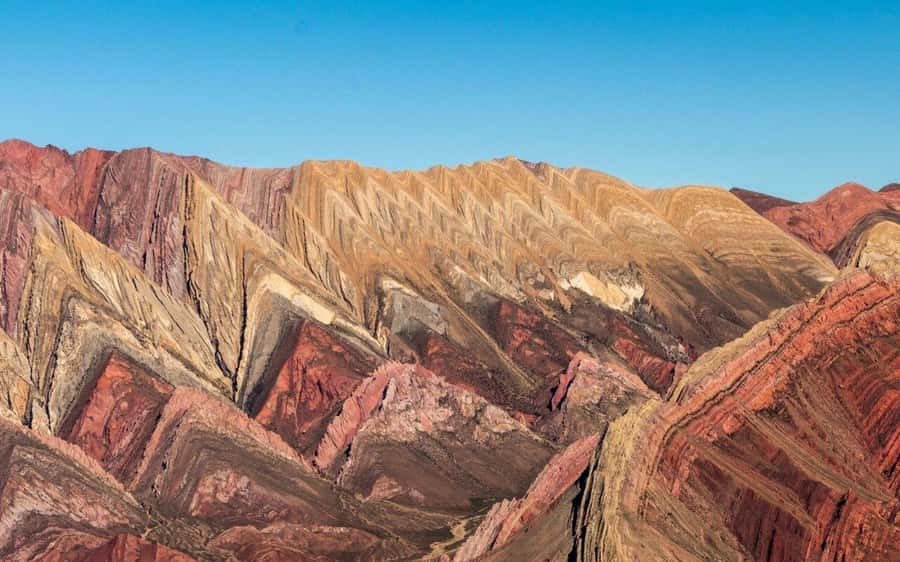
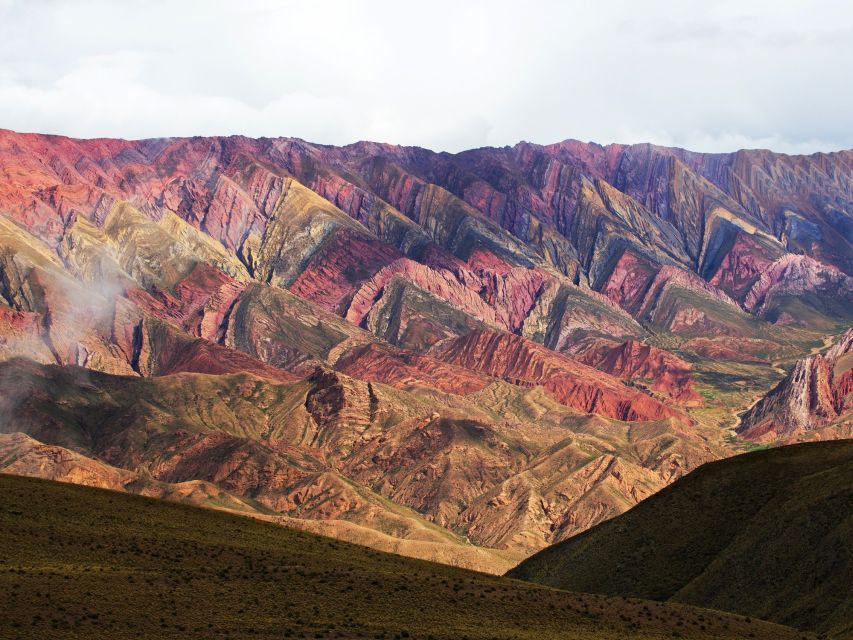
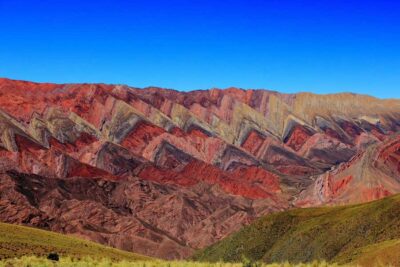
The main event is Serranías de Hornocal, where the mountains show bands of color that look almost too vivid to be real. The tour frames it in a clear way: the minerals have oxidized for thousands of years, and that process is what creates the rainbow effect you will photograph from the viewpoint.
What makes Hornocal special is the way the colors change with light and distance. If you arrive in the wrong position, the hills can look flatter. That is why the short walk and the guided spot matter, because your guide will help you angle yourself for the best view.
After you enjoy the Hornocal stop, you will head back the same way. Plan on spending more time than you expect on the road that day, since this area is far from Jujuy.
Quebrada de Humahuaca UNESCO Town Stops: Volcán, Purmamarca, Tilcara
This trip is really about a single corridor, the Quebrada de Humahuaca, and the towns that line it. The tour starts with quick positioning stops, then builds into the big color stations.
Volcán is brief, mainly a break and a chance to reset. Expect it to feel like a short pause, not a destination day in its own right.
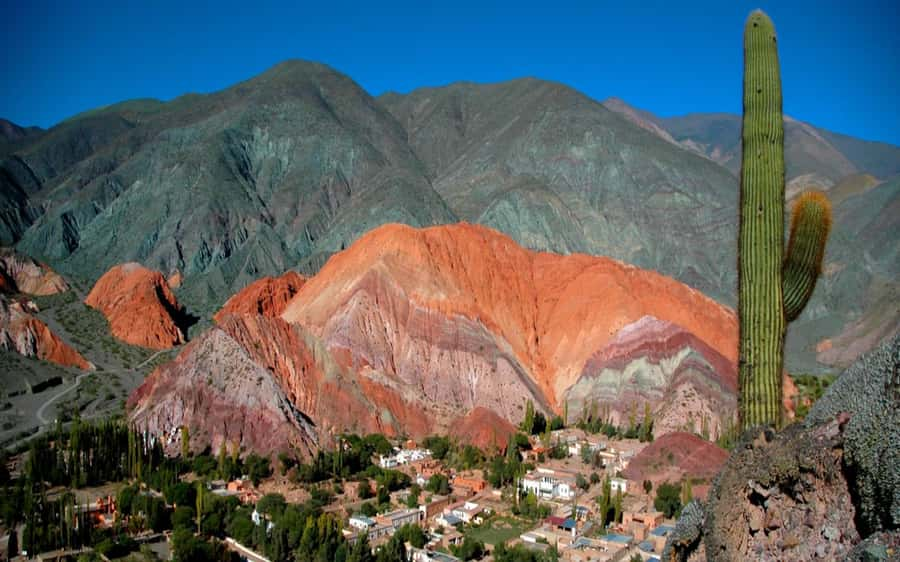
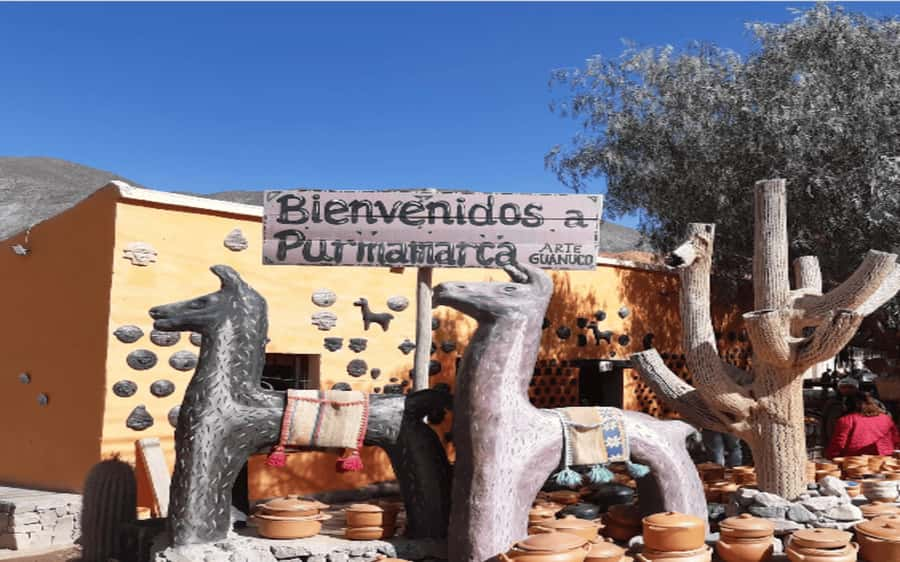
Then you roll into Purmamarca, where the classic star is Cerro de los 7 Colores. You get time for photos and shopping, plus a guided visit and a walk. I like Purmamarca because it is visual immediately, and it is easy to make sense of the colors even if you only have a short window.
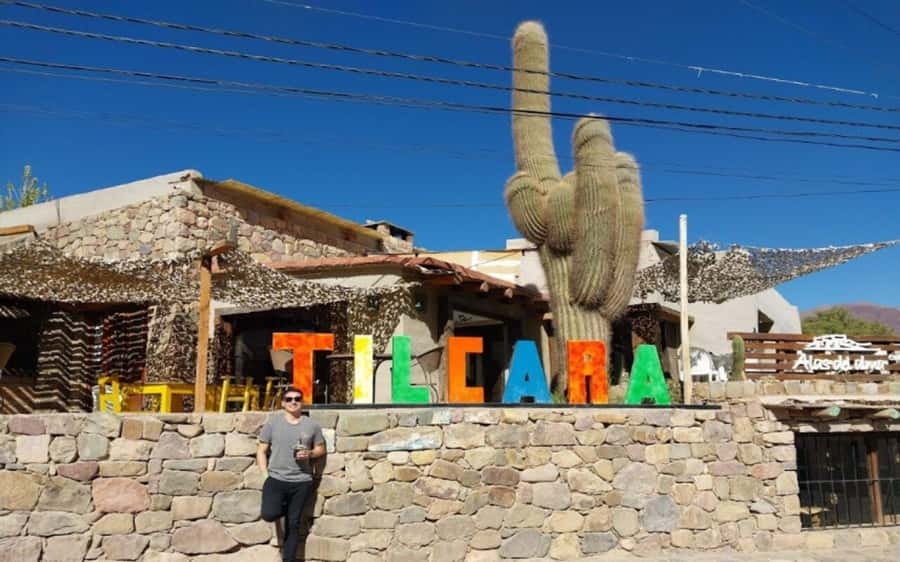
Next is Tilcara, a town that feels more lived-in than some roadside photo stops. You will have a photo moment, guided visit, and a short walk. If you like places where people actually work and buy things, Tilcara usually delivers more than you expect from a day trip.
The pattern stays consistent: you get enough time to wander a bit, and the guide gives context so the stops do not feel random.
Uquía and the Arcabuceros Angels: Art in a 17th-Century Church
If you want one stop that adds depth, it is Uquía. This is where the tour shifts from scenic driving to something you can linger over, even though time stays limited.
Uquía centers on the church of San Francisco de Paula, dating from the 17th century. Inside, you can see ancient paintings of the Arcabuceros Angels, said to come from Cuzco, Peru, and painted around the era of colonization.
I love this kind of stop because it changes the day from “look at mountains” into “understand how culture traveled.” Even if you are not a museum person, the idea of angels linked to a Peruvian artistic tradition is the kind of detail that makes a short church visit feel like it has weight.
You also get a little time for wandering and shopping around town, so you can mix quiet interior viewing with a quick look at everyday life outside.
Tropic of Capricorn and Maimará: Quick Stops With Big Payoffs
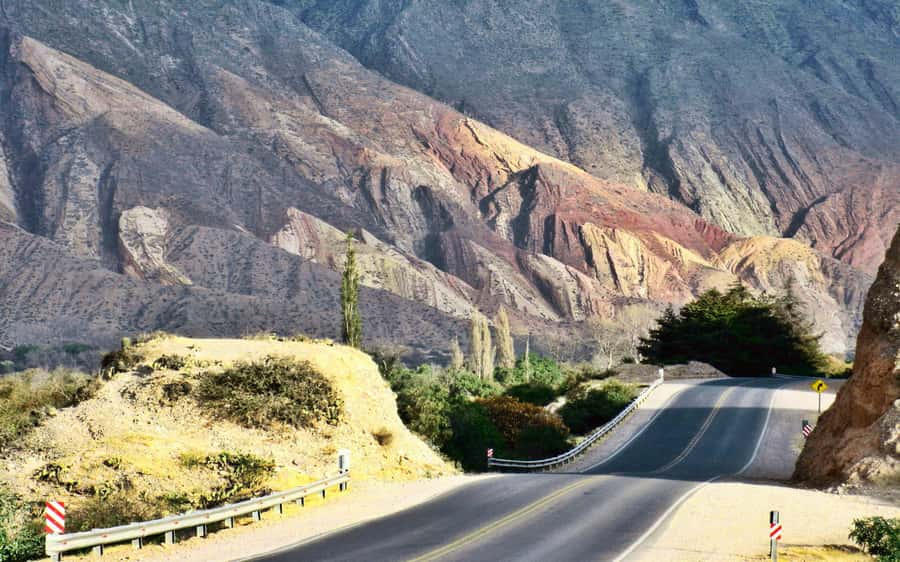
Between the main towns, you will make a couple of shorter calls that are easy to miss if you are not paying attention.
One is the Tropic of Capricorn at the sundial. You get a quick photo stop, guided explanation, and a short walk. It is brief, but it is a good way to orient yourself, and you get a physical marker for where you are on the planet.
Then there is Maimará, including the Paleta del Pintor viewpoint area. The tour gives you a short visit and walk, focused on more of those distinctive color forms. This is the kind of stop that is short by design, because the day is already packed.
These quick stops work best if you go in with the right mindset: treat them like bonus chapters, not full-length essays.
Humahuaca Free Time and Lunch Reality for Llama Flavors
Humahuaca is the largest town in the gorge and the place where the tour gives you real breathing space. You will have a mix of guided time and free time, and you should plan for lunch.
The tour specifically mentions that Humahuaca is a strong Carnival center. Even if you are not traveling during Carnival season, you can expect the town’s energy to feel tied to that celebration, and the streets tend to reflect it.
Food is on your own. The day is designed so you can try regional dishes, including llama meat. That is a great opportunity, but here is my practical advice: bring snacks or plan your lunch carefully, because the tour notes that there is no set restaurant stop with guaranteed time to eat.
Also, time is limited. If you want a long lunch, you might feel rushed. If you want a quick plate and a wander, Humahuaca is ideal.
Getting There, Timing, and the 127 km Road Ride
This is a 10 hour day trip, and the driving is part of the package. You will cover about 127 km round trip, with a schedule that includes lots of short stops and a couple of longer ones.
If you are sensitive to bus time, you will want to prepare for it. The tour description is clear that the sightseeing portion is roughly 8 hours, which usually means the “real” travel days starts early and ends later than you think.
Also, the routing depends on where you start from, since the tour may skip certain stops if you depart from Purmamarca or Tilcara. That can change your exact experience, so do not assume every traveler sees every single town.
One detail worth noting: once you arrive in Uquía, you board a 4WD vehicle for the Hornocal road. That adds a bit of adventure, but it also means the day has a physical rhythm, short transfers and then quick viewpoints.
Altitude, Footwear, and How to Enjoy Hornocal Without Gasps
The highest point during the tour is about 3,012 meters above sea level. That is not a “stay in bed” altitude, but you should take it seriously, especially if you are sensitive to thin air.
Bring comfortable shoes. The tour calls for comfortable footwear, including sports shoes, and that is exactly what you want for the short walks and viewpoint paths. At these elevations, even small steps can feel heavier.
Hydrate as best you can during the day. I also suggest going easy at Hornocal. If you push too hard trying to get the perfect photo angle, you will pay for it in breath and energy.
And even though this is not a long trek, you still want to move steadily. The colors are the prize, not your cardio workout.
Bilingual Guide Value, and What to Do If Communication Slips
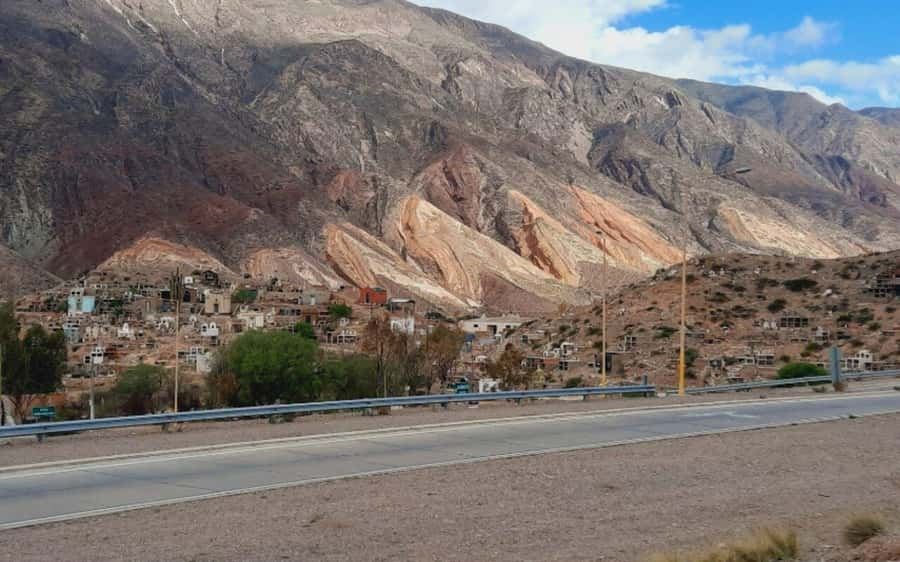
The tour includes a bilingual guide in Spanish and English. That matters here, because the stops are not just pretty. You get explanations for why the mountains look the way they do, what you are seeing at the Tropic of Capricorn area, and what makes the Uquía church paintings significant.
In one standout piece of feedback, a guide named Fabio was praised for making the Hornocal visit unforgettable. That is a strong clue that the guiding quality can be excellent on this tour.
But communication issues have also shown up, especially around local timing changes. If you are traveling during Carnival, do not assume the published schedule will behave like clockwork. Plan to confirm pickup the day before, and allow a buffer so you are not stuck waiting.
Because Hornocal and the gorge stops are time-dependent, delays can compress your time at viewpoints. If you want the best chance at photos, arrive prepared to adapt.
Price and What You Actually Get for $63
At $63 per person, this is not a bargain tour, but it can be good value for the route you get. You are paying for a full-day loop with transportation, guided stops, and multiple UNESCO-related locations.
You are not paying for meals. That is the main tradeoff. Foods and drinks are listed as not included, so your costs at lunch and snacks are on you.
Where the money often feels worth it is the combination of elements: Hornocal plus the Quebrada corridor plus cultural stops like Uquía. If you tried to piece this together on your own, you would likely spend more on transport and lose the guide context that helps you understand what you are looking at.
So for value, ask yourself a simple question: do you want a structured day that hits the key sights efficiently? If yes, $63 is reasonable. If you prefer slow travel with fewer stops, you may find the pace less satisfying.
Who This Trip Fits Best
This day trip is a great match if you:
• love North Argentina colors and want the Hornocal experience in one shot
• enjoy short guided stops that explain what you are seeing
• want a one day taste of UNESCO Quebrada de Humahuaca without renting a car
It might be less ideal if you:
• hate long bus or van rides
• want lots of unstructured hours in each town
• need consistent, trouble-free pickup timing without any uncertainty
Should You Book This Hornocal and Quebrada de Humahuaca Day Trip?
I think you should book if Hornocal is on your must-see list and you are comfortable with a full, time-tight day. The value comes from the mix of geology and culture, plus the fact that you do not have to organize transport or interpret stops on your own.
Book with a smart expectation: you will see a lot, you will not linger everywhere. If you are going to do it, do it prepared. Bring snacks or plan your lunch, wear good shoes, and give yourself extra wiggle room for pickup.
If you are the type who gets stressed by schedule changes, confirm details in advance and plan to be flexible the day-of. With that approach, this tour can deliver exactly what you want, the kind of color mountain day that you will keep thinking about long after you leave Jujuy.
FAQ
How long is the tour from Jujuy to Hornocal and Quebrada de Humahuaca?
The total duration is about 10 hours, with the sightseeing portion described as approximately 8 hours.
Where do I meet the group?
The meeting point is at the Vea Supermarket in Ciudad de Nieva, with an appointment time of 09:30 a.m. The tour also states pickup from San Salvador de Jujuy starting at 9 a.m.
What language is the guide?
The guide is bilingual, providing Spanish and English commentary.
Is lunch included?
No. Foods and drinks are not included, so you will need to budget for lunch or snacks.
What is the maximum altitude reached?
The highest altitude reached during the tour is about 3,012 meters above sea level.
What are the main stops and sights included?
Included highlights cover the Quebrada de Humahuaca, Purmamarca and Cerro de los 7 Colores, Tilcara, Maimará including Paleta del Pintor, Huacalera and the Tropic of Capricorn, Uquía, and Serranías de Hornocal.
Does rain cancel the excursion?
No. The excursion is not suspended due to rain or bad weather.
More Tour Reviews in Jujuy
Up the Quebrada, Again
Newest Jujuy write-ups on the desk
- From Jujuy: Yala and Termas de Reyes Half-Day Tour★ 3.8 · 3 reviews
- From Jujuy: Day Trip to Quebrada de Humahuaca★ 4.0 · 9 reviews
- From Jujuy: Salinas Grandes with Purmamarca★ 4.2 · 34 reviews
- From Jujuy: Serranías de Hornocal with Quebrada de Humahuaca★ 3.9 · 44 reviews
The rest of the Salinas Grandes and Humahuaca Tours list.
 ★ 4.6From Salta: Full-Day Trip to Salinas Grandes and PurmamarcaFrom $38914 reviews
 ★ 4.3From Salta: Salinas Grandes, Purmamarca & Los Colorados HikeFrom $43356 reviews
 ★ 4.4From Salta: Serranías del Hornocal & Hill of 14 Colors TourFrom $63339 reviews
 ★ 4.0Full-Day Tour Salinas Grandes and Purmamarca from SaltaFrom $35220 reviews
 ★ 4.4Full-Day Tour to Humahuaca from SaltaFrom $37140 reviews
 ★ 4.5Full-Day Tour to Salinas Grandes and Purmamarca From SaltaFrom $42118 reviews
 ★ 4.2Hornocal: Tour of the 14 Colors Mountain & Humahuaca´s GorgeFrom $6881 reviews
 ★ 4.2From Jujuy: Salinas Grandes, Purmamarca & Los Colorados HikeFrom $4275 reviews
Lists this one is on