
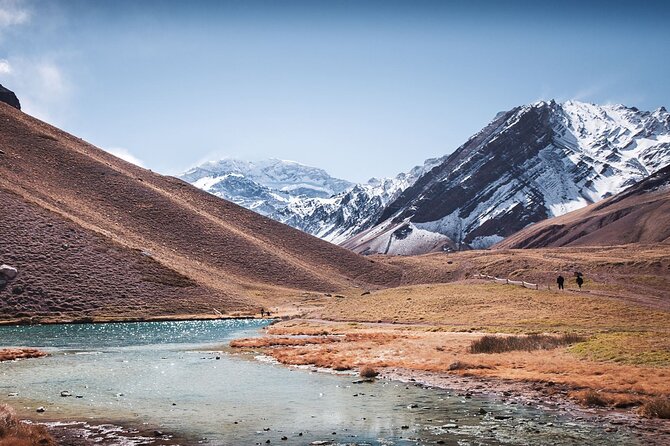
REVIEW · MENDOZA TOURS
Wonders of the High Andes from Mendoza
Route 7 turns Mendoza into mountain theater.
This full-day trip trades the headache of renting a car for a guided, air-conditioned drive with hotel pickup and drop-off (at select hotels). I especially like how it gets you out beyond the city, up into the high passes, and back again without you having to figure out unfamiliar roads or parking.
The second big win is the mix of sights: Huarpes and Inca-linked history, hot-spring scenery at Puente del Inca, and the dramatic Aconcagua viewpoint. One thing to plan around, though: the Cristo Redentor stop depends on weather and traffic, and it is only offered in the January to March season.
In This Review
- Key highlights to know before you go
- Mendoza to the High Andes, without the driving stress
- The morning start: Mendoza River, Cordon del Plata, and Potrerillos Dam
- Uspallata and the pre-Hispanic story: Huarpes and the Inca edge
- Puente Picheuta and the small mountain towns that frame the drive
- Los Penitentes viewpoint stop: ski-resort panoramas, entrance not included
- Puente del Inca: the hot-springs natural bridge moment
- The Aconcagua viewpoint: where photos meet thin air
- Las Cuevas and the Chile-border drive: the European-style village at altitude
- Cristo Redentor de los Andes: when it happens, when it does not
- How guides and language can affect your day
- Seats, timing, and the reality of a long day
- Food and drinks: budget for lunch, and plan around mixed quality
- Altitude and cold: your two biggest comfort risks
- Should you book Wonders of the High Andes from Mendoza?
- FAQ
- What time does the tour start in Mendoza?
- How long is the Wonders of the High Andes tour?
- Are hotel pickup and drop-off included?
- Is there an English-speaking guide?
- Are entrance fees included at the stops?
- Will the Cristo Redentor visit always happen?
- Is lunch or food included?
Key highlights to know before you go
- Small-group feel with up to 40 people, and a ride that usually feels easier than self-driving
- Route 7 viewpoints on a tight schedule, so you see more without running yourself ragged
- Puente del Inca and hot springs, a natural “architecture” moment with real character
- Aconcagua viewpoint time for photos, plus a long day that is built around seeing, not hiking
- Altitude matters, especially once you’re heading toward Las Cuevas and the Cristo area
Other Mendoza days, cellar and otherwise
- From Mendoza: 3 Wineries, Olive Oil Factory Tour & Tasting
★ 4.6 · 901 reviews - From Mendoza: High Andes Aconcagua Mountain Tour
★ 4.4 · 767 reviews - Mendoza: Sunset Horse Back Riding in the Mountains and BBQ
★ 4.9 · 515 reviews - Andes Day Trip from Mendoza Including Aconcagua, Uspallata and Puente del Inca
★ 4.5 · 419 reviews
Mendoza to the High Andes, without the driving stress
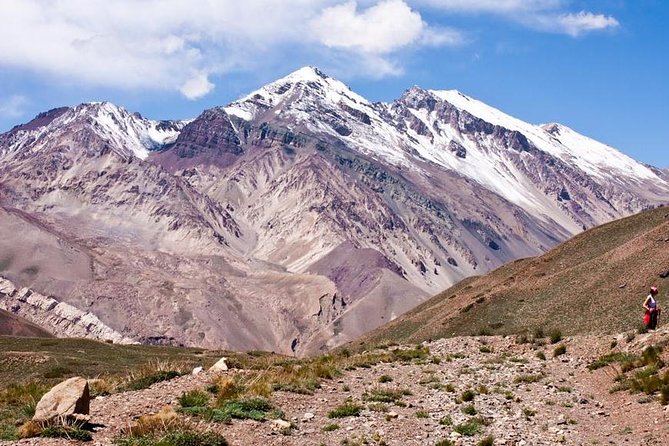
This is the kind of Andes day trip that makes sense if you want big scenery but you do not want to spend your morning learning bus stops, road rules, or where you can safely pull over. You start early from Mendoza, ride in an air-conditioned vehicle, and follow Route 7 through the mountains with a guide handling the stops.
At $67 per person, the value comes from the structure: you are paying for transportation, guide time, and the long-distance route. Food is not included, so you should budget for lunch and snacks. Still, the ticket price feels fair if you want a guided route to iconic stops like Puente del Inca and the Aconcagua viewpoint, where solo travel turns into a research project.
One more practical note: group size can cap at 40, and depending on numbers the vehicle may feel like a smaller van or a larger bus. Either way, seats can be snug for a long day, and you will likely spend a lot of time looking out the window.
The morning start: Mendoza River, Cordon del Plata, and Potrerillos Dam
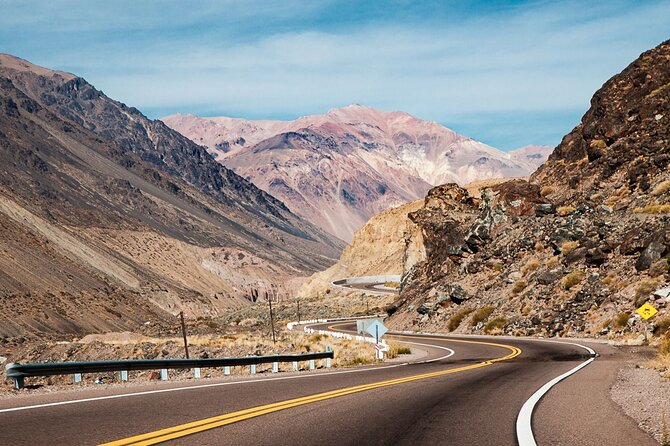
The day begins at 7:30am with pickup from selected hotels in Mendoza. Expect to be on the road early enough that you are already climbing while the city is still waking up.
The first stretch tracks the Mendoza River, with stops that connect the dots between scenery and how this region actually works. You pass the Cordon del Plata mountain area and the Potrerillos Dam, which is a key hydraulic project for generating power and distributing water for irrigation. If you have ever wondered why Mendoza can be both dry and productive, this is the real answer hiding behind the views.
This part is not about deep hiking. It is about getting oriented and letting you see the region’s mountain backdrop from multiple angles early, before the day grows long.
Uspallata and the pre-Hispanic story: Huarpes and the Inca edge
Once you reach Uspallata, you get your first culture stop. Here the focus shifts from water and geology to people and empires. You will see a pre-Hispanic settlement connected to the Huarpes, along with a spot tied to the southernmost reaches of the Inca empire.
Even if history is not your main reason for booking, this stop pays off. It puts names to places you will otherwise only see as scenery. And it helps you understand why this corridor mattered long before modern roads linked Mendoza to Chile.
Time here is short, so go in ready to absorb the big ideas. The guide is your best tool for turning a quick stop into something that sticks.
Options that climb further into the cordillera
Puente Picheuta and the small mountain towns that frame the drive
The itinerary then threads through the valley with a stop that covers the Picheuta area, including Villas of Picheuta, Polvaredas, and Punta de Vacas.
These are not major tourist showpieces in the way a big museum is. What makes them special is that they act like the frame around the mountains. You get a sense of everyday mountain life and the way travel corridors shape local towns. Plus, you are collecting viewpoints as you go, which matters because later stops compress time.
One drawback to accept: most of this segment is sightseeing from stops, not wandering freely. If you want long independent explore time off the bus, you might feel rushed later in the day too.
Los Penitentes viewpoint stop: ski-resort panoramas, entrance not included
Next comes a stop at Los Penitentes, the ski resort area. Even when you are not skiing, it is a solid place to pause because the views open up and the mountain scale becomes obvious.
The tour notes that entrance is not included, so you should treat this as a panoramic photo and view stop rather than a full resort visit. In winter, after fresh snow, the whole area can look different and more dramatic, but you should still dress for cold, windy moments, even if the day starts sunny.
If you plan to do any extra viewing inside the resort area, you would need to pay separately.
Puente del Inca: the hot-springs natural bridge moment
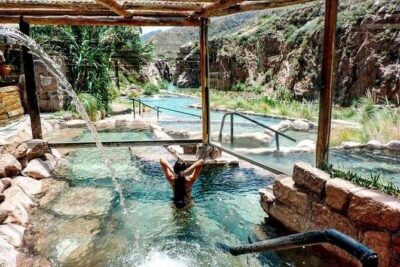
At Puente del Inca, you get a famous stop in a short time window. The highlight here is that natural “architectural” structure with hot-spring activity. It is one of those places where the visuals do the talking. You will recognize it quickly once you are there.
Time is about 10 minutes in the itinerary, so do not count on a slow stroll. The practical move is to check where the best angles are as you arrive, then take your photos quickly and comfortably.
Also, remember that for many people this is an early point where altitude can start feeling real. I would plan to take it easy: breathe, move slowly, and drink water.
The Aconcagua viewpoint: where photos meet thin air
After Puente del Inca, the drive continues along Route 7 until the Mirador del Cerro Aconcagua viewpoint. This is your classic “highest mountain in the western hemisphere” photo stop, with a planned 30-minute window to take pictures without being rushed off immediately.
This is also where the day reminds you you are playing at altitude. If you are prone to altitude sickness, start paying attention early. Some people feel it as the day climbs, and it can build if you keep moving too fast or do not hydrate.
A few practical tips that help here:
- bring layers you can take on and off quickly
- keep water handy in the vehicle
- take slow breaths when you step out, even if you feel fine at first
Las Cuevas and the Chile-border drive: the European-style village at altitude
Your next major stop is Las Cuevas, a village at about 3,200 meters (10,500 feet). Expect an hour here. This is where the tour really shifts into international-route territory, because you are heading toward the Chile side and the higher mountain corridor.
Las Cuevas is described as European-style, and the feeling is practical more than decorative: this is a mountain outpost built around the road and border crossing logic. People tend to use the time to stretch, take photos, and get ready for what comes next.
Between Las Cuevas and the area of the Cristo Redentor monument there is a path that visitors can use up to about 4,200 meters (13,780 feet). The itinerary frames this as part of the Cristo approach zone, and not as a separate, long hike.
If your goal is photos and a taste of the high corridor, Las Cuevas is the right kind of stop. If your goal is long walks at altitude, this tour is not built for that.
Cristo Redentor de los Andes: when it happens, when it does not
This is the stop everyone talks about, but it comes with a condition. The Cristo Redentor de los Andes visit depends on weather and transportation traffic, and it is only scheduled from January to March.
If the conditions are right, you will see a monument that symbolizes the union between Argentinians and Chileans. The time planned for the Cristo visit is about 1 hour, but your total return time can stretch. In summer, the excursion may end closer to 8pm rather than the typical late-afternoon return.
If Cristo is not included on your day, the tour still follows the high corridor up to the reachable points in the itinerary. The key is to manage expectations: the mountains decide the schedule sometimes.
How guides and language can affect your day
The tour includes a professional English/Spanish guide, and in practice the experience can vary depending on the individual guide and how they handle language flow.
On past departures, guides such as Federico have been praised for explaining in Spanish first and then repeating in English clearly. Other guides like Rocío, Esteban, Paula, and Hugo have led groups with strong communication, while some departures have used extra support to help non-Spanish speakers understand each stop.
So here is the realistic advice: if you are an English-only traveler, you should still be patient. This is a long route with multiple stops, and the best guides keep the pace understandable even in tough driving conditions.
Seats, timing, and the reality of a long day
This tour is about efficiency. It is built for a full 10-hour day with multiple stops, and that means you will spend meaningful time in the vehicle. Some people found the ride tight, especially on colder days when you are wearing layers that eat up seat space.
Here is what helps you feel better:
- wear warm clothes you can layer, even if Mendoza starts mild
- use a scarf or neck warmer, because the higher air can bite
- pack a water bottle and take small sips through the day
- if you can, bring a light snack for the ride so you are not waiting for lunch
You also want to accept that pickup and return are tied to a route that can include traffic delays. The itinerary lists an approximate return around 5:30pm in standard conditions, and later during the summer Cristo window.
Food and drinks: budget for lunch, and plan around mixed quality
Food is not included. You should expect to buy lunch somewhere along the route, typically in the Las Cuevas area or a stop tied to that portion of the itinerary.
In real life, this can be the most variable part of the day. Some people were happy with lunch value, while others found the meal options disappointing or overpriced. Since the tour price does not include food, you are not stuck paying for one set menu, but you do need to be ready.
My best advice: treat lunch as a flexible budget item. If you have dietary needs, it is smarter to bring a snack you can rely on. If you plan to buy lunch, look for something simple and filling, then save your energy for the viewpoints.
Altitude and cold: your two biggest comfort risks
Altitude is not a rumor on this route. You start in Mendoza at a lower elevation, but the drive ramps up fast. Las Cuevas is at 3,200 meters, and the Cristo approach zone is around 4,200 meters.
Some travelers have reported feeling altitude symptoms as early as mid-day stops. If you have had altitude issues before, talk with your doctor about prevention. One common tip is to consider medication based on your health situation, rather than trying to “tough it out.”
Cold is the other issue. Even when the valley feels comfortable, the higher corridor can be chilly and windy. Bring warm layers. A hat and gloves are not overkill.
Should you book Wonders of the High Andes from Mendoza?
Book it if you want an easy, guided way to experience the Mendoza to Chile mountain corridor. This is a strong fit when you:
- want to skip driving and focus on viewpoints
- enjoy road-trip scenery with short, meaningful stops
- are okay with a long day and limited free time at each location
- can handle altitude with simple precautions
Skip it or be cautious if:
- you are very sensitive to altitude and do not have a plan to manage it
- you need a lot of independent walking time, since stops are short
- you expect Cristo Redentor every time, because it depends on weather and traffic and is only offered in the January to March period
If you want the mountains without the logistics headaches, this tour does exactly what it promises, with the biggest upside being that you see the high Andes highlights in one efficient sweep.
FAQ
What time does the tour start in Mendoza?
The tour starts at 7:30am.
How long is the Wonders of the High Andes tour?
It runs for about 10 hours.
Are hotel pickup and drop-off included?
Yes, hotel pickup and drop-off are included for selected hotels.
Is there an English-speaking guide?
Yes. The tour includes a professional English/Spanish tour guide.
Are entrance fees included at the stops?
The itinerary lists admission ticket free for the stops shown, but Los Penitentes ski resort entrance is not included.
Will the Cristo Redentor visit always happen?
No. The Cristo Redentor de los Andes visit depends on weather conditions and transportation traffic, and it is only available from January to March.
Is lunch or food included?
No. Food and drinks are not included.
More Tour Reviews in Mendoza
Higher Up the Cordillera
Mendoza, Another Round
Newest Mendoza write-ups on the desk
- Wine Icons: Meet the sparkling world of Chandon★ 5.0 · 3 reviews
- Mendoza: Tour with tasting and lunch High Altitude Wineries★ 4.7 · 3 reviews
- Mendoza: Tango Show with Dinner at Hualta Winery Hotel★ 4.6 · 3 reviews
- Mendoza: Hiking, Meditation & Yoga in the Andes with Lunch★ 5.0 · 3 reviews
- From Mendoza: Atuel Canyon Day Trip★ 4.4 · 3 reviews
- Uco Valley, Mendoza: One-Day Private Wine Tour Experience★ 5.0 · 4 reviews
The rest of the Mendoza Tours list.
 ★ 4.6From Mendoza: 3 Wineries, Olive Oil Factory Tour & TastingFrom $34901 reviews
 ★ 4.4From Mendoza: High Andes Aconcagua Mountain TourFrom $63767 reviews
 ★ 4.3Mendoza: Half-Day Wine Tour with TastingsFrom $43727 reviews
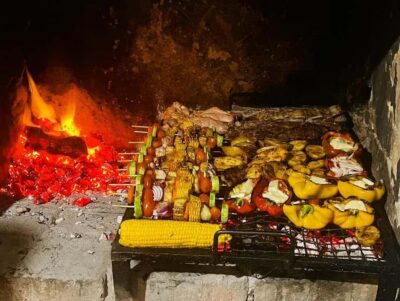 ★ 4.9Mendoza: Sunset Horse Back Riding in the Mountains and BBQFrom $120515 reviews
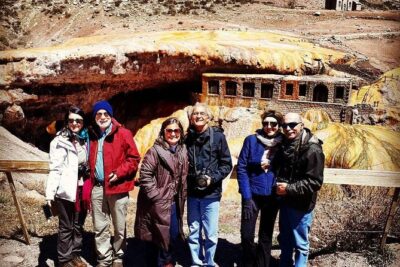 ★ 4.5Andes Day Trip from Mendoza Including Aconcagua, Uspallata and Puente del IncaFrom $75419 reviews
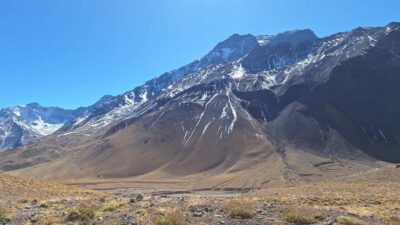 ★ 4.7From Mendoza: Andes High Mountain Full-Day TourFrom $60208 reviews
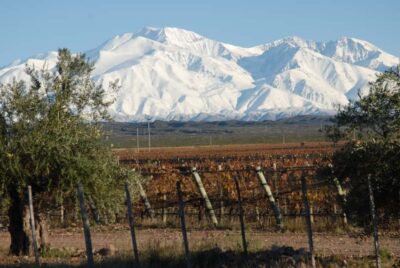 ★ 4.3Mendoza: Full Day Wine Tour with 3 Course LunchFrom $153153 reviews
 ★ 4.0Mendoza Hop-On Hop-Off Wine TourFrom $40130 reviews
Lists this one is on