
REVIEW · SALINAS GRANDES AND HUMAHUACA TOURS
Purmamarca: Hiking with Llamas through multicolored mountains
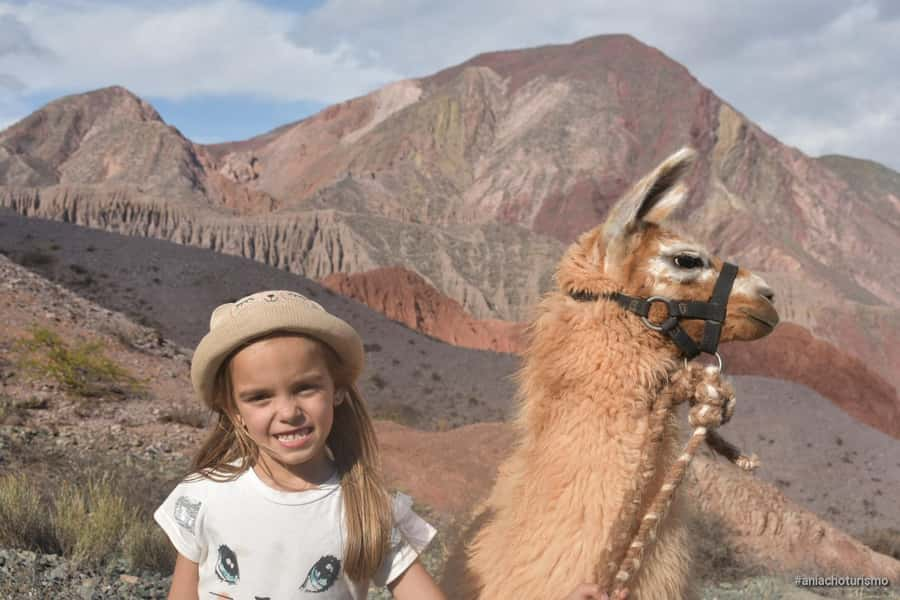
Purmamarca becomes personal fast. This 2 hour walk mixes gentle contact with llamas and a guided read of the multicolored hills, from geology to medicinal plants. It is nature time, with an Andean focus on reciprocity between people, animals, and the land.
Two things I really like: the close, respectful llama interaction (you do not ride them), and the way the guide ties the scenery to Andean cosmovision and Pachamama. On top of that, guides such as Fabrizio and Aniacho come across as attentive and comfortable with questions, which makes the whole experience feel smaller and calmer.
One thing to consider: this is not a fit for everyone. The route is not demanding, but it is not suitable for people with mobility impairments, wheelchair users, or people who need wheelchair access, and babies need to be carried in baby backpacks.
In This Review
- Key highlights to know before you go
- Purmamarca, multicolored mountains, and why the llamas matter
- Where the hike starts near town square access
- First contact: how llama handling works (and what you should expect)
- The colorful mountain walk: views plus geology talk
- Pachamama and Andean cosmovision, explained on the trail
- Route length, walking pace, and who this fits best
- The small-group advantage: comfort, photos, and guide attention
- What to bring for comfort in the Andes
- Practical expectations: photos, silence, and a calmer kind of adventure
- Price and value: what you get for your time
- Should you book the llama hike in Purmamarca?
- FAQ
- How long is the llama hiking experience in Purmamarca?
- Where exactly is the meeting point?
- Do I ride the llamas?
- What group size should I expect?
- What languages is the guide available in?
- Are there different walking routes for different ages?
- What should I bring?
- Are sandals or flip-flops allowed?
- Is the tour wheelchair accessible?
- What is the cancellation policy?
Key highlights to know before you go
- Small group up to 8 people, so you get real attention around the llamas
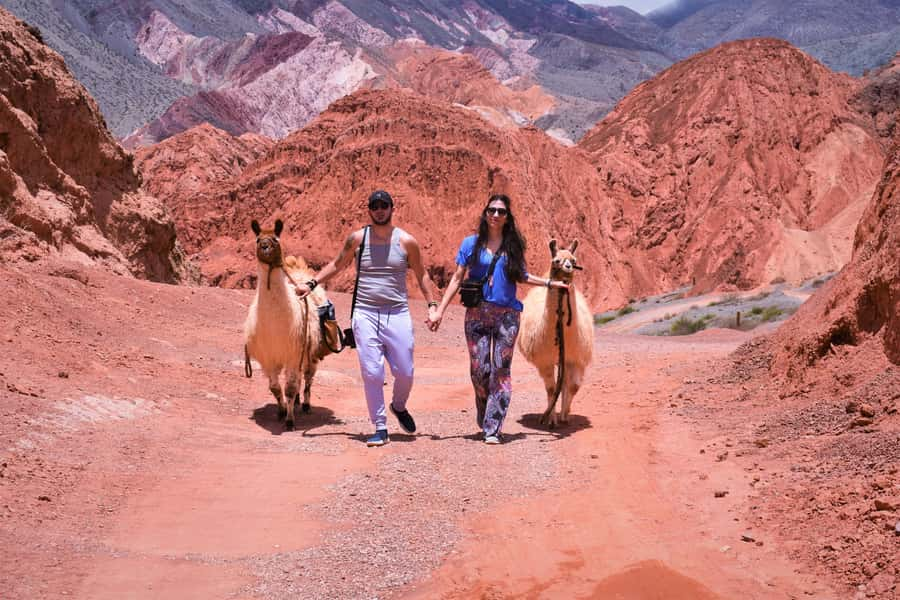
- No riding and no forcing, with guidance on how to hold and approach the animals
- 1.5 to 2 hours of easy to moderate walking, with circuits that fit different ages
- Colorful mountains plus real info, geology, flora, and camelid biology explained
- Photo and video friendly moments, plus direct llama contact
- Pachamama perspective, syncretism between humans and nature in plain language
Other runs up the Quebrada
- Salinas grandes by bike with lunch
★ 5.0 · 9 reviews
Purmamarca, multicolored mountains, and why the llamas matter
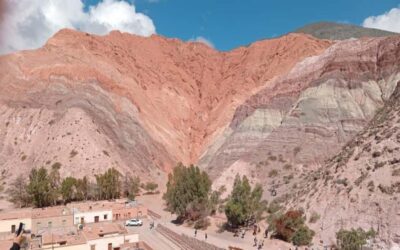
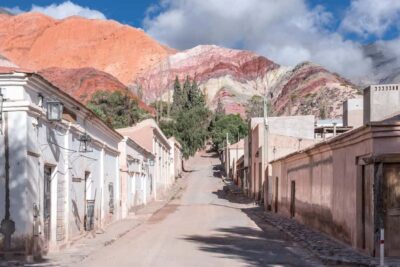
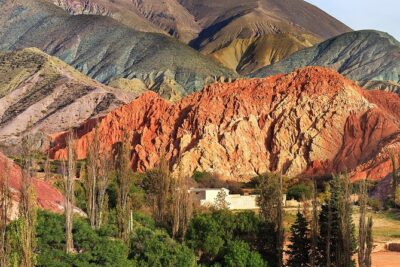
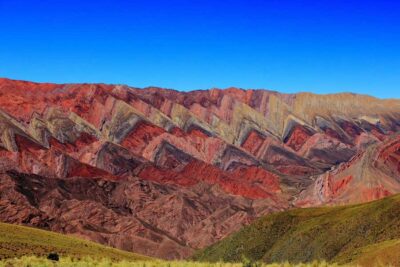
Purmamarca is known for those striped, color-banded mountains that look painted from certain angles. This experience uses that famous scenery as the stage, but it does not treat it like a photo backdrop only. The walk is built around reciprocity, meaning how you behave matters, and your interaction with the animals is part of the lesson.
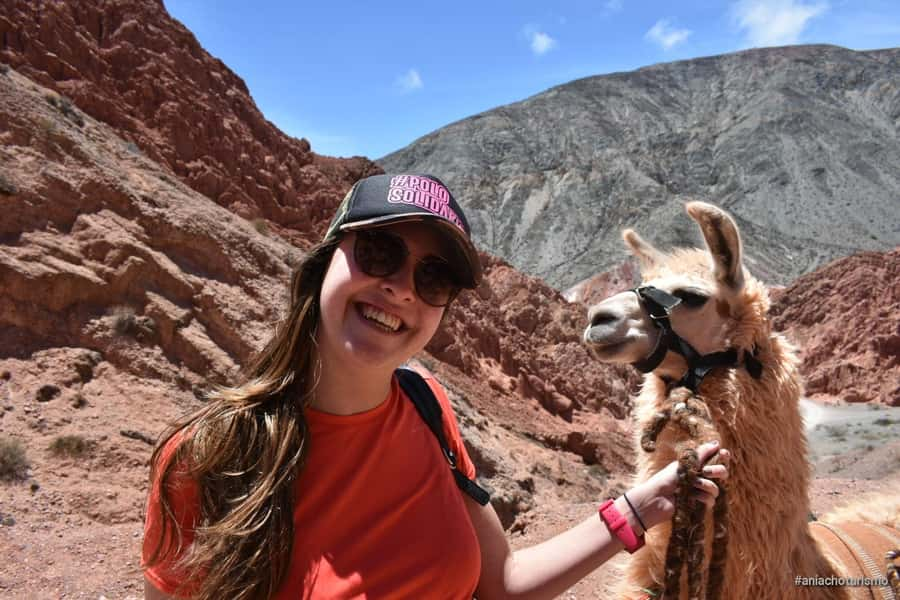
The llama element changes the pace. Before you even start walking, you are guided through contact, caresses, and handling. It is not a thrill-ride and it is not a performance. The goal is respectful closeness, with the guide setting expectations clearly: you will not ride the llamas, the animals are not hurt, and they are not made to act aggressively.
That respectful approach is why the experience tends to feel private even when you are in a group. The settings are open and outdoors, but the interaction feels controlled, calm, and safe, because the guide keeps you organized and teaches you what to do.
Where the hike starts near town square access
You meet at Paseo de los Colorados, on the cemetery side. The meeting spot is about 200 meters from Purmamarca’s town square, so it is easy to build into a day without complicated logistics.
If you like arriving prepared, this is the kind of tour where showing up ready matters. You will do a check for the supplies you brought, then you will start the contact with the llamas right at the meeting point. The tour also ends back at the same general area, about 200 meters from the main square, so you are not stranded far from town when you finish.
The location is simple, which helps when you are balancing other Purmamarca stops.
First contact: how llama handling works (and what you should expect)
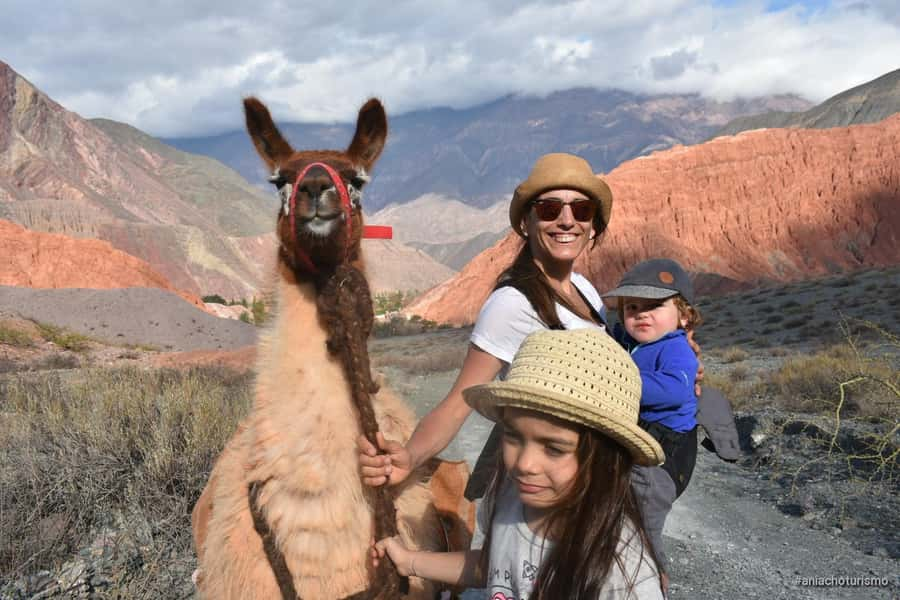
The tour begins with instructions, not chaos. You will learn how to hold the llama in a way that keeps things comfortable for both you and the animal. That matters, because a llama is a living creature with its own pace and comfort zones.
A few expectations are spelled out from the start:
- No riding at any time.
- The animals are treated gently, with no hurting.
- There is no pressure for you to do anything that risks stressing them.
- You are guided so the llamas do not become a problem.
You also get time for photos and videos once the interaction starts. The guide encourages direct contact, including caresses and embraces, in a way that feels more like a teaching moment than a zoo stop.
Physically, the walking is set up to be doable. The guide says the route is enjoyable based on participants’ conditions, and the circuits can vary depending on age and needs. That means the tour is not only for extreme hikers.
The colorful mountain walk: views plus geology talk
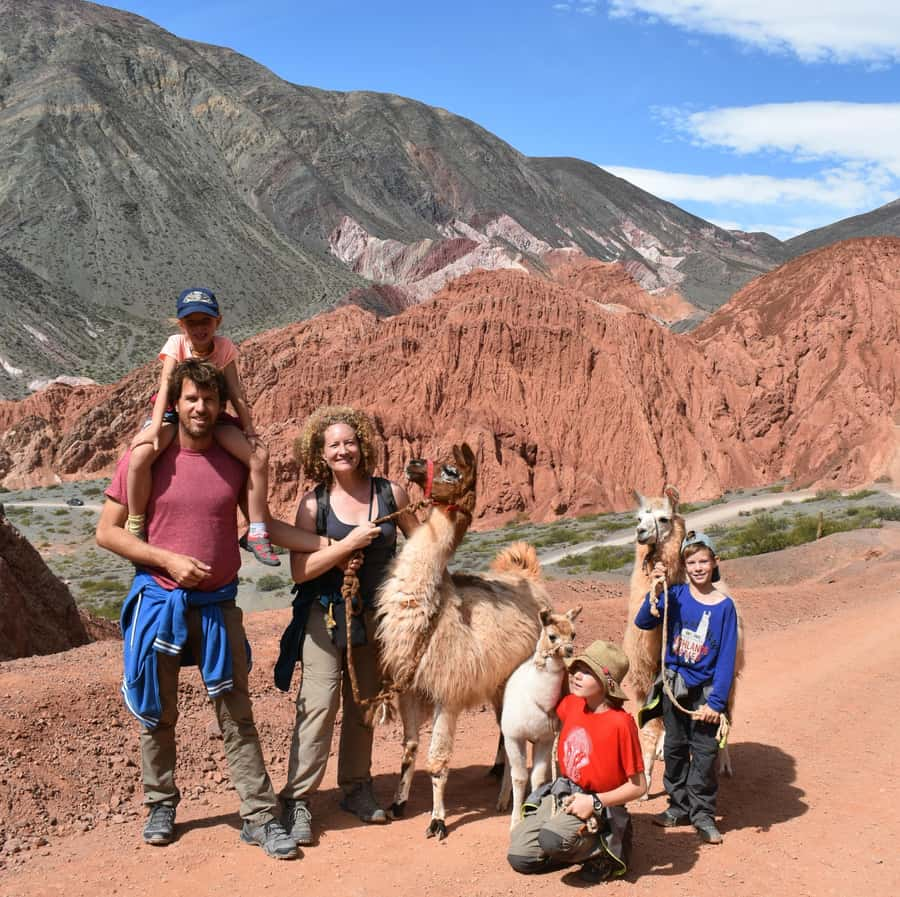
Once you start walking, you move through the multicolored mountain setting that Purmamarca is famous for. But the tour does more than show you the colors. Your guide explains what you are looking at, including geology and how the formation of these mountains connects to the Andean environment.
You will also get information on the flora, including medicinal uses. That detail changes how you see the hillsides. Instead of just admiring, you start noticing plants and learning why people in the region pay attention to them.
There is also a camelid biology component. You hear about what makes llamas unique, and why they fit into Andean life the way they do. When you combine that with the hands-on contact, it helps the llama encounter feel intentional, not random.
Pachamama and Andean cosmovision, explained on the trail
This tour leans into Andean cosmovision in a practical way. You do not just hear a few culture words and move on. The guide connects humans and nature, often referring to Pachamama, the idea of reciprocity and relationship with the living world.
You can think of it as a translation layer. The land is not treated as scenery only. It is treated as something you relate to, which is why the llama interaction is so central. If you approach calmly, follow guidance, and avoid forcing things, the whole walk becomes a quiet lesson in how people in the Andes understand their place in the natural world.
That is also why the experience often feels private and authentic. The group size stays small, the walk is not a race, and the guide’s role is to help you make meaning from what you see.
Route length, walking pace, and who this fits best
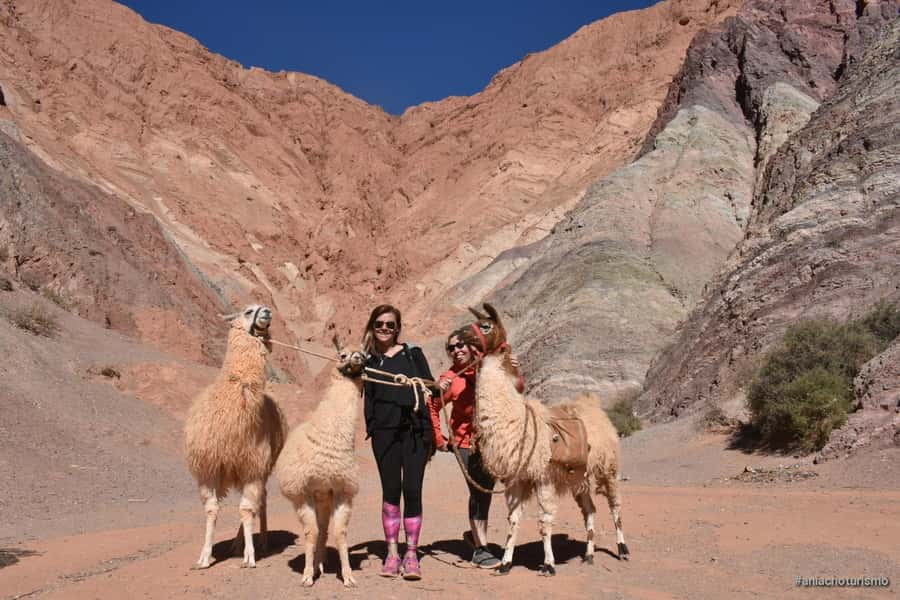
The service runs between 1.5 and 2 hours, and the overall duration is listed as 2 hours. That is long enough for a meaningful walk and real llama contact, but short enough that it does not eat the whole day.
The walking is not described as demanding. Adults and families with children of different ages can participate, especially because the guide offers different circuits for different needs. That said, the hike still happens in mountain terrain. You should expect uneven ground and plan for some walking.
This is a good match if you want:
- gentle outdoor time in Purmamarca
- up-close animal interaction that is respectful
- cultural context that is explained on the ground
- small-group attention, not a big production
It is not a good match if you:
- need wheelchair access, because the activity is not suitable for wheelchair users
- have recent surgery or significant mobility limits
- rely on assistance that cannot be accommodated on this walking format
The small-group advantage: comfort, photos, and guide attention
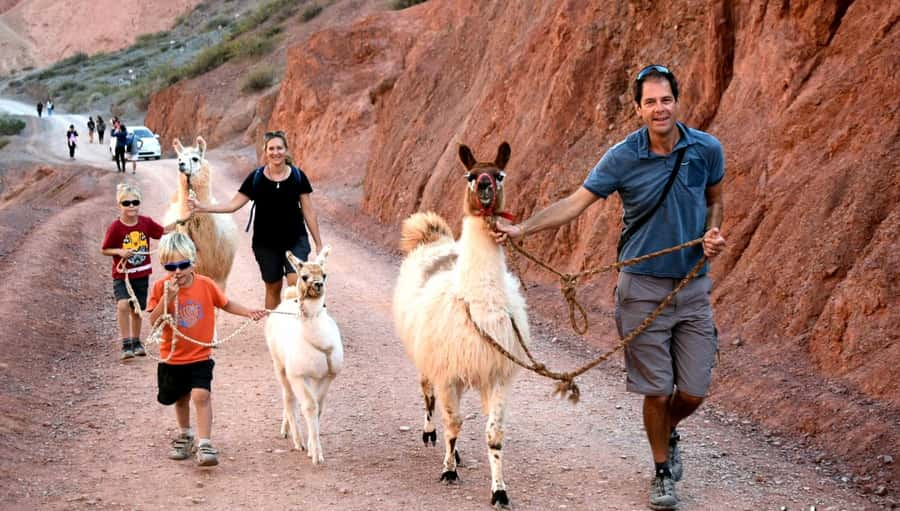
The group is limited to 8 participants, which makes a real difference when you are around animals. With smaller numbers, the guide can position people, check comfort, and manage the flow of interaction.
It also supports the photo factor. You get opportunities to take pictures and videos during the direct contact moments. And because the tour is guided, you are not guessing what angles or timing are best. You get permission to focus on memories, while the interaction stays guided and safe.
Guide style is a highlight here. Some runs feature guides such as Fabrizio, described as attentive and tuned to your questions. Others connect with guides linked to Aniacho Turismo, with a focus on making sure you are comfortable throughout. Either way, the vibe tends to be personal, not crowded.
What to bring for comfort in the Andes
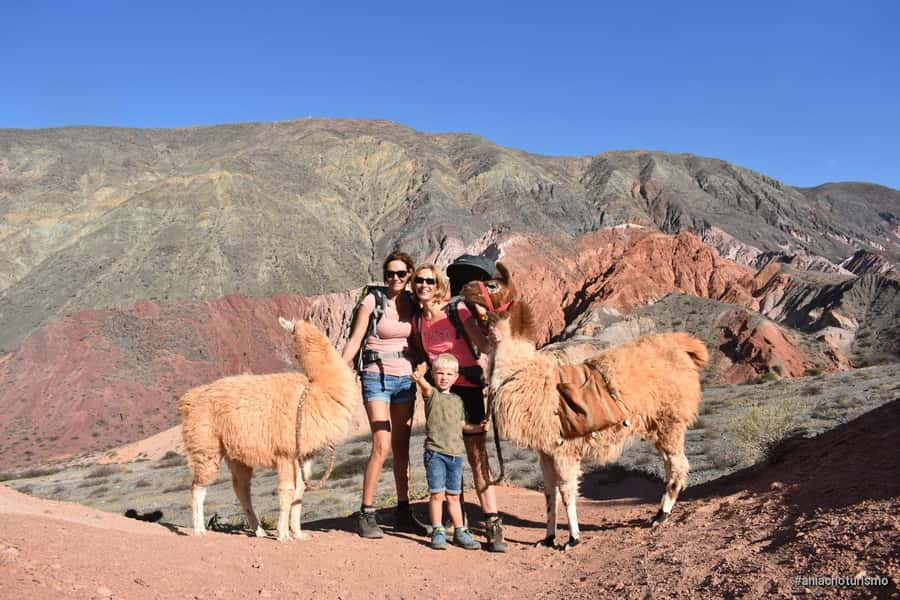
You will be outside, exposed to sun, and moving for up to 2 hours. Pack practical basics:
- Sun hat
- Water
- Biodegradable sunscreen
- Daypack
Footwear matters. Sandals or flip flops are not allowed, so bring closed-toe shoes that handle dirt and uneven footing.
Also plan around what the tour asks you not to bring:
- alcohol and drugs are not allowed
- baby carriages are not allowed
If you are traveling with a baby, babies under 1 year are not suitable. If babies participate in a way the tour allows, they must be carried in baby backpacks, and wheelchairs are not part of the plan.
Practical expectations: photos, silence, and a calmer kind of adventure
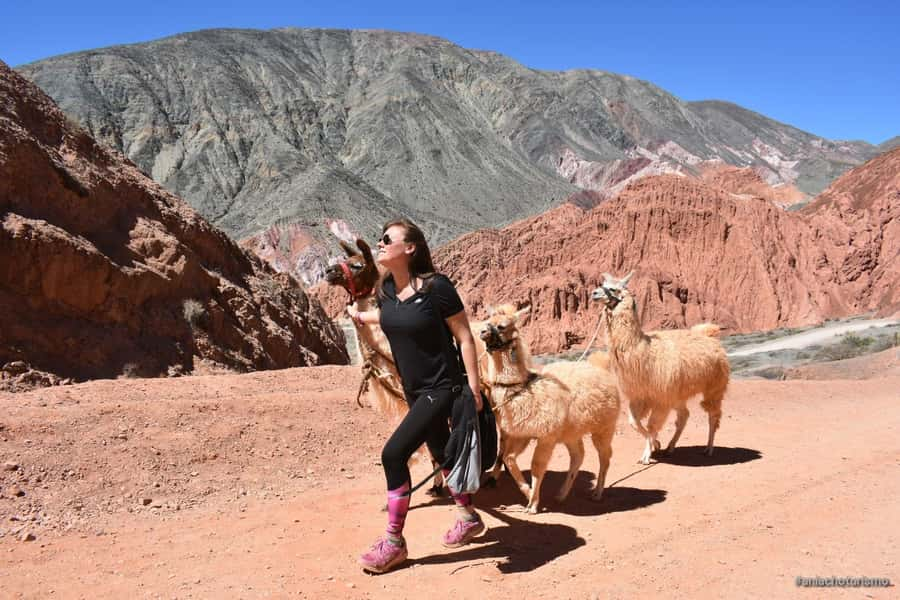
One of the best parts of this experience is the tone. The highlights include silence, privacy, and authenticity, and the structure supports that. Even with a small group, you are outside and moving through nature, not sitting in a classroom. The guide talks, explains, and checks in, but the overall rhythm stays calm.
So if you like adventures that feel real and not staged, this works. You get hands-on interaction with llamas, plus guided learning about geology, plants, and camelid biology, plus the cultural layer of Pachamama. It is a full package in a short time window.
Just remember it is not a horseback-style activity. It is a walk, and the llama time is about respectful contact, not riding.
Price and value: what you get for your time
No price is listed here, so I cannot compare numbers. But I can still talk about value. You are paying for three things that often cost extra when you piece them out yourself:
- a guided 1.5 to 2 hour walk with explanation of geology and flora
- hands-on llama interaction with instructions and oversight
- small-group attention limited to 8 people
That combination is the value hook. If you only wanted a scenic photo stop, you could wander around Purmamarca on your own. The value comes from having a guide who connects the views to Andean knowledge systems and helps you interact with llamas in a respectful way.
Should you book the llama hike in Purmamarca?
You should book it if you want a short, gentle outing that blends real nature time with animal contact and Andean context. It is especially worth it if you like small groups, you enjoy learning while walking, and you want your experience to feel calm and personal.
Skip it if you need wheelchair access, if mobility limits make uneven walking hard, or if you are traveling with a baby under 1 year. Also skip if you are hoping for a llama ride. This tour does not do that.
If you fit the walk, you get something rare: the colors of Purmamarca plus the sense that you are participating in a relationship with the land and animals, guided in a way that feels thoughtful instead of forced.
FAQ
How long is the llama hiking experience in Purmamarca?
The duration is listed as 2 hours, and it is described as taking between 1.5 hours and 2 hours depending on the circuit and participants.
Where exactly is the meeting point?
You meet at Paseo de los Colorados, on the cemetery side. It is about 200 meters from Purmamarca’s town square, and the coordinates provided are -23.74663543701172, -65.4992446899414.
Do I ride the llamas?
No. You do not ride the llamas at any time. The tour emphasizes that the animals are not hurt and you do not make demands on them.
What group size should I expect?
The group is kept small, limited to 8 participants.
What languages is the guide available in?
The live tour guide is available in English and Spanish.
Are there different walking routes for different ages?
Yes. The tour offers different circuits depending on age and needs, and the overall walk is described as enjoyable rather than demanding.
What should I bring?
Bring a sun hat, water, biodegradable sunscreen, and a daypack.
Are sandals or flip-flops allowed?
No. Sandals or flip-flops are not allowed.
Is the tour wheelchair accessible?
No. It is not suitable for wheelchair users, people with mobility impairments, or people who need wheelchair access.
What is the cancellation policy?
There is free cancellation up to 24 hours in advance for a full refund. You can also reserve now and pay later.
More Tour Reviews in Purmamarca
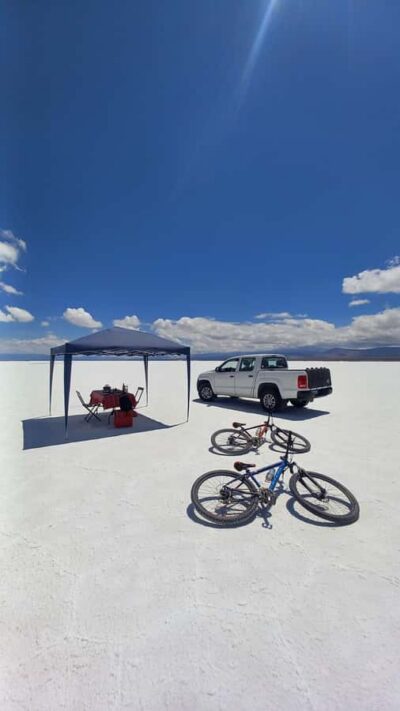
Up the Quebrada, Again
Newest Purmamarca write-ups on the desk
- Salinas grandes by bike with lunch★ 5.0 · 9 reviews
The rest of the Salinas Grandes and Humahuaca Tours list.
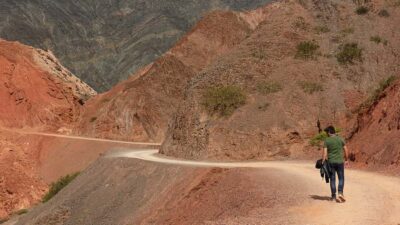 ★ 4.6From Salta: Full-Day Trip to Salinas Grandes and PurmamarcaFrom $38914 reviews
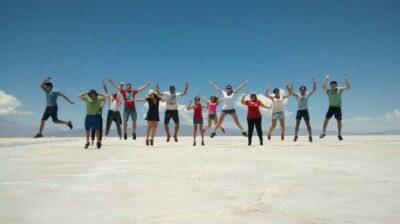 ★ 4.3From Salta: Salinas Grandes, Purmamarca & Los Colorados HikeFrom $43356 reviews
 ★ 4.4From Salta: Serranías del Hornocal & Hill of 14 Colors TourFrom $63339 reviews
 ★ 4.0Full-Day Tour Salinas Grandes and Purmamarca from SaltaFrom $35220 reviews
 ★ 4.4Full-Day Tour to Humahuaca from SaltaFrom $37140 reviews
 ★ 4.5Full-Day Tour to Salinas Grandes and Purmamarca From SaltaFrom $42118 reviews
 ★ 4.2Hornocal: Tour of the 14 Colors Mountain & Humahuaca´s GorgeFrom $6881 reviews
 ★ 4.5Quebrada de Humahuaca and PurmamarcaFrom $8675 reviews
Lists this one is on