
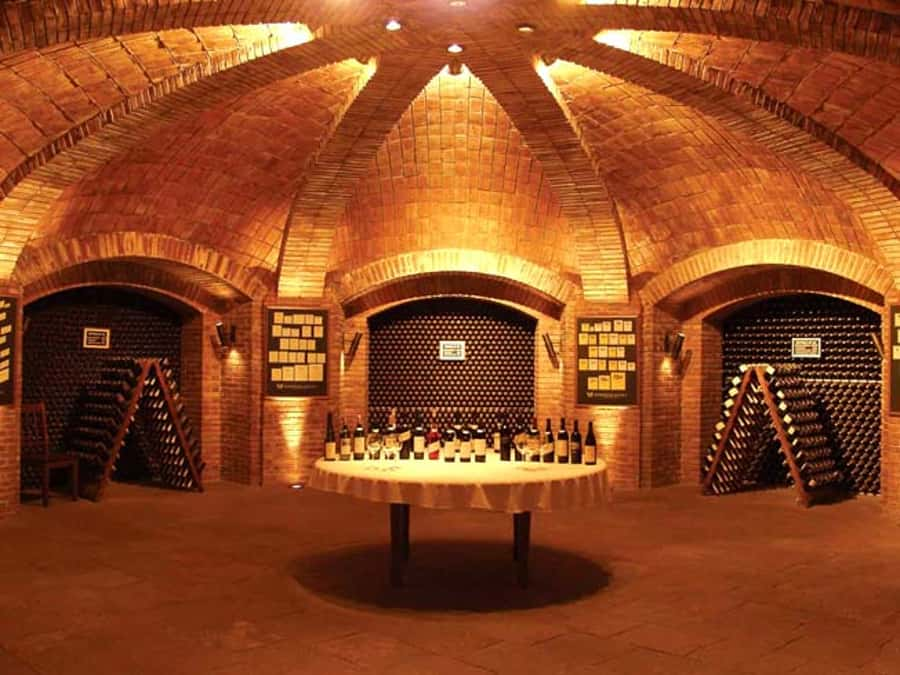
REVIEW · MENDOZA TOURS
Mendoza: Small-Group Wineries Tour with Tasting and Lunch
Wine country runs on schedules. So does this tour.
This Mendoza afternoon-and-evening combo is a practical way to get your bearings in Argentina’s wine world, with two winery visits plus an olive grove stop for tasting. I like how it mixes vineyards and cellars with the human side of winemaking, so Malbec is more than just a bottle on a list.
Two things I particularly like: you’ll see both traditional methods and modern technology, and you’ll get guidance from winery professionals while tasting. One consideration: the guide is mainly Spanish, with English only at the most important points, so plan on more listening than translation.
In This Review
- Key highlights you’ll feel immediately
- Why Mendoza’s winemaking story starts with water, not wine
- Pickup and the 8-hour rhythm in real Mendoza time
- Luján de Cuyo vineyards: the irrigation lesson that changes how you taste
- Inside the winery: traditional craft meets modern tech
- Tasting with purpose: how to get more from each glass
- Second winery in Maipú: why it helps to see more than one style
- The olive grove interlude: olive oil tasting without the wine overload
- Lunch of regional specialties: fuel for tastings and conversations
- Language reality check: Spanish-first guidance with key English moments
- What to bring for a smooth 2:30 pm start
- Price and value: is $539 per person worth it?
- Who this tour is best for
- Should you book this Mendoza afternoon wineries and olive oil tour?
- FAQ
- How long is the Mendoza wineries tour?
- Where does hotel pickup take place?
- Which wineries will we visit?
- Is the tour offered in English?
- Do we get wine tasting, and is there an age limit?
- Is lunch included?
- What should I bring, and what is not allowed?
Key highlights you’ll feel immediately
- Hotel pickup in downtown Mendoza keeps your afternoon stress-free
- Two wineries in Luján de Cuyo and Maipú gives you variety without feeling rushed
- Tasting at each visit helps you connect what you see to what you taste
- Olive grove and olive oil tasting adds a second local flavor to the day
- Lunch of regional specialties means you can focus on wine and stories, not hunger
Other Mendoza days, cellar and otherwise
- From Mendoza: 3 Wineries, Olive Oil Factory Tour & Tasting
★ 4.6 · 901 reviews - From Mendoza: High Andes Aconcagua Mountain Tour
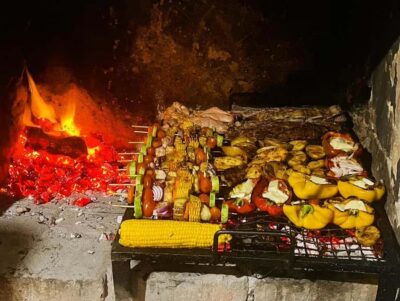
★ 4.4 · 767 reviews - Mendoza: Sunset Horse Back Riding in the Mountains and BBQ
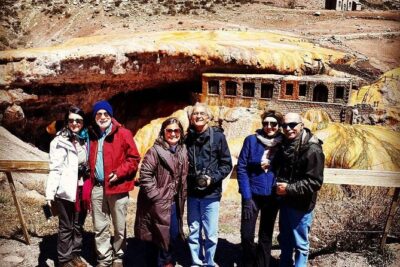
★ 4.9 · 515 reviews - Andes Day Trip from Mendoza Including Aconcagua, Uspallata and Puente del Inca
★ 4.5 · 419 reviews
Why Mendoza’s winemaking story starts with water, not wine
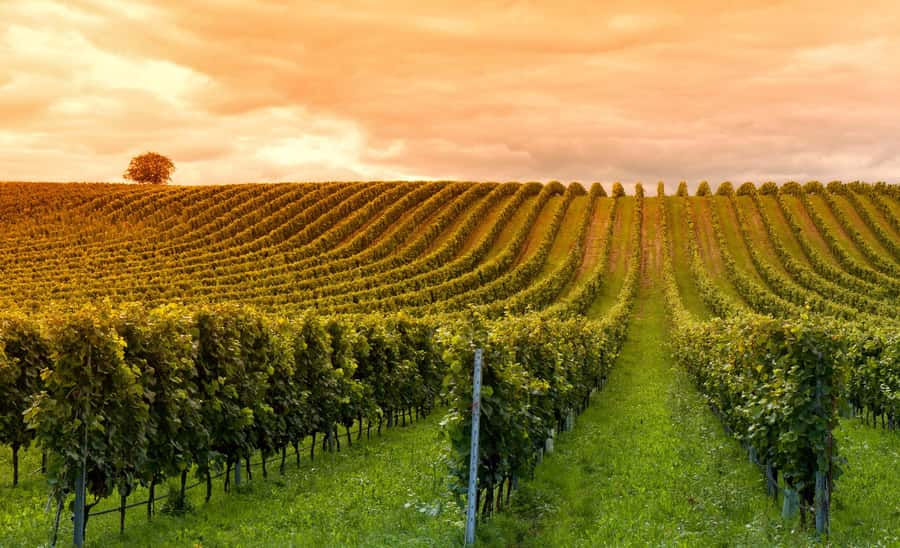
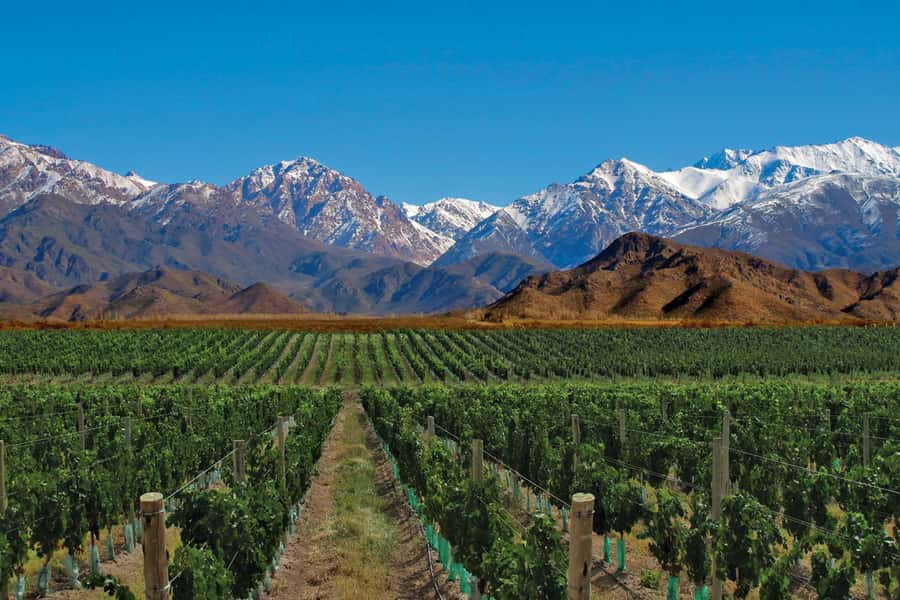
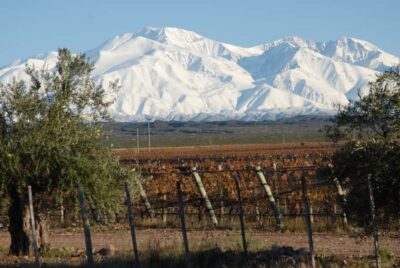
Mendoza Province is famous for Malbec, but the real foundation of the region is water management. The tour takes you through vineyard country in Luján de Cuyo and Maipú, where irrigation systems like canals and ditches helped transform a dry zone into a productive wine landscape. That context matters, because it turns a tasting into a lesson you can actually use.
I also like that this isn’t just a stop-and-sniff kind of tour. You’re walking through vineyards and cellars, learning how old and new winemaking approaches work together, then tasting the result. If you’ve ever had a wine that seemed complicated but wanted a simple way to understand it, this format helps.
The timing is another plus. Starting with a hotel pickup around 2:30 pm, you’re not stuck in a full-day bus marathon before you’ve even had lunch. You get an afternoon of vineyard views, winery explanations, tastings, and then you’re back in Mendoza with daylight still on your side.
Pickup and the 8-hour rhythm in real Mendoza time
This tour runs for 8 hours, and it’s built around a classic wine-country flow: travel, first visit, tasting, lunch break, second visit, and wrap-up. Pickup is included, but only from selected centrally located downtown hotels. If your hotel is outside the pickup area, you’ll be told the closest meeting point.
Here’s the practical truth: in Mendoza, the ride between stops is part of the experience. It’s not just transit. You’ll head toward the first winery, and the guide’s explanations land better when you’re moving through vineyard departments rather than staring at a map from your seat.
Wear comfortable shoes. You’ll be walking in winery areas, and surfaces can vary. Also, don’t plan to bring luggage. Large bags and luggage are not allowed, so pack light like you’re going out to dinner, not on a weekender.
Luján de Cuyo vineyards: the irrigation lesson that changes how you taste
Your day begins with a pickup from your downtown hotel, then you head toward the first winery in the Luján de Cuyo and Maipú areas. One of the most useful things you’ll learn early is how early inhabitants used irrigation techniques to reshape the desert into an oasis for agriculture.
That might sound like background trivia, but it affects what you experience at the winery. Water choices influence vine behavior, and vine behavior influences grapes, and grapes influence everything in the glass. When the guide talks through the vineyard work and the reasons behind regional methods, Malbec starts to feel less like a single product and more like a system.
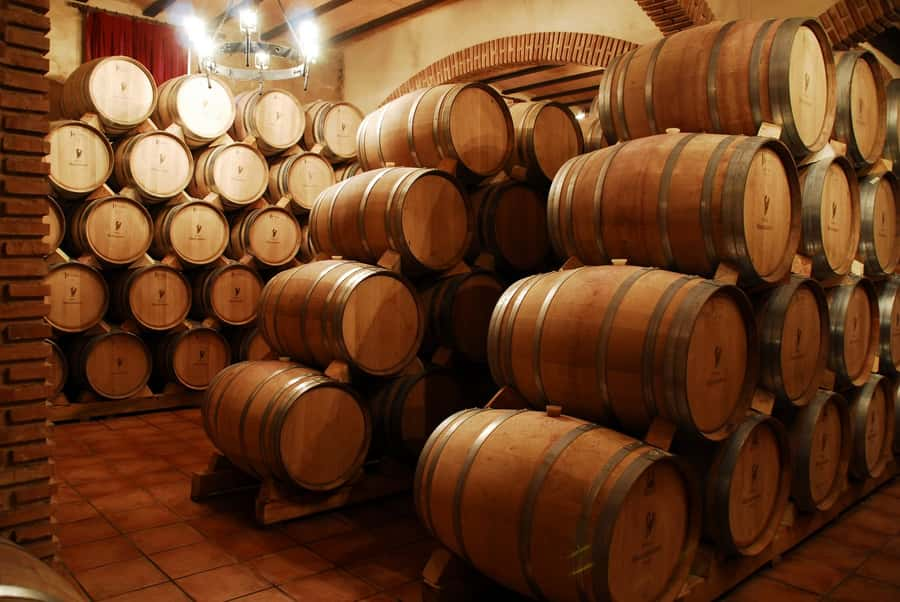
At this first stop, you’ll meet professionals in the wine-making process and tour parts of the operation where grapes become wine. You’ll likely walk through vineyard views and then move indoors toward cellar areas where the winemaking workflow becomes more concrete. This is where you get the storytelling that makes tastings more than just flavors.
Other things to eat and drink in Mendoza


Inside the winery: traditional craft meets modern tech
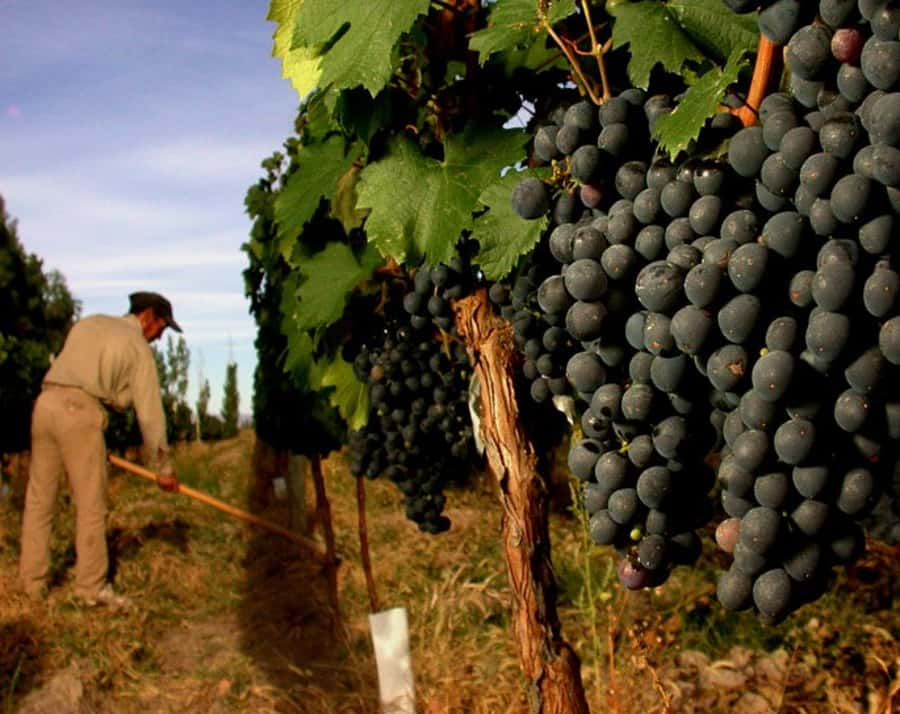
A big value point here is the balance between old and new. The tour is designed to show you winemaking methods that are traditional, along with the latest available technology used in the process. That matters because many visitors think of wine as a mystic craft, when it’s also a set of tools, measurements, timing, and decisions.
You’ll be guided by winery staff through parts of the process, and you’ll see how wines move from one stage to another. The experience specifically mentions you’ll be shown bottling and labeling methods, which is a detail people often skip on wine tours. It’s also helpful if you ever wonder why two bottles from the same region can taste different. Packaging choices, production steps, and quality controls connect to how the final wine feels.
Then comes the part that makes it real: tasting. At each winery visit, you’ll taste their wines. This is where I recommend you slow down and take notes in your head. Don’t try to memorize everything. Just ask yourself one question per glass: Does this taste like it came from careful choices, or did it feel more generic? The tour format makes that easier because you’re seeing the process while tasting.
Tasting with purpose: how to get more from each glass
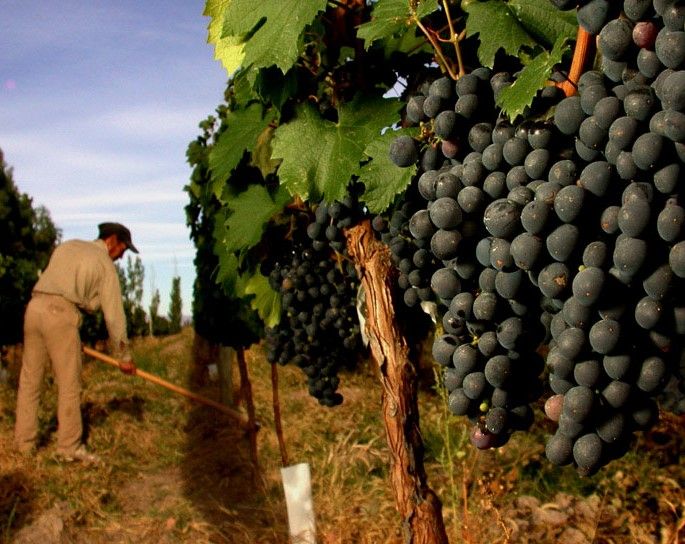
Because the itinerary includes tasting at every winery, you can turn the day into a mini comparison. Try this approach:
- Start with lighter, fresher styles if they’re offered, then move toward fuller wines.
- Notice acidity and body, not just aroma. Mendoza wines often show bold fruit plus structure, and your reaction to structure helps you understand style.
- Pay attention to how the winery staff explains the wine. You don’t need the technical jargon, just listen for what they emphasize.
The tour also specifies that the guided tour will be in Spanish, with English explanations at the most significant points. That’s a heads-up for how you should listen. Even if your Spanish is limited, the tasting itself is universal, and the key moments should include English clarification.
Second winery in Maipú: why it helps to see more than one style
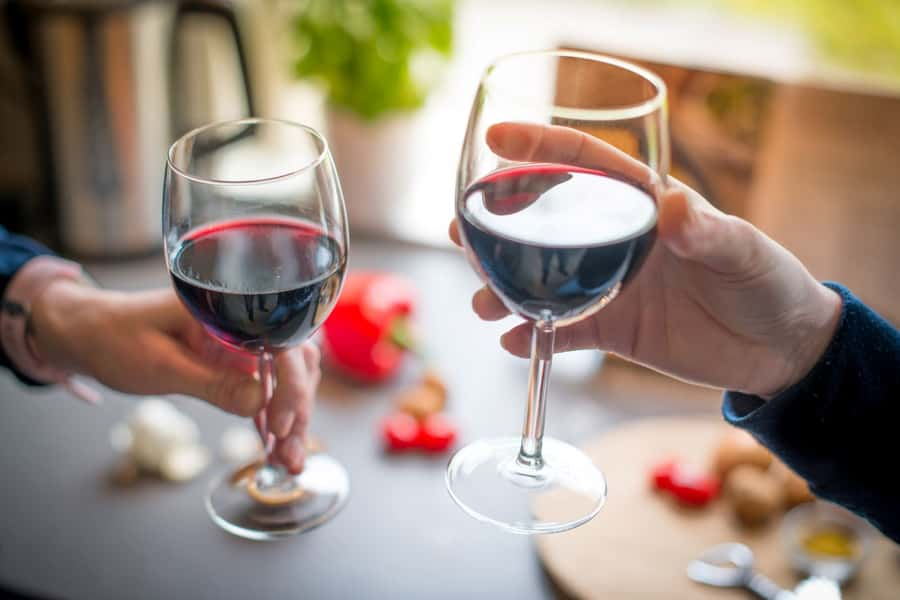
After the first tasting and stop, you’ll continue through Mendoza wine country into the second winery visit. The tour stays in the same general region, but using multiple departments and wineries helps you avoid the “same room, same script” feeling.
The second visit is where you can feel your preferences sharpen. One winery might focus more on traditional approaches, another might lean harder into technology or different production choices. You’ll get another tasting experience, and you’ll likely notice how the wines reflect their maker’s decisions.
The tour also highlights that you’ll see methods used for bottling and labeling. Seeing that twice at different wineries helps you connect the practical side of production with what ends up in your glass. It’s not glamorous, but it’s useful. If you buy wine, that kind of understanding can make your choices smarter at home.
The olive grove interlude: olive oil tasting without the wine overload
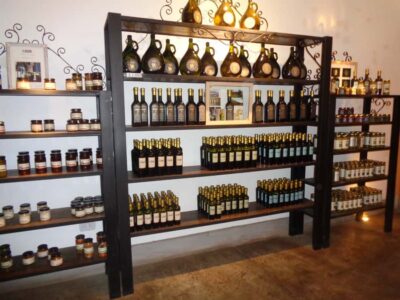
Between the winery stops, you’ll visit an olive grove and learn about the olive oil process, then you can try the olive oil. This is a nice break from wine-only tourism, and it’s more than a random add-on.
Olive oil gives you another local flavor to map onto your day. It also resets your palate, which can be a big deal if you’re tasting multiple wines in a row. When you switch from grape aromas to olive oil aromas and textures, your senses wake up again. You’ll go back to wine tastings with better awareness.
This stop also feels authentic because it highlights a different branch of Mendoza agriculture rather than treating everything as a wine museum. Even if you’re a die-hard Malbec fan, the olive oil tasting can make you appreciate the region’s broader food culture.
Lunch of regional specialties: fuel for tastings and conversations
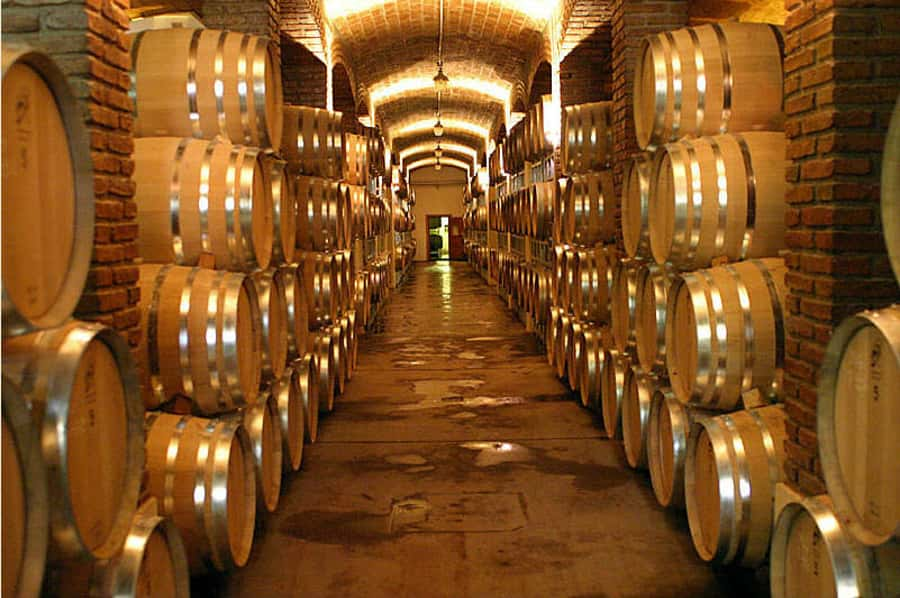
Lunch is included, and it’s described as a lunch of regional specialties. In other words, you’re not just getting a snack between tastings. You’re getting a meal designed for Mendoza flavors, which helps you enjoy the day rather than rushing through it while hungry.
A helpful detail from real-world experience here: Mendoza can surprise you with cool temperatures, especially as you move toward the Andes foothills. One of the practical tips you’ll hear is to dress for cold weather even if the calendar says summer. So, treat layers like part of the itinerary. If you get chilled, you’ll taste less, and you’ll enjoy the day less.
Plan to be comfortable during lunch, because you’ll likely sit and talk a bit with your guide or group before heading to the second winery. A solid meal also makes wine tasting feel more relaxed.
Language reality check: Spanish-first guidance with key English moments
This tour is labeled as English available only at the most significant points, while the guided experience is predominantly in Spanish. That’s not a deal-breaker, but it should shape your expectations.
If you want a tour where English is continuous and detailed, this may not fit. If you’re okay with a guided experience that uses English for key moments, you’ll still get value from:
- the visual parts of the tour (vineyard views, cellar steps, production areas)
- the wine tasting itself
- the professional winery staff explanations at the points that matter most
One tip: learn a few simple wine-tasting words in Spanish ahead of time, like taste and aroma equivalents. Even basic phrases can make your listening feel less stressful.
What to bring for a smooth 2:30 pm start
The essentials are straightforward:
- Passport or ID card
- Comfortable shoes
Also, pack smart. Since luggage or large bags are not allowed, use a small day bag or keep things minimal. You’ll be moving between areas and possibly getting in and out of the vehicle more than once.
If you’re sensitive to cooler air, bring layers. Mendoza’s temperature swings can be real, and that can affect how comfortable you feel on vineyard paths and in winery areas.
Price and value: is $539 per person worth it?
At $539 per person for an 8-hour small-group style winery day, the value comes down to what’s included and how much you get beyond “tasting only.”
You’re paying for:
- pickup and drop-off from selected downtown hotels
- two winery visits
- tasting at each stop
- an olive grove visit with olive oil tasting
- lunch of regional specialties
- professional winery guidance through production areas like bottling and labeling
In other words, you’re not just buying glasses of wine. You’re buying the logistics and the structure that links vineyards, cellars, tastings, and food. If you’re staying in Mendoza without your own car, hotel pickup alone can save time and hassle. And seeing two wineries plus the olive oil experience makes the day feel fuller than a basic half-day option.
The one way it might feel pricey is if you mainly want casual browsing and you’re not interested in learning the process. If you want deeper context behind Malbec and local methods, this tour’s format supports that.
Who this tour is best for
I think this tour fits best if you:
- want a process-based wine day, not just a wine tasting parade
- appreciate when wineries explain production choices, including traditional methods and modern technology
- like the idea of tasting two different winery perspectives in one afternoon
- are open to an olive grove and olive oil tasting, not only wine
It may be less ideal if:
- you need English throughout every explanation
- you dislike walking around vineyards and winery grounds
- you plan to travel with larger luggage
Also note the minimum age to taste wine is 18. So plan accordingly if you’re traveling as a group with younger adults.
Should you book this Mendoza afternoon wineries and olive oil tour?
If your goal is a well-structured Mendoza wine experience with hotel pickup, two winery tastings, and a regional lunch, I’d say it’s an easy yes. The itinerary is designed to teach you how the region works, why irrigation matters, and how modern and traditional winemaking can coexist. Add the olive grove and you get variety instead of repeated wine-only stops.
Book it if you’re the kind of traveler who enjoys asking questions, tasting with intention, and learning the “how” behind Malbec. Skip it if your Spanish limits you to the point where you want full-time English narration. In that case, you might prefer a different tour format.
FAQ
How long is the Mendoza wineries tour?
It lasts 8 hours.
Where does hotel pickup take place?
Pickup is included from selected centrally located hotels in downtown Mendoza. If your hotel is outside the area, you will be told the closest meeting point.
Which wineries will we visit?
You will visit 2 wineries in the Mendoza wine region, in the Luján de Cuyo and Maipú departments. The specific wineries are chosen based on availability.
Is the tour offered in English?
The tour is predominantly in Spanish. English explanations are provided only for the most significant points of the route.
Do we get wine tasting, and is there an age limit?
Yes. You’ll have wine tastings at each winery. The minimum age to taste wine is 18.
Is lunch included?
Yes. A lunch of regional specialties is included.
What should I bring, and what is not allowed?
Bring passport or ID card and comfortable shoes. Luggage or large bags are not allowed.
More Tours in Mendoza
More Tour Reviews in Mendoza
Mendoza, Another Round
Newest Mendoza write-ups on the desk
- Wine Icons: Meet the sparkling world of Chandon★ 5.0 · 3 reviews
- Mendoza: Tour with tasting and lunch High Altitude Wineries★ 4.7 · 3 reviews
- Mendoza: Tango Show with Dinner at Hualta Winery Hotel★ 4.6 · 3 reviews
- Mendoza: Hiking, Meditation & Yoga in the Andes with Lunch★ 5.0 · 3 reviews
- From Mendoza: Atuel Canyon Day Trip★ 4.4 · 3 reviews
- Uco Valley, Mendoza: One-Day Private Wine Tour Experience★ 5.0 · 4 reviews
The rest of the Mendoza Tours list.
 ★ 4.6From Mendoza: 3 Wineries, Olive Oil Factory Tour & TastingFrom $34901 reviews
 ★ 4.4From Mendoza: High Andes Aconcagua Mountain TourFrom $63767 reviews
 ★ 4.3Mendoza: Half-Day Wine Tour with TastingsFrom $43727 reviews
 ★ 4.9Mendoza: Sunset Horse Back Riding in the Mountains and BBQFrom $120515 reviews
 ★ 4.5Andes Day Trip from Mendoza Including Aconcagua, Uspallata and Puente del IncaFrom $75419 reviews
 ★ 4.7From Mendoza: Andes High Mountain Full-Day TourFrom $60208 reviews
 ★ 4.3Mendoza: Full Day Wine Tour with 3 Course LunchFrom $153153 reviews
 ★ 4.0Mendoza Hop-On Hop-Off Wine TourFrom $40130 reviews
Lists this one is on