
REVIEW · PERITO MORENO GLACIER TOURS
13-Day Best of Patagonia Tour from El Calafate to Ushuaia: Los Glaciares, Torres del Paine and Tierra del Fuego National Parks
Patagonia feels like three countries in one trip, and this 13-day route is the thread. I love the hassle-free mix of guided park days and real time on your own, plus the fact that you cover the biggest hits in both Argentina and Chile. The main drawback to plan for is that some days include self-paced travel between cities, so you will need to manage bus stations (and sometimes taxis) yourself.
You also get 12 breakfasts and 12 nights of lodging across five bases, which is a big deal in high-season Patagonia when finding rooms can be a chore. On the guided sides, names like Daniella (Perito Moreno), Nadia (Torres del Paine), Rodrigo (Beagle Channel), and Anita (Martillo Island penguins, when you add it) show up in real trip feedback as clear highlights. Still, not every day is a full guided group experience, and hotel quality can vary by stop, so set expectations for a practical, logistics-focused program rather than a single tight tour bus from start to finish.
In This Review
- Key things that make this Patagonia trip work
- The best part is the balance, not the nonstop itinerary
- Day 1 and Day 3 in El Calafate: settle in, then choose your sunset
- Los Glaciares and Perito Moreno: the glacier day is the showstopper
- El Chalten: where your free days become the real hike you choose
- Crossing into Chile: passport-ready, queues, and the rhythm shift
- Puerto Natales and Torres del Paine: a classic day with lots of big viewpoints
- Punta Arenas as a buffer: a calm base before Ushuaia
- Back into Argentina for Ushuaia, then Tierra del Fuego for the wild side
- Beagle Channel boat cruise: islands, mate, and Yamanas history
- Price and value: what you are paying for, and what you still fund
- Logistics that matter: bus stations, communication, and timing
- Hotel expectations: comfortable base, variable property quality
- Who should book this route, and who should skip it
- Should you book this 13-day Best of Patagonia from El Calafate to Ushuaia?
- FAQ
- What is included in the tour price?
- Are park entrance fees included?
- Do I need a passport for this trip?
- When does the tour operate?
- How do you travel between cities like Chile and Argentina?
- Is there free time or is everything guided?
- How large is the group?
Key things that make this Patagonia trip work
- Perito Moreno up close, with a boat cruise and glacier walkways, plus optional glacier hiking upgrades
- El Chalten flexibility, with free time to choose your own Fitz Roy and Cerro Torre trail level
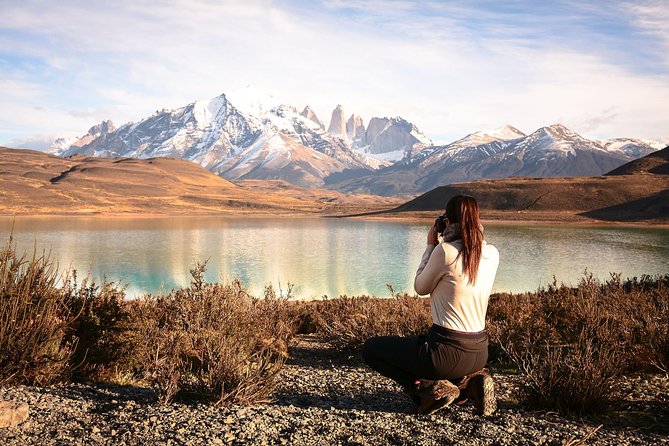
- Torres del Paine scenic day, including Milodon Cave and plenty of classic park viewpoints by vehicle
- Ushuaia and Beagle Channel cruise, with mate and island stops, plus optional penguin time at Martillo Island
- Tierra del Fuego off the main track, with guided hiking along the Beagle Channel and low-difficulty canoeing when conditions allow
- Small-group feel, with a maximum of 24 travelers across coordinated services
Other ways to stand in front of the ice
- El Calafate: Perito Moreno Glacier & Optional Boat Cruise
★ 4.7 · 2,586 reviews - El Calafate: Perito Moreno Glacier Trekking Tour and Cruise
★ 4.8 · 805 reviews - Calafate: Perito Moreno Glacier Guided Full-Day Tour
★ 4.8 · 155 reviews - El Calafate: Safari Azul Los Glaciares Trekking Tour
★ 4.8 · 123 reviews
The best part is the balance, not the nonstop itinerary
This program is built for people who want iconic Patagonia sights without spending days on spreadsheets. You do get guided excursions in the big parks, but you also get free blocks in El Calafate and El Chalten, which matters because Patagonia weather can change fast and travel days are tiring.
That balance is why the route feels efficient. It also means you should pack for variety: cloud cover, wind, and cold snaps can happen even when the forecast looks friendly. The trip runs seasonally from October to April, so you will be in the window where these park services are operating and where daylight helps for hiking and sightseeing.
Day 1 and Day 3 in El Calafate: settle in, then choose your sunset
You start in El Calafate at Comandante Armando Tola International Airport. You are transferred to your hotel by shared service, about 40 minutes, so you are not wasting your first evening figuring out routes.
On Day 1, your rest of the day is yours. El Calafate is made for wandering, browsing, and eating well without rushing. If you want an easy “first Patagonia win,” your hotel front desk can point you toward nearby options like Laguna Nimez, where sunset can be spectacular.
Day 3 is another full free day in El Calafate. This is where the tour earns its keep. Instead of forcing you into another booked excursion, you can:
- follow your own pace for photos and short walks
- rest if you feel the “Argentina travel day” fatigue
- plan the next hop to El Chalten without stress
Practical note: park days require timing and weather windows, so a flexible buffer helps.
Los Glaciares and Perito Moreno: the glacier day is the showstopper
The Perito Moreno visit is a full-day guided excursion into Los Glaciares National Park. The big draw here is that you do not just see the glacier from one angle. You get a close-up boat cruise, then you use the walkways (Pasarelas) to view the glacier from multiple platforms.
Perito Moreno is famous for its constant motion and frequent break-offs. One trip feedback detail was the loud cracking that can echo day and night, which is exactly what you should expect when the ice is doing its thing. The glacier is about 19 miles long (30 km), and the walkways are designed to help you appreciate scale.
Two important “plan this” items:
- The park entrance fee for Los Glaciares is not included (listed as ARS45,000.00 per person).
- Lunch is not included, even though the day includes time for a lunch stop inside the park.
Upgrade options also exist if you want to turn this from viewing into doing. You can request:
- Mini-Trekking on the glacier
- Big Ice excursions (hike on the ice)
If you are the type who likes hands-on experiences, these upgrades are the easiest way to make the glacier day feel personal. If you want classic viewpoints and photos only, you can skip them and still get a full glacier hit.
More days out of Calafate and Chalten


El Chalten: where your free days become the real hike you choose
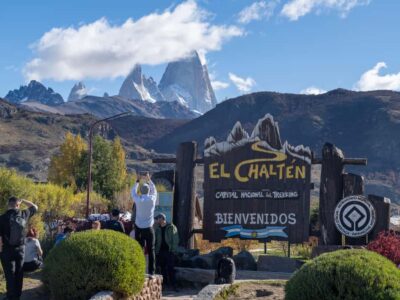
Getting from El Calafate to El Chalten is a shared transfer of about 3 hours. After arrival, you get the rest of the day free. That matters because El Chalten is all about trail access, and it helps to get your bearings before your “real walking” day.
Over your Chalten time, you effectively get two free-style days:
- one day after breakfast to explore trails on your own
- another day for a final morning hike, shopping, and general town time
Here is the best part: the tour does not trap you on one route. You can pick from trails ranging from short options to full-day hikes aimed at areas like Cerro Torre and Mt Fitz Roy (including border-crossing views between Argentina and Chile, depending on the trail plan). If you do a full day hike, you will want to bring lunch. The tour suggests exactly that, because you are in remote trail country.
Also worth knowing: if hiking is not your thing, there is an optional boat tour on Lago del Desierto (Desert Lake) mentioned as an alternate way to enjoy the scenery.
One more tip straight from real-world feedback: for popular Laguna trails, leaving early matters because return times and light can get tight before dark.
Crossing into Chile: passport-ready, queues, and the rhythm shift
On Day 7, you leave Argentina and head to Chile by public bus. This is where your planning habits matter. The tour explicitly asks you to keep your passport handy, because you are crossing an international border.
Your transfer to the bus station in Calafate is not included, so build in extra margin. The program also reminds you that transport between bus stations and hotels is generally on you, with taxis typically costing under $7 USD when needed.
A real Patagonia rhythm kicks in here. You lose some of the “easy hotel-to-hotel touring feel” and you trade it for a local-transport pace. That is not bad, it is just different. If you are the sort of traveler who hates uncertainty, you will want to:
- arrive early at the bus station
- double-check departure times and meeting points
- keep your documents organized
Puerto Natales and Torres del Paine: a classic day with lots of big viewpoints
After arriving in Puerto Natales, you have free time to explore this coastal town on your own. Then comes a guided full-day visit to Torres del Paine National Park.
This day is more vehicle-based than trail-based. You get scenic panoramas accessible by transport, with stops at classic areas like Grey Lake, Pehoe Lake, Salto Grande waterfall, Nordenskjöld Lake, and Amarga Lagoon. On the way, there is also Milodon Cave included as a natural stop, with the note that the cave entrance fee is not included.
The park entrance fee for Torres del Paine is not included (listed as CLP5,200.00 per person). Weather and wind can be intense here, so for this style of day, your best strategy is layers. You may be warm in the vehicle and then get hit by wind at viewpoint stops.
Wildlife spotting is part of the experience. Your guide points out animals such as wild guanacos, described as caramel-colored in the plains.
There is also an optional switch if you prefer more walking: you can request to change the Torres day to a full-day hiking tour.
A balanced truth from real feedback: this Torres day can shine when guiding is strong, and it can feel rushed if the schedule is tight. So if you care most about trail time, request the hiking option early when you book.
Punta Arenas as a buffer: a calm base before Ushuaia
Day 9 is another you-do-you day in Puerto Natales, and then you bus to Punta Arenas (about 3 to 4 hours). This is a good staging move because Punta Arenas is a hub with more connections and services than the smaller park towns.
In Punta Arenas, you get the day free. There is an optional upgrade for penguins on Magdalena Island, available mid-October through March 31. That option is specifically described as door-to-door transport with a navigation component and walking around the island, where Magellanic penguins live in large colonies.
If penguins are a must for you, this can be a strong add-on. If you want to rest, it also works as a lighter day before the Tierra del Fuego push.
Back into Argentina for Ushuaia, then Tierra del Fuego for the wild side
On Day 10, you take a full-day bus trip back into Argentina. The route crosses the Strait of Magellan before arriving in Tierra del Fuego Island, where Ushuaia sits.
Once you arrive, you stay in Ushuaia and the evening is for resting.
Then comes the Tierra del Fuego excursion. This is one of the most “active” days on the program:
- guided hiking along the Beagle Channel
- canoeing on the Lapataia River to Lapataia Bay
- lunch included on the day
Canoeing is described as low difficulty, but it is subject to weather conditions, so you should treat it as weather-dependent rather than guaranteed. Also note the park entrance fee for Tierra del Fuego is not included (listed as ARS30,000.00 per person).
If you want a less predictable, more local-feeling day than the big park-view loop, this excursion is built for you.
Beagle Channel boat cruise: islands, mate, and Yamanas history
Day 12 is a Beagle Channel cruise from the pier, with transport to the pier not included. The day includes:
- panoramas of Ushuaia Bay
- marine wildlife viewing such as cormorants and fur seals at De los Lobos and De los Pajaros islands
- a look at Les Eclaireurs Lighthouse, built in 1919
- island walking on Bridges Isles, with history about the native Yamanas
During the cruise, you get included snacks and a glass of mate, which is a fun cultural touch. Real feedback also called out how informative a guide named Rodrigo was on this type of outing.
There is another optional upgrade if you want penguins at peak season: the Magellanic Penguin Rookery visit on Martillo Island. It is described as available from October to April and also July to mid-September. If you add it, this becomes one of the most memorable “wildlife by the waterline” days of the entire trip. A guide named Anita is specifically mentioned as pleasant and informative for this penguin stop.
Price and value: what you are paying for, and what you still fund
The listed price is $2,302.06 per person for about 13 days, including:
- accommodations totaling 12 nights
- daily breakfasts (12)
- selected guided excursions in the big parks
- one included lunch (during the Tierra del Fuego day)
- snacks and mate during the Beagle cruise
- transfers described in the plan, plus international bus segments
What is not included is just as important:
- Los Glaciares entrance fee: ARS45,000.00 per person
- Torres del Paine entrance fee: CLP5,200.00 per person
- Tierra del Fuego entrance fee: ARS30,000.00 per person
- port tax (approx. $2 USD)
- optional excursions and tips
- some meals, including lunch on the Perito Moreno day (explicitly not included)
Value-wise, you are paying for logistics, lodging, and guided access to the signature sites. You are not paying for a fully guided day-by-day experience every single day, so if you want constant interaction with a single group leader, you might feel the “coordinated services” structure more than others.
Logistics that matter: bus stations, communication, and timing
This is the part that can make or break your stress level.
Key logistics points you should take seriously:
- Many intercity legs use local buses, not private transfers.
- Transport between bus stations and hotels is not included, and taxis are suggested as the fix, with a rough cost under $7 USD.
- When you change cities, you should show up at least 30 minutes early for bus departures.
Also, the border crossing is not optional. The tour requires passport details at booking, including name, number, nationality, and date of birth. You also need medical insurance with comprehensive coverage for the entire stay, plus return or onward travel proof and lodging details to enter Argentina.
Group size is capped at 24 travelers, which generally helps keep coordination realistic. But trip feedback also highlights that this is not one single touring company controlling everything end-to-end. You may deal with different local operators and different communication styles, so keep your plan flexible and your documents ready.
Hotel expectations: comfortable base, variable property quality
You get 12 nights spread across:
- El Calafate (4 nights)
- El Chalten (2 nights)
- Puerto Natales (2 nights)
- Punta Arenas (1 night)
- Ushuaia (3 nights)
In practice, this gives you a smart rhythm, since you do not constantly pack and unpack. But comfort varies by property. Some reported stays were excellent and well-located, while a few were basic or had issues like cleanliness or breakfast gaps. Your best move is to read your room category details carefully and travel with the understanding that Patagonia hotels can be smaller than in bigger cities.
If you are traveling with a rolling suitcase, also remember that some lodging may have stairs. That is not guaranteed one way or the other, but it comes up often in the region.
Who should book this route, and who should skip it
This tour fits best if you:
- want a best-of itinerary across Argentina and Chile
- like guided days for the big parks, then want freedom for hikes and town time
- prefer fewer logistics tasks and more set up for you
- can handle public buses and timing without panicking
It may not fit if you:
- want a fully guided experience every day with one consistent group
- hate the idea of managing bus station transfers and waiting for pickups by shared services
- expect luxury hotel consistency at every stop
Should you book this 13-day Best of Patagonia from El Calafate to Ushuaia?
I think this is a strong choice if you want Patagonia icons without building a plan from scratch. The Perito Moreno glacier day and the Ushuaia Beagle cruise are the kind of “once in a lifetime” moments that justify the effort. The free time in El Calafate and especially El Chalten is what keeps the trip from feeling like a checkbox.
If you book, do two things that pay off immediately: keep your passport documents organized for the Chile border day, and arrive early at bus stations so the handoffs go smoothly. If you care most about hiking, consider requesting the Torres del Paine hiking alternative and the Perito Moreno glacier trekking upgrades so you trade some viewing for walking.
FAQ
What is included in the tour price?
The tour includes 12 nights of accommodation across El Calafate, El Chalten, Puerto Natales, Punta Arenas, and Ushuaia, plus daily breakfasts (12). It also includes the guided tours described in the program, transfers mentioned in the plan and international bus segments, and one included lunch (during the Tierra del Fuego day). The Beagle Channel cruise also includes snacks and a glass of mate.
Are park entrance fees included?
No. Park entrance fees are listed as not included: Los Glaciares National Park (ARS45,000.00 per person), Torres del Paine National Park (CLP5,200.00 per person), and Tierra del Fuego National Park (ARS30,000.00 per person).
Do I need a passport for this trip?
Yes. Passport details are required at booking, and you need a valid passport to cross the border with Chile. You should also keep your passport handy during the travel days involving international border control.
When does the tour operate?
This seasonal tour operates from October to April.
How do you travel between cities like Chile and Argentina?
Intercity travel uses local buses for the routes between Calafate and Puerto Natales, Puerto Natales and Punta Arenas, and Punta Arenas and Ushuaia. Transport between bus stations and hotels is not included, and taxis are suggested as a practical fix.
Is there free time or is everything guided?
You get free time in El Calafate and El Chalten, plus free time in other towns on certain afternoons or evenings. Only specific park days are fully guided excursions.
How large is the group?
The tour has a maximum group size of 24 travelers.
Calafate and Chalten, Continued

More Time at the Ice
Newest El Calafate write-ups on the desk
- Perito Moreno Full Day Minitrekking with Transfer & Walkways★ 5.0 · 3 reviews
- Estancia Cristina Discovery Adventure in El Calafate★ 5.0 · 3 reviews
- El Calafate: Spegazzini and Upsala Glaciers Boat Tour★ 3.7 · 3 reviews
- El Calafate: Minitrekking in the Perito Moreno Glacier★ 5.0 · 3 reviews
- El Calafate: Kayak and Hike La Leona River Tour★ 5.0 · 4 reviews
- El Calafate: Perito Moreno Glacier & Nautical Safari★ 4.4 · 5 reviews
The rest of the Perito Moreno Glacier Tours list.
 ★ 4.7El Calafate: Perito Moreno Glacier & Optional Boat CruiseFrom $802,586 reviews
 ★ 4.8El Calafate: Perito Moreno Glacier Trekking Tour and CruiseFrom $396805 reviews
 ★ 4.8Calafate: Perito Moreno Glacier Guided Full-Day TourFrom $76155 reviews
 ★ 4.8El Calafate: Safari Azul Los Glaciares Trekking TourFrom $182123 reviews
 ★ 4.7Gourmet Glacier Cruise & Footbridges of Perito MorenoFrom $276102 reviews
 ★ 4.7El Calafate: Trip to the Famous Perito Moreno GlacierFrom $8494 reviews
 ★ 4.5Perito Moreno boat tour from El Calafate: Glaciares GourmetFrom $24594 reviews
 ★ 4.8Moreno Glacier: Tour from El Calafate with tour guide, walkways, and boat ride80 reviews